Skip to content
Desert lupines (*Lupinus* (arid-adapted species))
Plant profile

Desert lupines

Genus Lupinus (arid spp.)

Desert lupines are tough, bloom-rich wildflowers in the genus Lupinus that can bring early-season color and pollinator visits to sunny, well-drained gardens—especially where water is limited.

Plant Type

Wildflowers (herbaceous perennials) > Desert lupines

Aliases

Lupine

Native Range

Arid and semi-arid regions (varies by species within Lupinus).

Bloom window

Spring into early summer (varies by species and site)

OVERVIEW

About This Plant

Desert lupines (Genus Lupinus, arid spp.) are resilient wildflowers essential for adding vertical structure and early-season color to arid and semi-arid pollinator plantings. Their tall, densely packed flower spikes provide vital nectar and pollen resources for early emerging native insects, especially when fewer other plants are in bloom.

These lupines require a sunny location with excellent drainage, making them ideal for rock gardens or dry borders. To ensure a healthy habitat, focus on sun exposure and air circulation, and avoid rich fertilizers or excessive watering, as these can weaken the plants and reduce their effectiveness as a low-fuss source of pollinator support.

Best role for pollinators
Sunny, well-drained gardens where you want a hardy wildflower with showy blooms and pollinator activity.
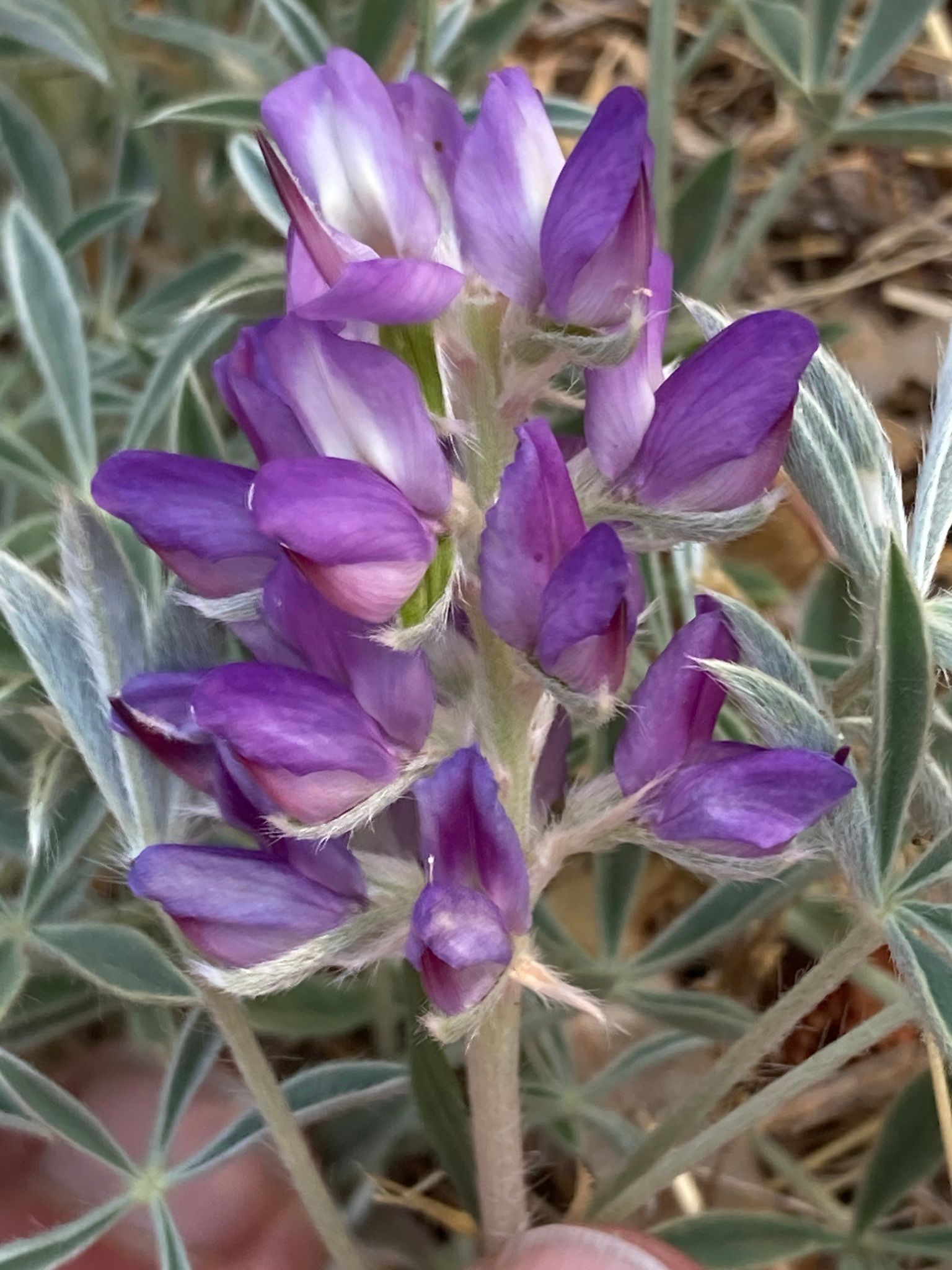
Desert lupines (Lupinus (arid-adapted species))
https://www.inaturalist.org/photos/526438781 Photo: (c) Liam Ragan, some rights reserved (CC BY-NC) | CC-BY-NC | iNaturalist

FAST FACTS

Quick Details

Essential stats and requirements for quick reference.

Also known asLupine
Bloom windowSpring into early summer (varies by species and site)
Typical heightVaries by species; often knee-high to waist-high in garden settings.
Pollinators supportedBees, Butterflies
Light & moistureFull sun; dry to medium moisture with excellent drainage.
Best roles for pollinatorsSunny, well-drained gardens where you want a hardy wildflower with showy blooms and pollinator activity.

SUMMARY

If You Remember Three Things

A quick scan of what they do, what they need, and the best first step.

What they do

Provide bright flower spikes that can attract pollinators and add strong vertical interest to dry, sunny plantings.
What they need

Sun, fast-draining soil, and a light hand with watering once established.

One best action

Choose the sunniest spot you have and make sure water can drain away quickly.

IMPACT

Why Plant This?

Desert lupines are a practical way to add pollinator-friendly blooms to bright, well-drained spaces, especially where you want plants that don’t need frequent watering once settled in.
Lupines are in the pea family, and their blossoms have a distinctive “banner and wings” shape that many people learn to recognize once they see it up close.

Key Impacts

What it Supports

  • Flower spikes can be a useful food stop for pollinators when blooms are available.
  • A good option for gardens that aim to use less water once plants are established.
  • Adds variety in shape and texture to pollinator plantings (spikes, soft leaves, seed pods).

RECOGNITION

Identification Guide

Use these quick clues to recognize desert lupines in the garden.

Leaves

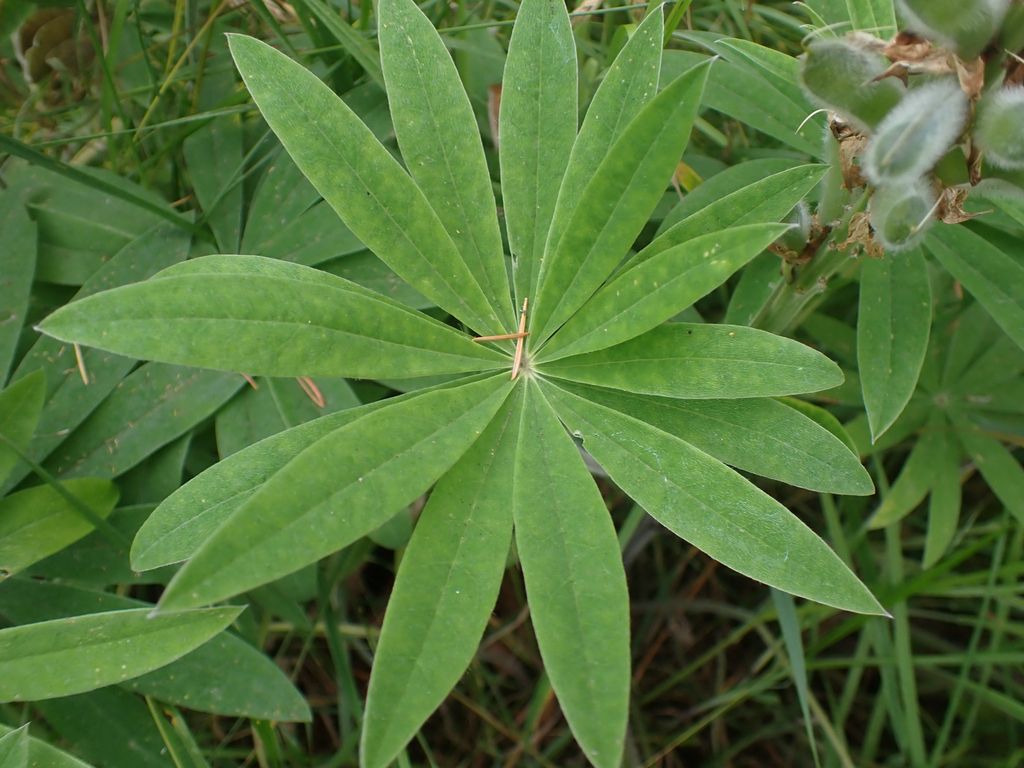
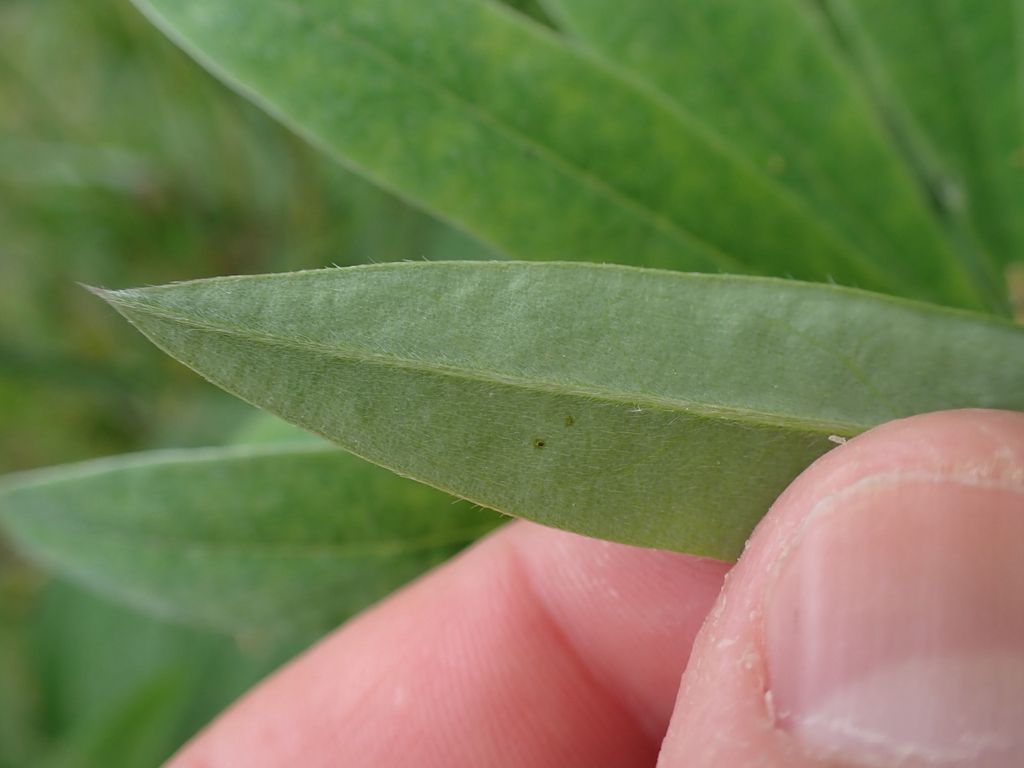
Palmate leaves with multiple narrow leaflets radiating from a single point; often soft-textured.

Flowers

Tall spikes of pea-like blossoms; colors vary by species and selection.

Fruits

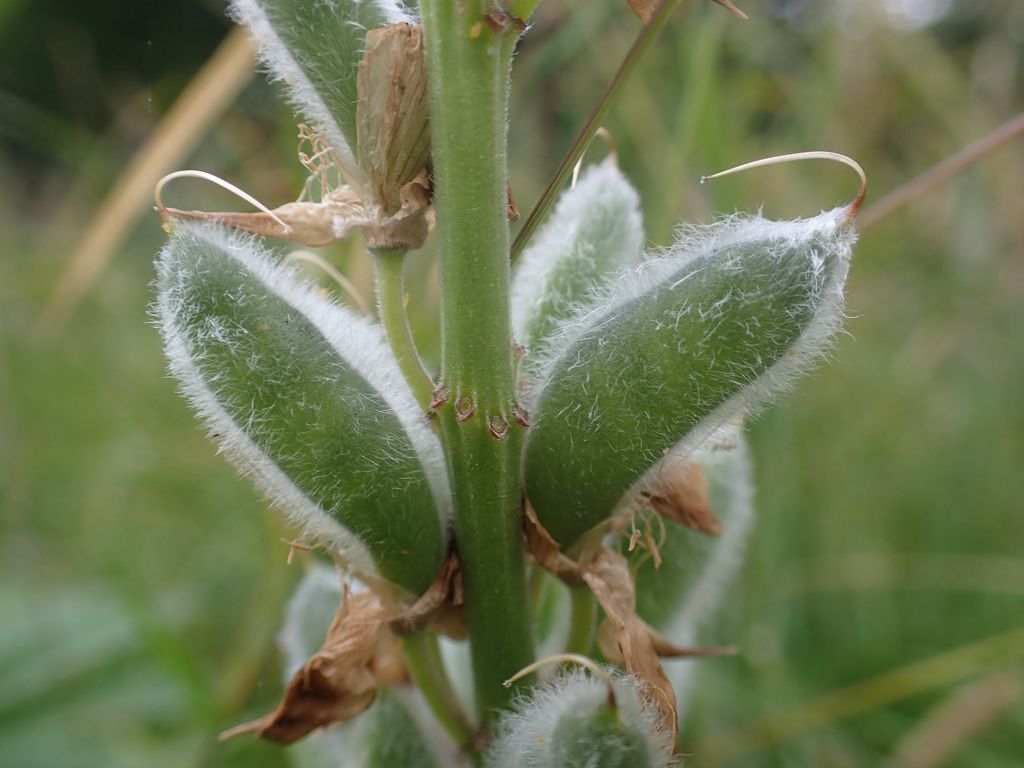
Elongated seed pods that develop after flowering and dry as they mature.
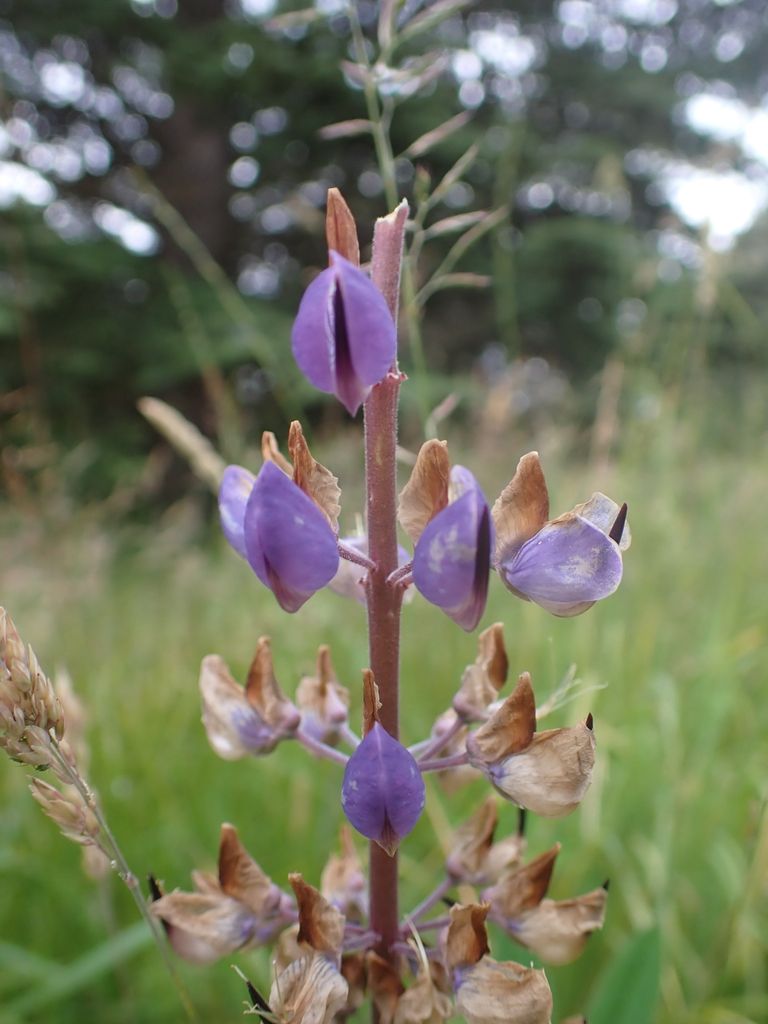
Desert lupines (Lupinus (arid-adapted species))
https://www.inaturalist.org/photos/526438784 Photo: (c) Liam Ragan, some rights reserved (CC BY-NC) | CC-BY-NC | iNaturalist
Desert lupines (Lupinus (arid-adapted species))

LOCATION

Where It Grows

Native environments and the best spots to place it in your landscape.

Habitats

  • Open, sunny areas with well-drained soils
  • Sandy or gravelly sites
  • Dry slopes and disturbed ground (species-dependent)

Where it is often used

  • Pollinator patch or school garden bed
  • Sunny border with drought-tolerant plants
  • Wildflower-style planting in a well-drained area
  • Container growing (with a deep pot and fast-draining mix)

SEASONALITY

When It Blooms

Notes on bloom windows and how this plant helps pollinators across the seasons.

Bloom window

Bloom timing depends on the species and local conditions, but desert lupines often shine earlier in the growing season.

Bloom Season Role: Early-to-mid season color and nectar/pollen in sunny beds.

Seasonal benefits

  • Helps fill the gap before many summer flowers peak
  • Adds a strong vertical bloom shape that stands out in mixed plantings

REQUIREMENTS

What It Needs

The right mix of sun, soil, and space for healthy growth.

Sun exposure

Full sun for best flowering and sturdy growth.

Soil type

Fast-draining soil is key. Sandy, gravelly, or rocky mixes work well; avoid heavy clay that stays wet.

Moisture needs

Water to establish, then let the soil dry between waterings. In-ground plants often need less water once settled.

Planting method

Plant where roots can grow deep and the crown won’t sit in soggy soil. Give each plant room for airflow.

Mulching tips

Use a light layer of gravel or coarse mulch if needed; avoid thick, wet mulches piled against the stem.

GARDENING GUIDE

How to Grow It

Simple steps to plant, prune, and maintain healthy trees without pesticides.

Planting tips

  • Pick a sunny spot with excellent drainage (or use a raised area/berm).
  • Loosen the soil and mix in grit or sand if drainage is slow.
  • Plant at the same depth as the pot (don’t bury the crown).
  • Water in gently, then water only when the top layer of soil has dried.
  • Add a plant label so you remember what you planted and can track bloom timing.

Seasonal care

  • Water sparingly after establishment; too much water can cause weak growth or rot.
  • Remove spent flower spikes if you want a tidier look; leave some to form pods if you want seeds for wildlife interest or future sowing.
  • Avoid heavy fertilizing; overly rich soil can lead to floppy plants and fewer blooms.
  • Weed carefully around young plants so they aren’t crowded.

What not to do

  • Planting in soil that stays wet after rain or watering.
  • Watering on a schedule instead of checking the soil.
  • Using high-nitrogen fertilizer to get bigger leaves.
  • Crowding plants so leaves stay damp and airflow is poor.

Pairings

Best Pairings for Season-Long Bloom

Pairing ideas to keep pollinators fed throughout the growing season.

Early Bloom

  • Early-blooming native wildflowers suited to sunny, well-drained beds
  • Low, spring-flowering groundcovers that won’t smother seedlings

Mid-Season Bloom

  • Other sun-loving wildflowers with different flower shapes (daisies, umbels, spikes)
  • Clump-forming grasses for structure and airflow

Late-Season Bloom

  • Late-summer and fall-blooming wildflowers to keep flowers available later in the season
  • Seed-head plants that add texture after lupines finish
“Desert lupines” is a broad, common-name group. If you’re shopping, look for arid-adapted Lupinus species or selections suited to dry, sunny conditions, and match them to your garden’s drainage.

GLOSSARY

Key Terms

A few quick terms you might see on plant tags or garden guides:

Glossary terms are being added.

What You Can Do

Make a difference for native habitats.

Turn this knowledge into action. Whether you plant a single pot or a whole garden, you are building a vital bridge for local biodiversity.

Join the movement to restore our shared habitats.

Pollinators supported

Species that benefit from this plant

Pollinator links are being added for this plant.

Regions

Where this plant is native

Regional links are being added for this plant.