Skip to content
Dogbanes (*Apocynum* (genus))
Plant profile

Dogbanes

Genus Apocynum

Dogbanes are tough, native-leaning wildflowers in the genus Apocynum that offer small, nectar-rich blooms and a strong, upright presence in sunny, open spaces.

Plant Type

Wildflowers (herbaceous perennials) > Dogbanes

Aliases

Dogbane

Native Range

Native to parts of North America (varies by species)

Bloom window

Summer (varies by species and site)

OVERVIEW

About This Plant

Dogbanes (genus Apocynum) are a good fit for gardeners who like plants that can take care of themselves once established. They’re not the flashiest bloomers from a distance, but up close their clustered flowers can be active with visiting insects.

If you’re building a pollinator patch, dogbanes can work best as part of a mix: pair them with earlier and later bloomers so something is flowering across the season. Give them sun and a bit of room, and they can become a steady, reliable piece of a more natural-looking planting.

Best role for pollinators
Sunny edges, naturalized areas, and low-fuss pollinator patches where plants can spread a little
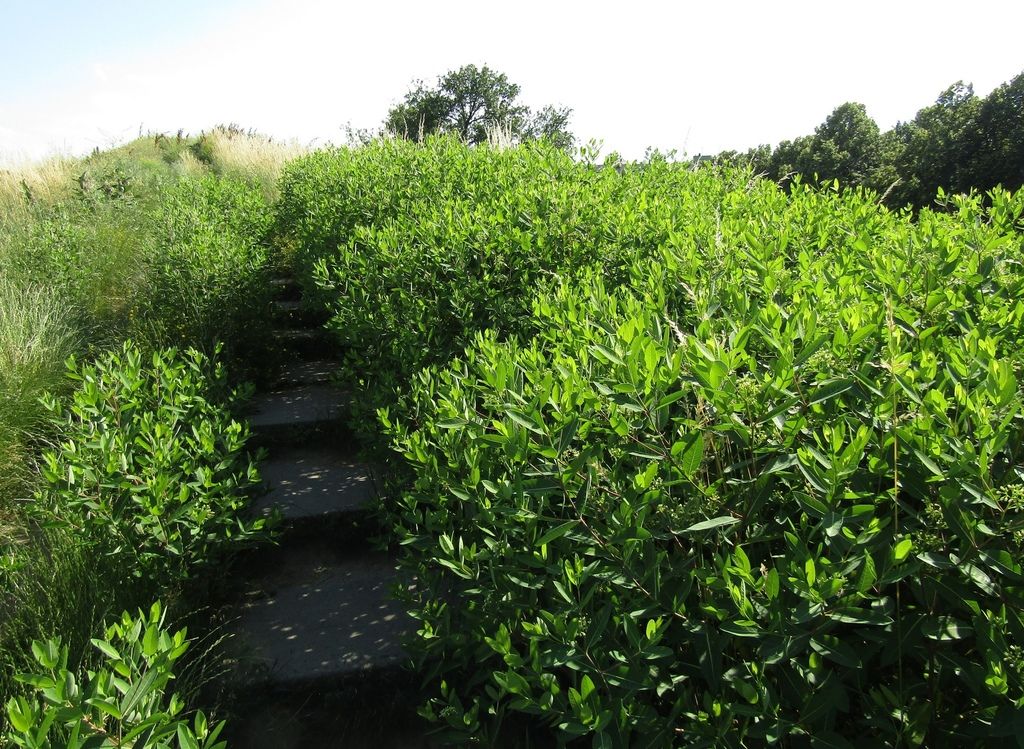
Dogbanes (Apocynum (genus))
https://www.inaturalist.org/photos/151135678 Photo: (c) Oleksandr Shynder, some rights reserved (CC BY-NC) | CC-BY-NC | iNaturalist

FAST FACTS

Quick Details

Essential stats and requirements for quick reference.

Also known asDogbane
Bloom windowSummer (varies by species and site)
Typical heightMedium to tall (varies by species and conditions)
Pollinators supportedBees, Butterflies, Flies, Wasps
Light & moistureBest in sun; tolerates a range of moisture once established
Best roles for pollinatorsSunny edges, naturalized areas, and low-fuss pollinator patches where plants can spread a little

SUMMARY

If You Remember Three Things

A quick scan of what they do, what they need, and the best first step.

What they do

Dogbanes add mid-season flowers and structure, and can help keep a pollinator patch active when other plants are between bloom peaks.
What they need

Sun and space, plus a spot where a spreading perennial won’t be a problem.

One best action

Give dogbanes a defined area (like an edge or naturalized strip) so you can enjoy them without constant editing.

IMPACT

Why Plant This?

Dogbanes can be a practical choice for pollinator-friendly spaces that get plenty of sun and don’t need a perfectly formal look. Their small flowers can still provide useful nectar, and the plants can fill in open areas over time.
Dogbanes are known for strong, fibrous stems—one reason they can hold their own in open, sunny places.

Key Impacts

What it Supports

  • Many small flowers can add up to a lot of foraging opportunities over a bloom period.
  • Upright stems can add height and texture to a pollinator planting.
  • Works well in “let it be a little wild” areas where low-maintenance plants shine.

RECOGNITION

Identification Guide

Use these quick clues to recognize dogbanes in the garden or along a sunny edge.

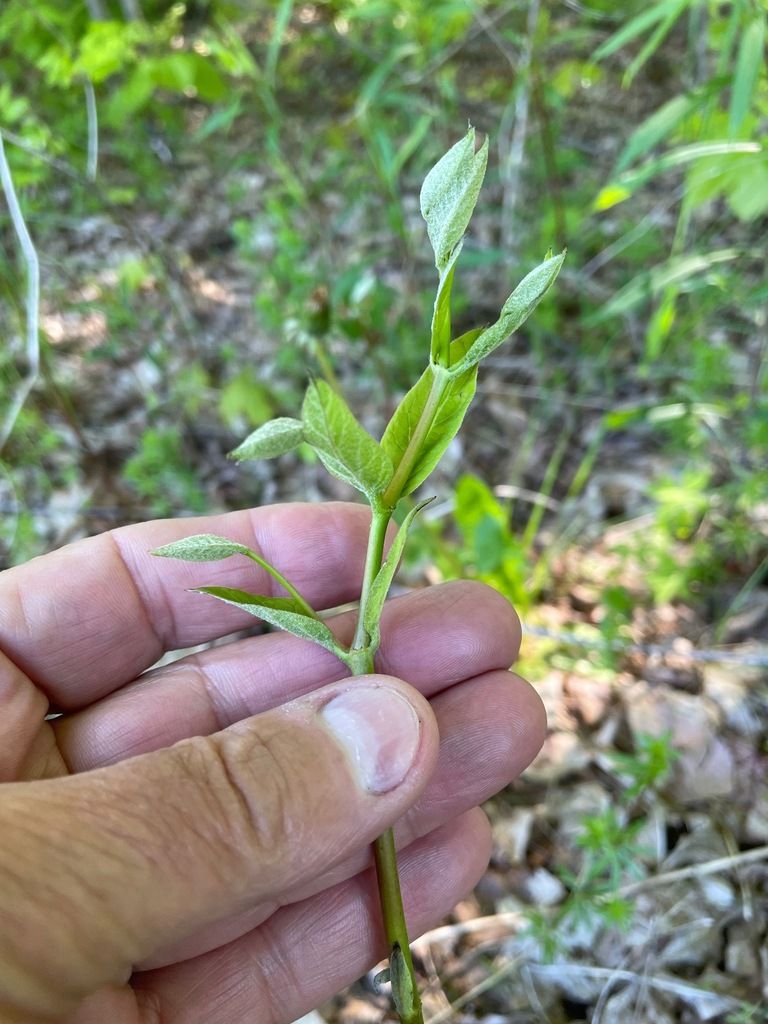
Leaves

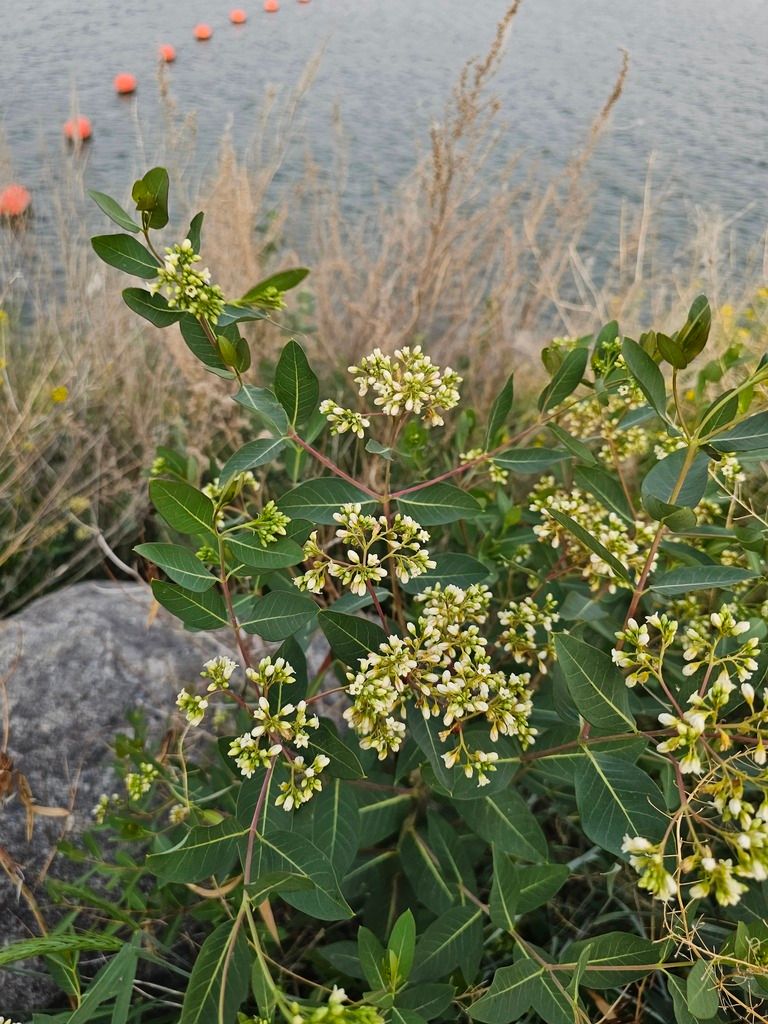
Simple, smooth-edged leaves held along upright stems; overall look is clean and not feathery or divided.

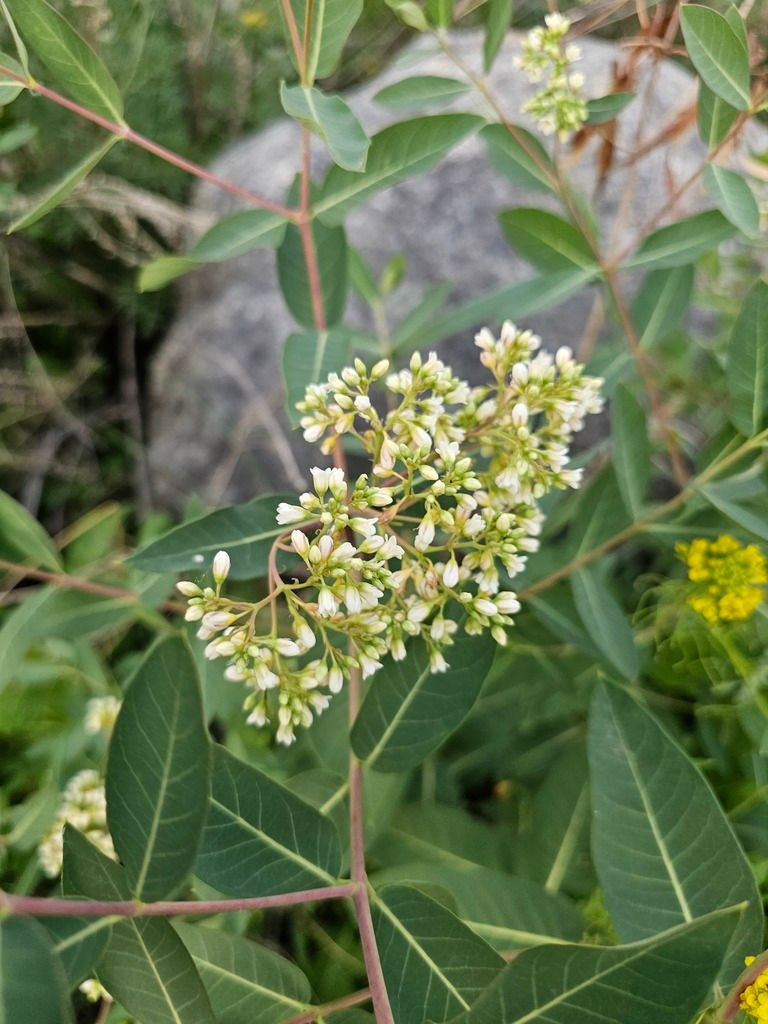
Flowers

Small, pale flowers in clusters, often near the tops of stems; not showy from far away but noticeable up close.

Fruits

After flowering, plants may form slender pods typical of the group (varies by species).
Dogbanes (Apocynum (genus))
https://www.inaturalist.org/photos/289826438 Photo: (c) Thilina Hettiarachchi, some rights reserved (CC BY) | CC-BY | iNaturalist
Dogbanes (Apocynum (genus))

LOCATION

Where It Grows

Native environments and the best spots to place it in your landscape.

Habitats

  • Sunny edges
  • Open fields and meadows
  • Roadsides and other open, disturbed ground

Where it is often used

  • Naturalized pollinator patch
  • Sunny edge planting
  • Meadow-style garden
  • Low-fuss wildlife-friendly strip along a fence or path

SEASONALITY

When It Blooms

Notes on bloom windows and how this plant helps pollinators across the seasons.

Bloom window

Dogbanes typically bloom in the warmer part of the growing season, depending on the species and the site.

Bloom Season Role: A mid-season nectar stop with many small flowers over time

Seasonal benefits

  • Helps bridge the gap between early and late bloomers
  • Offers steady foraging from many small flowers

REQUIREMENTS

What It Needs

The right mix of sun, soil, and space for healthy growth.

Sun exposure

Sun is best; part sun can work, especially in open, bright sites.

Soil type

Tolerates many soils; does well in average, well-drained ground.

Moisture needs

Water to establish; after that, it’s usually fairly self-sufficient in typical garden conditions.

Planting method

Plant where it has room to form a patch; consider using it in a naturalized area rather than a tight border.

Mulching tips

Use a light mulch if needed to reduce weeds while young, but avoid burying the crown.

GARDENING GUIDE

How to Grow It

Simple steps to plant, prune, and maintain healthy trees without pesticides.

Planting tips

  • Choose a sunny spot where a spreading perennial is welcome.
  • Clear a small area of weeds and loosen the top layer of soil.
  • Plant at the same depth it was growing in its pot, and water in well.
  • Keep the area lightly watered until you see new growth and the plant looks settled.
  • Label it—dogbanes can be easy to forget when they’re not in bloom.

Seasonal care

  • Let stems stand until they’re done flowering if you want maximum bloom time.
  • Edit the patch by pulling or digging unwanted shoots at the edges.
  • Cut back old stems when they’re dry and finished, or leave some standing for seasonal structure.
  • Avoid pesticide use in and around the planting, especially during bloom.

What not to do

  • Planting dogbanes in a small, formal bed where spreading will be frustrating.
  • Assuming the plant is a weed before it blooms.
  • Spraying for insects during bloom time.
  • Breaking stems without thinking about sap.

Pairings

Best Pairings for Season-Long Bloom

Pairing ideas to keep pollinators fed throughout the growing season.

Early Bloom

  • Early-blooming native wildflowers suited to your site
  • Spring bulbs in nearby beds (where appropriate)

Mid-Season Bloom

  • Other summer-blooming meadow wildflowers
  • Clump-forming grasses for structure

Late-Season Bloom

  • Late-season wildflowers that bloom into fall
  • Seed-head plants that add texture later in the year
Dogbanes have milky sap. It’s a good idea to handle the plant with care, especially when cutting or pulling, and to keep plant parts away from curious pets and small children.

GLOSSARY

Key Terms

A few helpful terms you might see when shopping for or growing dogbanes:

Glossary terms are being added.

What You Can Do

Make a difference for native habitats.

Turn this knowledge into action. Whether you plant a single pot or a whole garden, you are building a vital bridge for local biodiversity.

Join the movement to restore our shared habitats.

Pollinators supported

Species that benefit from this plant

Pollinator links are being added for this plant.

Regions

Where this plant is native

Regional links are being added for this plant.