

What they do
Provide fragrant, tubular flowers that can support pollinators—especially those active later in the day.
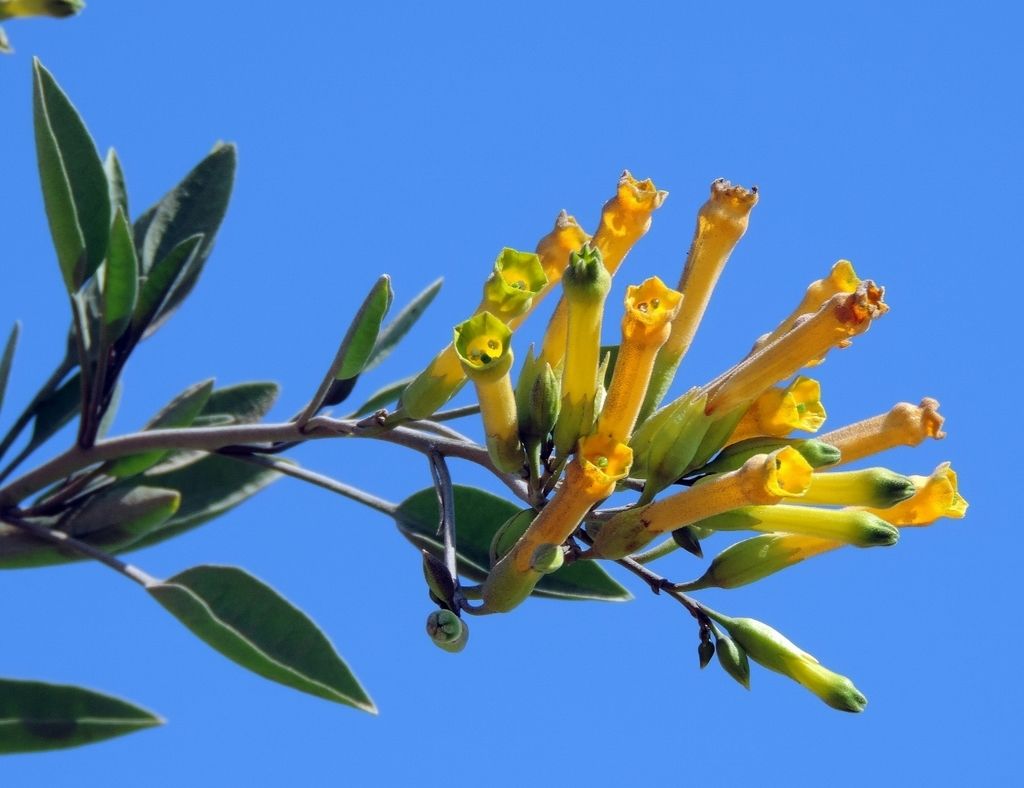
Genus Nicotiana (native spp.)
Evening-scented tobaccos are native Nicotiana species grown for their tubular flowers and sweet fragrance that becomes strongest toward evening—an easy way to add pollinator-friendly blooms to gardens and containers.
Plant Type
Wildflowers (herbaceous perennials) > Evening-scented tobaccos (native)
Aliases
Wild tobacco
Native Range
Native species occur in parts of North America; choose a native Nicotiana suited to your region and local availability.
Bloom window
Often blooms through the warmer months, with fragrance strongest in the evening
OVERVIEW
Evening-scented tobaccos (native Nicotiana species) are a practical choice when you want flowers that do double duty: they look good in the day and smell wonderful in the evening. Plant them where you’ll actually notice the fragrance—near a door, a bench, or a window you open at night.
They’re also flexible. In the ground, they can add height and a soft, airy feel to a border. In a large container, they can become a “mini habitat patch” that’s easy to water and enjoy up close.
To keep plants happy, focus on the basics: bright light, reasonably well-drained soil, and consistent watering while they establish. If you’re growing in a pot, don’t be surprised if you need to water more often during hot, windy weather.
If you’re choosing plants at a sale or nursery, ask specifically for a native Nicotiana species suited to your area. That simple step helps you get a plant that’s more likely to thrive—and supports the goal of building pollinator-friendly spaces one garden (or one pot) at a time.
FAST FACTS
Essential stats and requirements for quick reference.
| Category | Details |
|---|---|
| Also known as | Wild tobacco |
| Bloom window | Often blooms through the warmer months, with fragrance strongest in the evening |
| Typical height | Varies by species; often medium to tall |
| Pollinators supported | Moths, Bees |
| Light & moisture | Sun to part sun; keep soil evenly moist while establishing |
| Best roles for pollinators | Evening fragrance, pollinator-friendly flowers, beds and large pots, adding height and soft color to mixed plantings |
SUMMARY
A quick scan of what they do, what they need, and the best first step.
Provide fragrant, tubular flowers that can support pollinators—especially those active later in the day.
A bright spot, reasonably well-drained soil, and steady watering while they settle in.
Place them where you’ll notice the evening scent (near a path, porch, or window) and keep watering consistent.
IMPACT
Key Impacts
RECOGNITION
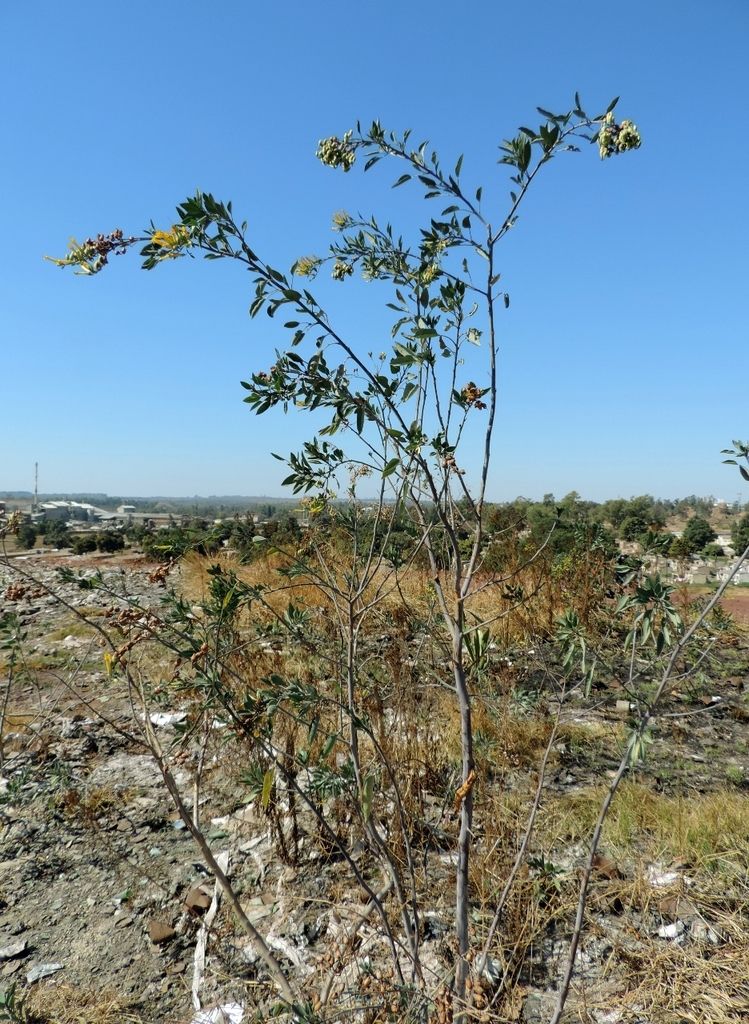
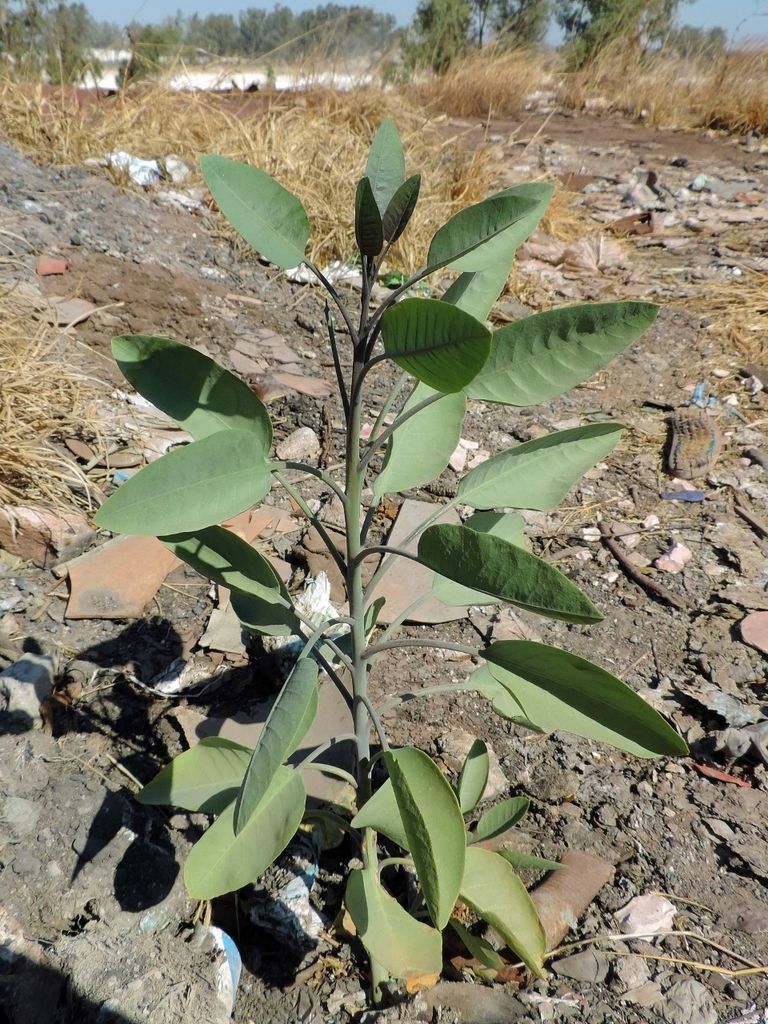
Leafy, soft-looking foliage; leaf size and shape vary by species, often broader near the base.
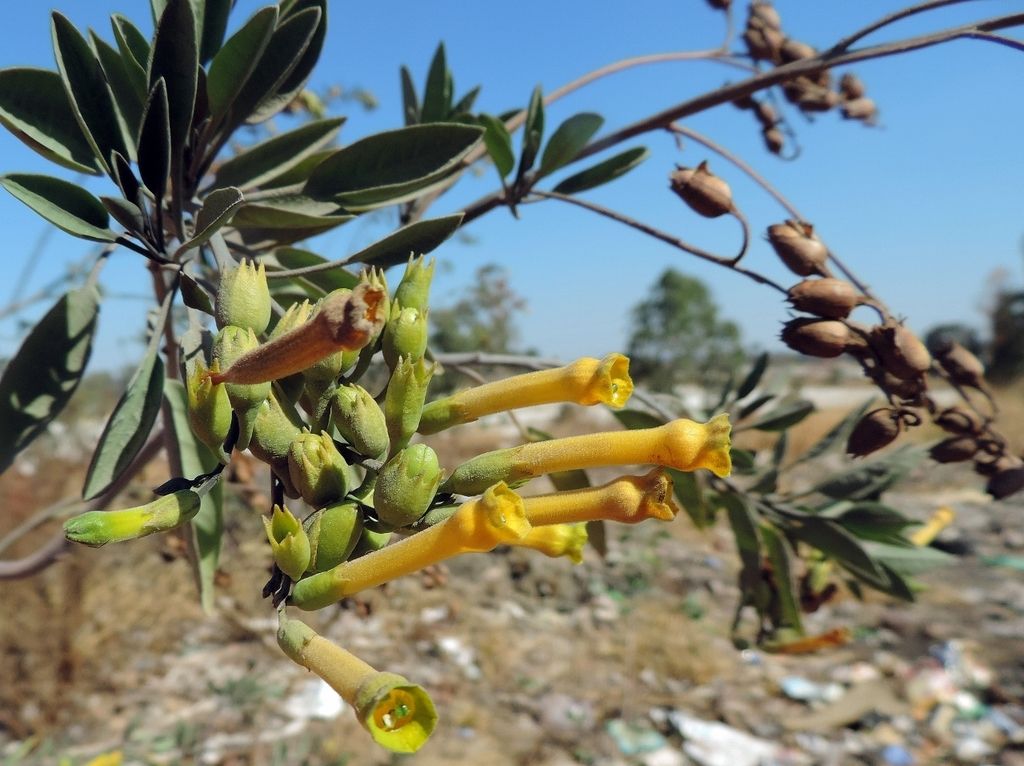
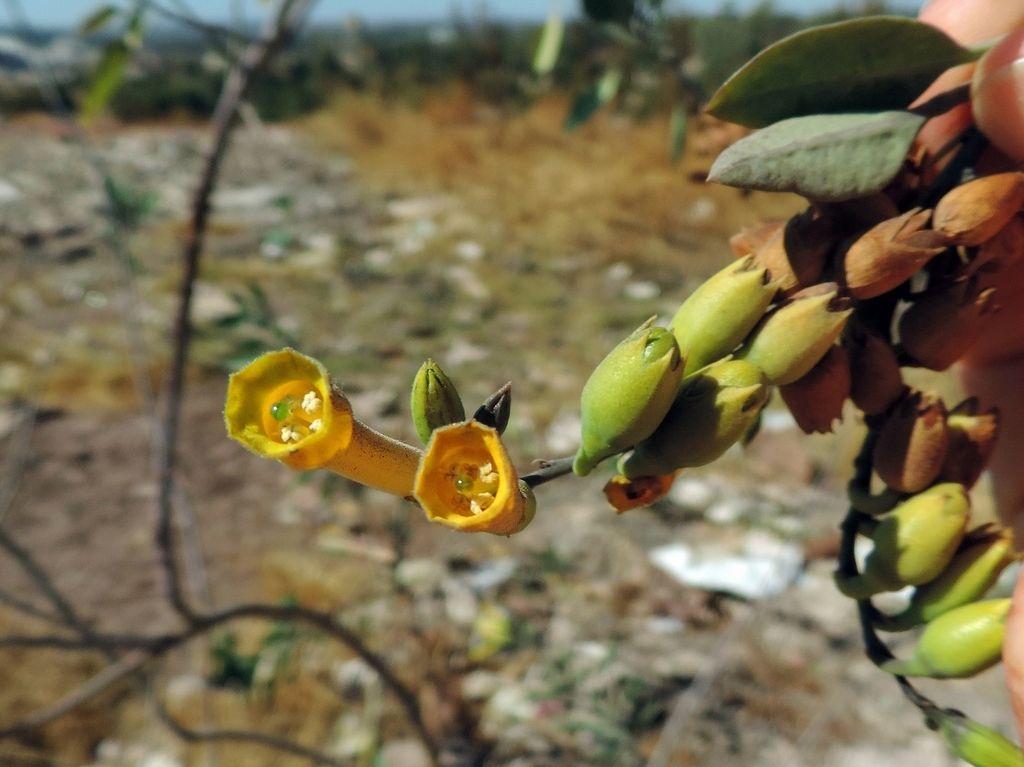
Narrow, tubular flowers with flared tips, often pale or softly colored; fragrance is strongest toward evening.
After flowering, plants may form small seed capsules.
LOCATION
Native environments and the best spots to place it in your landscape.
SEASONALITY
Notes on bloom windows and how this plant helps pollinators across the seasons.
Evening-scented tobaccos are best appreciated when you’re outside later in the day.
Bloom Season Role: Evening-scented, tubular flowers that can extend bloom interest into dusk
REQUIREMENTS
The right mix of sun, soil, and space for healthy growth.
Best in sun to part sun. In heavier shade, plants may grow but flower less.
Average garden soil that drains reasonably well. Improve very compacted soil with compost.
Water regularly while establishing. After that, aim for steady moisture—especially in containers and during dry spells.
Plant where you can enjoy the evening scent. Give enough space for airflow and mature size.
Use a light layer of mulch to reduce drying and splashing soil, keeping mulch off the stem base.
GARDENING GUIDE
Simple steps to plant, prune, and maintain healthy trees without pesticides.
Pairings
Pairing ideas to keep pollinators fed throughout the growing season.
GLOSSARY
Glossary terms are being added.
What You Can Do
Turn this knowledge into action. Whether you plant a single pot or a whole garden, you are building a vital bridge for local biodiversity.
Join the movement to restore our shared habitats.