
What they do
Add small, nectar-rich blooms to a mixed native planting and help make your pollinator patch feel more natural.
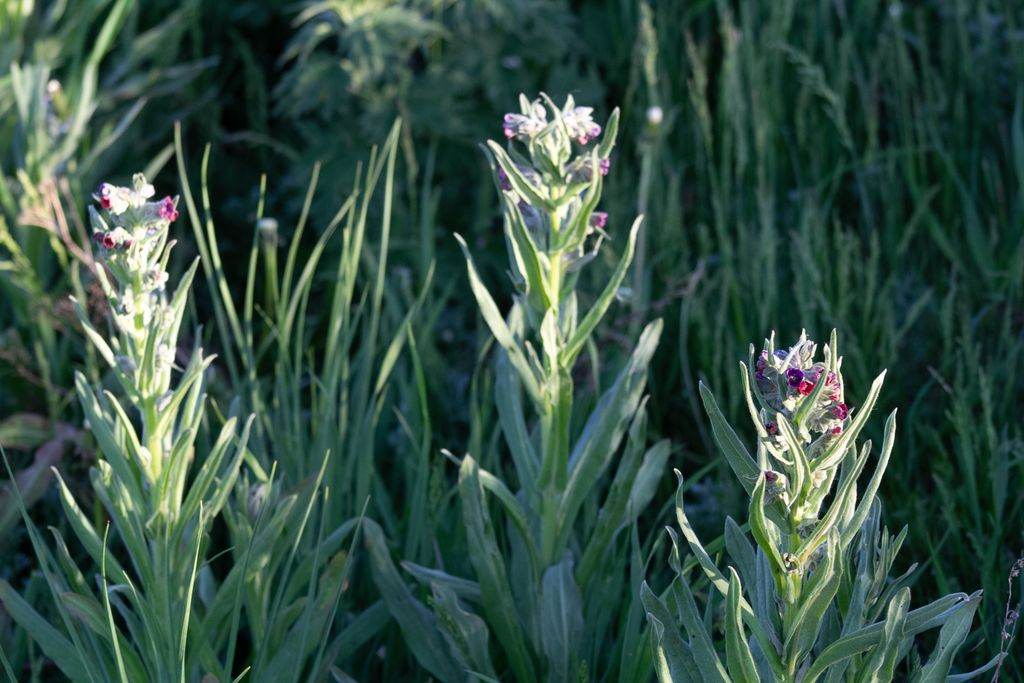
Genus Cynoglossum (native spp.)
Houndstongues are native wildflowers in the genus Cynoglossum that offer small, nectar-rich blooms and a tough, adaptable presence in naturalized garden areas.
Plant Type
Wildflowers (herbaceous perennials) > Houndstongues
Aliases
Houndstongue
Native Range
Native species occur in parts of Canada and the United States (varies by species).
Bloom window
Spring to summer (varies by species)
OVERVIEW
Houndstongues (Cynoglossum spp.) are resilient native wildflowers that function as essential, low-fuss components in layered habitat gardens, adding soft texture with their hairy leaves. They are valuable because their small, nectar-rich flowers offer accessible forage for a variety of emerging native insects, providing critical diversity in bloom size and shape that supports a broader range of pollinators.
For planting, site Houndstongues in areas receiving sun to part shade with reasonably well-drained soil. They thrive in naturalized, meadow-style plantings and along garden edges. Once established, they require minimal maintenance, making them ideal for resilient native patches.
To maximize their pollinator benefit, avoid all pesticides. Houndstongues work best as part of a varied planting—pair them with flowers that bloom earlier and later to ensure continuous food availability across the growing season.
FAST FACTS
Essential stats and requirements for quick reference.
| Category | Details |
|---|---|
| Also known as | Houndstongue |
| Bloom window | Spring to summer (varies by species) |
| Typical height | Varies by species; generally low to medium height |
| Pollinators supported | Bees, Butterflies, Flies |
| Light & moisture | Sun to part shade; average moisture (varies by species) |
| Best roles for pollinators | Naturalized pollinator patches, garden edges, and low-fuss native plantings |
SUMMARY
A quick scan of what they do, what they need, and the best first step.
Add small, nectar-rich blooms to a mixed native planting and help make your pollinator patch feel more natural.
A reasonably well-drained spot and a little space to grow without being crowded out.
Plant houndstongues as part of a diverse mix (not a single-species bed) and keep the area pesticide-free.
IMPACT
Key Impacts
RECOGNITION
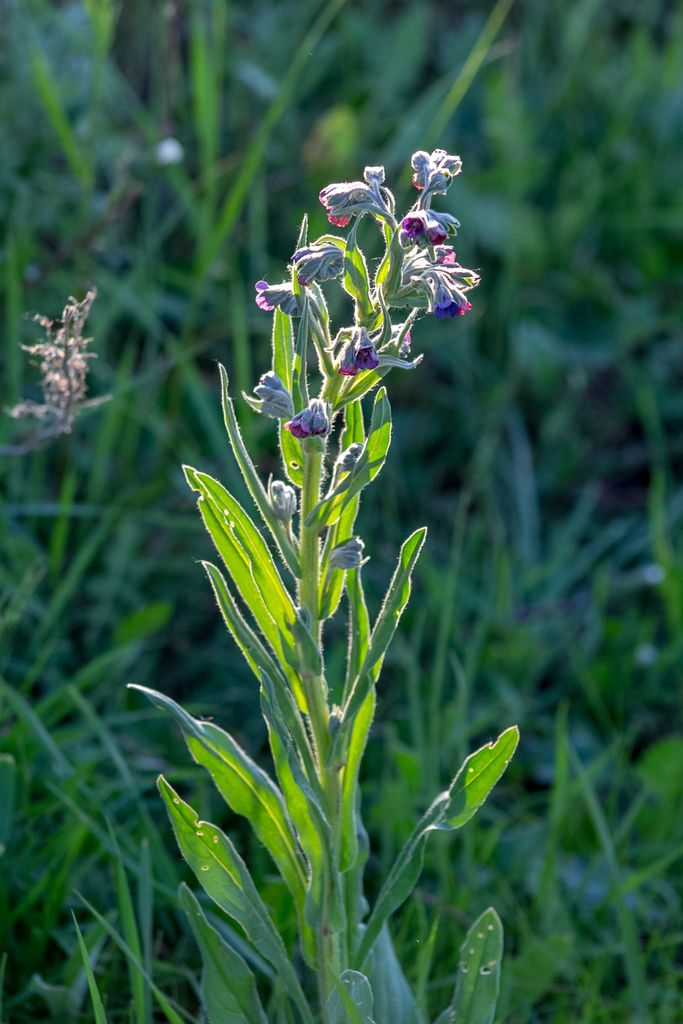
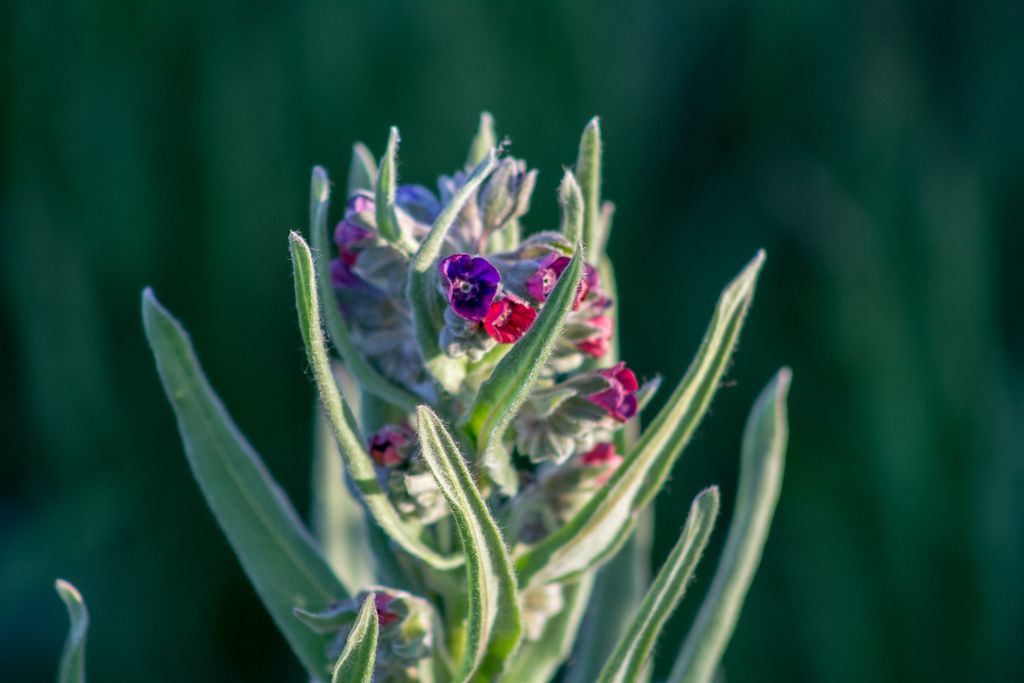
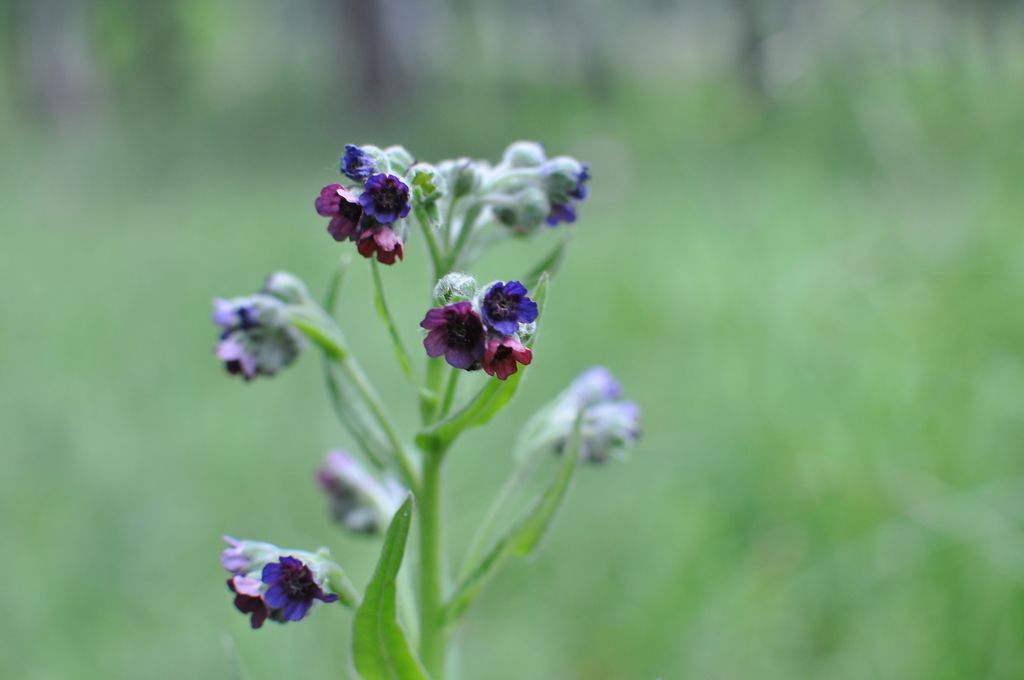
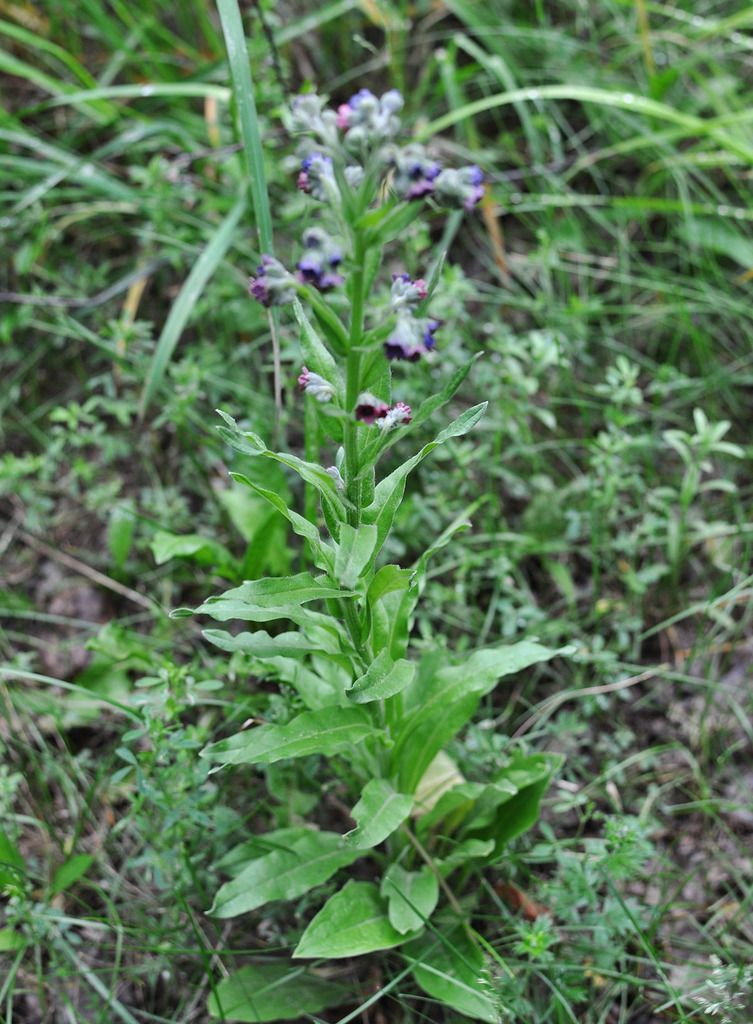
Often fuzzy or softly hairy, typically narrow to oval, with a slightly rough texture.
Small, clustered blooms; color and exact shape vary by species.
May form small seed structures after flowering; details vary by species.
LOCATION
Native environments and the best spots to place it in your landscape.
SEASONALITY
Notes on bloom windows and how this plant helps pollinators across the seasons.
Bloom timing depends on the species, but houndstongues often show up from spring into summer.
Bloom Season Role: A supporting bloomer that helps fill in gaps in a mixed planting
REQUIREMENTS
The right mix of sun, soil, and space for healthy growth.
Sun to part shade. In hotter, drier spots, a little afternoon shade can help.
Average garden soil is usually fine; aim for decent drainage.
Water to establish, then water during long dry spells. Avoid constantly wet soil.
Plant in spring or fall. Give each plant room so air can move through the leaves.
Use a light layer of mulch to reduce weeds, but keep mulch off the crown of the plant.
GARDENING GUIDE
Simple steps to plant, prune, and maintain healthy trees without pesticides.
Pairings
Pairing ideas to keep pollinators fed throughout the growing season.
GLOSSARY
Glossary terms are being added.
What You Can Do
Turn this knowledge into action. Whether you plant a single pot or a whole garden, you are building a vital bridge for local biodiversity.
Join the movement to restore our shared habitats.