Skip to content
Ipomopsis (*Ipomopsis* spp.)
Plant profile

Ipomopsis

Genus Ipomopsis

Ipomopsis (often called skyrocket) is a group of North American wildflowers known for airy stems and bright, tubular blooms that are easy to spot in sunny, open gardens.

Plant Type

Wildflowers (herbaceous perennials) > Ipomopsis

Aliases

Skyrocket

Native Range

North America (varies by species)

Bloom window

Varies by species; often summer into late summer

OVERVIEW

About This Plant

Ipomopsis (skyrocket) is a genus of wildflowers that can bring bright, tubular blooms and a light, upright shape to sunny gardens. Because different species have different needs, the most reliable approach is to focus on the basics: sun, good drainage, and enough space so the plant isn’t shaded out.

In a pollinator-friendly planting, Ipomopsis works best as part of a mix. Pair it with earlier bloomers so something is flowering in spring, then let Ipomopsis carry color into the warmer months. Finish the season with late bloomers so your garden keeps offering food and shelter as the year winds down.

If you’re gardening in the Toronto area, look for locally available Ipomopsis options and choose plants that match your site—especially your soil drainage. A little planning up front (right plant, right place) usually means less work later and a healthier, more resilient garden.

Best role for pollinators
Sunny, well-drained spots where you want tall, airy color and pollinator-friendly blooms
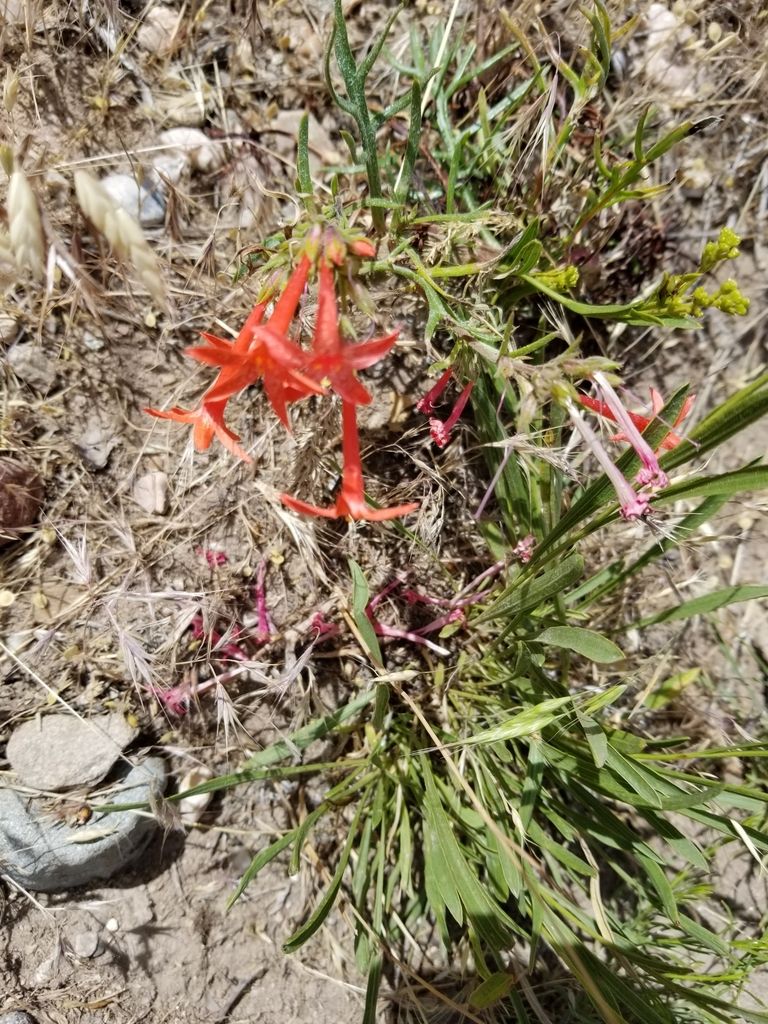
Ipomopsis (Ipomopsis spp.)
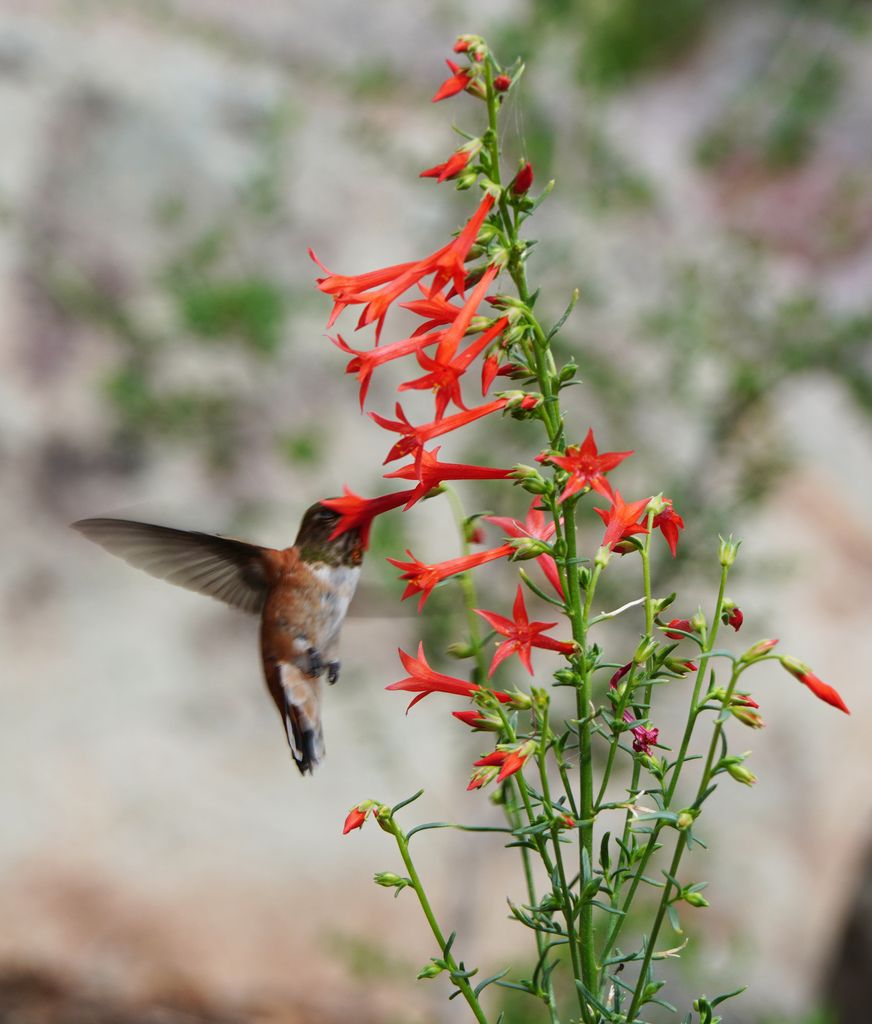
https://www.inaturalist.org/photos/20012362 Photo: (c) Jessica Stahle, some rights reserved (CC BY-NC) | CC-BY-NC | iNaturalist

FAST FACTS

Quick Details

Essential stats and requirements for quick reference.

Also known asSkyrocket
Bloom windowVaries by species; often summer into late summer
Typical heightVaries by species; often medium to tall
Pollinators supportedBees, Butterflies, Hummingbirds
Light & moistureSun to part sun; best in well-drained soil with moderate moisture
Best roles for pollinatorsSunny, well-drained spots where you want tall, airy color and pollinator-friendly blooms

SUMMARY

If You Remember Three Things

A quick scan of what they do, what they need, and the best first step.

What they do

Ipomopsis adds bright, tubular flowers that can help support a range of pollinators in sunny gardens.
What they need

Give it sun, good drainage, and a spot where neighboring plants won’t smother it.

One best action

Choose a sunny, well-drained location and keep the area lightly mulched, not buried.

IMPACT

Why Plant This?

Adding a few well-chosen wildflowers like Ipomopsis can make a small garden feel more alive by offering bright blooms and nectar in sunny spaces.
Some Ipomopsis species are especially known for their “skyrocket” look—slender stems topped with vivid flower clusters that stand out from a distance.

Key Impacts

What it Supports

  • Tubular flowers can be a helpful nectar source during the growing season.
  • Tall stems add structure and visibility in mixed plantings.
  • Works well in “small patch” gardens where every plant needs to do more than one job.

RECOGNITION

Identification Guide

Ipomopsis can look delicate from afar, but it’s easy to recognize once you know the main features.

Leaves

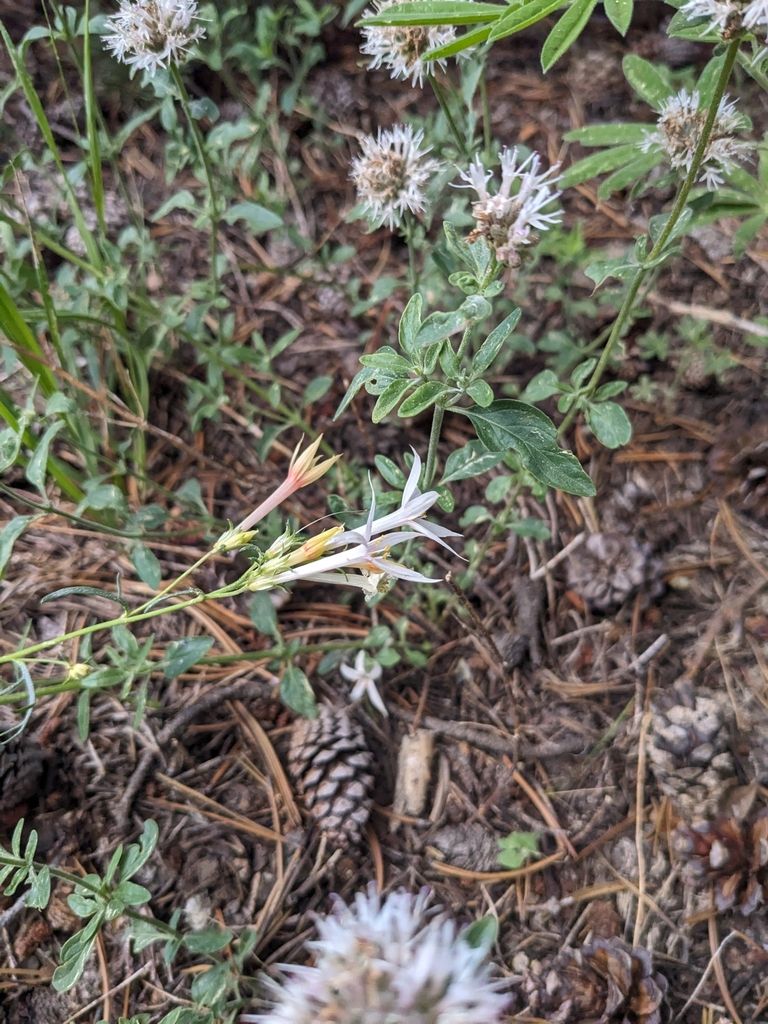
Often narrow and sometimes finely divided; overall foliage can look light and threadlike depending on the species.

Flowers

Bright, tubular flowers in clusters; long flower tubes with flared tips.

Fruits

After flowering, forms small seed capsules (appearance varies by species).
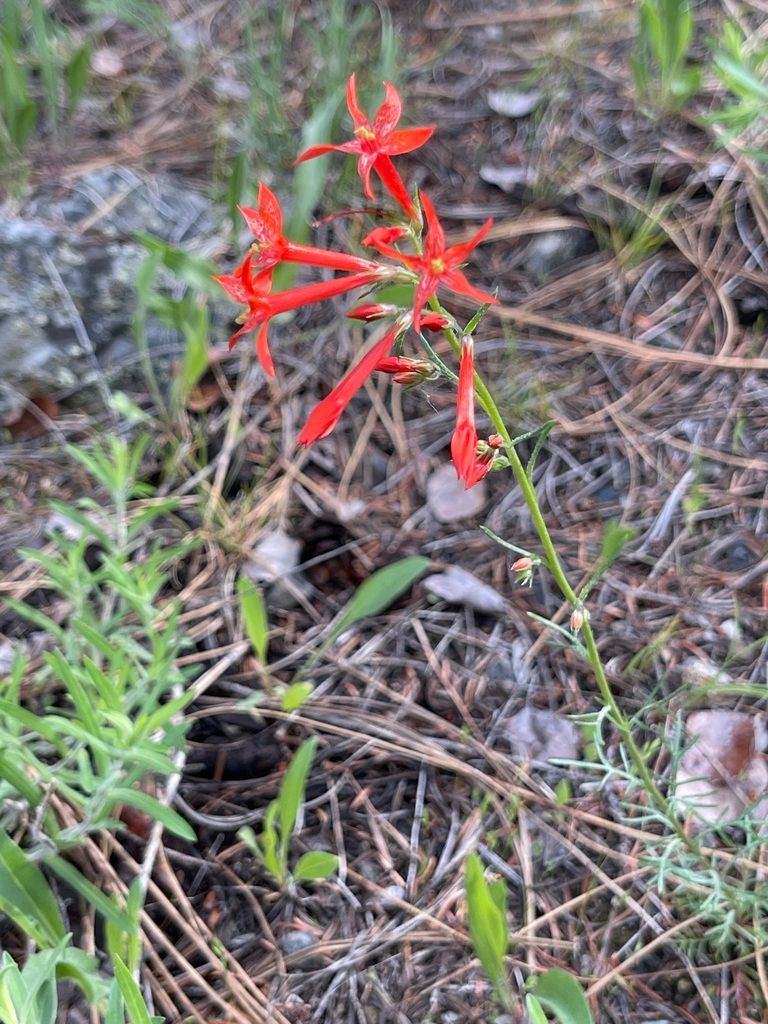
Ipomopsis (Ipomopsis spp.)
https://www.inaturalist.org/photos/310214202 Photo: (c) Aidan Marshall, some rights reserved (CC BY-NC) | CC-BY-NC | iNaturalist
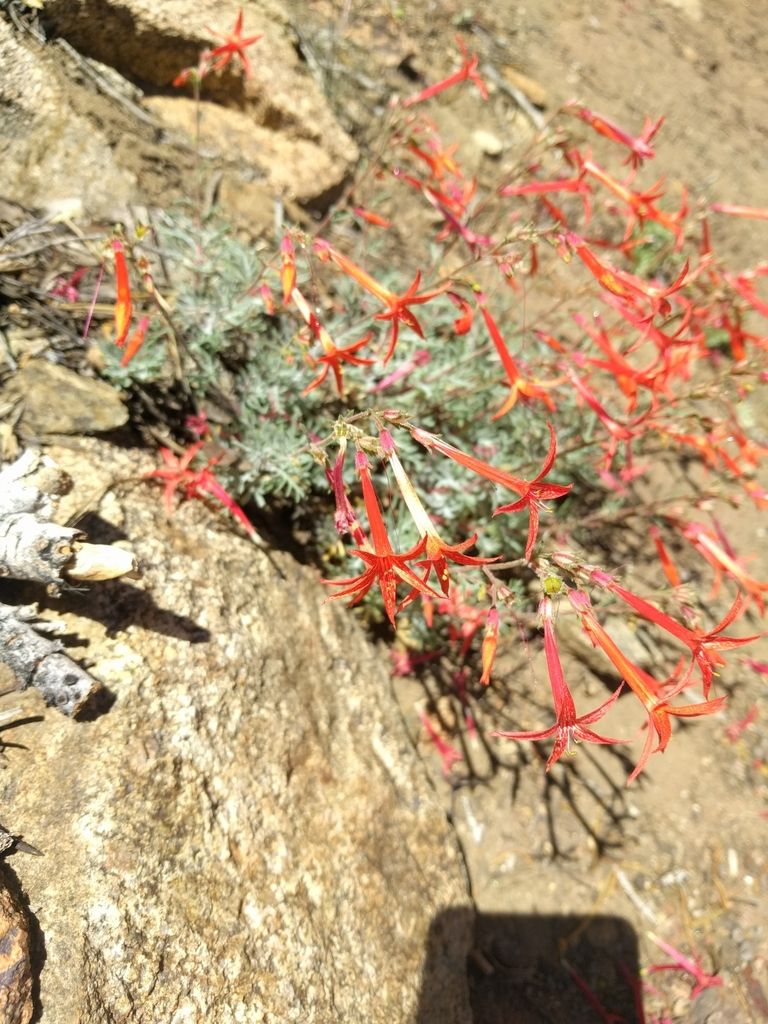
Ipomopsis (Ipomopsis spp.)

LOCATION

Where It Grows

Native environments and the best spots to place it in your landscape.

Habitats

  • Open, sunny areas
  • Dry to moderately moist meadows
  • Rocky or well-drained slopes (species-dependent)

Where it is often used

  • Pollinator garden focal points
  • Meadow-style plantings
  • Rock gardens and dry borders (where soil drains well)
  • Back-of-border height without heavy foliage
  • Containers (larger pots with excellent drainage)

SEASONALITY

When It Blooms

Notes on bloom windows and how this plant helps pollinators across the seasons.

Bloom window

Bloom timing depends on the species and your local conditions, but many Ipomopsis types shine in the warmer part of the season.

Bloom Season Role: Adds mid-to-late season color and vertical accents

Seasonal benefits

  • Extends nectar availability later in the season
  • Adds vertical interest when many plants are mounding or low
  • Pairs well with earlier bloomers to create a longer “bloom relay”

REQUIREMENTS

What It Needs

The right mix of sun, soil, and space for healthy growth.

Sun exposure

Choose a sunny spot; part sun can work if the area stays bright for much of the day.

Soil type

Well-drained soil is key. If your soil stays wet, improve drainage or use a raised bed.

Moisture needs

Water to establish, then aim for steady but not soggy moisture. Let the top of the soil dry slightly between waterings.

Planting method

Plant where it won’t be crowded by fast-spreading neighbors. Give it breathing room for airflow and light.

Mulching tips

Use a light layer of mulch to reduce weeds, but keep mulch pulled back from the crown to prevent rot.

GARDENING GUIDE

How to Grow It

Simple steps to plant, prune, and maintain healthy trees without pesticides.

Planting tips

  • Pick a sunny, well-drained location (or a raised bed if drainage is poor).
  • Loosen the soil and remove weeds so young plants aren’t competing right away.
  • Plant at the same depth as the pot, and water in gently.
  • Add a thin mulch layer to help with weeds, keeping it away from the base of the plant.
  • Mark the spot so you don’t accidentally dig it up before it reappears in spring.

Seasonal care

  • Water during long dry spells, especially in the first season.
  • Weed lightly around the base so the plant isn’t shaded or crowded.
  • Stake only if needed in very windy spots; many plants stand fine on their own when not over-fertilized.
  • Deadhead for tidiness if you like, or leave some seed heads if you want natural reseeding (where appropriate).
  • Avoid pesticides, especially when the plant is in bloom.

What not to do

  • Planting in heavy soil that stays wet after rain.
  • Overwatering once the plant is established.
  • Letting nearby plants crowd and shade it.
  • Using pesticides to “solve” insect problems during bloom.

Pairings

Best Pairings for Season-Long Bloom

Pairing ideas to keep pollinators fed throughout the growing season.

Early Bloom

  • Spring ephemerals and early native wildflowers (choose local options)
  • Early-blooming penstemons (where suitable)

Mid-Season Bloom

  • Native grasses (clump-forming, not aggressive)
  • Bee-friendly summer wildflowers suited to your area

Late-Season Bloom

  • Late-season asters (local species)
  • Goldenrods (well-behaved types for gardens)
Ipomopsis is a genus with multiple species and natural variation. If you’re shopping locally, ask for a species or selection that’s suited to your area and garden conditions.

GLOSSARY

Key Terms

A few quick terms you might see on plant tags or garden guides:

Glossary terms are being added.

What You Can Do

Make a difference for native habitats.

Turn this knowledge into action. Whether you plant a single pot or a whole garden, you are building a vital bridge for local biodiversity.

Join the movement to restore our shared habitats.

Pollinators supported

Species that benefit from this plant

Pollinator links are being added for this plant.

Regions

Where this plant is native

Regional links are being added for this plant.