

What they do
Provide lots of small flowers in clusters, offering repeated landing and feeding opportunities for pollinators.
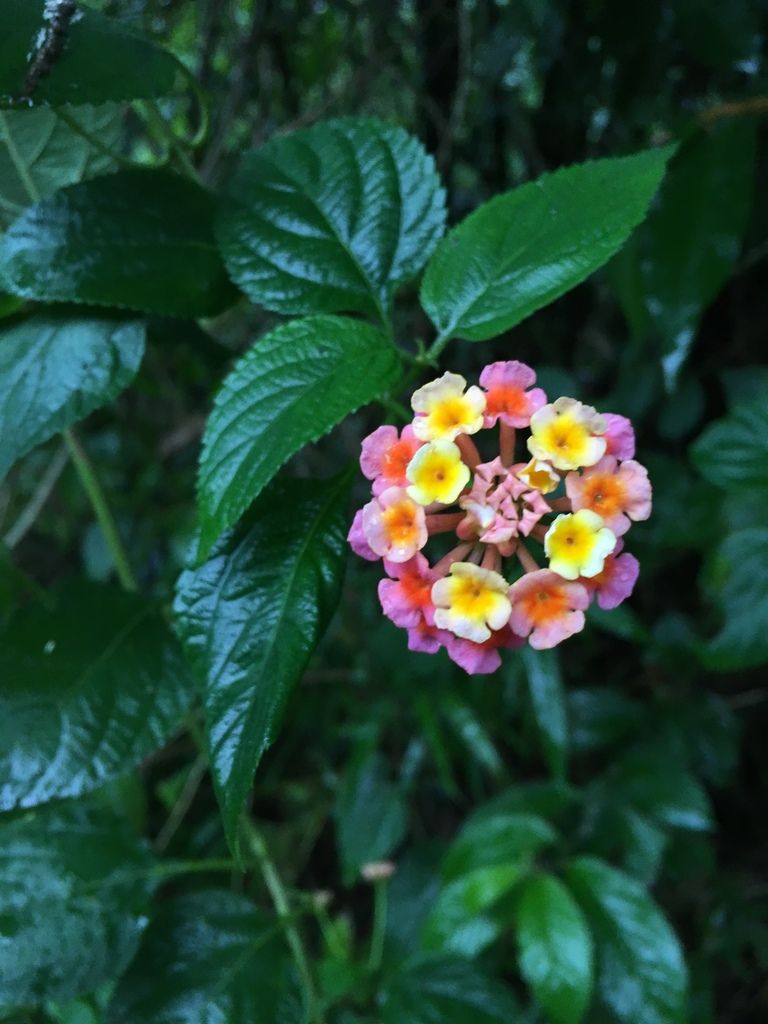
Genus Lantana
Lantanas are sun-loving, flower-packed plants in the genus Lantana that can bloom for a long stretch and draw in a variety of pollinators. They’re a great choice for pots, borders, and other warm, bright spots where you want steady color and activity.
Plant Type
Wildflowers (herbaceous perennials) > Lantanas
Aliases
Lantana
Native Range
Mexico and the southwestern region of North America (varies by species within the genus).
Bloom window
Long-blooming in warm weather; often from early summer into fall in suitable conditions.
OVERVIEW
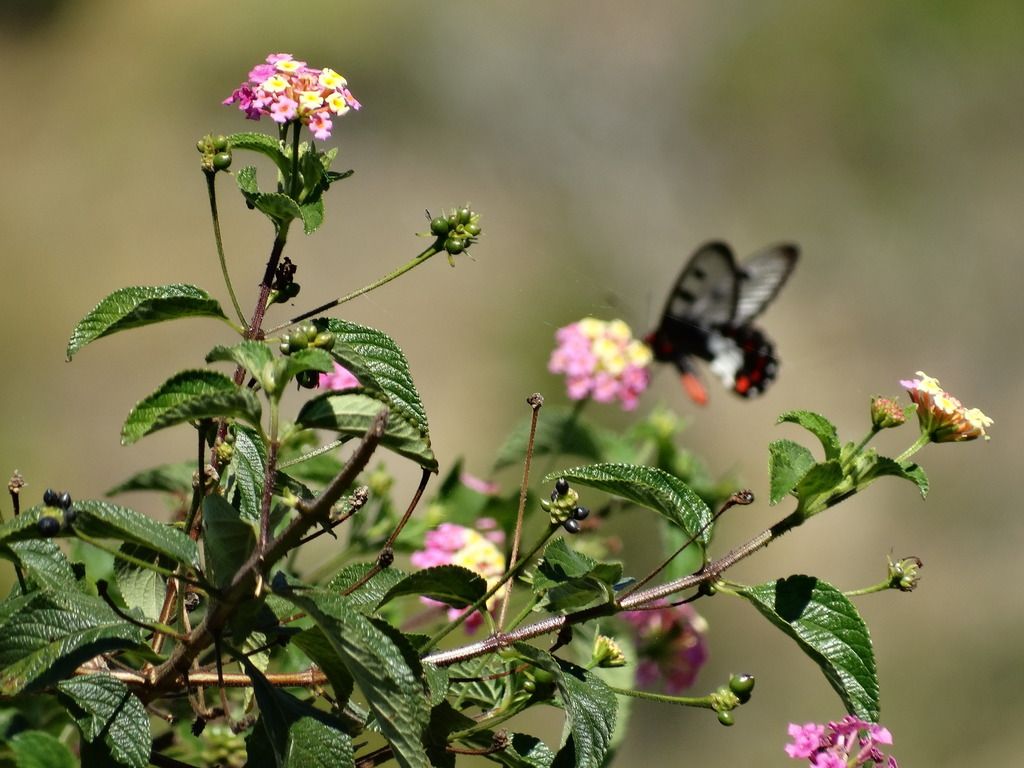
Lantanas (genus Lantana) are sun-loving, high-impact shrubs known for their continuous, dense clusters of small blooms that make them a dependable, long-season forage source for many pollinators, including native bees and butterflies, especially in warmer gardens. They function as excellent “pollinator magnets” in sunny borders or containers.
When planting Lantanas, success hinges on sun and drainage. Give them the brightest spot possible and prioritize well-drained soil, as the roots dislike sitting in water. Their value to wildlife is greatest when they are consistently blooming across the long season.
Crucially, because Lantanas are often bustling with insects, avoid using pesticides. If you notice unwanted visitors, try simple methods like rinsing with water or improving airflow. A healthy, well-sited Lantana will continuously support a wide variety of native insects.
FAST FACTS
Essential stats and requirements for quick reference.
| Category | Details |
|---|---|
| Also known as | Lantana |
| Bloom window | Long-blooming in warm weather; often from early summer into fall in suitable conditions. |
| Typical height | Varies by species and variety; often low to medium height with a mounding or spreading habit. |
| Pollinators supported | Bees, Butterflies, Hummingbirds |
| Light & moisture | Full sun; best in well-drained soil with moderate moisture |
| Best roles for pollinators | Sunny containers, bright borders, and any spot where you want long-lasting flowers and frequent pollinator visits. |
SUMMARY
A quick scan of what they do, what they need, and the best first step.
Provide lots of small flowers in clusters, offering repeated landing and feeding opportunities for pollinators.
Sun, drainage, and a watering routine that keeps roots healthy (not waterlogged).
Put lantana in your sunniest spot and let the soil dry slightly between waterings.
IMPACT
Key Impacts
RECOGNITION
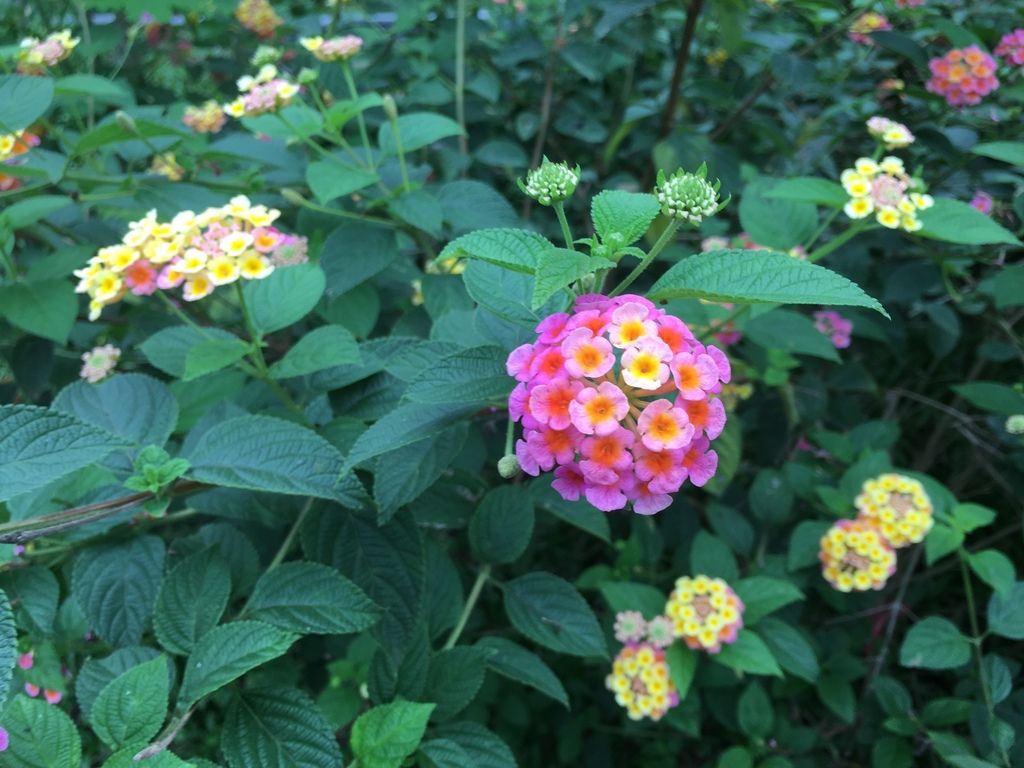
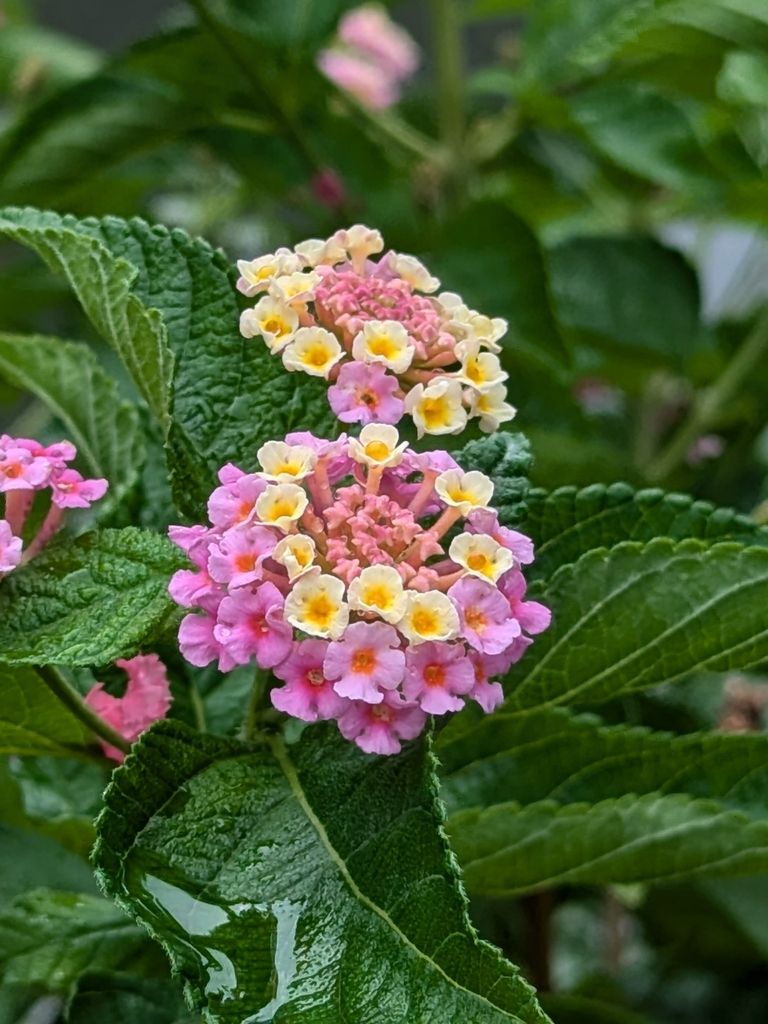
Leaves are typically opposite, textured, and can be aromatic when rubbed; shape and roughness vary by species and variety.
Small tubular flowers packed into rounded clusters; colors may be single or mixed and can shift as flowers age.
Small berry-like fruits may form after flowering; appearance varies by species.
LOCATION
Native environments and the best spots to place it in your landscape.
SEASONALITY
Notes on bloom windows and how this plant helps pollinators across the seasons.
Lantanas are valued for keeping flowers coming when many other plants take breaks.
Bloom Season Role: Long-season color and nectar in warm months
REQUIREMENTS
The right mix of sun, soil, and space for healthy growth.
Full sun for best flowering; light shade may reduce blooms.
Well-drained soil is key; avoid heavy, constantly wet spots.
Water to establish, then water when the top of the soil has dried a bit; containers may need more frequent checks.
Plant after the risk of cold has passed; give space for airflow and the plant’s mature spread.
Use a light mulch to reduce weeds and splash, but keep mulch off the crown to prevent rot.
GARDENING GUIDE
Simple steps to plant, prune, and maintain healthy trees without pesticides.
Pairings
Pairing ideas to keep pollinators fed throughout the growing season.
GLOSSARY
Glossary terms are being added.
What You Can Do
Turn this knowledge into action. Whether you plant a single pot or a whole garden, you are building a vital bridge for local biodiversity.
Join the movement to restore our shared habitats.