
What they do
Provide tall, nectar-rich blooms that help feed visiting pollinators and add structure to a planting.
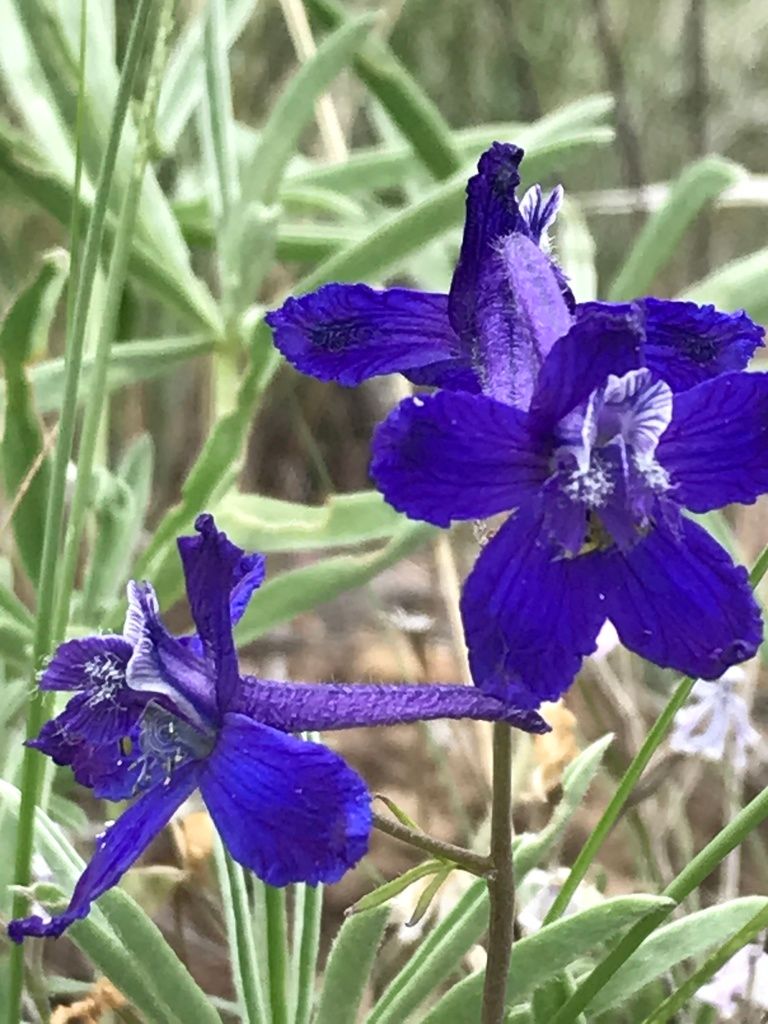
Genus Delphinium
Larkspurs and delphiniums are tall, showy wildflowers known for their spurred blooms and strong pollinator appeal. They’re a great choice when you want vertical color in a garden bed or a large container.
Plant Type
Wildflowers (herbaceous perennials) > Larkspurs & delphiniums
Aliases
Larkspur
Native Range
This genus includes species native to parts of the Northern Hemisphere; many garden plants are cultivated varieties and may not be locally native.
Bloom window
Late spring into summer (often with a smaller repeat bloom if cut back)
OVERVIEW
If you want a plant that instantly adds height and drama, larkspurs and delphiniums are hard to beat. Their tall spikes can turn a plain bed into a layered planting, especially when you place them behind shorter flowers.
To help them thrive, focus on three basics: light, moisture, and support. Choose a spot with good sun (or part sun), keep the soil evenly moist during active growth, and add a stake or ring early so stems don’t topple after wind or rain.
For pollinators, the best approach is to plant them as part of a mix. Combine delphiniums with earlier and later bloomers so there’s always something flowering nearby. And when pests show up, try simple, non-chemical fixes first—healthy plants and pesticide-free gardens are friendlier places for pollinators to feed.
FAST FACTS
Essential stats and requirements for quick reference.
| Category | Details |
|---|---|
| Also known as | Larkspur |
| Bloom window | Late spring into summer (often with a smaller repeat bloom if cut back) |
| Typical height | Medium to tall (often knee- to chest-high, sometimes taller with support) |
| Pollinators supported | Bees, Butterflies |
| Light & moisture | Sun to part sun; evenly moist, well-drained soil. |
| Best roles for pollinators | Adding tall, pollinator-friendly flower spikes to sunny beds, borders, and large containers |
SUMMARY
A quick scan of what they do, what they need, and the best first step.
Provide tall, nectar-rich blooms that help feed visiting pollinators and add structure to a planting.
Good light, steady moisture, and a bit of support to keep flower spikes from flopping.
Add a simple stake or ring support early—before the stems get tall.
IMPACT
Key Impacts
RECOGNITION
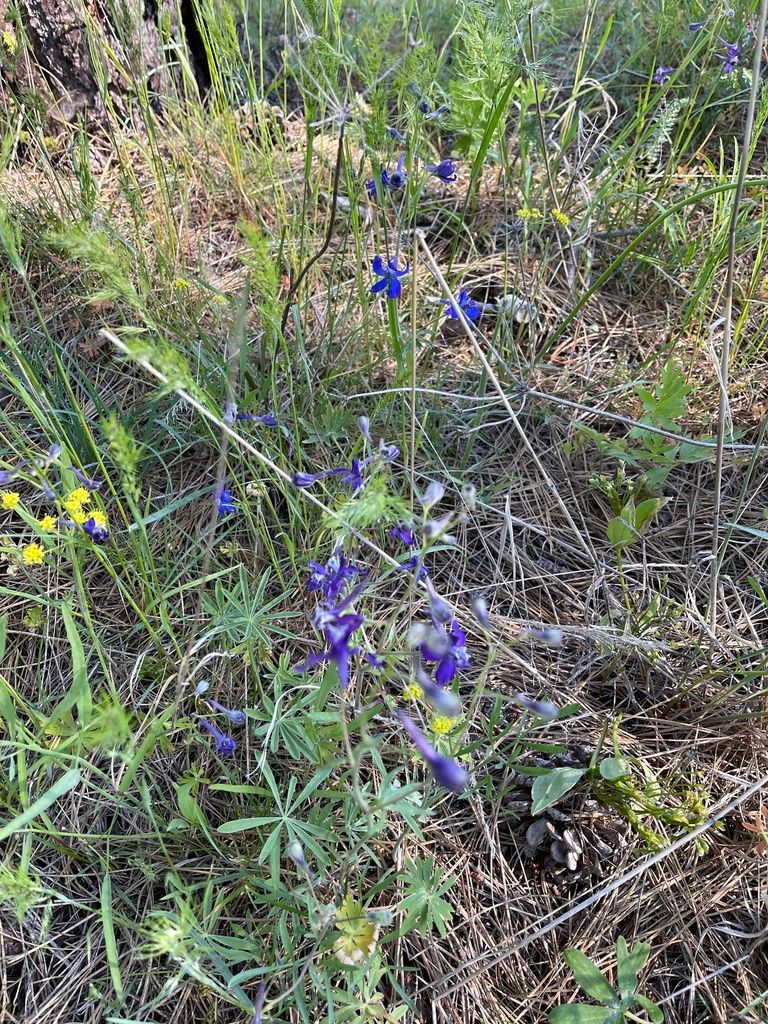
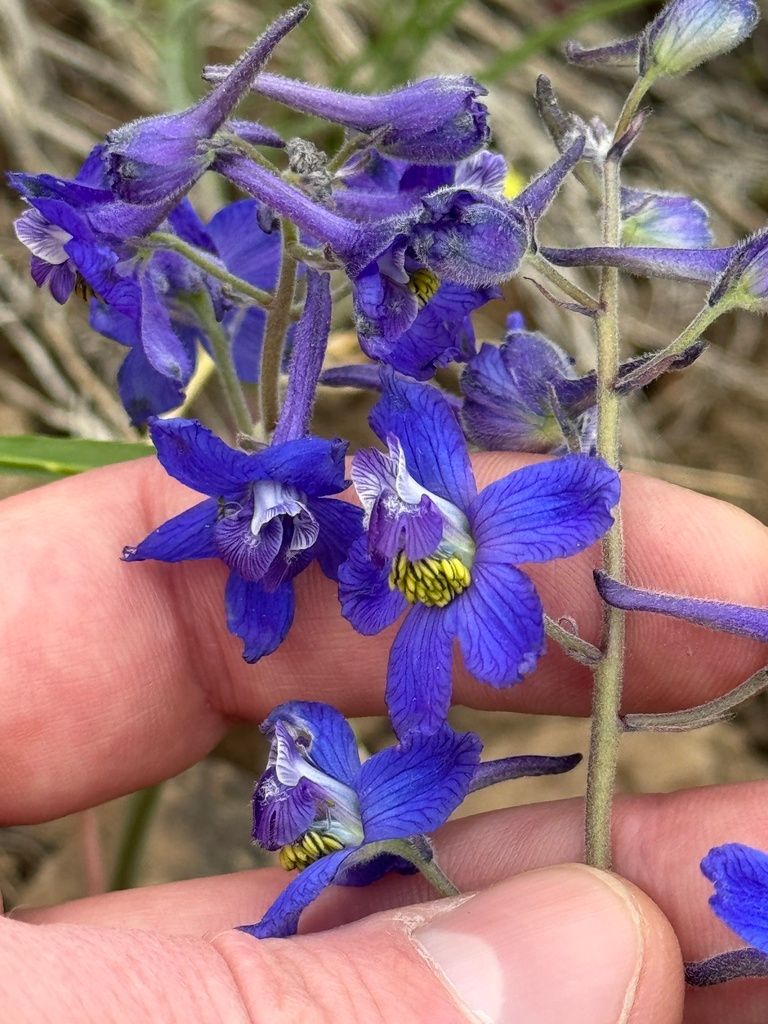
Leaves are usually deeply divided into narrow lobes, often forming a rounded, hand-like shape near the base.
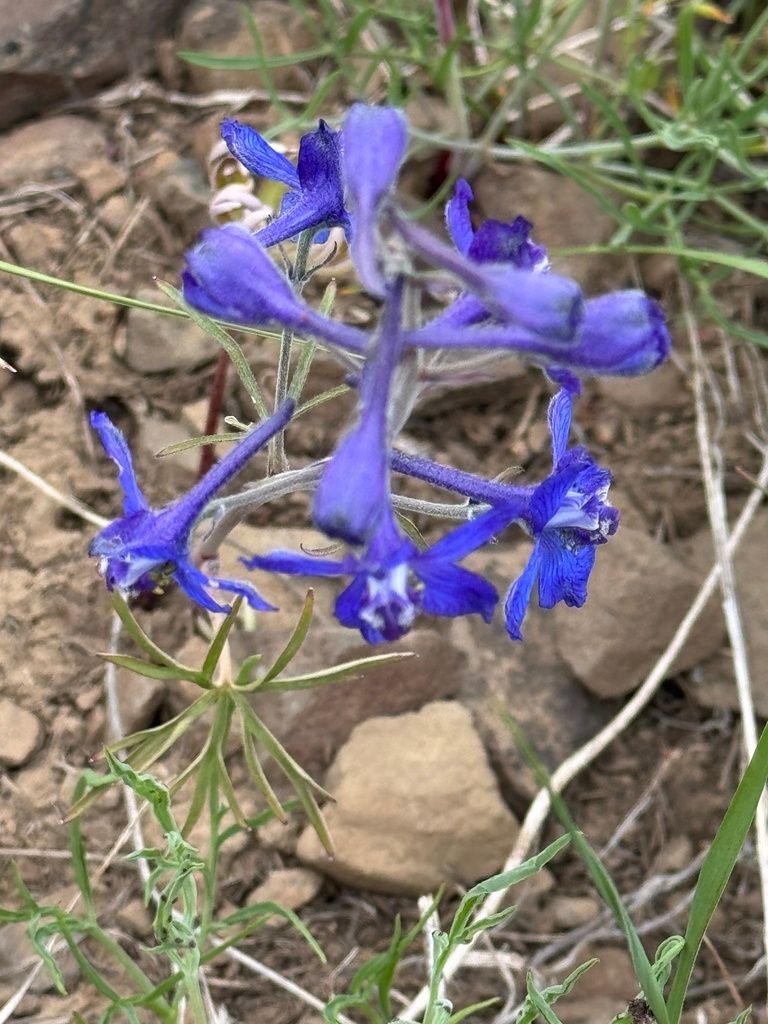
Many blossoms line up on a tall spike; each flower has a noticeable spur at the back.
After flowering, seed pods form along the spike where blooms were.
LOCATION
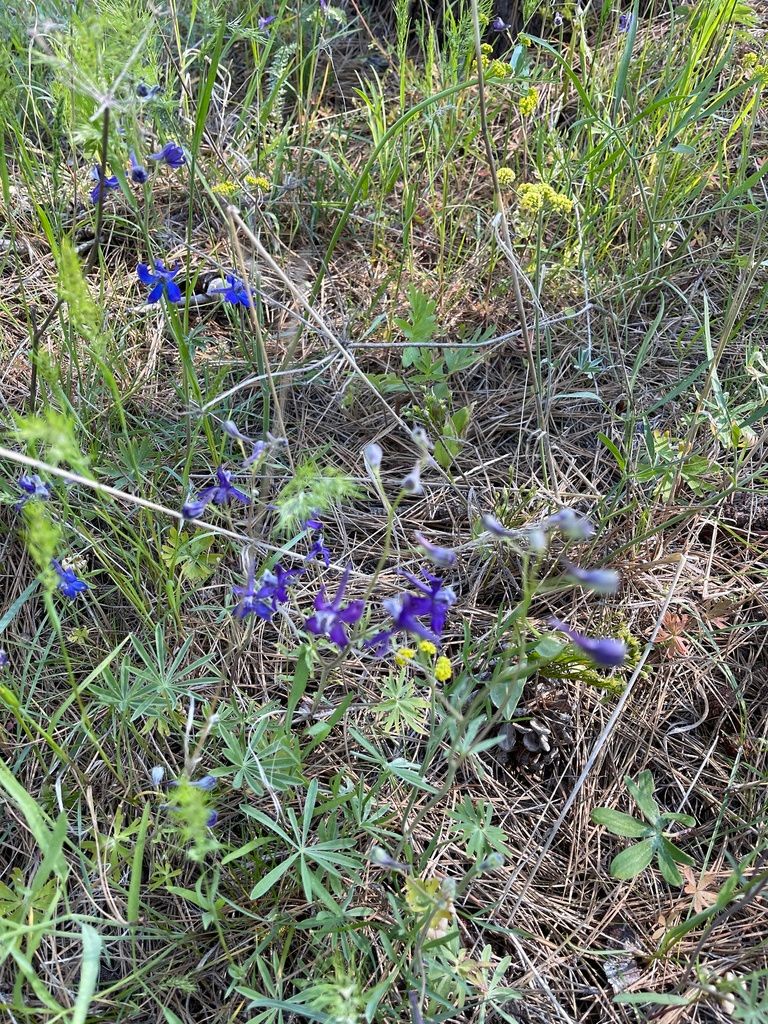
Native environments and the best spots to place it in your landscape.
SEASONALITY
Notes on bloom windows and how this plant helps pollinators across the seasons.
Delphiniums often shine from late spring into summer, with timing that can shift depending on the year and the site.
Bloom Season Role: A tall “spike” bloomer that adds vertical color and a strong mid-season nectar stop.
REQUIREMENTS
The right mix of sun, soil, and space for healthy growth.
Aim for sun to part sun. In hotter, exposed spots, a little afternoon shade can help plants look fresher.
Rich, well-drained soil is ideal. Mix in compost to improve texture and support steady growth.
Water deeply when the top layer of soil starts to dry. Try to keep moisture consistent during active growth and flowering.
Plant where stems can be supported and where wind won’t knock them over. Give plants space so air can move between stems.
Use a light layer of mulch to help hold moisture and reduce weeds, keeping mulch a little away from the crown.
GARDENING GUIDE
Simple steps to plant, prune, and maintain healthy trees without pesticides.
Pairings
Pairing ideas to keep pollinators fed throughout the growing season.
GLOSSARY
Glossary terms are being added.
What You Can Do
Turn this knowledge into action. Whether you plant a single pot or a whole garden, you are building a vital bridge for local biodiversity.
Join the movement to restore our shared habitats.