
What they do
Milkvetches provide pea-family flowers that are commonly visited by bees and can add diversity to pollinator-friendly plantings.
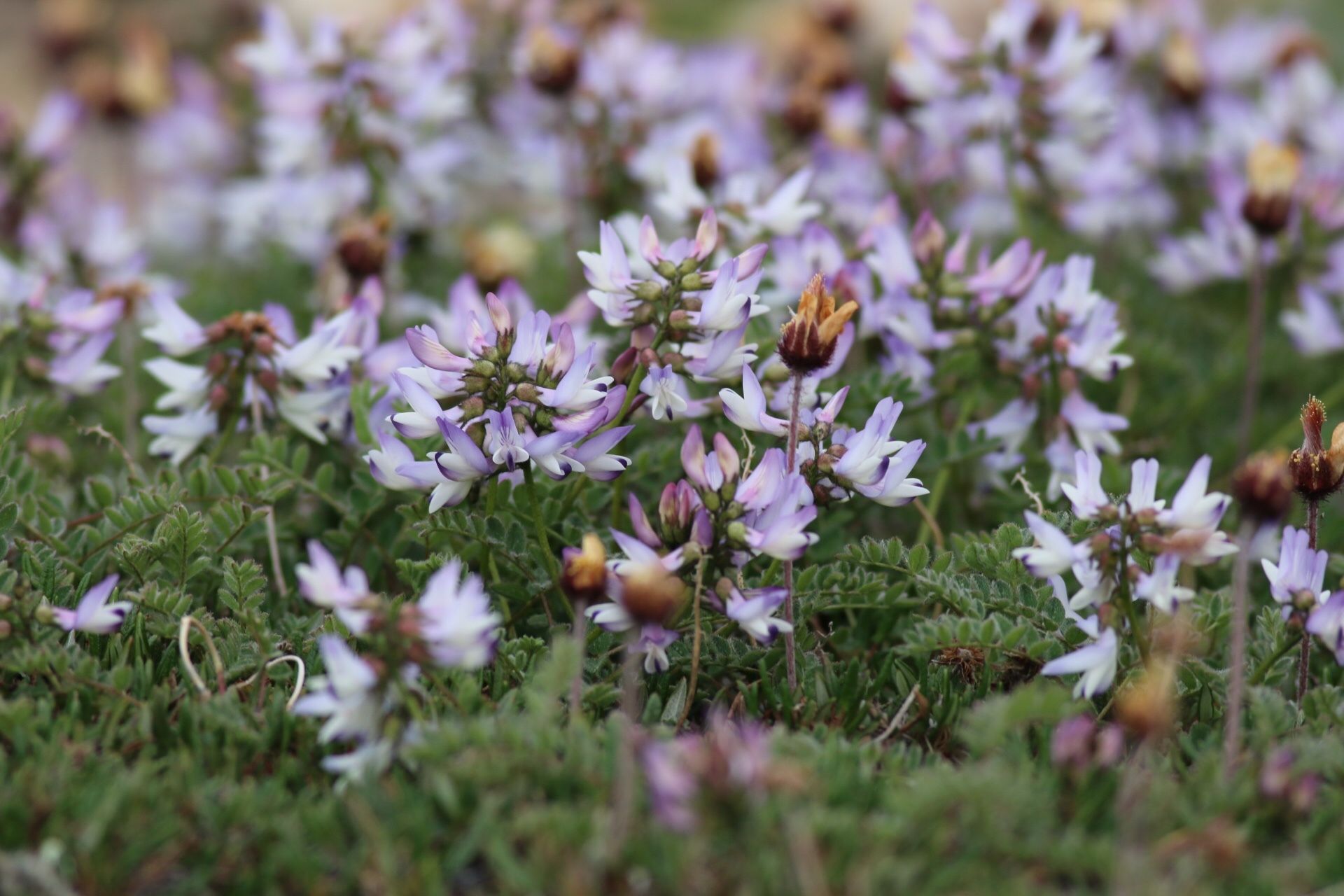
Genus Astragalus
Milkvetches are a large group of wildflowers in the genus Astragalus, known for pea-like blooms and their value in naturalized gardens and habitat plantings.
Plant Type
Wildflowers (herbaceous perennials) > Milkvetches
Aliases
Milkvetch
Native Range
Varies by species; many are native to parts of North America and other regions
Bloom window
Varies by species; often spring into summer
OVERVIEW
Milkvetches (Astragalus) are wildflowers with classic pea-family blooms and a wide range of forms. If you have a sunny spot with soil that drains well, they can be a steady, low-fuss addition to a pollinator-friendly planting.
If you’re gardening in Toronto or nearby, the simplest approach is to look for a milkvetch species recommended for your area and match it to your site conditions—especially drainage. Combine it with other wildflowers and a few grasses for a natural look, and focus on pesticide-free care so visiting insects can safely use the flowers.
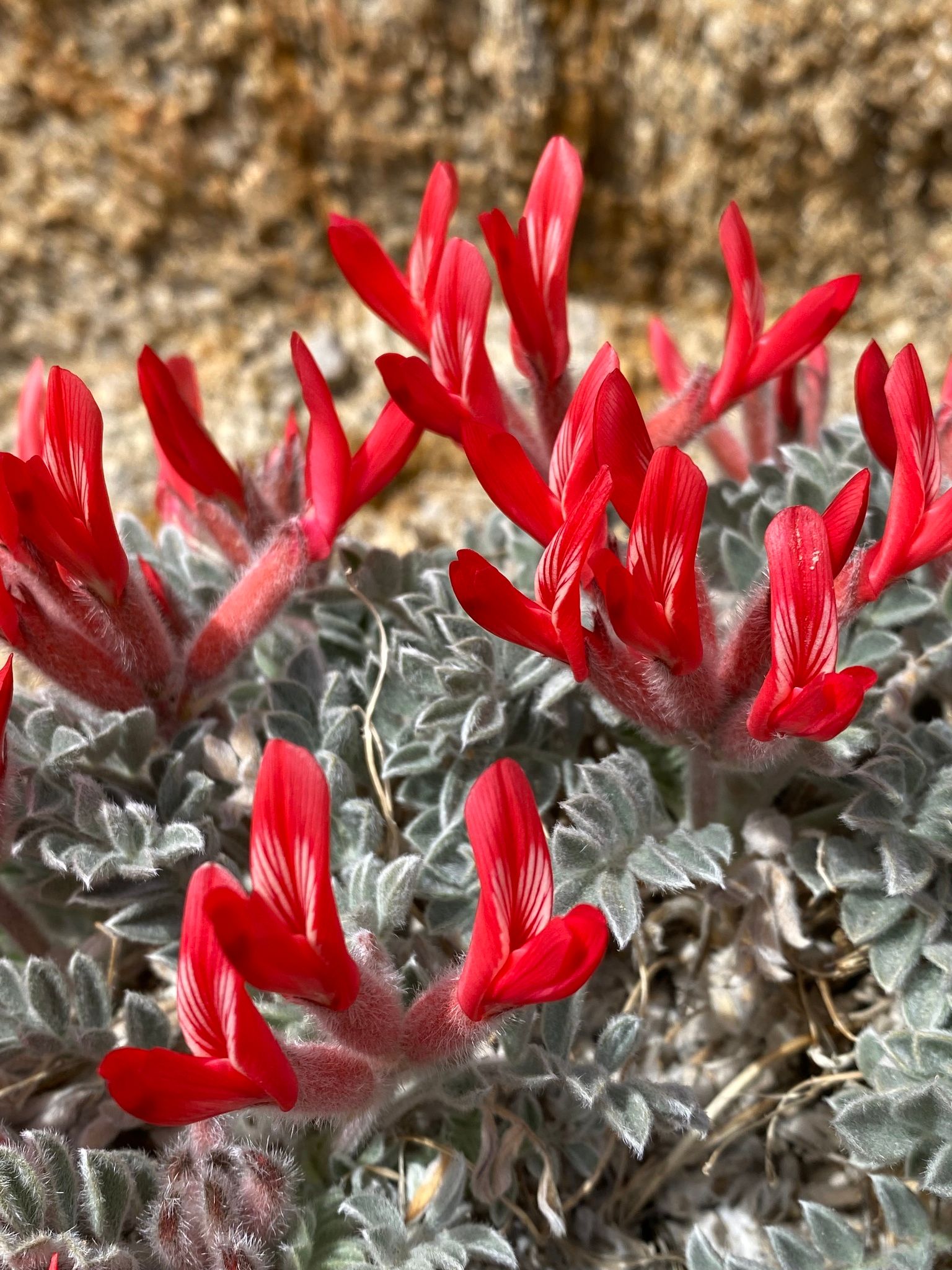
FAST FACTS
Essential stats and requirements for quick reference.
| Category | Details |
|---|---|
| Also known as | Milkvetch |
| Bloom window | Varies by species; often spring into summer |
| Typical height | Varies by species; often low to medium |
| Pollinators supported | Bees |
| Light & moisture | Usually best in sun with well-drained soil; avoid constantly wet spots. |
| Best roles for pollinators | Sunny, naturalized plantings where you want hardy wildflowers with pea-like blooms |
SUMMARY
A quick scan of what they do, what they need, and the best first step.
Milkvetches provide pea-family flowers that are commonly visited by bees and can add diversity to pollinator-friendly plantings.
A bright, open site and soil that drains well; care needs vary by species.
Choose a milkvetch species suited to your local area and plant it in a sunny spot with good drainage.
IMPACT
Key Impacts
RECOGNITION
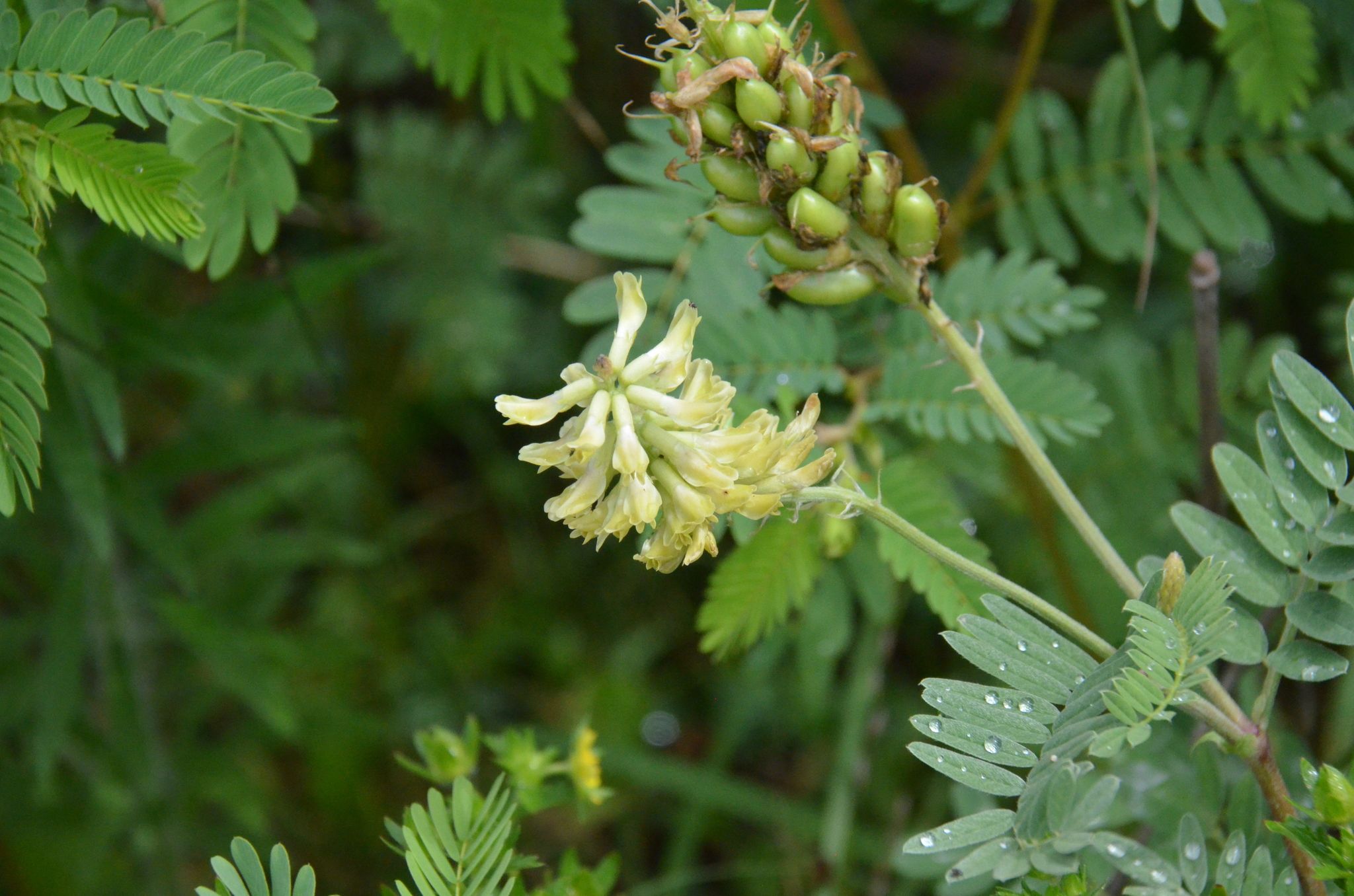
Compound leaves with many small leaflets; overall look can be soft and feathery.
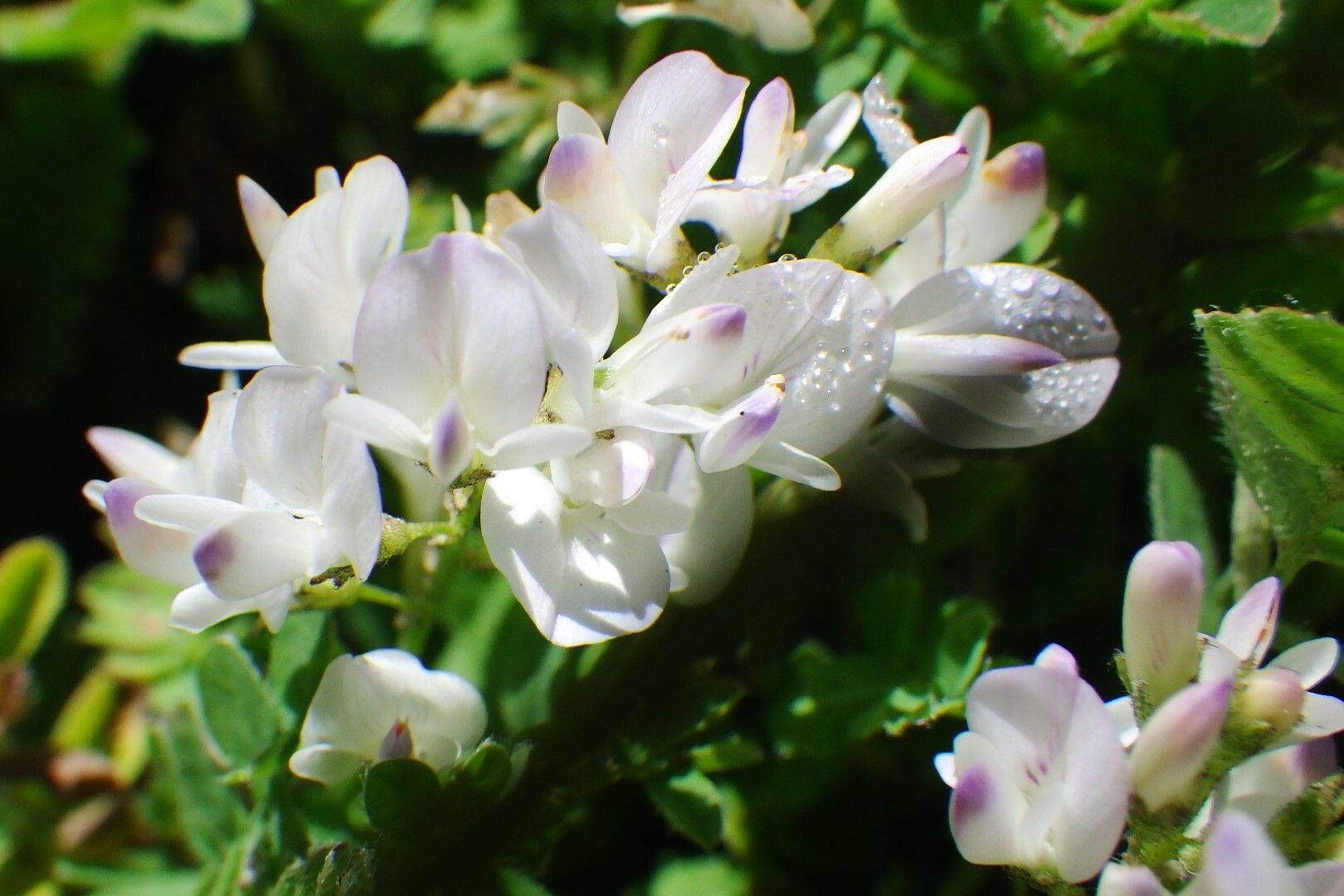
Pea-shaped flowers, often grouped in clusters; color varies by species.
Seed pods typical of pea-family plants; shape varies by species.
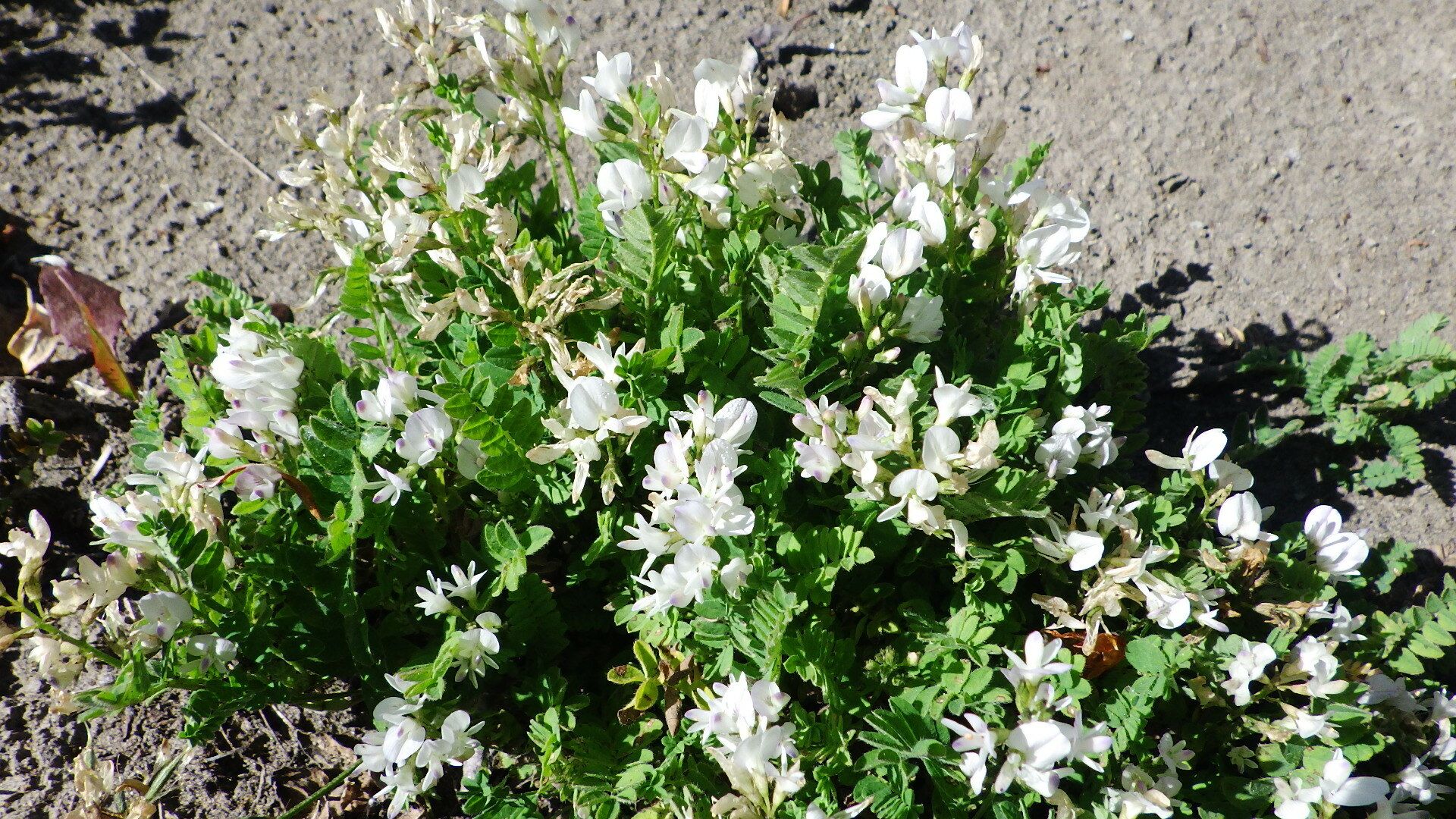
LOCATION
Native environments and the best spots to place it in your landscape.
SEASONALITY
Notes on bloom windows and how this plant helps pollinators across the seasons.
Bloom timing depends on the species, but many milkvetches flower from spring into summer.
Bloom Season Role: Adds clustered blooms that can help fill gaps in a wildflower mix.
REQUIREMENTS
The right mix of sun, soil, and space for healthy growth.
Most do best with plenty of sun; some tolerate light shade.
Well-drained soil is key; avoid heavy, waterlogged spots.
Water to establish, then let the soil dry slightly between waterings (species-dependent).
Plant in a spot with good drainage and room for airflow; mix into a diverse wildflower planting for a natural look.
Use a light mulch if needed to reduce weeds, but keep crowns from being buried and avoid holding too much moisture against the plant.
GARDENING GUIDE
Simple steps to plant, prune, and maintain healthy trees without pesticides.
Pairings
Pairing ideas to keep pollinators fed throughout the growing season.
GLOSSARY
Glossary terms are being added.
What You Can Do
Turn this knowledge into action. Whether you plant a single pot or a whole garden, you are building a vital bridge for local biodiversity.
Join the movement to restore our shared habitats.