
What they do
Native mints provide easy-to-access flowers that support a variety of pollinators over a long bloom window.
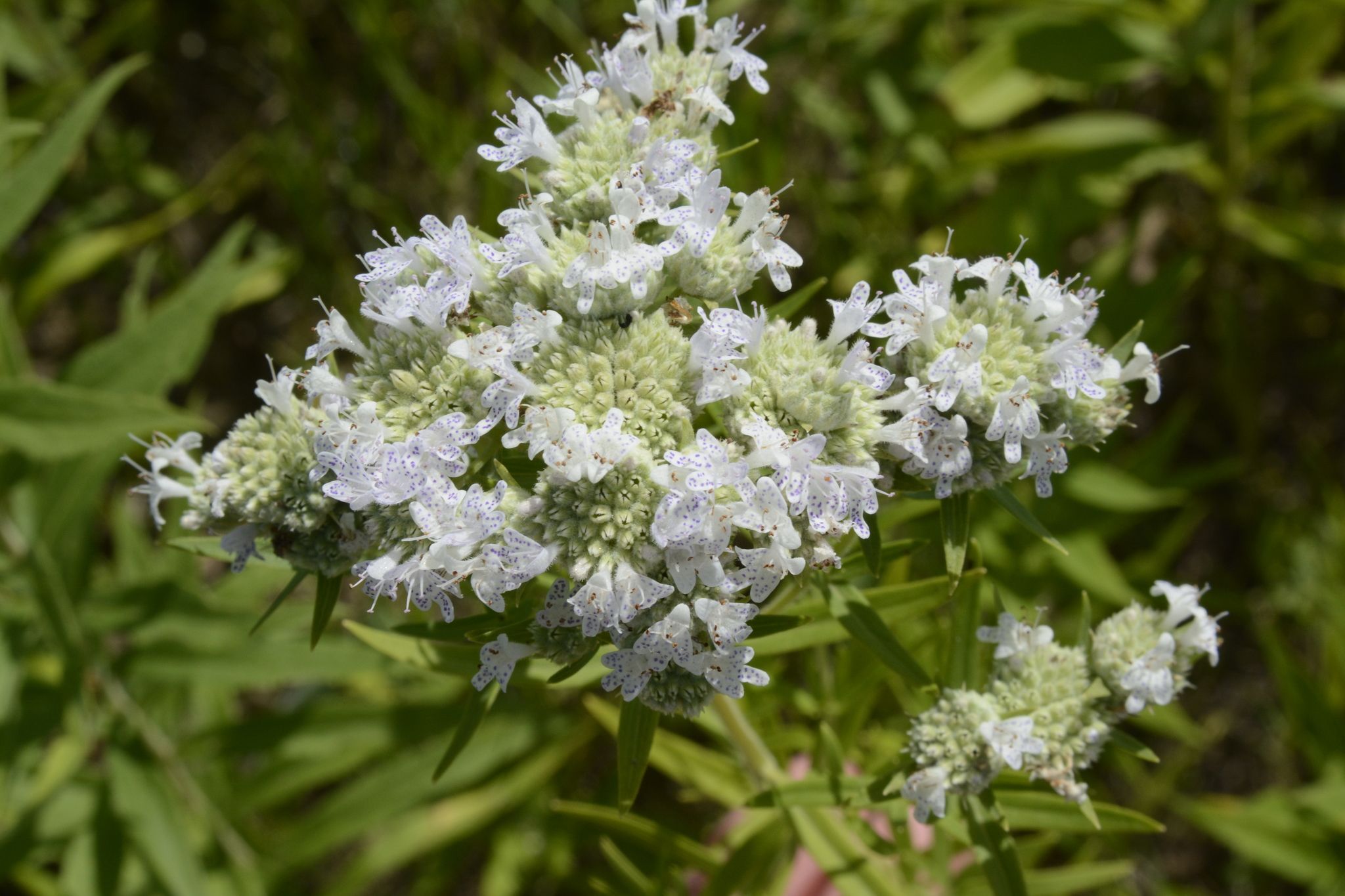
Family Lamiaceae (native genera)
Native mints are aromatic, nectar-rich wildflowers in the mint family that can turn a small garden corner into a busy pollinator stop.
Plant Type
Wildflowers (herbaceous perennials) > Mints
Aliases
Mints
Native Range
Native genera occur across many parts of Canada and the U.S.; choose species native to your local area.
Bloom window
Often summer into fall, depending on the species
OVERVIEW
Native mints (family Lamiaceae) are a practical, pollinator-friendly choice for Toronto-area gardens and schoolyards because they’re easy to grow, easy to recognize, and often bloom for a long stretch.
What to expect
Where they fit best
How to keep them happy
If you’re choosing just one action: plant a native mint that fits your site and give it a defined space (or a pot).
FAST FACTS
Essential stats and requirements for quick reference.
| Category | Details |
|---|---|
| Also known as | Mints |
| Bloom window | Often summer into fall, depending on the species |
| Typical height | Varies by species; many are knee- to waist-high |
| Pollinators supported | Bees, Butterflies, Flies, Wasps |
| Light & moisture | Adaptable—choose a native mint that matches your sun and moisture |
| Best roles for pollinators | Pollinator-friendly gardens, schoolyard plantings, borders, and containers where you want fragrance and steady blooms |
SUMMARY
A quick scan of what they do, what they need, and the best first step.
Native mints provide easy-to-access flowers that support a variety of pollinators over a long bloom window.
A spot that matches the species (sun to part shade) and soil that drains reasonably well.
Pick a native mint suited to your site and give it a defined space (or a pot) so it stays where you want it.
IMPACT
Key Impacts
RECOGNITION
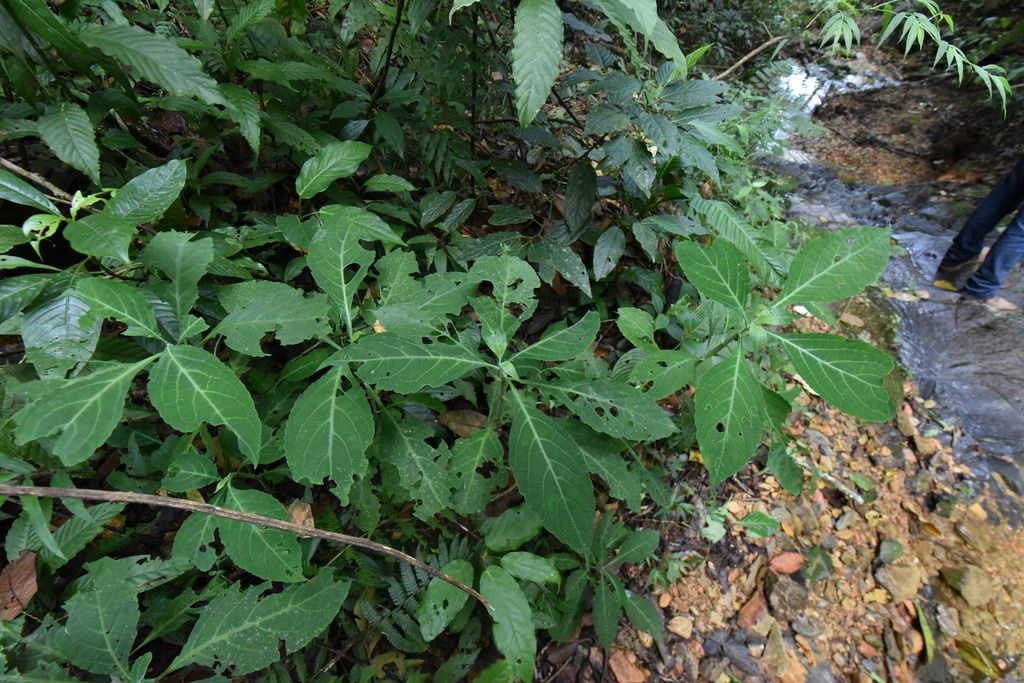
Usually opposite, often toothed, and typically fragrant when rubbed.
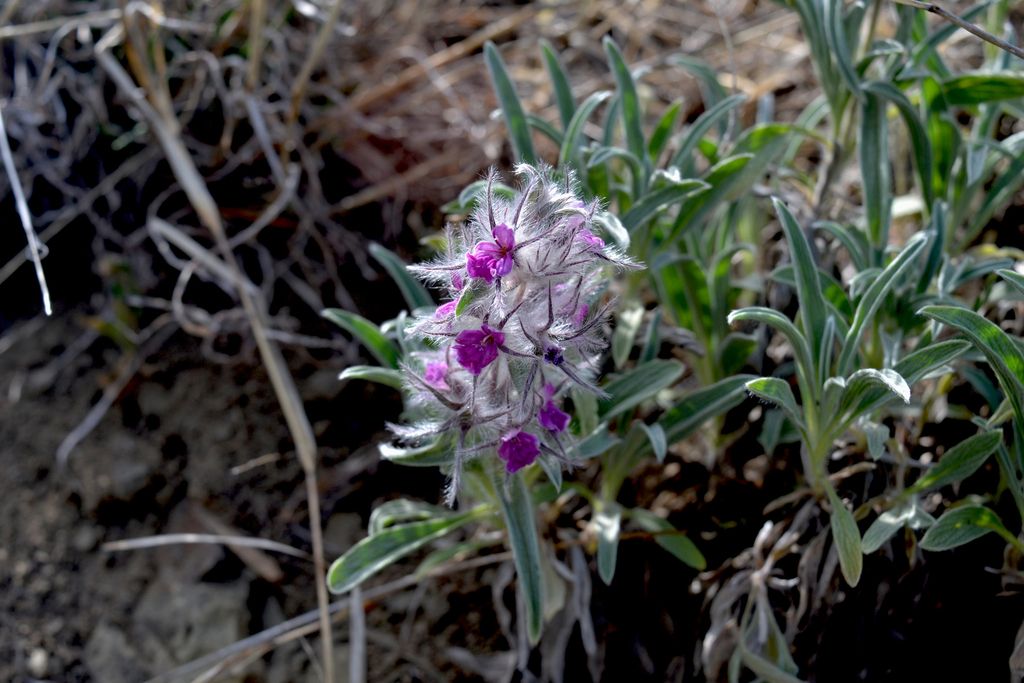
Small, often tubular or two-lipped flowers arranged in spikes, whorls, or clustered heads; colors vary by species.
Small, dry nutlets typical of the mint family (often not noticed unless you look closely).
LOCATION
Native environments and the best spots to place it in your landscape.
SEASONALITY
Notes on bloom windows and how this plant helps pollinators across the seasons.
Different native mints take turns blooming, so you can plan for steady flowers through the growing season.
Bloom Season Role: Reliable mid-to-late season nectar and pollen
REQUIREMENTS
The right mix of sun, soil, and space for healthy growth.
Match the species: many do well in sun to part shade.
Most prefer soil that isn’t constantly soggy; some tolerate wetter spots. Improve heavy soil with organic matter and avoid compacted areas.
Water to establish, then aim for steady moisture without waterlogging. Containers dry out faster and may need more frequent watering.
Plant in spring or fall. Give room for airflow and expect some species to spread by roots or runners.
Use a light mulch to reduce weeds and hold moisture, but keep mulch off the crown to prevent rot.
GARDENING GUIDE
Simple steps to plant, prune, and maintain healthy trees without pesticides.
Pairings
Pairing ideas to keep pollinators fed throughout the growing season.
GLOSSARY
Glossary terms are being added.
What You Can Do
Turn this knowledge into action. Whether you plant a single pot or a whole garden, you are building a vital bridge for local biodiversity.
Join the movement to restore our shared habitats.