

What they do
Provide tubular flowers that can be easy for pollinators to spot and revisit, adding dependable bloom to a sunny patch.
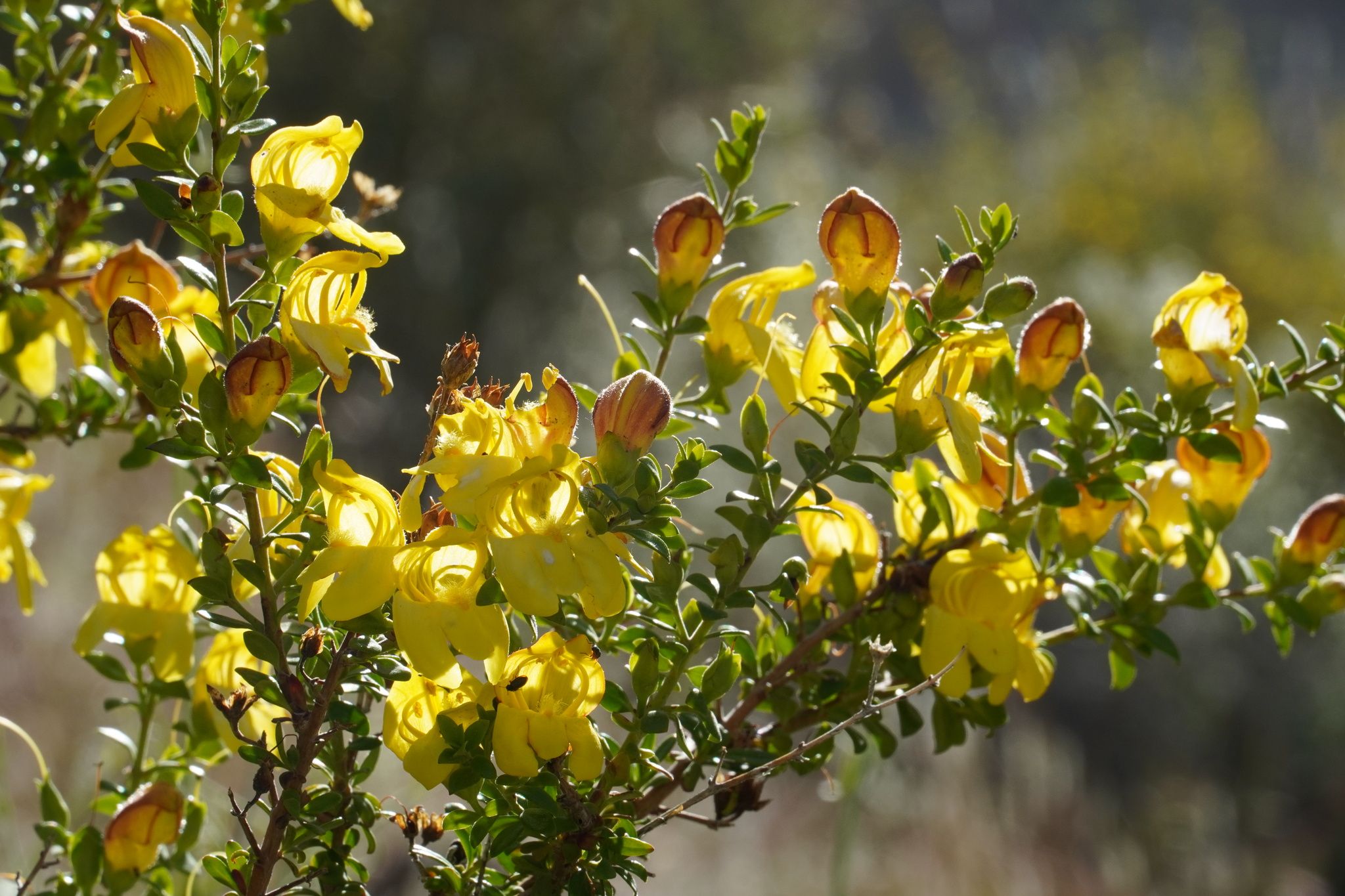
Genus Keckiella & allies
“Penstemons’ allies” is a friendly way to talk about Keckiella (and close relatives): tough, nectar-rich wildflowers that can help fill sunny garden gaps with tubular blooms that many pollinators learn to visit.
Plant Type
Wildflowers (herbaceous perennials) > Penstemons’ allies
Aliases
Keckiella
Native Range
Western North America (varies by species); grown in gardens beyond its native range
Bloom window
Warm-season bloom; timing varies by species and site
OVERVIEW
“Penstemons’ allies” (Genus Keckiella & allies) are resilient, upright wildflowers that provide valuable vertical structure in a layered habitat garden. Their tubular, nectar-rich, two-lipped flowers offer a specialized food source that is perfectly suited for larger native bees and hummingbirds. They are a strong choice for sunny spots with well-drained soil, thriving as tough, low-fuss additions once established.
For best ecological success, site Keckiella where it receives plenty of sun and ensure the area has excellent drainage to prevent issues. These plants require little heavy maintenance; consistent deep watering during establishment is key, followed by an occasional deep soak.
To protect the valuable native bees and hummingbirds they attract, always avoid using pesticides near the plants. Focus instead on providing good light, air circulation, and sound soil structure to keep the plants healthy and maximize foraging opportunities.
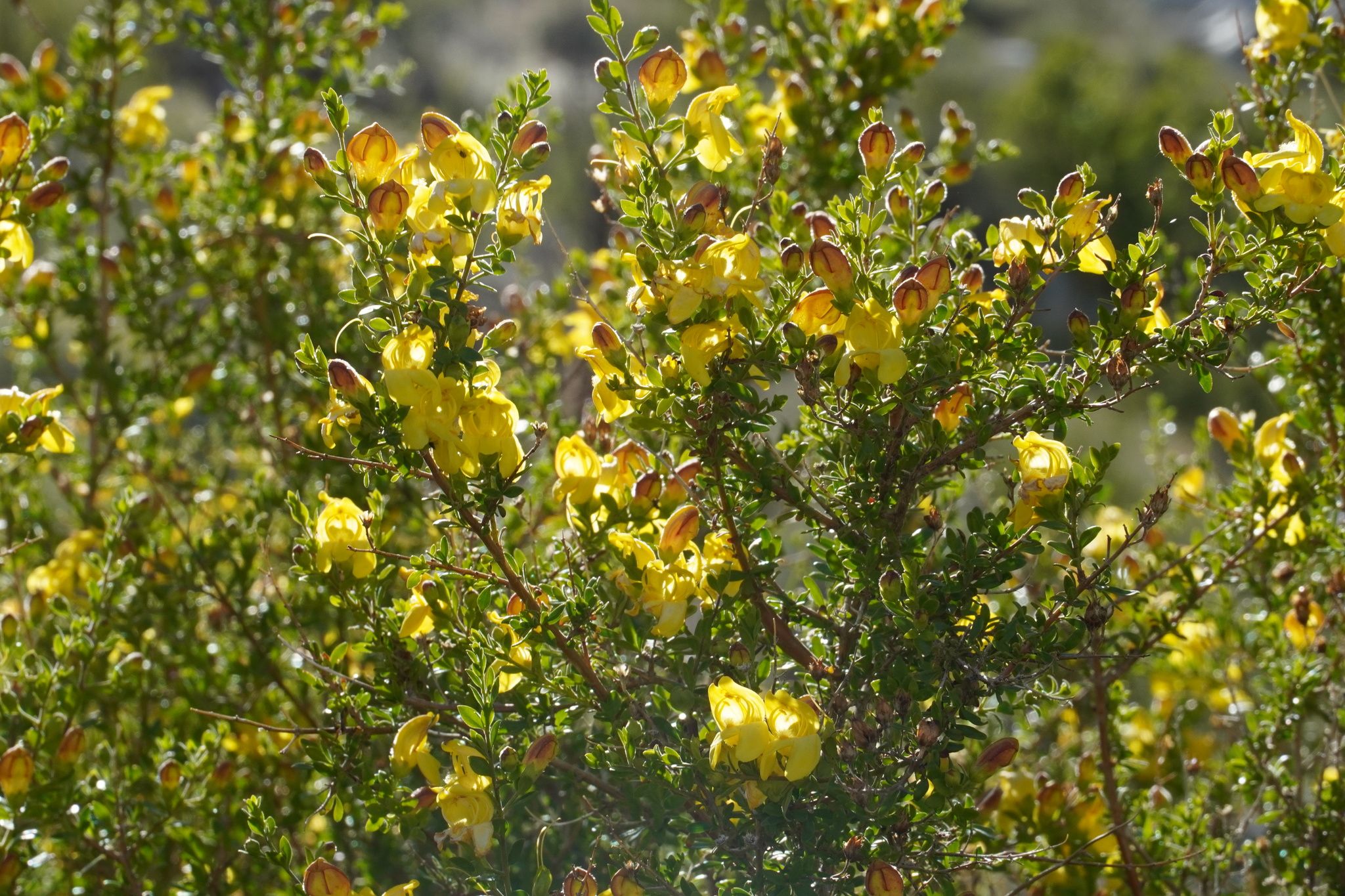
FAST FACTS
Essential stats and requirements for quick reference.
| Category | Details |
|---|---|
| Also known as | Keckiella |
| Bloom window | Warm-season bloom; timing varies by species and site |
| Typical height | Varies by species; often medium to tall for a wildflower border |
| Pollinators supported | Bees, Butterflies, Hummingbirds |
| Light & moisture | Sun to part sun; best in soils that don’t stay soggy |
| Best roles for pollinators | Sunny beds, pollinator patches, and low-fuss plantings where you want tubular flowers that keep visitors coming back |
SUMMARY
A quick scan of what they do, what they need, and the best first step.
Provide tubular flowers that can be easy for pollinators to spot and revisit, adding dependable bloom to a sunny patch.
Bright light, decent drainage, and a light touch with watering once they’re settled in.
Place them in a sunny, well-drained spot and let the soil dry a bit between waterings.
IMPACT
Key Impacts
RECOGNITION
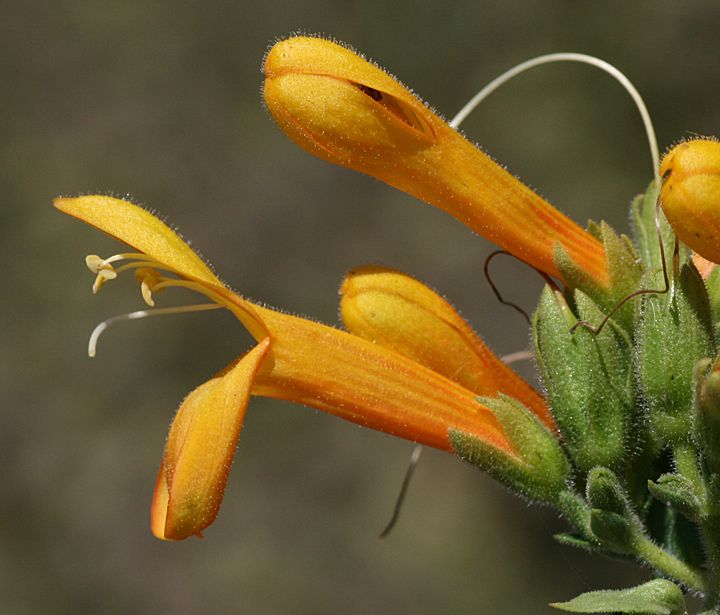
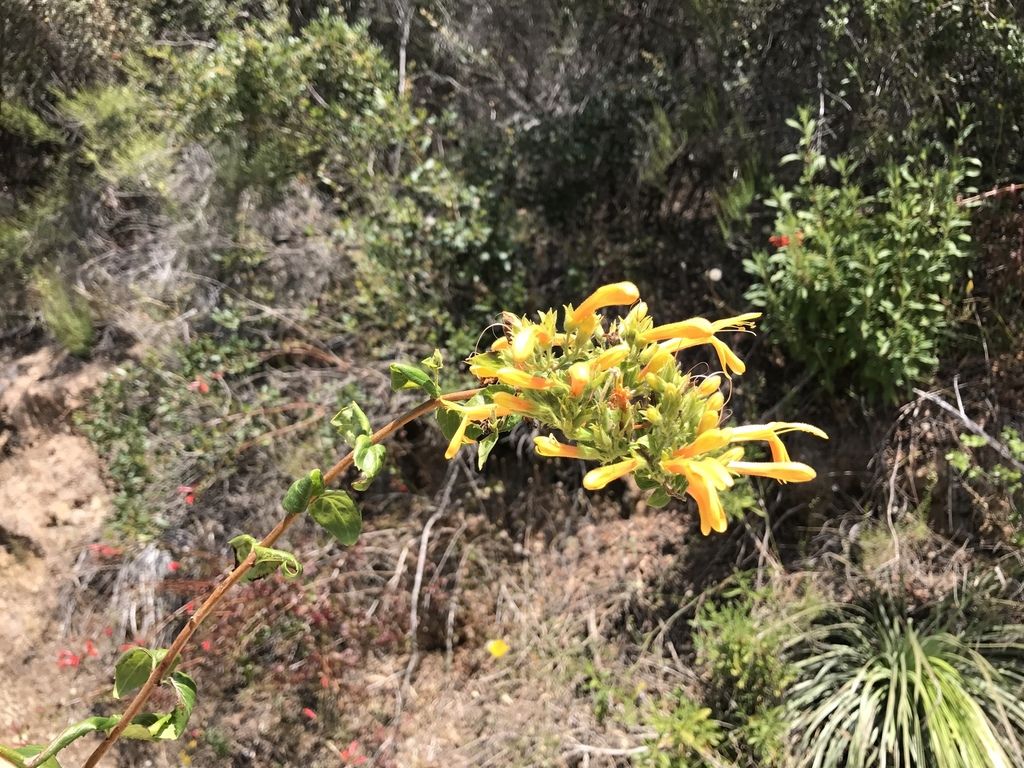
Leaves are typically narrow to medium and arranged along upright stems; overall look is neat and vertical.
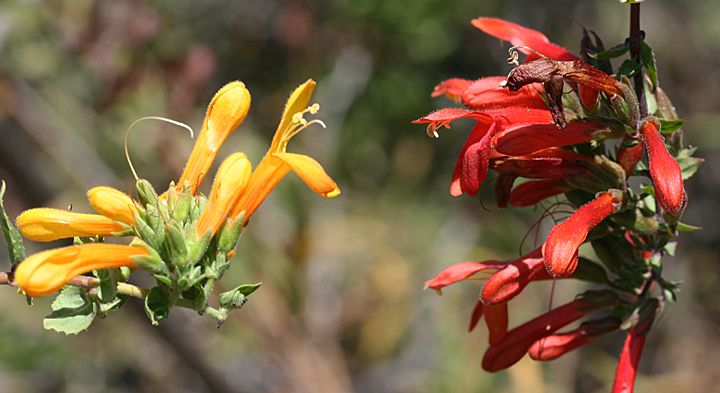
Tubular, two-lipped flowers (snapdragon-like), often grouped along the upper stems; colors vary by species.
After flowering, small dry seed capsules may form; leave some to mature if you want natural reseeding.
LOCATION
Native environments and the best spots to place it in your landscape.
SEASONALITY
Notes on bloom windows and how this plant helps pollinators across the seasons.
Bloom timing depends on the exact species and your site, but these plants are often most noticeable once the garden has warmed up.
Bloom Season Role: A steady “bridge” bloom that can help connect early and late flowers in a pollinator patch
REQUIREMENTS
The right mix of sun, soil, and space for healthy growth.
Best in full sun; part sun can work if the site is bright.
Well-drained soil is key. If your soil stays wet, improve drainage with a raised bed or a grittier mix in containers.
Water to establish, then water deeply but less often. Let the top of the soil dry between waterings.
Plant in spring or early fall when conditions are mild. Give each plant room for airflow and upright growth.
Use a light mulch layer to reduce weeds, but keep mulch from piling against the crown. In very wet spots, skip heavy mulches that hold moisture.
GARDENING GUIDE
Simple steps to plant, prune, and maintain healthy trees without pesticides.
Pairings
Pairing ideas to keep pollinators fed throughout the growing season.
GLOSSARY
Glossary terms are being added.
What You Can Do
Turn this knowledge into action. Whether you plant a single pot or a whole garden, you are building a vital bridge for local biodiversity.
Join the movement to restore our shared habitats.