Skip to content
Penstemons (*Penstemon* (arid-adapted species))
Plant profile

Penstemons

Genus Penstemon (arid spp.)

Desert penstemons are tough, drought-tolerant wildflowers that bring bright, tubular blooms to sunny gardens and help support visiting pollinators with reliable nectar.

Plant Type

Wildflowers (herbaceous perennials) > Penstemons

Aliases

Desert penstemons

Native Range

Western North America (many arid and semi-arid regions; exact range depends on species)

Bloom window

Late spring through summer (varies by species and site)

OVERVIEW

About This Plant

Desert-type penstemons (genus Penstemon) are sun-loving wildflowers that can be surprisingly easy in gardens when you give them what they want most: drainage. Their upright stems and tubular blooms add strong color and a clear “landing zone” for many flower visitors.

In a small garden, penstemons work well as a feature plant in a dry bed, along a sunny walkway, or in a container where you can control the soil mix. In larger plantings, they shine when grouped in small drifts so the blooms are easy to spot.

The main thing to remember is that these are not bog plants. If your soil holds water, focus on improving drainage, planting slightly raised, or using a pot. Once established, many desert penstemons prefer a lighter touch with watering—think “deep and occasional” rather than frequent sips.

If you’re building a pollinator patch, pair penstemons with other sun-loving plants that bloom earlier and later so something is flowering across the season. Even a single clump can add meaningful color and nectar to a small habitat space.

Best role for pollinators
Sunny, well-drained gardens where you want bright blooms with low watering once established.
Penstemons (*Penstemon* (arid-adapted species))
https://www.inaturalist.org/photos/44365919 Photo: (c) lonnyholmes, some rights reserved (CC BY-NC) | CC-BY-NC | iNaturalist

FAST FACTS

Quick Details

Essential stats and requirements for quick reference.

Also known asDesert penstemons
Bloom windowLate spring through summer (varies by species and site)
Typical heightUsually knee- to waist-high, depending on species
Pollinators supportedBees, Hummingbirds, Butterflies
Light & moistureFull sun; dry to medium moisture with excellent drainage.
Best roles for pollinatorsSunny, well-drained gardens where you want bright blooms with low watering once established.

SUMMARY

If You Remember Three Things

A quick scan of what they do, what they need, and the best first step.

What they do

Desert penstemons add long-lasting color and provide nectar for visiting pollinators in sunny spaces.
What they need

Sun, sharp drainage, and a lighter hand with water—especially after they settle in.

One best action

Choose the sunniest spot you have and improve drainage before planting.

IMPACT

Why Plant This?

Desert penstemons are a practical way to add pollinator-friendly blooms in hot, sunny spots where many plants struggle. They fit well into small habitat patches and can be grown in the ground or in a pot, as long as drainage is excellent.
Many penstemons have “beard-like” hairs inside the flower—one reason they’re sometimes called beardtongues.

Key Impacts

What it Supports

  • Offers nectar during warm-weather bloom periods when many gardens need more flowers.
  • Works well in small spaces—one pot or a small bed can still make a difference.
  • Encourages a more resilient garden by using plants that don’t rely on constant watering.

RECOGNITION

Identification Guide

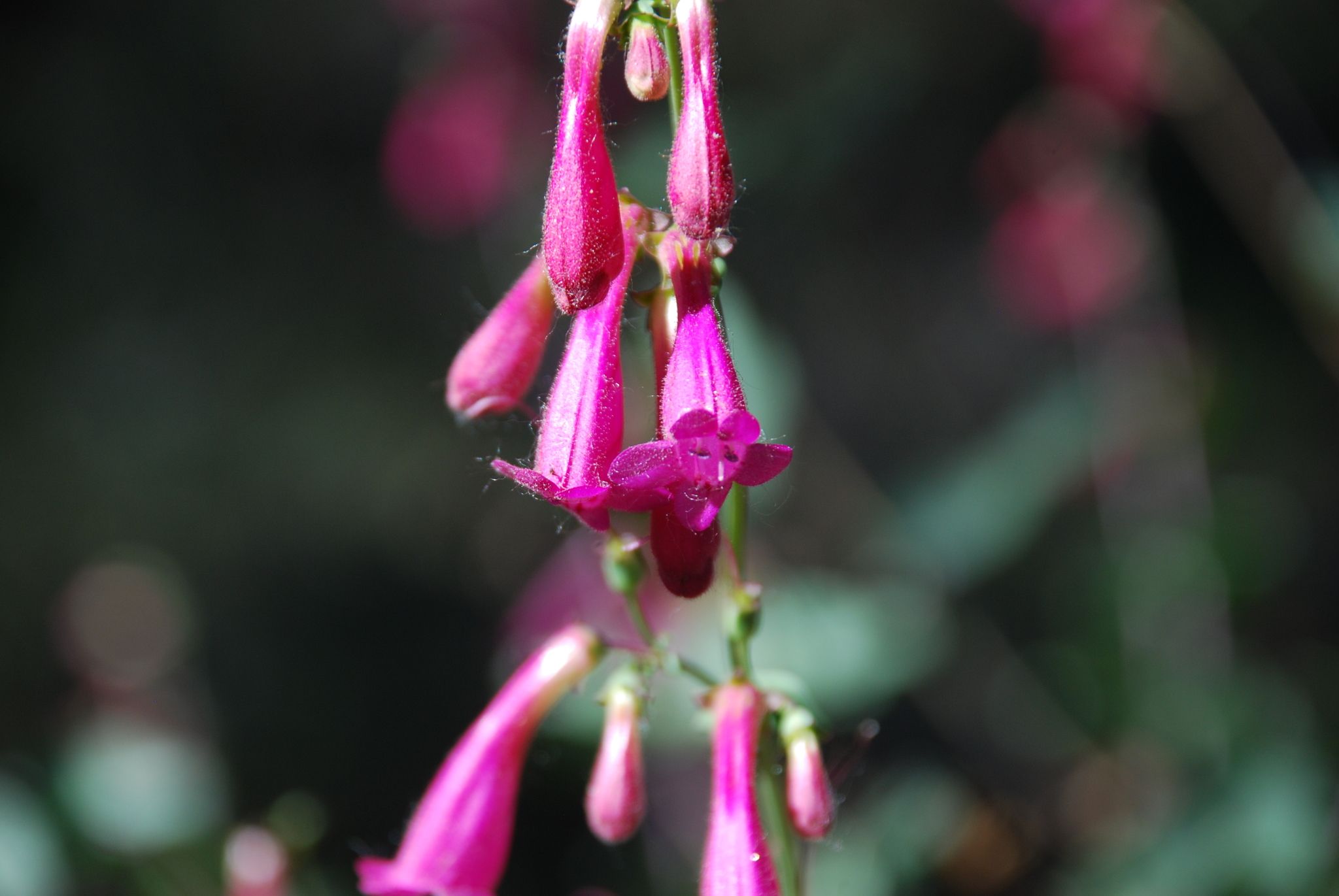
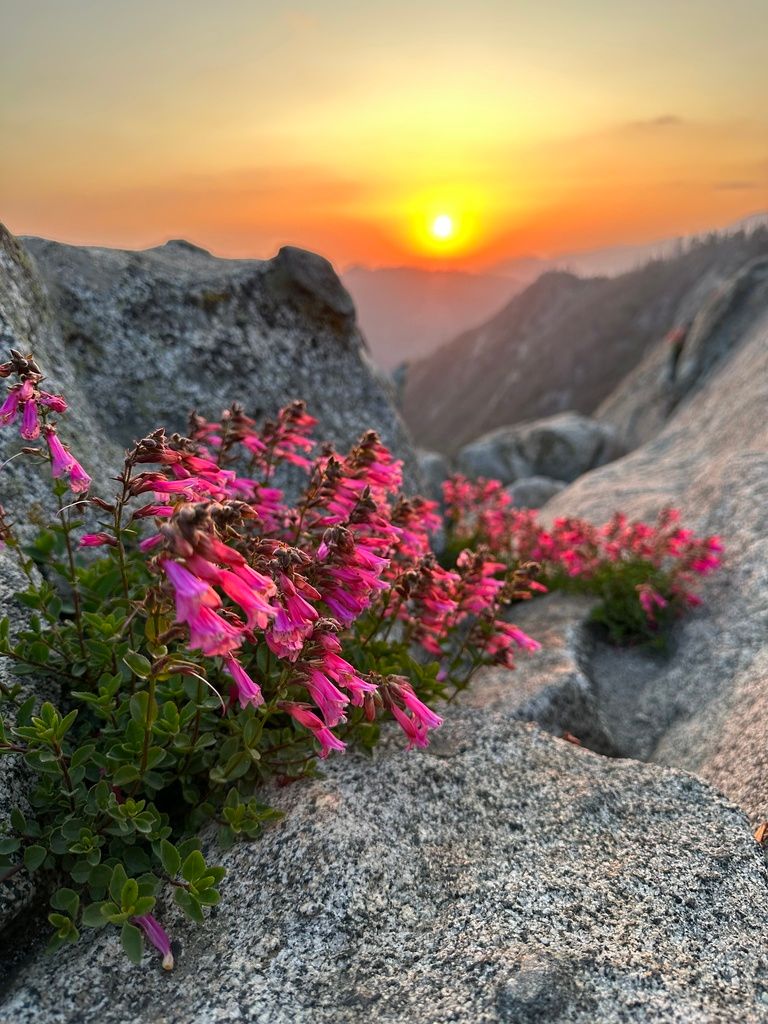
Look for upright stems topped with clusters of tubular, two-lipped flowers and narrow to lance-shaped leaves.

Leaves

Narrow to lance-shaped leaves, often smooth-edged; arranged along upright stems or in a basal clump depending on the species.

Flowers

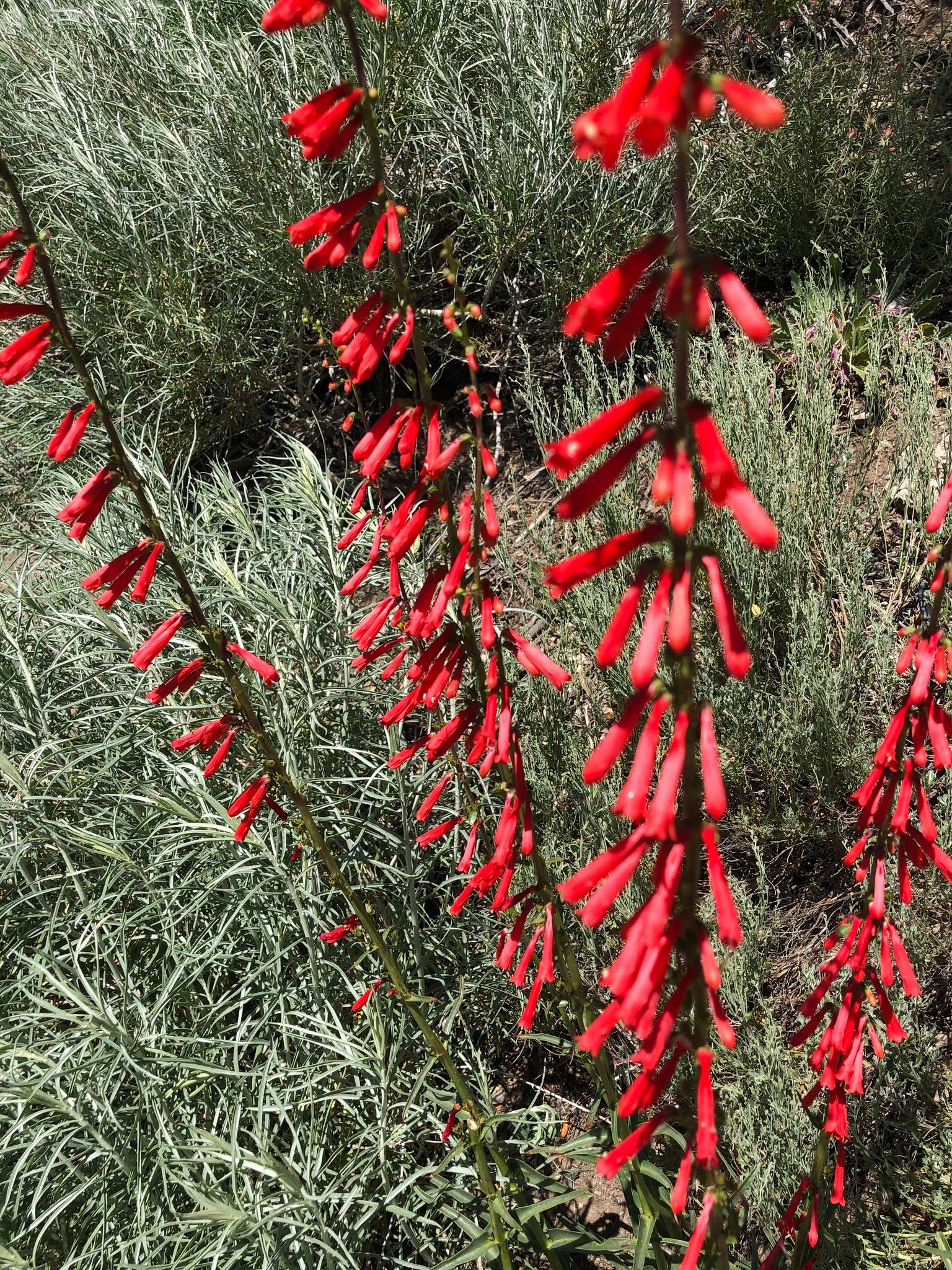
Tubular, two-lipped flowers in clusters; colors vary widely (often pink, purple, blue, red, or white).

Fruits

Small seed capsules that dry and open when mature.
Penstemons (desert types) (Penstemon (arid-adapted species))
https://www.inaturalist.org/photos/285986055 Photo: (c) James, some rights reserved (CC BY-NC) | CC-BY-NC | iNaturalist
Penstemons (desert types) (Penstemon (arid-adapted species))

LOCATION

Where It Grows

Native environments and the best spots to place it in your landscape.

Habitats

  • Dry open slopes
  • Rocky or sandy areas
  • Open woodlands and scrubby edges
  • Desert and desert-adjacent plant communities

Where it is often used

  • Pollinator patch (even a small one)
  • Sunny border or front-yard bed
  • Rock garden or gravel garden
  • Container planting with fast-draining potting mix
  • Slope or dry edge where water runs off

SEASONALITY

When It Blooms

Notes on bloom windows and how this plant helps pollinators across the seasons.

Bloom window

Desert-type penstemons typically bloom from late spring into summer, with timing depending on the species and your site.

Bloom Season Role: A strong mid-season nectar plant in sunny plantings.

Seasonal benefits

  • Adds a strong burst of blooms when many spring flowers are finishing
  • Pairs well with other sun-loving perennials for a longer overall bloom season
  • Can rebloom lightly if spent flowers are trimmed (varies by species)

REQUIREMENTS

What It Needs

The right mix of sun, soil, and space for healthy growth.

Sun exposure

Full sun for best flowering and sturdy growth.

Soil type

Well-drained soil is essential. Sandy, gravelly, or rocky soils are ideal; in heavier soil, mix in grit and plant slightly high to keep the crown from staying wet.

Moisture needs

Water regularly during the first growing season to help roots establish, then water sparingly. Let the soil dry between waterings.

Planting method

Plant in spring or early fall. Space plants so air can move through them, and avoid low spots where water collects.

Mulching tips

Use a thin layer of gravel or a light mulch, keeping it away from the plant’s crown. Avoid thick, moisture-holding mulch right against the stems.

GARDENING GUIDE

How to Grow It

Simple steps to plant, prune, and maintain healthy trees without pesticides.

Planting tips

  • Pick the sunniest spot you have with fast drainage (or use a container with drainage holes).
  • If your soil is heavy, improve drainage by mixing in grit or coarse sand and planting slightly raised.
  • Dig a hole about as deep as the root ball and a bit wider.
  • Set the plant so the crown sits at or slightly above the surrounding soil level.
  • Backfill, firm gently, and water in once to settle the soil.

Seasonal care

  • Deadhead (trim off spent blooms) to keep the plant tidy and sometimes encourage more flowering.
  • After flowering, you can lightly trim stems, but avoid cutting the whole plant to the ground too early.
  • In winter, leave some stems for protection and cut back in spring when new growth starts.
  • Divide or replant if clumps become crowded (timing depends on the species).
  • Keep weeds down so young plants don’t have to compete for light and water.

What not to do

  • Planting in a spot that stays wet after rain.
  • Watering on a schedule even when the soil is still damp.
  • Piling mulch up against the base of the plant.
  • Using pesticides to deal with minor leaf damage.

Pairings

Best Pairings for Season-Long Bloom

Pairing ideas to keep pollinators fed throughout the growing season.

Early Bloom

  • Early-blooming native wildflowers suited to sun and good drainage
  • Spring bulbs in well-drained spots (where appropriate)

Mid-Season Bloom

  • Other drought-tolerant perennials with staggered bloom times
  • Low grasses or bunchgrasses for structure

Late-Season Bloom

  • Late-summer and fall-blooming natives for continued flowers
  • Seed-bearing plants that add texture and winter interest
“Desert penstemons” is a broad, informal group. If you’re planting in Toronto, choose species or cultivars offered by reputable native-plant or drought-tolerant growers, and prioritize excellent drainage to help them handle wetter periods.

GLOSSARY

Key Terms

A few helpful terms you might see when shopping for or planting penstemons:

Glossary terms are being added.

What You Can Do

Make a difference for native habitats.

Turn this knowledge into action. Whether you plant a single pot or a whole garden, you are building a vital bridge for local biodiversity.

Join the movement to restore our shared habitats.

Pollinators supported

Species that benefit from this plant

Pollinator links are being added for this plant.

Regions

Where this plant is native

Regional links are being added for this plant.