
What they do
Phlox-family wildflowers add bright, nectar-rich blooms that can attract a variety of pollinators.
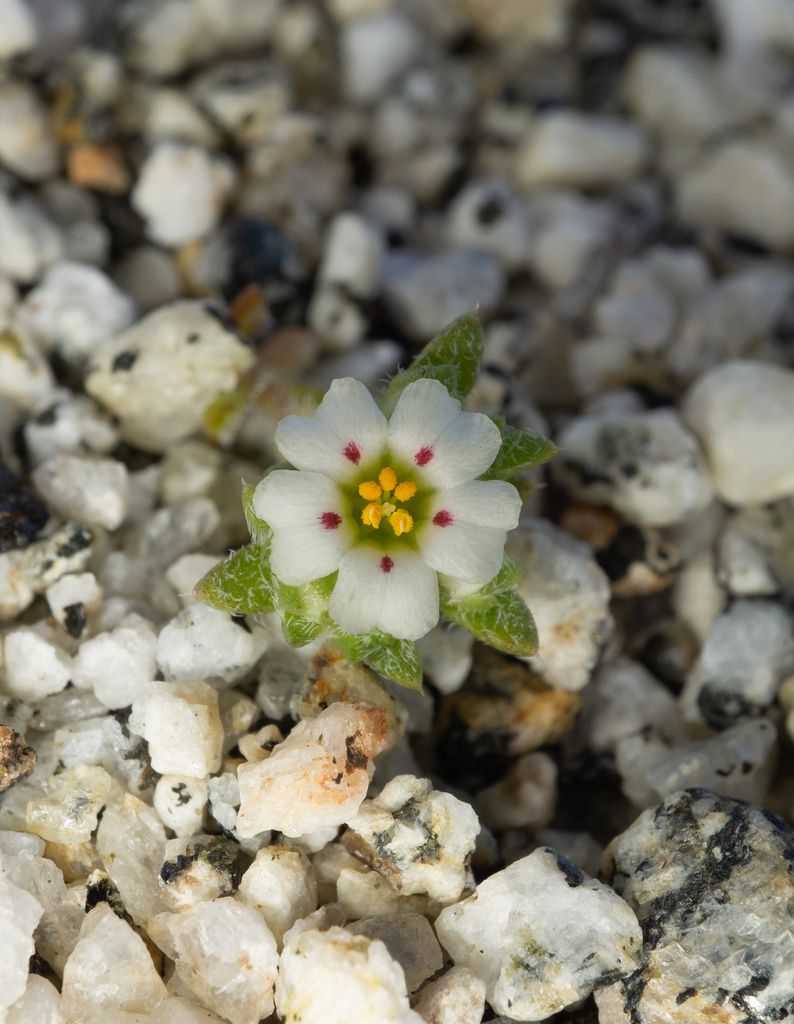
Family Polemoniaceae
The phlox family (Polemoniaceae) includes many garden-friendly wildflowers known for clusters of colorful, nectar-rich blooms that can help support pollinators when grown without pesticides.
Plant Type
Wildflowers (herbaceous perennials) > Phlox family
Aliases
Polemoniaceae
Native Range
Varies by genus and species; many members are native to North America, and some are native to other regions
Bloom window
Varies by species; often spring through summer
OVERVIEW
The Phlox family (Polemoniaceae) offers reliable, high-impact wildflowers known for clustered, nectar-rich blooms. Functionally, these plants deliver essential color and forage in diverse settings, from sunny borders to containers, providing accessible food for a wide variety of North American pollinators.
To ensure the best ecological results, site Phlox-family plants where they receive appropriate light and drainage, which minimizes plant stress. It is critical to avoid all chemical pesticides, especially when they are in bloom, as this protects the insects relying on their flowers for sustenance. A healthy, well-sited phlox plant is generally low-maintenance and highly effective at drawing in pollinators.
FAST FACTS
Essential stats and requirements for quick reference.
| Category | Details |
|---|---|
| Also known as | Polemoniaceae |
| Bloom window | Varies by species; often spring through summer |
| Typical height | Varies widely by species; from low, mat-forming types to taller clump-formers |
| Pollinators supported | Bees, Butterflies, Moths |
| Light & moisture | Depends on the species; many do well in sun to part shade with evenly moist, well-drained soil |
| Best roles for pollinators | Adding easy-to-spot, pollinator-friendly blooms to gardens, schoolyards, and containers |
SUMMARY
A quick scan of what they do, what they need, and the best first step.
Phlox-family wildflowers add bright, nectar-rich blooms that can attract a variety of pollinators.
Choose a species that matches your light and moisture, give it room, and keep chemicals out of the garden.
Pick one phlox-family plant suited to your site and grow it pesticide-free.
IMPACT
Key Impacts
RECOGNITION
Often simple leaves arranged neatly along the stem; shape and texture vary by species.
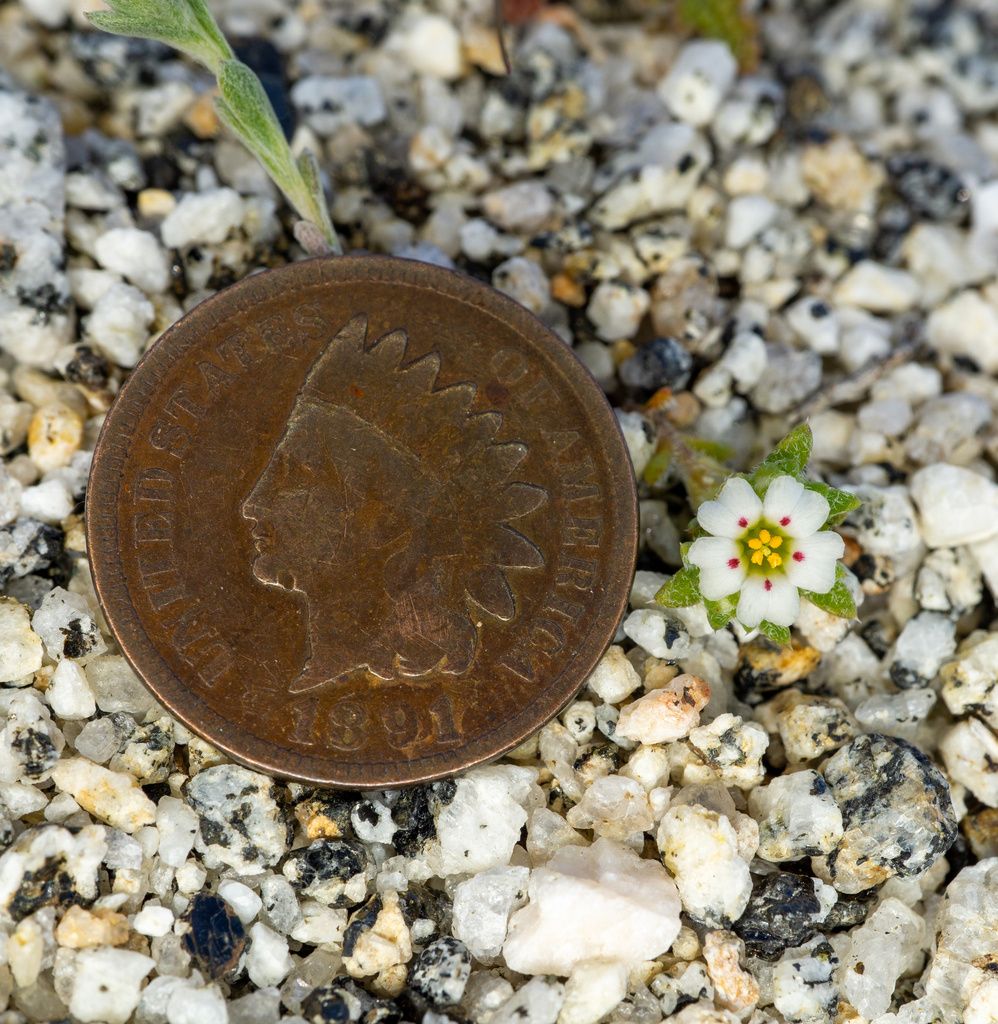
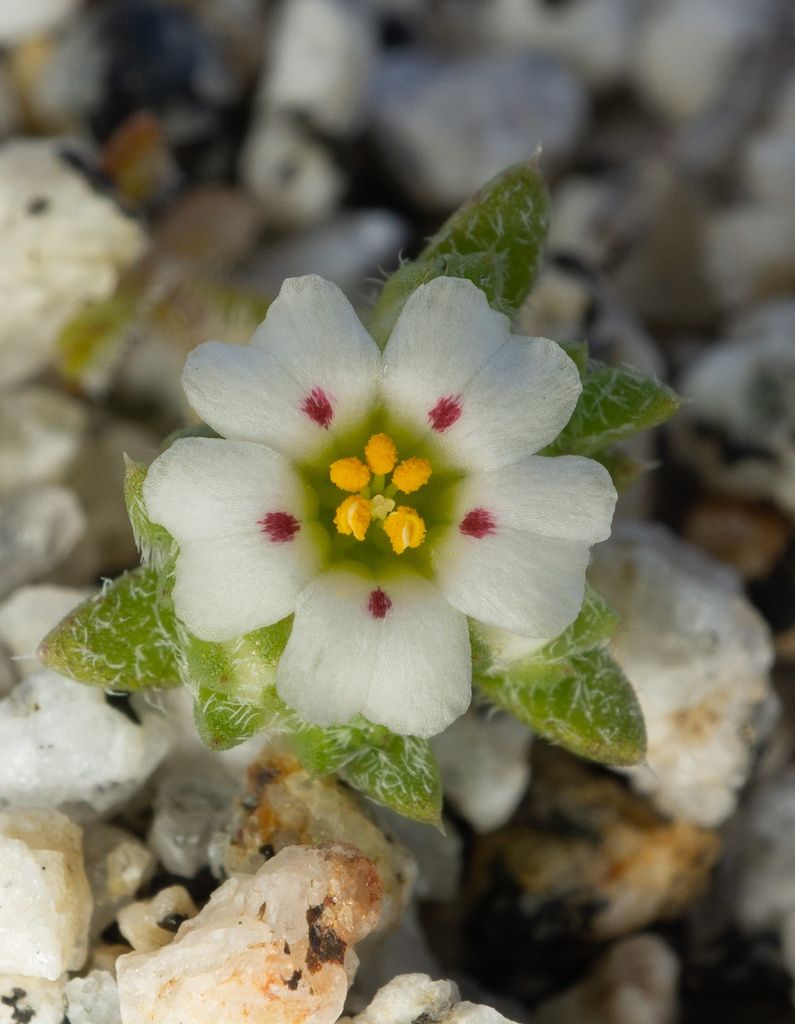
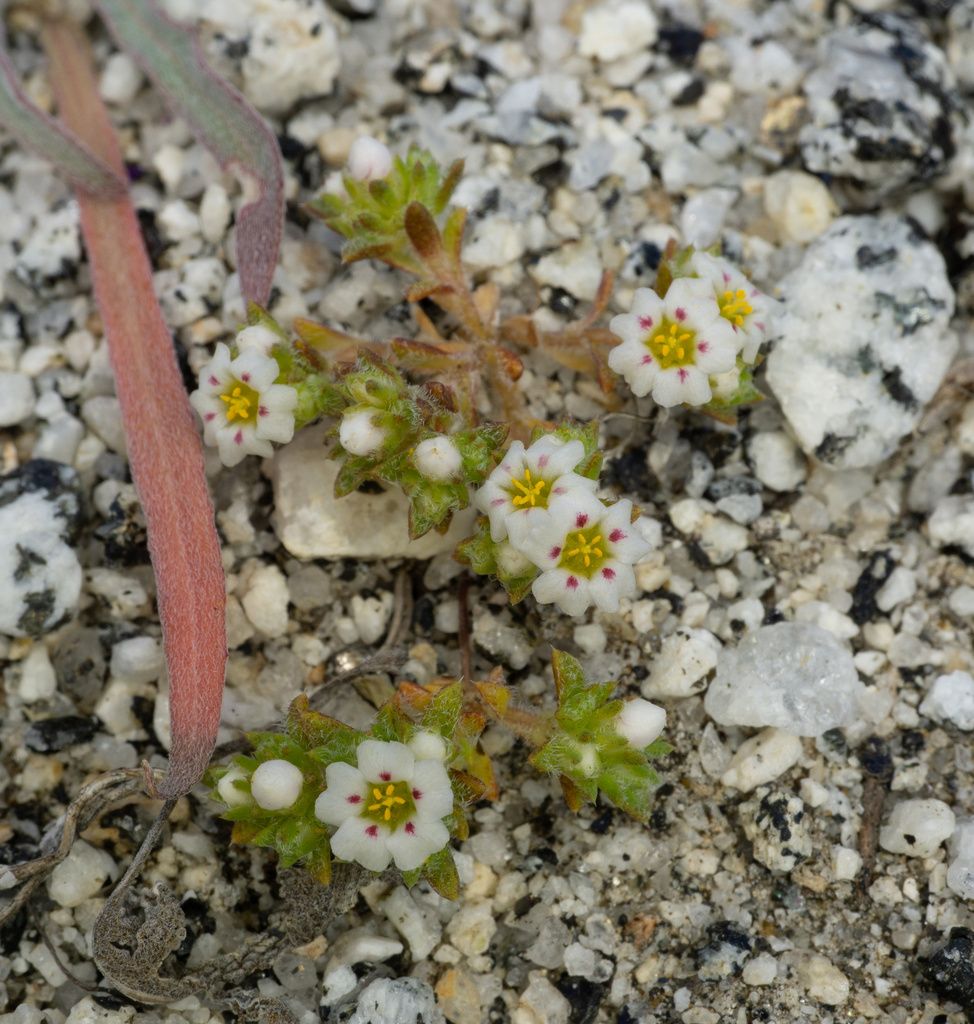
Commonly five fused petals forming a tube with a flat, star-like face; often in clusters.
Typically small, dry seed capsules; best noticed after flowering.
LOCATION
Native environments and the best spots to place it in your landscape.
SEASONALITY
Notes on bloom windows and how this plant helps pollinators across the seasons.
Bloom timing depends on the species you choose, but many phlox-family plants help fill spring-to-summer gaps with showy color.
Bloom Season Role: Often provides clustered blooms that offer many small “landing spots” in one place
REQUIREMENTS
The right mix of sun, soil, and space for healthy growth.
Choose a species that matches your site; many do well with sun or part shade.
Most prefer well-drained soil; improve heavy soil with organic matter and avoid spots that stay waterlogged.
Water regularly while establishing; after that, water during long dry spells based on the species’ needs.
Plant in spring or fall when conditions are mild; set plants at the same depth they were growing in the pot.
Use a light mulch to reduce weeds and hold moisture, keeping mulch off the crown to prevent rot.
GARDENING GUIDE
Simple steps to plant, prune, and maintain healthy trees without pesticides.
Pairings
Pairing ideas to keep pollinators fed throughout the growing season.
GLOSSARY
Glossary terms are being added.
What You Can Do
Turn this knowledge into action. Whether you plant a single pot or a whole garden, you are building a vital bridge for local biodiversity.
Join the movement to restore our shared habitats.