
What they do
Phloxes add bright, clustered blooms that can attract a variety of pollinators.
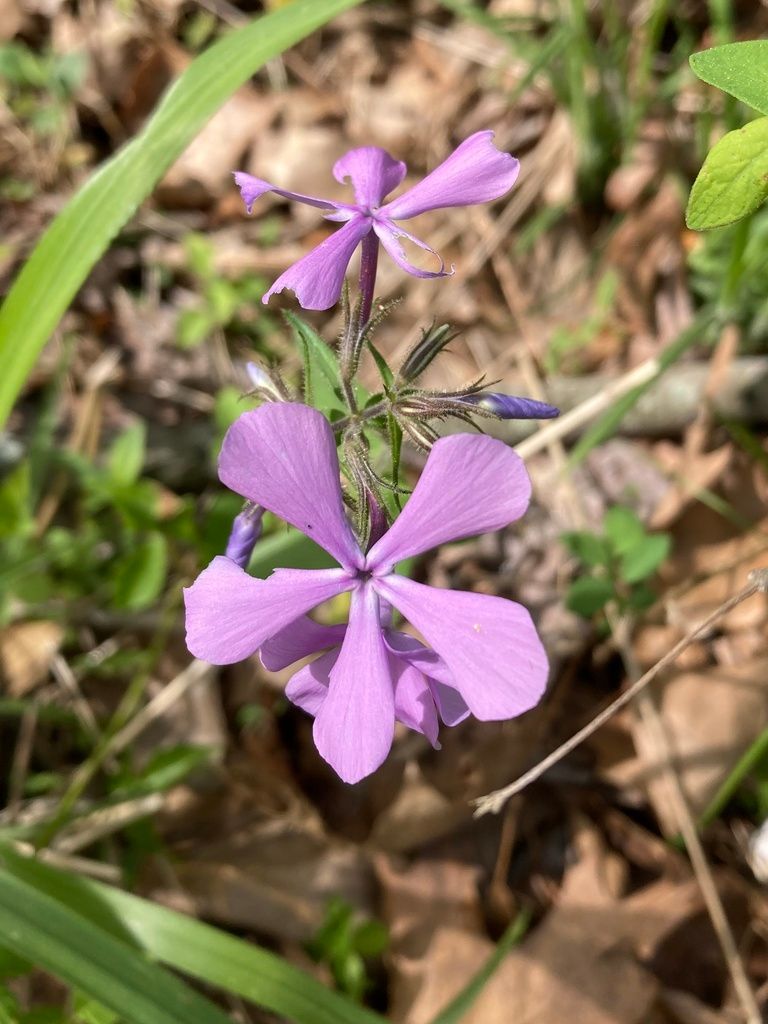
Genus Phlox
Phloxes (Genus Phlox) are classic, pollinator-friendly wildflowers known for clusters of starry blooms that can brighten beds, borders, and even containers.
Plant Type
Wildflowers (herbaceous perennials) > Phloxes
Aliases
Phlox
Native Range
Varies by species; many Phlox species are native to North America
Bloom window
Varies by species; many bloom from spring into summer
OVERVIEW
Phloxes are a flexible group of wildflowers that can fit many garden styles. If you’re building a small pollinator patch, phlox can be a strong “anchor” plant because the blooms are easy to see, easy to enjoy, and often visited by a mix of insects.
To get the best results, focus on matching the phlox type to your conditions. Some prefer sunnier, more open spots; others are happier with a bit of shade. Most do best when they aren’t crowded and when watering is aimed at the soil rather than the leaves.
If you’re planting in a container, choose a pot with drainage holes, use a quality potting mix, and water when the top of the soil starts to dry. Even one pot of flowers can be a small step that adds up when many people join in.
FAST FACTS
Essential stats and requirements for quick reference.
| Category | Details |
|---|---|
| Also known as | Phlox |
| Bloom window | Varies by species; many bloom from spring into summer |
| Typical height | Varies widely by species, from low groundcover to taller clumps |
| Pollinators supported | Bees, Butterflies, Moths |
| Light & moisture | Often best in sun to part sun with evenly moist, well-drained soil (varies by species) |
| Best roles for pollinators | Gardeners who want easy-to-spot blooms that can support pollinators in beds, borders, and containers |
SUMMARY
A quick scan of what they do, what they need, and the best first step.
Phloxes add bright, clustered blooms that can attract a variety of pollinators.
Choose a phlox type that matches your light and moisture, and give it room and airflow.
Plant a small clump (or a pot) and keep the soil evenly moist while it gets established.
IMPACT
Key Impacts
RECOGNITION
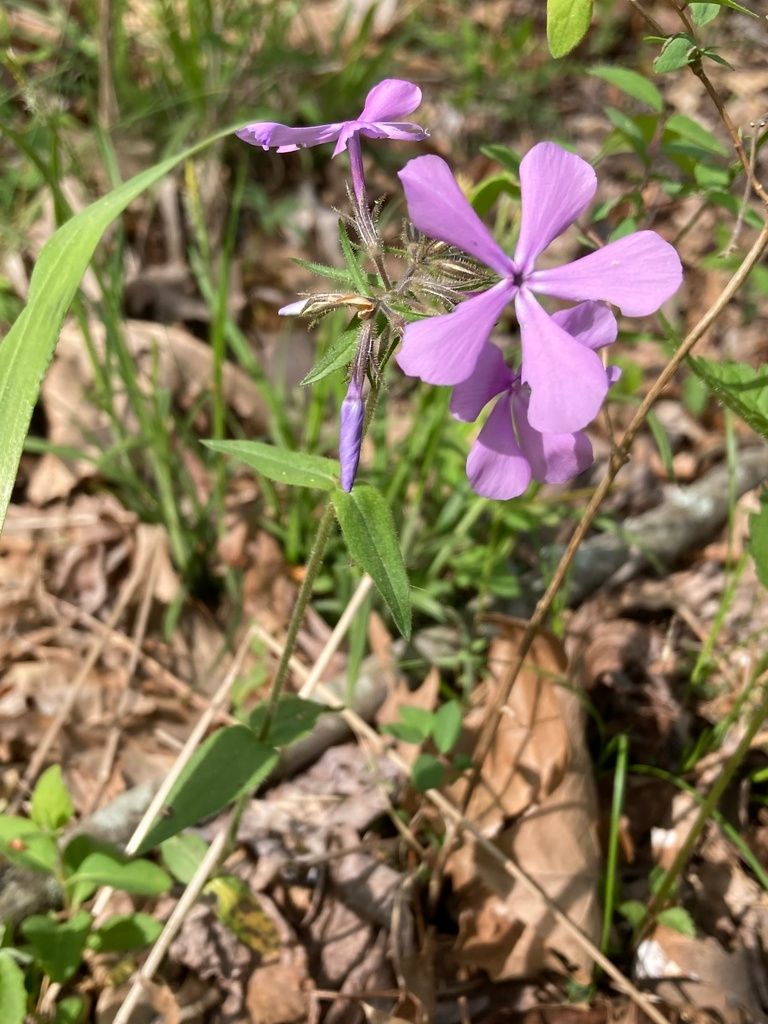
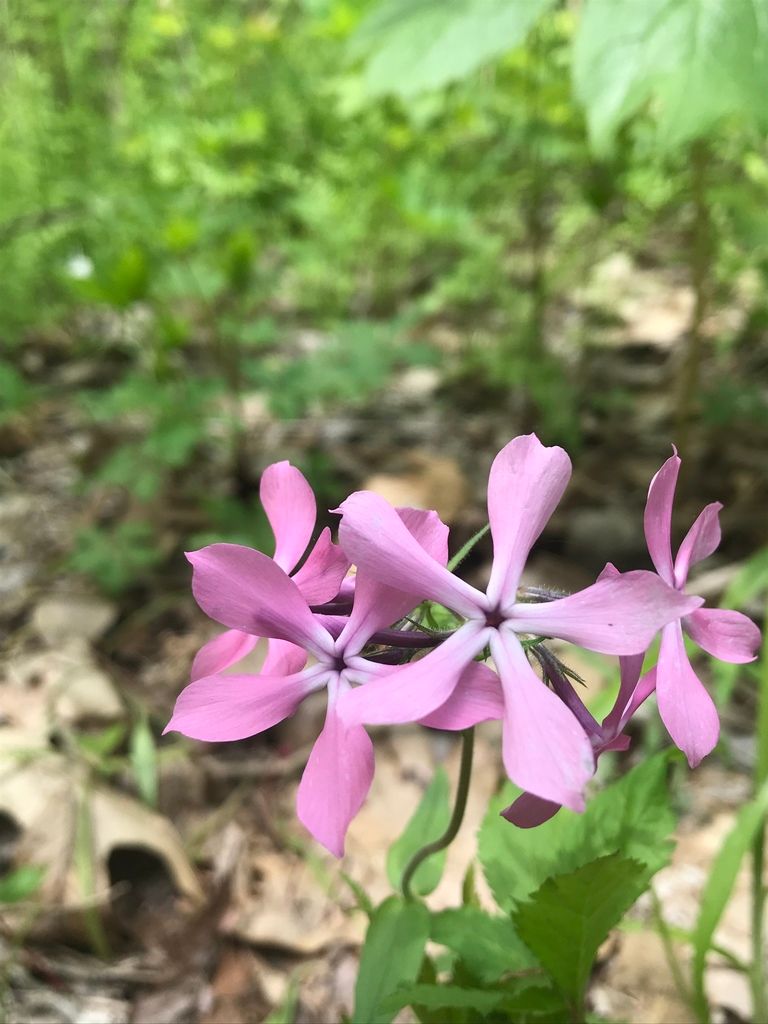
Leaves vary by species but are often simple and narrow to oval, arranged along the stems.
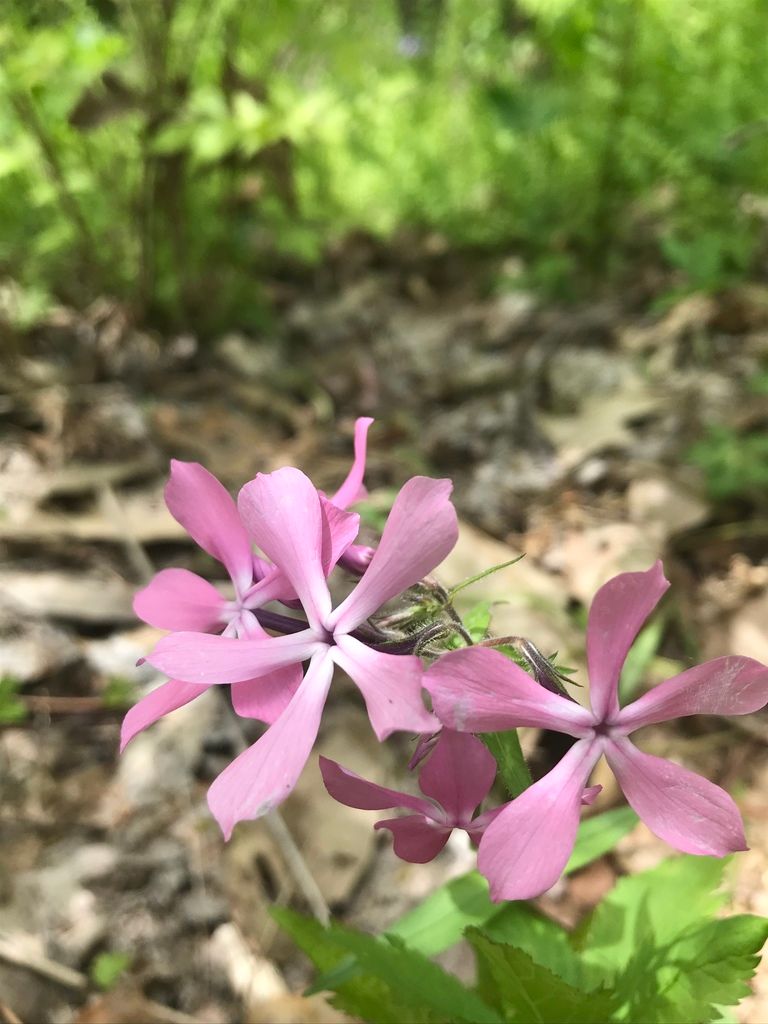
Five-petaled, star-shaped flowers, often in rounded clusters; colors range widely.
Small, dry seed capsules after flowering (often not noticed in ornamental plantings).
LOCATION
Native environments and the best spots to place it in your landscape.
SEASONALITY
Notes on bloom windows and how this plant helps pollinators across the seasons.
Because phloxes include several garden-worthy species, bloom timing depends on which one you choose.
Bloom Season Role: A colorful nectar stop that can help fill gaps between other bloomers
REQUIREMENTS
The right mix of sun, soil, and space for healthy growth.
Most garden phloxes do best with plenty of light; some tolerate part shade. Match the species to your site.
Well-drained soil is a common preference; add compost to improve structure if your soil is very sandy or heavy.
Water at the base to keep leaves drier; aim for steady moisture, especially during establishment.
Plant with enough spacing for airflow. Set the crown at the same level it was growing in the pot.
Use a thin layer of mulch to hold moisture and reduce weeds, keeping mulch off the stems.
GARDENING GUIDE
Simple steps to plant, prune, and maintain healthy trees without pesticides.
Pairings
Pairing ideas to keep pollinators fed throughout the growing season.
GLOSSARY
Glossary terms are being added.
What You Can Do
Turn this knowledge into action. Whether you plant a single pot or a whole garden, you are building a vital bridge for local biodiversity.
Join the movement to restore our shared habitats.