
What they do
Skullcaps add long-lasting, pollinator-friendly blooms and a natural look that blends well with other wildflowers.
Genus Scutellaria
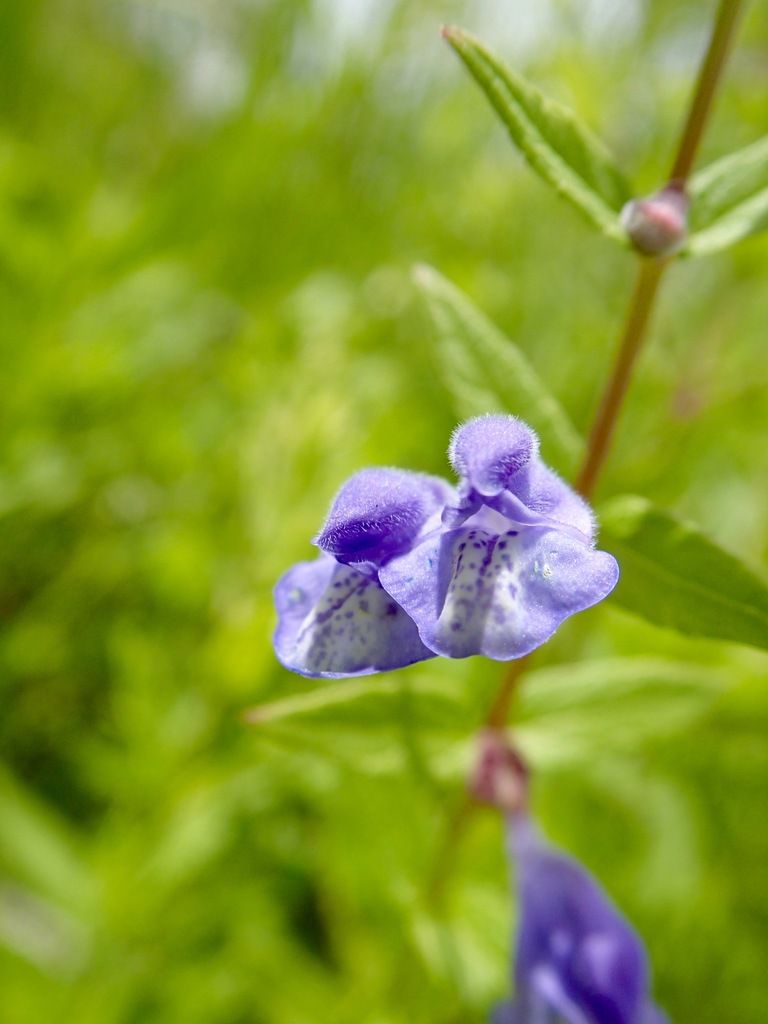
Skullcaps are easygoing wildflowers in the genus Scutellaria, known for their small, hooded blooms that are popular with many garden pollinators.
Plant Type
Wildflowers (herbaceous perennials) > Skullcaps
Aliases
Skullcap
Native Range
Includes species native to parts of North America; choose locally native species when possible
Bloom window
Varies by species; often blooms from late spring into summer
OVERVIEW
Skullcaps (Scutellaria spp.) are a flexible group of wildflowers that can fit into many garden styles, from neat borders to more natural plantings. Because “skullcap” covers many species, the most important step is choosing one that matches your site—especially when it comes to moisture.
In a pollinator patch, skullcaps shine as a supporting player: lots of small blooms over time can keep insects coming back, even when bigger flowers take a break. Plant them where you can enjoy the close-up details of the flowers, and pair them with a few other native wildflowers so something is blooming before and after.
FAST FACTS
Essential stats and requirements for quick reference.
| Category | Details |
|---|---|
| Also known as | Skullcap |
| Bloom window | Varies by species; often blooms from late spring into summer |
| Typical height | Varies by species; often low to medium height |
| Pollinators supported | Bees, Butterflies |
| Light & moisture | Choose a skullcap species that matches your site; some prefer sunnier, drier spots while others do best with more moisture. |
| Best roles for pollinators | Pollinator-friendly borders, small habitat patches, and naturalized garden areas |
SUMMARY
A quick scan of what they do, what they need, and the best first step.
Skullcaps add long-lasting, pollinator-friendly blooms and a natural look that blends well with other wildflowers.
A site that matches the species’ light and moisture needs, plus room to breathe among neighboring plants.
Before planting, confirm whether your chosen skullcap is a dry-site or moist-site type and place it accordingly.
IMPACT
Key Impacts
RECOGNITION
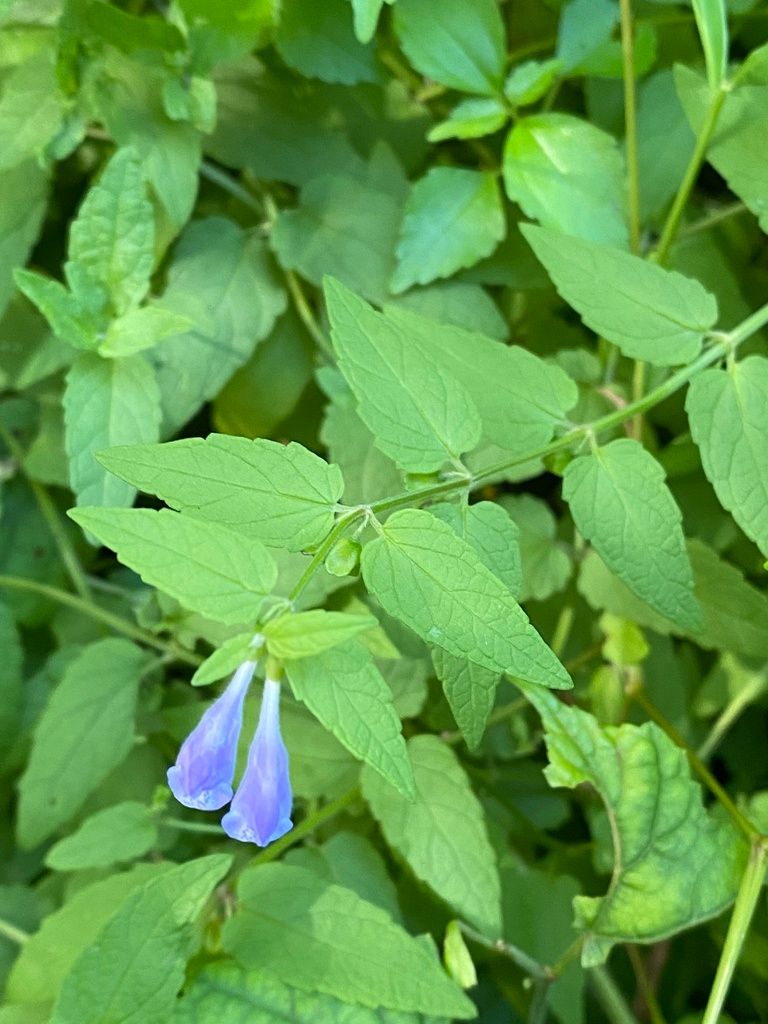
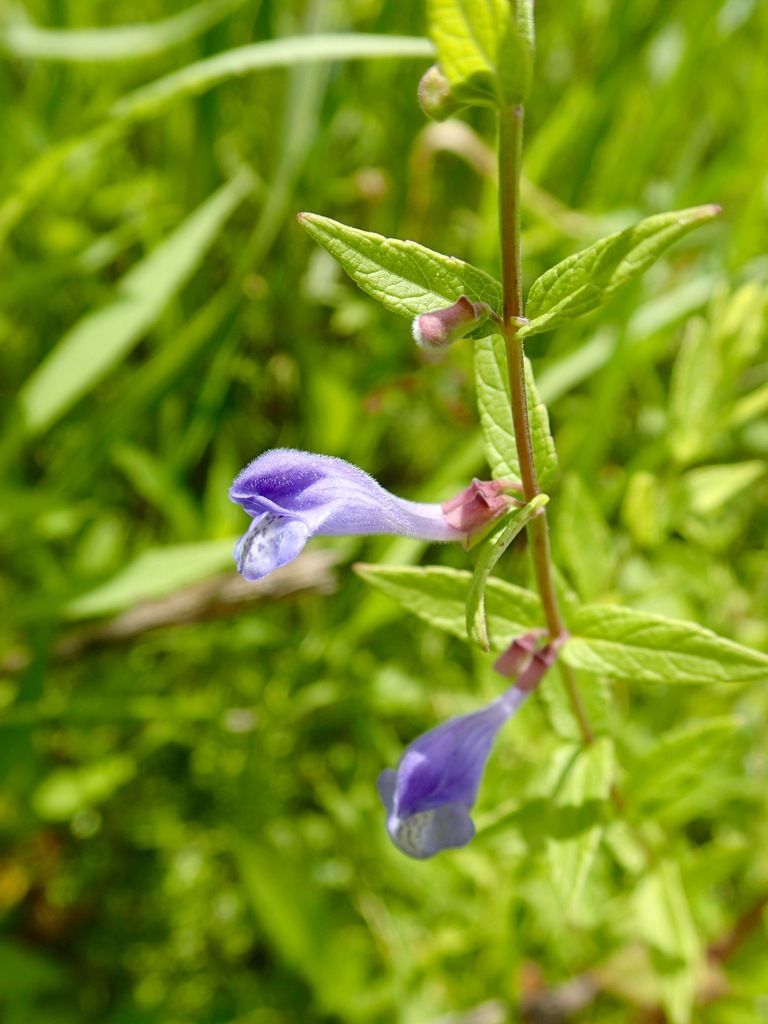
Opposite leaves, often oval to lance-shaped; stems may feel slightly square.
Two-lipped, hooded blooms in clusters along the stem; colors vary by species.
After flowering, the calyx remains and shows a small cap-like bump; seeds form inside.
LOCATION
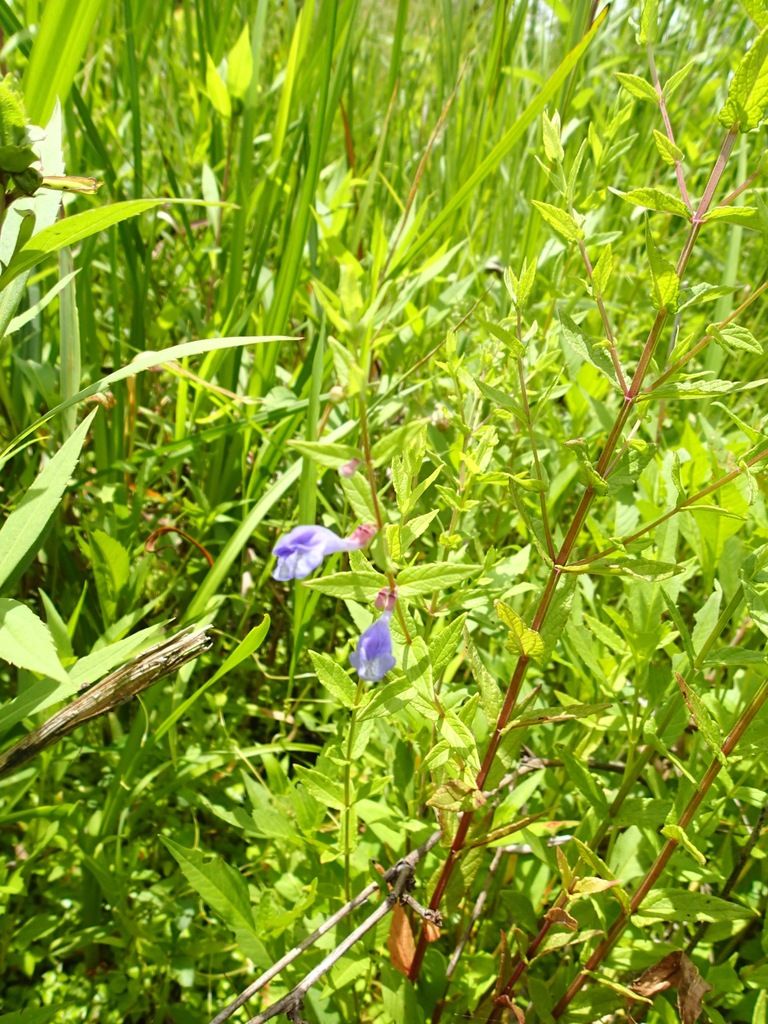
Native environments and the best spots to place it in your landscape.
SEASONALITY
Notes on bloom windows and how this plant helps pollinators across the seasons.
Bloom timing depends on the species, but many skullcaps flower for an extended stretch once they get going.
Bloom Season Role: A steady run of small blooms that can help fill gaps between bigger showy flowers.
REQUIREMENTS
The right mix of sun, soil, and space for healthy growth.
Match the species to your site; many handle sun to part shade.
Well-drained soil is a good starting point; some species prefer consistently moist ground.
Water to establish; after that, keep moisture consistent based on the species’ preference.
Plant in spring or fall. Give each plant space so air can move through the foliage.
Use a light layer of mulch to reduce weeds, but keep mulch pulled back from the plant’s base.
GARDENING GUIDE
Simple steps to plant, prune, and maintain healthy trees without pesticides.
Pairings
Pairing ideas to keep pollinators fed throughout the growing season.
GLOSSARY
Glossary terms are being added.
What You Can Do
Turn this knowledge into action. Whether you plant a single pot or a whole garden, you are building a vital bridge for local biodiversity.
Join the movement to restore our shared habitats.