

What they do
Speedwells add easy, pollinator-friendly blooms that fit into tight spaces and mixed plantings.
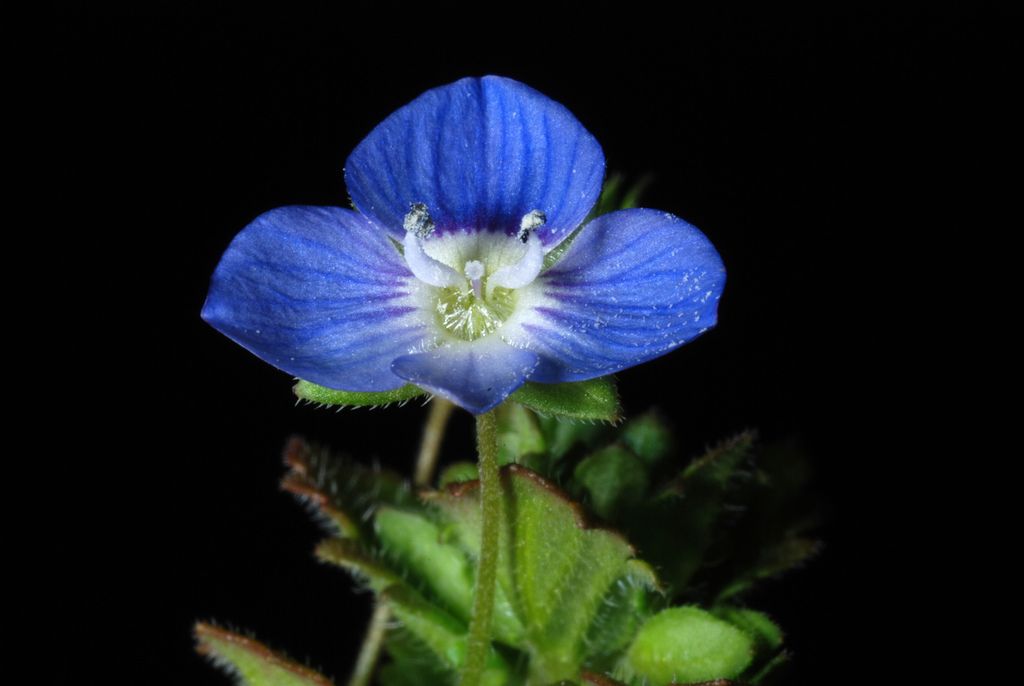
Genus Veronica (native spp.)
Native speedwells (Veronica species) are low-fuss wildflowers with small, nectar-friendly blooms that can fit into garden beds, edges, and even containers—an easy way to add more pollinator-friendly flowers to everyday spaces.
Plant Type
Wildflowers (herbaceous perennials) > Speedwells
Aliases
Speedwell
Native Range
Native species occur in parts of North America; choose species native to your area when possible.
Bloom window
Spring into summer (varies by species)
OVERVIEW
Native speedwells (Genus Veronica, native spp.) are highly adaptable wildflowers that serve an essential functional role as ground-level forage. They are valued for their low-fuss nature and clusters of small, accessible blooms, making them a reliable source of nectar for local insects, particularly when planted in clusters.
These plants are ideal for adding texture and filling empty spaces along garden edges, school walkways, or in small “pollinator pockets” where a native groundcover is needed. They perform best in bright spots with decent drainage. To maximize their benefit, plant them in groups and avoid pesticide use so visiting insects can forage safely.
FAST FACTS
Essential stats and requirements for quick reference.
| Category | Details |
|---|---|
| Also known as | Speedwell |
| Bloom window | Spring into summer (varies by species) |
| Typical height | Low to medium (varies by species) |
| Pollinators supported | Bees, Butterflies, Flies |
| Light & moisture | Sun to part shade; average moisture with good drainage. |
| Best roles for pollinators | Garden edges, small beds, schoolyard plantings, and containers where you want a simple, pollinator-friendly native flower. |
SUMMARY
A quick scan of what they do, what they need, and the best first step.
Speedwells add easy, pollinator-friendly blooms that fit into tight spaces and mixed plantings.
A bright spot (sun to part shade), soil that drains well, and a little breathing room from weeds.
Plant a small cluster together so pollinators can find the flowers more easily.
IMPACT
Key Impacts
RECOGNITION
Leaves are usually in opposite pairs along the stem; shape and toothiness vary by species.
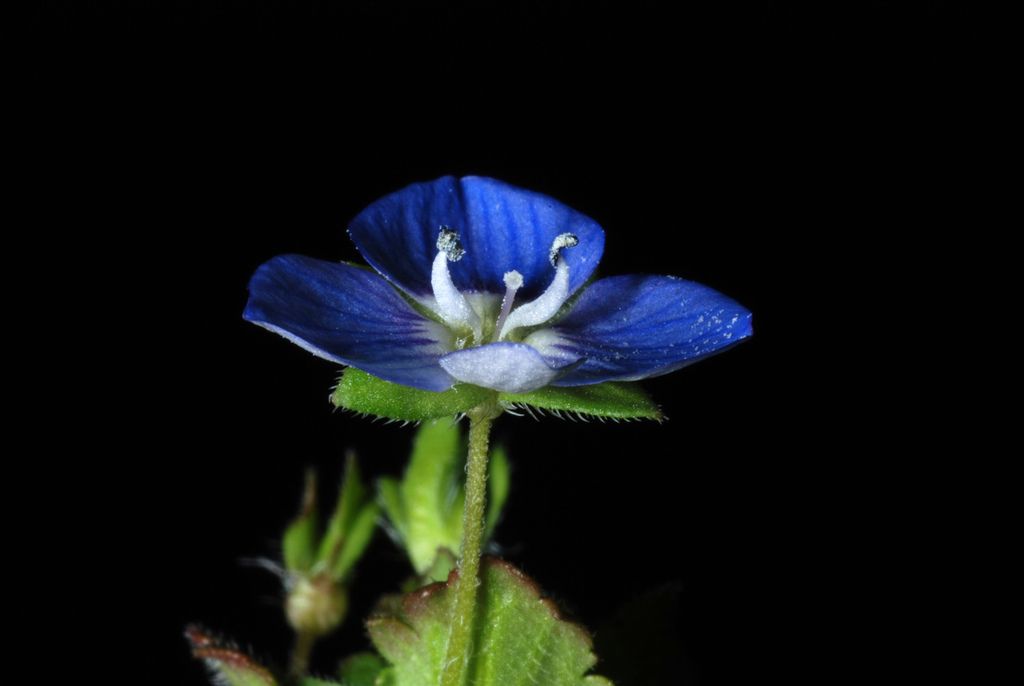
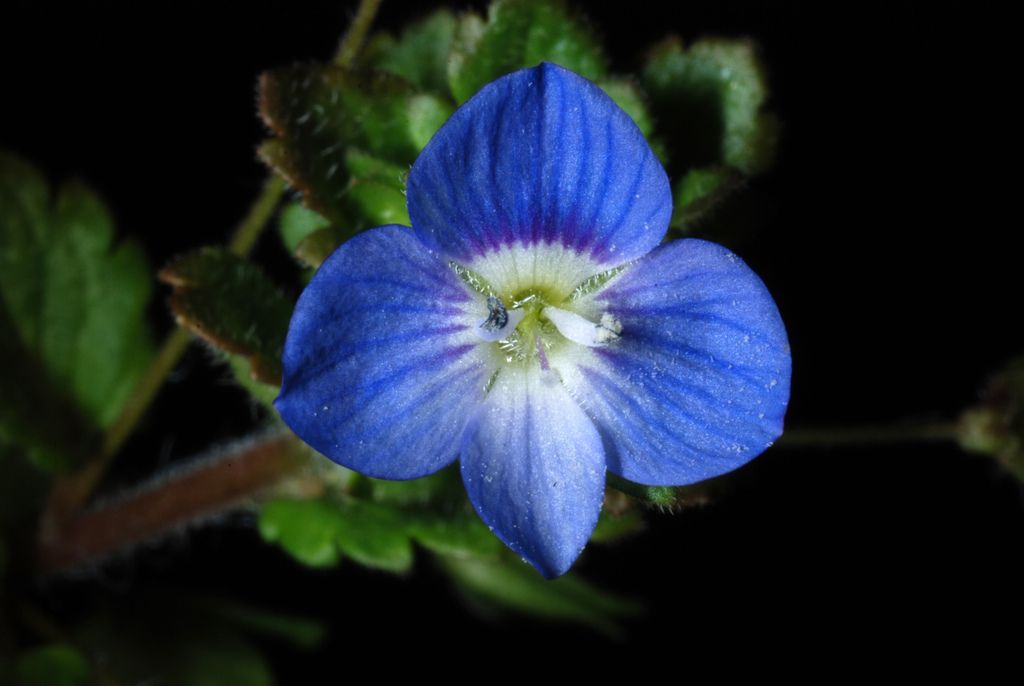
Small, four-lobed blooms often in shades of blue, violet, or white; flowers appear along the stem over time.
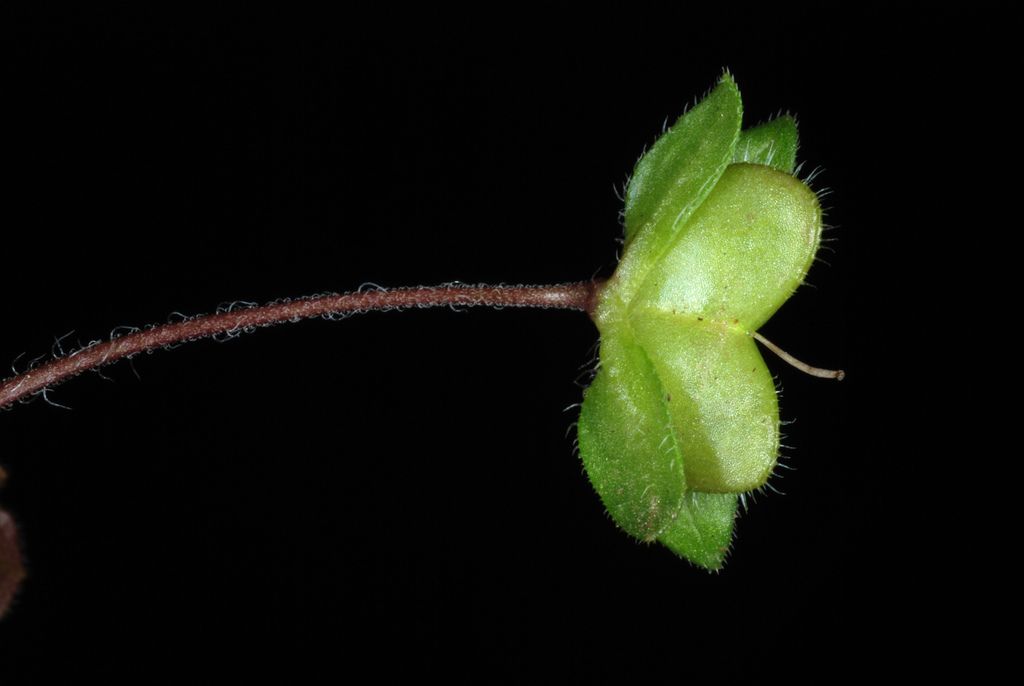
Small seed capsules form after flowering; leave some to mature if you want natural reseeding.
LOCATION
Native environments and the best spots to place it in your landscape.
SEASONALITY
Notes on bloom windows and how this plant helps pollinators across the seasons.
Bloom timing depends on the species, but many native speedwells flower from spring into summer.
Bloom Season Role: Fills in with small, steady blooms that pair well with showier flowers.
REQUIREMENTS
The right mix of sun, soil, and space for healthy growth.
Sun to part shade. More sun usually means more flowers, as long as soil doesn’t dry out completely.
Well-drained soil is key. Many species handle average garden soil; avoid spots that stay soggy.
Water regularly while establishing. After that, water during long dry spells, especially in containers.
Plant in small groups for a fuller look and easier for pollinators to find. Give each plant a little space so air can move through the leaves.
Use a thin layer of leaf mulch or compost around (not on top of) the crown to reduce weeds and keep soil from drying too fast.
GARDENING GUIDE
Simple steps to plant, prune, and maintain healthy trees without pesticides.
Pairings
Pairing ideas to keep pollinators fed throughout the growing season.
GLOSSARY
Glossary terms are being added.
What You Can Do
Turn this knowledge into action. Whether you plant a single pot or a whole garden, you are building a vital bridge for local biodiversity.
Join the movement to restore our shared habitats.