
Skip to content
Spring beauties (*Claytonia* (genus))
Plant profile

Spring beauties

Genus Claytonia

Spring beauties are small, early-blooming wildflowers in the genus Claytonia that bring quick spring color and an easy nectar stop for early pollinators.

Plant Type

Wildflowers (herbaceous perennials) > Spring beauties

Aliases

Spring beauty

Native Range

Parts of North America (varies by species within Claytonia)

Bloom window

Early spring

OVERVIEW

About This Plant

Spring beauties (genus Claytonia) are small, early-blooming wildflowers that fit beautifully into gardens that follow the seasons. They’re especially at home in places that get sun in early spring and then shift to shade as trees leaf out.

In a garden, the biggest “secret” is simply leaving them alone at the right time: avoid digging, heavy raking, or mowing while they’re growing and blooming. If you can give them a calm, lightly moist spring window and a spot that isn’t waterlogged, they can return year after year and slowly form a charming patch.

For pollinator-friendly gardening, spring beauties are a simple way to add early flowers to your yard or school grounds—helping create a longer season of blooms without needing a large space.

Best role for pollinators
Woodland edges, under deciduous trees, naturalized lawns, and small garden pockets that get spring sun.
Spring beauties (Claytonia (genus))
https://www.inaturalist.org/photos/123124369 Photo: (c) victoriaelizab, some rights reserved (CC BY) | CC-BY | iNaturalist

FAST FACTS

Quick Details

Essential stats and requirements for quick reference.

Also known asSpring beauty
Bloom windowEarly spring
Typical heightLow-growing
Pollinators supportedEarly-season bees, Small flies
Light & moistureSun to part shade; evenly moist soil in spring
Best roles for pollinatorsWoodland edges, under deciduous trees, naturalized lawns, and small garden pockets that get spring sun.

SUMMARY

If You Remember Three Things

A quick scan of what they do, what they need, and the best first step.

What they do

Spring beauties add early blooms that can help support pollinators when few other flowers are open.
What they need

A spot with spring light and soil that stays lightly moist during their active growth period.

One best action

Let them finish blooming and leafing out before mowing or heavy cleanup.

IMPACT

Why Plant This?

Spring beauties offer early blooms that can help pollinators find food at a time of year when flowers are limited, and they do it in a small, gentle footprint that works in many home landscapes.
Spring beauties often bloom before many trees fully leaf out, taking advantage of the brief window of bright spring sunlight on the ground.

Key Impacts

What it Supports

  • Early flowers can be a welcome food stop for pollinators waking up in spring.
  • Low-growing wildflowers can fit into small spaces, including under trees and along paths.
  • Naturalized patches can return year after year with minimal work.

RECOGNITION

Identification Guide

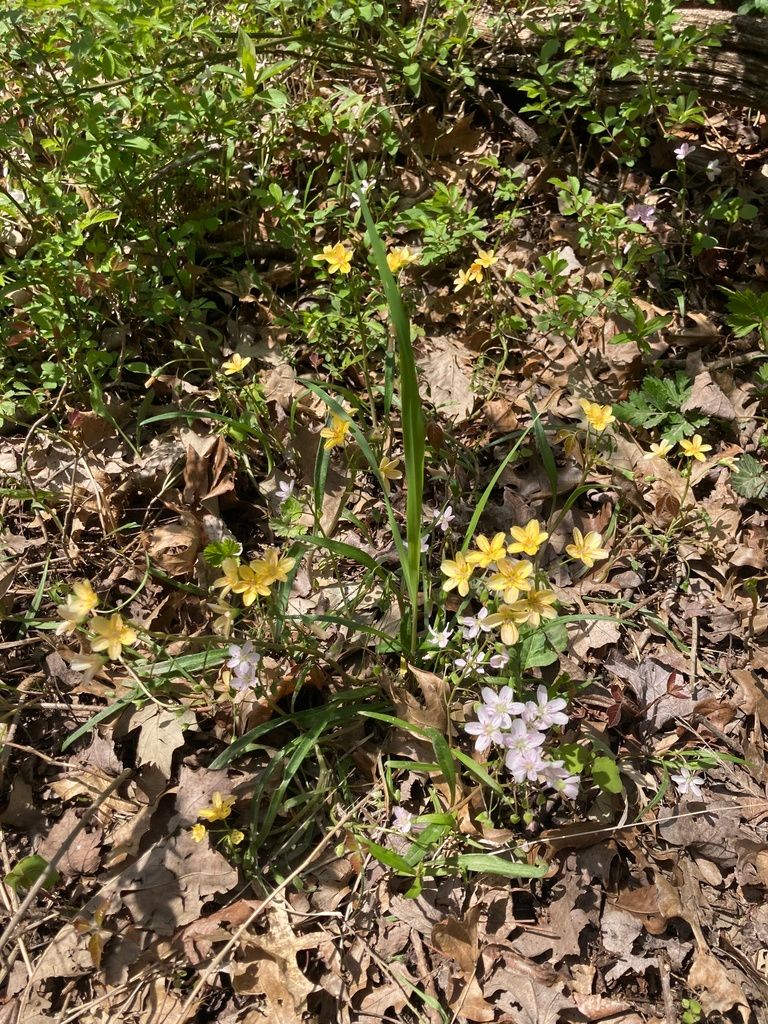
Spring beauties are small and easy to miss until you notice the bright little blooms close to the ground.

Leaves

Low, simple leaves close to the ground; foliage is most noticeable in spring.

Flowers

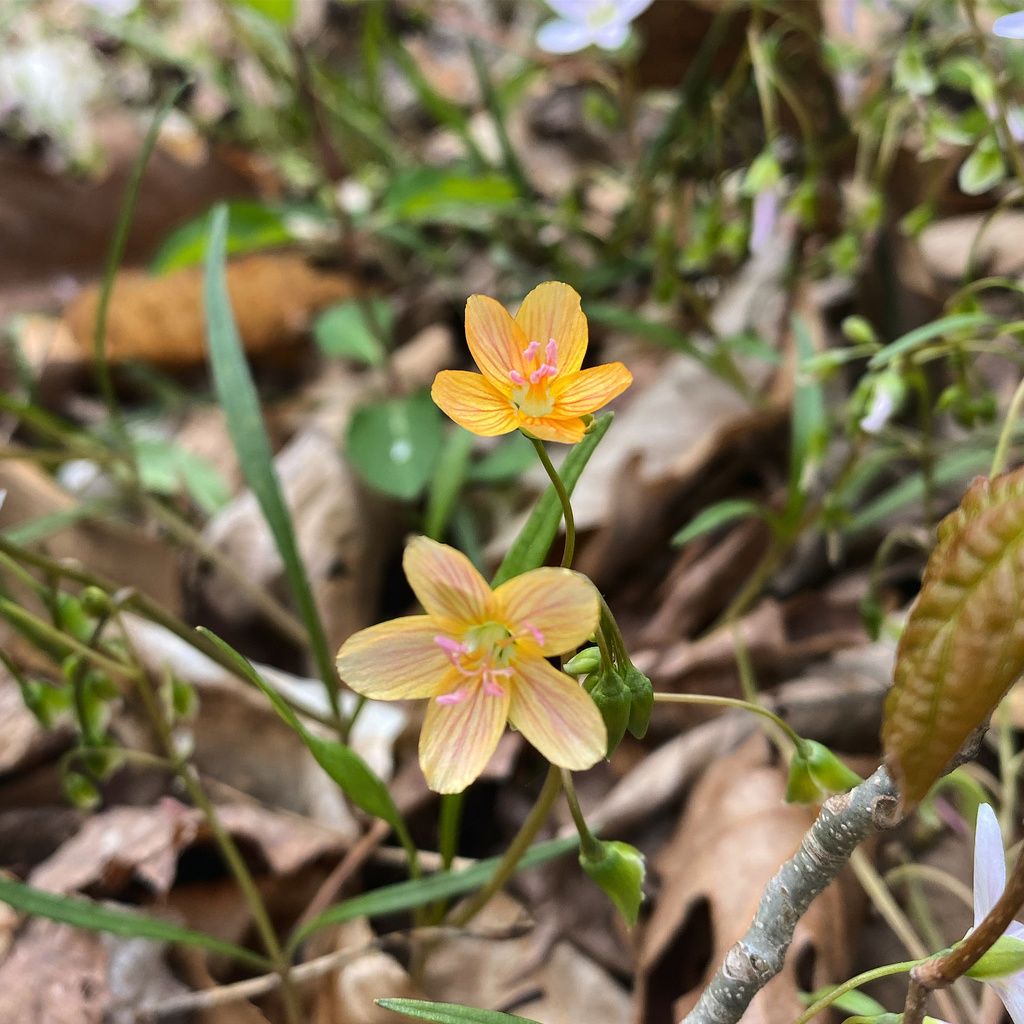
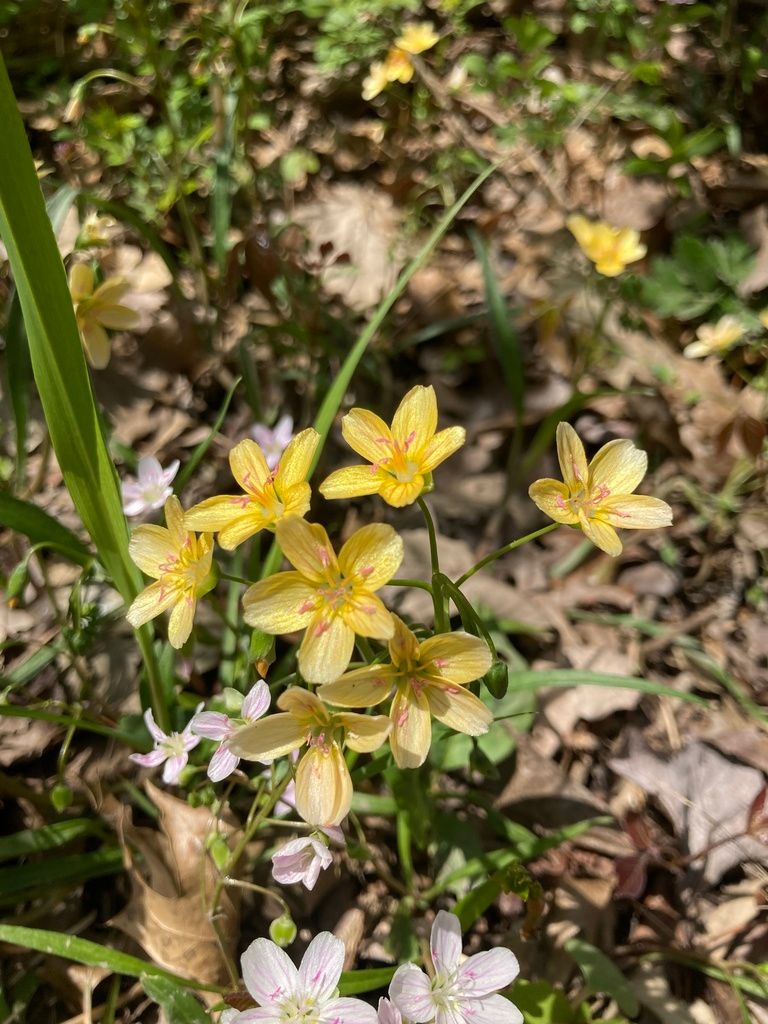
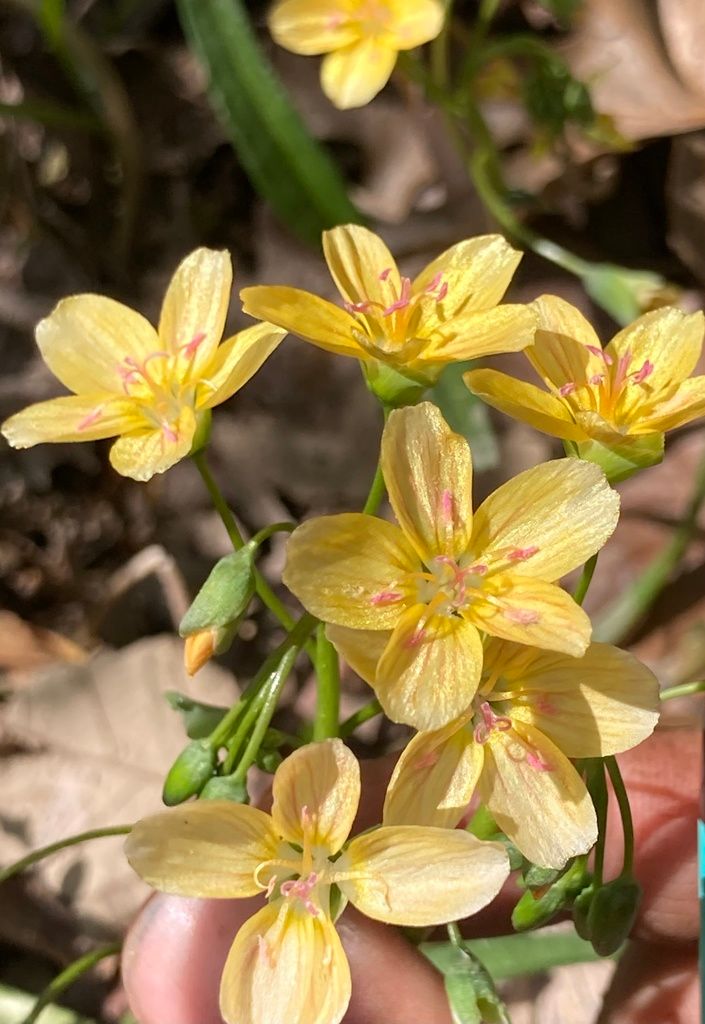
Small, five-petaled flowers, often pale with pink striping; held close to the ground.

Fruits

Small seed capsules form after flowering; plants may fade back as the season warms.
Spring beauties (Claytonia (genus))
https://www.inaturalist.org/photos/196636736 Photo: (c) Koby Kilgore, some rights reserved (CC BY-NC) | CC-BY-NC | iNaturalist
Spring beauties (Claytonia (genus))

LOCATION

Where It Grows

Native environments and the best spots to place it in your landscape.

Habitats

  • Open woods
  • Woodland edges
  • Moist spring meadows
  • Shaded lawns and naturalized areas

Where it is often used

  • Woodland garden ground layer
  • Under deciduous trees (spring sun, summer shade)
  • Naturalized lawn areas where mowing can be delayed
  • Edge-of-path spring color

SEASONALITY

When It Blooms

Notes on bloom windows and how this plant helps pollinators across the seasons.

Bloom window

Spring beauties are a classic “first wave” bloomer.

Bloom Season Role: Early-season nectar and pollen stop

Seasonal benefits

  • Adds early color when gardens are still waking up
  • Provides early nectar and pollen opportunities
  • Pairs well with other spring ephemerals and early bulbs

REQUIREMENTS

What It Needs

The right mix of sun, soil, and space for healthy growth.

Sun exposure

Best with spring sun; part shade is often ideal, especially under deciduous trees.

Soil type

Loamy or sandy soil with good drainage; tolerates typical garden soil if it isn’t compacted.

Moisture needs

Keep soil lightly moist during spring growth; once plants go dormant, extra watering is usually unnecessary.

Planting method

Plant in a spot you won’t disturb in spring. If using plugs or small plants, set them gently and water in well.

Mulching tips

Use a thin layer of leaf litter or fine mulch; avoid burying the crown under heavy mulch.

GARDENING GUIDE

How to Grow It

Simple steps to plant, prune, and maintain healthy trees without pesticides.

Planting tips

  • Choose a spot with spring light (like under deciduous trees or along a woodland edge).
  • Loosen the top layer of soil and remove thick turf or dense weeds.
  • Plant gently at the same depth as in the pot (or follow supplier directions for dormant roots).
  • Water in to settle the soil, then keep the area lightly moist during spring growth.
  • Mark the area so you don’t accidentally dig, rake hard, or step on it while the plants are small.

Seasonal care

  • Delay mowing or heavy cleanup until after flowering and leaf growth are finished.
  • Hand-pull aggressive weeds nearby so spring beauties aren’t crowded out.
  • Avoid disturbing the soil in spring when plants are actively growing.
  • If the patch is thriving, let it naturalize and spread over time.

What not to do

  • Mowing or trimming the area as soon as the flowers fade.
  • Planting in a spot that stays waterlogged.
  • Raking hard or digging in the patch during spring.
  • Using broad pesticide sprays “just in case.”

Pairings

Best Pairings for Season-Long Bloom

Pairing ideas to keep pollinators fed throughout the growing season.

Early Bloom

  • Trout lily
  • Bloodroot
  • Wild ginger

Mid-Season Bloom

  • Columbine
  • Wild geranium
  • Golden alexanders

Late-Season Bloom

  • Asters
  • Goldenrods
  • Bee balm
Because “spring beauties” refers to a whole genus (Claytonia), look for locally appropriate species or locally sourced plants when possible.

GLOSSARY

Key Terms

A few quick terms you might see when shopping for or planting spring wildflowers:

Glossary terms are being added.

What You Can Do

Make a difference for native habitats.

Turn this knowledge into action. Whether you plant a single pot or a whole garden, you are building a vital bridge for local biodiversity.

Join the movement to restore our shared habitats.

Pollinators supported

Species that benefit from this plant

Pollinator links are being added for this plant.

Regions

Where this plant is native

Regional links are being added for this plant.