
What they do
Trilliums add early spring flowers to shady gardens and can support a small range of early-season pollinators.
Genus Trillium
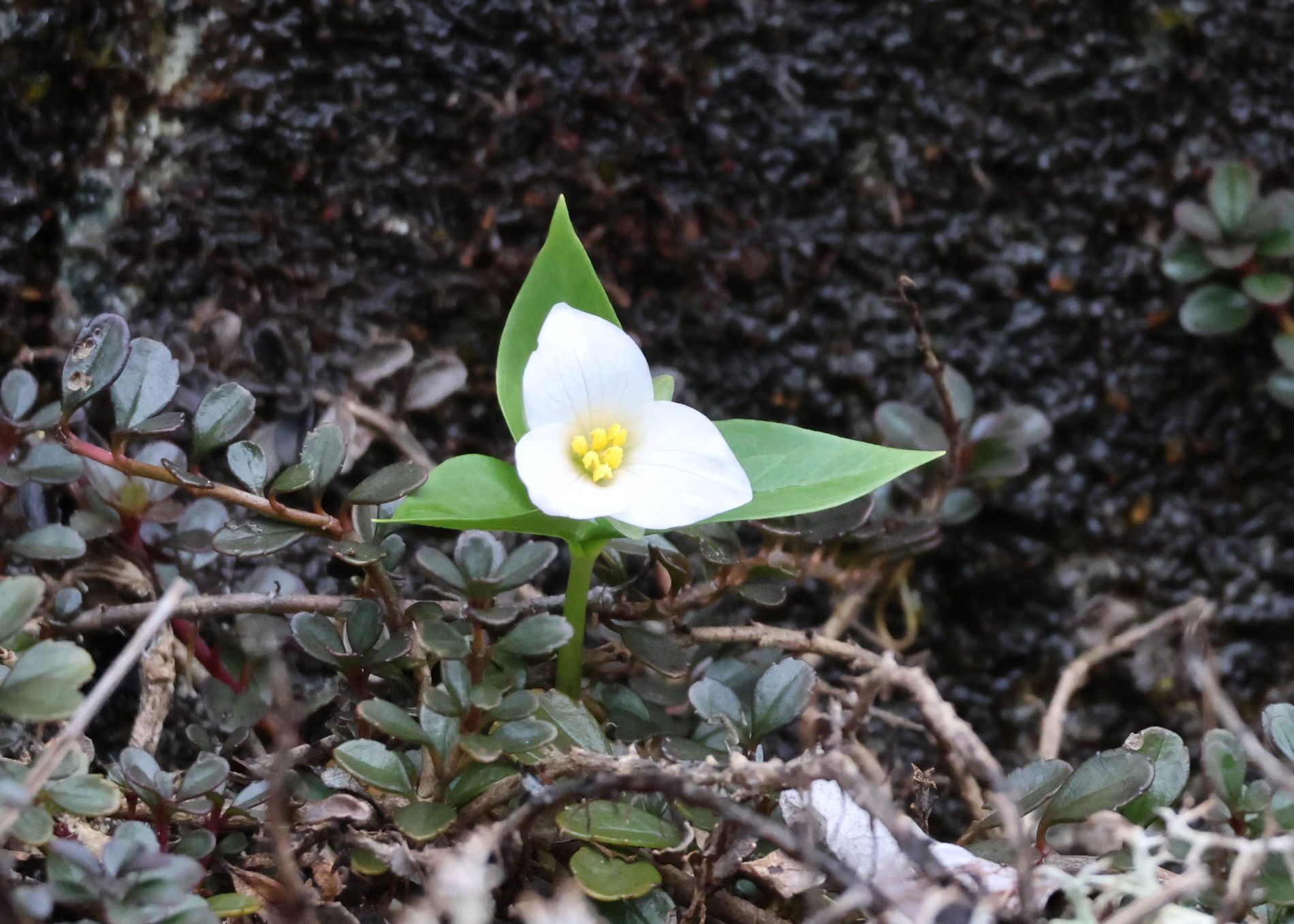
Trilliums are spring-blooming woodland wildflowers in the genus Trillium, known for their three-petaled flowers and three-part symmetry. They’re best appreciated in shady, leaf-mulched gardens where they can settle in and slowly form small colonies.
Plant Type
Wildflowers (herbaceous perennials) > Trilliums
Aliases
Trillium
Native Range
Native to parts of North America and Asia (varies by species)
Bloom window
Spring
OVERVIEW
Trilliums (genus Trillium) are spring-blooming woodland wildflowers that bring a simple, natural beauty to shady gardens. Many gardeners love them for their “rule of three”: three leaves, three petals, and a tidy, balanced shape.
In a garden, trilliums do best when you treat them like true woodland plants. That means dappled light, soil that stays cool and rich, and a layer of leaves or leaf mold that slowly breaks down over time. Once they’re happy, they can be long-lived and low-maintenance—but they don’t like being moved around.
If you’re planning a pollinator-friendly space, trilliums can play a small but meaningful role by adding early-season flowers in shade, when fewer plants are blooming. Pair them with other spring woodland plants and later shade perennials so something is flowering across the season.
The biggest success tip is patience: plant them in the right place, keep the soil evenly moist in spring, and let them do their thing year after year.
FAST FACTS
Essential stats and requirements for quick reference.
| Category | Details |
|---|---|
| Also known as | Trillium |
| Bloom window | Spring |
| Typical height | Low to medium (varies by species) |
| Pollinators supported | Bees, Flies |
| Light & moisture | Part shade to shade; evenly moist, well-drained soil |
| Best roles for pollinators | Shady, woodland-style gardens where plants can be left undisturbed |
SUMMARY
A quick scan of what they do, what they need, and the best first step.
Trilliums add early spring flowers to shady gardens and can support a small range of early-season pollinators.
Dappled light, rich soil with plenty of organic matter, and a “hands-off” approach once planted.
Choose the right spot first—cool, shady, and leaf-mulched—then avoid disturbing the plants.
IMPACT
Key Impacts
RECOGNITION
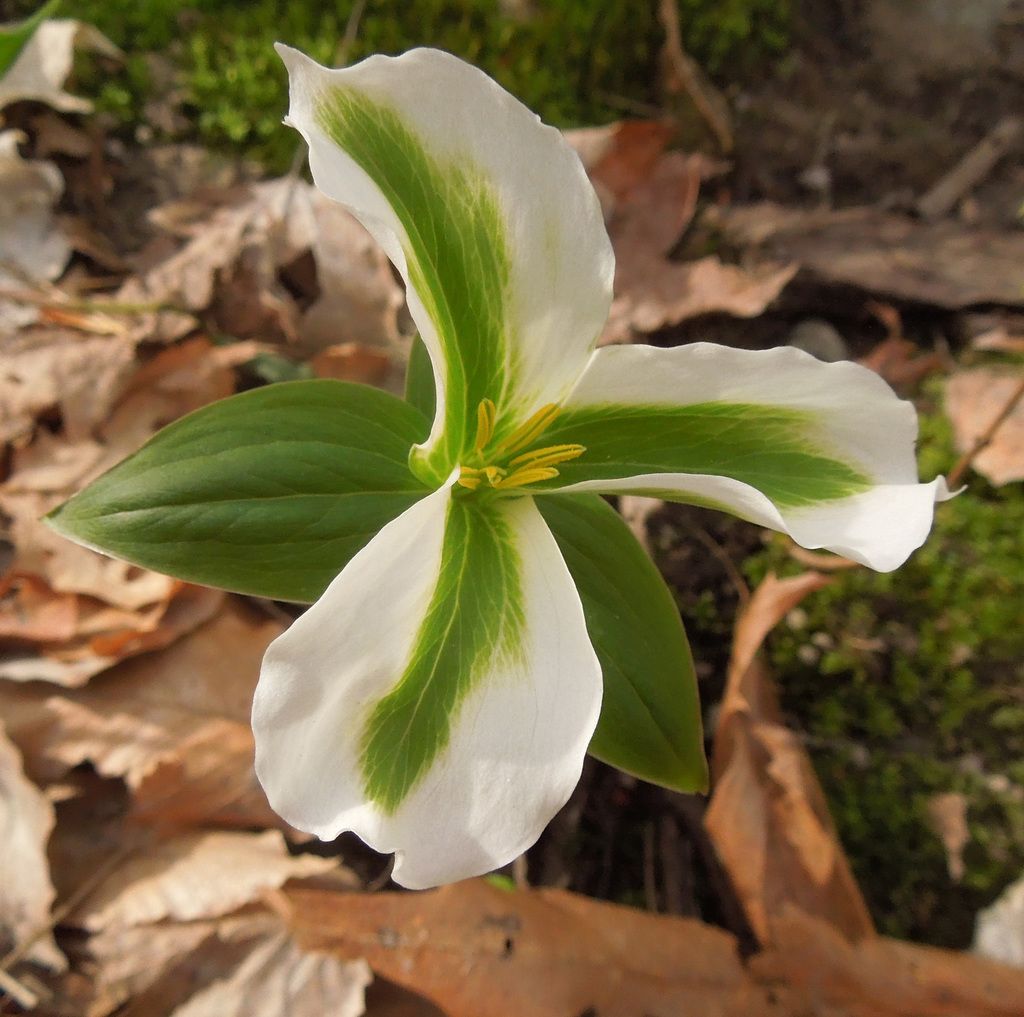
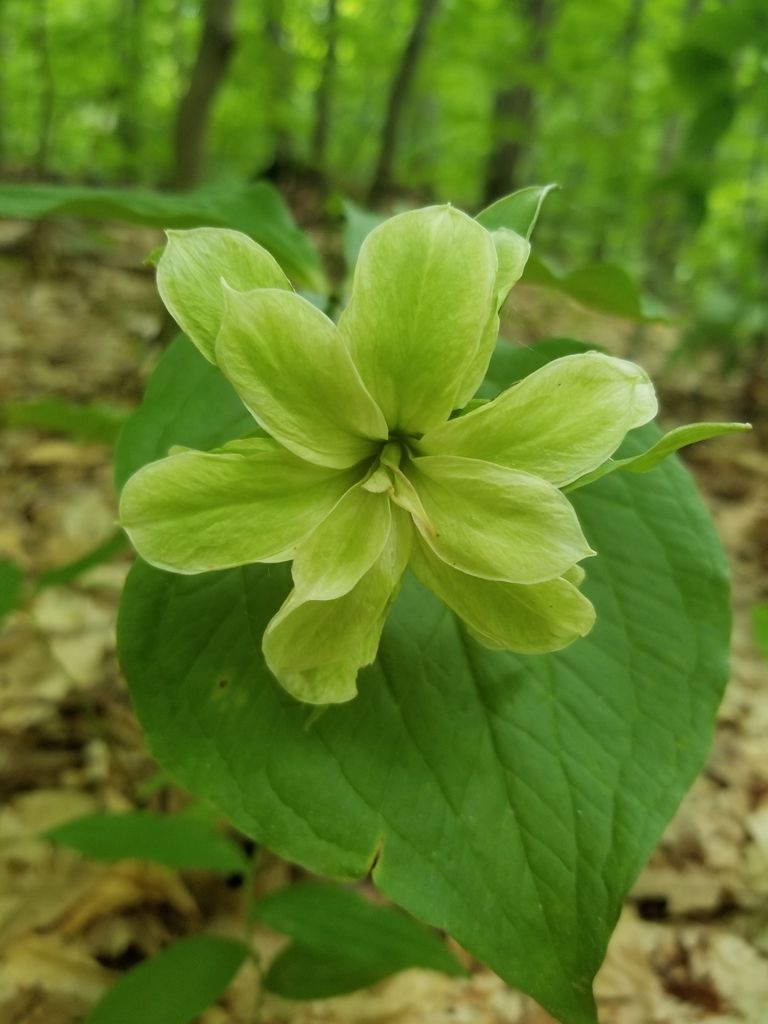
Typically three broad leaves arranged in a whorl near the top of the stem.
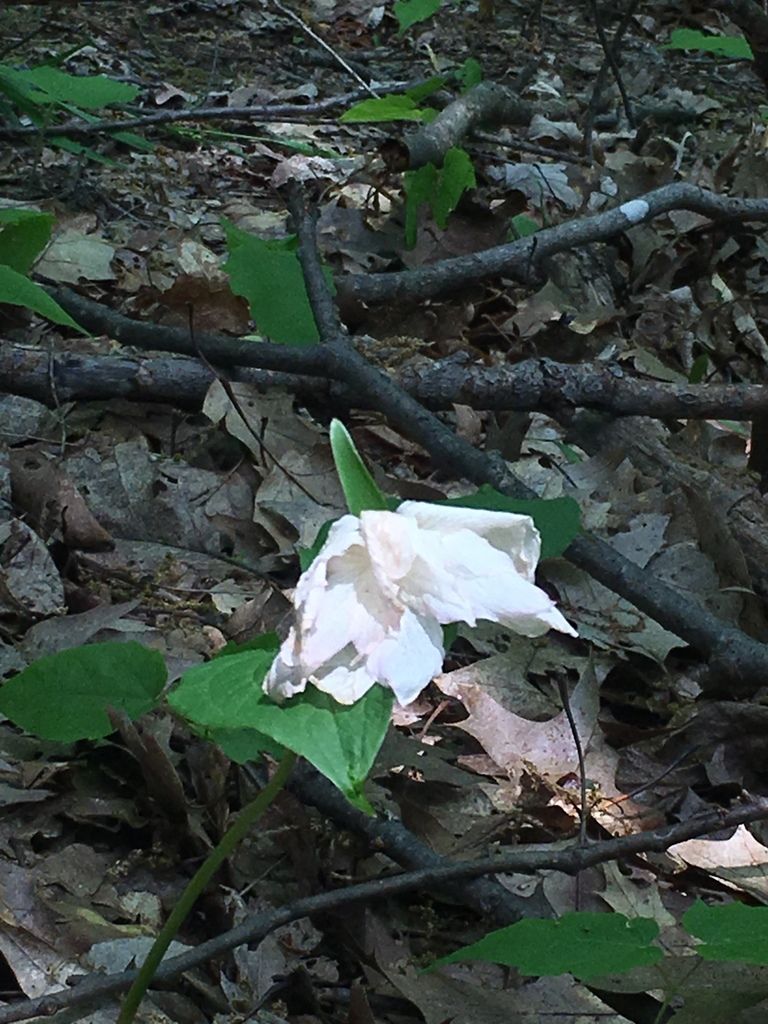
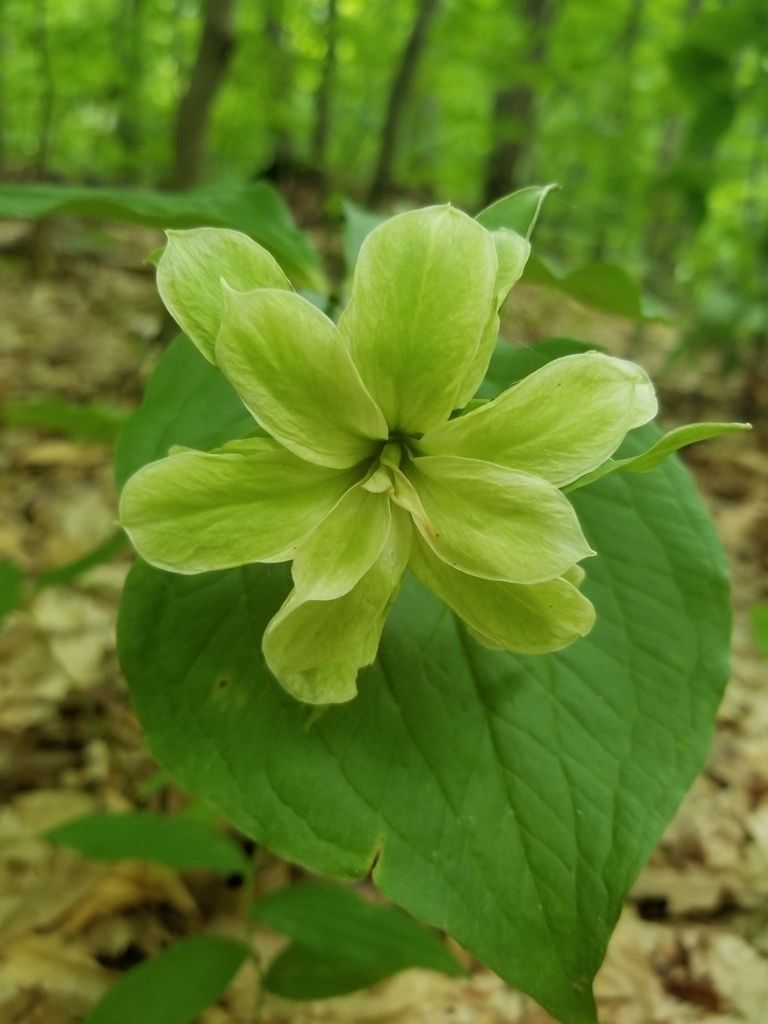
Usually a single flower with three petals; color and form vary by species.
A small berry-like fruit may form after flowering, depending on species and conditions.
LOCATION
Native environments and the best spots to place it in your landscape.
SEASONALITY
Notes on bloom windows and how this plant helps pollinators across the seasons.
Trilliums bloom in spring, often before many shade plants have fully leafed out.
Bloom Season Role: Early-season blooms in shade
REQUIREMENTS
The right mix of sun, soil, and space for healthy growth.
Dappled light, part shade, or shade—especially under deciduous trees.
Rich, loose soil with plenty of organic matter (think leaf mold/compost) and good drainage.
Keep evenly moist during spring growth; avoid letting the soil bake dry.
Plant nursery-grown plants or dormant rhizomes in a prepared, undisturbed spot; give them space and time to settle.
Use a light layer of shredded leaves or leaf mold to mimic woodland litter and protect soil moisture.
GARDENING GUIDE
Simple steps to plant, prune, and maintain healthy trees without pesticides.
Pairings
Pairing ideas to keep pollinators fed throughout the growing season.
GLOSSARY
Glossary terms are being added.
What You Can Do
Turn this knowledge into action. Whether you plant a single pot or a whole garden, you are building a vital bridge for local biodiversity.
Join the movement to restore our shared habitats.