
What they do
Provide small, nectar-rich flowers that can support pollinator visits in sunny gardens and pots.
Genus Thymus (native spp. rare)
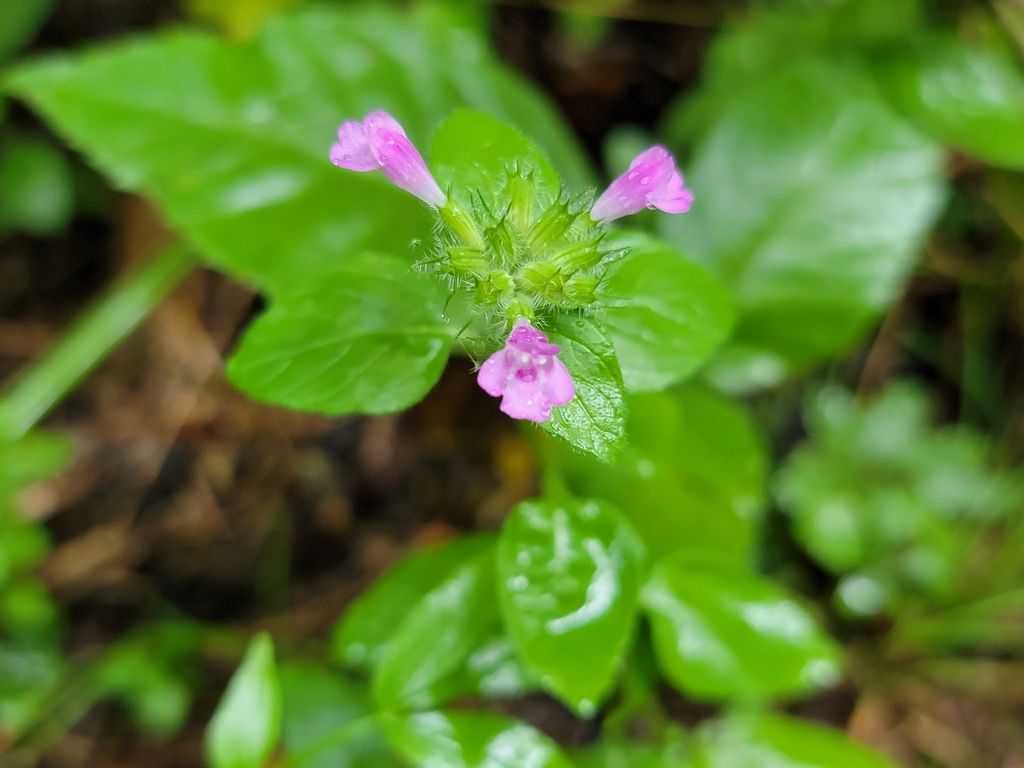
Wild thymes are low, aromatic, nectar-rich plants in the genus Thymus. Native species are uncommon, but when you can source a locally appropriate wild thyme, it can be a tidy, pollinator-friendly choice for sunny edges, rock gardens, and containers.
Plant Type
Wildflowers (herbaceous perennials) > Wild thymes
Aliases
Thyme
Native Range
Native Thymus species are rare and region-dependent; many garden thymes are not native. If native origin matters for your project, confirm the species and source with a local native plant nursery.
Bloom window
Late spring through summer (varies by species and site)
OVERVIEW
Wild thymes (Genus Thymus, native species are rare) are valuable, low-growing plants for sunny, well-drained locations like rock gardens or path edges. While they do not provide height or structure, their functional role is creating a dense ground cover and a reliable, accessible nectar source for smaller insects across the season.
If you plant wild thymes, the key to success is giving them ample sun and excellent drainage—excess water is their biggest issue. They are best used in clusters so their tiny flowers are more visible and efficient for pollinators.
To maintain a pollinator-friendly habitat, it is vital to source locally appropriate native species when possible and avoid systemic pesticides, which can contaminate the nectar and pollen accessed by visiting insects.
FAST FACTS
Essential stats and requirements for quick reference.
| Category | Details |
|---|---|
| Also known as | Thyme |
| Bloom window | Late spring through summer (varies by species and site) |
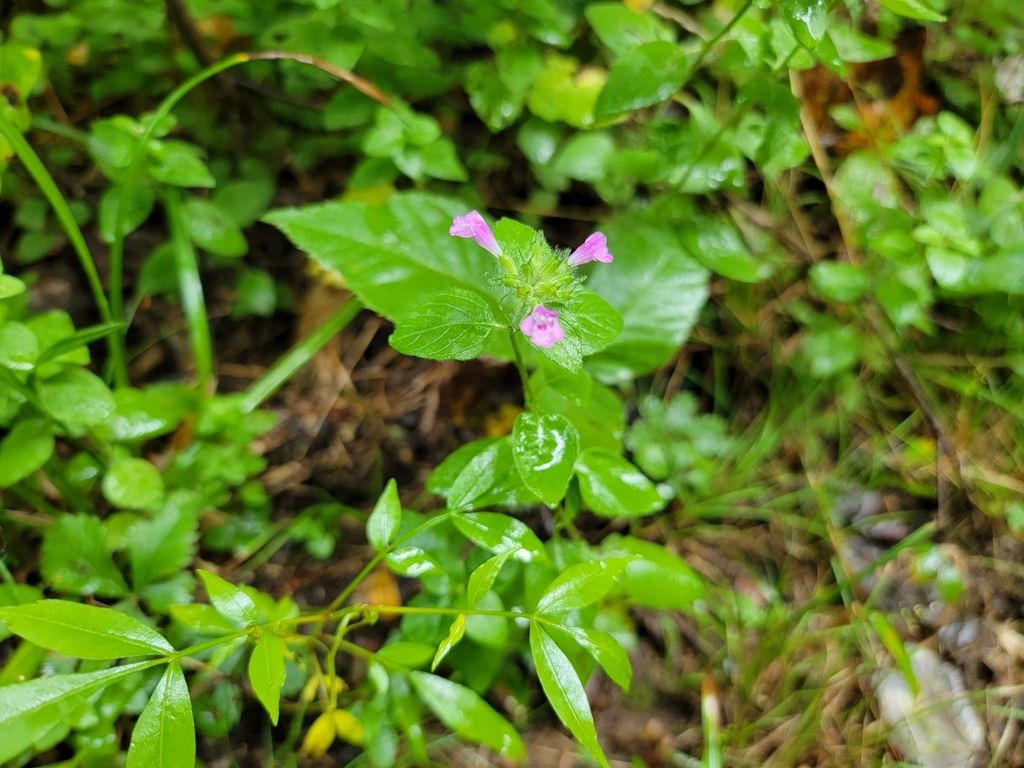
| Typical height | Low-growing; typically just a few inches tall, spreading wider over time |
| Pollinators supported | Bees, Butterflies, Flies |
| Light & moisture | Sun; on the dry side once established |
| Best roles for pollinators | Sunny, well-drained spots; rock gardens; path edges; containers; small “pocket habitats” |
SUMMARY
A quick scan of what they do, what they need, and the best first step.
Provide small, nectar-rich flowers that can support pollinator visits in sunny gardens and pots.
Sun, good drainage, and room to spread without being smothered by taller plants.
Plant wild thyme in a small cluster in a sunny, well-drained spot (even a pot counts).
IMPACT
Key Impacts
RECOGNITION
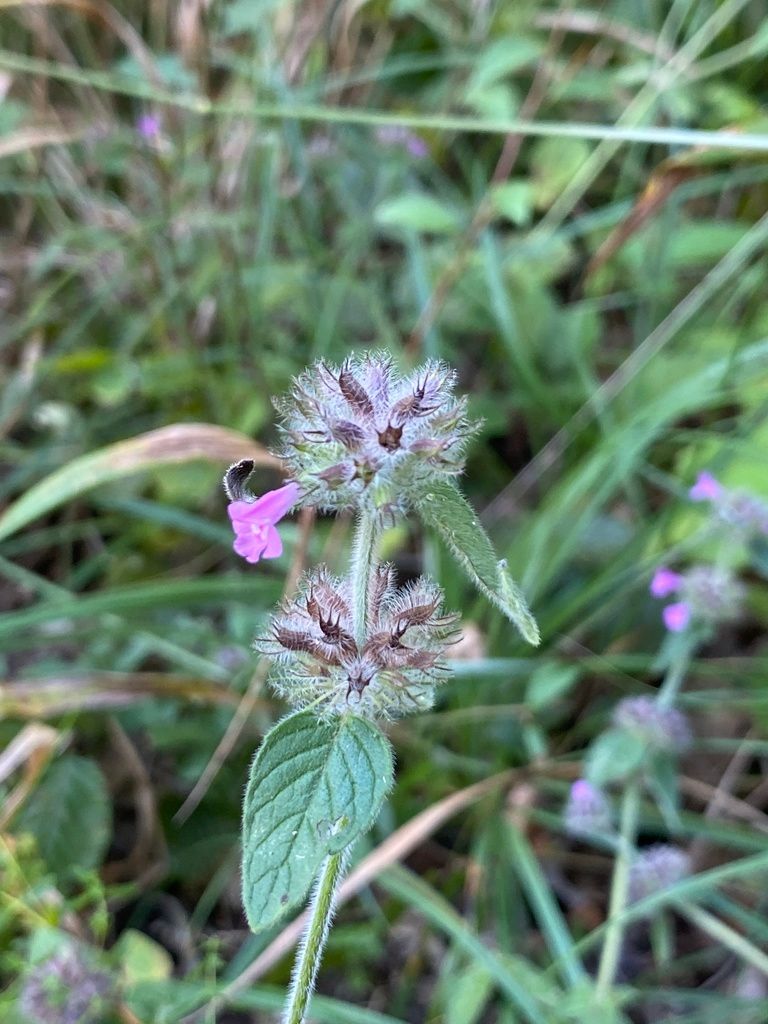
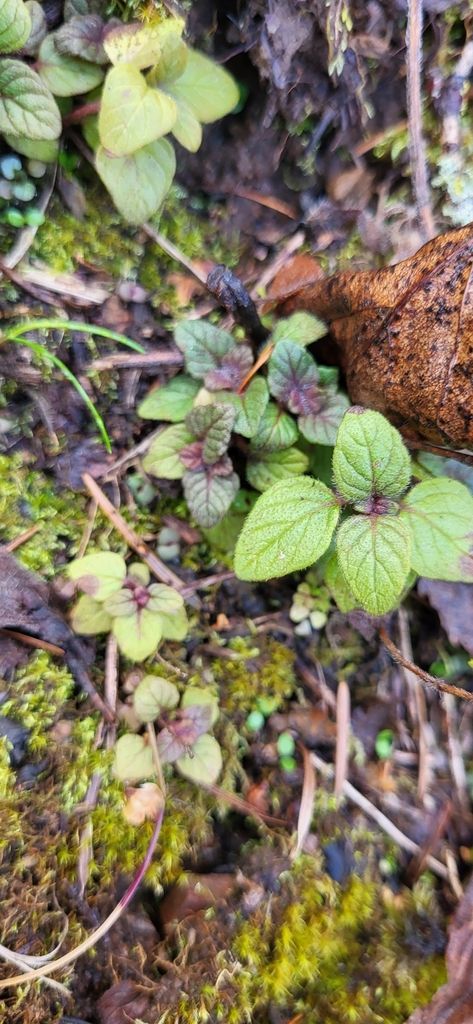
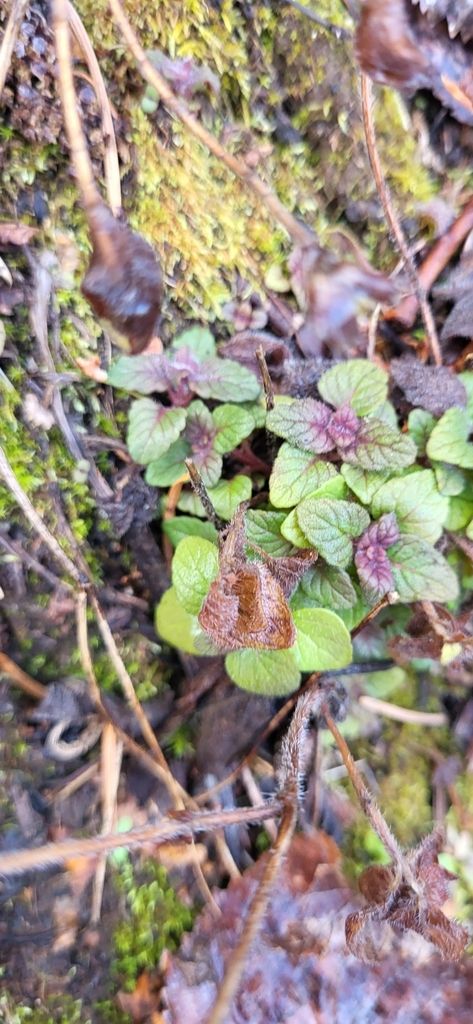
Very small, usually oval leaves in opposite pairs; aromatic when crushed.
Tiny tubular flowers in clusters, often pink to purple; bloom density can be high when happy.
Small, dry seed capsules typical of the mint family; not usually a showy feature.
LOCATION
Native environments and the best spots to place it in your landscape.
SEASONALITY
Notes on bloom windows and how this plant helps pollinators across the seasons.
Wild thymes typically bloom from late spring into summer, with timing depending on the species and conditions.
Bloom Season Role: A compact nectar stop when in flower
REQUIREMENTS
The right mix of sun, soil, and space for healthy growth.
Best in full sun; tolerates part sun but may bloom less.
Needs good drainage; does well in sandy, gravelly, or rocky soils. In heavier soils, improve drainage or use a raised bed/container.
Water to establish, then let the soil dry slightly between waterings. In pots, water when the top of the mix feels dry.
Plant in spring or early fall. Space to allow spreading and airflow; avoid crowding with taller, aggressive plants.
Use a light layer of gravel or small stone in very sunny beds if you like; avoid thick, wet mulches that hold too much moisture around the crown.
GARDENING GUIDE
Simple steps to plant, prune, and maintain healthy trees without pesticides.
Pairings
Pairing ideas to keep pollinators fed throughout the growing season.
GLOSSARY
Glossary terms are being added.
What You Can Do
Turn this knowledge into action. Whether you plant a single pot or a whole garden, you are building a vital bridge for local biodiversity.
Join the movement to restore our shared habitats.