
What they do
Willowherbs add small, accessible flowers that can support a range of everyday pollinators in a garden patch.
Genus Epilobium
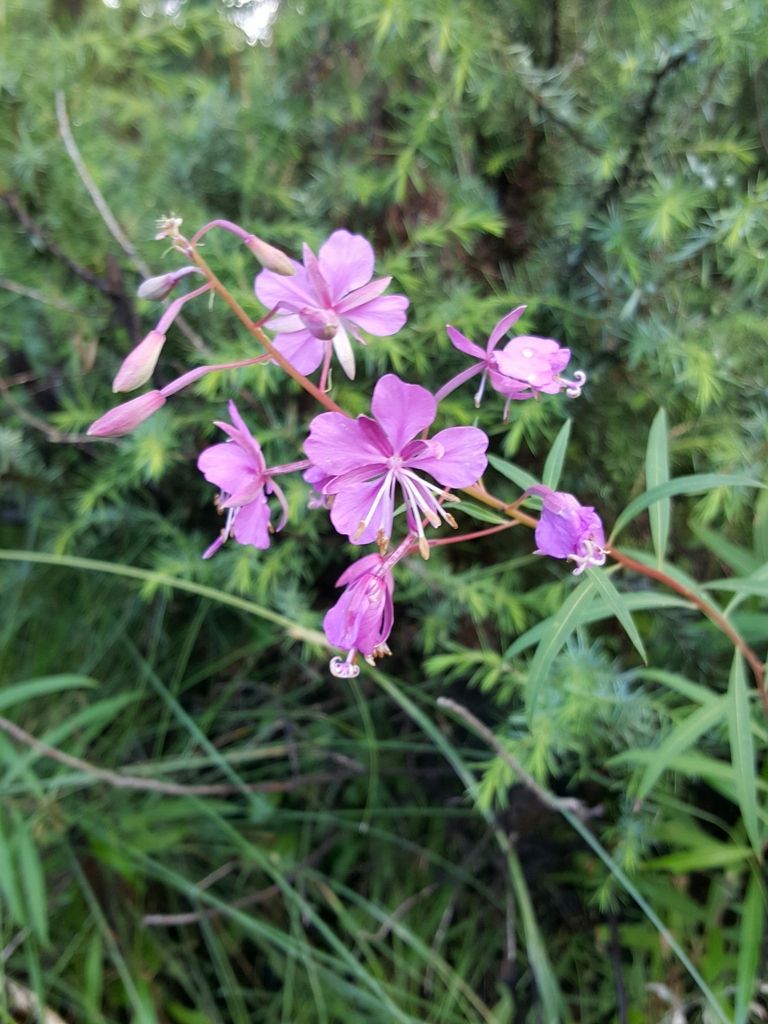
Willowherbs (genus Epilobium) are easygoing wildflowers that pop up in sunny, open spots and offer simple, nectar-rich blooms that many small pollinators can use.
Plant Type
Wildflowers (herbaceous perennials) > Willowherbs
Aliases
Willowherb
Native Range
Varies by species; willowherbs occur across many temperate regions, including parts of Canada
Bloom window
Varies by species; often from early summer into fall
OVERVIEW
Willowherbs (genus Epilobium) are a broad group of wildflowers that can fit nicely into a pollinator-friendly garden—especially if you like a natural look. They’re often happiest in bright, open spaces and can be a good “filler” plant that keeps flowers coming when other plants are between bloom waves.
If you’re working with a small space, consider using willowherb in a defined area (like a strip along a fence or a corner of a garden bed). In larger spaces, they can blend into meadow-style plantings and help connect early and late bloomers.
To keep things simple: give willowherb sun to part sun, don’t overdo fertilizer, and decide ahead of time whether you want it to self-seed. A quick trim after flowering is often all it takes to keep it where you want it—while still enjoying its steady, pollinator-friendly blooms.
FAST FACTS
Essential stats and requirements for quick reference.
| Category | Details |
|---|---|
| Also known as | Willowherb |
| Bloom window | Varies by species; often from early summer into fall |
| Typical height | Varies by species; from low clumps to taller stems |
| Pollinators supported | Bees, Flies, Butterflies |
| Light & moisture | Sun to part sun; average to moist soil (varies by species) |
| Best roles for pollinators | Naturalized edges, meadow-style plantings, and low-fuss pollinator patches |
SUMMARY
A quick scan of what they do, what they need, and the best first step.
Willowherbs add small, accessible flowers that can support a range of everyday pollinators in a garden patch.
A bright spot and soil that isn’t bone-dry; most do fine with simple, low-input care once established.
Give them a defined edge (like a border or path) and deadhead or trim after flowering if you want to limit self-seeding.
IMPACT
Key Impacts
RECOGNITION
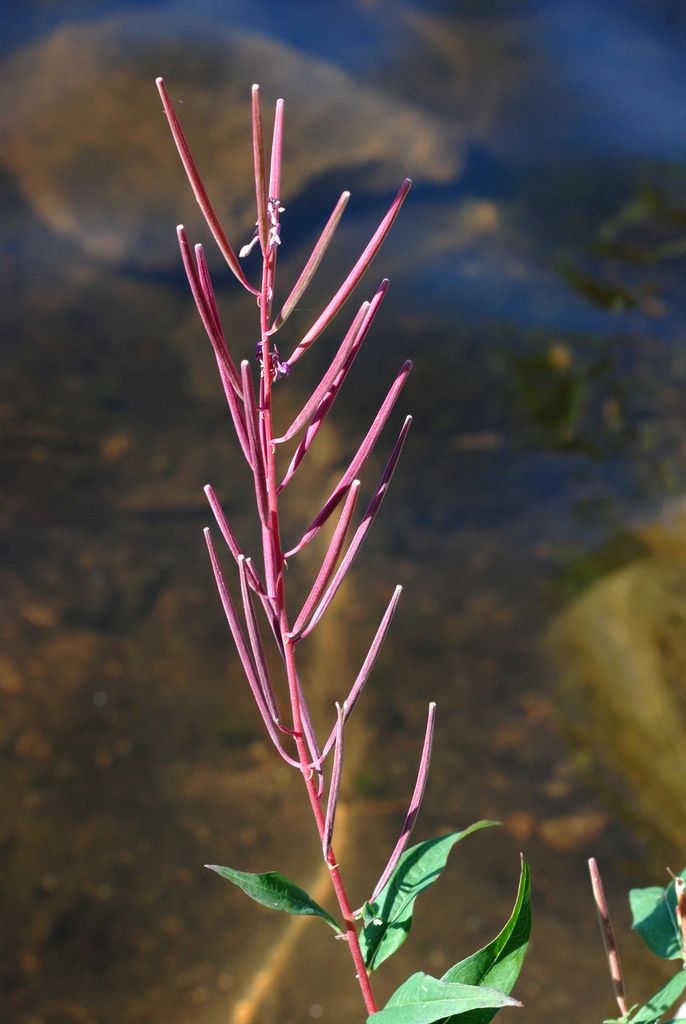
Often narrow and lance-shaped, sometimes resembling willow leaves; arranged along the stem.
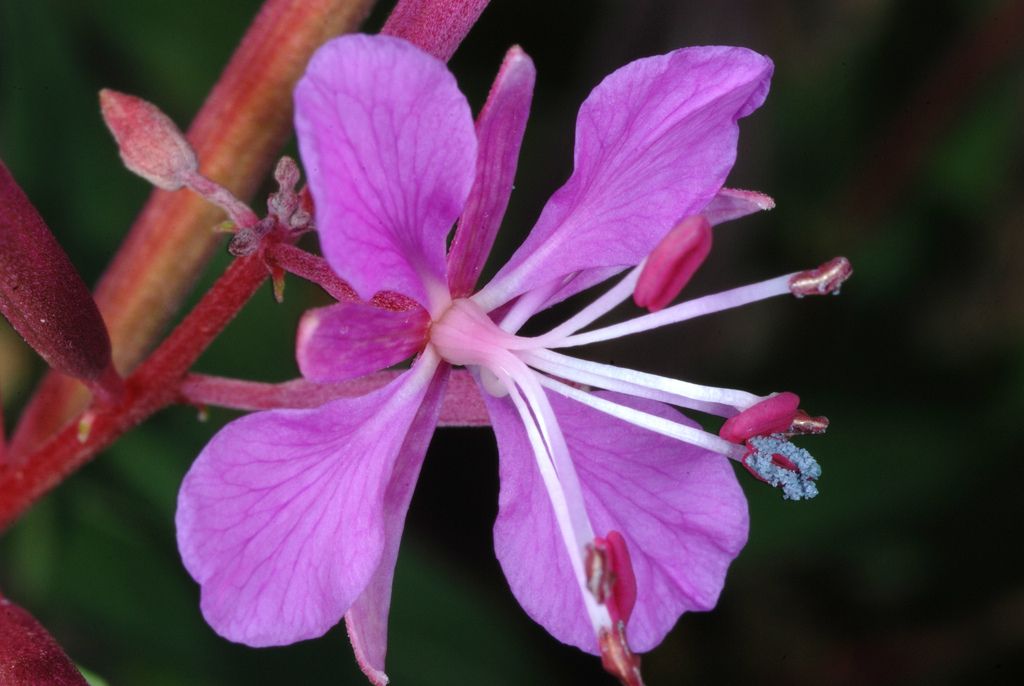
Small, four-petaled flowers, commonly pink to purplish; borne along the upper stem.
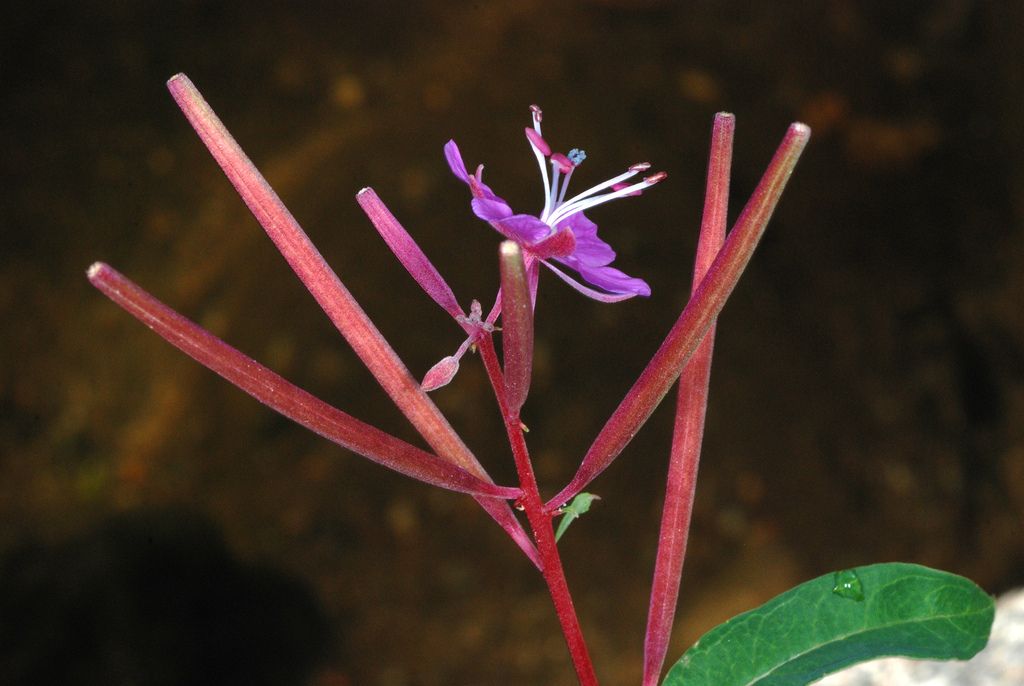
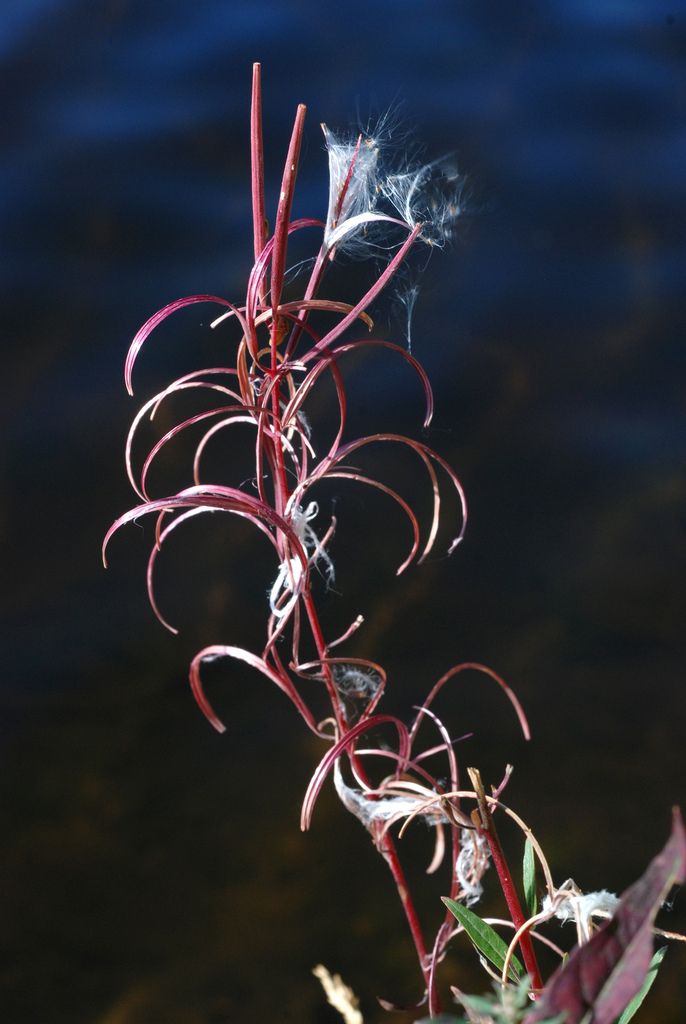
Long, narrow seed pods that split to release many tiny seeds.
LOCATION
Native environments and the best spots to place it in your landscape.
SEASONALITY
Notes on bloom windows and how this plant helps pollinators across the seasons.
Different willowherb species bloom at different times, but many flower through the warmer months.
Bloom Season Role: Fills in with steady, small blooms that help keep a patch active
REQUIREMENTS
The right mix of sun, soil, and space for healthy growth.
Sun to part sun is a good starting point; some species tolerate lighter shade.
Most do well in average garden soil; some prefer consistently moist ground.
Water during establishment; after that, aim for steady moisture without soggy conditions.
Plant in spring or fall. Give each plant a little space for airflow and to make trimming easier.
Use a light mulch layer to reduce weeds, but keep mulch pulled back from the stems.
GARDENING GUIDE
Simple steps to plant, prune, and maintain healthy trees without pesticides.
Pairings
Pairing ideas to keep pollinators fed throughout the growing season.
GLOSSARY
Glossary terms are being added.
What You Can Do
Turn this knowledge into action. Whether you plant a single pot or a whole garden, you are building a vital bridge for local biodiversity.
Join the movement to restore our shared habitats.
Pollinators supported
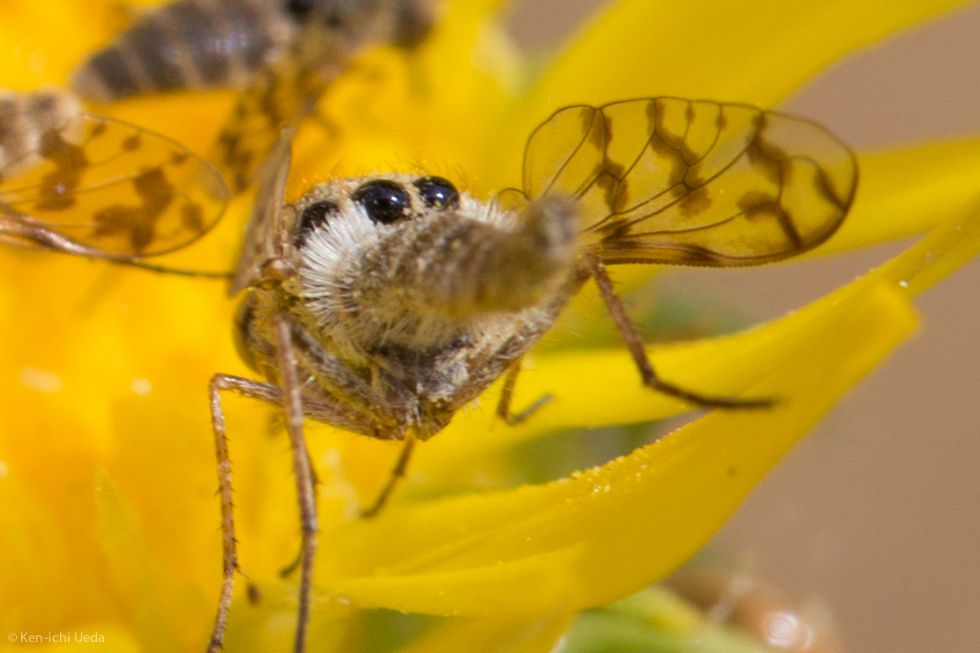
Adults visit flowers for nectar and can move pollen between blooms; their presence is a sign of diverse, functioning habitats.
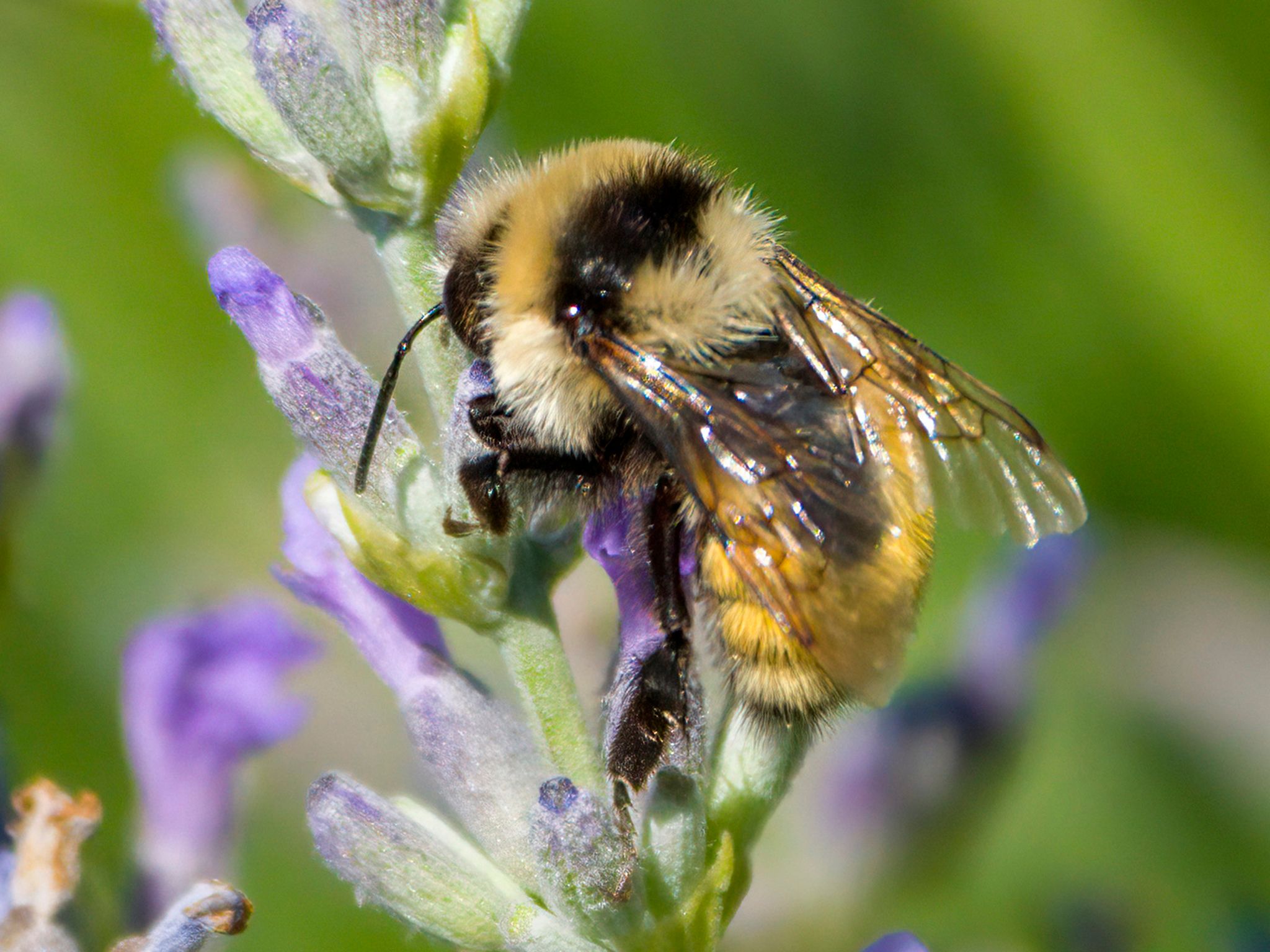
Bumble bees are important pollinators of many wildflowers and garden plants, helping ecosystems and food crops reproduce.
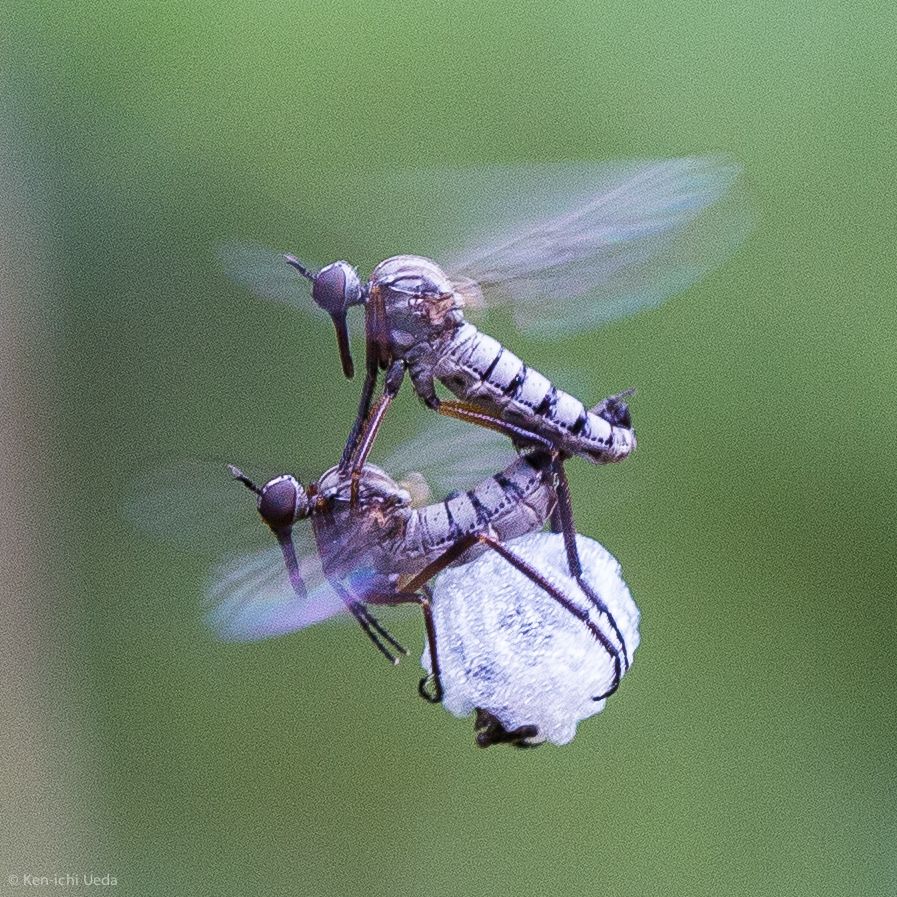
Many visit flowers for nectar and can move pollen between blooms while also playing important roles in local food webs.
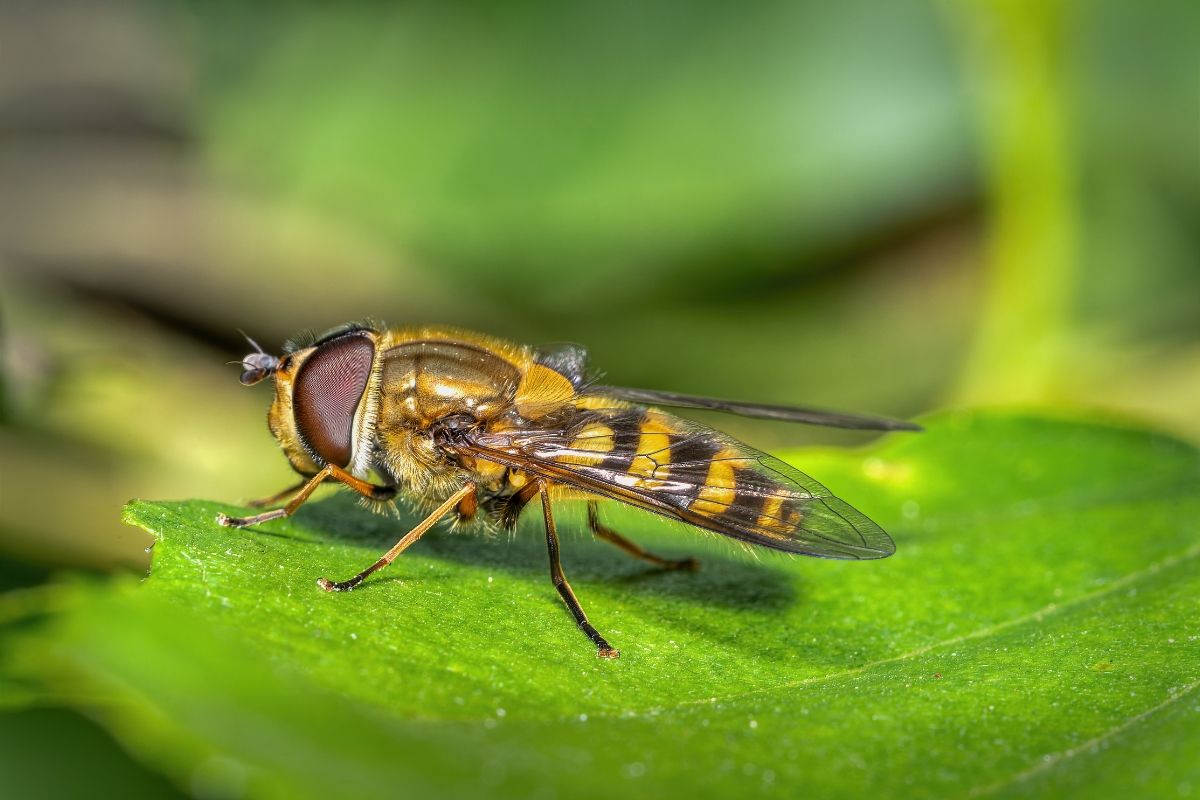
Adults visit flowers for nectar and pollen, and many species’ larvae help keep plant-eating pests in check.
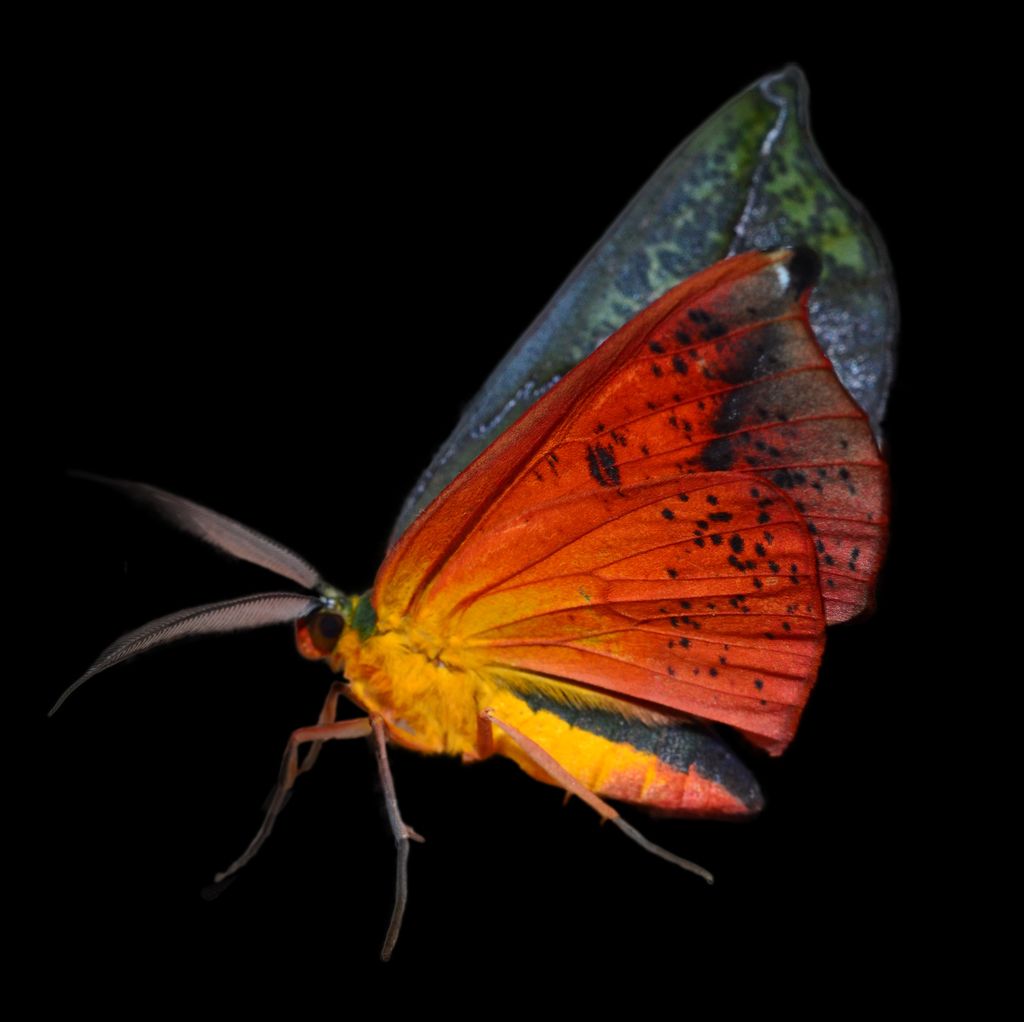
Adults can help move pollen as they nectar at flowers, and their caterpillars are an important part of local food webs.
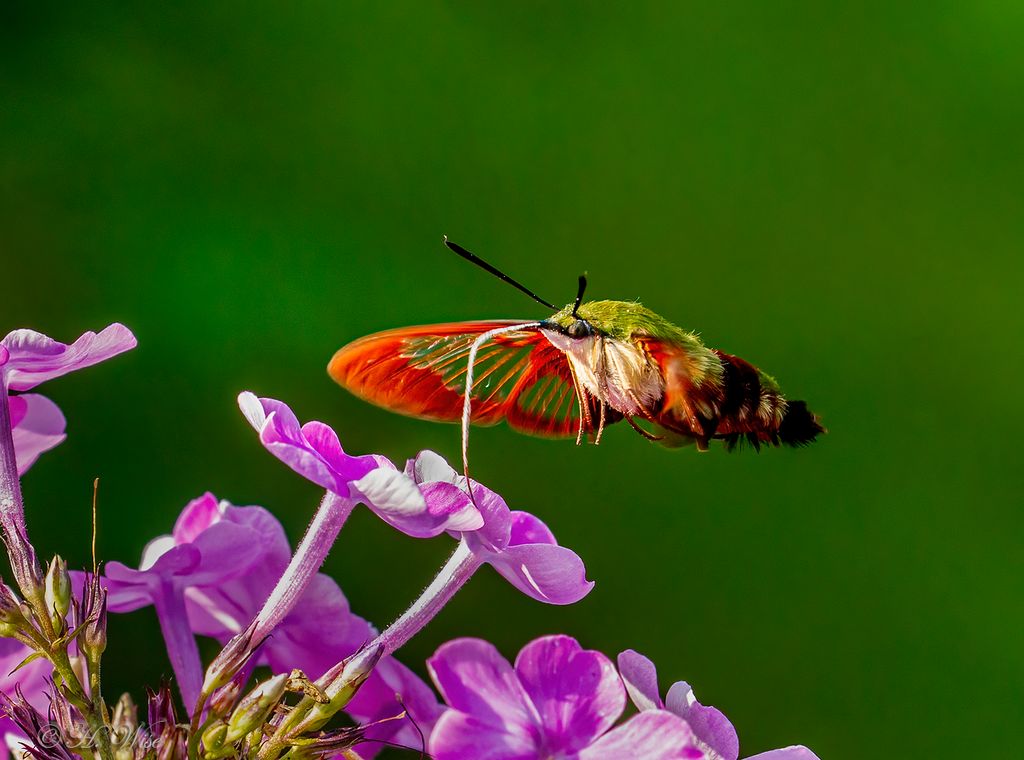
They can move pollen between flowers while feeding on nectar, especially for blooms that open or scent up in the evening.
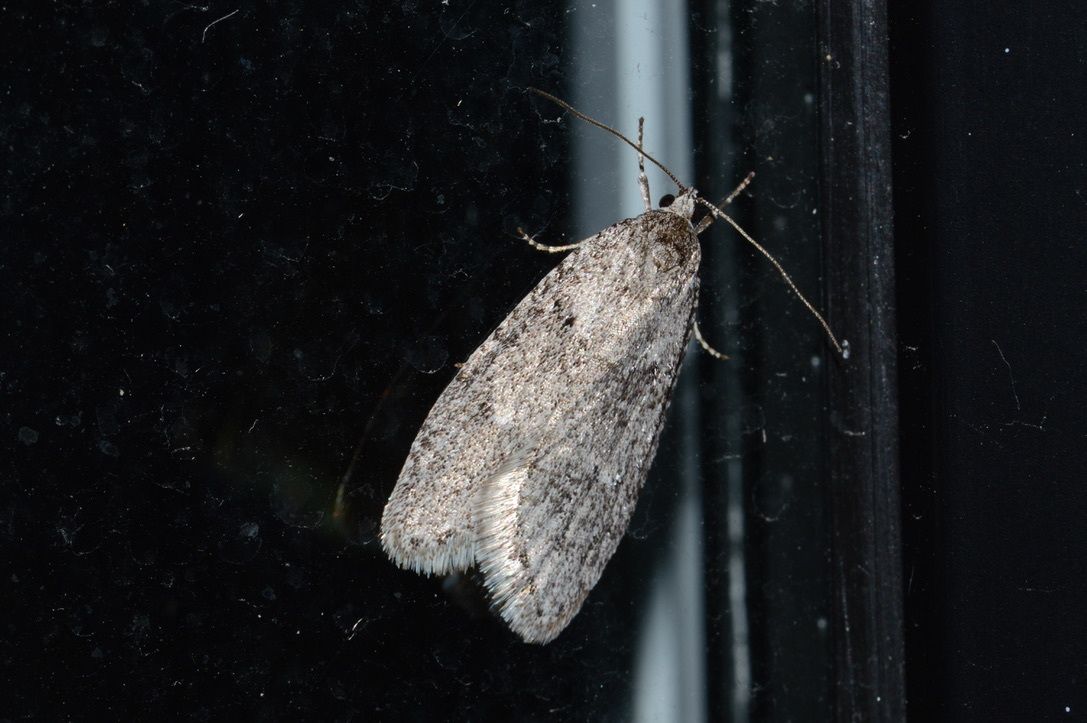
Many small moths move pollen while feeding on nectar, supporting wild plants and garden blooms—especially in the evening and at night.
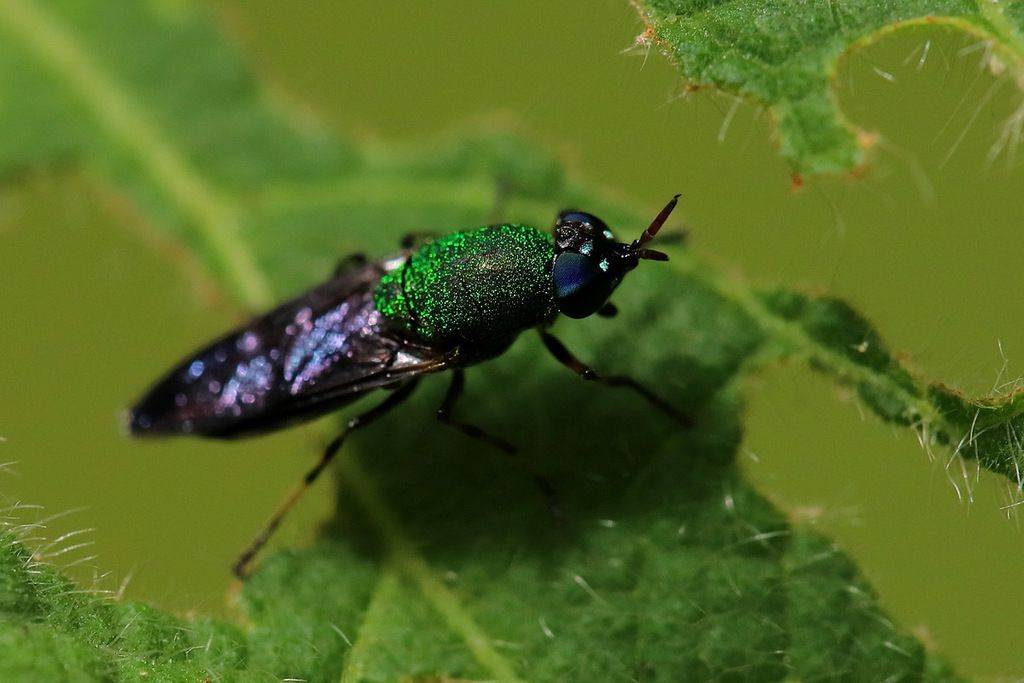
Many adults visit flowers for nectar and can move pollen between blooms while feeding.
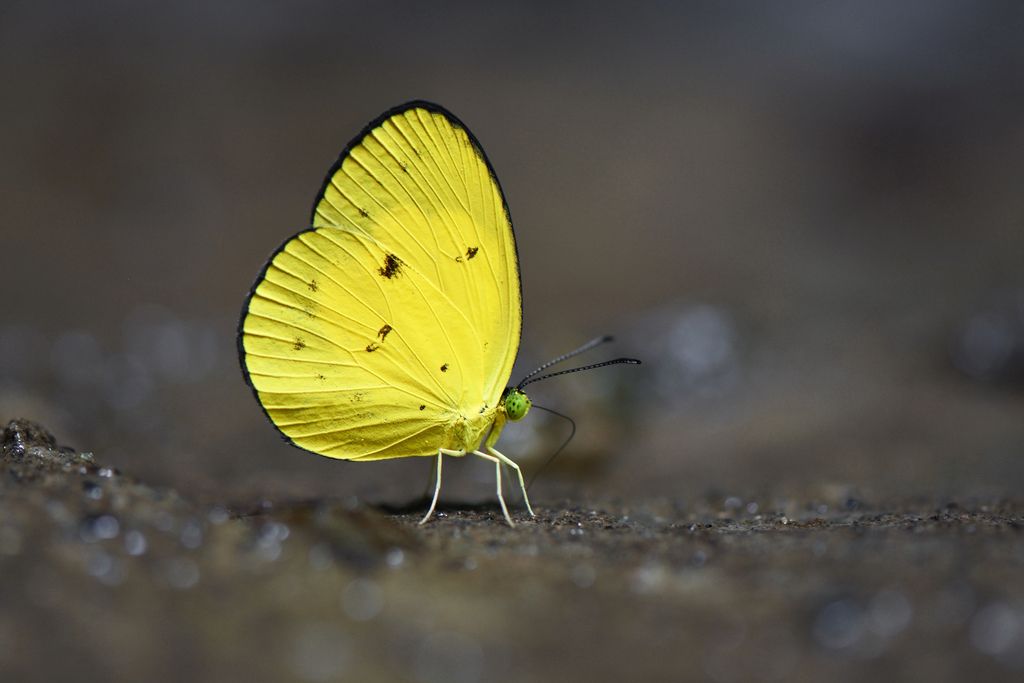
They visit a wide range of flowers for nectar and can help move pollen between blooms as they feed.