

Bees
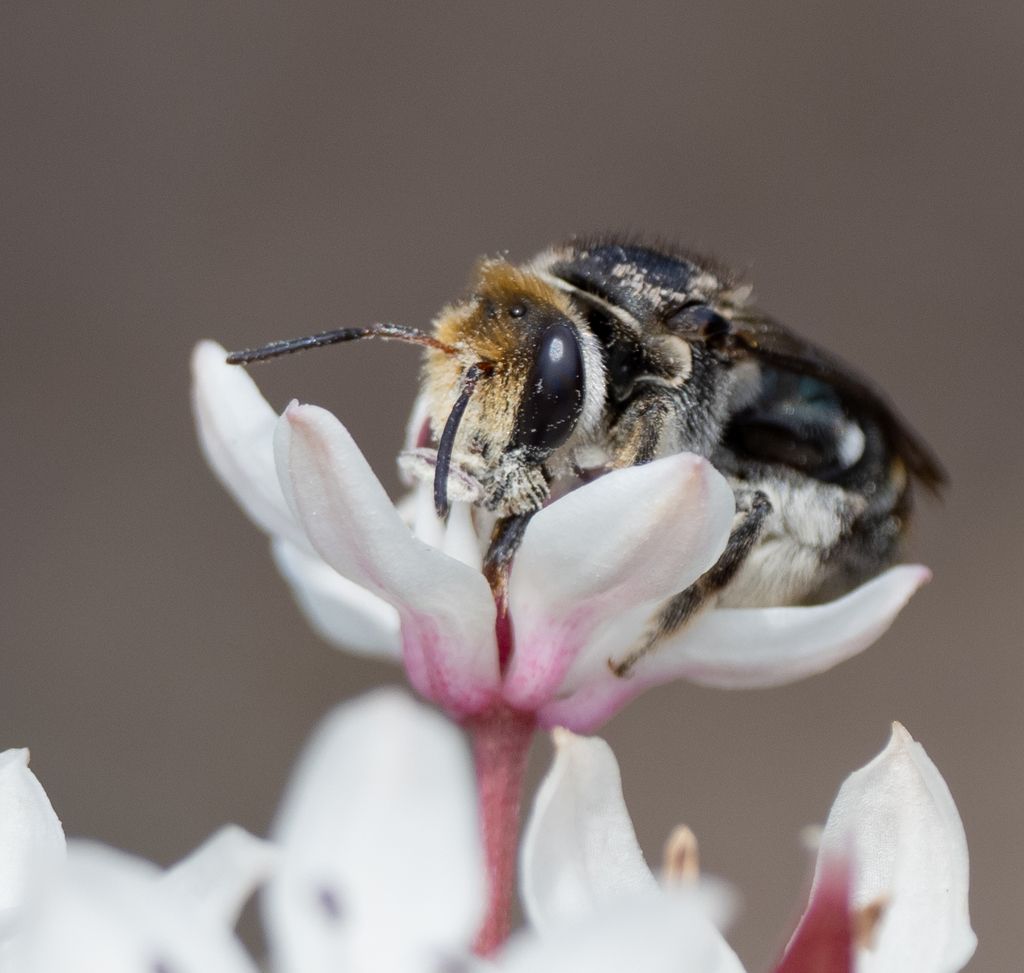
Alkali bees
Genus Nomia
They move pollen between flowers while foraging, helping many wild plants and some crops set seed and fruit.
View profile
Explore bees, butterflies, moths, flies, beetles, and other pollinators with filters by region and season.
56 pollinators found
Filters apply automatically
Genus Nomia
They move pollen between flowers while foraging, helping many wild plants and some crops set seed and fruit.
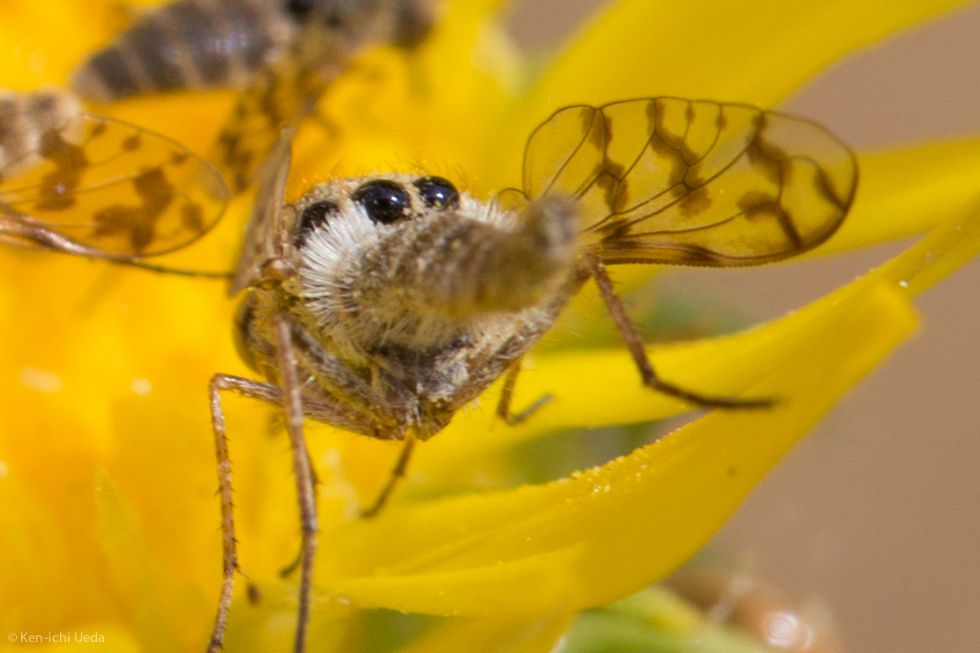
Family Bombyliidae
Adults visit flowers for nectar and can move pollen between blooms; their presence is a sign of diverse, functioning habitats.
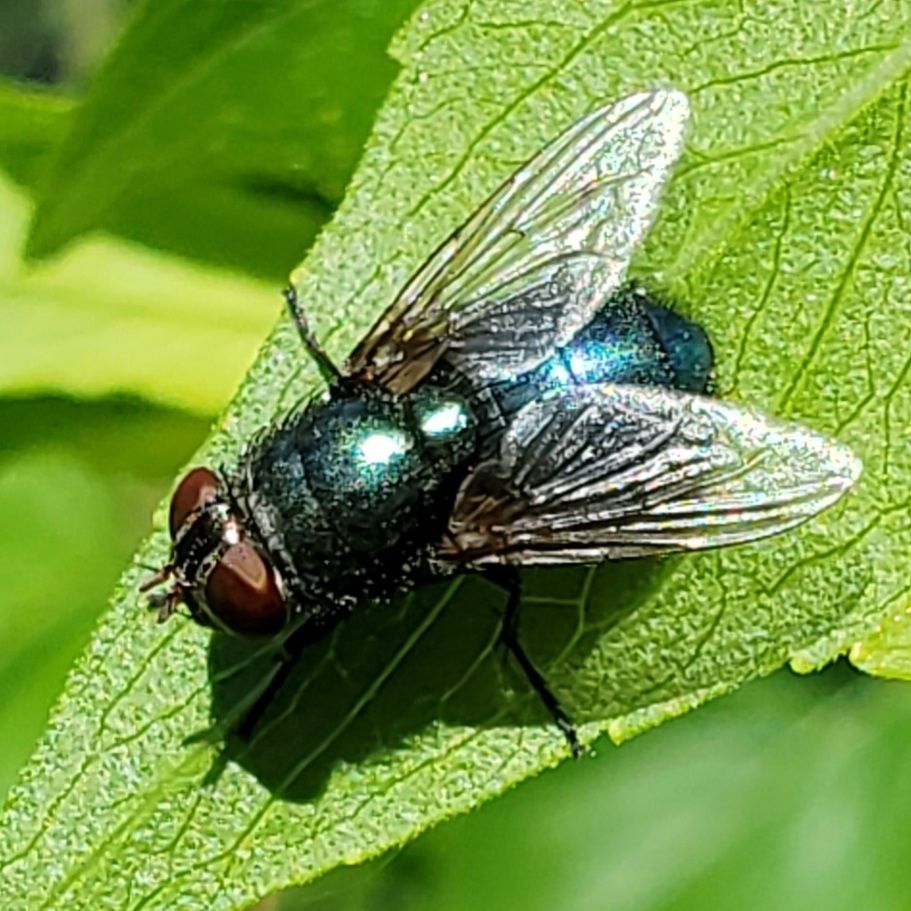
Family Calliphoridae
Many blow flies visit flowers for nectar and can move pollen as they feed, supporting both wild plants and gardens.
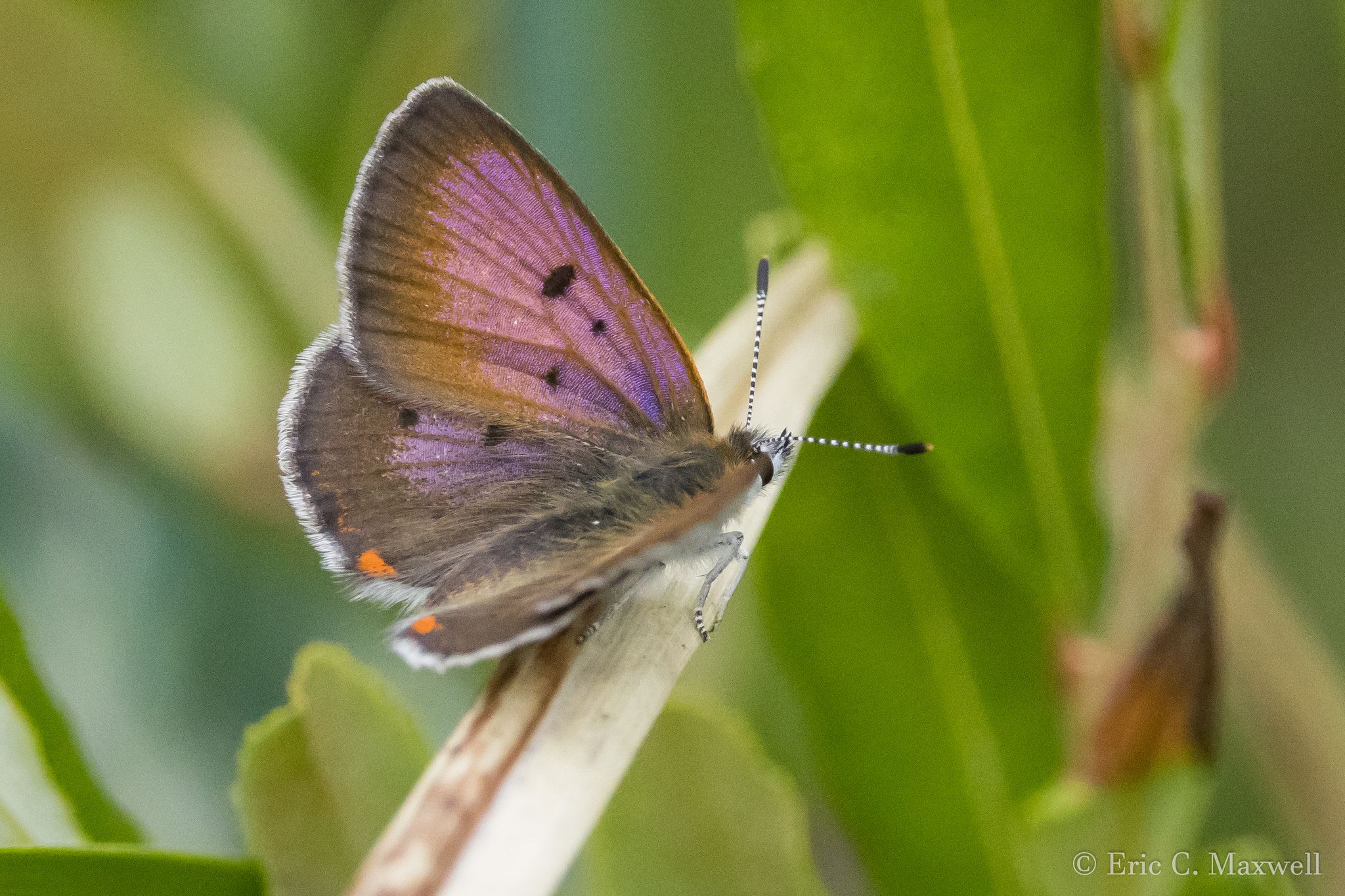
Family Lycaenidae
They help move pollen between flowers while feeding on nectar, and their caterpillars are part of local food webs and plant communities.
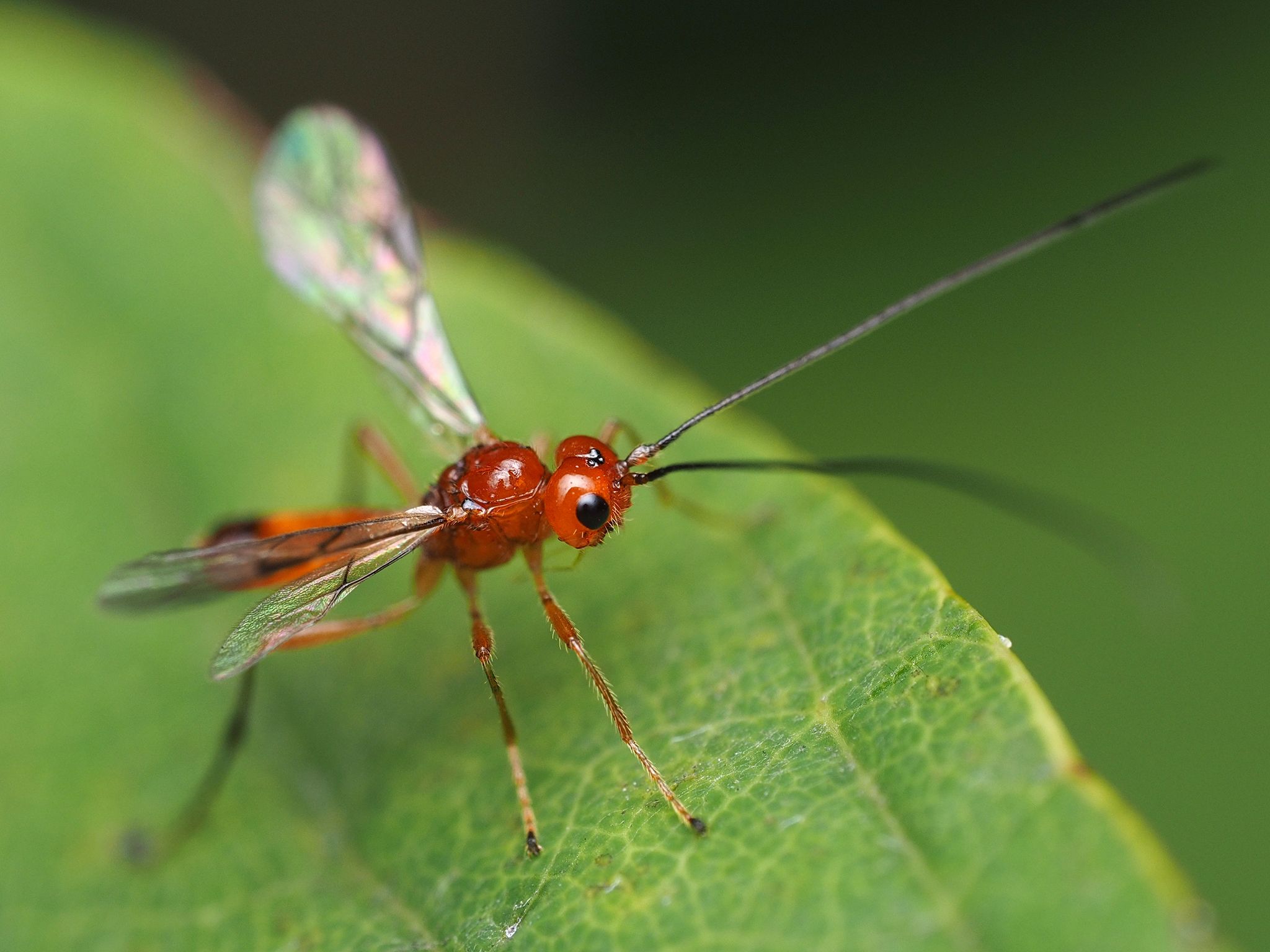
Family Braconidae
Many adults visit flowers for nectar, and many species help naturally control garden pests by parasitizing them.
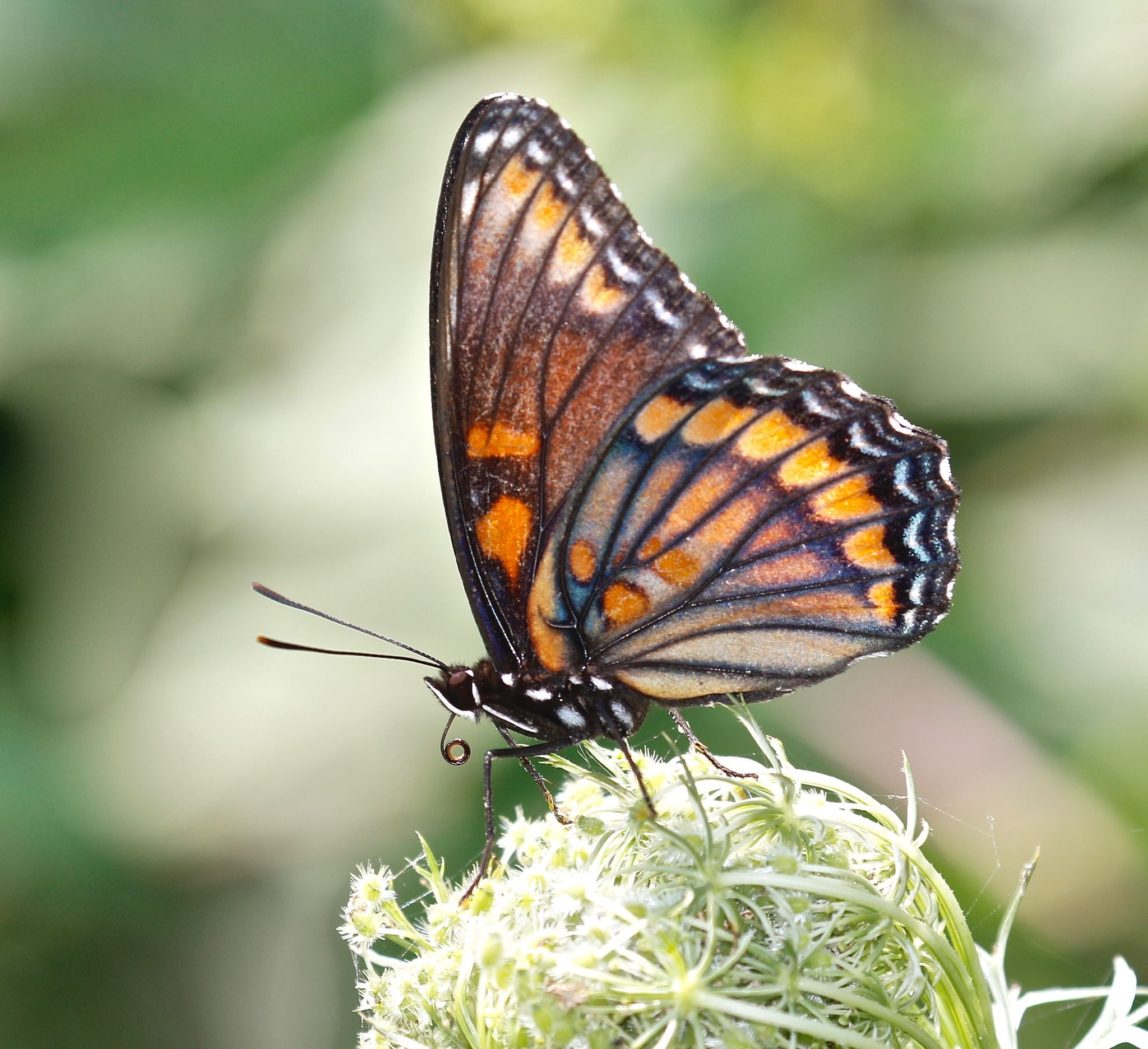
Family Nymphalidae
Many brushfoots move pollen between flowers as they feed, and their caterpillars are part of healthy food webs.
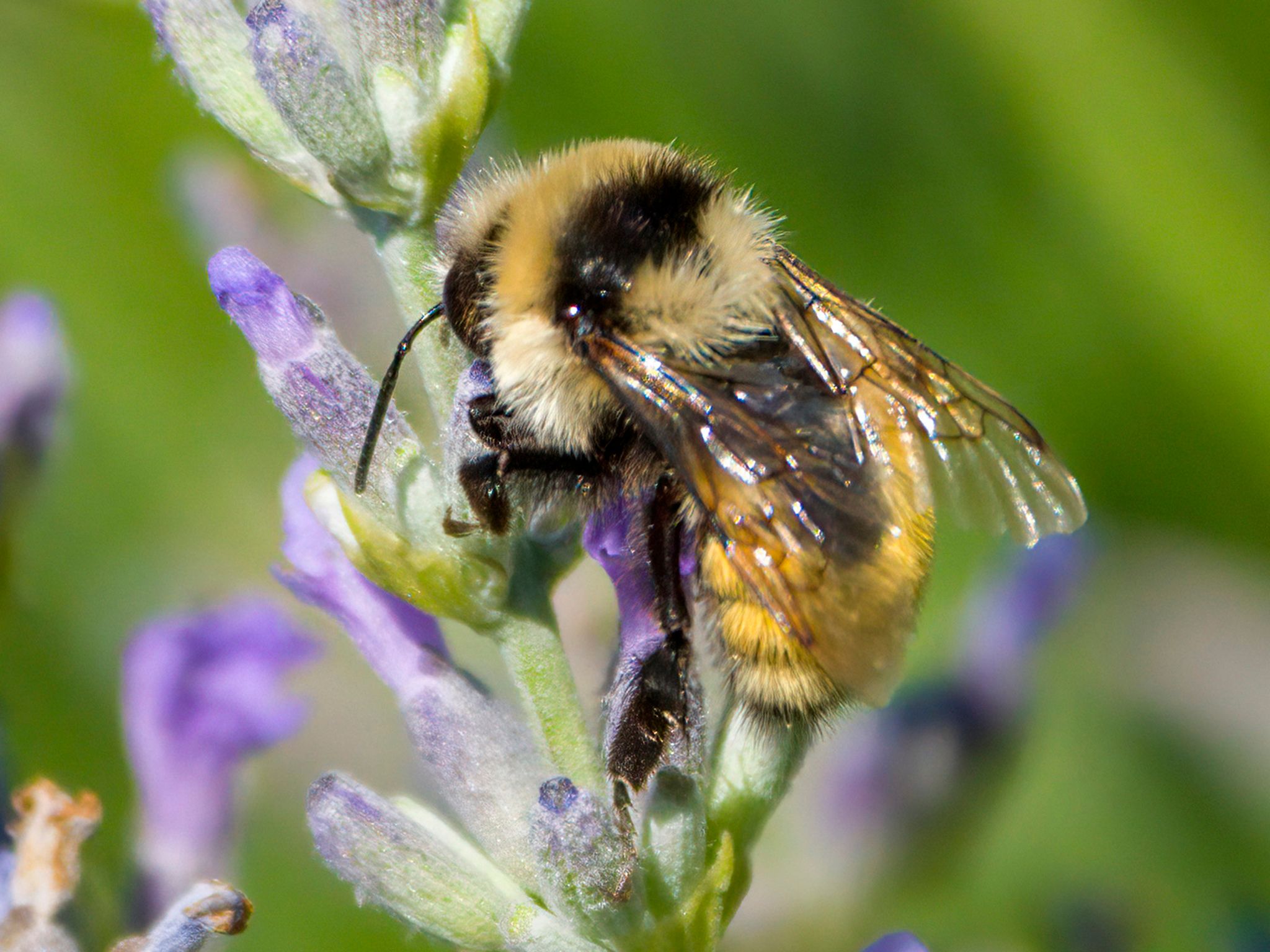
Genus Bombus
Bumble bees are important pollinators of many wildflowers and garden plants, helping ecosystems and food crops reproduce.
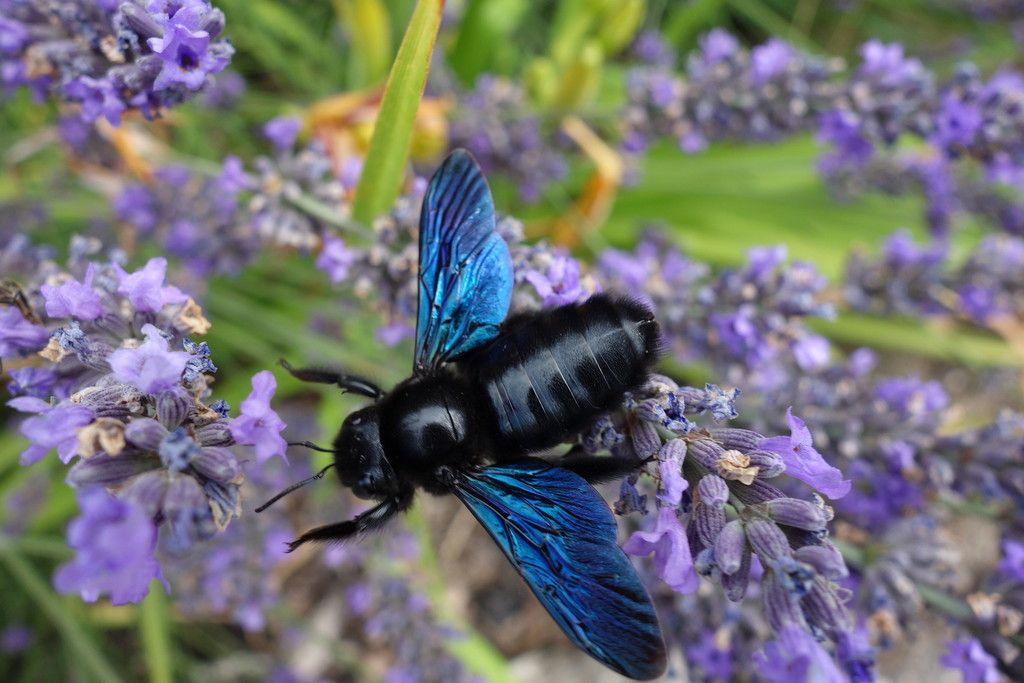
Genera Xylocopa and Ceratina
They move pollen between flowers while feeding, supporting seed and fruit set in many wild plants and some garden plants.
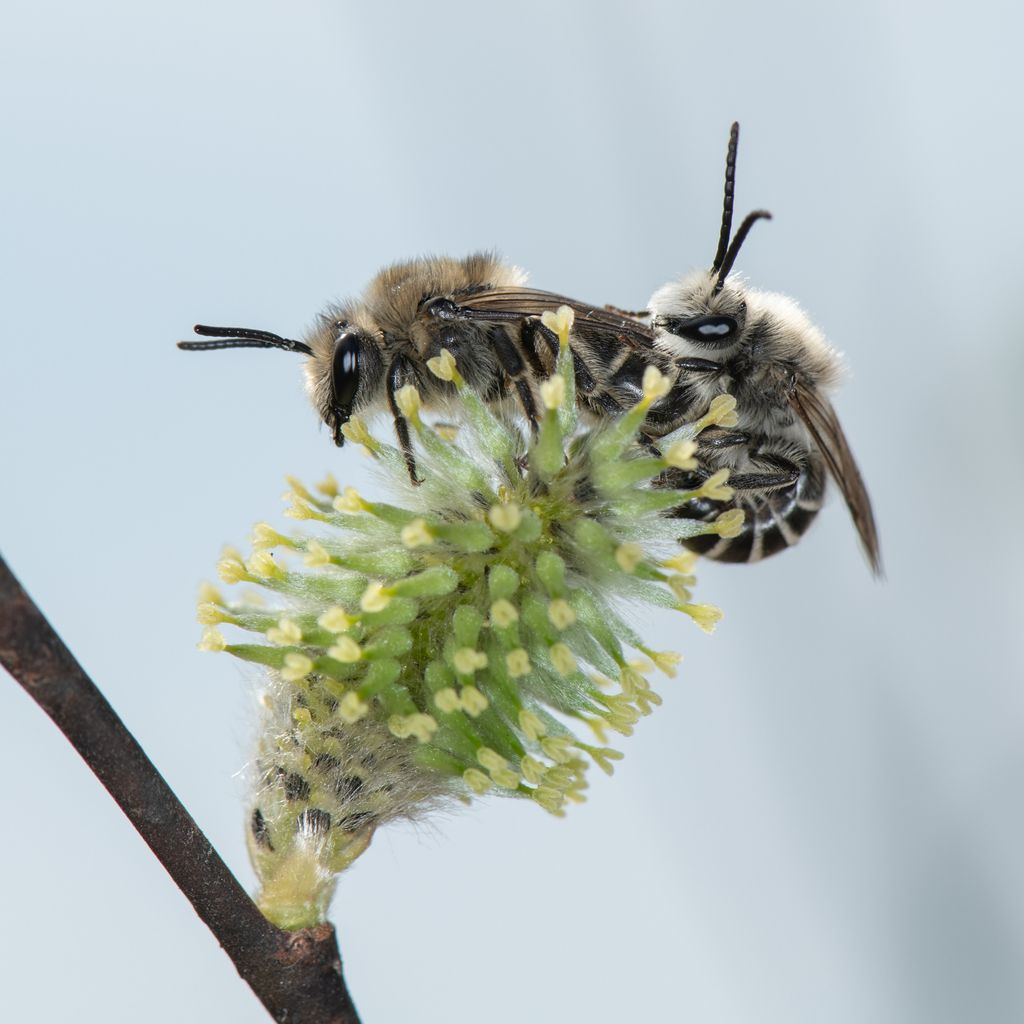
Genus Colletes
They move pollen between flowers while foraging, helping wild plants and gardens set seed and fruit.
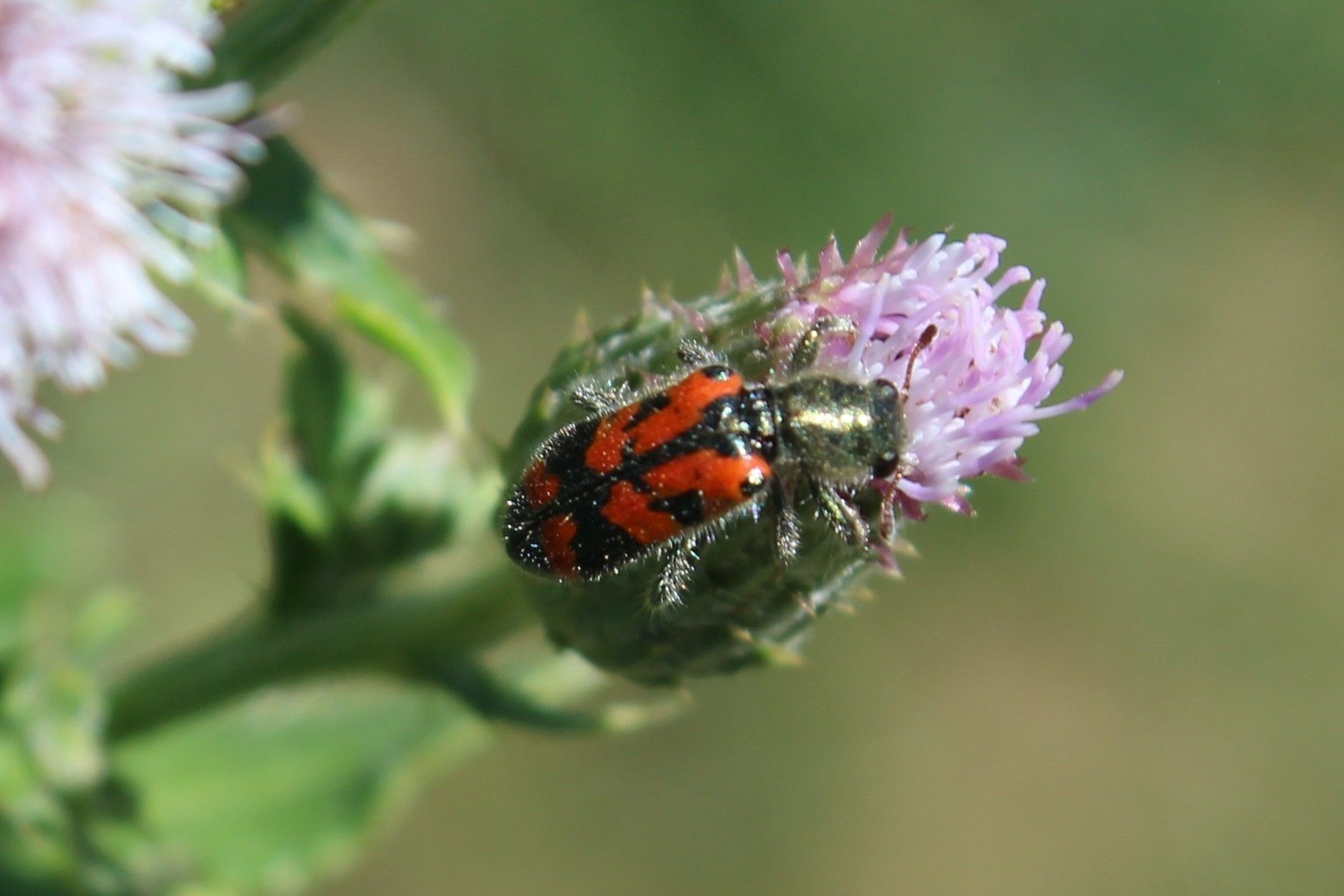
Family Cleridae
Some adults visit flowers and can move pollen as they feed; many also help keep insect populations balanced.
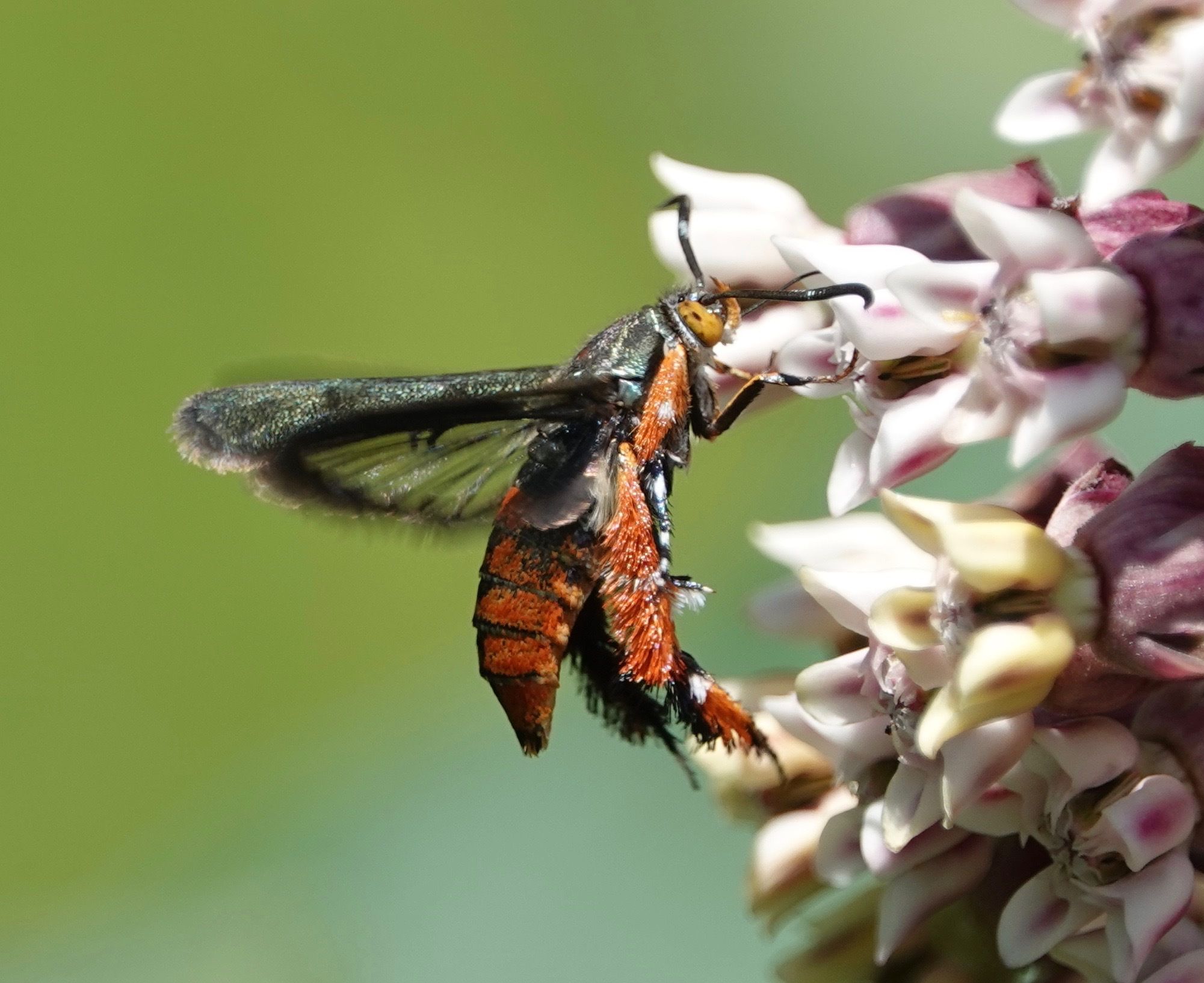
Family Sesiidae
Adults can move pollen between blooms, and their presence can signal how healthy local plant communities are.
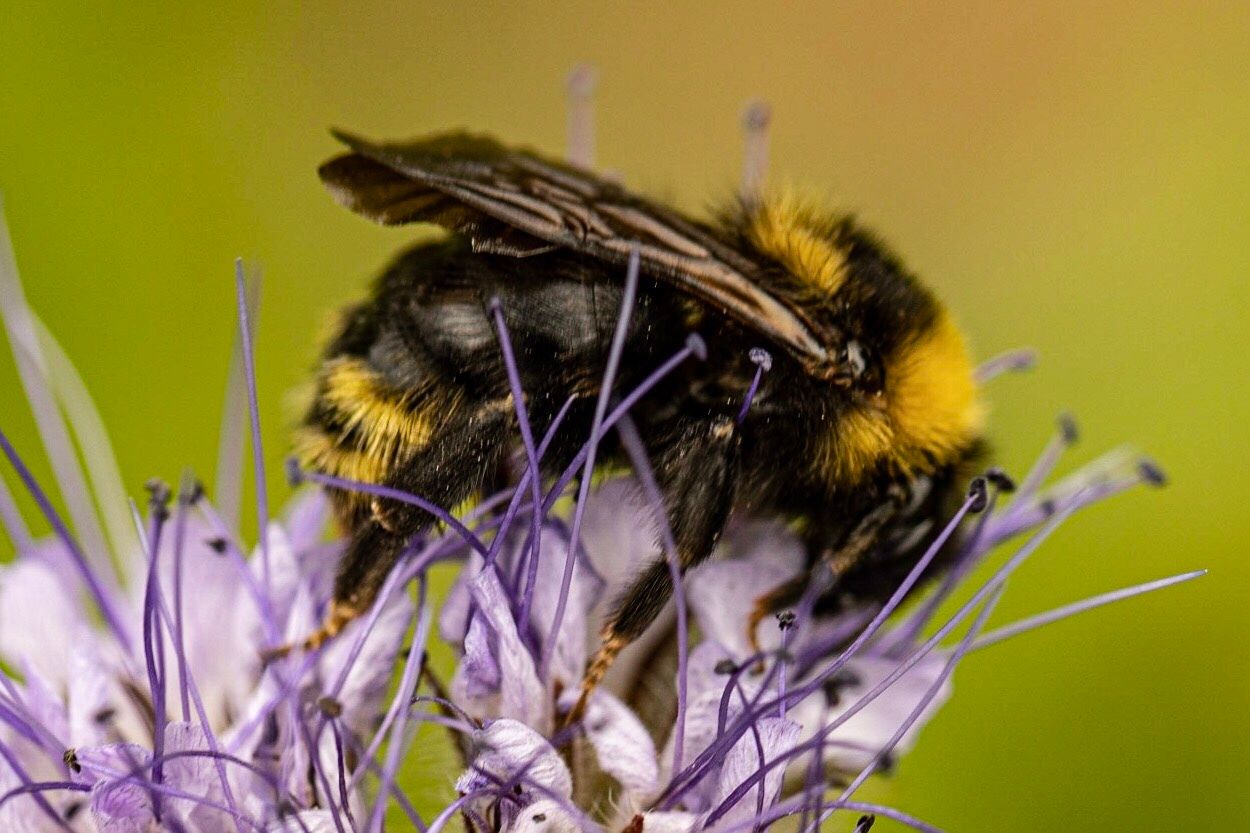
Multiple genera (e.g., Nomada; Sphecodes)
They’re part of healthy bee communities and can still move pollen while feeding on nectar.
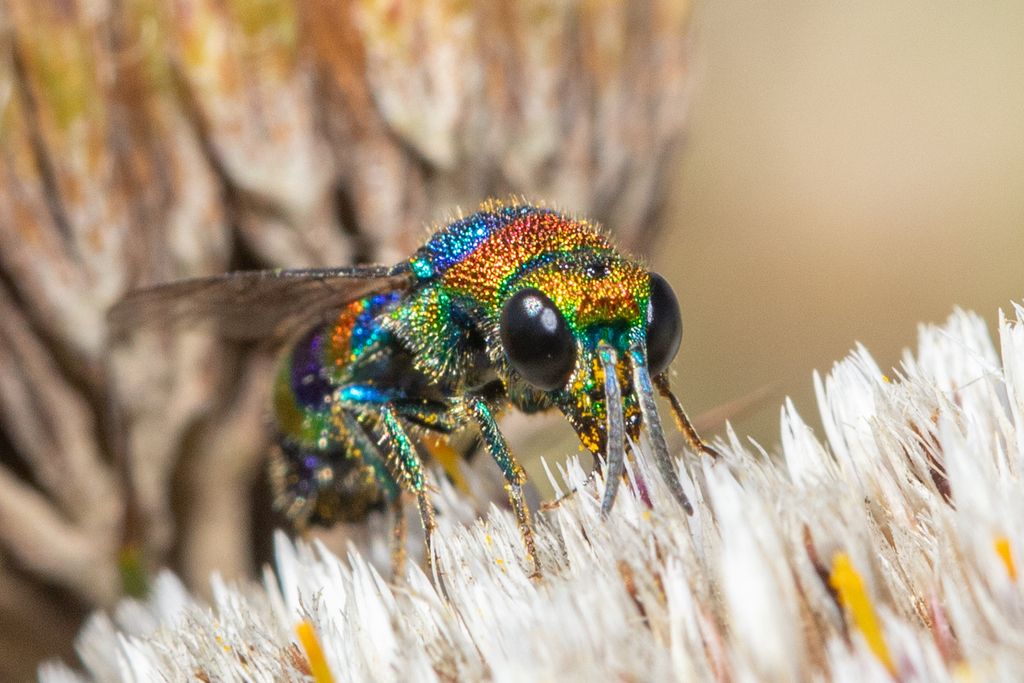
Family Chrysididae
They can contribute to pollination while feeding at flowers, and they’re part of healthy, diverse insect communities.
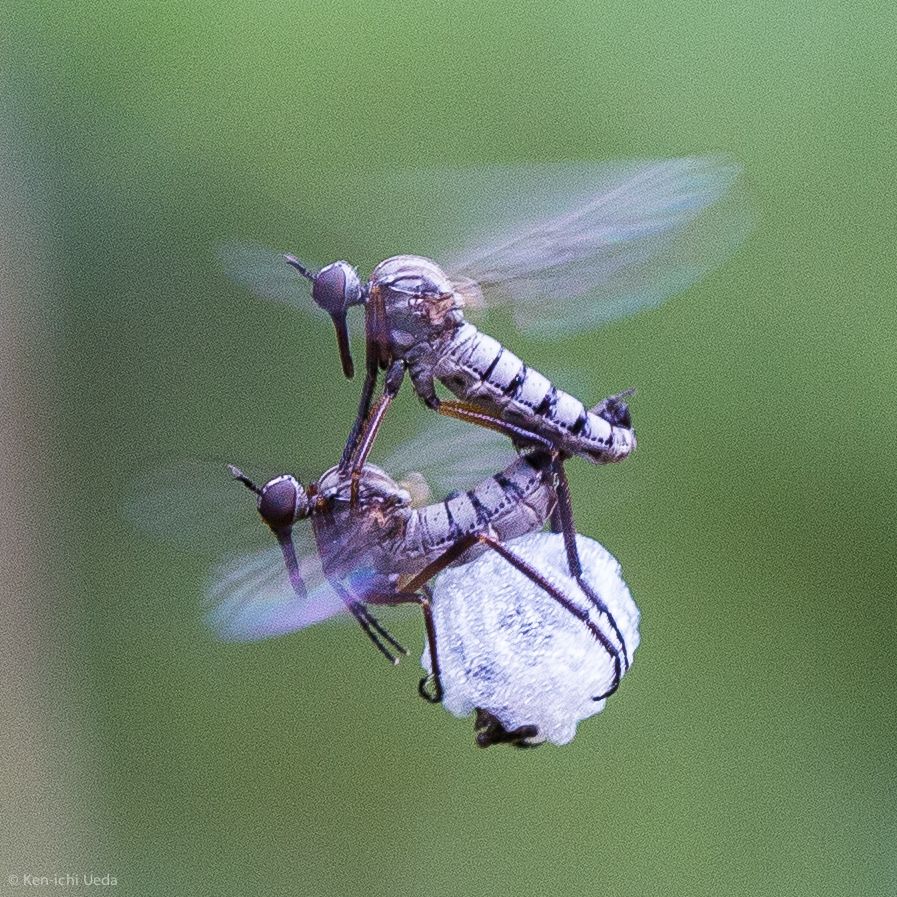
Family Empididae
Many visit flowers for nectar and can move pollen between blooms while also playing important roles in local food webs.
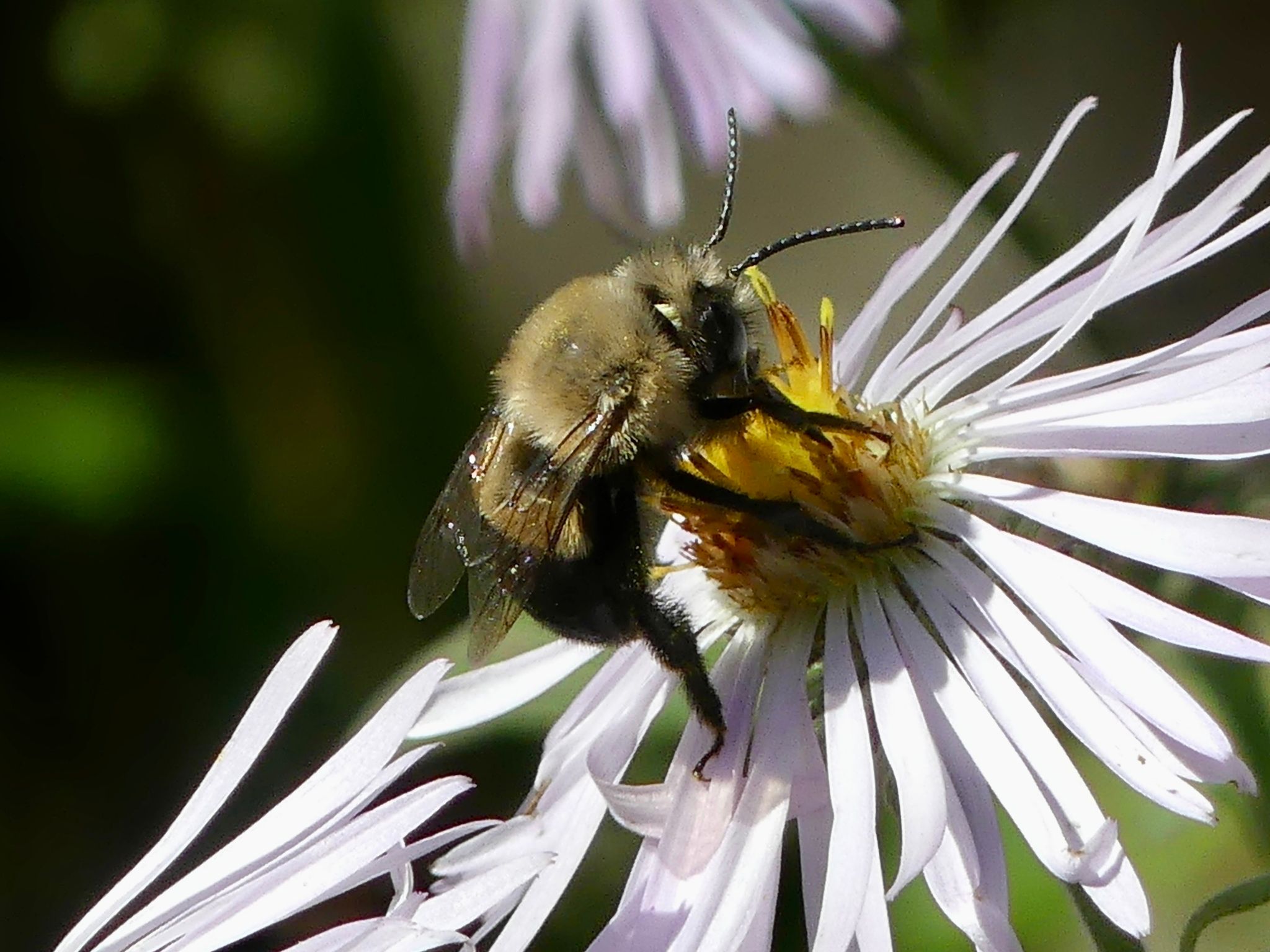
Tribe Anthophorini (e.g., Anthophora)
They move pollen between flowers while feeding, helping wild plants and many garden plants set seed and fruit.
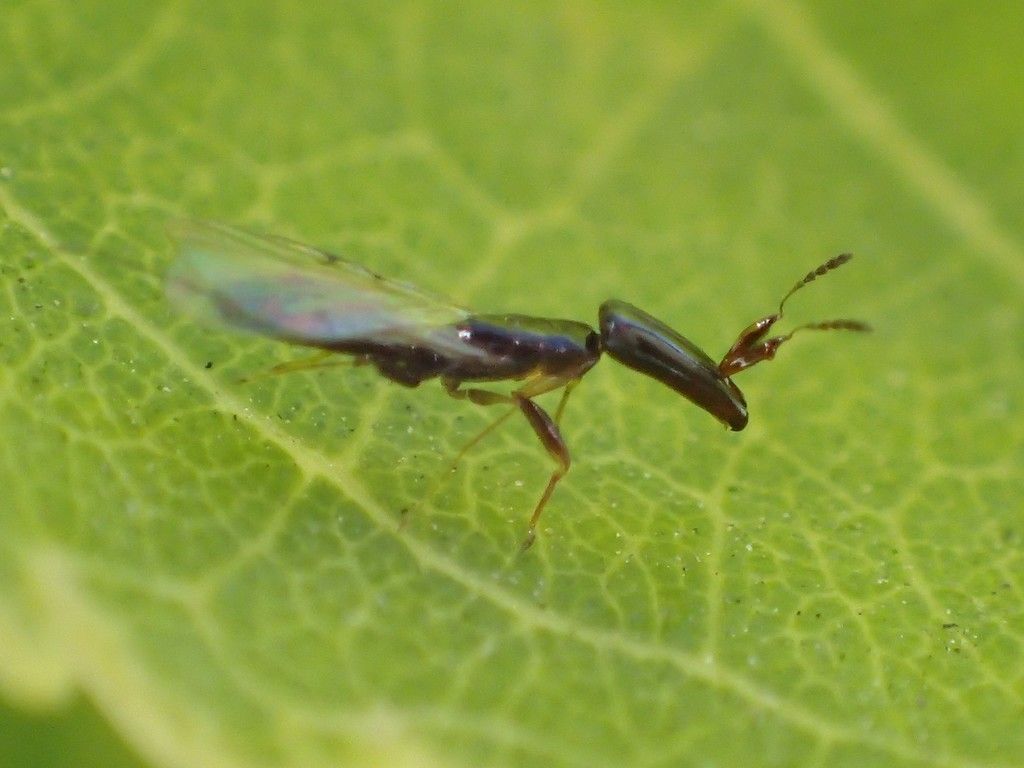
Family Agaonidae
They’re closely tied to fig reproduction, helping figs make seeds and supporting food webs where figs grow.
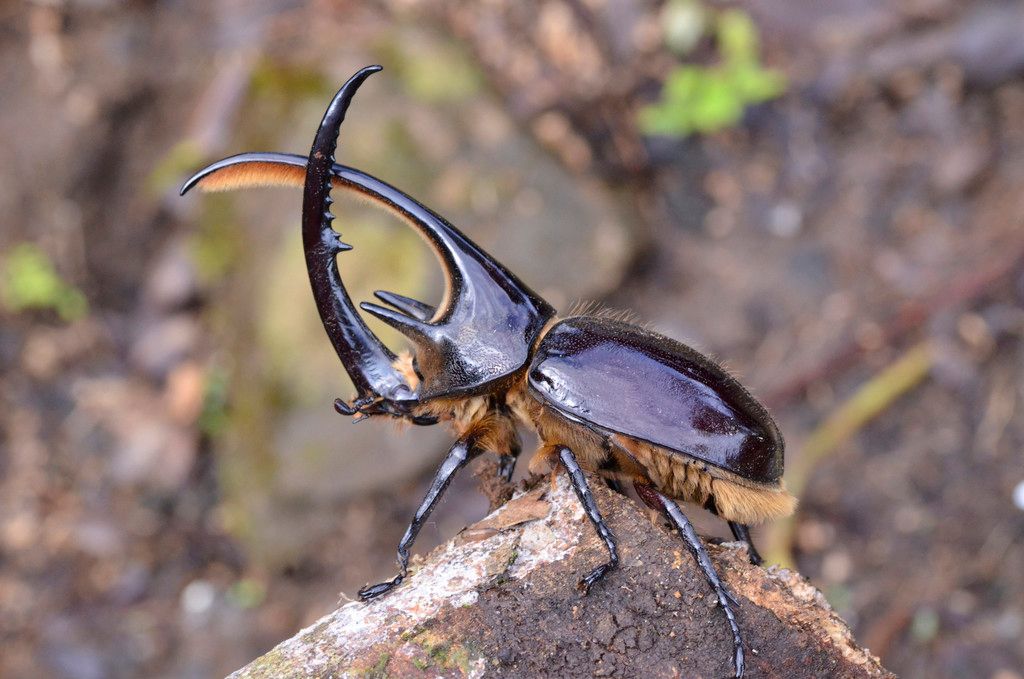
Family Scarabaeidae (often Cetoniinae)
Many visit flowers for food and can move pollen as they feed. They’re part of the wider “flower visitor” community that helps plants set seed and fruit.
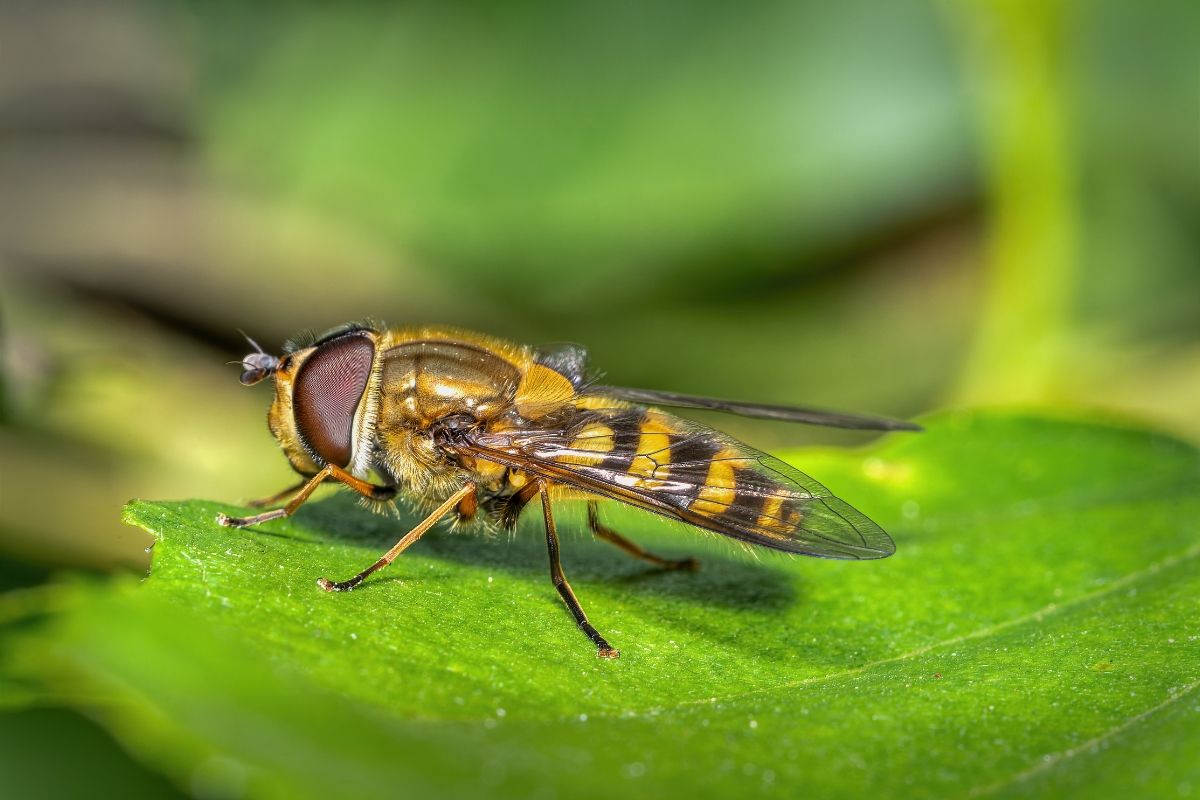
Family Syrphidae
Adults visit flowers for nectar and pollen, and many species’ larvae help keep plant-eating pests in check.
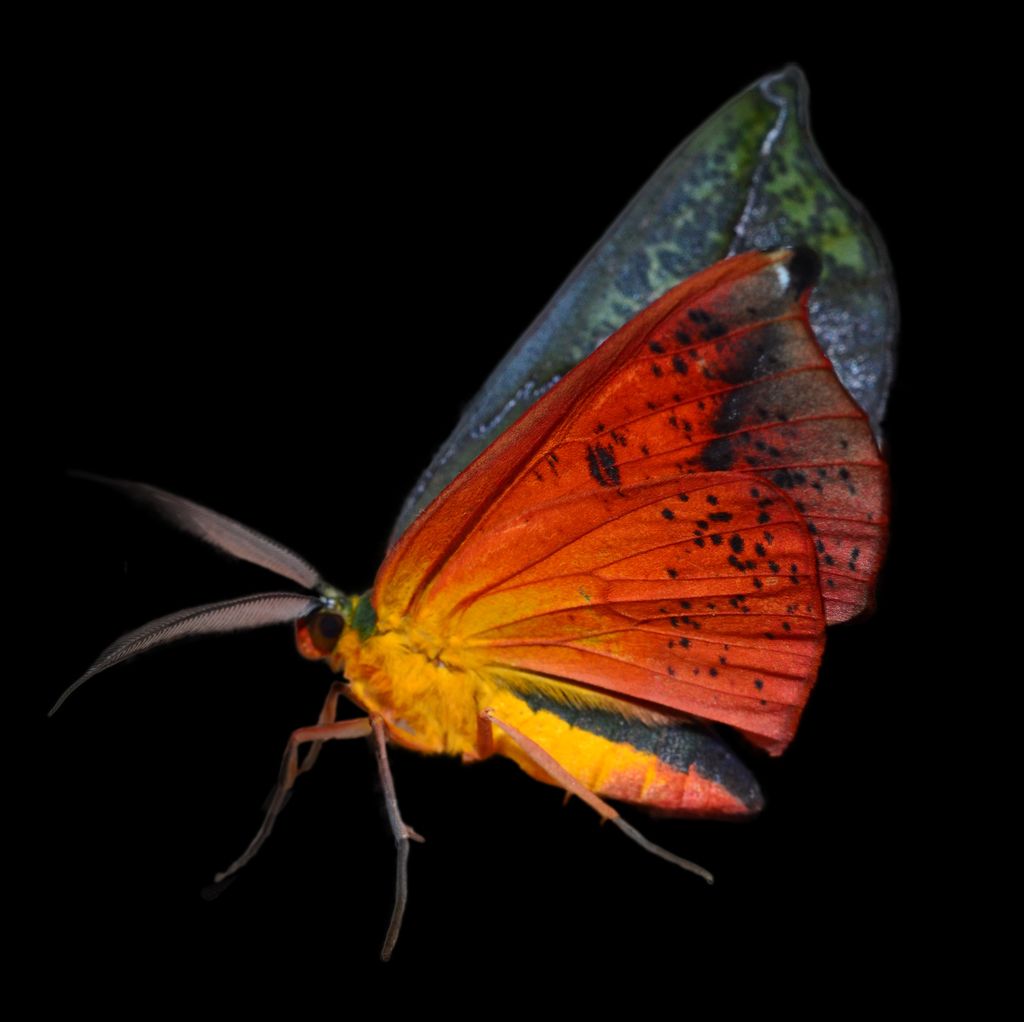
Family Geometridae
Adults can help move pollen as they nectar at flowers, and their caterpillars are an important part of local food webs.
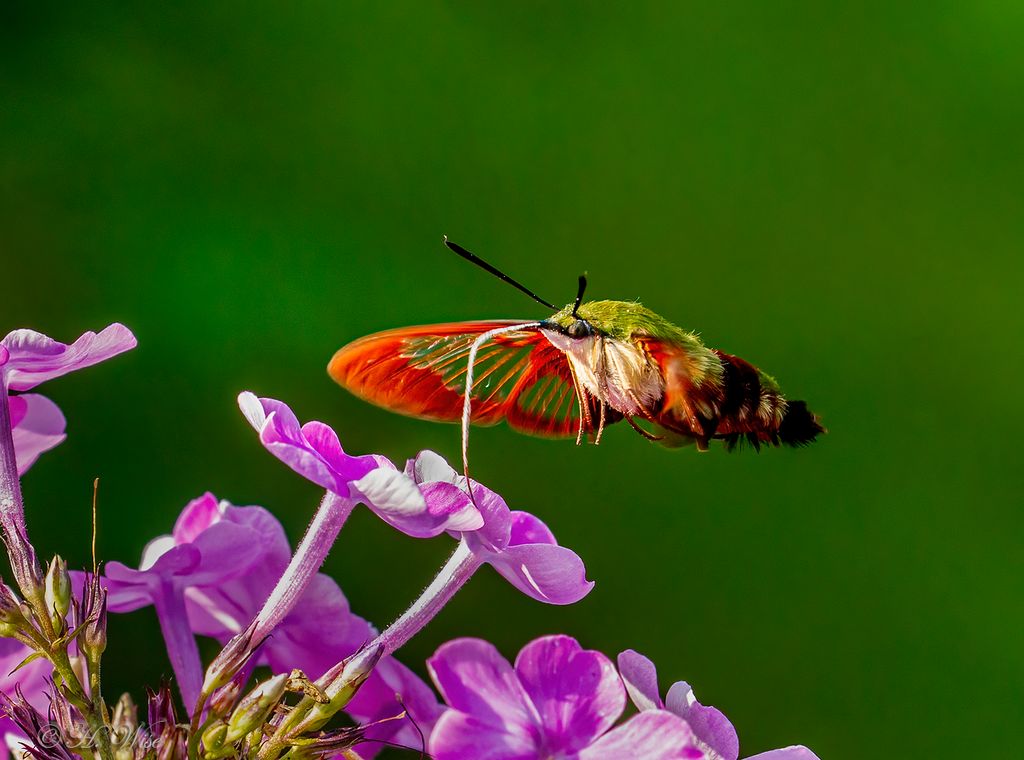
Family Sphingidae
They can move pollen between flowers while feeding on nectar, especially for blooms that open or scent up in the evening.
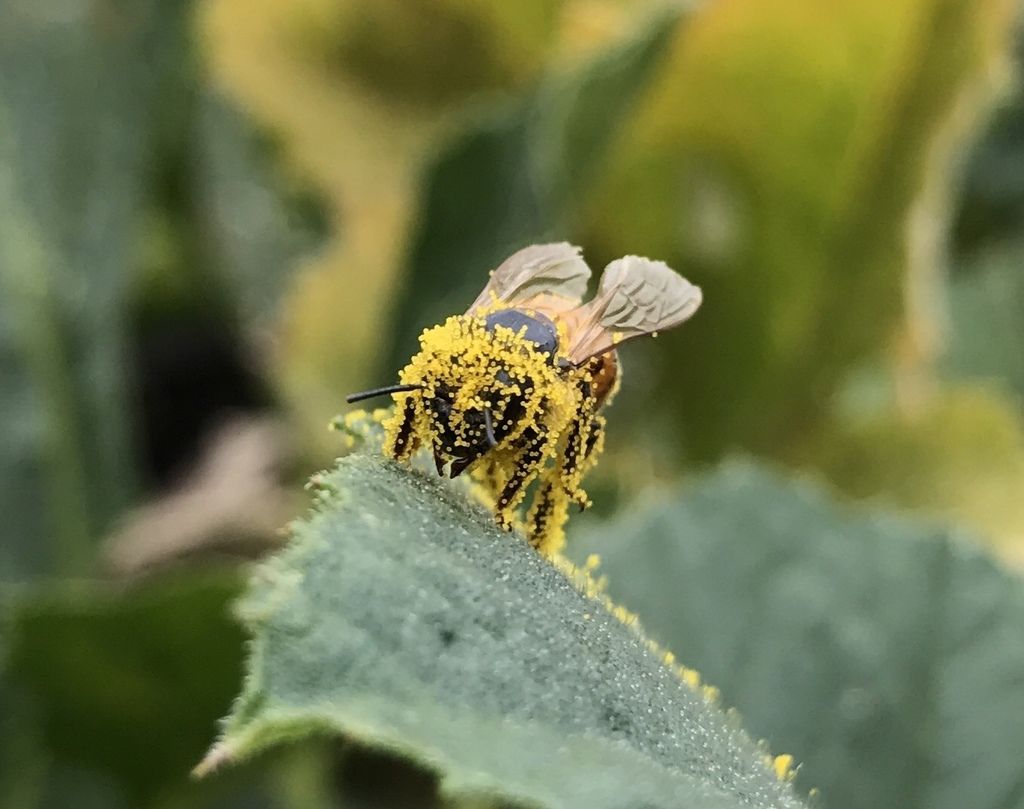
Genus Apis (non-native in North America)
They move pollen between flowers while foraging, supporting many flowering plants and crops where they are used for pollination.
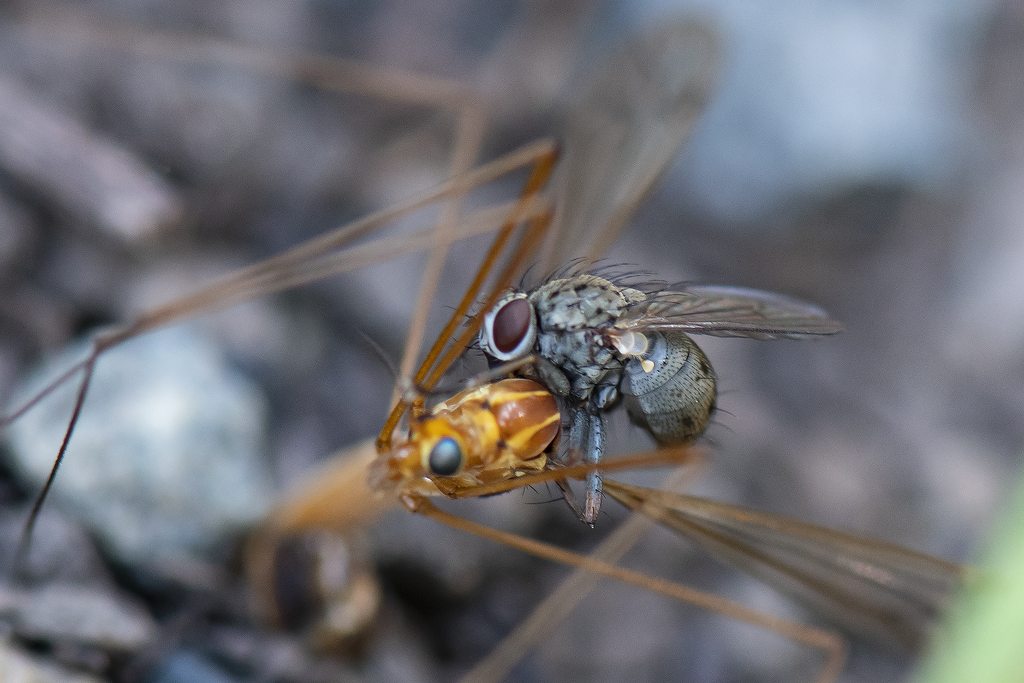
Family Muscidae
Many muscid flies visit flowers for nectar and can move pollen between blooms, especially in everyday urban and suburban habitats.
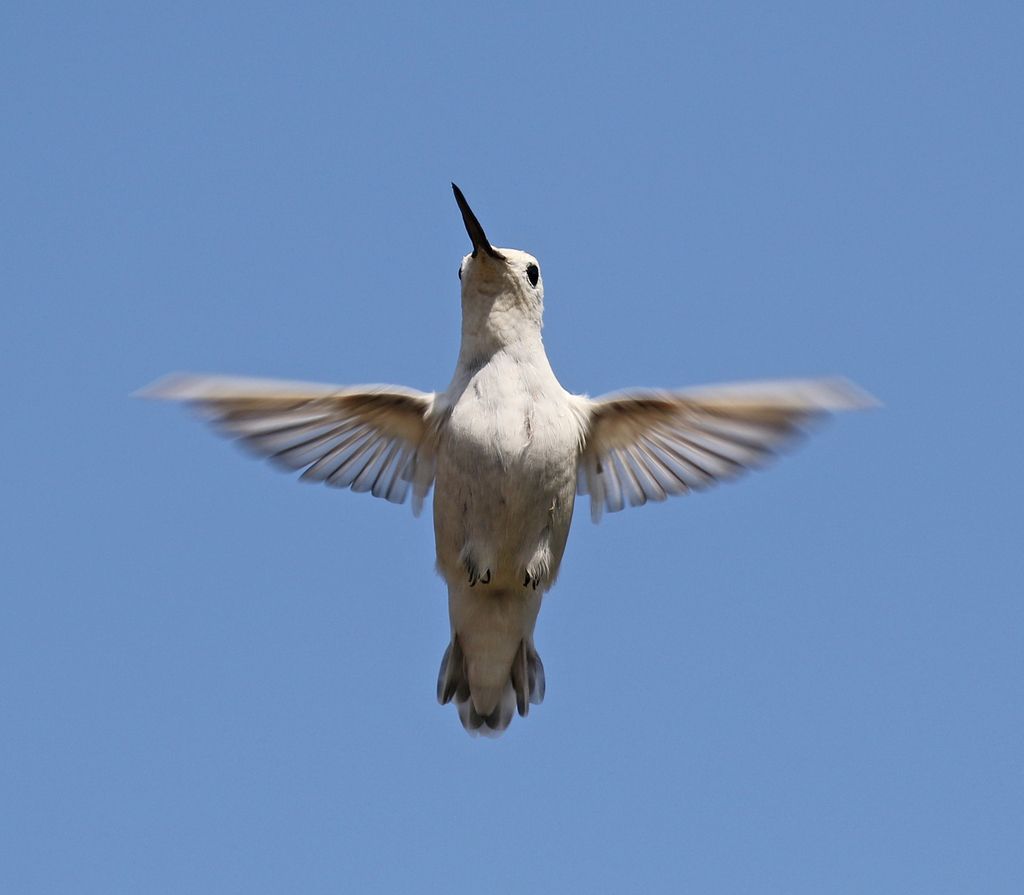
Family Trochilidae
They move pollen between flowers while feeding, helping many plants reproduce.
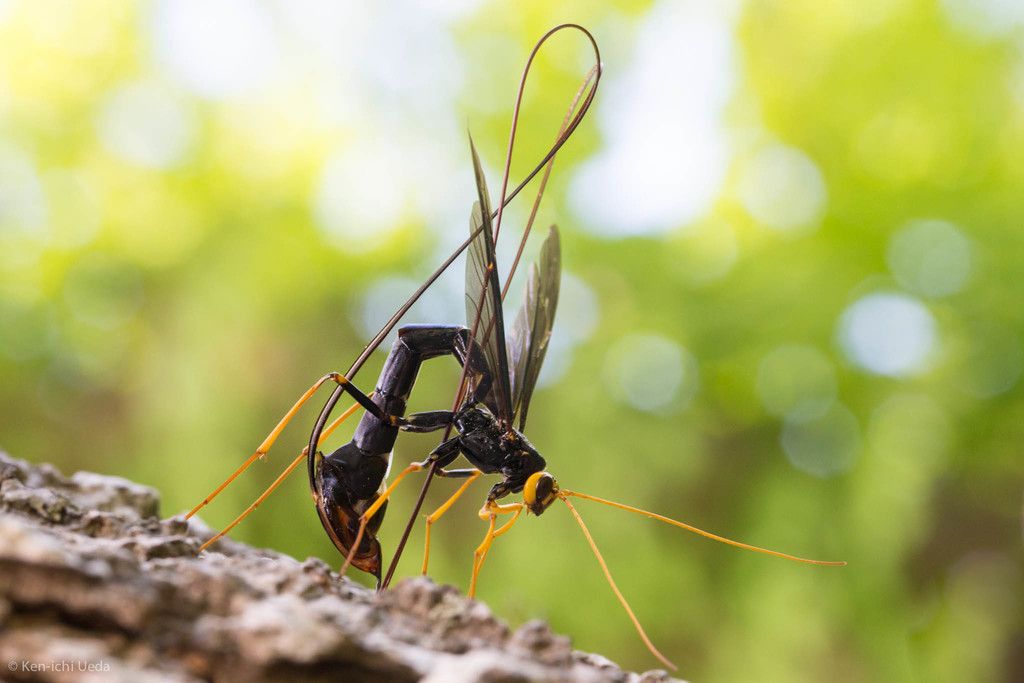
Family Ichneumonidae
Many adults visit flowers for nectar, and their larvae help regulate other insect populations—supporting healthier, more balanced habitats.
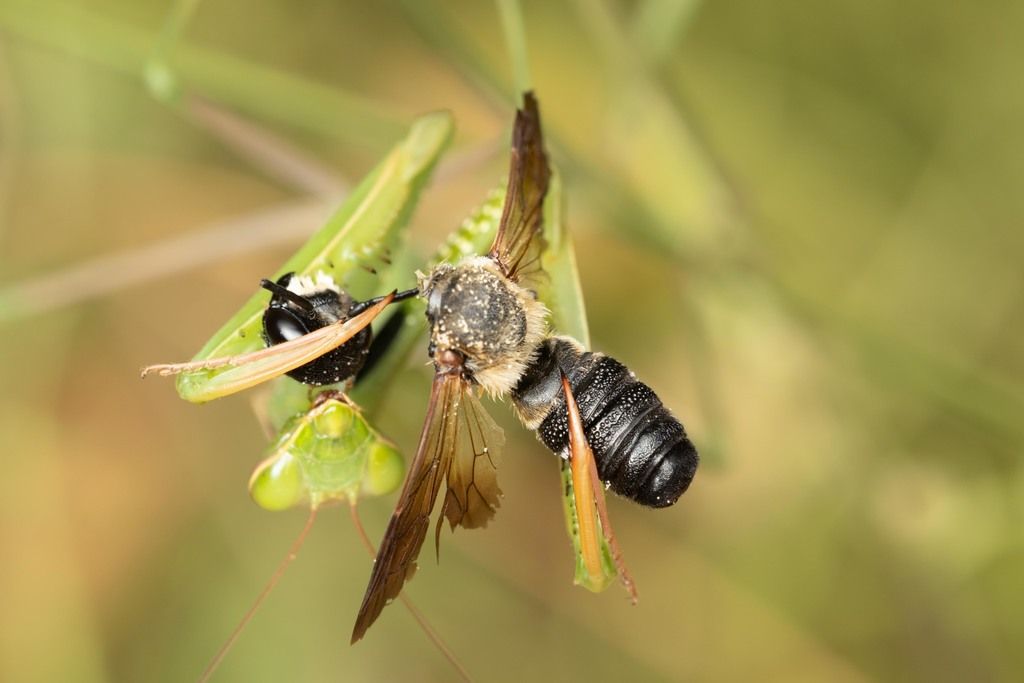
Genus Megachile
They move pollen between flowers while foraging, helping many wild plants and garden plants set seed and fruit.
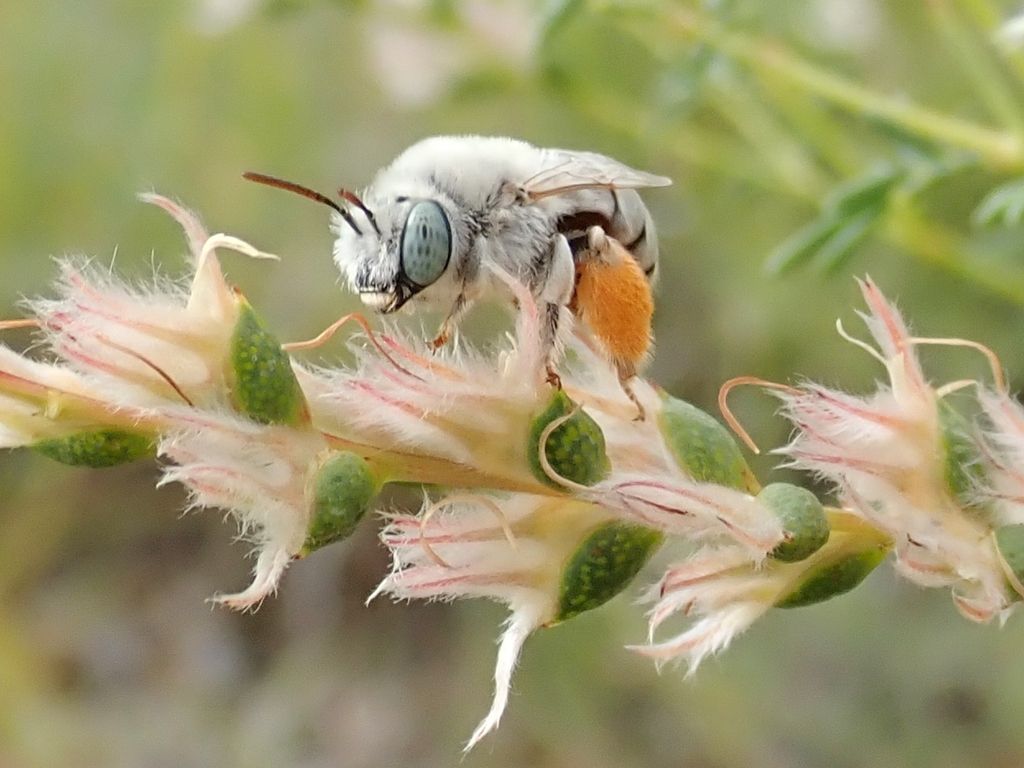
Tribe Eucerini
They move pollen between flowers as they feed, supporting seed and fruit set in many wild plants and some crops.
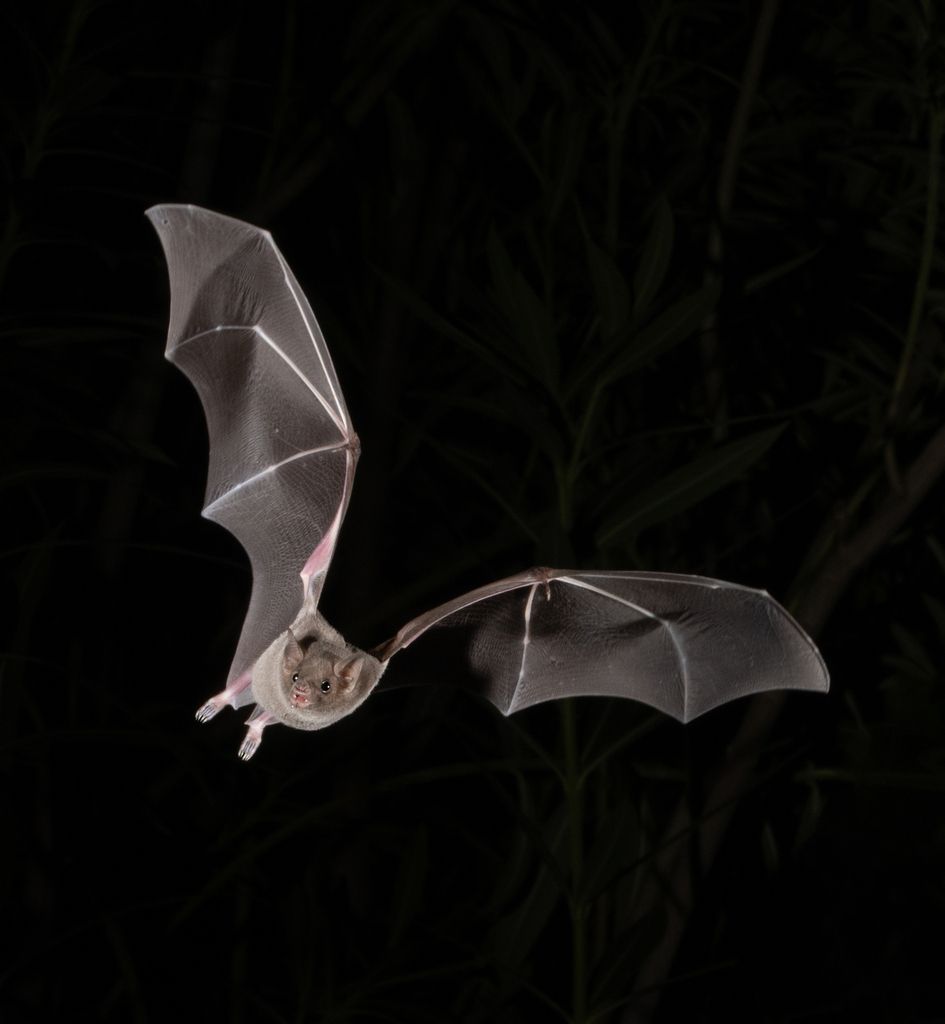
Genus Leptonycteris
They move pollen between flowers over long distances, helping some plants set fruit and seed.
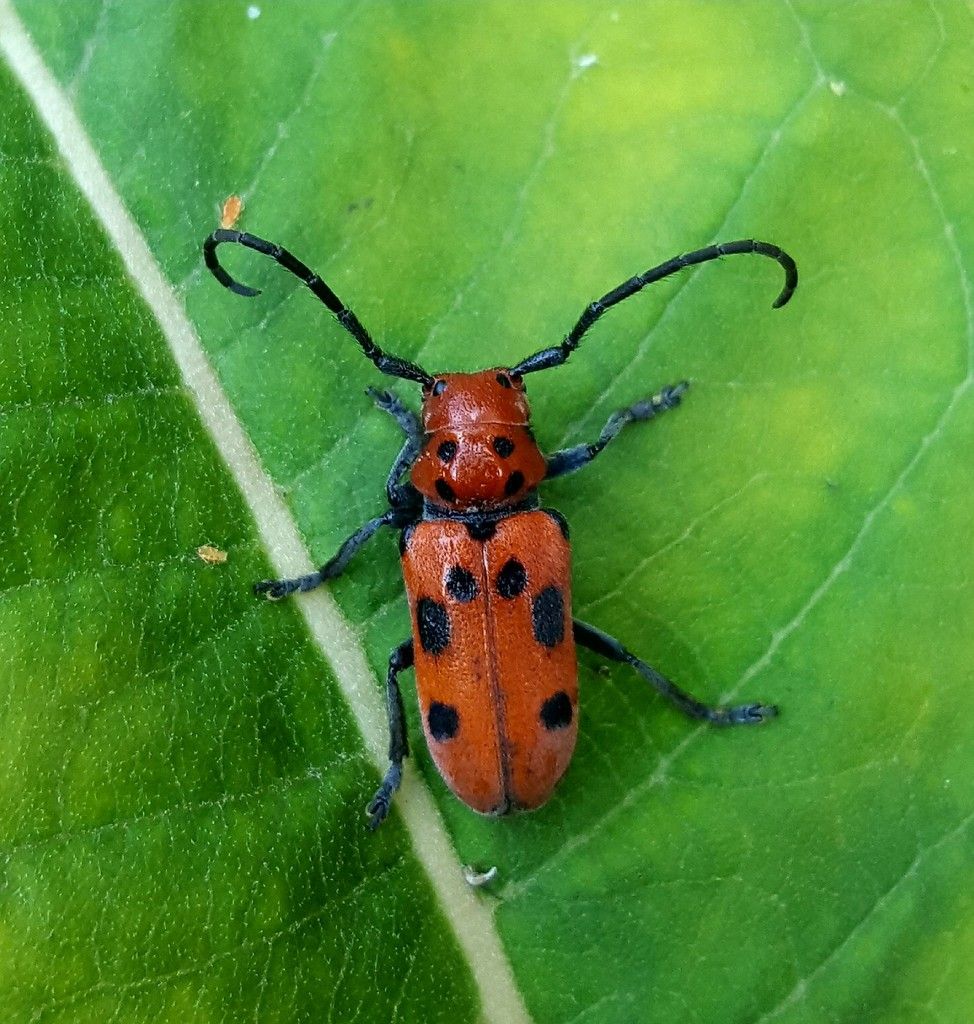
Family Cerambycidae
Adults of many species visit flowers for nectar and pollen and can move pollen as they feed and crawl across blooms.
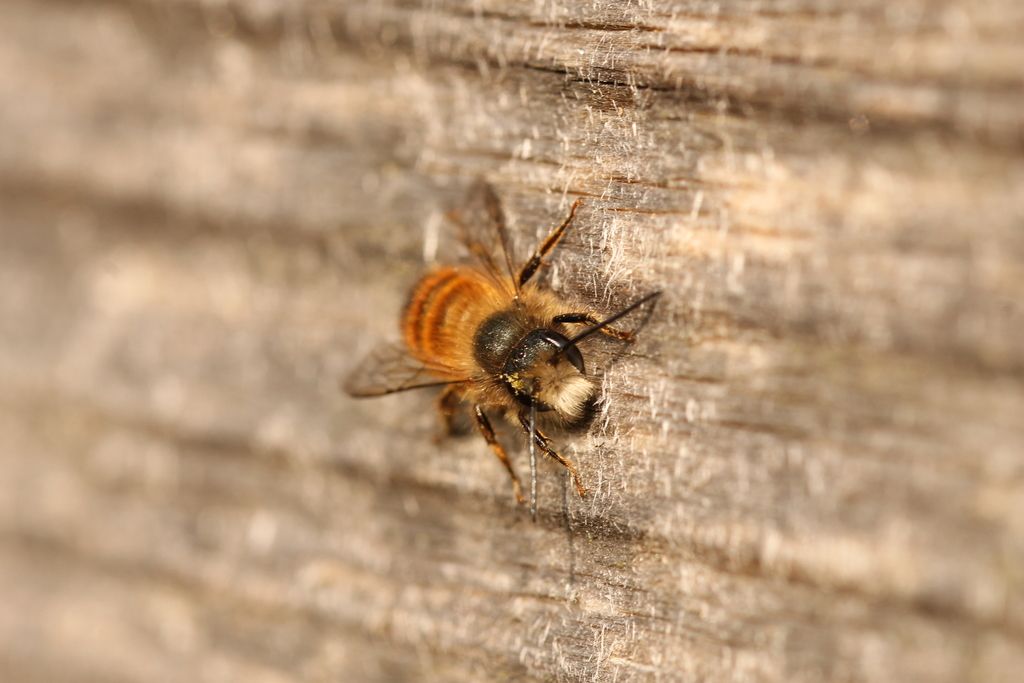
Genus Osmia
They move pollen between flowers while foraging, helping many wild plants and garden crops set seed and fruit.
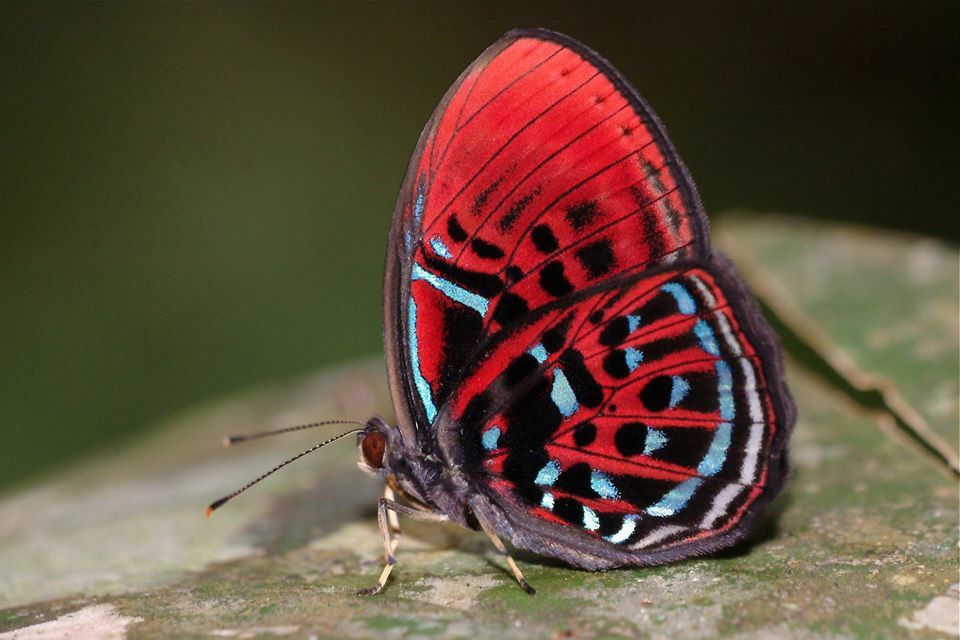
Family Riodinidae
Metalmarks are part of healthy butterfly communities and can contribute to pollination as they nectar at blooms.
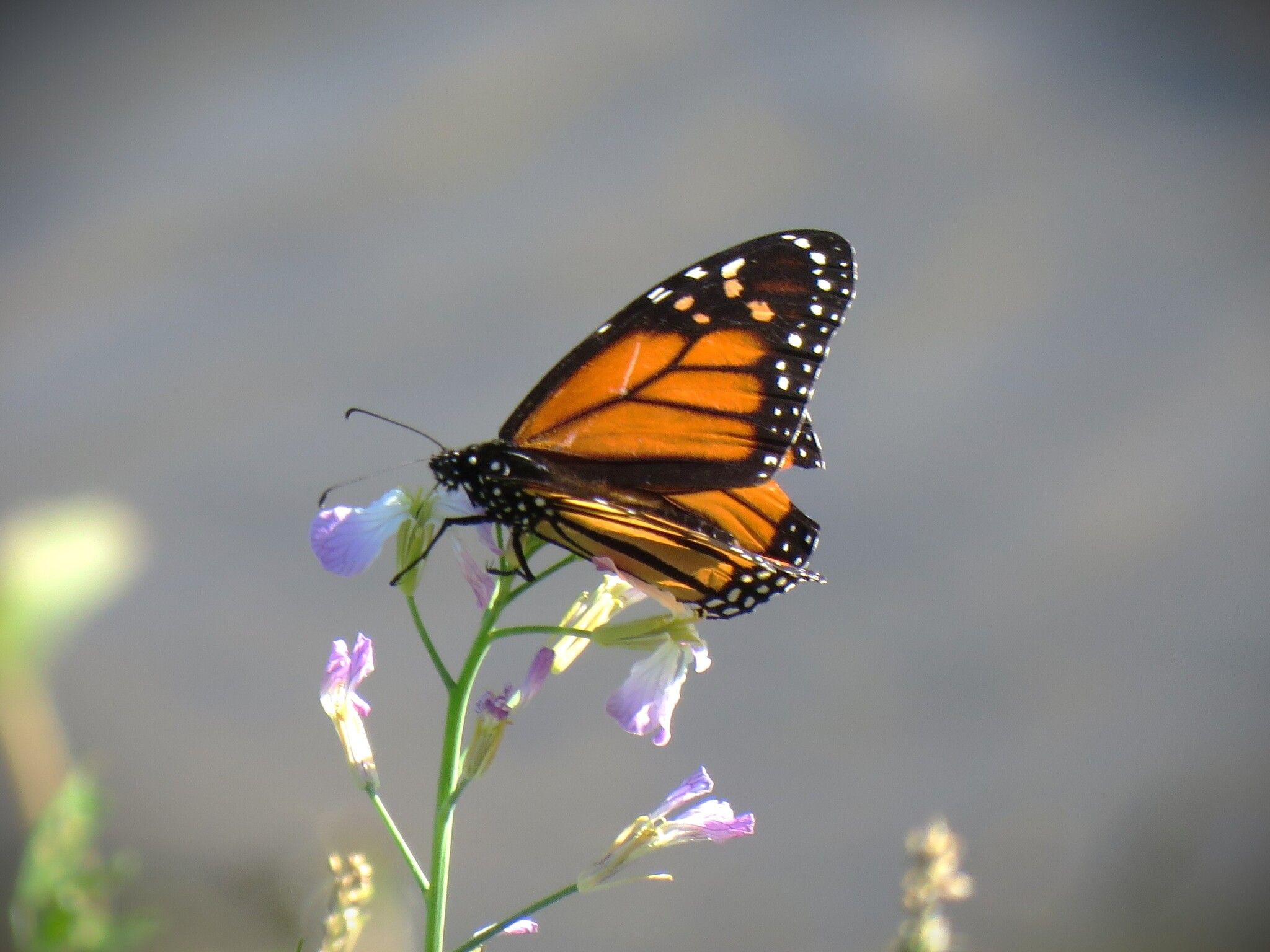
Subfamily Danainae (within Nymphalidae)
Adults visit many flowers for nectar and can move pollen as they feed; their caterpillars also highlight the importance of host plants in healthy habitats.
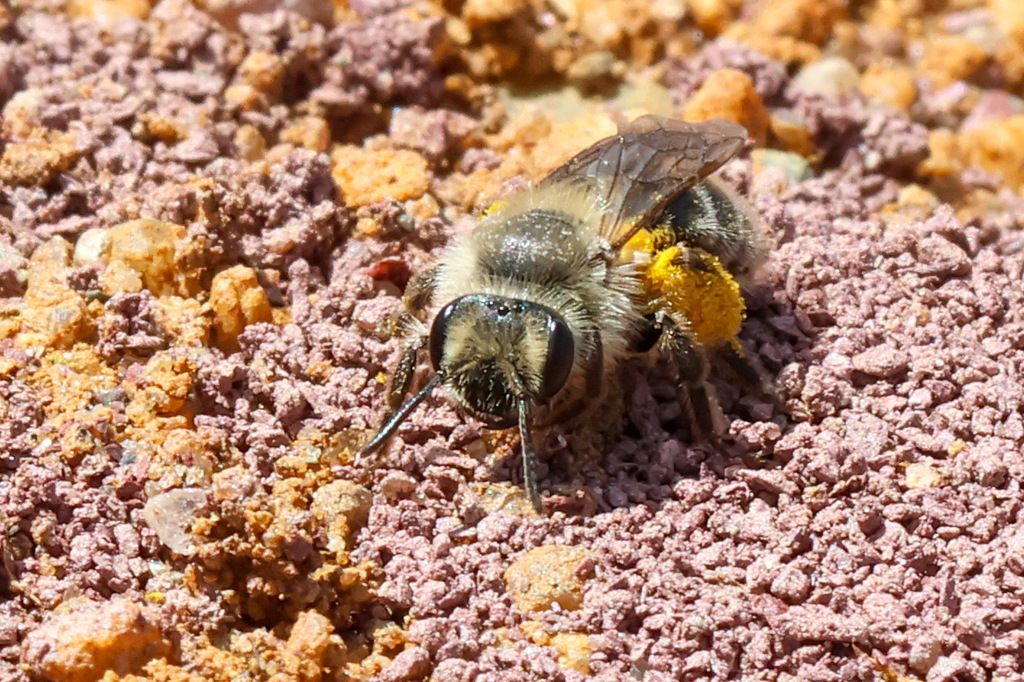
Genus Andrena
They move pollen between flowers while foraging, helping many wild plants and garden plants set seed and fruit.
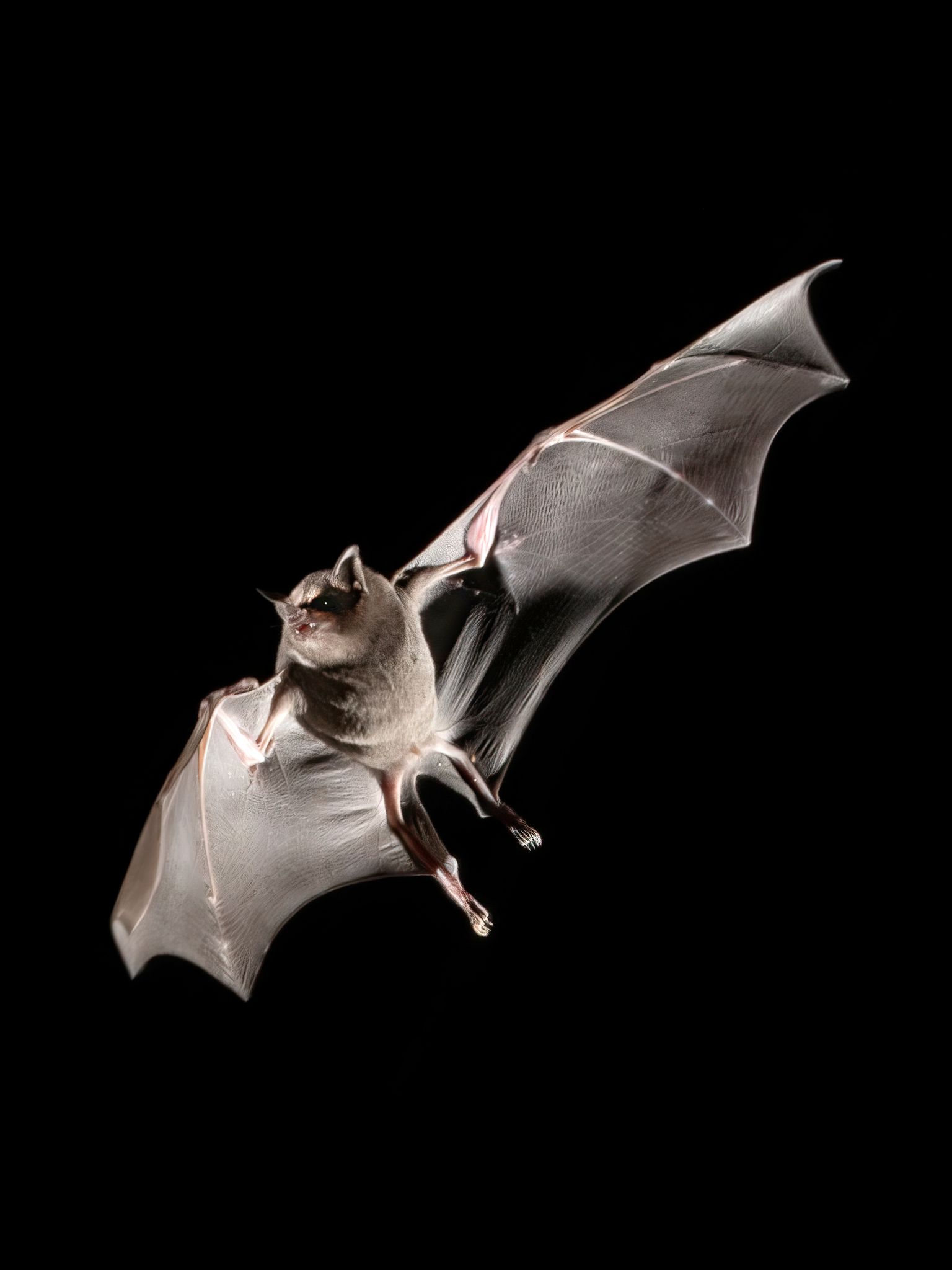
Subfamily Glossophaginae
They move pollen between flowers over long distances and help many plants set fruit and seed.
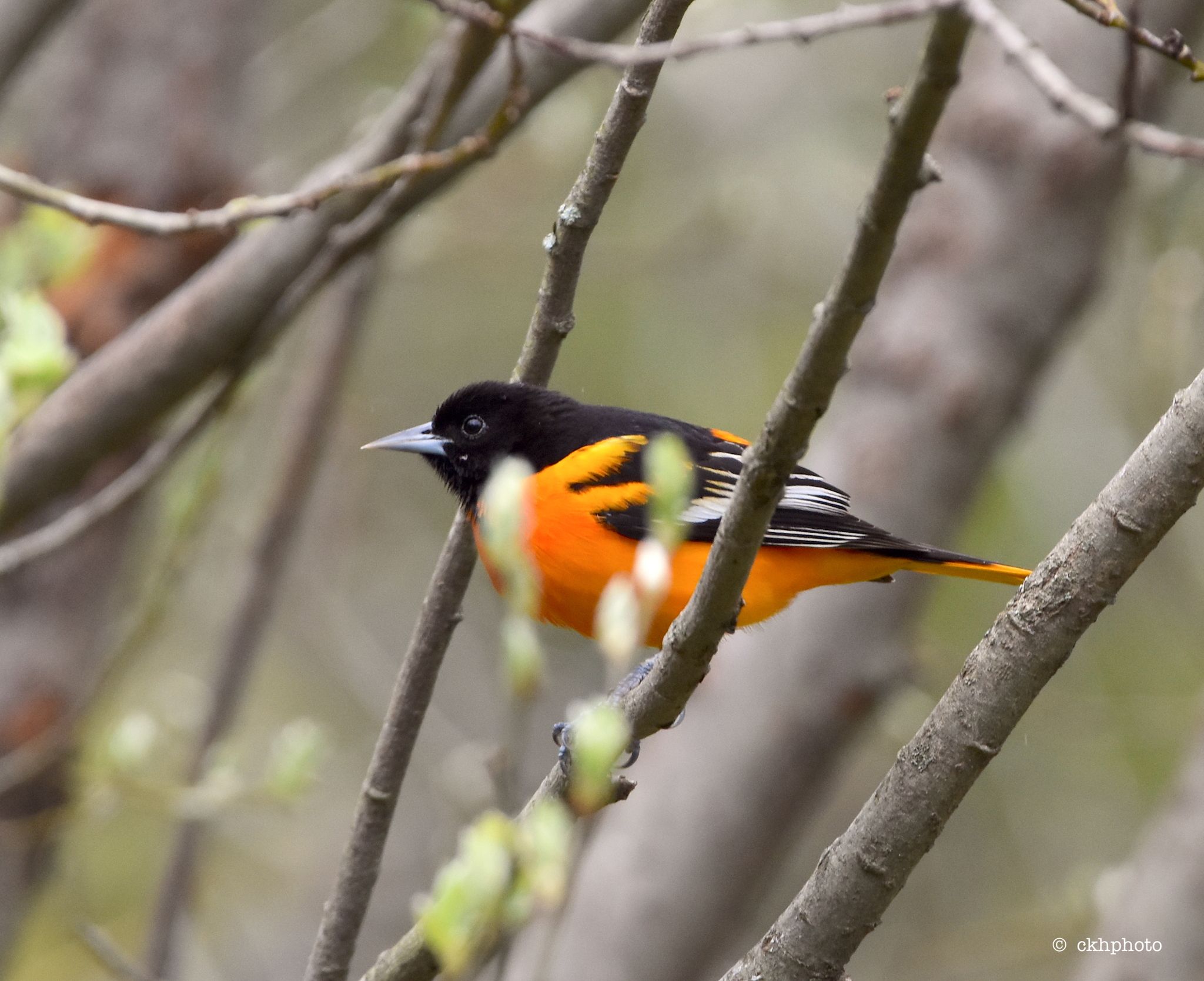
Various families (region-dependent)
They move pollen between flowers while feeding on nectar, supporting seed and fruit production in many plants.
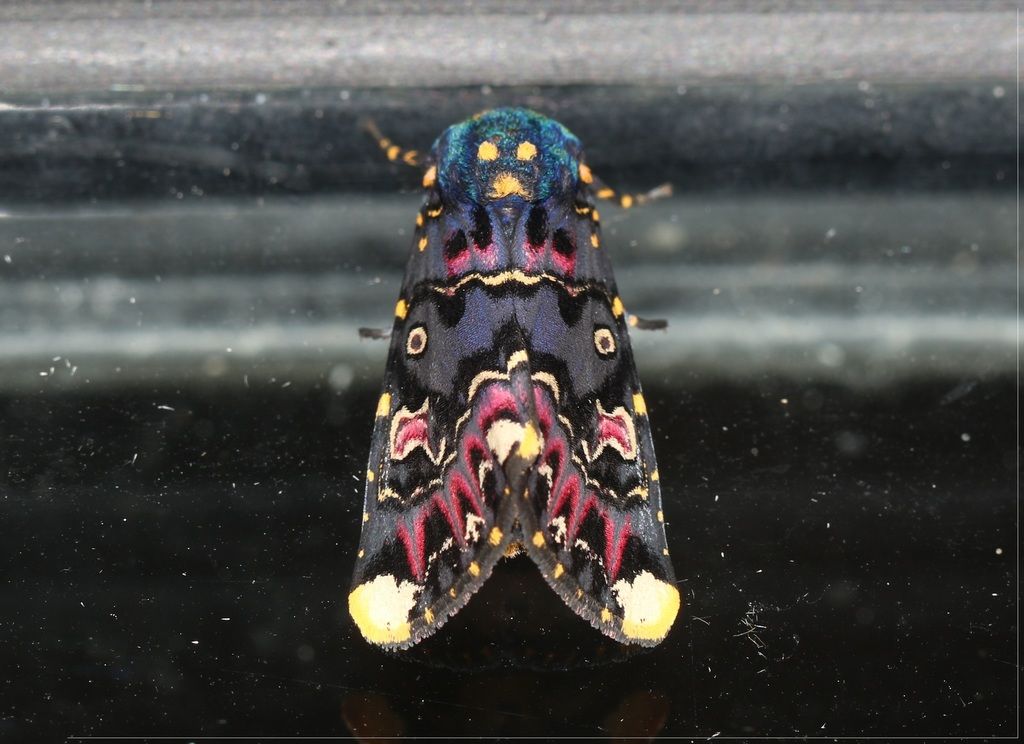
Family Noctuidae
Many adults visit flowers for nectar and can move pollen between blooms while feeding.
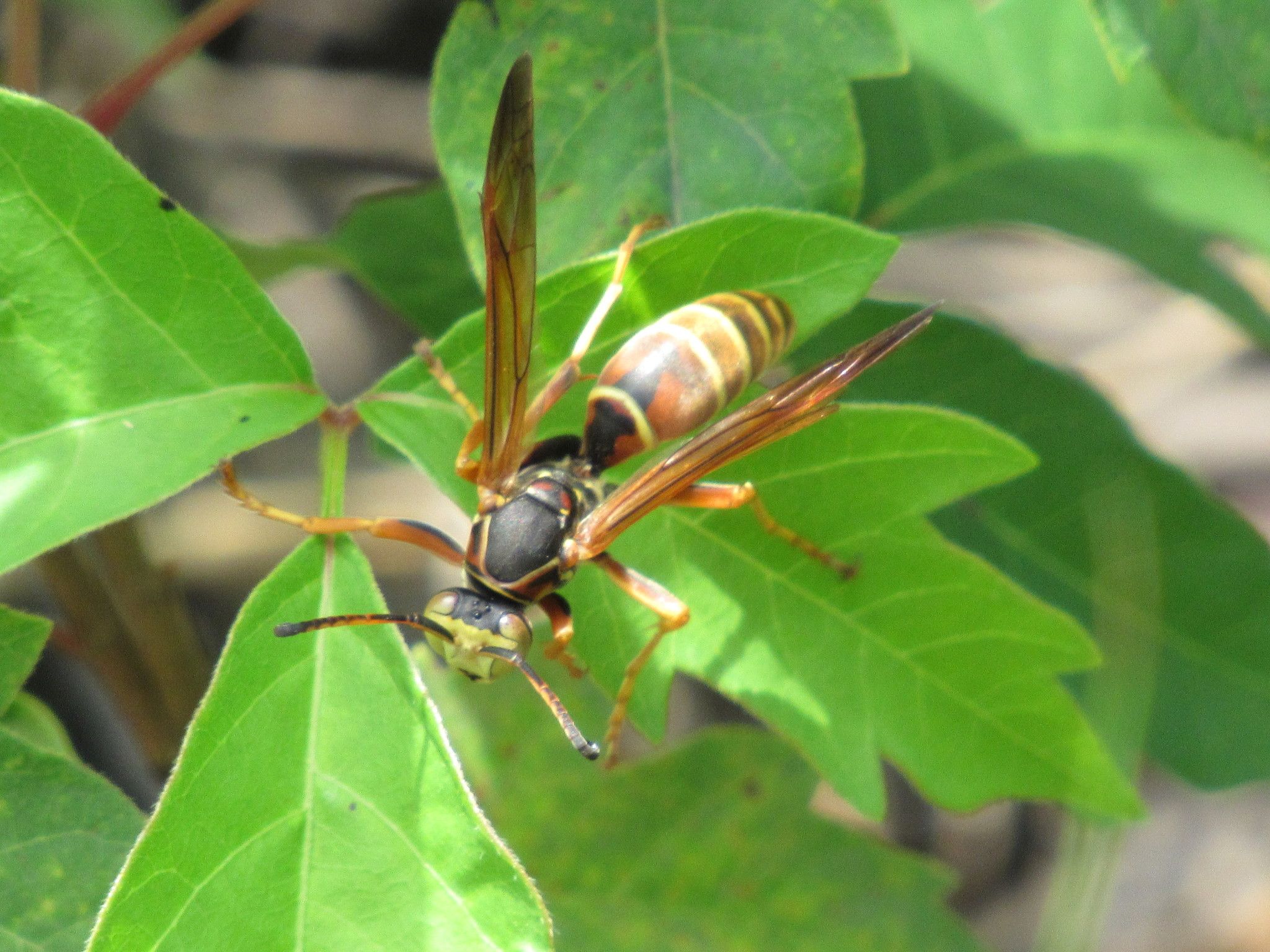
Genus Polistes
They can move pollen while drinking nectar, and they also help control many plant-eating insects.
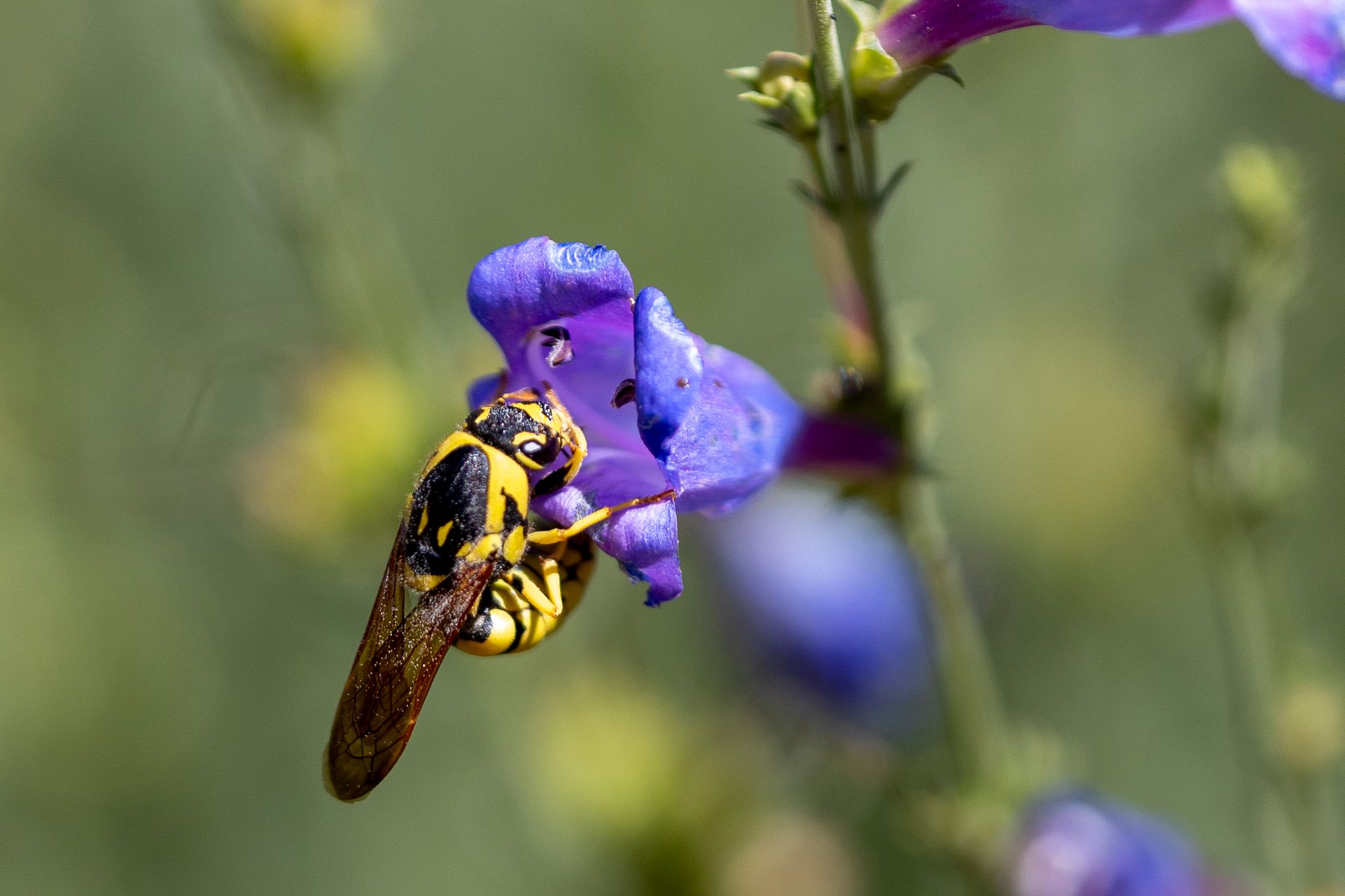
Subfamily Masarinae (Vespidae)
They move pollen between blooms while feeding, supporting seed and fruit set in many flowering plants.
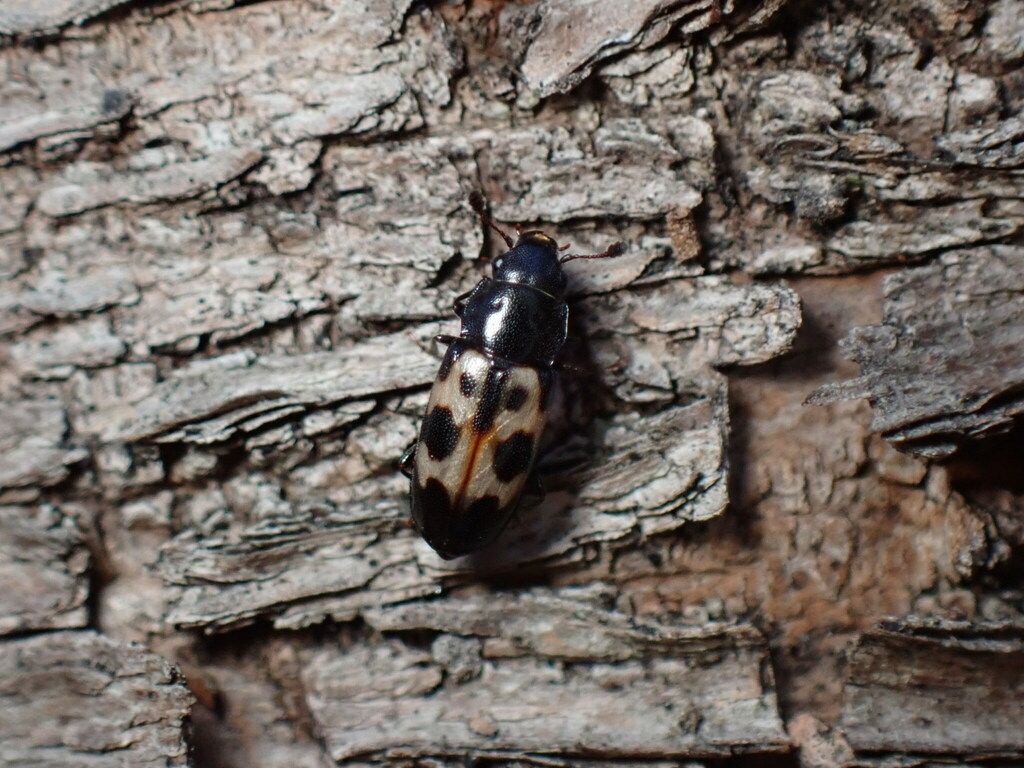
Family Nitidulidae
Some sap beetles visit flowers for food and can move pollen as they feed, adding to the “many small helpers” that support plant reproduction.
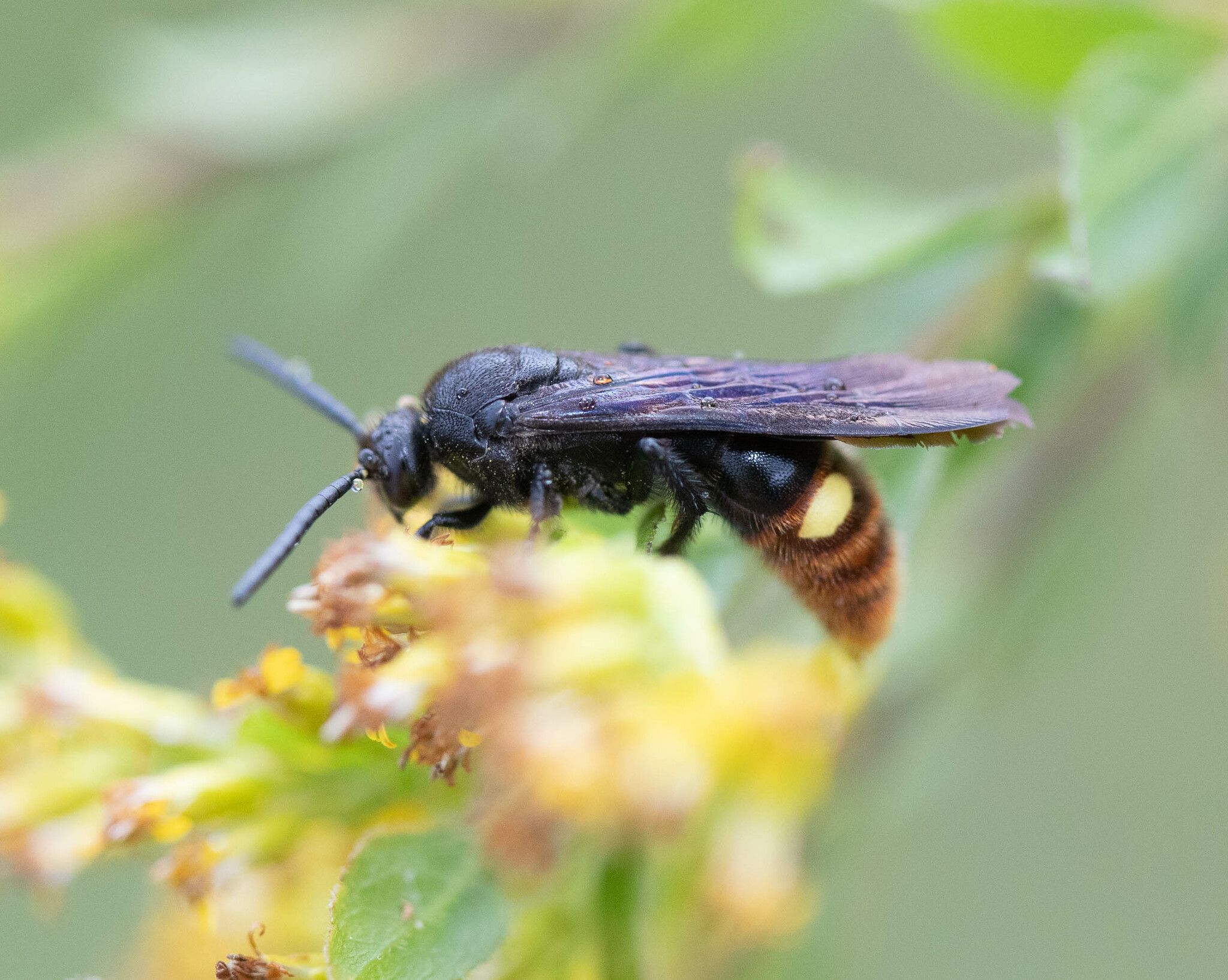
Family Scoliidae
Adults visit flowers for nectar and can move pollen as they feed; their young develop as parasites of soil-dwelling beetle grubs, linking healthy soils to healthy pollinator habitats.
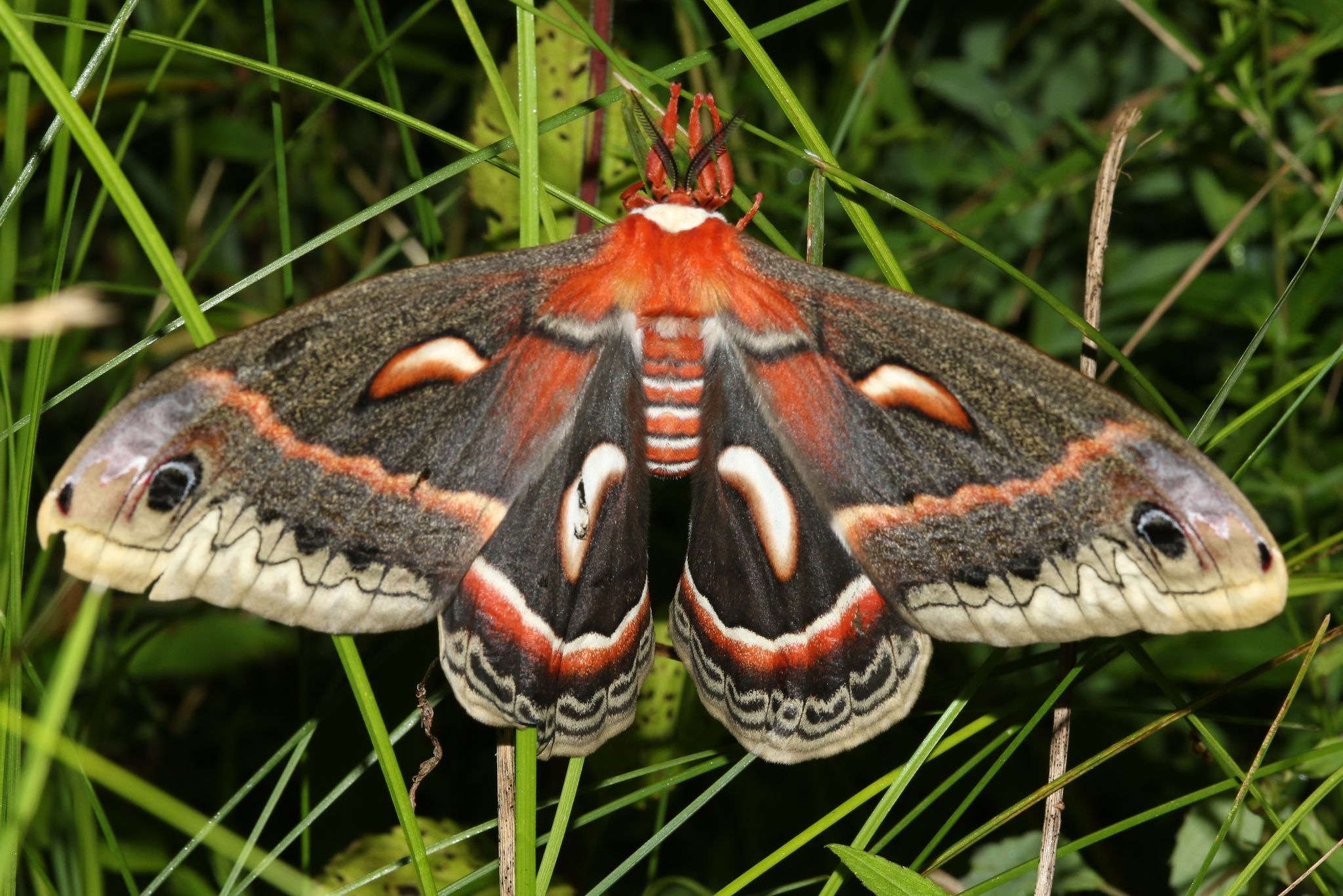
Family Saturniidae
They’re part of healthy food webs and plant communities, and their caterpillars depend on a wide range of native trees and shrubs.
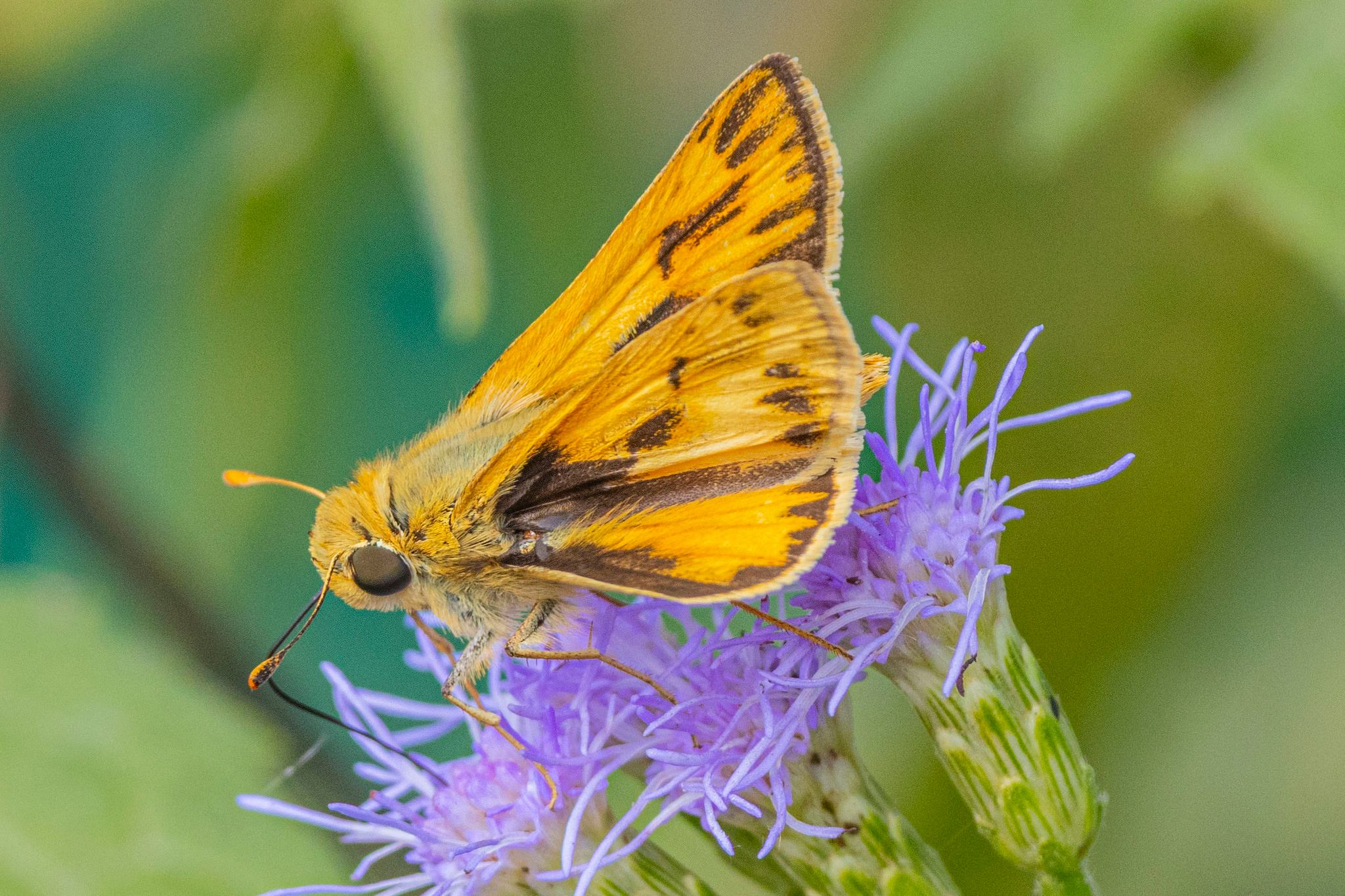
Family Hesperiidae
Skippers visit many flowers for nectar and can help move pollen between blooms while they feed.
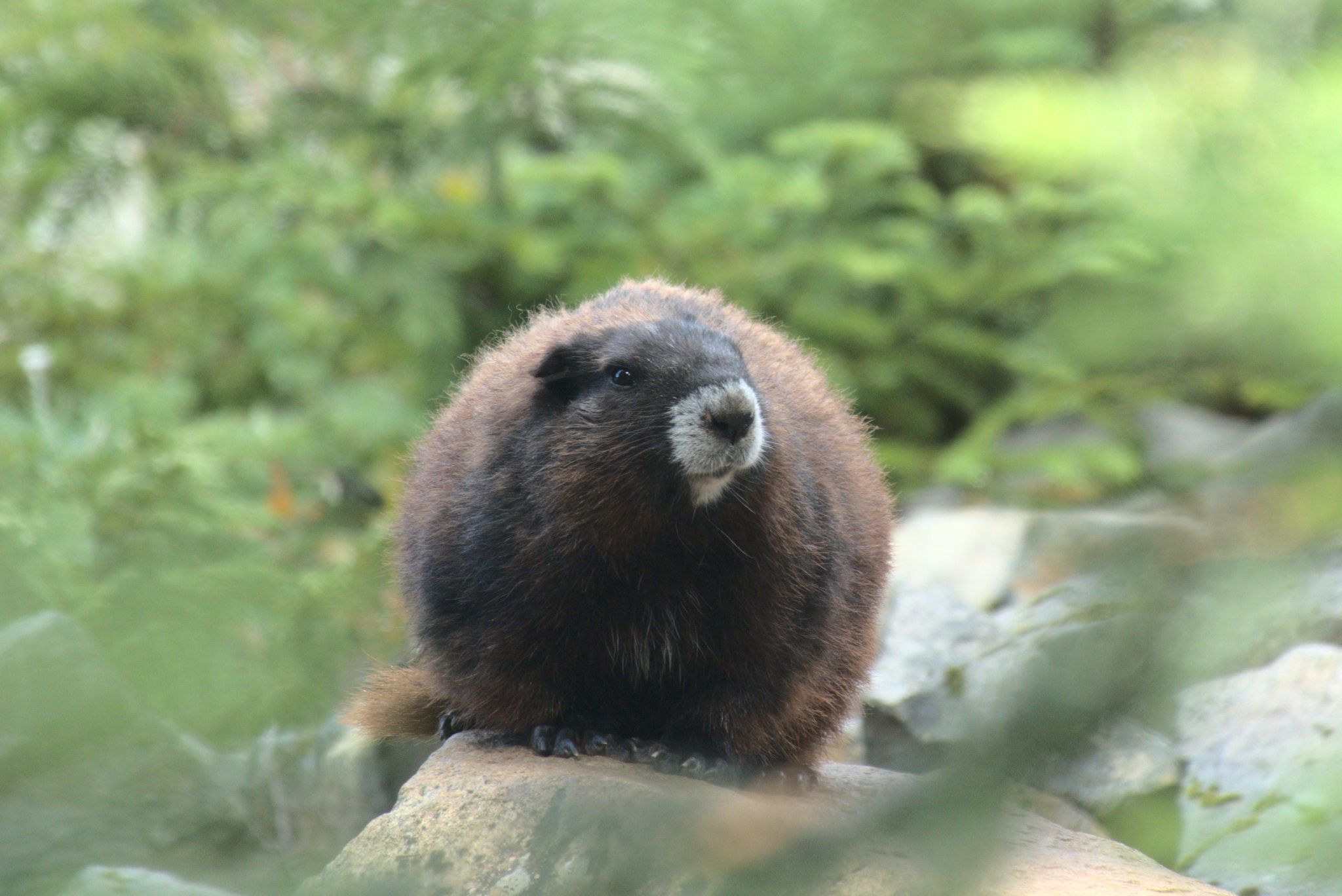
Varies (region-dependent)
Some small mammals can move pollen while feeding, helping certain plants reproduce when insects are less active.
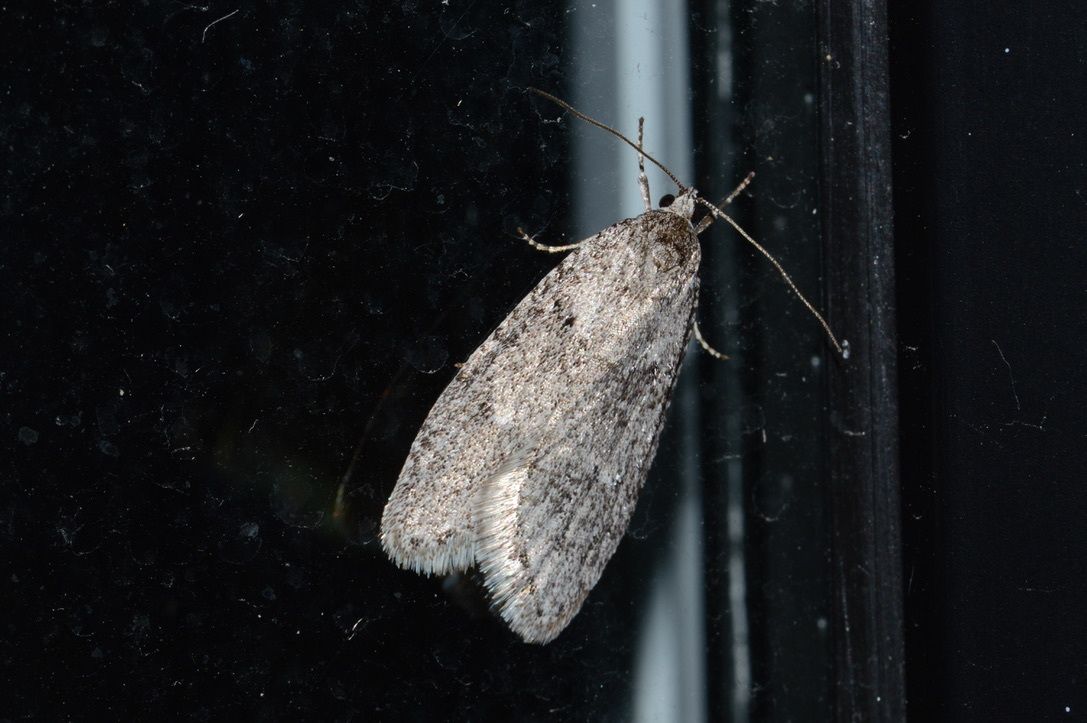
Multiple families (varies)
Many small moths move pollen while feeding on nectar, supporting wild plants and garden blooms—especially in the evening and at night.
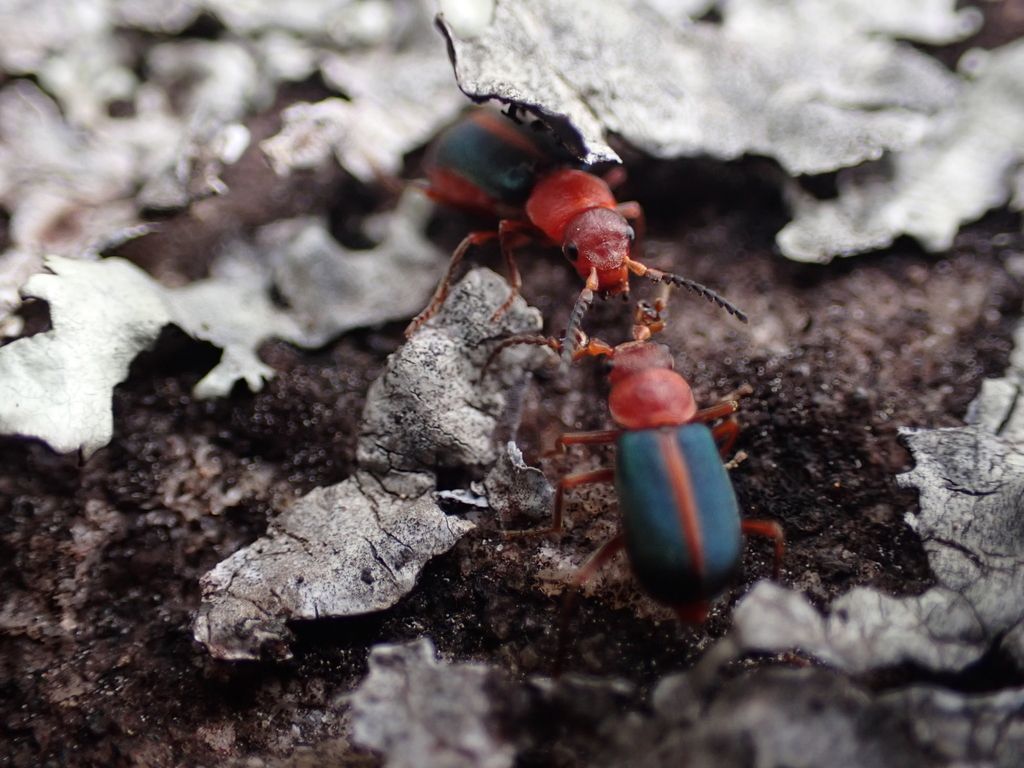
Family Melyridae
They can move pollen as they feed and wander across flowers, supporting plant reproduction in gardens and natural areas.
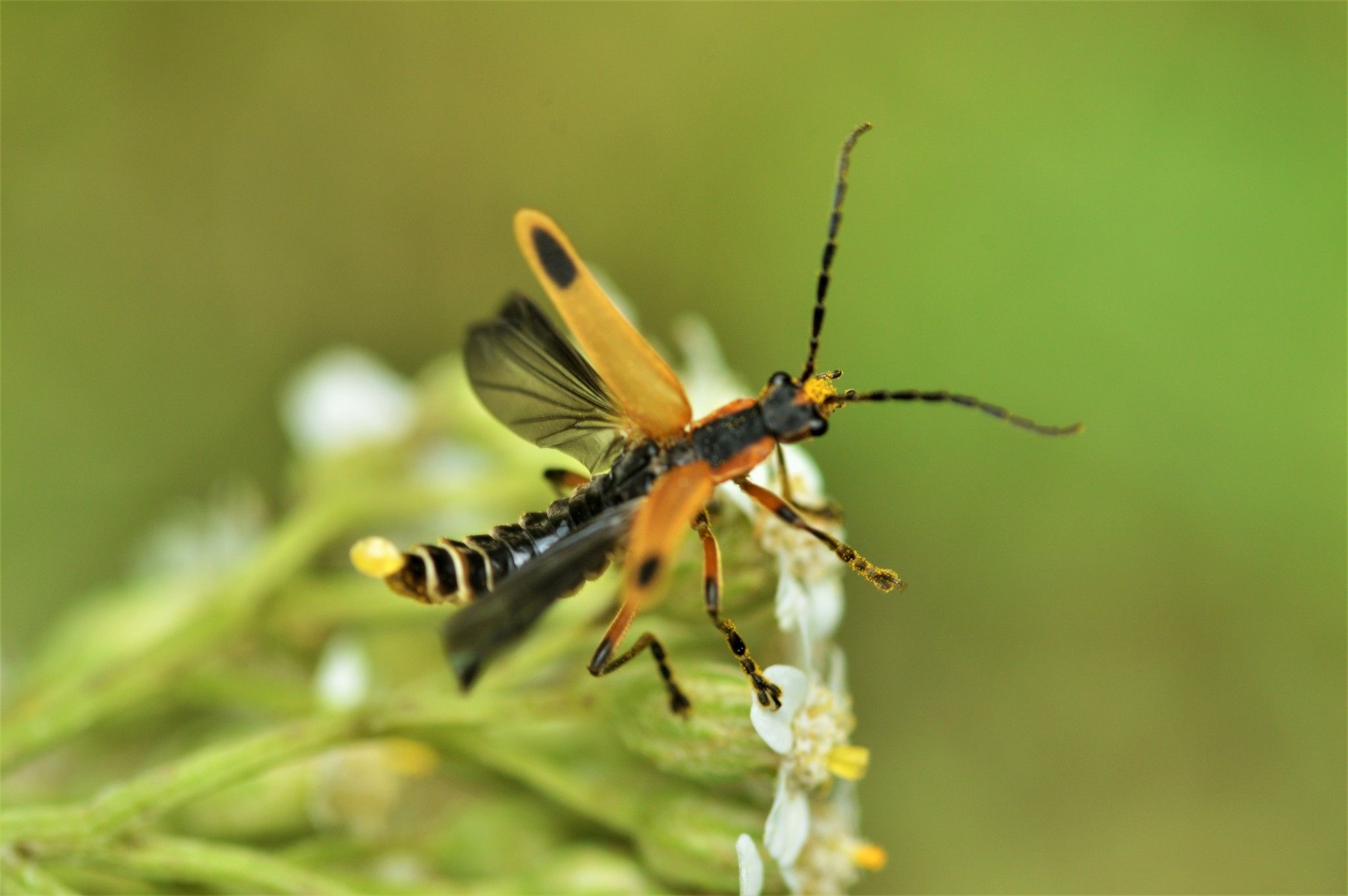
Family Cantharidae
Many adults visit flowers and can move pollen between blooms, while also helping control some garden pests.
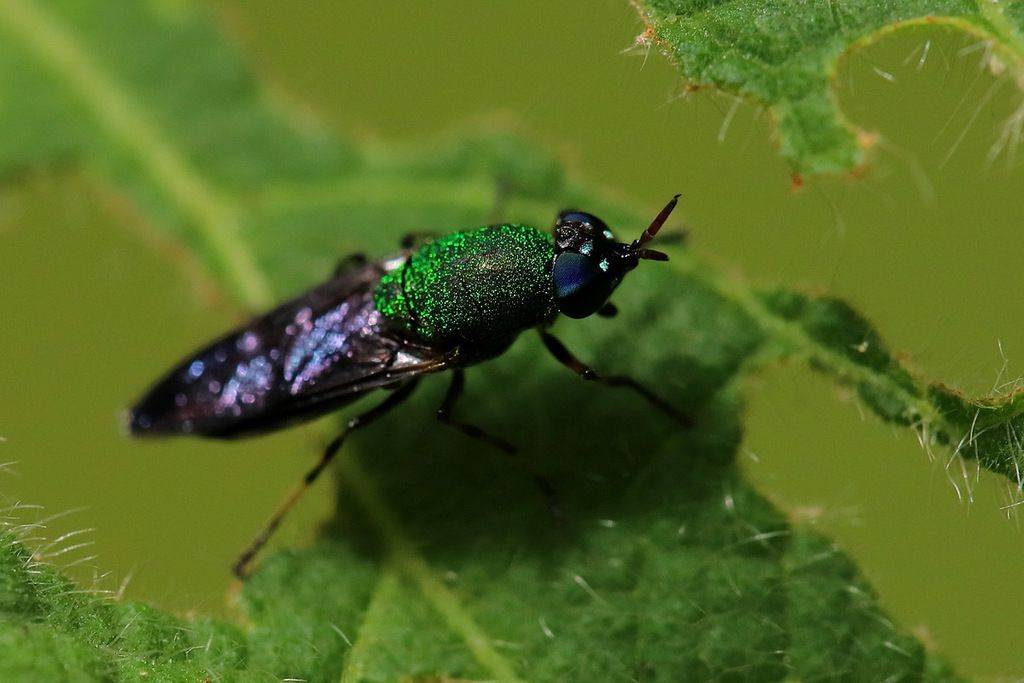
Family Stratiomyidae
Many adults visit flowers for nectar and can move pollen between blooms while feeding.
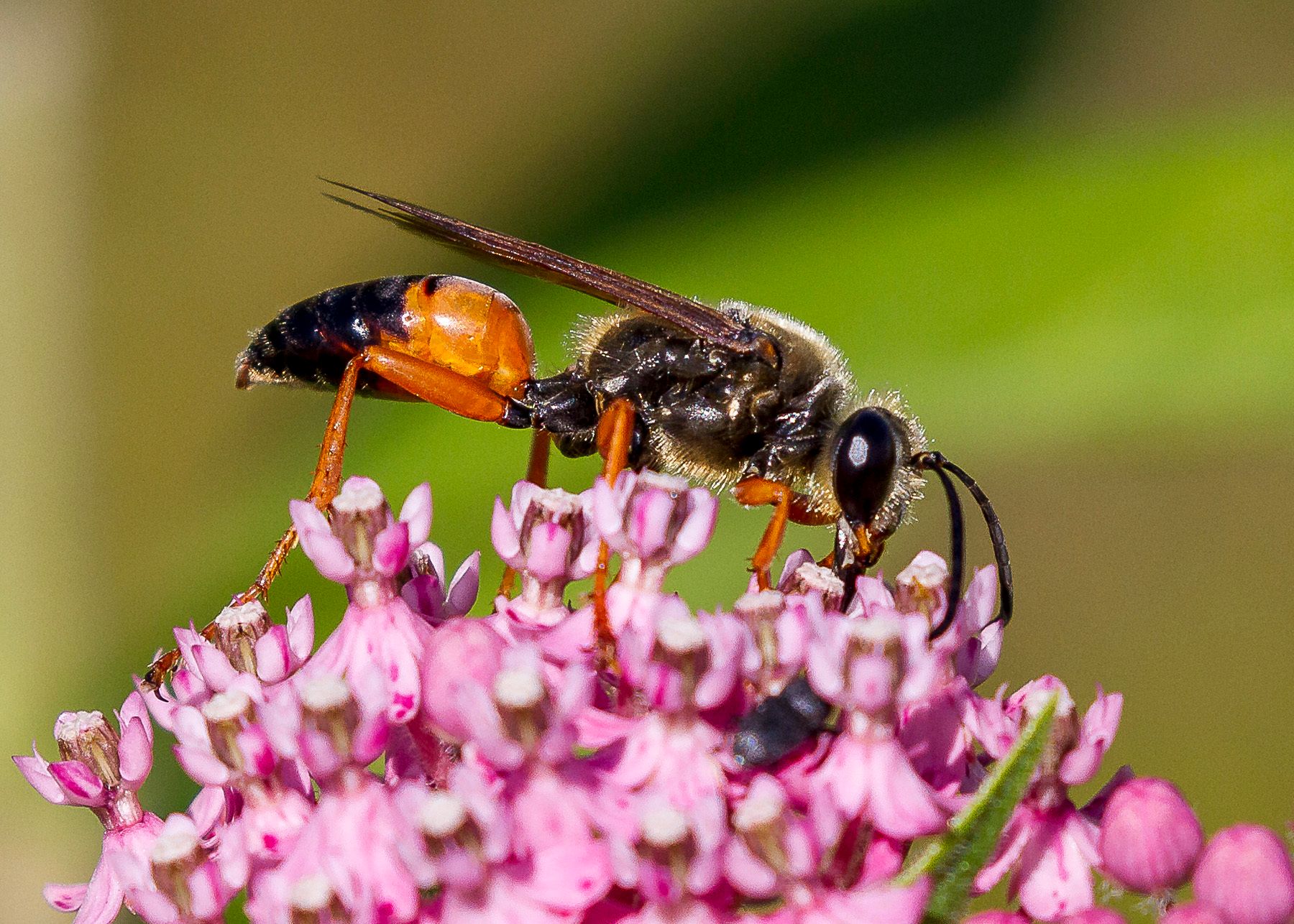
Families Crabronidae and Sphecidae
They visit flowers for nectar and can move pollen between blooms while also helping keep other insect populations in balance.
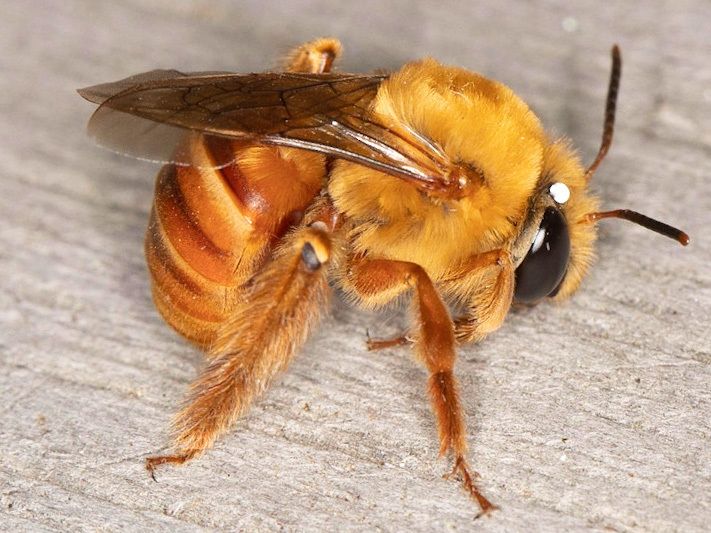
Genera Peponapis and Xenoglossa
They’re specialist pollinators that can strongly support squash-family crops and related wild plants where they occur.
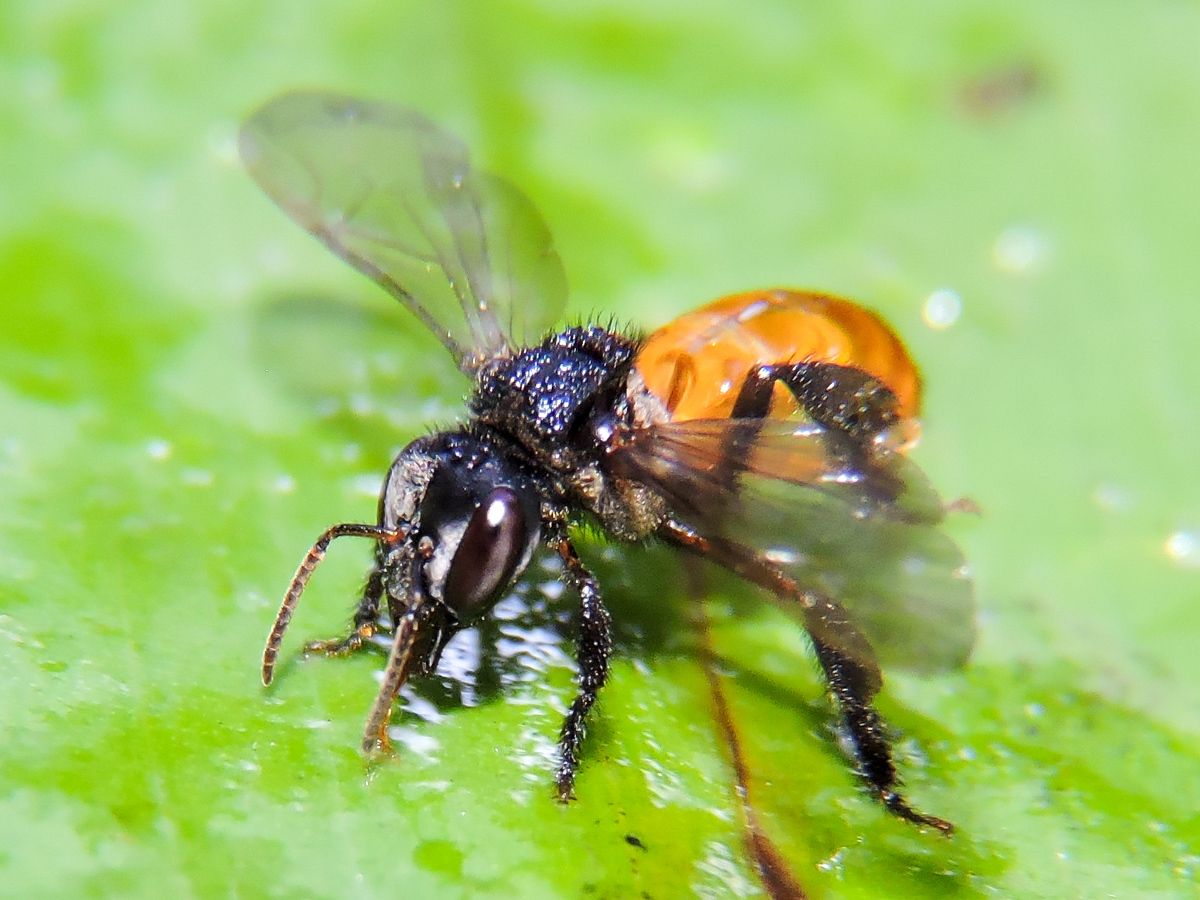
Tribe Meliponini
They help pollinate many wild and cultivated plants in tropical and subtropical regions, supporting food webs and biodiversity.
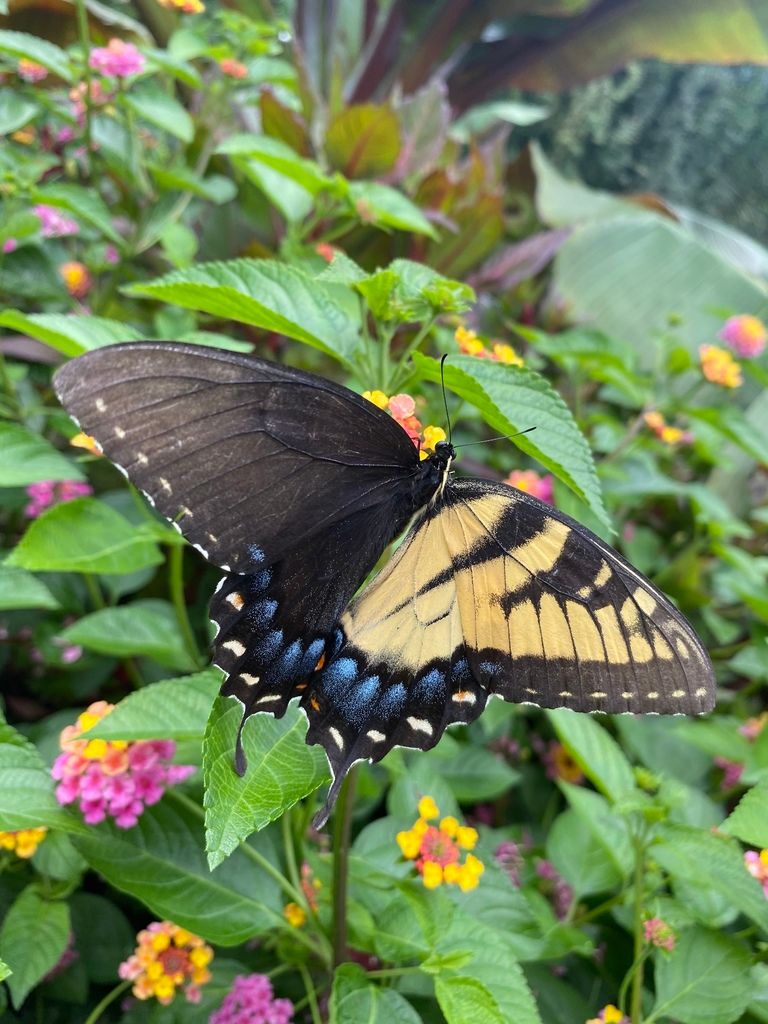
Family Papilionidae
Adult swallowtails visit many flowers for nectar and can help move pollen between blooms as they feed.
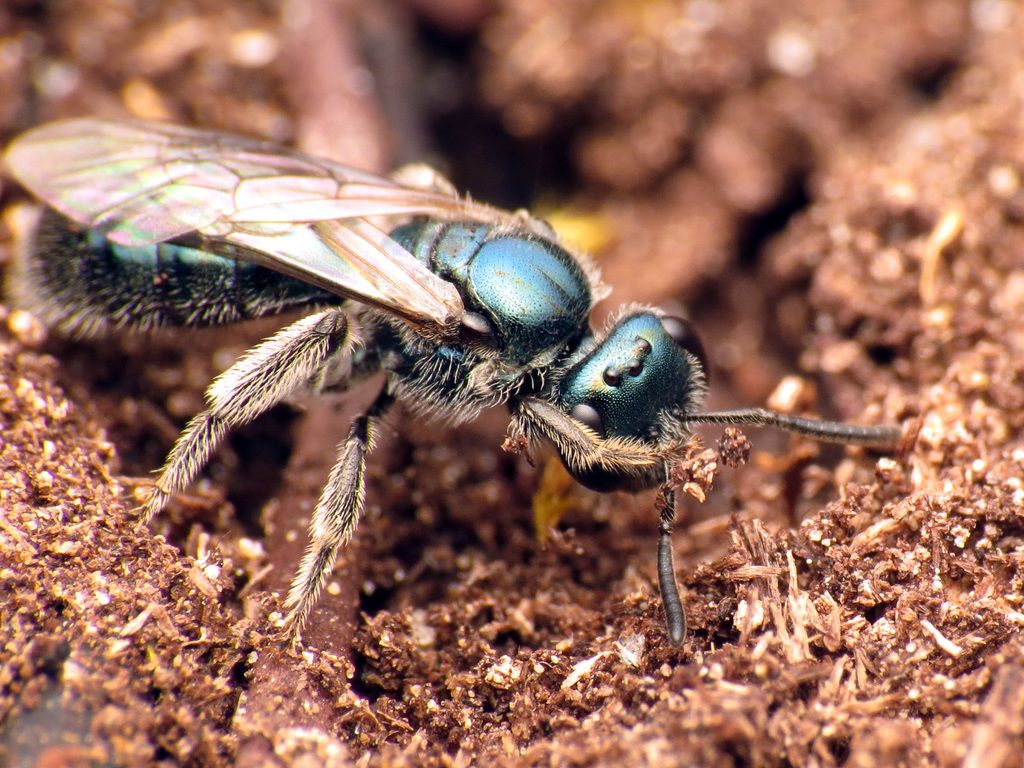
Family Halictidae
They help move pollen between flowers in gardens, parks, and natural areas, supporting seed and fruit production.
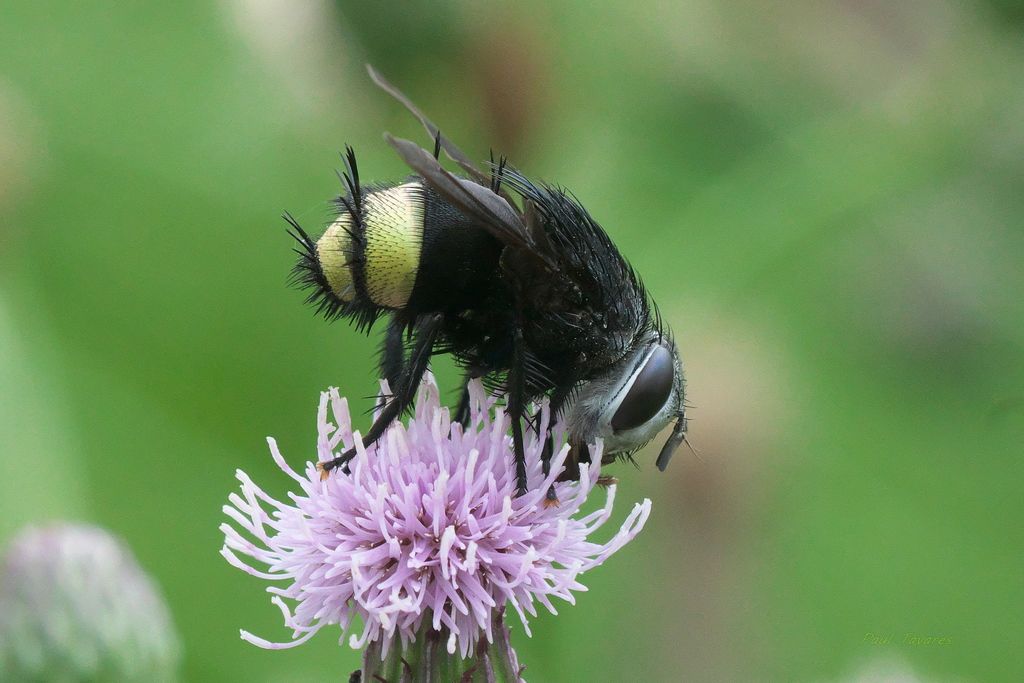
Family Tachinidae
Many adults visit flowers for nectar, and their larvae help regulate other insect populations—supporting healthier, more balanced habitats.
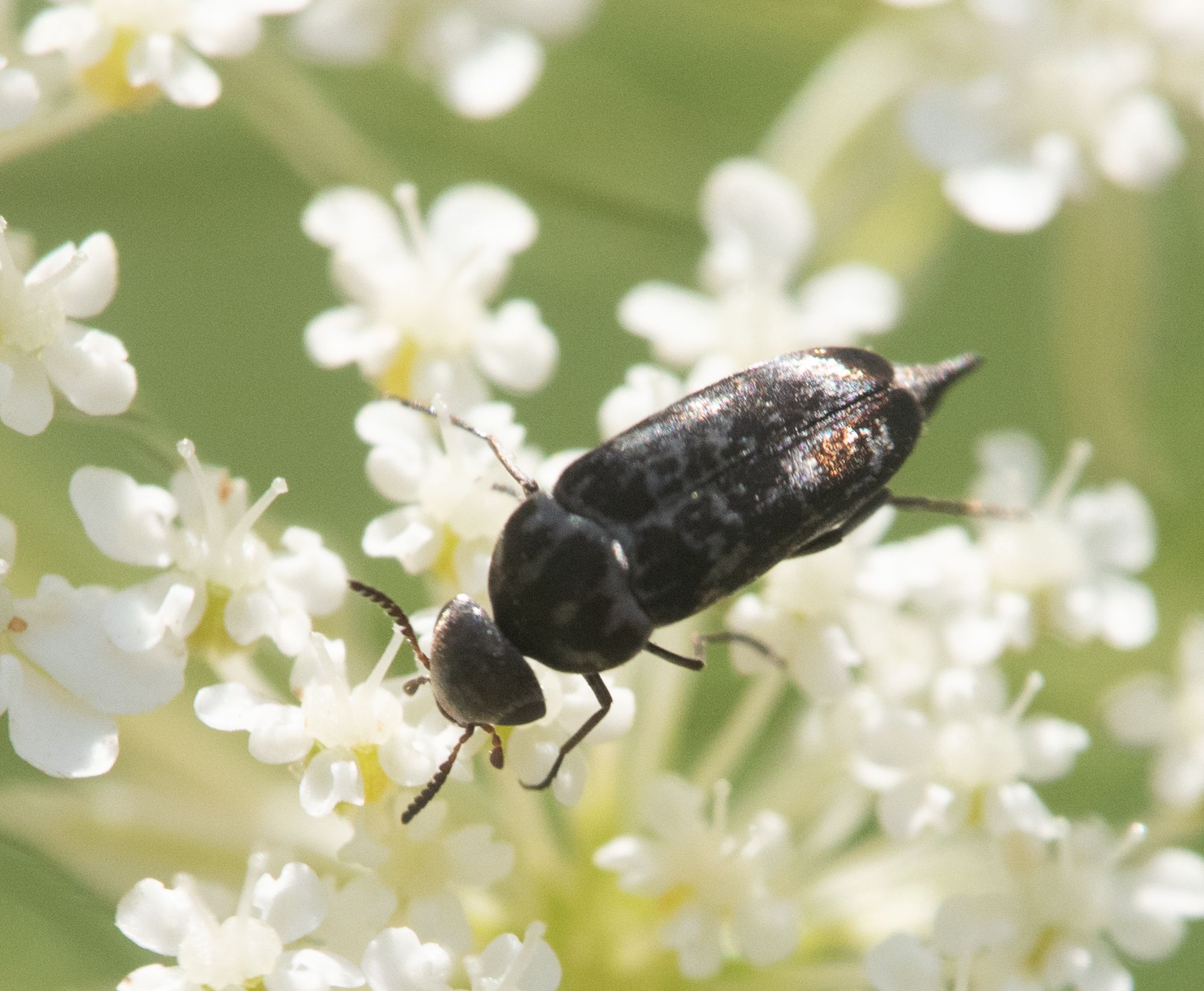
Family Mordellidae
They’re frequent flower visitors that can move pollen between blooms while feeding and crawling through flower parts.
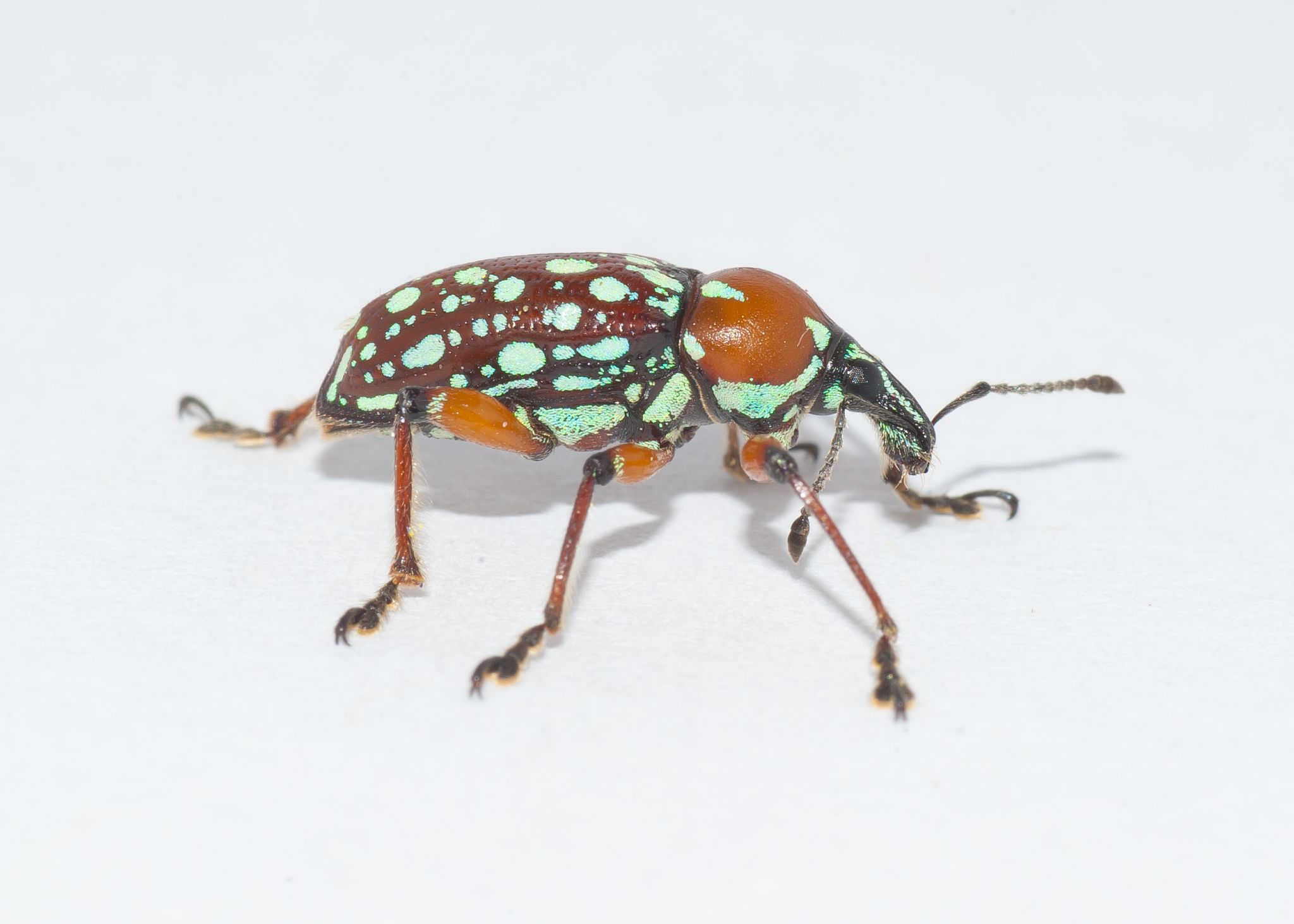
Family Curculionidae
Some weevils move pollen as they feed and crawl through flowers, and they’re part of healthy, diverse plant-and-insect communities.
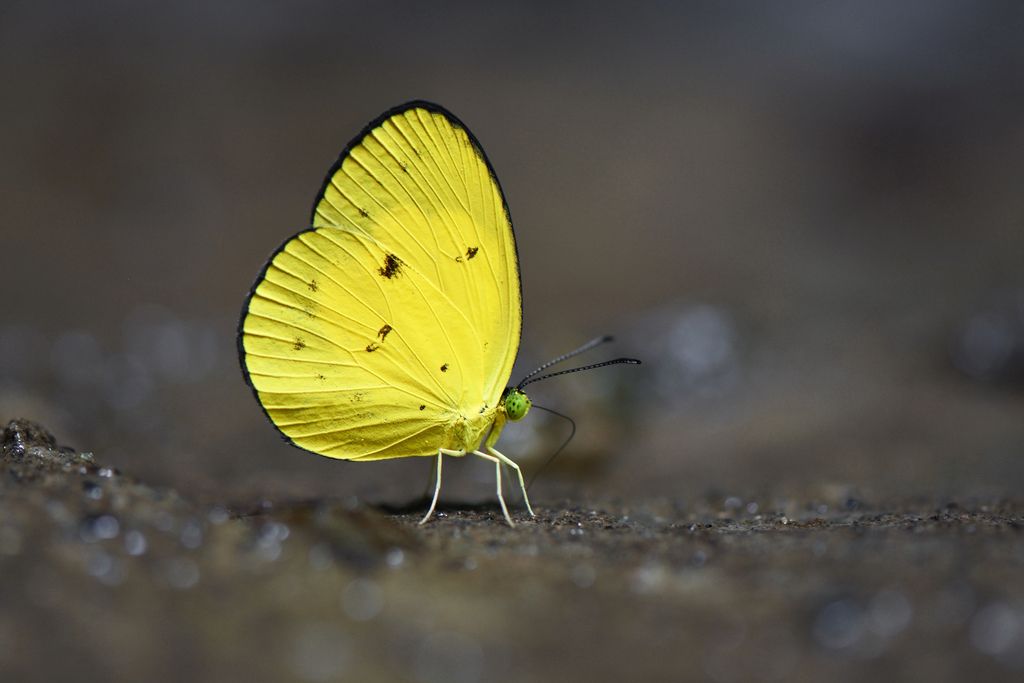
Family Pieridae
They visit a wide range of flowers for nectar and can help move pollen between blooms as they feed.
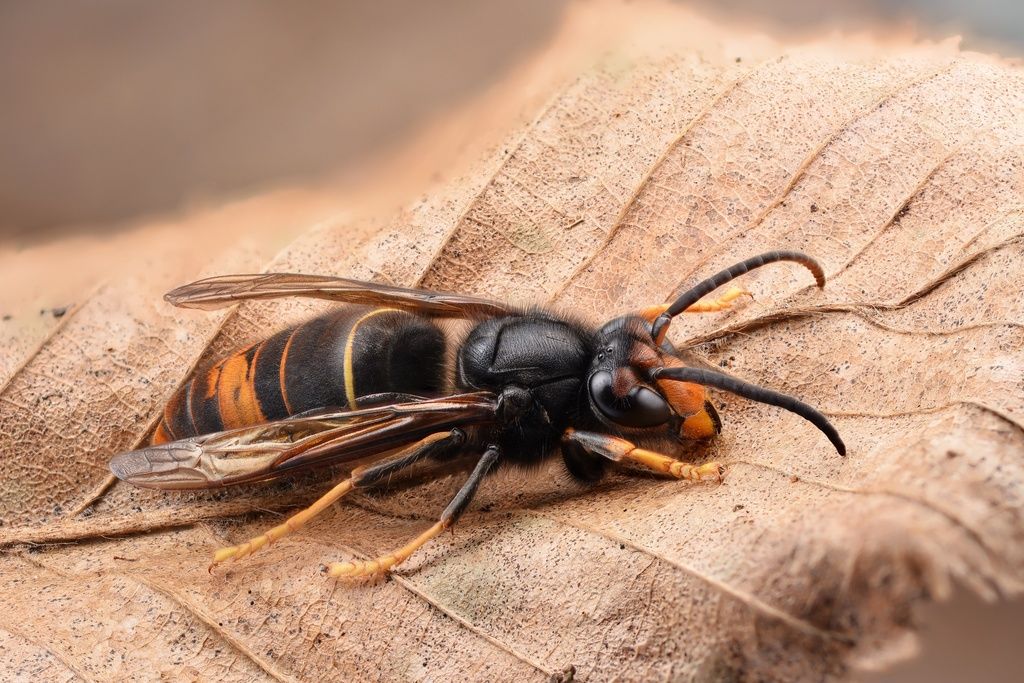
Genera Vespula and Dolichovespula
They can move pollen while feeding on nectar, and they also help control many plant-eating insects.