

What they do
Adults sip nectar and can help pollinate flowers as they travel between blooms.
Family Lycaenidae
They help move pollen between flowers while feeding on nectar, and their caterpillars are part of local food webs and plant communities.
Category
Butterflies
Order
Lepidoptera
Family
Lycaenidae
Also Known As
Lycaenidae, blue butterfly, copper butterfly, hairstreak
Intro
At a glance
Food
Habitat
Seasonality
Where to look
Key takeaways
A quick summary you can scan in under 10 seconds.
Adults sip nectar and can help pollinate flowers as they travel between blooms.
A steady sequence of blooms plus the right host plants for caterpillars and some “messy” natural shelter.
Plant a small patch (or even a pot) with region-native flowers and at least one suitable host plant type.
Why it matters
Key Impacts
Identification
Small to medium butterflies; many look "delicate" compared with larger butterflies.
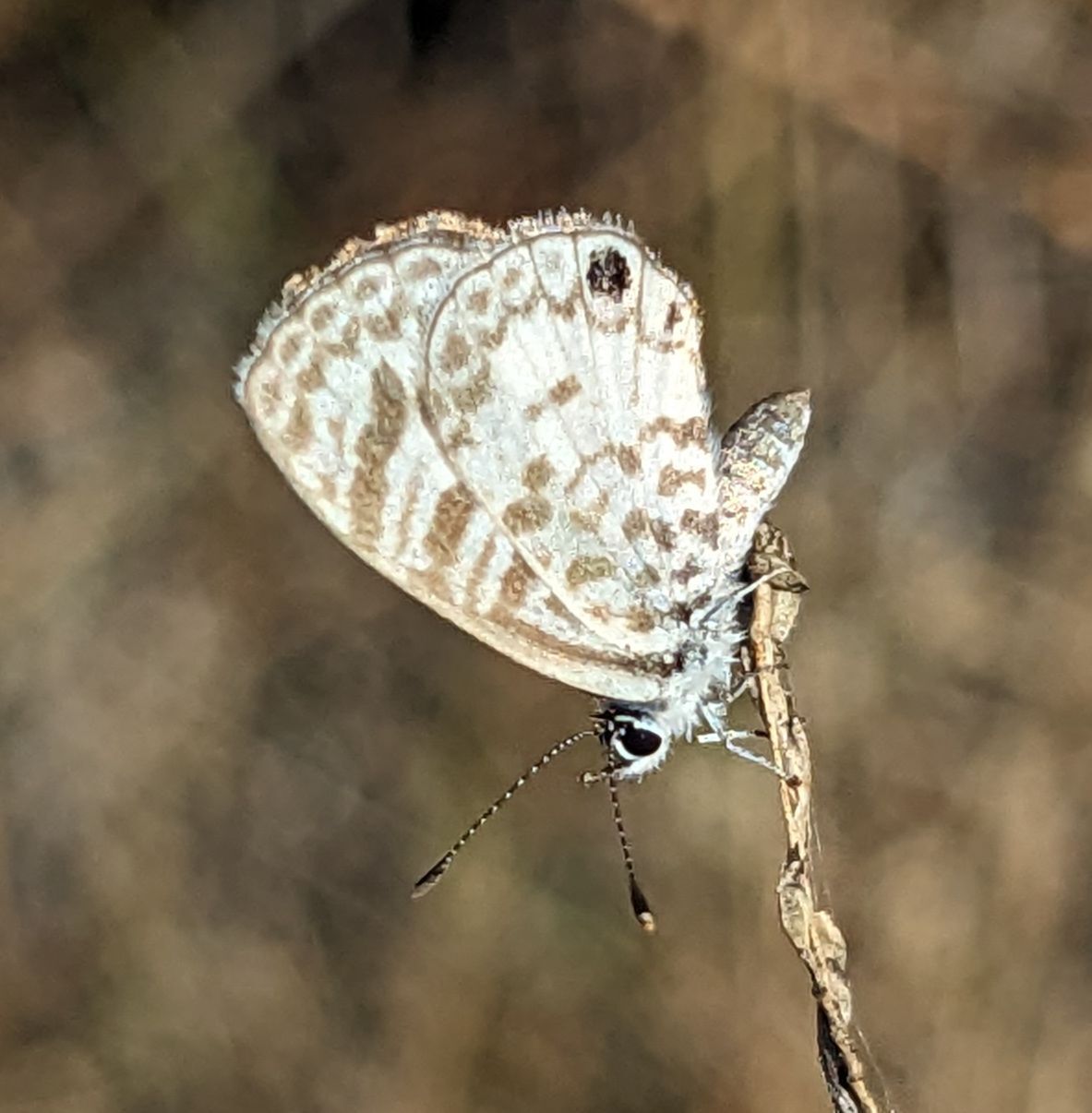
Blues may show bright blue or violet on the upper wings (often more visible in males), with patterned undersides.
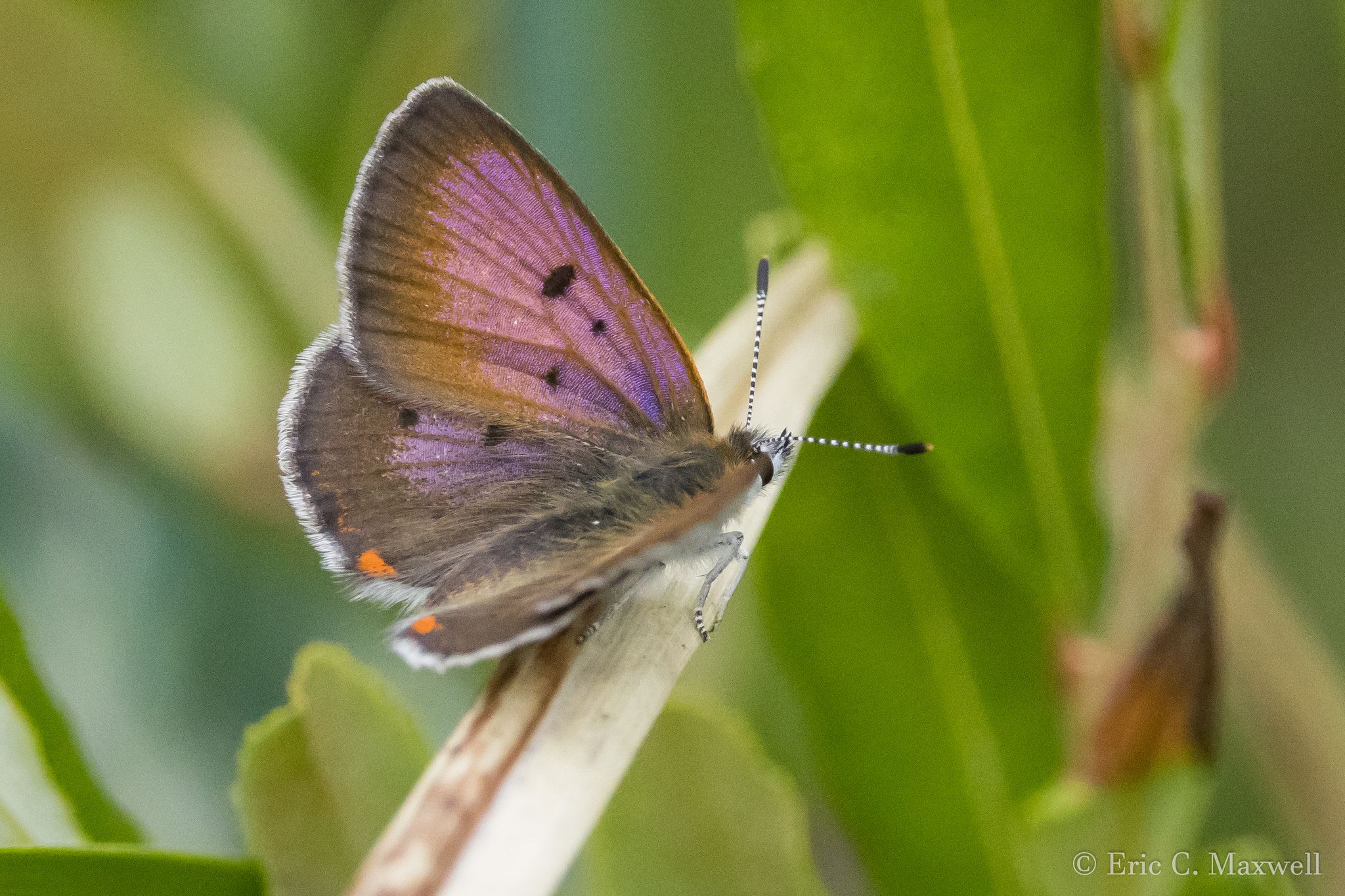
Coppers often show orange-copper tones with dark spotting.
Hairstreaks often have thin tail-like extensions on the hindwings and fine lines on the underside.
Range and habitat
Life cycle
Like other butterflies, blues, coppers, and hairstreaks develop through egg, caterpillar, chrysalis, and adult stages, and their timing depends on local climate and species. Adults may appear in one or more waves through the warmer months, especially when nectar and host plants are available.
Adults may emerge as early blooms open; some species use spring-flowering shrubs or early wildflowers. Eggs are laid on or near host plants; early caterpillars begin feeding.
Many adults nectar frequently and mate; caterpillars feed and grow on host plants. Chrysalises may be found in sheltered spots near the ground or on vegetation (varies by species).
Late-blooming flowers can fuel adults and support final broods where they occur. Some species prepare to overwinter as eggs, caterpillars, or chrysalises (varies by species).
Overwintering stages rely on stable shelter such as leaf litter, stems, and protected ground-level habitat.
Gardening guide
Provide the right food and habitat to help this pollinator thrive.
Early season
Mid-season
Late season
Leave some leaf litter and plant stems standing through the colder months where safe to do so.
Keep a "soft edge" between lawn and garden with taller grasses or native groundcovers.
Plant in clusters to create sheltered pockets (flowers + host plants + a bit of cover).
Avoid over-mulching every bare spot; some species use ground-level microhabitats.
Include a mix of heights: low flowers, mid-height wildflowers, and a few shrubs.
Habitat loss and fragmentation (small patches become isolated, reducing breeding success).
Pesticides, including systemic pesticides (gets inside the plant), which can contaminate nectar and leaves.
Bloom gaps, especially landscapes with only spring flowers and little mid/late-season nectar.
Loss of host plants due to mowing, "weed-free" landscaping, or removal of native shrubs.
Climate stress (heat, drought, unusual seasonal timing) that can disrupt emergence and flowering.
Take action
Plant for the whole season: include early, mid, and late-blooming native flowers, plus a few native shrubs if space allows.
Add host plants on purpose: include at least one locally appropriate host plant type (and protect it from mowing).
Skip pesticides: avoid insecticides and "weed-and-feed" products; choose hand-weeding and targeted, non-chemical options when possible.
Keep some habitat "messy": leave a corner with stems, leaf litter, and taller grasses for life-stage shelter.
Student challenge
Do a 10-minute "edge survey" at school—walk the boundary where lawn meets shrubs or garden beds, count butterfly visits to flowers, and note where host plants could be added.
Examples
Examples from this subgroup. Status varies by region.
Cupido comyntas
This small blue is a familiar example of how tiny butterflies can thrive in everyday green spaces when nectar and host plants are present. It can encourage people to look closer at low flowers and meadow edges.
Lycaena phlaeas
Coppers highlight the value of sunny, open habitat with continuous blooms. Their warm orange tones also make them a great “gateway” butterfly for new observers.
Strymon melinus
Hairstreaks show how important shrubs and “edge habitat” can be for butterflies. Their fine lines and small tails are also a useful reminder that close observation reveals hidden biodiversity.
Definitions
What You Can Do
Turn this knowledge into action. Whether you plant a single pot or a whole garden, you are building a vital bridge for local biodiversity.
Join the movement to restore our shared habitats.