What they do
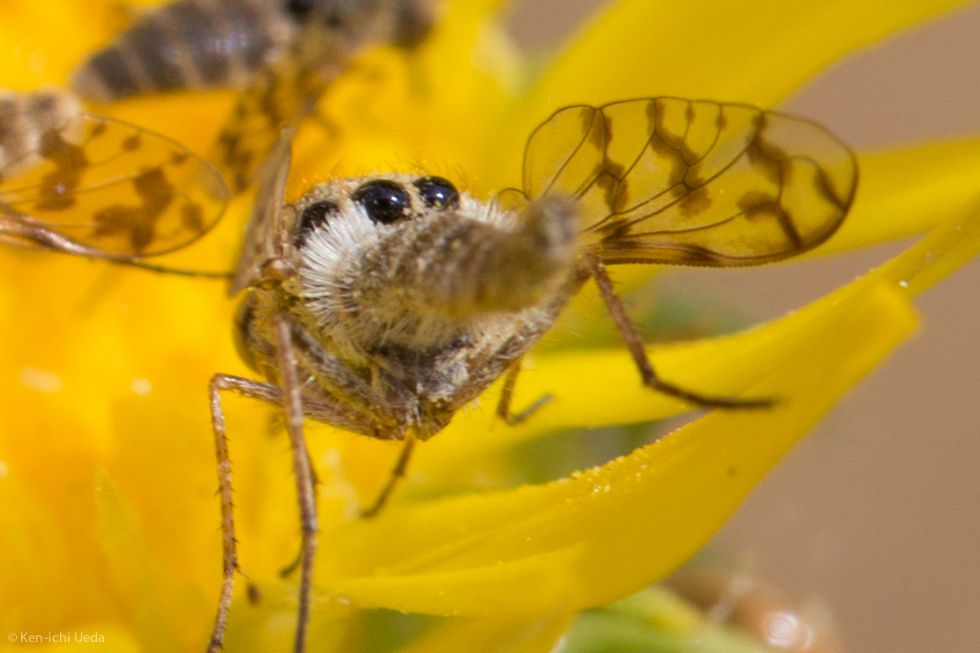
Adult bee flies drink nectar and often transfer pollen as they move between flowers.
Family Bombyliidae
Adults visit flowers for nectar and can move pollen between blooms; their presence is a sign of diverse, functioning habitats.
Category
Flies (flower-visiting flies)
Order
Diptera
Family
Bombyliidae
Also Known As
Bombyliidae, bee fly
Intro
At a glance
Food
Habitat
Seasonality
Where to look
Key takeaways
A quick summary you can scan in under 10 seconds.
Adult bee flies drink nectar and often transfer pollen as they move between flowers.
A steady sequence of blooms plus “messy” habitat features (soil, leaf litter, natural edges) that support their life stages.
Plant a mix of region-appropriate native flowers that bloom from early season through late season.
Why it matters
Key Impacts
Identification
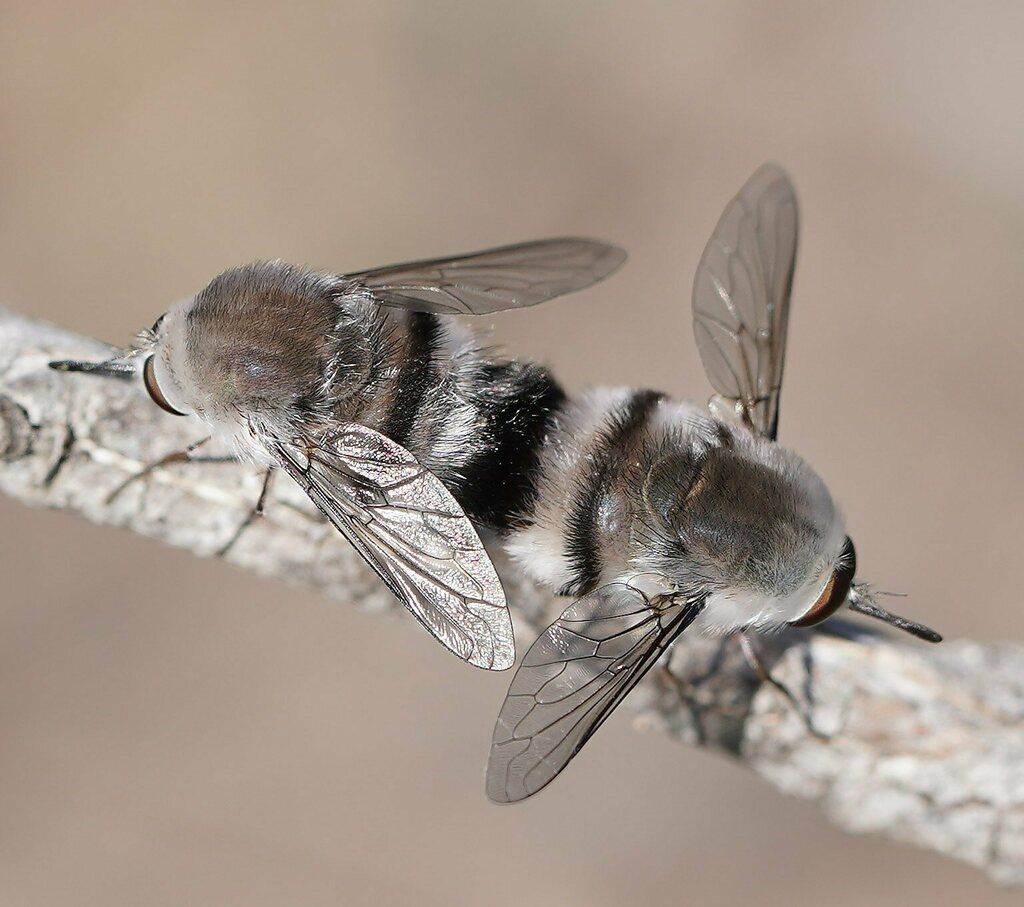
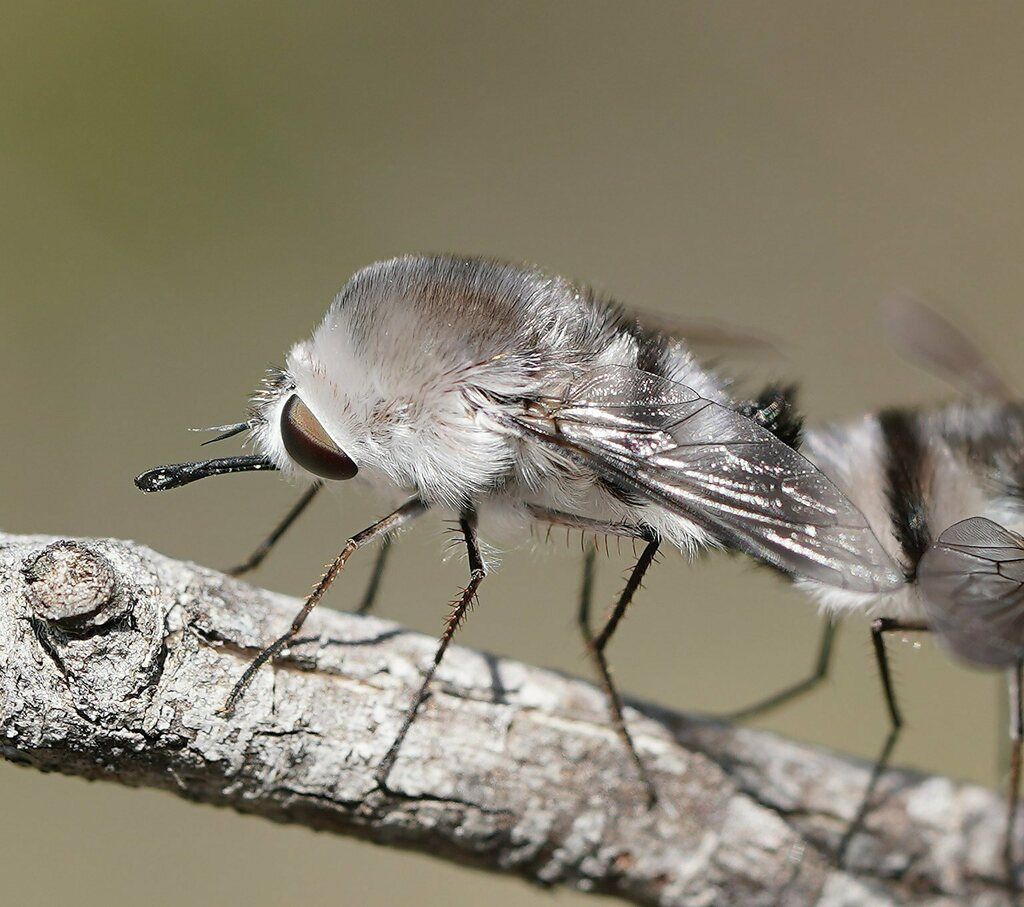
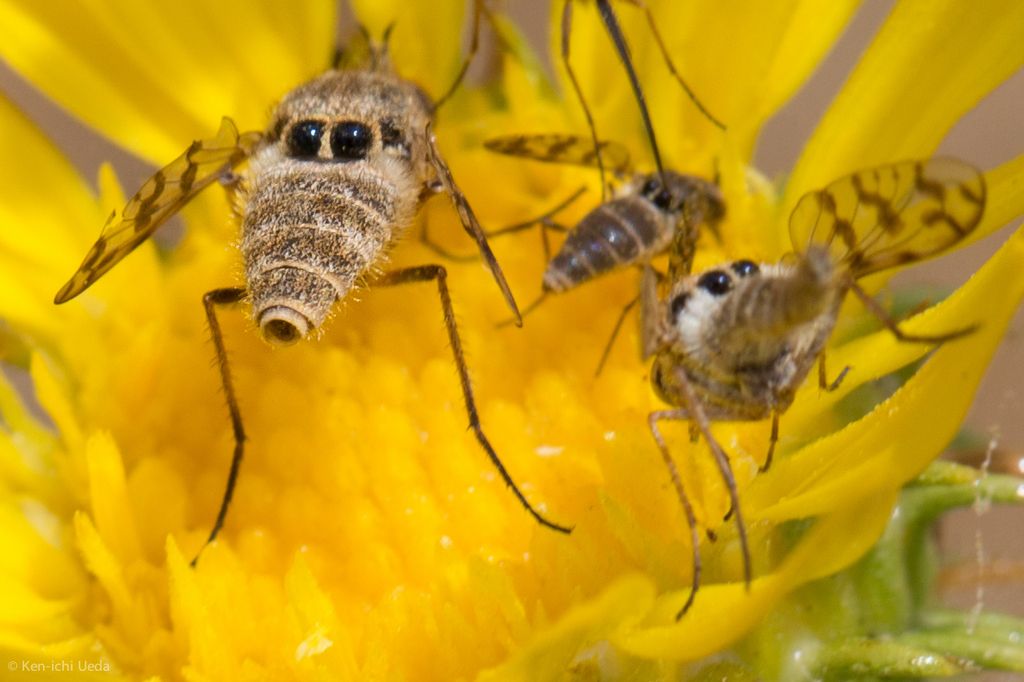
Look for a fuzzy, rounded body that can resemble a bee or small bumble bee.
Notice hovering: many hold position in front of flowers before darting to the next bloom.
Check for a long, straight "straw" (proboscis) used to sip nectar.
Watch the wings: flies have one main pair of wings (bees have two pairs).
Range and habitat
Life cycle
Bee flies have a life cycle that includes a flower-visiting adult stage and a developing immature stage that happens out of sight. Because adults depend on nectar and many species appear only during certain bloom windows, having flowers across the whole growing season can make a real difference.
Early-emerging adults may appear when the first sunny days line up with early blooms. Flower visits often focus on early-flowering shrubs, trees, and the first wildflowers.
Many sightings happen during peak wildflower season in open, sunny habitats. Adults may move between patches, especially where flowers are dense and diverse.
Late blooms can support adults that are still active or species that peak later. Seeded, “finished” garden areas can still provide shelter and habitat structure.
Immature stages persist in protected microhabitats (often in soil/ground layers or associated with other insects), depending on species and region.
Gardening guide
Provide the right food and habitat to help this pollinator thrive.
Early season
Mid-season
Late season
Leave some leaf litter or natural ground cover in garden edges instead of bare soil everywhere.
Keep a few undisturbed corners (behind shrubs, along fences, under native plantings).
Maintain plant diversity to support a wider insect community (part of their life-stage habitat web).
Avoid frequent deep digging or soil disturbance in all areas at once; rotate where you disturb.
Include sunny, open patches near flowers (many adults prefer warm microclimates).
Habitat loss/fragmentation that removes wildflower-rich openings and natural edges
Pesticides, including systemic pesticides (gets inside the plant) that can contaminate nectar and pollen
Bloom gaps, especially landscapes with only spring flowers and little mid/late-season nectar
Climate stress that shifts bloom timing, increases heat/drought pressure, or changes seasonal patterns
Over-tidying (removing leaf litter, stems, and natural ground features) that reduces life-stage shelter
Take action
Plant for continuous bloom: choose a mix of early-, mid-, and late-season native flowers and flowering shrubs.
Skip pesticides: use non-chemical options first (hand removal, targeted pruning, healthier soil, tolerant planting).
Keep habitat texture: leave a small patch of leaf litter, stems, and undisturbed ground as life-stage shelter.
Add sunny flower patches: place key nectar plants where they get good sun and are easy to find.
Student challenge
Do a 10-minute "flower visitor watch" and record which insects hover versus land—then add one new late-season flower patch to reduce bloom gaps.
Examples
Examples from this subgroup. Status varies by region.
Bombylius major
This is a well-known example of a fuzzy, hovering bee fly that visits flowers for nectar and can move pollen between blooms. It’s also a helpful “gateway” species for learning to notice fly pollinators.
Xenox tigrinus
This striking bee fly is a recognizable example of the family’s diversity and their role as flower visitors. Seeing it can be a sign that a habitat supports a range of insects and flowering plants.
Bombylius sp.
Many bee flies are easiest to recognize to genus rather than species, and Bombylius is a common, widely observed group of fuzzy flower visitors. Learning this genus helps people notice and report bee flies more accurately.
Definitions
What You Can Do
Turn this knowledge into action. Whether you plant a single pot or a whole garden, you are building a vital bridge for local biodiversity.
Join the movement to restore our shared habitats.
Native plants
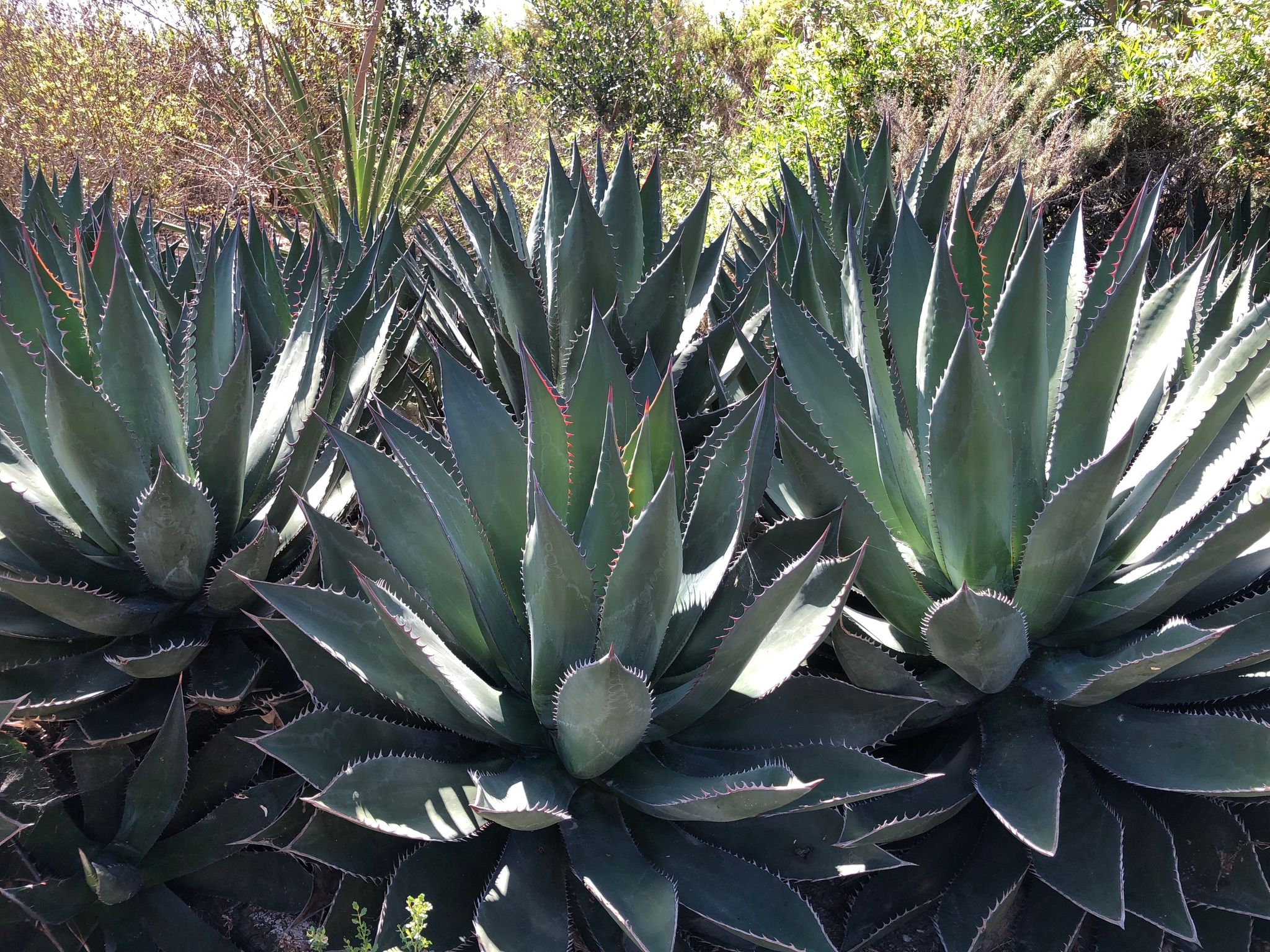
Agaves are bold, sculptural succulents that store water in thick leaves and thrive in bright, dry spots. Their flowers can be a big seasonal draw for pollinators when plants are mature and in bloom.
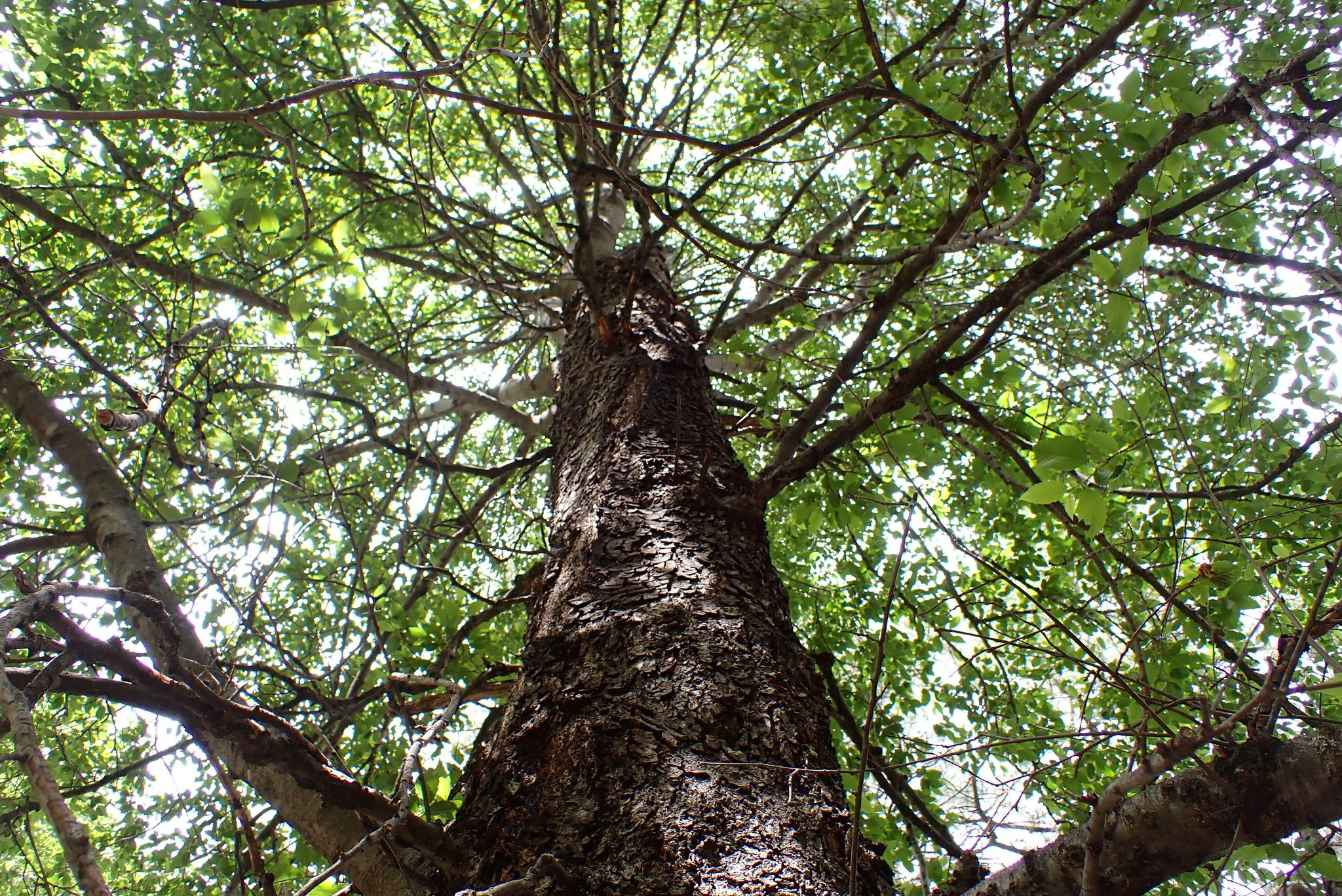
Alders are fast-growing trees in the genus Alnus that are especially useful in damp spots and along edges where you want quick cover and early-season pollen for insects.
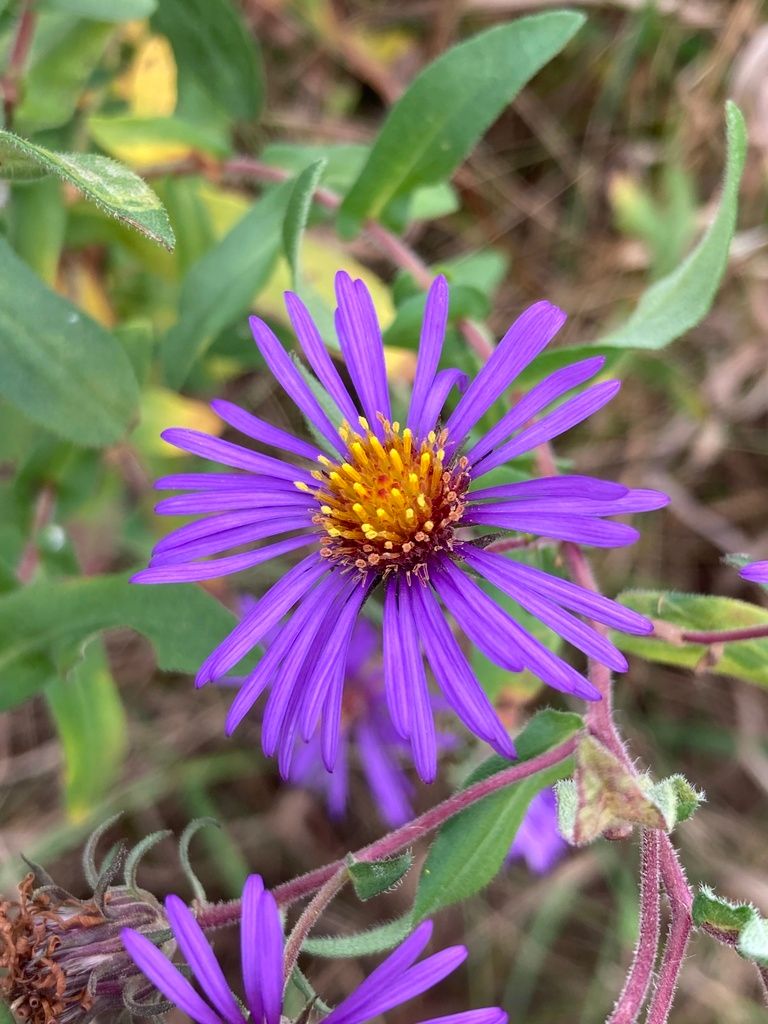
Asters are late-season wildflowers that bring a burst of daisy-like blooms when many gardens are winding down, making them a reliable choice for pollinator-friendly planting.
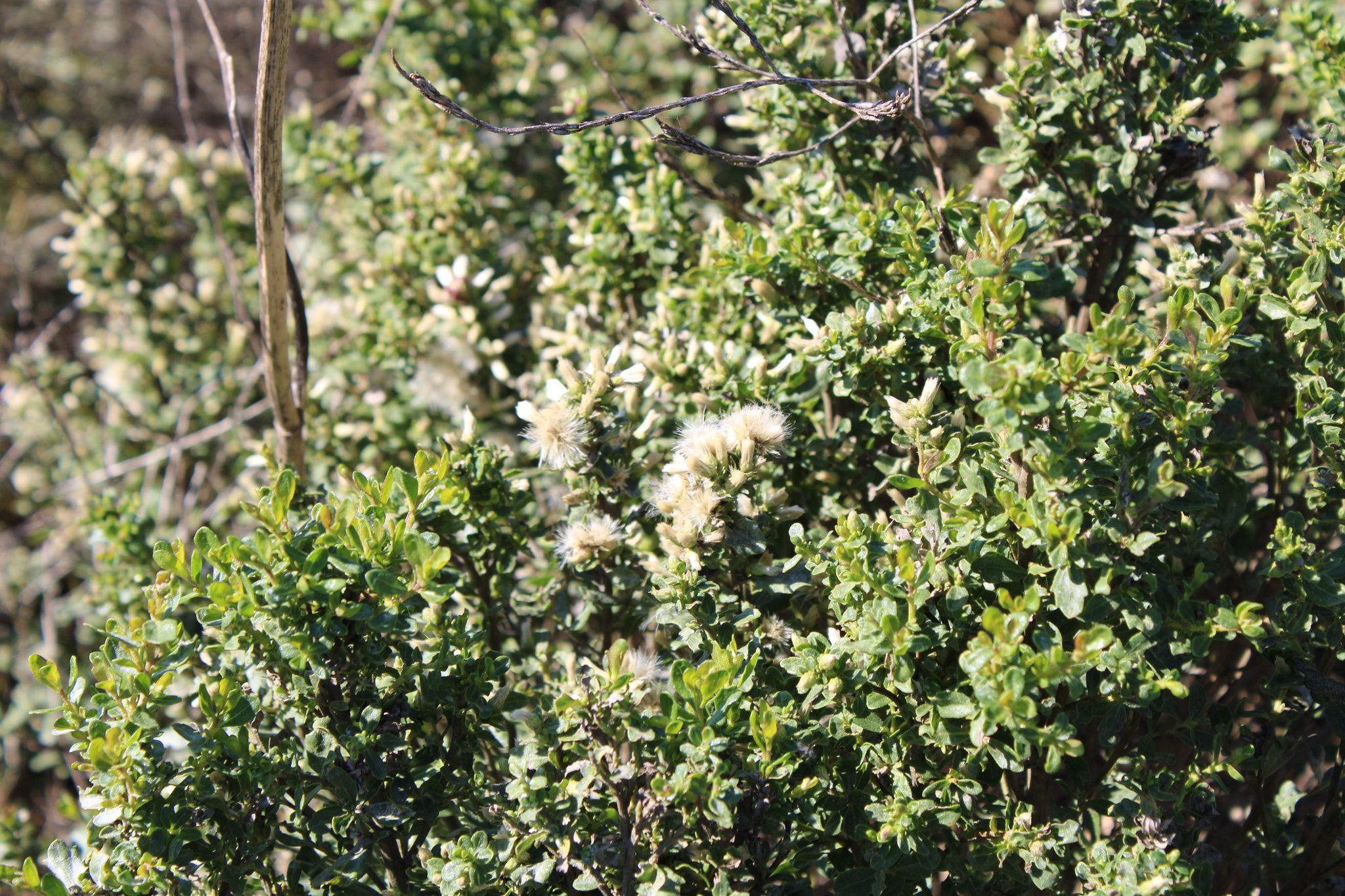
Baccharis is a genus of tough, wildlife-friendly shrubs often used to add structure and long-season nectar to gardens and restoration plantings. If you have a sunny spot and want a low-fuss shrub that can support pollinators, Baccharis is worth a look.
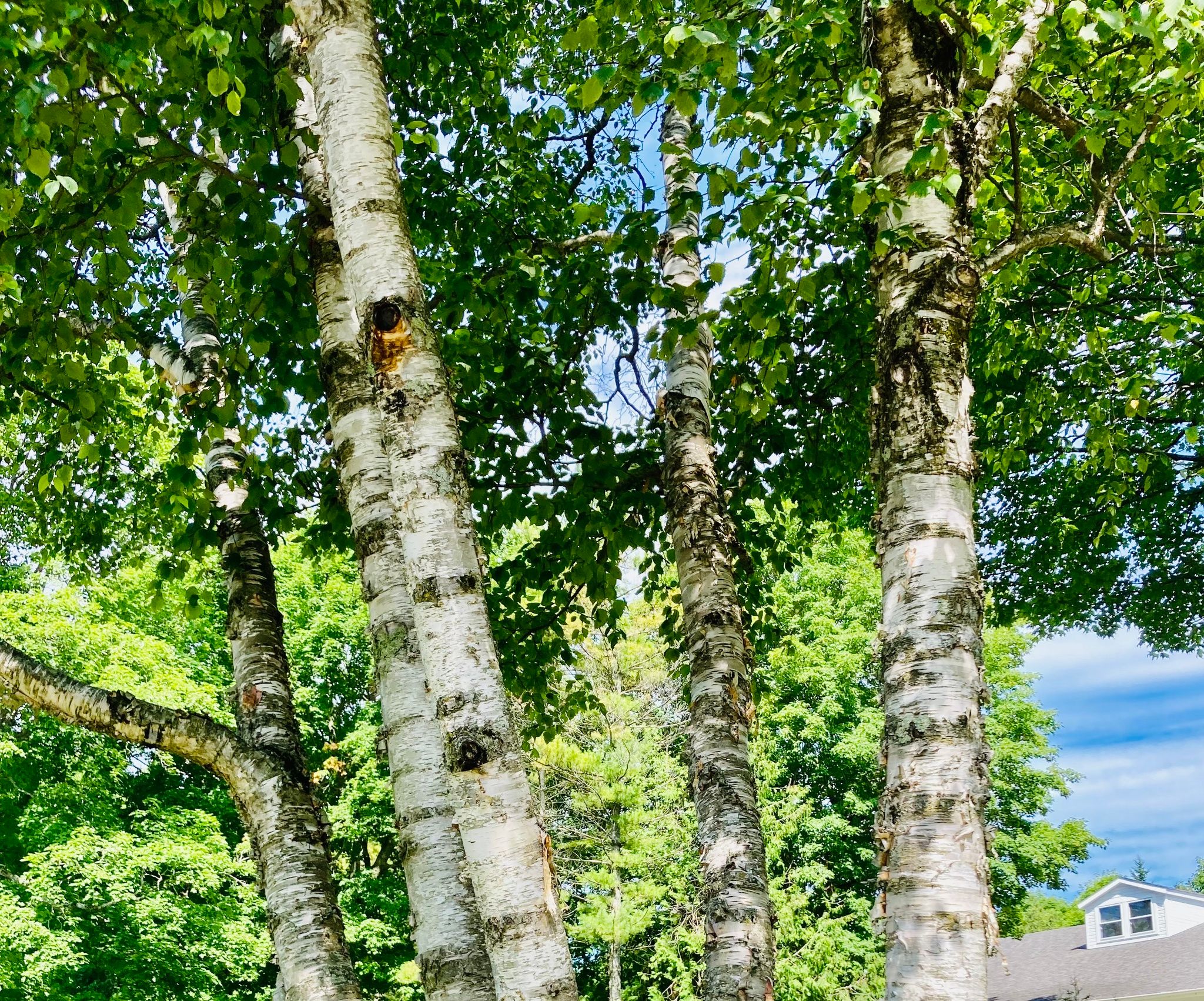
Birches are graceful trees in the genus Betula, known for their often light-colored bark and early-season pollen and catkins that support springtime insects.
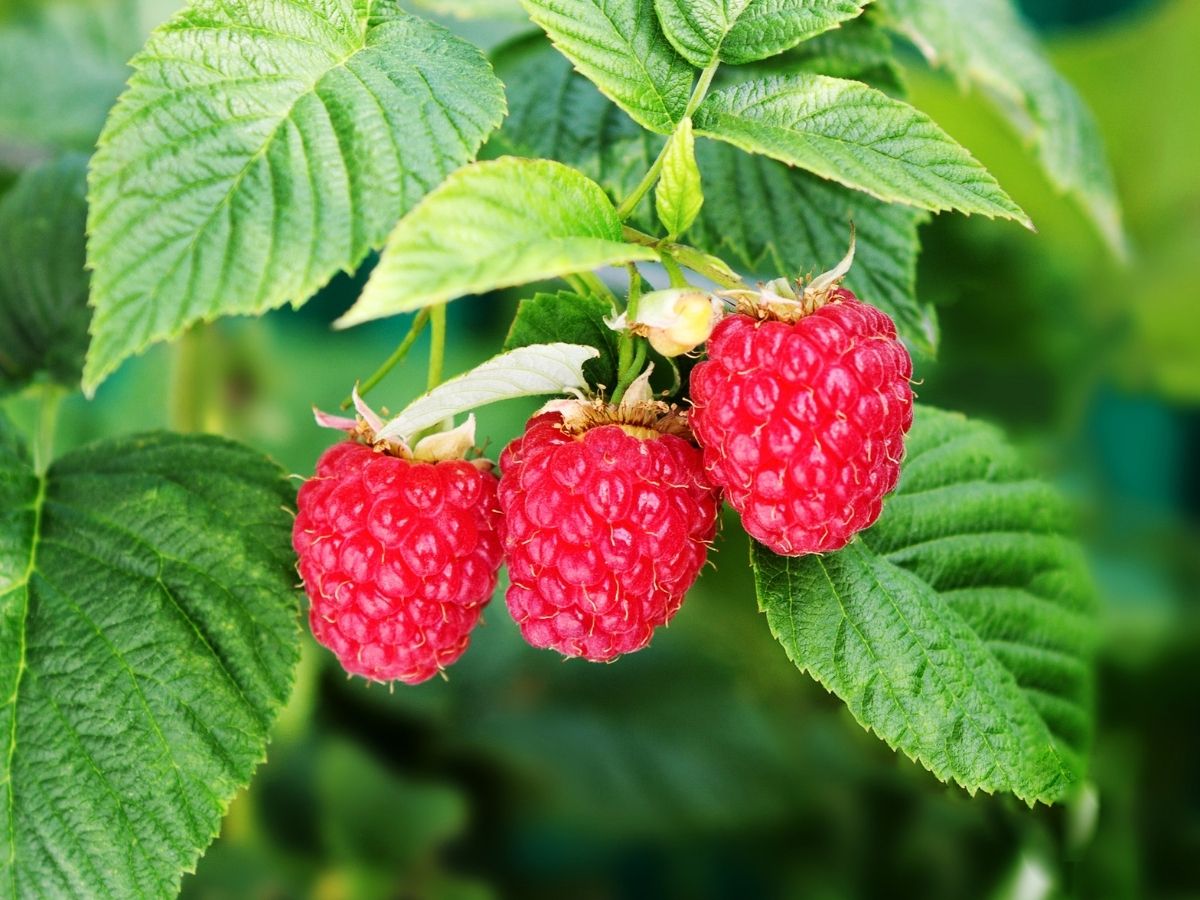
Blackberries and raspberries (genus Rubus) are flowering bramble shrubs that can feed pollinators in bloom and people later with tasty berries—great for yards, school gardens, and even large containers with support.
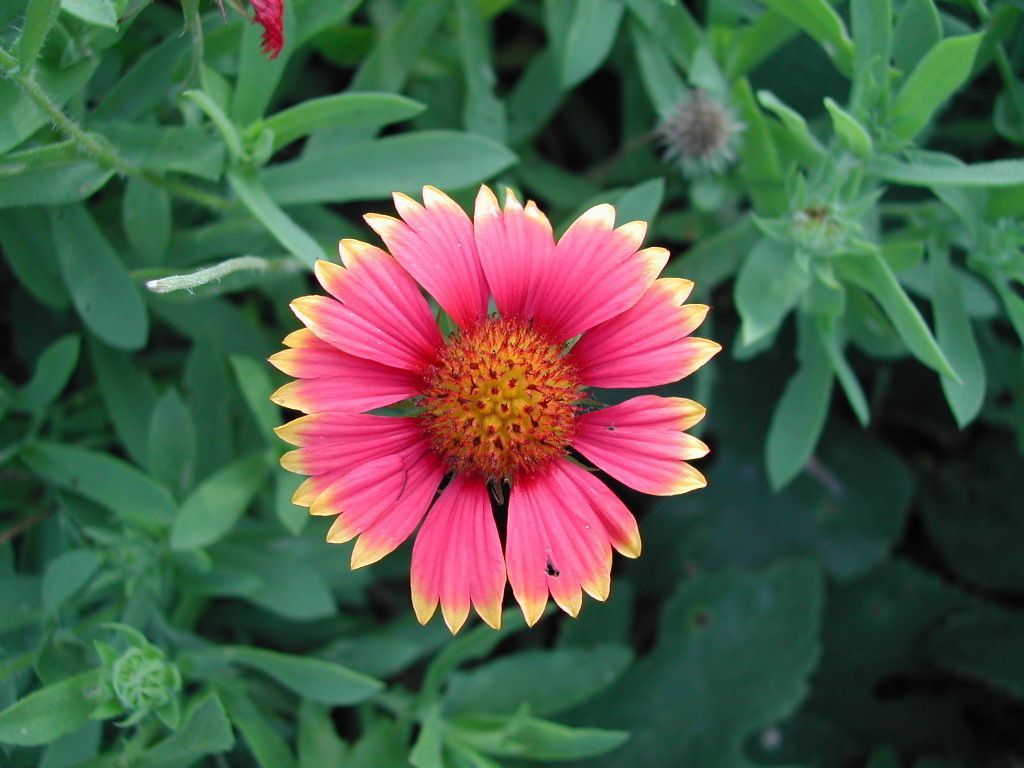
Blanketflowers (Gaillardia) are bright, long-blooming wildflowers that can bring steady color and pollinator visits to sunny gardens, schoolyards, and even containers.
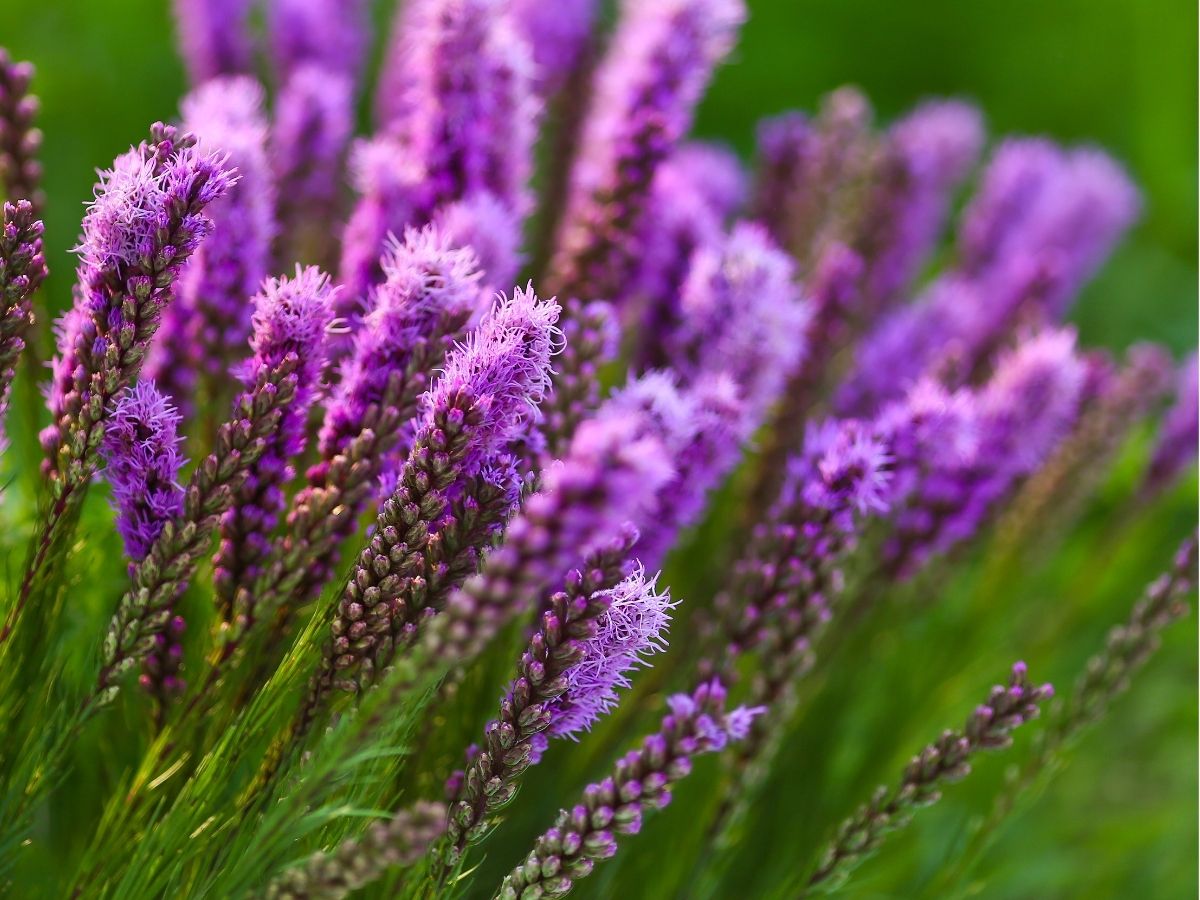
Blazing stars (Liatris) are upright, purple-pink wildflowers that bloom in showy spikes and are well-loved by many pollinators. They’re a strong choice for sunny gardens, borders, and meadow-style plantings.
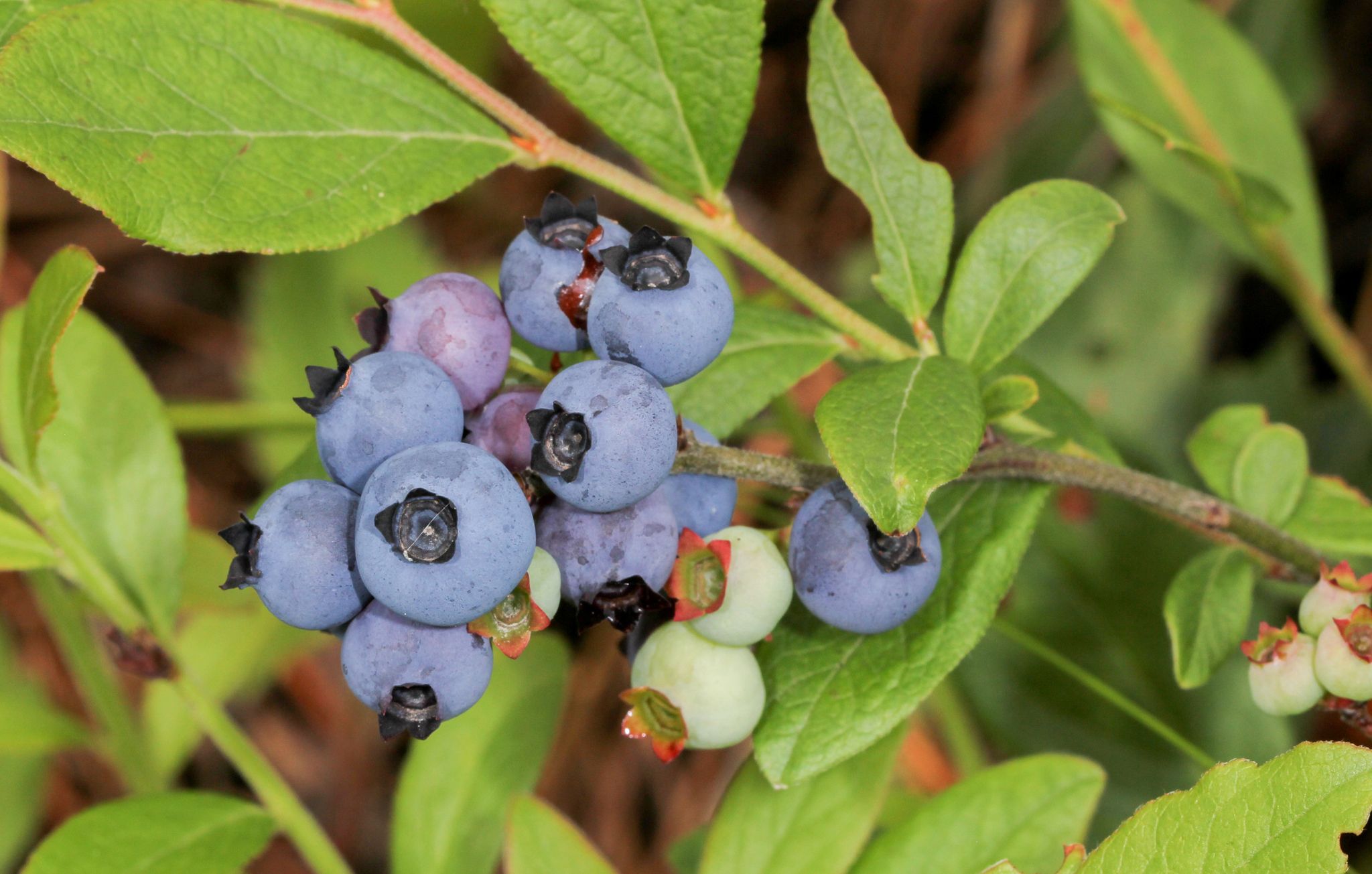
Blueberries and huckleberries (genus Vaccinium) are berry-producing shrubs with spring flowers that can support pollinators and later feed people and wildlife—great for gardens, schoolyards, and even large containers.
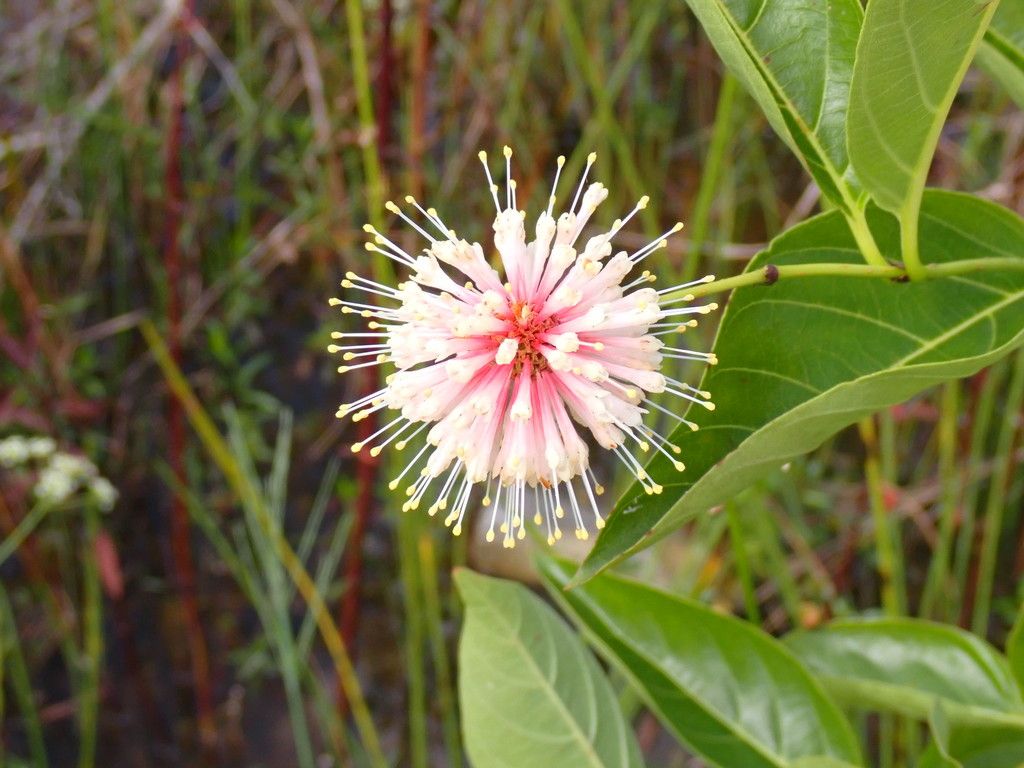
Buttonbush is a wetland shrub known for its round, pincushion-like flower clusters that draw in many pollinators. It’s a great choice for rain gardens, pond edges, and any spot that stays consistently moist.
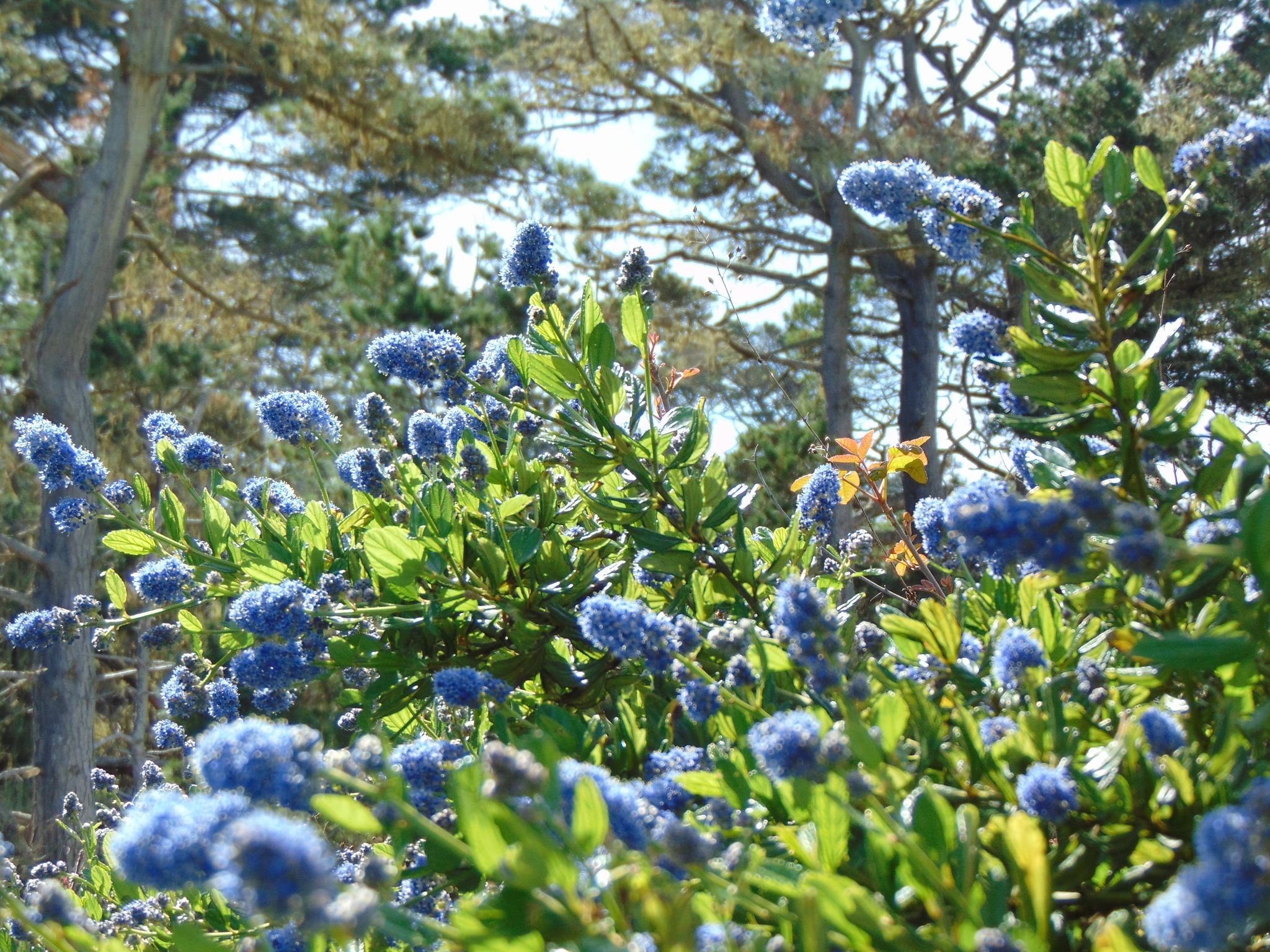
California lilac (Ceanothus) is a flowering shrub known for clouds of blue blooms that can be a big draw for pollinators when it’s planted in the right spot.
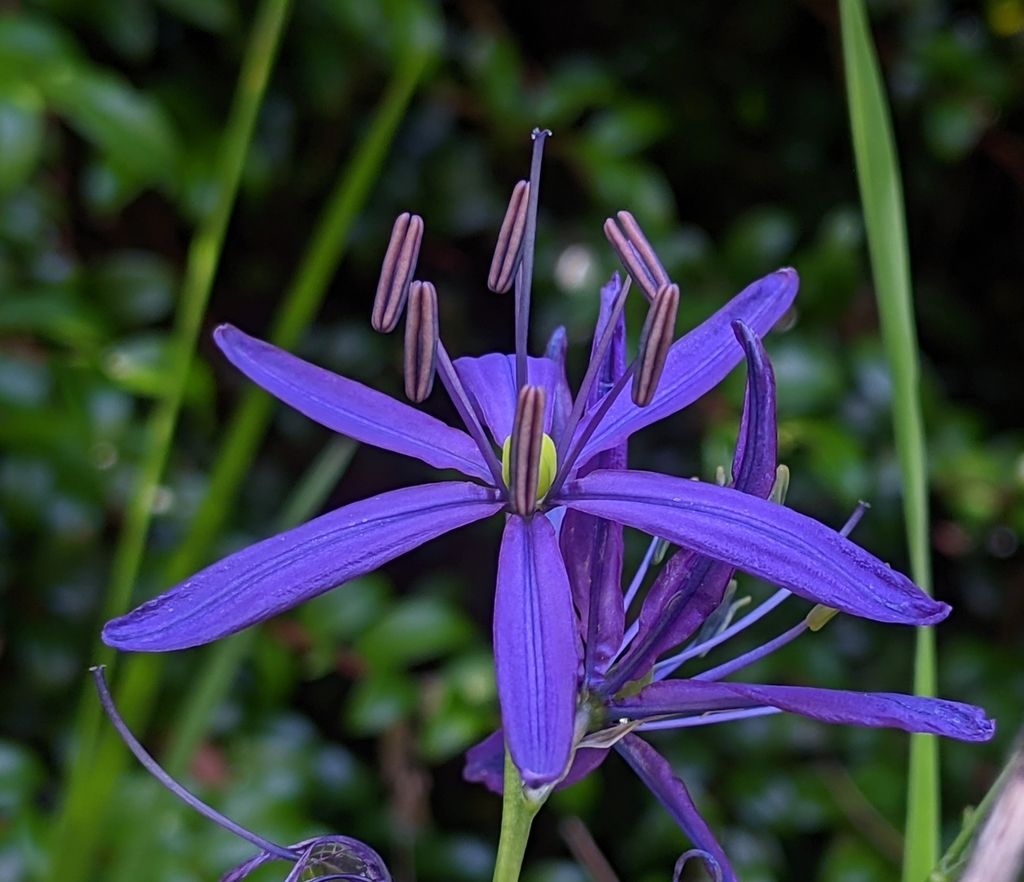
Camas (Camassia spp.) is a spring-blooming bulb with starry blue-to-purple flowers that can light up sunny meadows and garden beds while offering early-season nectar and pollen for visiting insects.
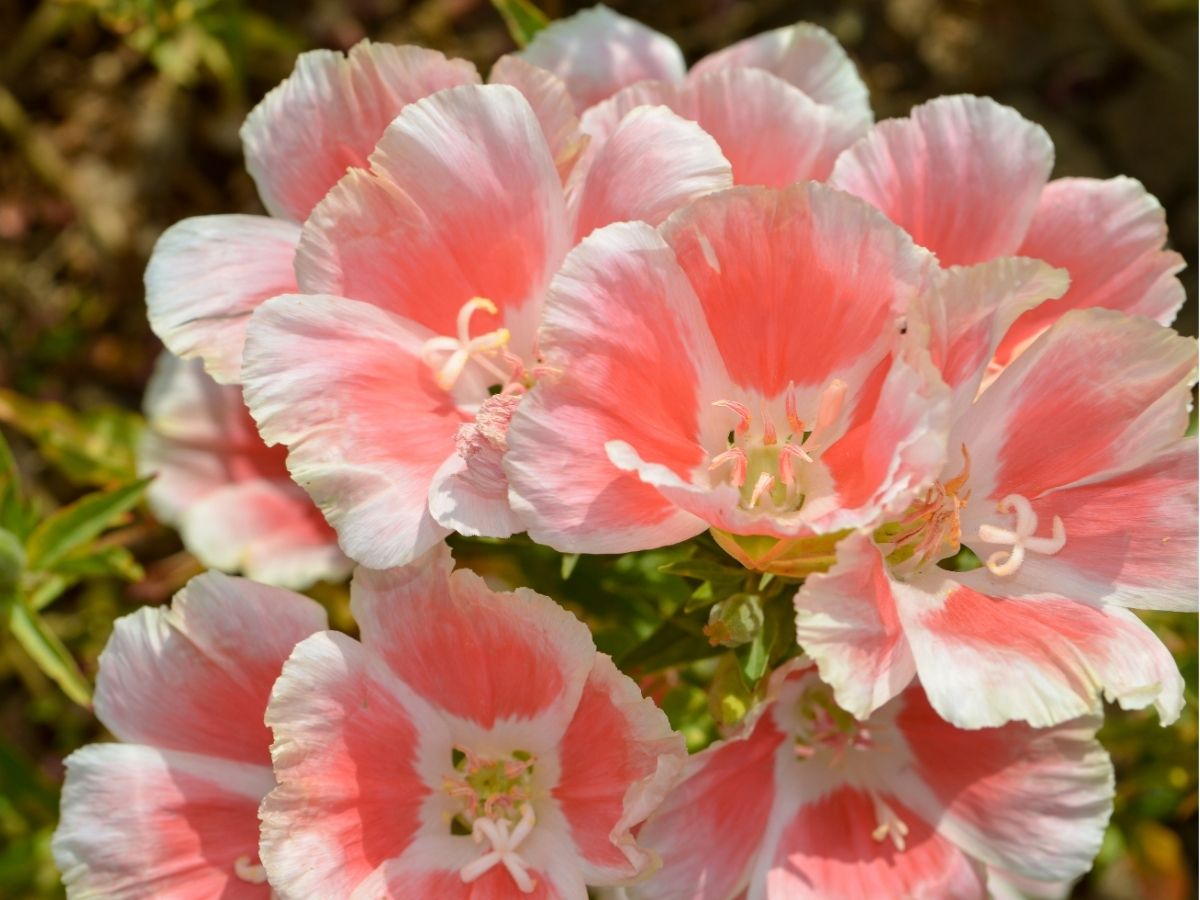
Clarkias are cheerful, easy-to-grow wildflowers in the genus Clarkia, known for silky, colorful blooms that can brighten beds, borders, and containers while offering nectar and pollen for visiting insects.
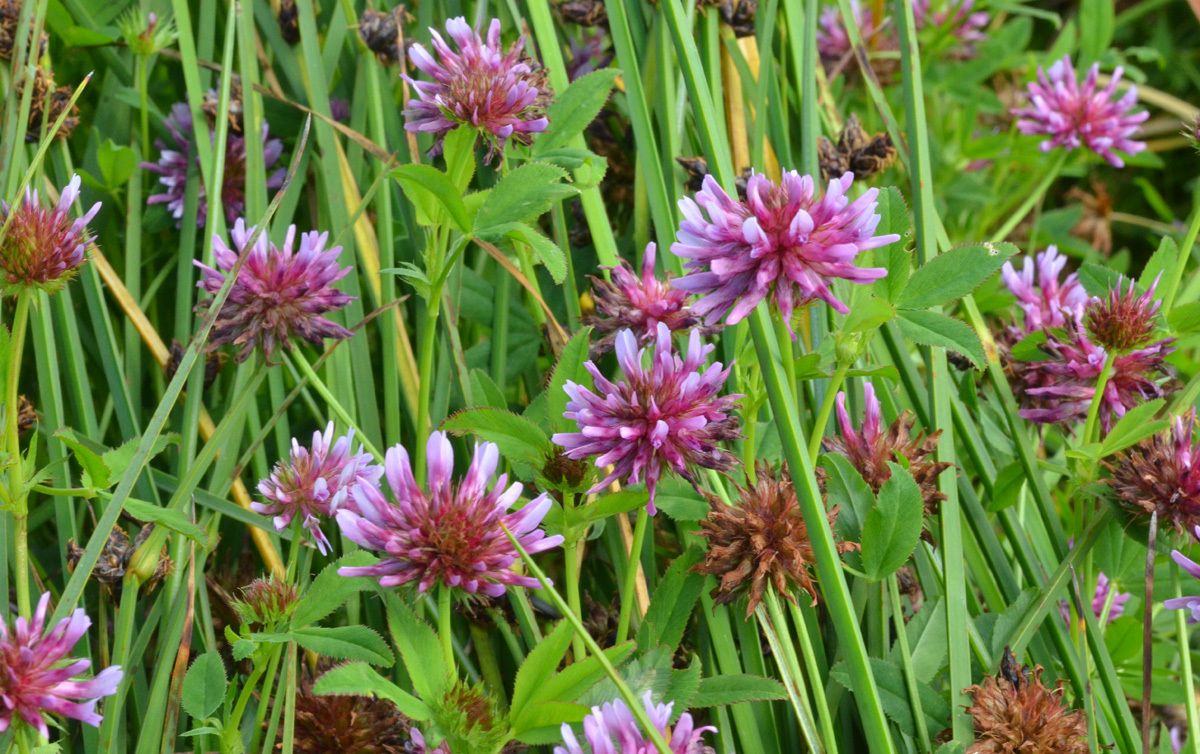
Clovers are small, easygoing plants in the genus Trifolium that can add nectar and pollen to gardens, lawns, and pots while helping cover bare soil.
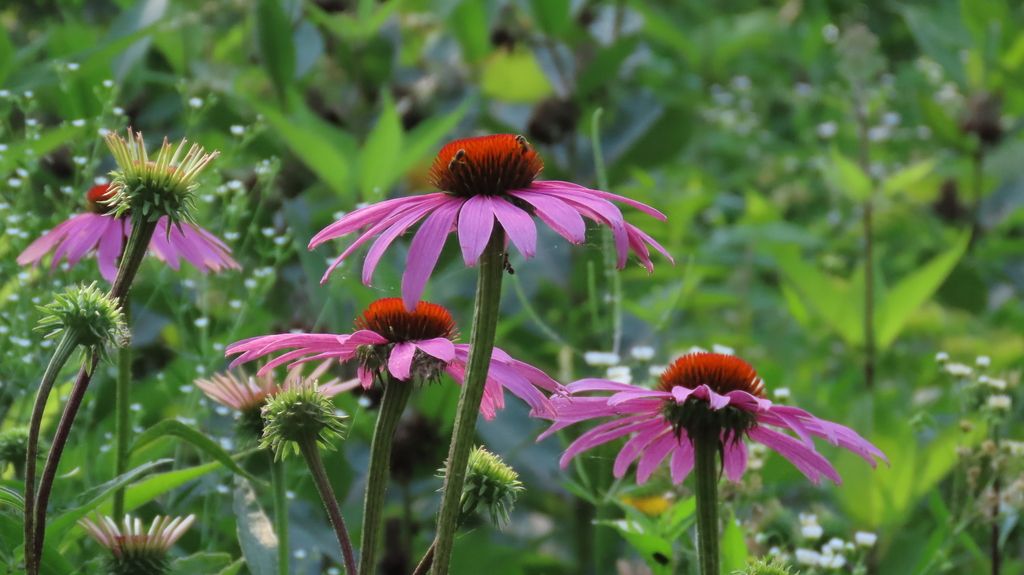
Coneflowers (Echinacea) are tough, long-blooming wildflowers that bring steady color and reliable nectar and pollen to gardens, schoolyards, and even large containers.
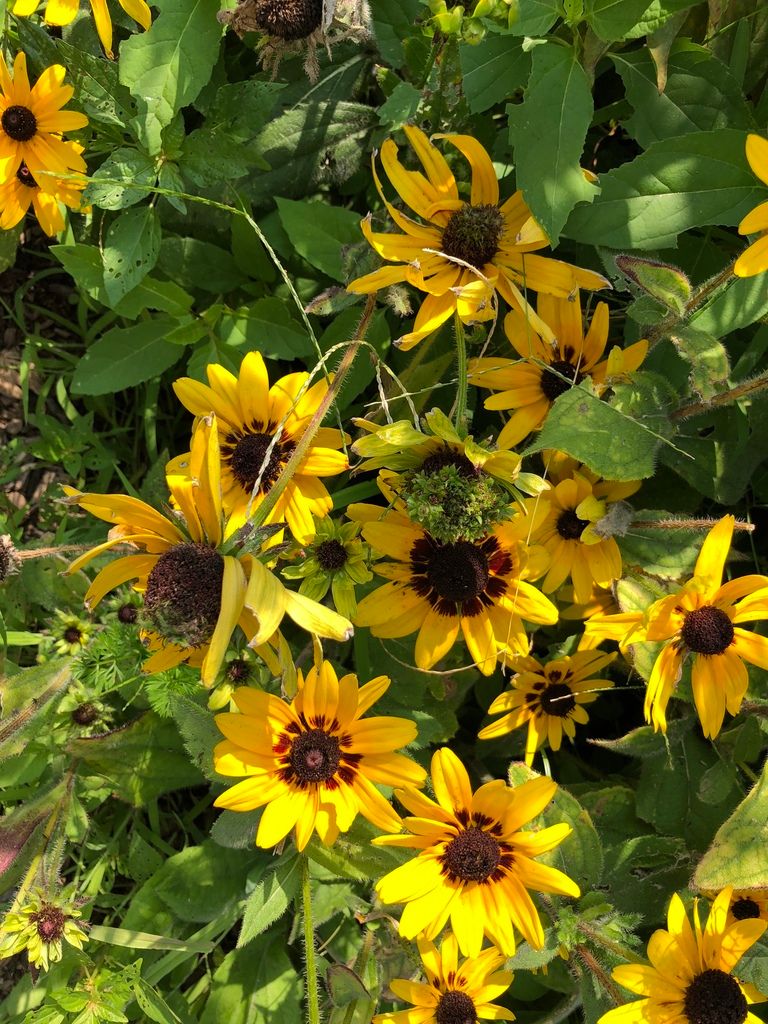
Coreopsis (often called tickseed) is a cheerful, long-blooming group of wildflowers that can brighten gardens and containers while offering easy-to-find nectar and pollen for many pollinators.
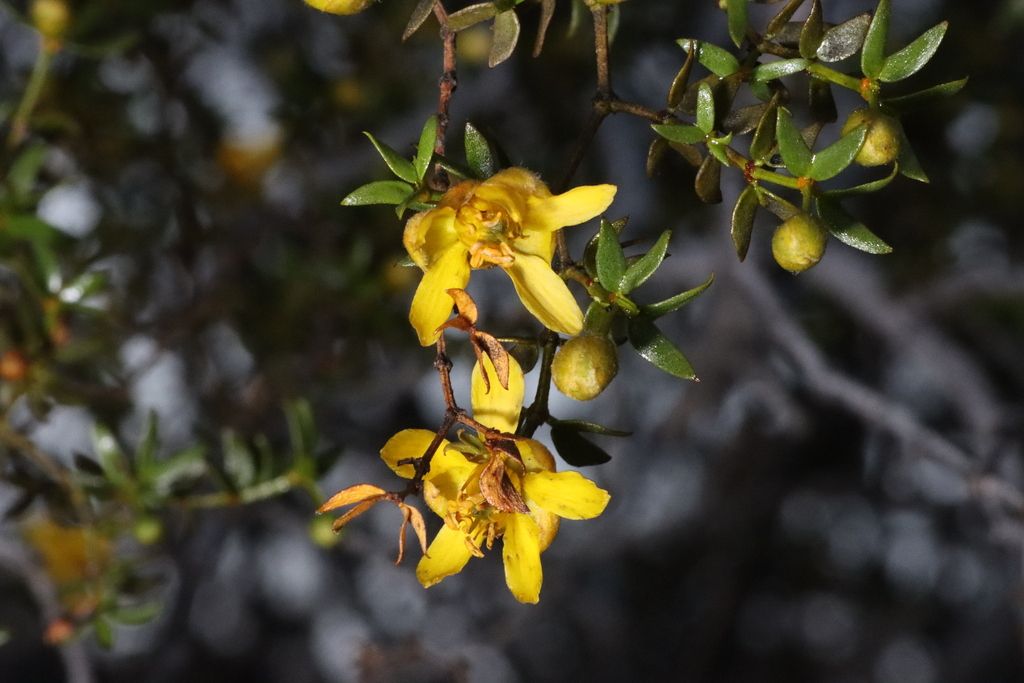
Creosote bush (genus Larrea) is a tough, sun-loving shrub known for its small yellow flowers and resin-scented leaves. It’s best for dry, open spaces where you want a low-water plant that can still offer nectar and pollen when in bloom.
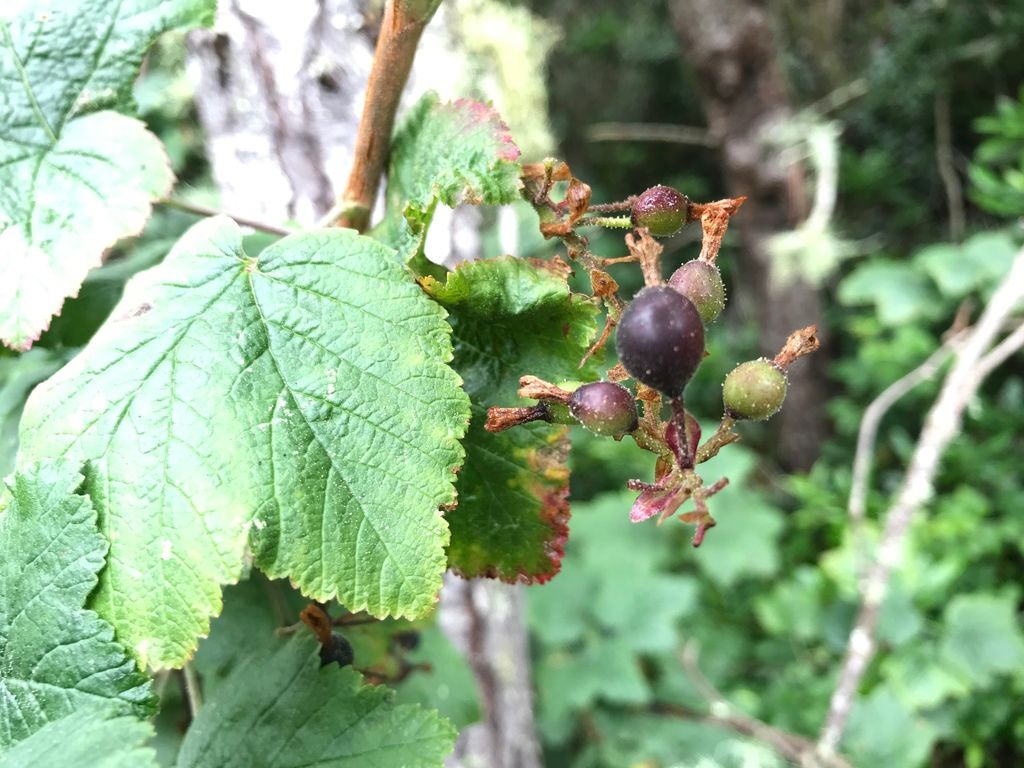
Currants and gooseberries are Ribes shrubs that offer early-season flowers for pollinators and later berries for people and wildlife. They’re a great choice for edible landscapes, mixed borders, and small yards where you want a plant that does more than one job.
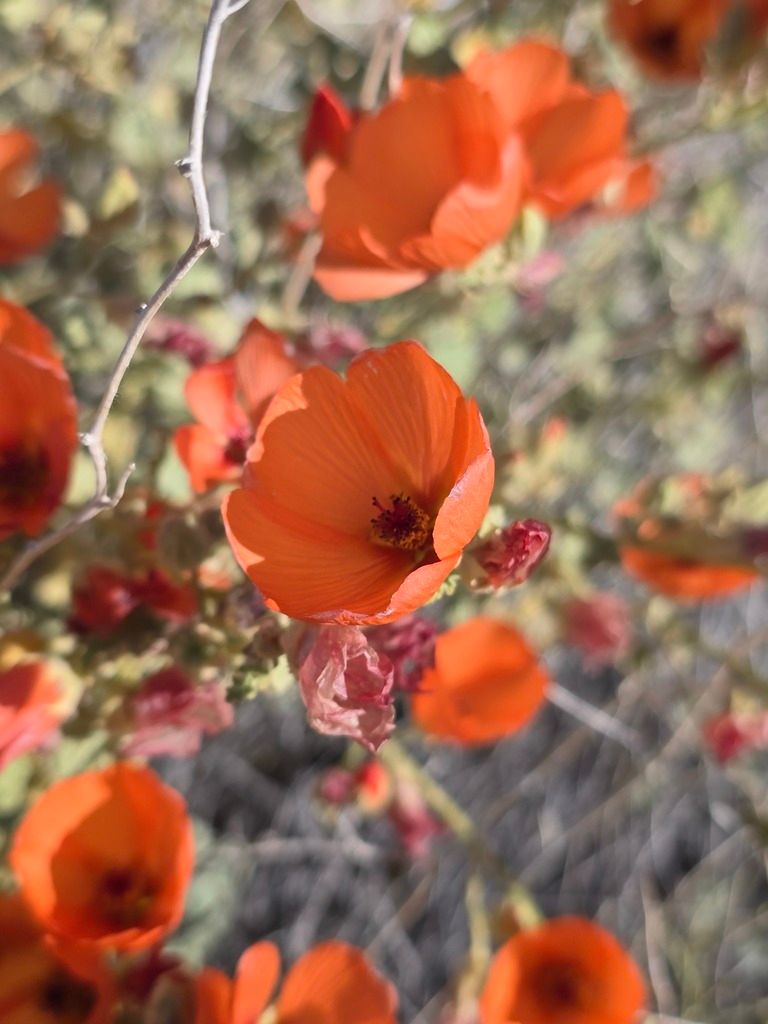
Desert mallows (globe mallows) are tough, sun-loving plants in the genus Sphaeralcea that bring warm-colored blooms and easy pollinator value to dry, low-fuss gardens and containers.
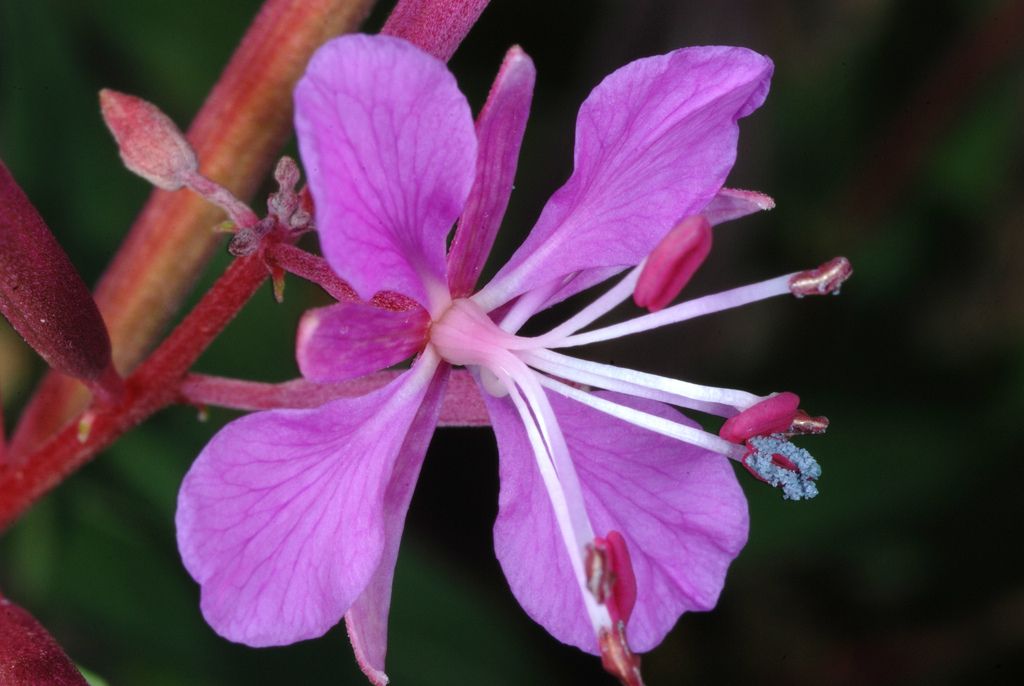
Fireweed is a tough, fast-growing wildflower in the genus Chamerion that brings bright pink blooms and lots of pollinator activity to sunny, open spaces.
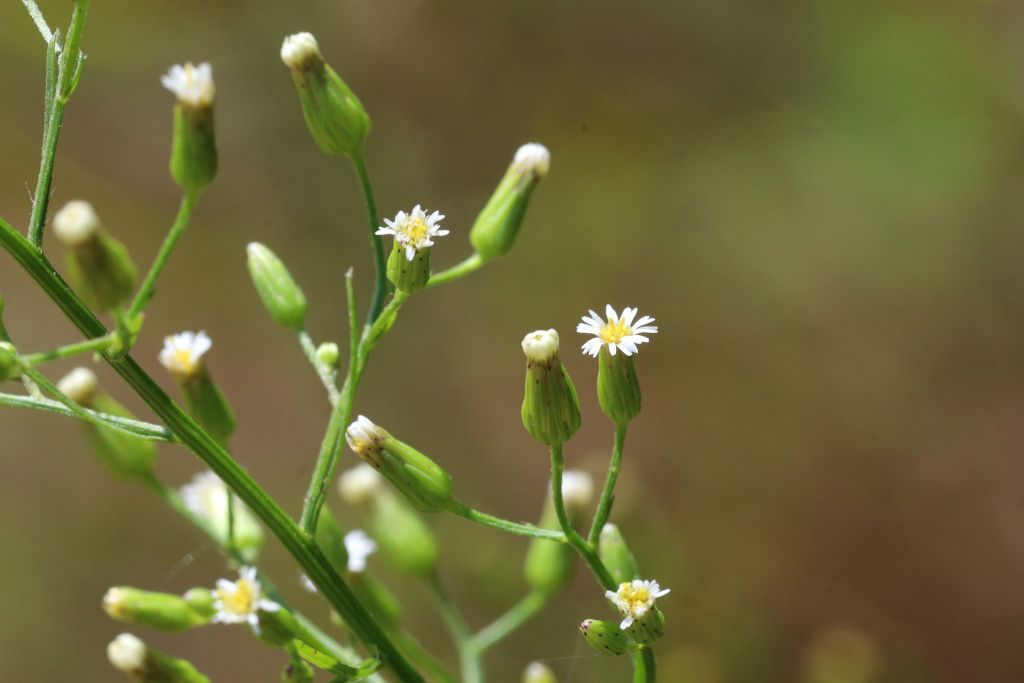
Fleabanes (genus Erigeron) are easygoing wildflowers with daisy-like blooms that can brighten gardens, schoolyards, and balcony pots while offering steady nectar and pollen for many small pollinators.
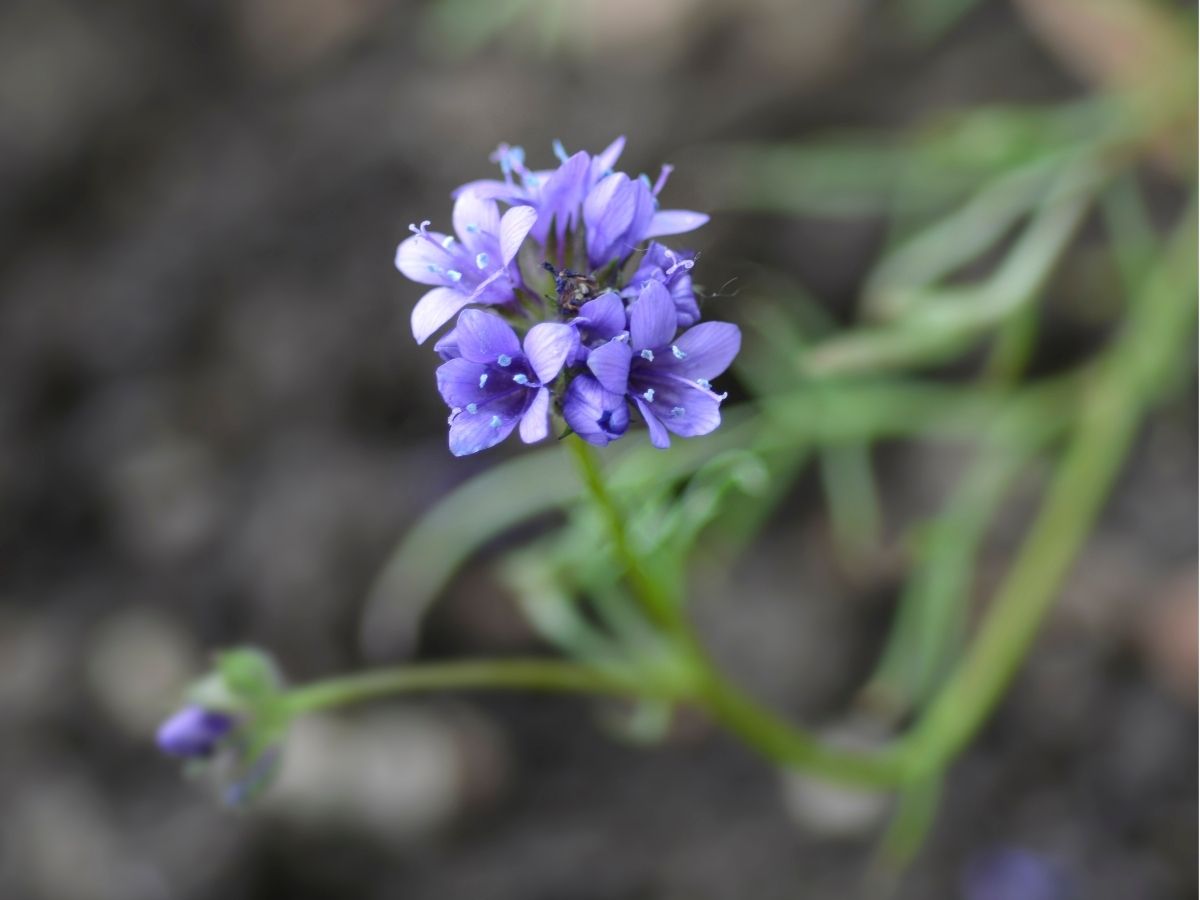
Gilias (genus Gilia) are airy, nectar-rich wildflowers that can add quick color to sunny spots and help support a variety of pollinators.
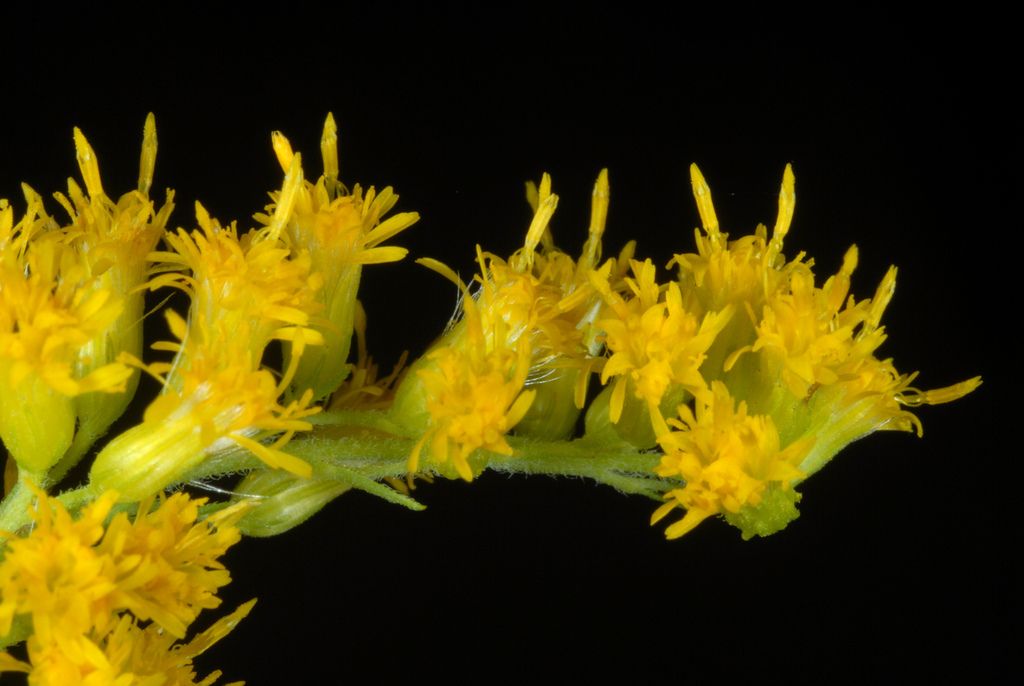
Goldenrods are tough, sunny wildflowers in the genus Solidago that light up late-season gardens with golden blooms and provide reliable nectar and pollen when many other flowers are fading.
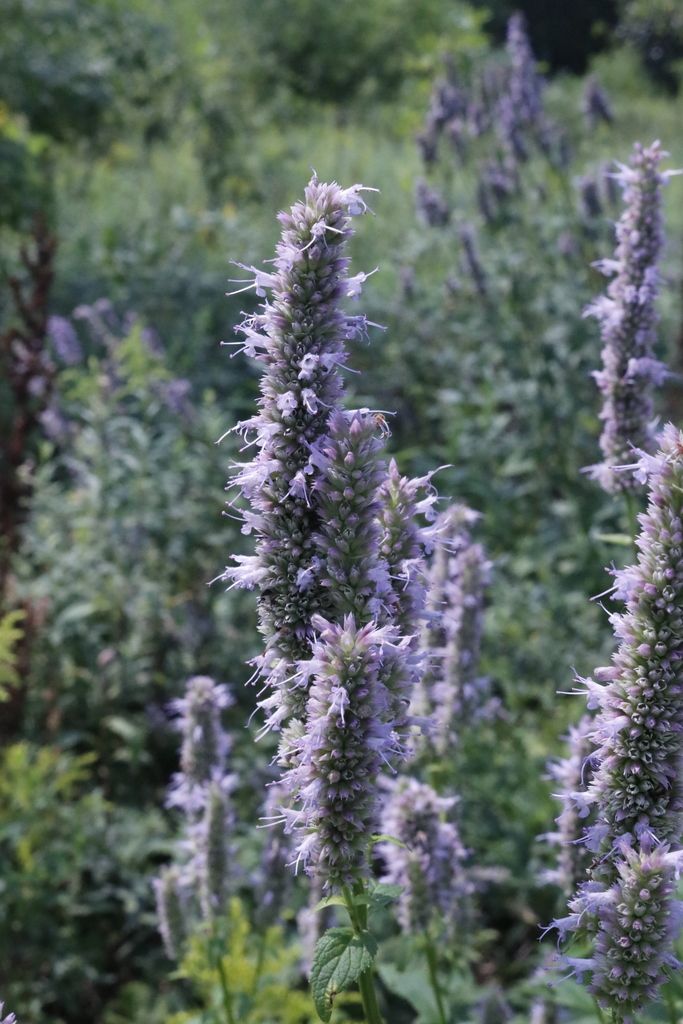
Hyssops (Agastache) are fragrant, long-blooming wildflowers that are easy to grow and popular with many pollinators. They’re a great choice for sunny gardens, schoolyards, and even large containers.
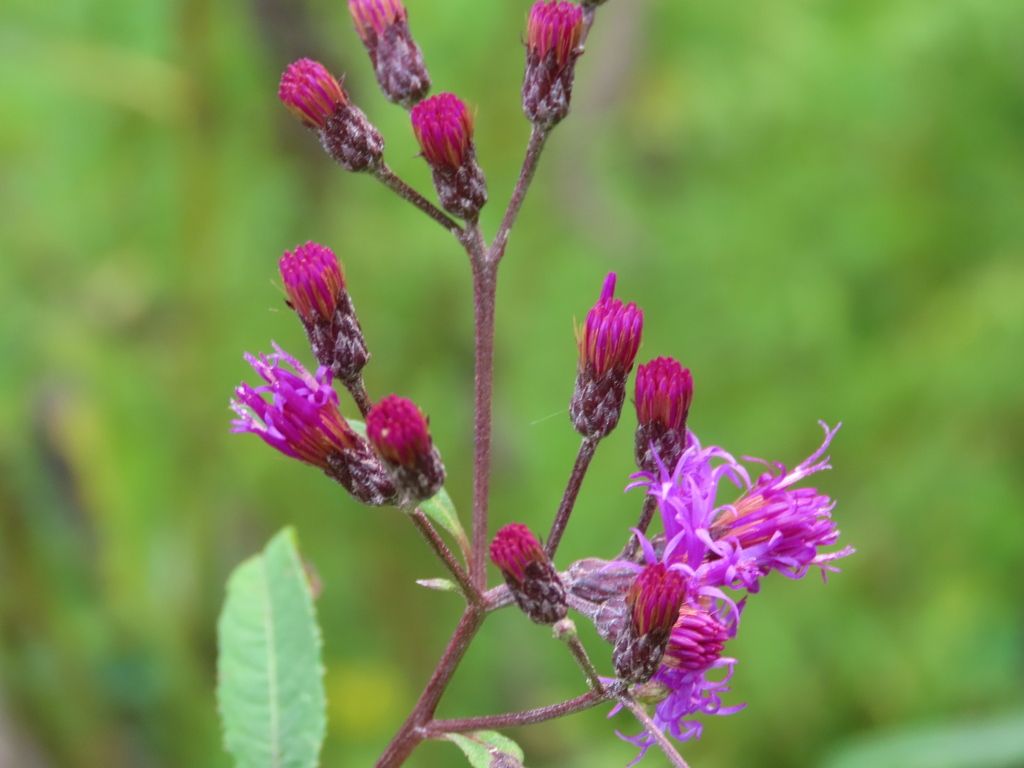
Ironweeds are tall, purple-blooming wildflowers in the genus Vernonia that bring late-season color and steady nectar to pollinator gardens.
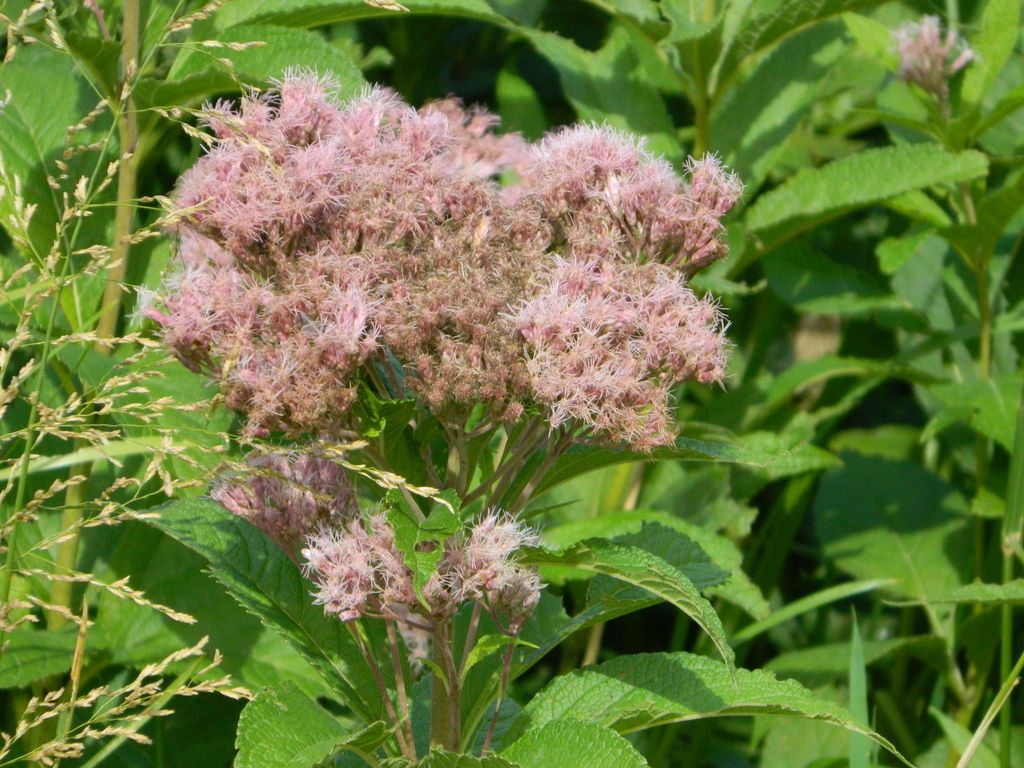
Joe-Pye weeds are tall, late-season native wildflowers in the genus Eutrochium that bring big, fluffy flower clusters to gardens and give pollinators a reliable place to feed when many other plants are winding down.
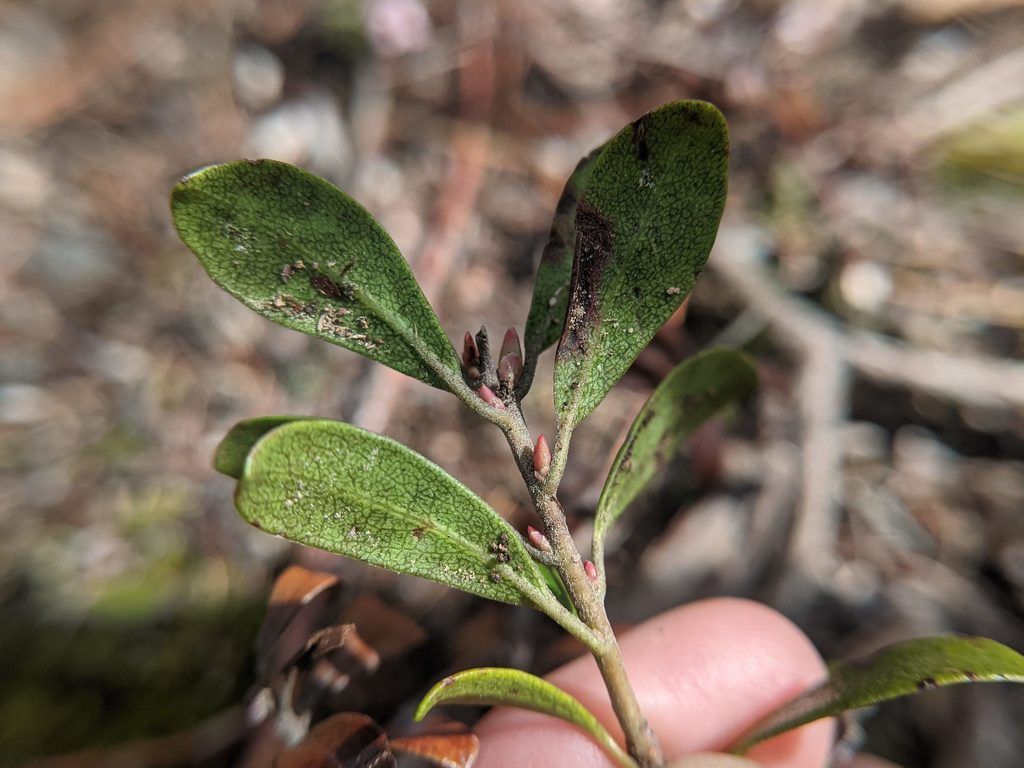
Kinnikinnick is a tough, low-growing evergreen groundcover in the genus Arctostaphylos (often called bearberry) that forms a tidy mat and offers small spring flowers followed by red berries.
Manzanitas are tough, beautiful western shrubs with urn-shaped flowers that can feed early-season pollinators and evergreen leaves that keep gardens looking good year-round.
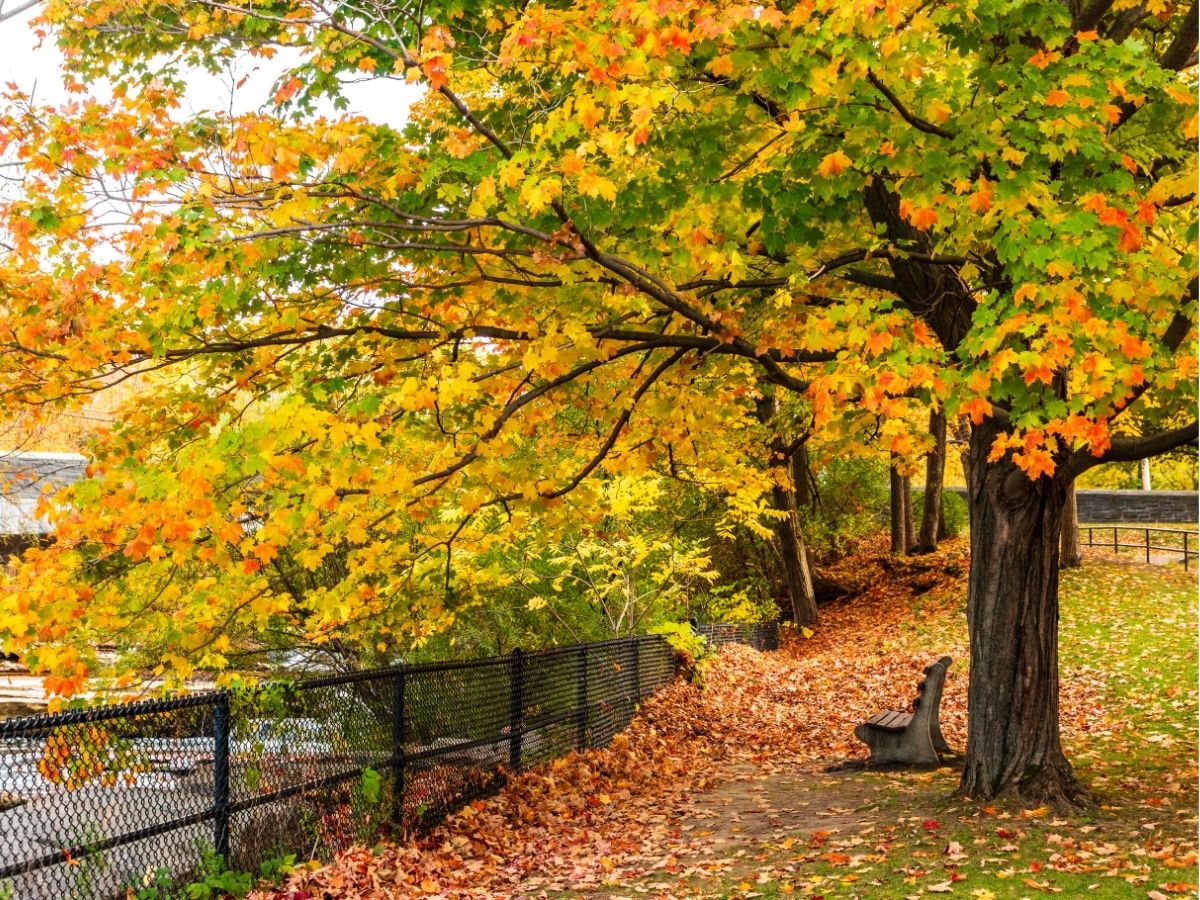
Maples are familiar shade trees that offer early-season flowers and later seeds, supporting a range of pollinators and adding strong structure to yards, school grounds, and streetscapes.
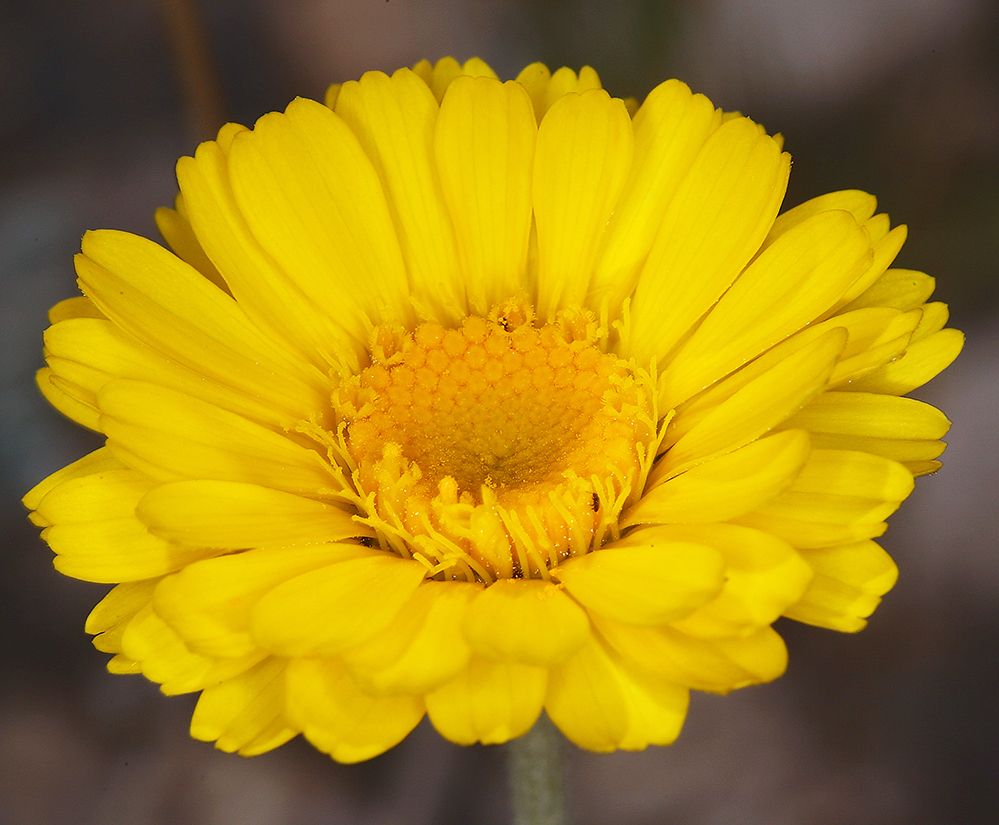
Desert marigolds are sunny, daisy-like wildflowers in the genus Baileya that bring bright color and steady nectar to warm, open garden spots.
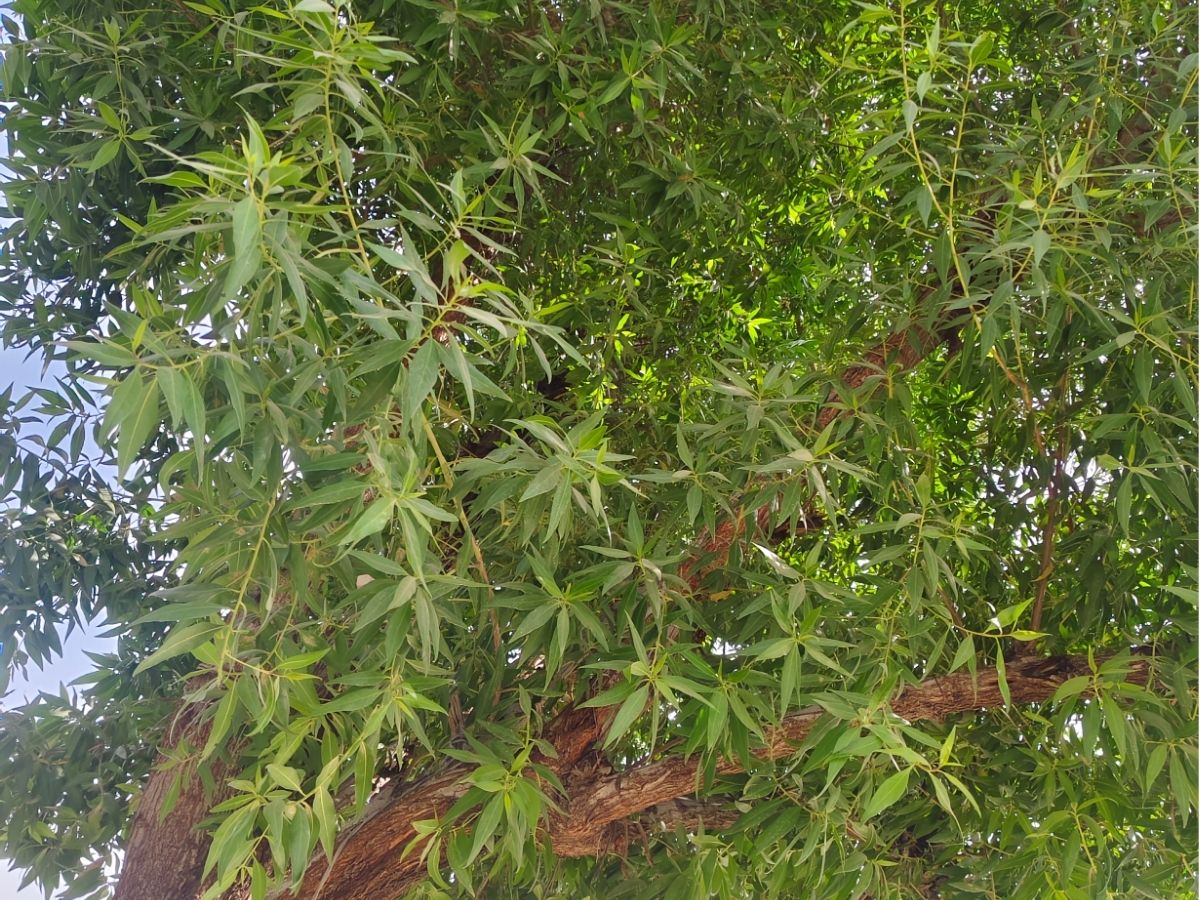
Mesquites are tough, drought-adapted trees in the genus Prosopis that can add shade and seasonal flowers to dry landscapes while offering nectar and pollen for a range of pollinators.
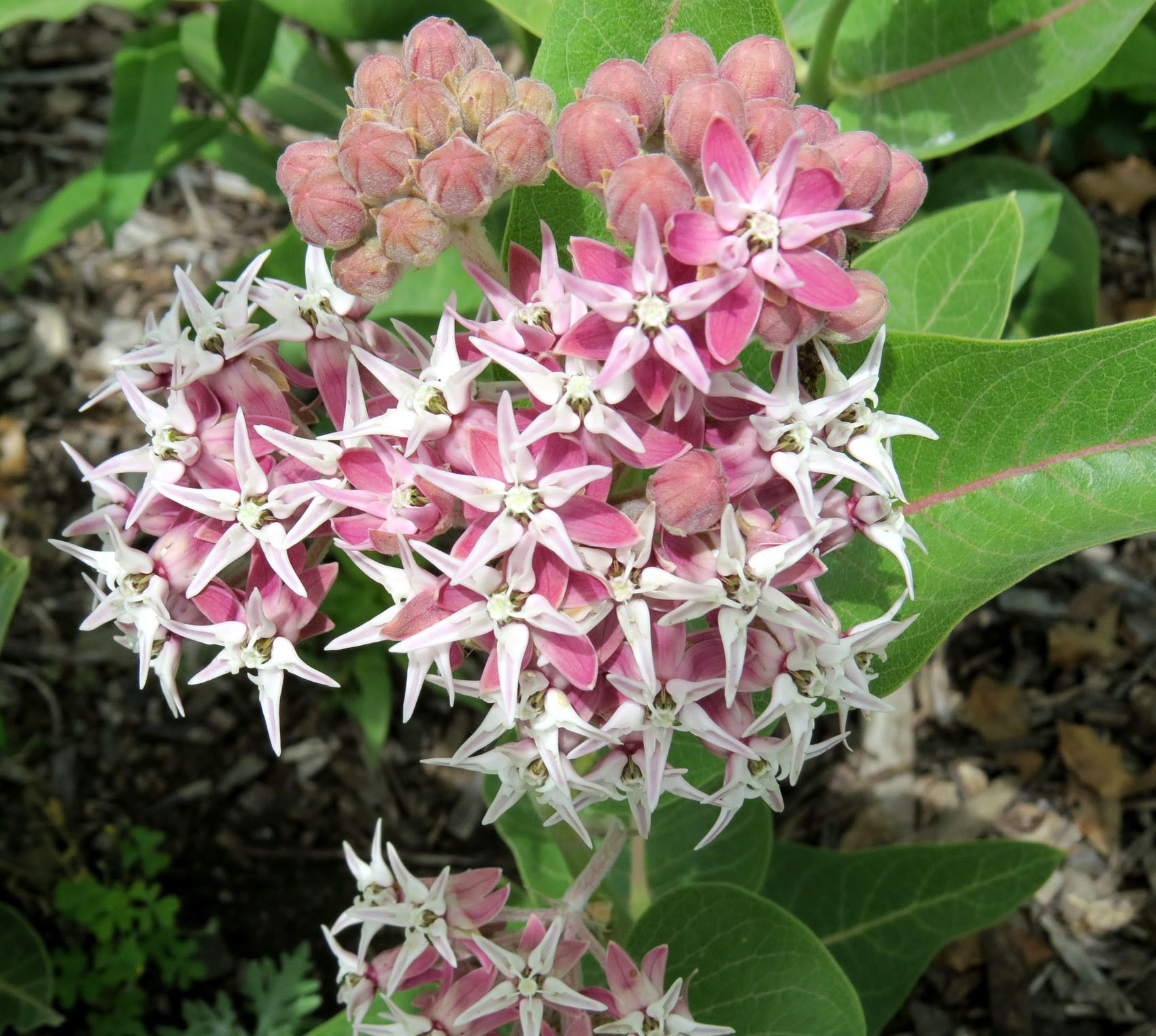
Milkweeds are tough, nectar-rich wildflowers in the genus Asclepias that can turn a garden bed, schoolyard edge, or even a sunny pot into a pollinator stop.
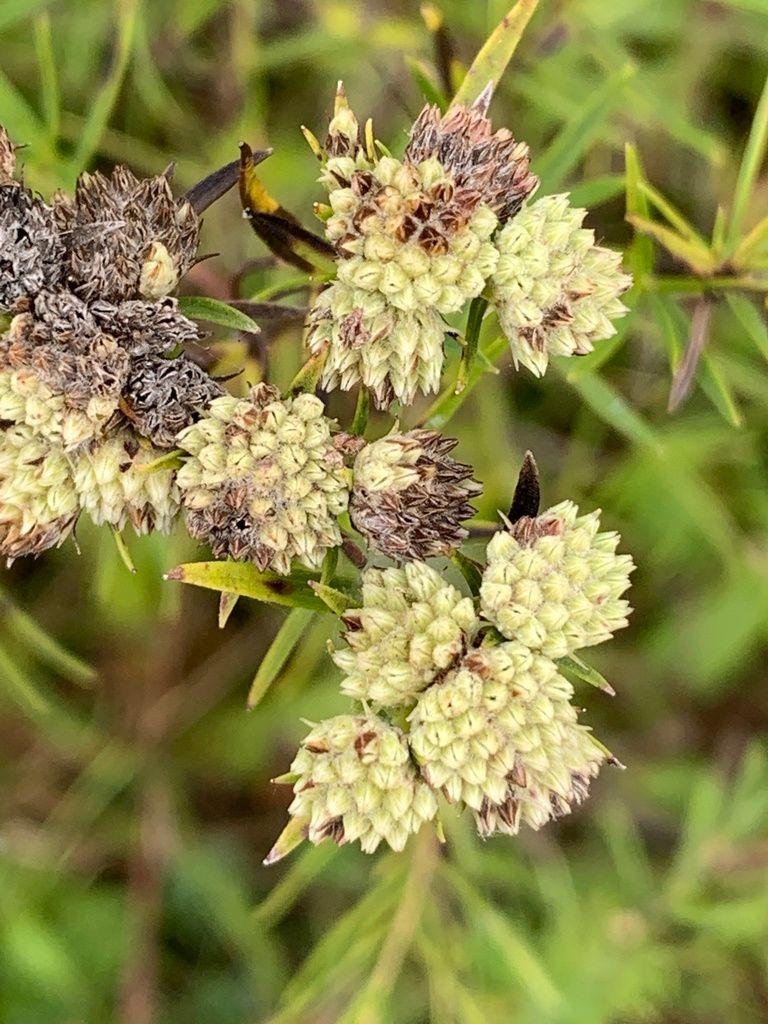
Mountain mints are tough, fragrant native wildflowers that bloom in summer and are famous for drawing in a busy mix of pollinators. They’re easy to grow, handle a range of garden conditions, and make a great “plant it and watch it” choice for pollinator patches.
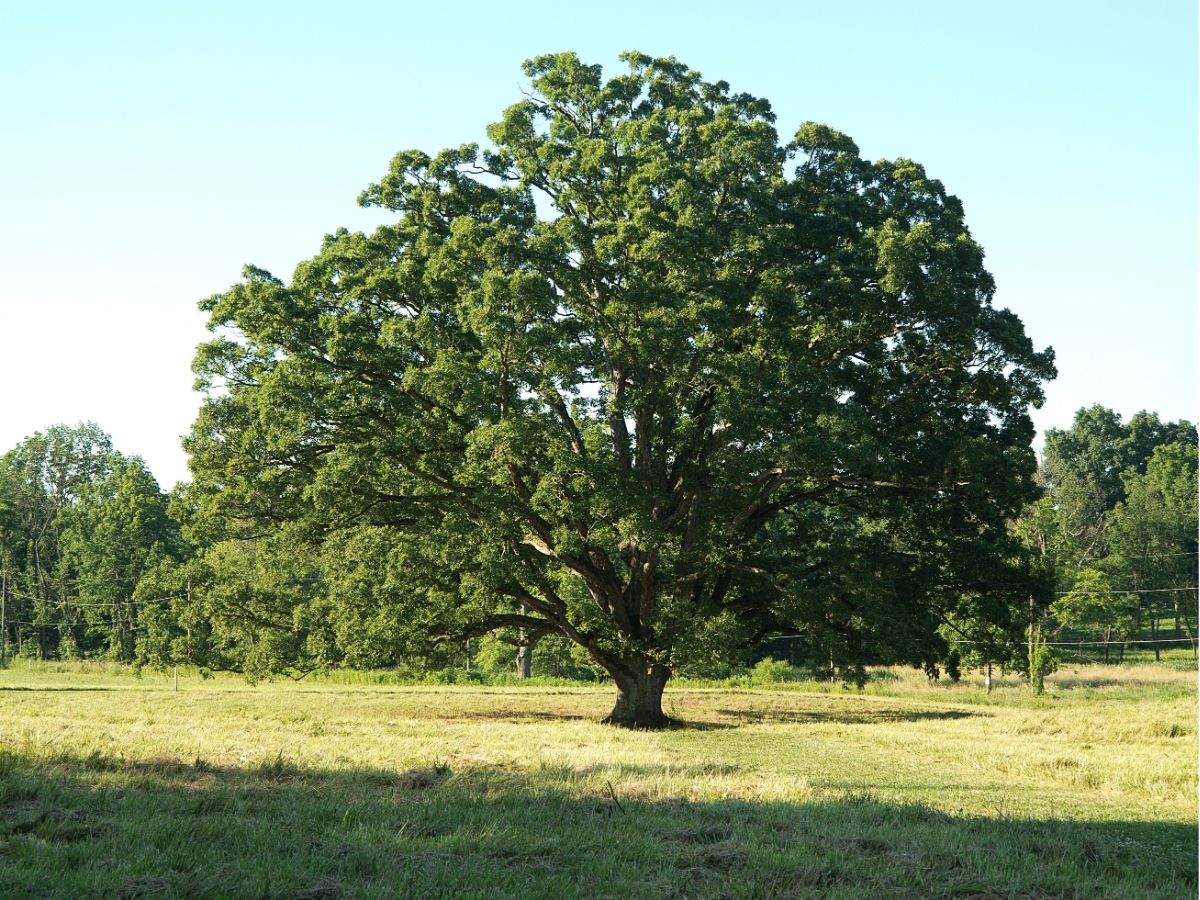
Oaks are long-lived trees that can anchor a yard, school ground, or park with shade, structure, and lots of seasonal interest. Many pollinators use oak flowers in spring, and the tree’s leaves and bark support a wide web of life over time.
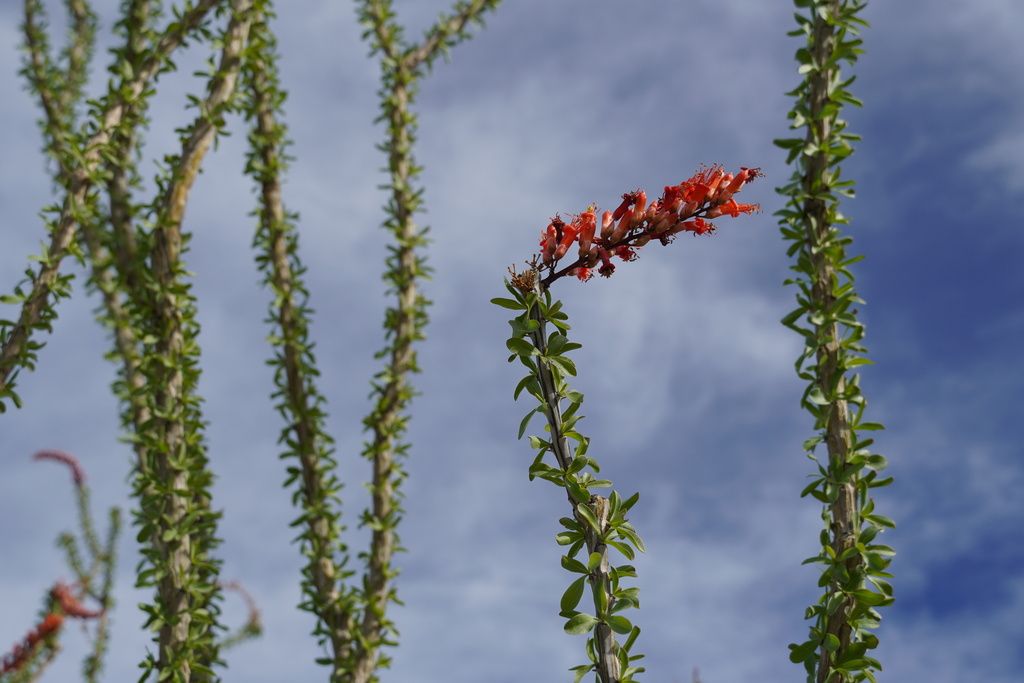
Ocotillo is a dramatic desert shrub in the genus Fouquieria, known for tall, wand-like stems and bright flower clusters that can be a valuable nectar stop when in bloom.
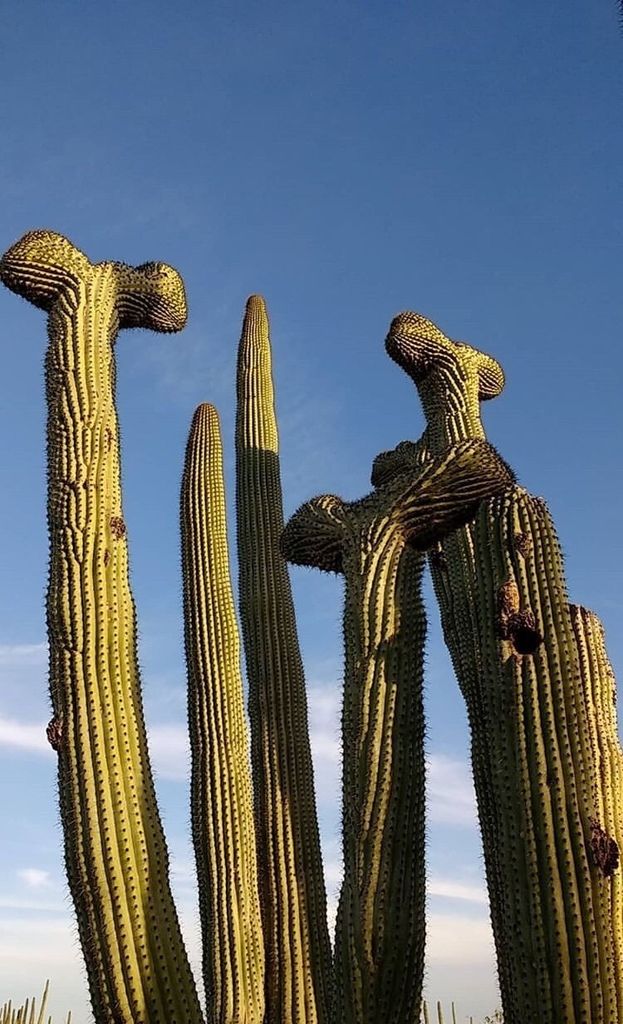
Organ pipe & relatives are columnar cacti in the genus Stenocereus, grown for their bold, upright stems and showy blooms that can offer nectar and pollen when flowers are open.
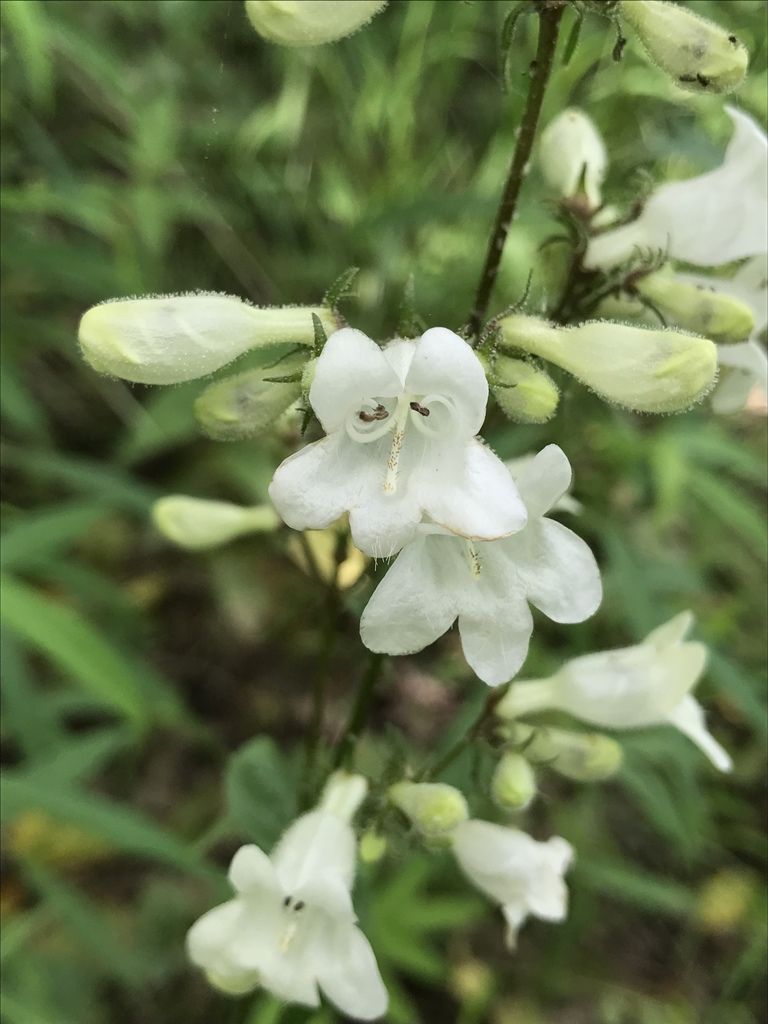
Penstemons (beardtongues) are hardy, flower-filled wildflowers that bring bright color and steady nectar to gardens and containers, especially in sunny spots with well-drained soil.
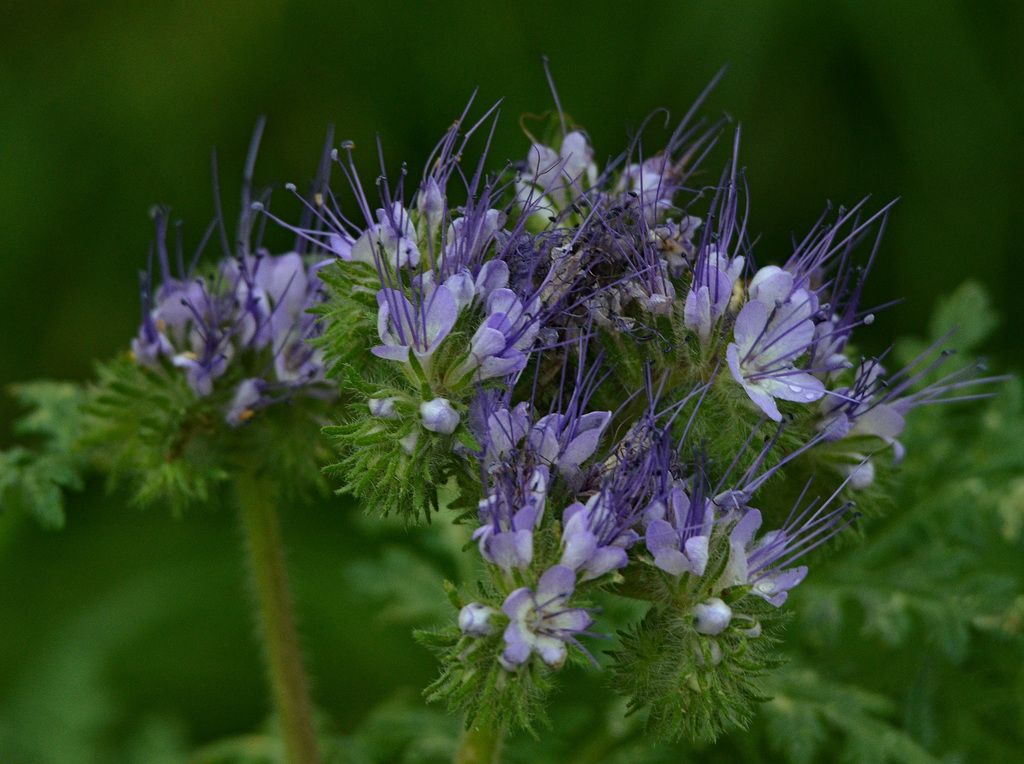
Phacelias are easygoing wildflowers in the genus Phacelia, known for their nectar-rich blooms that can bring lots of pollinator activity to gardens, schoolyards, and even containers.
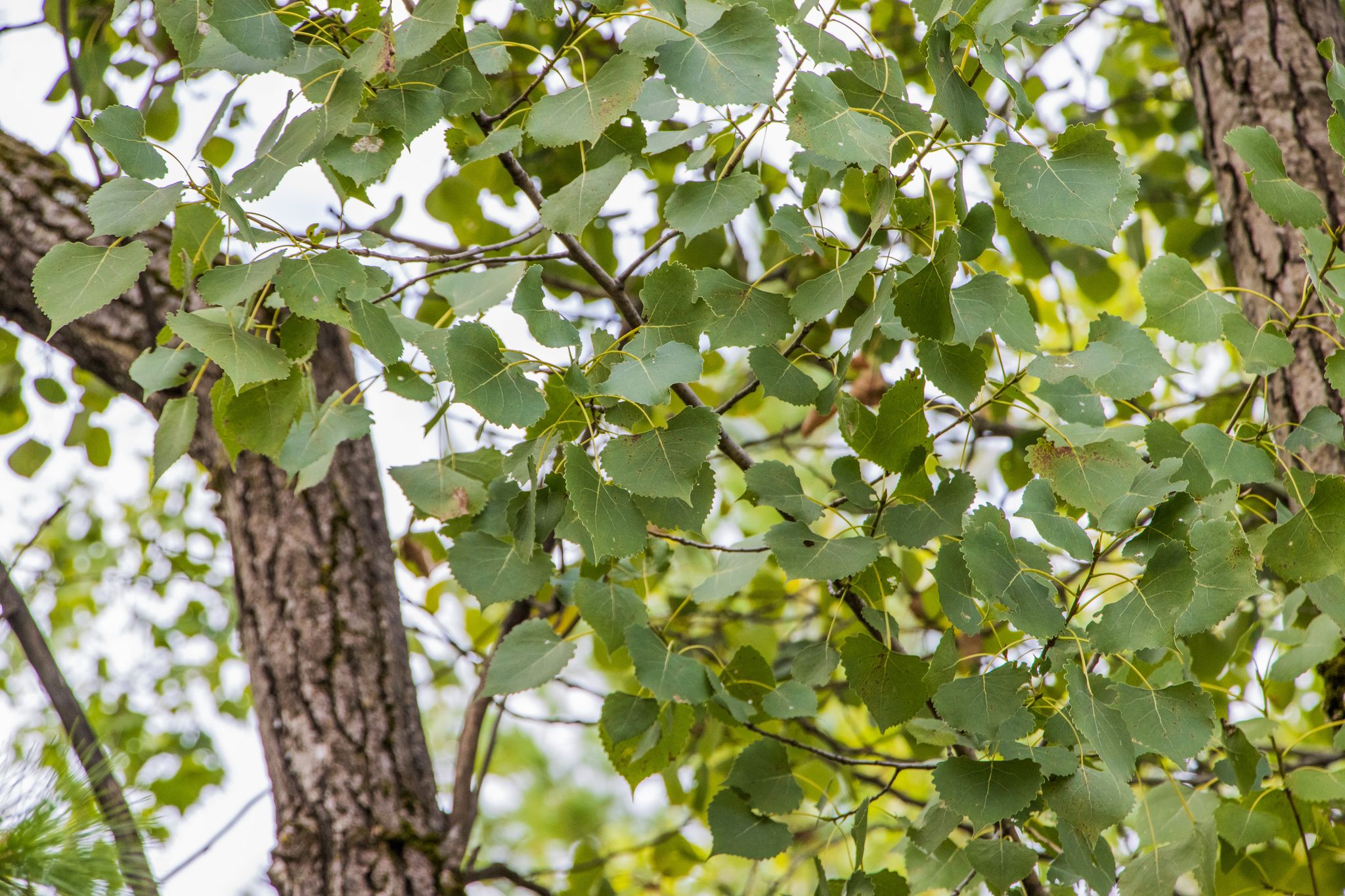
Poplars, aspens, and cottonwoods (genus Populus) are fast-growing trees best known for their fluttering leaves and soft “cottony” seeds. They can support early-season pollinators with spring catkins, but they’re also big, thirsty, and often short-lived in small yards—so they’re best chosen with space and roots in mind.
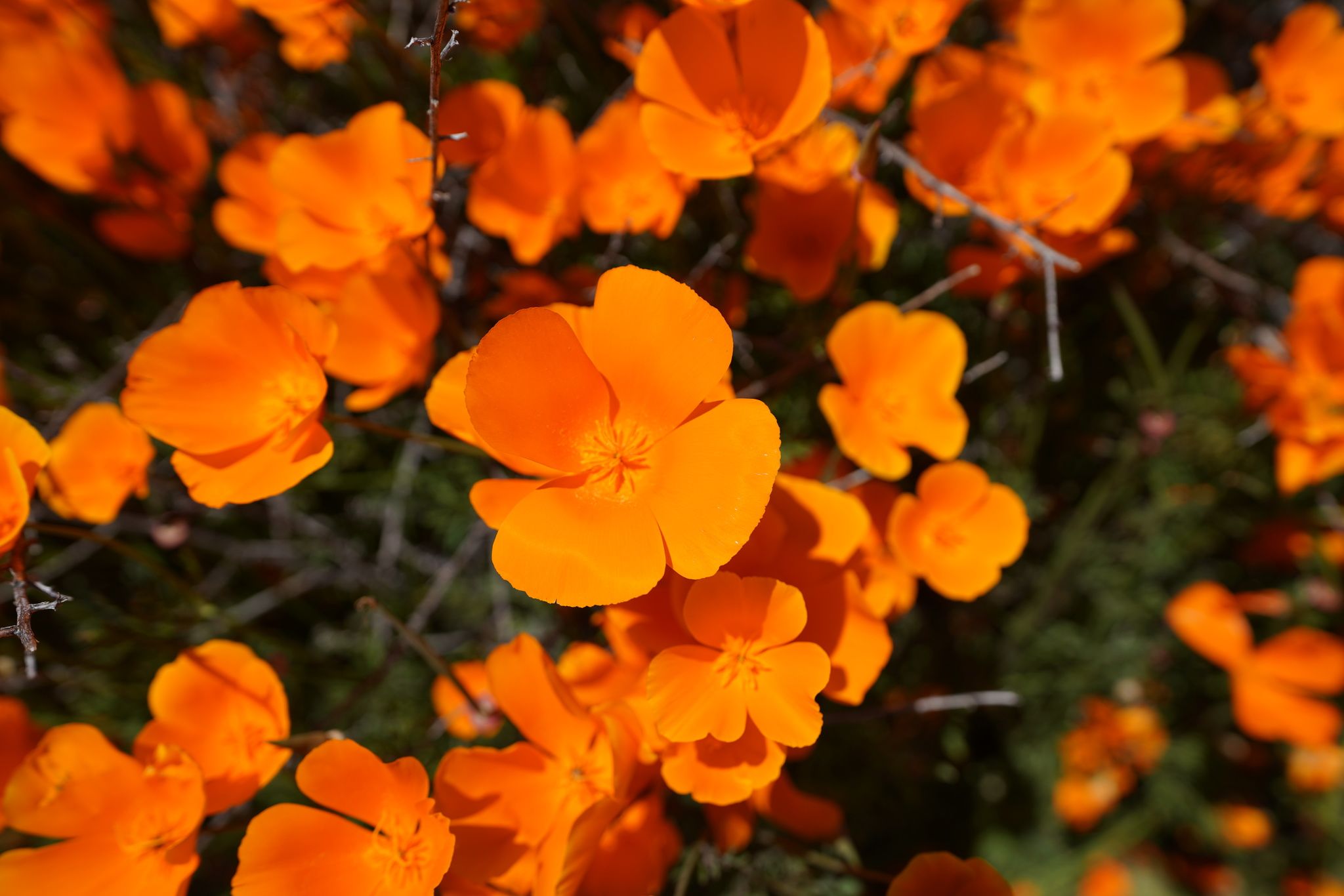
Bright, cup-shaped poppy flowers from the genus Eschscholzia that thrive in sunny spots and can add easy, pollinator-friendly color to gardens, pots, and schoolyards.
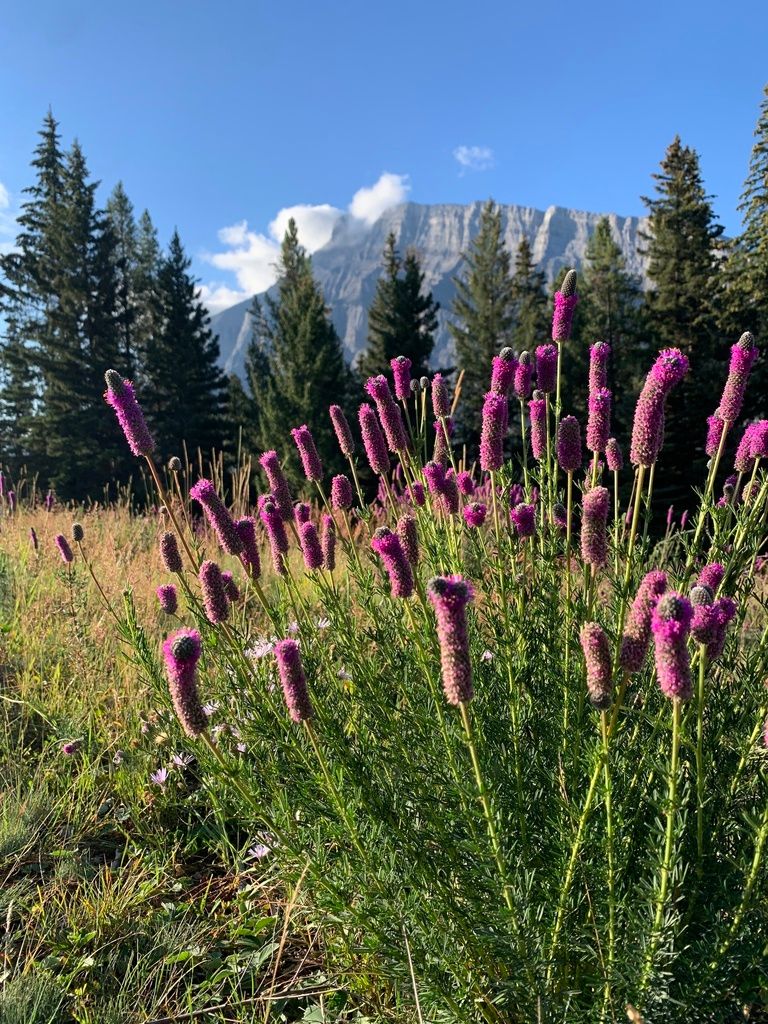
Prairie clovers (genus Dalea) are prairie wildflowers with tidy, clover-like leaves and bottlebrush-style blooms that are popular with many pollinators. They’re a great choice for sunny, well-drained spots where you want long-lasting summer color without fussy care.
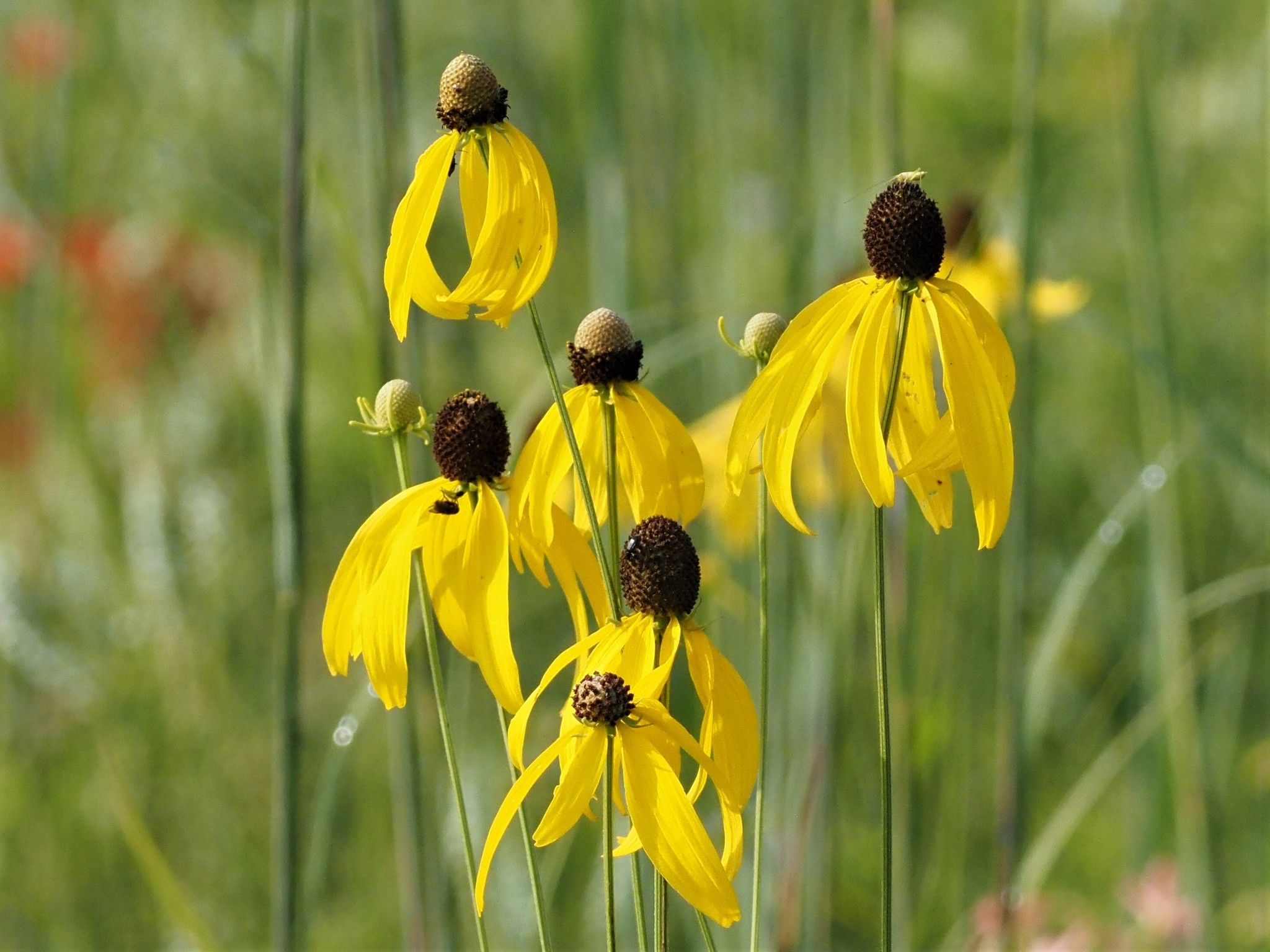
Prairie coneflowers (Ratibida) are tough, sunny wildflowers with drooping petals and a bold cone-shaped center that pollinators can easily find. They’re a great choice for low-fuss gardens, schoolyards, and naturalized patches where you want long-lasting summer color.
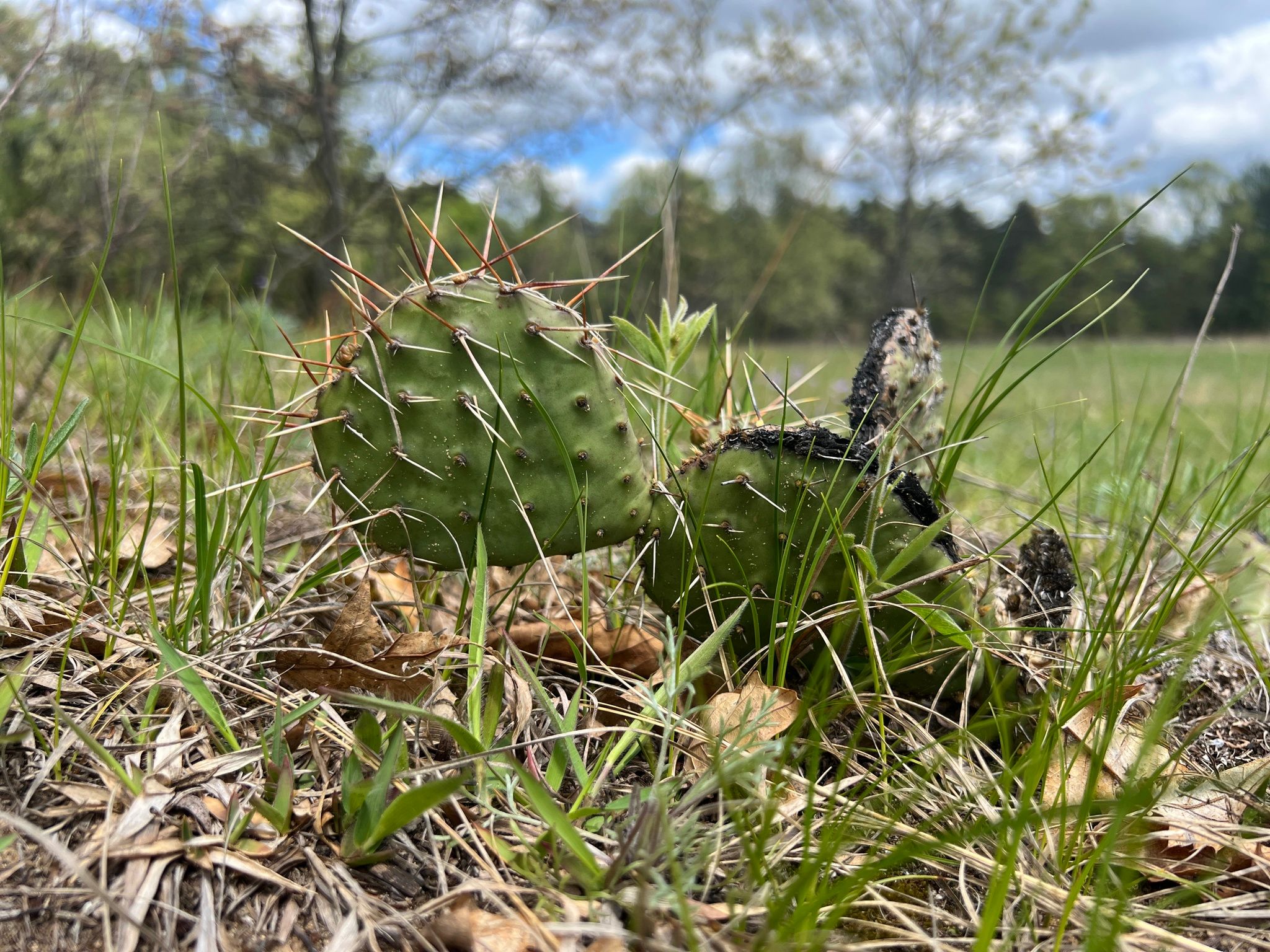
Prickly pears are tough, sun-loving cacti (genus Opuntia) with bright blooms that can offer nectar and pollen when in flower. They’re best for warm, bright spots and gardeners who want a low-water plant with big character.
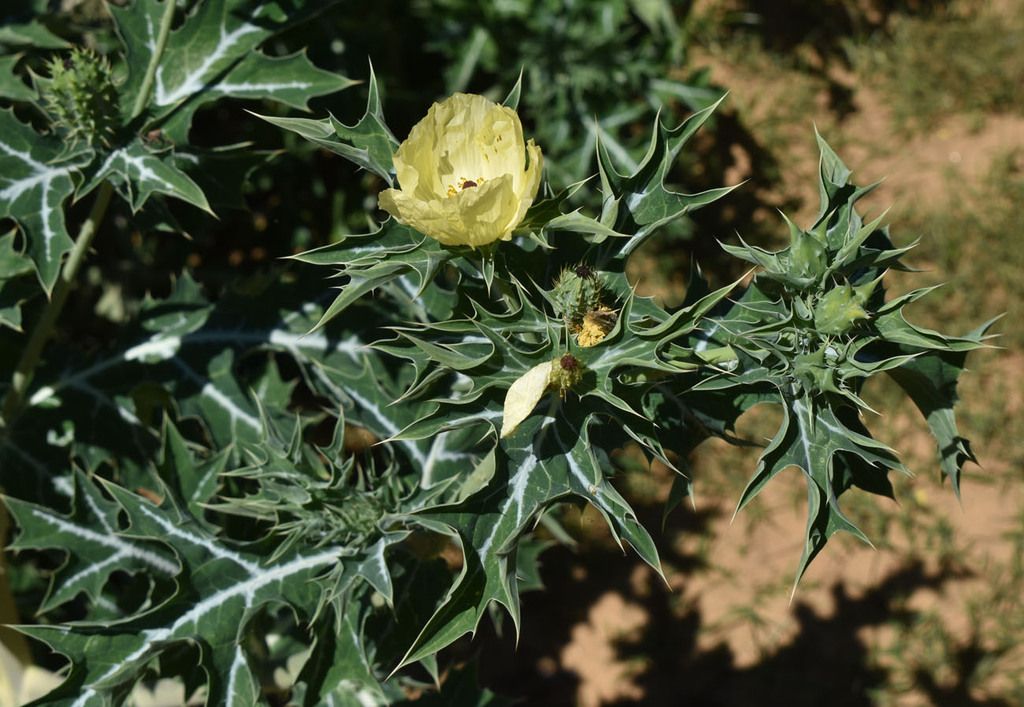
Prickly poppies (genus Argemone) are bold, spiny wildflowers with papery blooms that can add bright color and nectar to sunny, low-fuss garden spots.
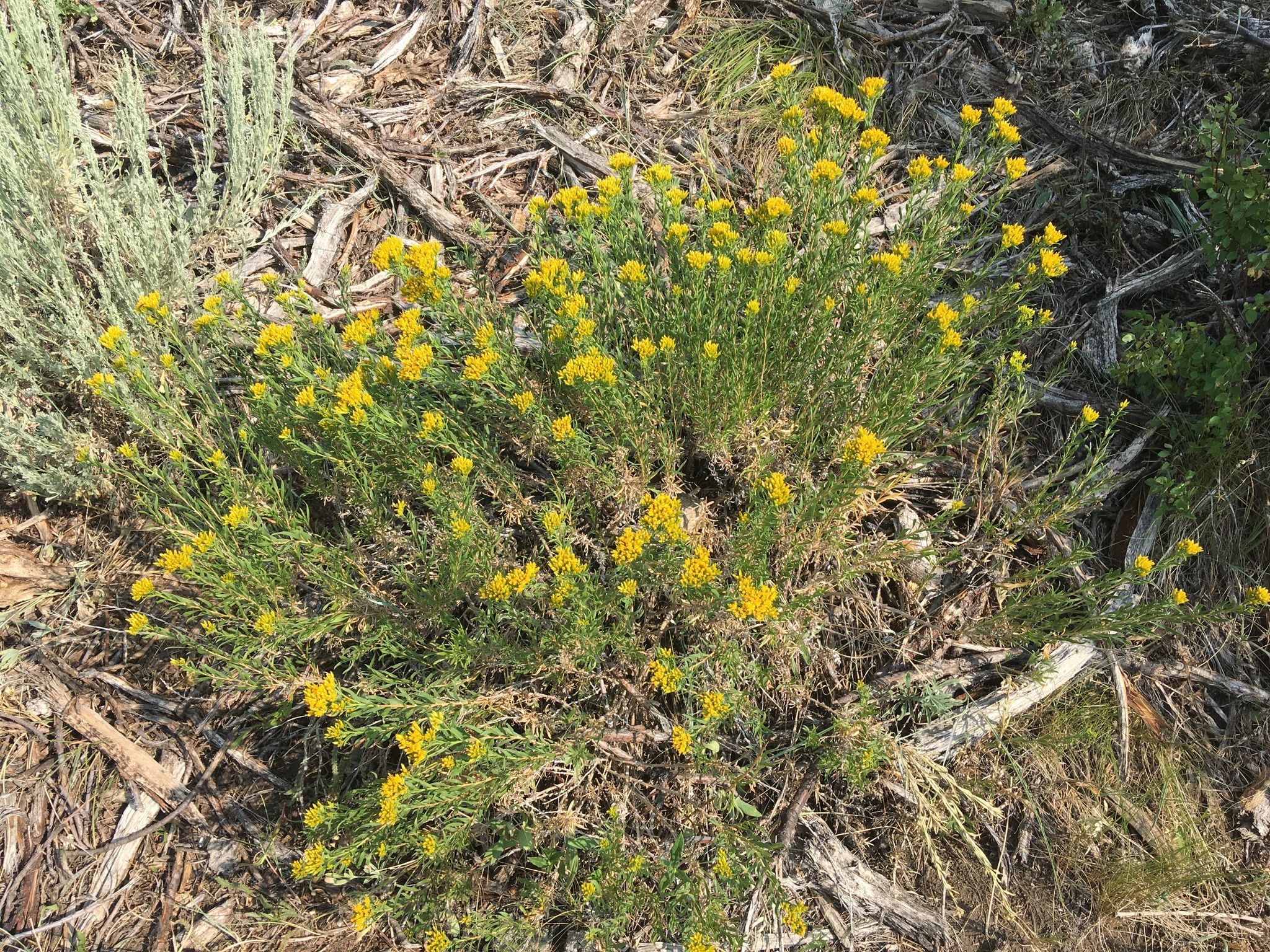
Rabbitbrush is a tough, sun-loving shrub known for its bright yellow late-season blooms that can help keep pollinators fed when many other flowers are fading.
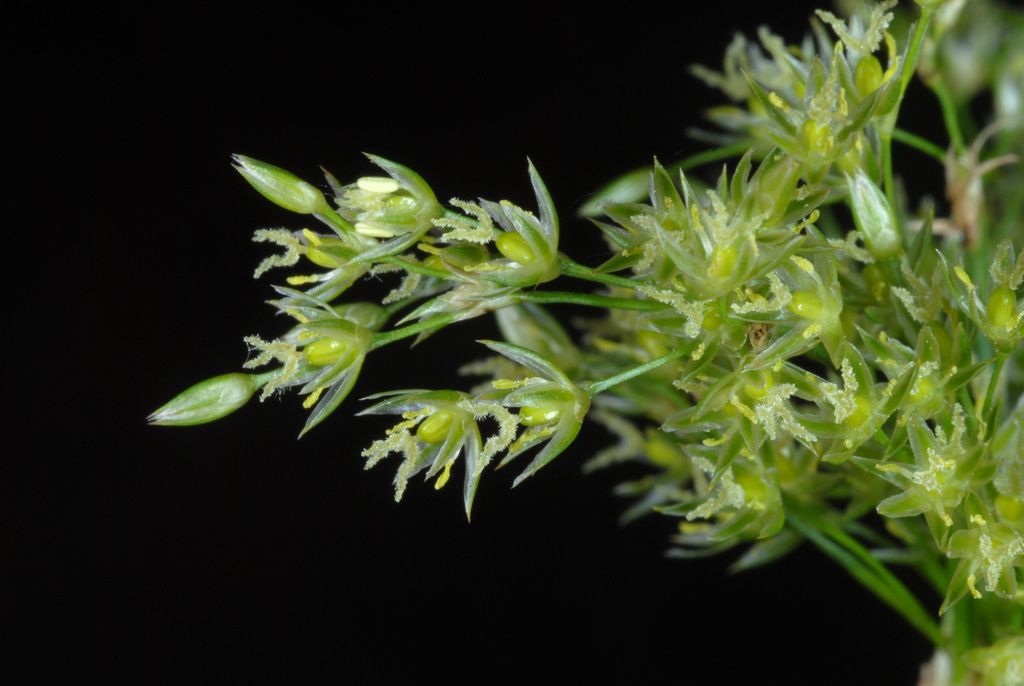
Rushes are tough, grass-like wetland plants (genus Juncus) that thrive in damp soil and help create calm, sheltered habitat at the edges of ponds, rain gardens, and low spots.
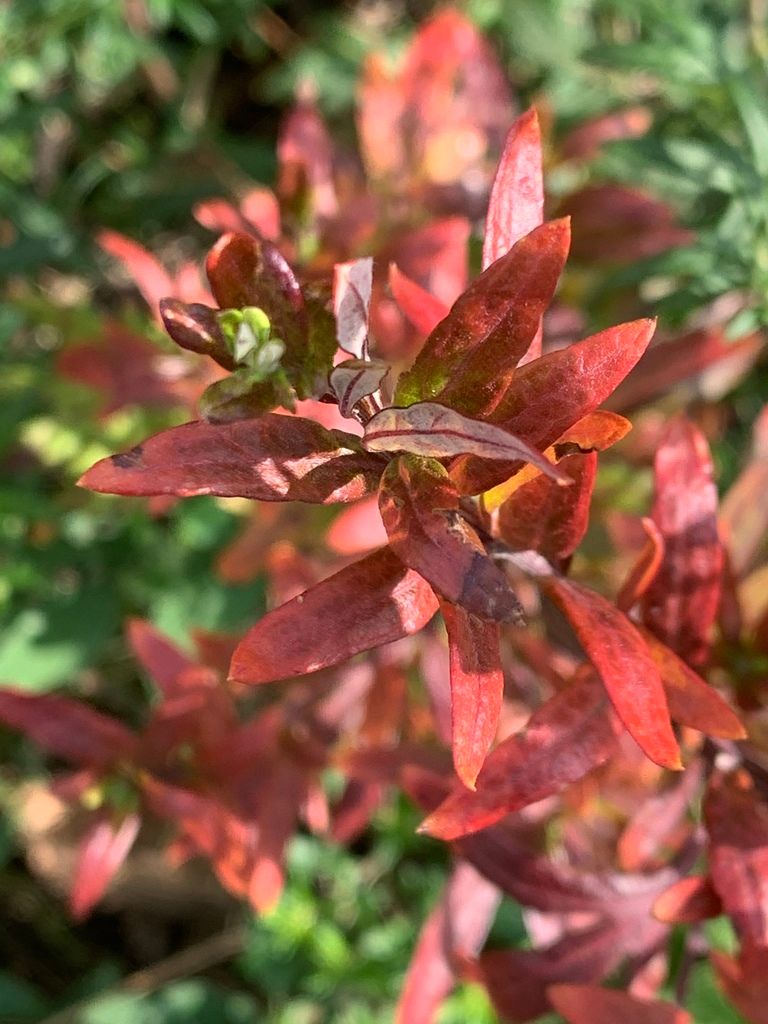
Sagebrushes are tough, aromatic shrubs in the genus Artemisia that can anchor a dry, sunny habitat and offer shelter and seasonal nectar for a range of insects.
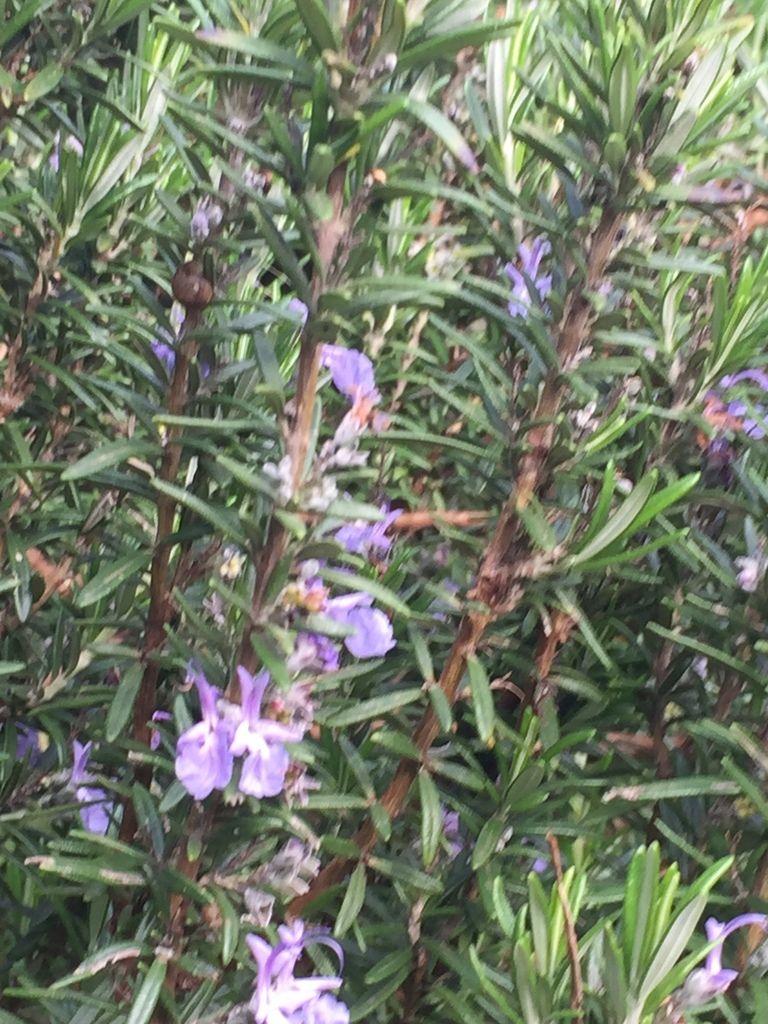
Sages (genus Salvia) are aromatic, nectar-rich plants that can add long-lasting color and steady pollinator activity to gardens, balconies, and schoolyards.
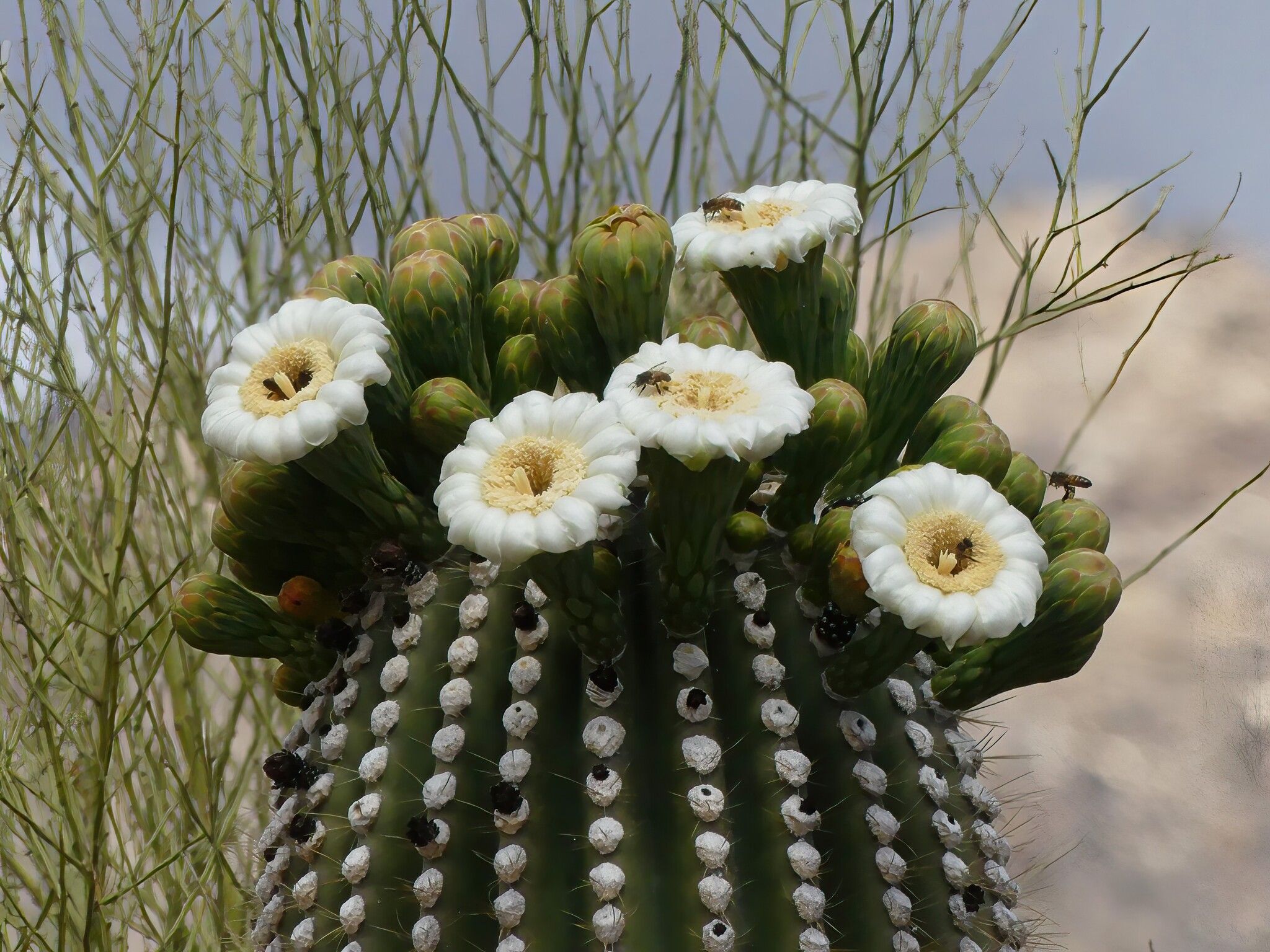
Saguaros are iconic desert cacti that grow slowly, live a long time, and offer seasonal flowers that can support pollinators when grown in the right conditions.
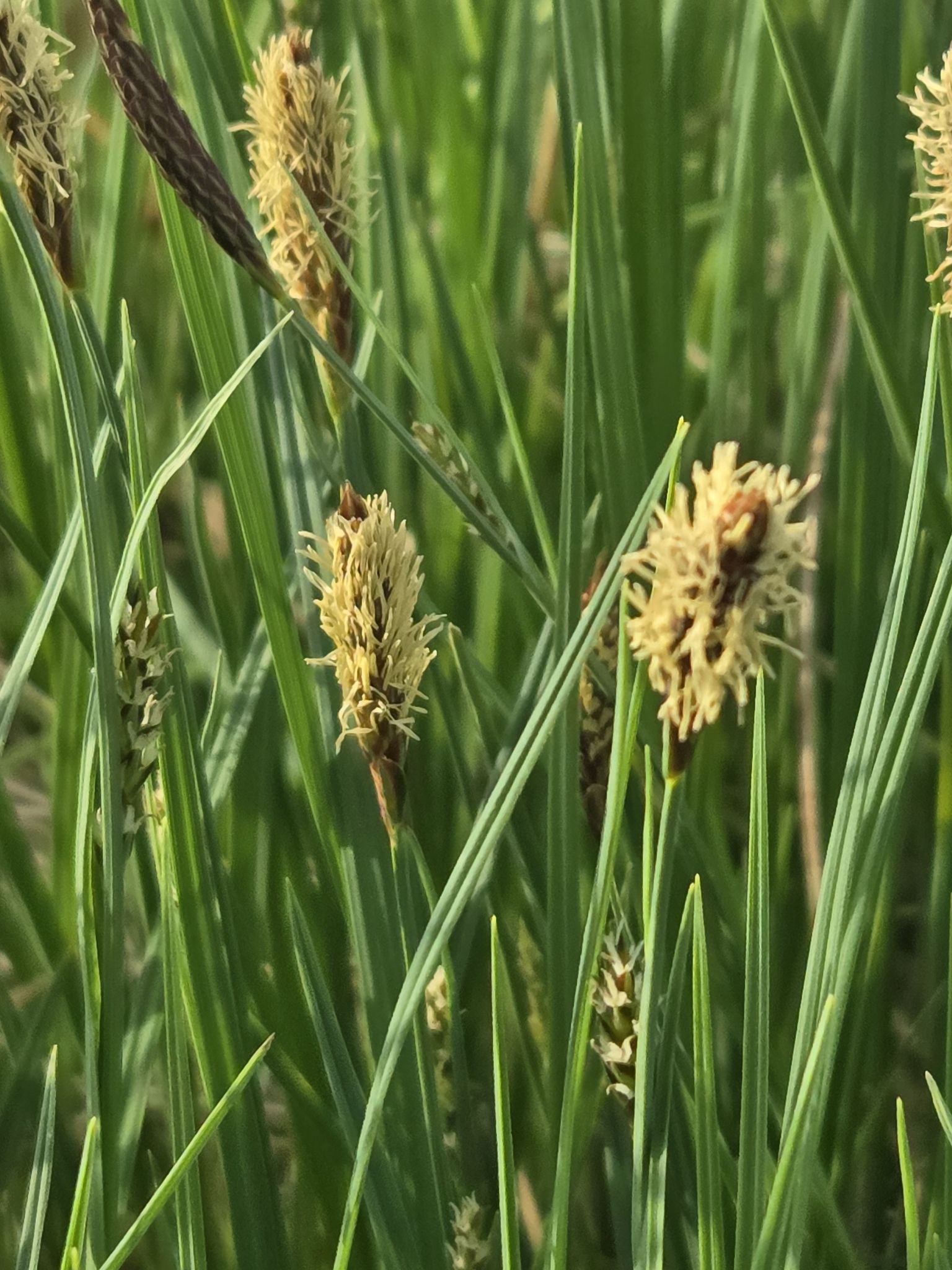
Sedges (genus Carex) are grass-like plants that form tidy clumps and thrive in many garden conditions, especially where soil stays a bit damp. They add texture, cover bare ground, and can support small wildlife by providing shelter and nesting material.
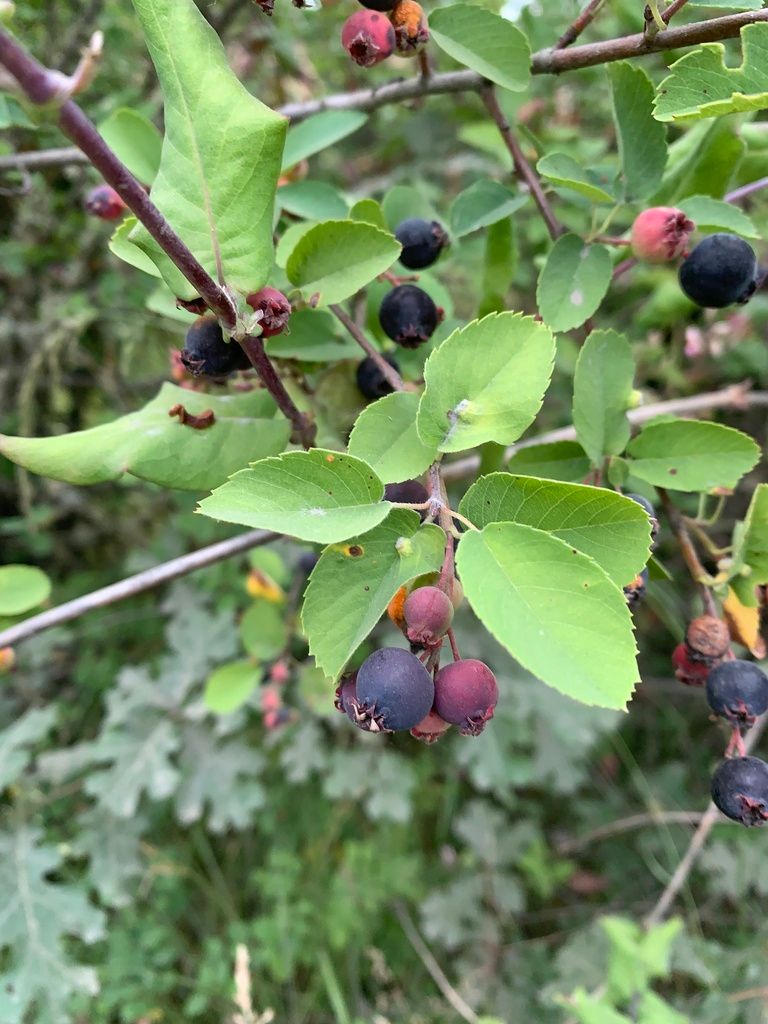
Serviceberries (genus Amelanchier) are small trees with early-season blossoms, edible berries, and strong wildlife value—an easy way to add beauty and pollinator support to a yard, school garden, or even a large container.
Native sunflowers are bright, tough wildflowers in the genus Helianthus that feed pollinators and add cheerful color from mid-season into fall.
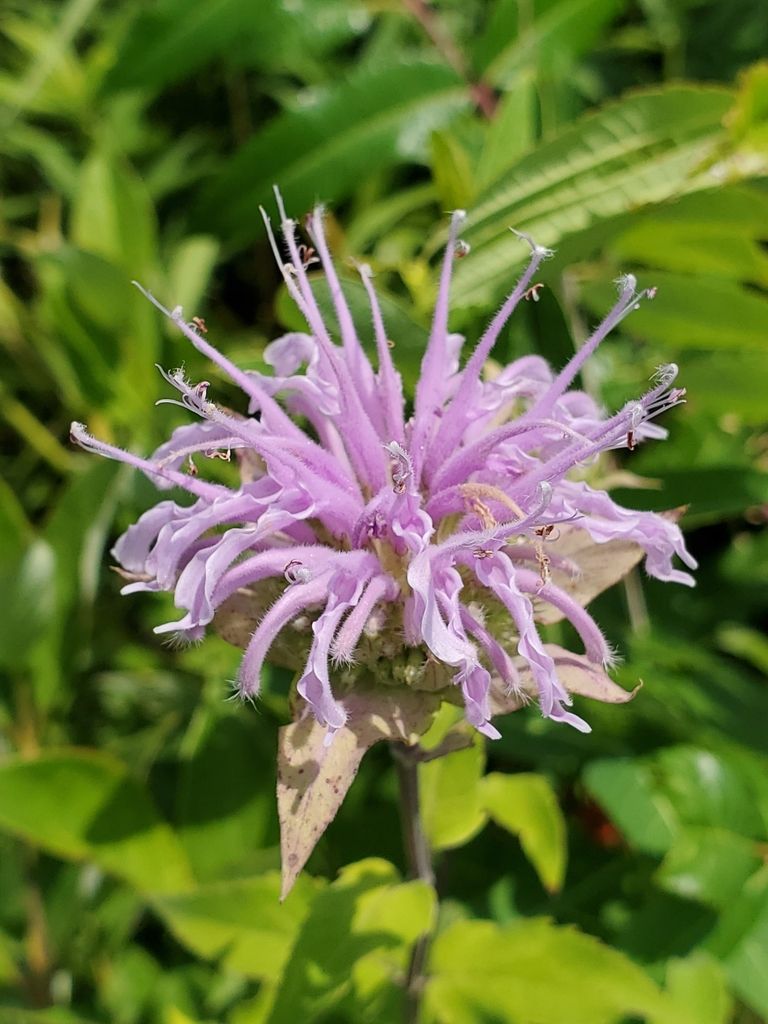
Wild bergamot and other bee balms (the genus Monarda) are easygoing native wildflowers known for their shaggy, pom‑pom blooms that draw in lots of pollinators. They’re a great choice when you want long-lasting summer color and a plant that feels lively with buzzing visitors.
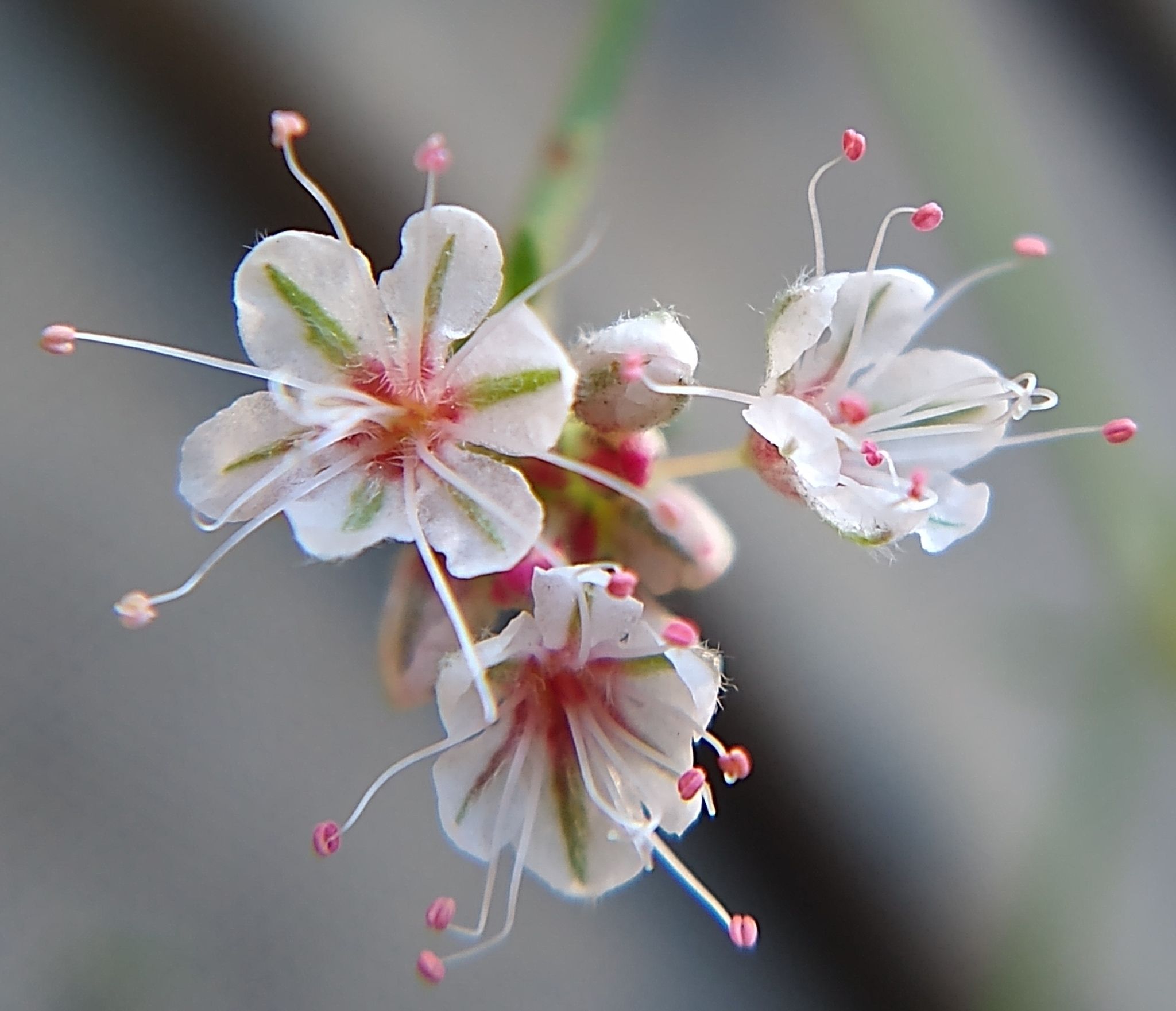
Wild buckwheats (genus Eriogonum) are tough, long-blooming western native wildflowers that can turn dry, sunny spots into reliable pollinator stops.
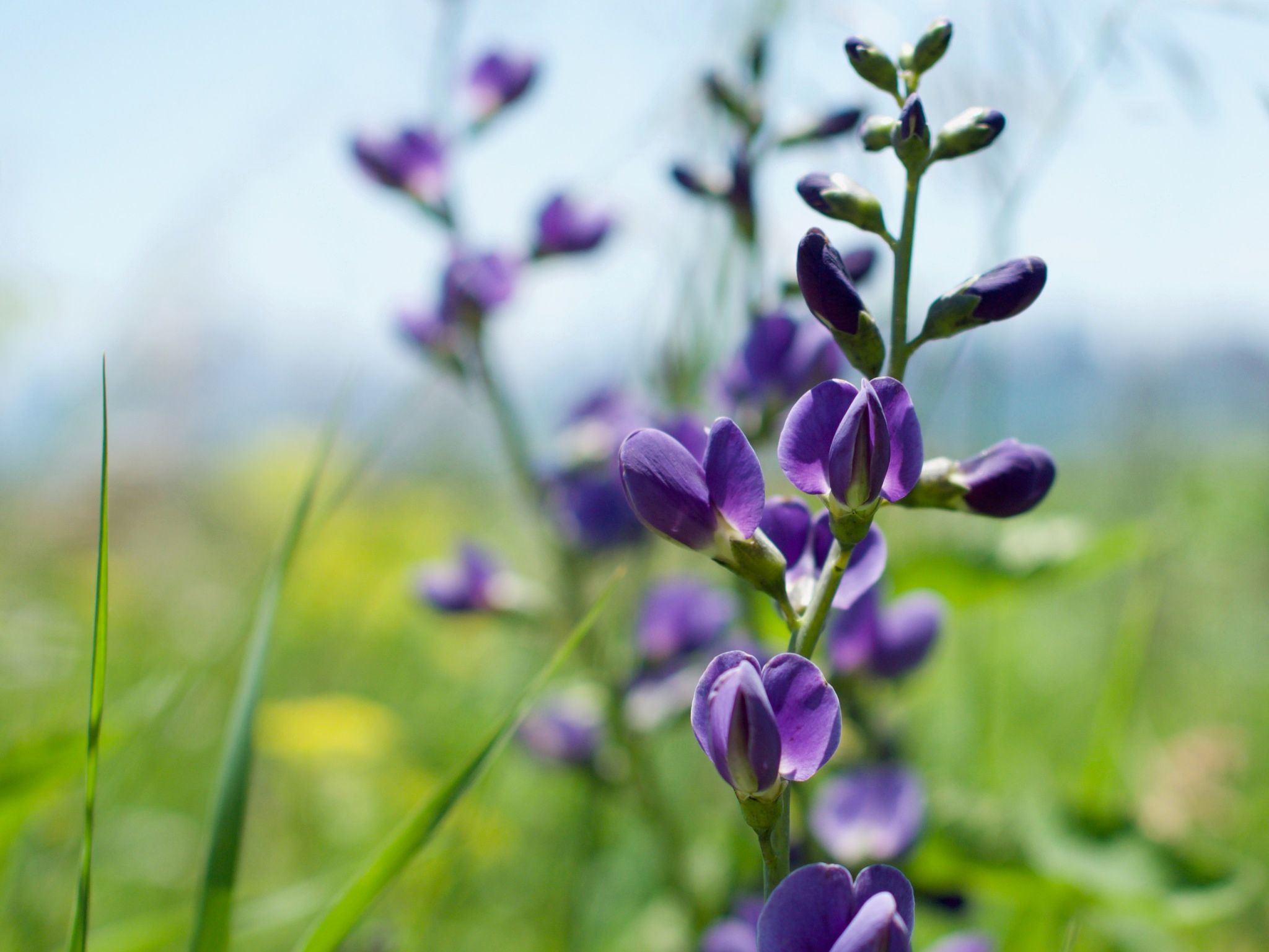
Wild indigos (genus Baptisia) are long-lived native wildflowers known for upright flower spikes, clover-like leaves, and a tough, low-fuss nature once established. They’re a strong choice for pollinator-friendly gardens where you want reliable blooms and a plant that can hold its own without constant care.
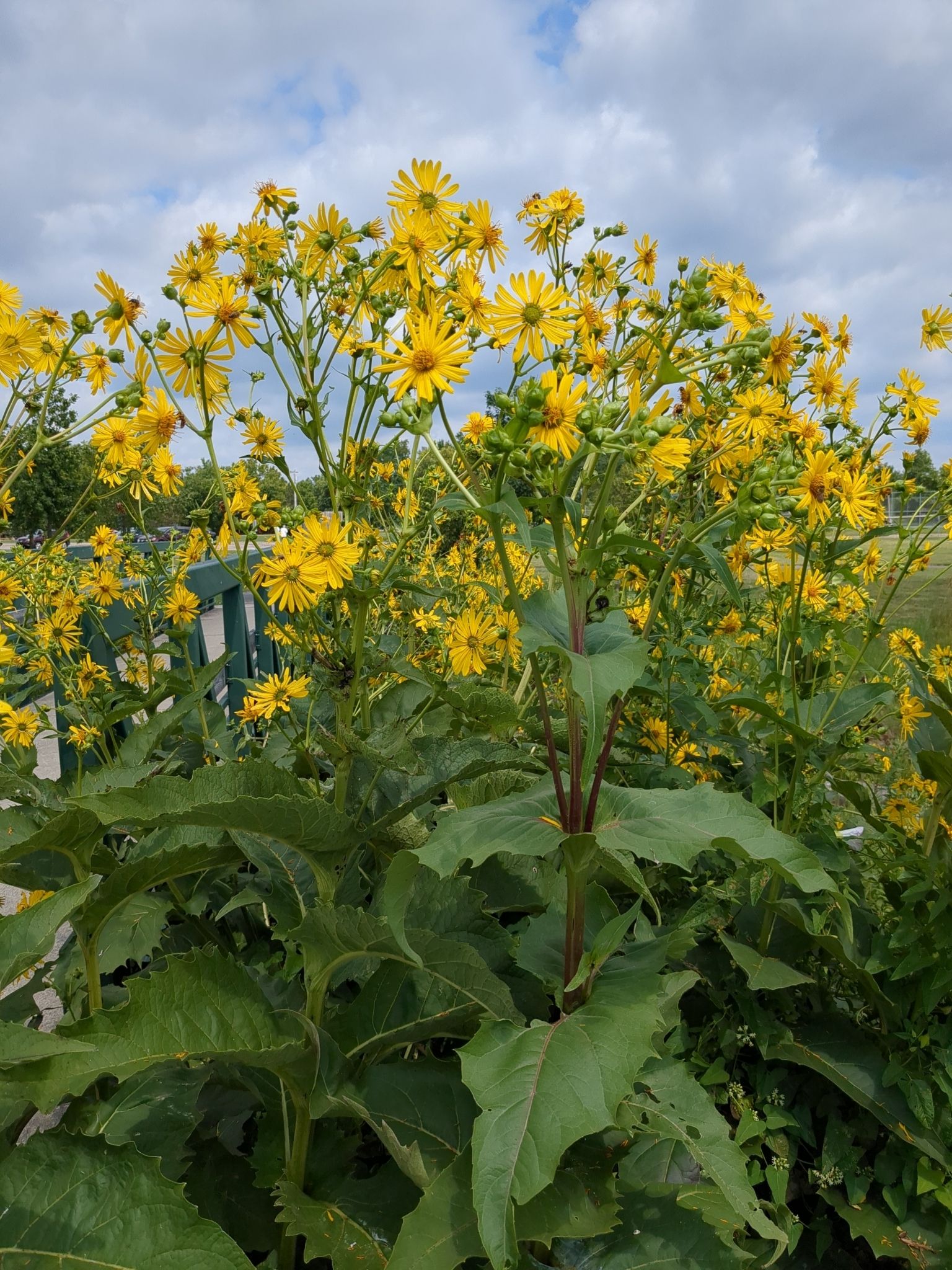
Silphium (often called rosinweed) is a group of tall, tough native wildflowers known for sunflower-like blooms and long-lasting nectar and pollen. They’re a strong choice for pollinator gardens, schoolyards, and naturalized edges where you want big plants that can handle summer heat once established.
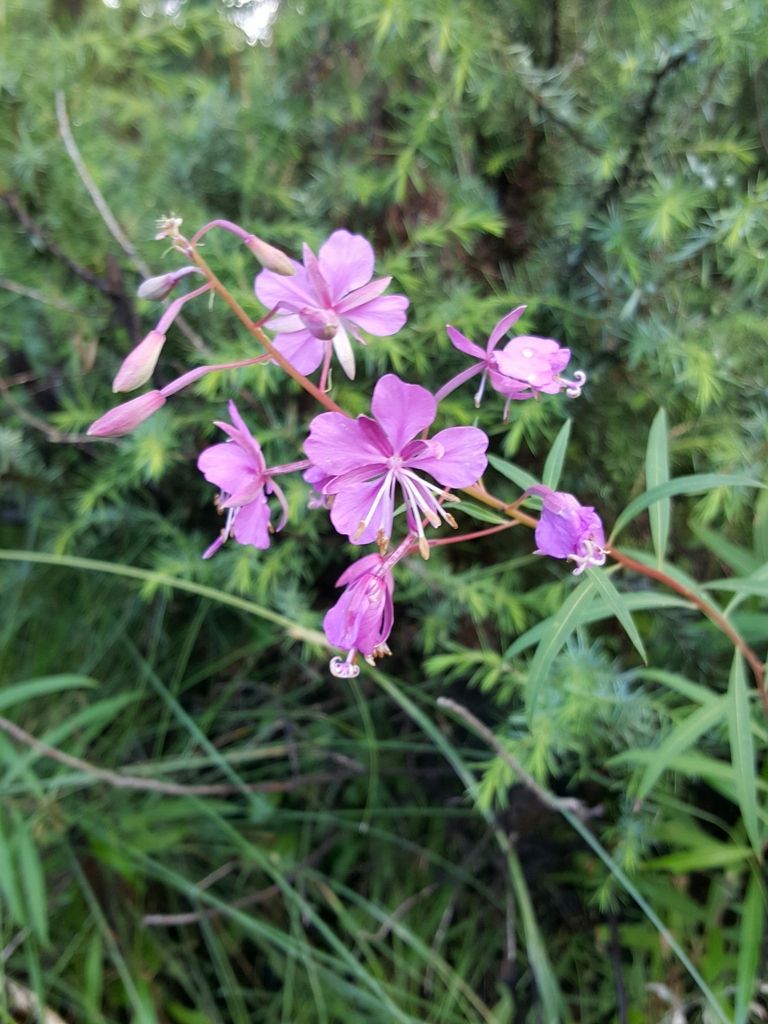
Willowherbs (genus Epilobium) are easygoing wildflowers that pop up in sunny, open spots and offer simple, nectar-rich blooms that many small pollinators can use.
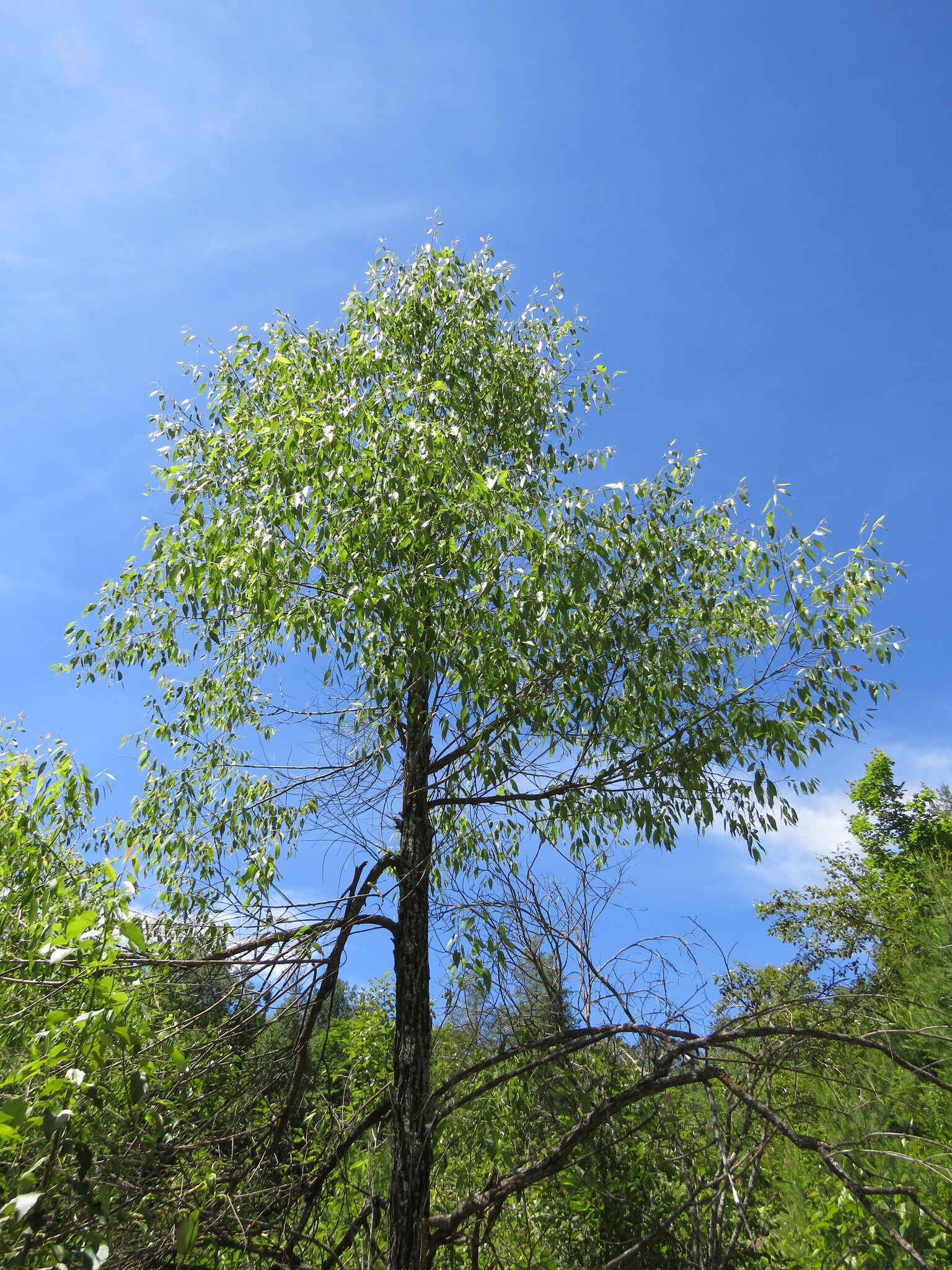
Willows are fast-growing trees and shrubs in the genus Salix that offer some of the earliest pollen and nectar of the year, making them a strong choice for pollinator-friendly yards, parks, and school grounds.
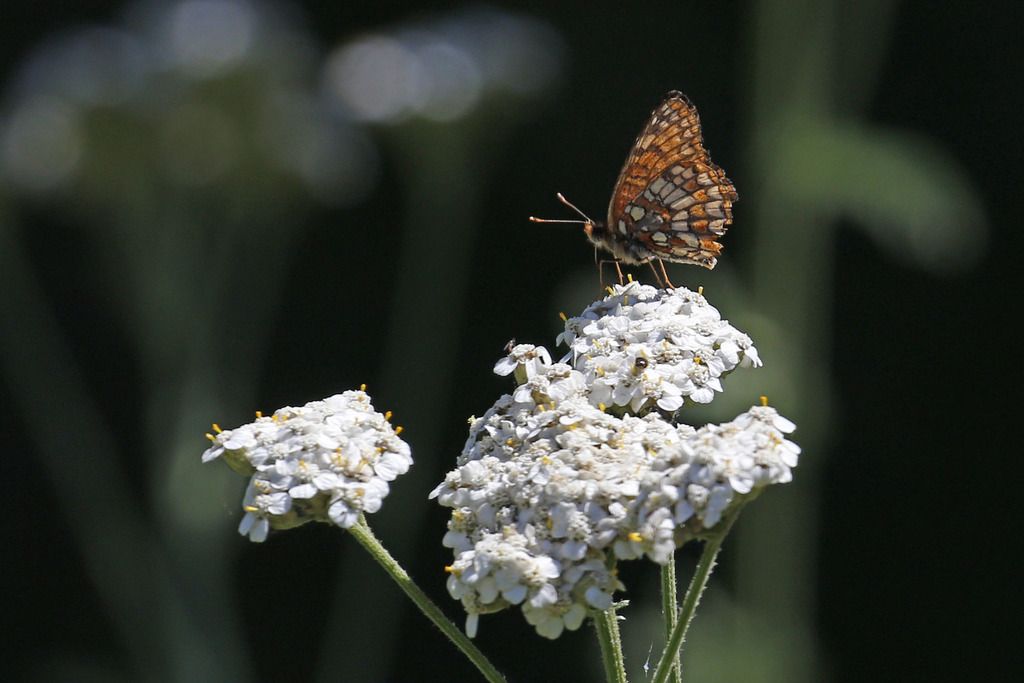
Yarrow is a tough, easygoing wildflower that brings long-lasting blooms and steady pollinator visits to gardens, schoolyards, and even containers.
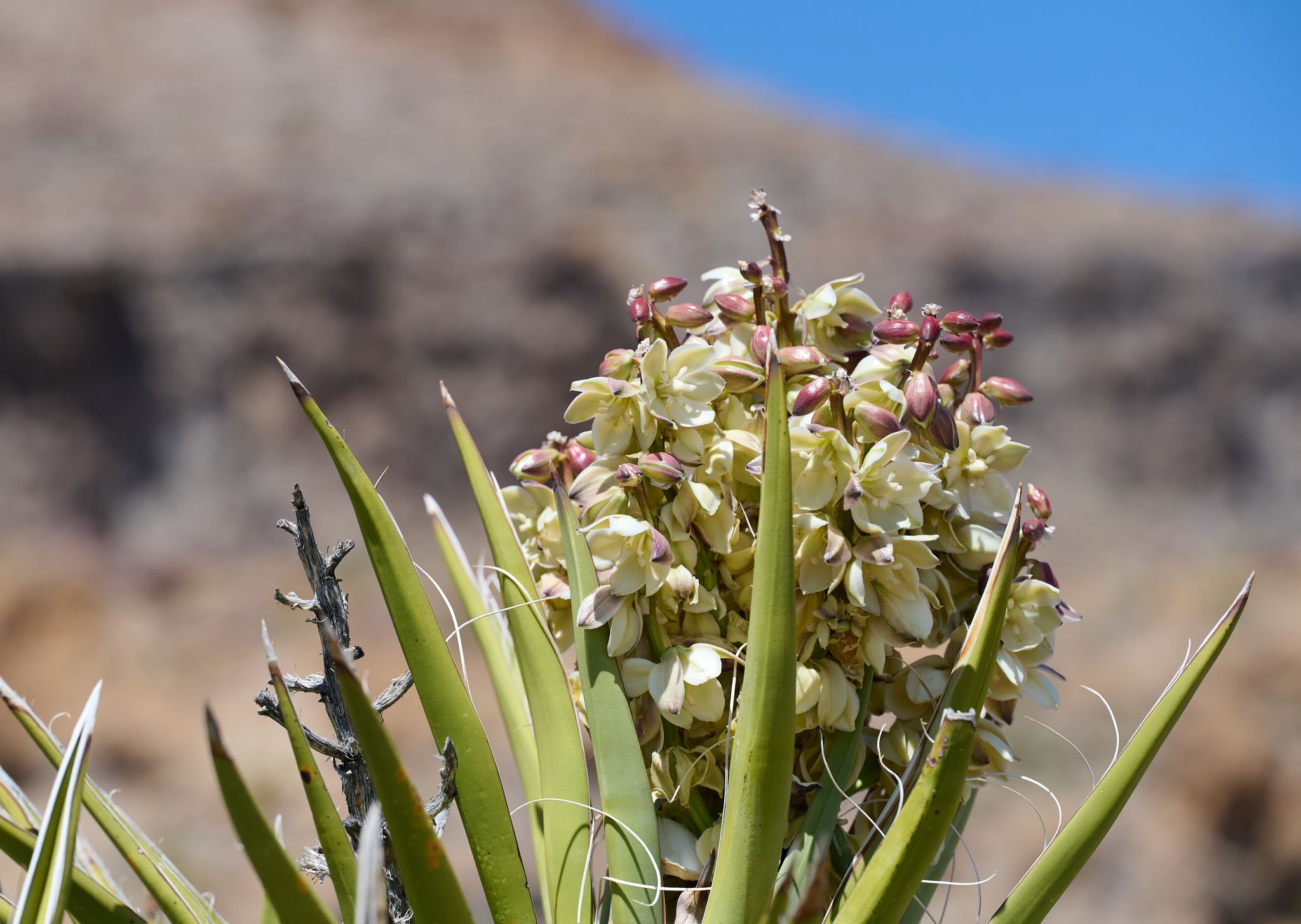
Yucca is a group of bold, architectural plants with spiky leaves and tall flower stalks that can add structure to sunny gardens and containers. Many yuccas are tough once established and can be a low-fuss way to offer nectar to visiting pollinators when in bloom.
Regions
Aberdeen Plains is a northern plains ecoregion where the growing season is short and conditions can be harsh for gardening.
The Abitibi Plains and Riviere Rupert Plateau is largely defined by boreal forest, wetlands, and extensive freshwater networks.
The Ahklun and Kilbuck Mountains are a rugged, high-relief landscape where plants and pollinators must make the most of a short, often cool season.
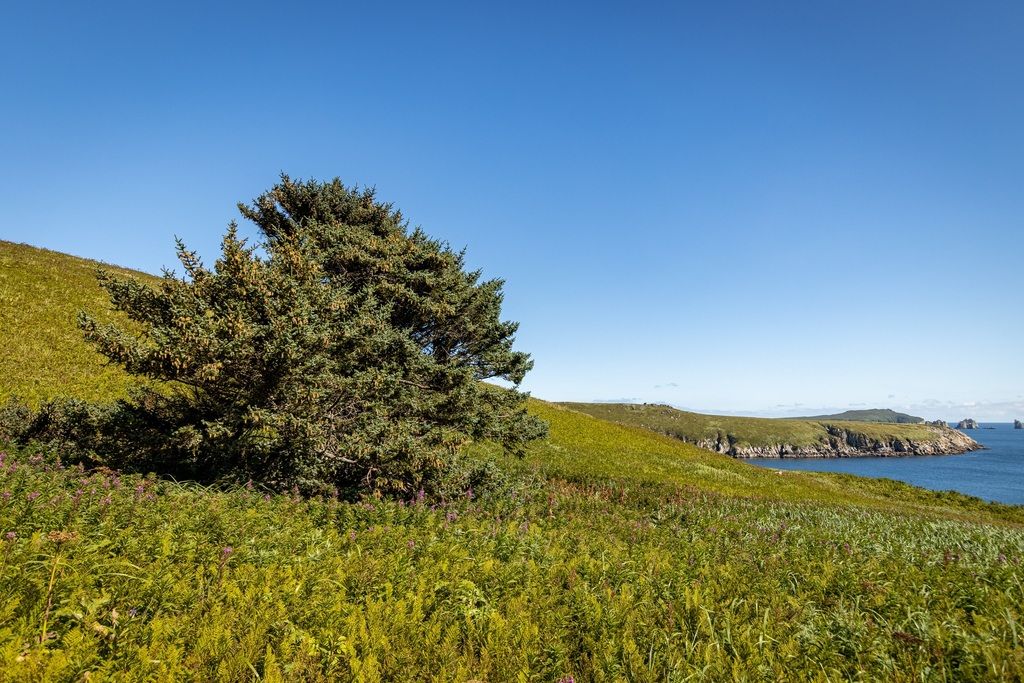
The Alaska Peninsula Mountains are a rugged, coastal-influenced mountain region where conditions can be challenging for traditional gardening.
The Alaska Range is a high, cold mountain landscape where plants and pollinators must make the most of a short summer.
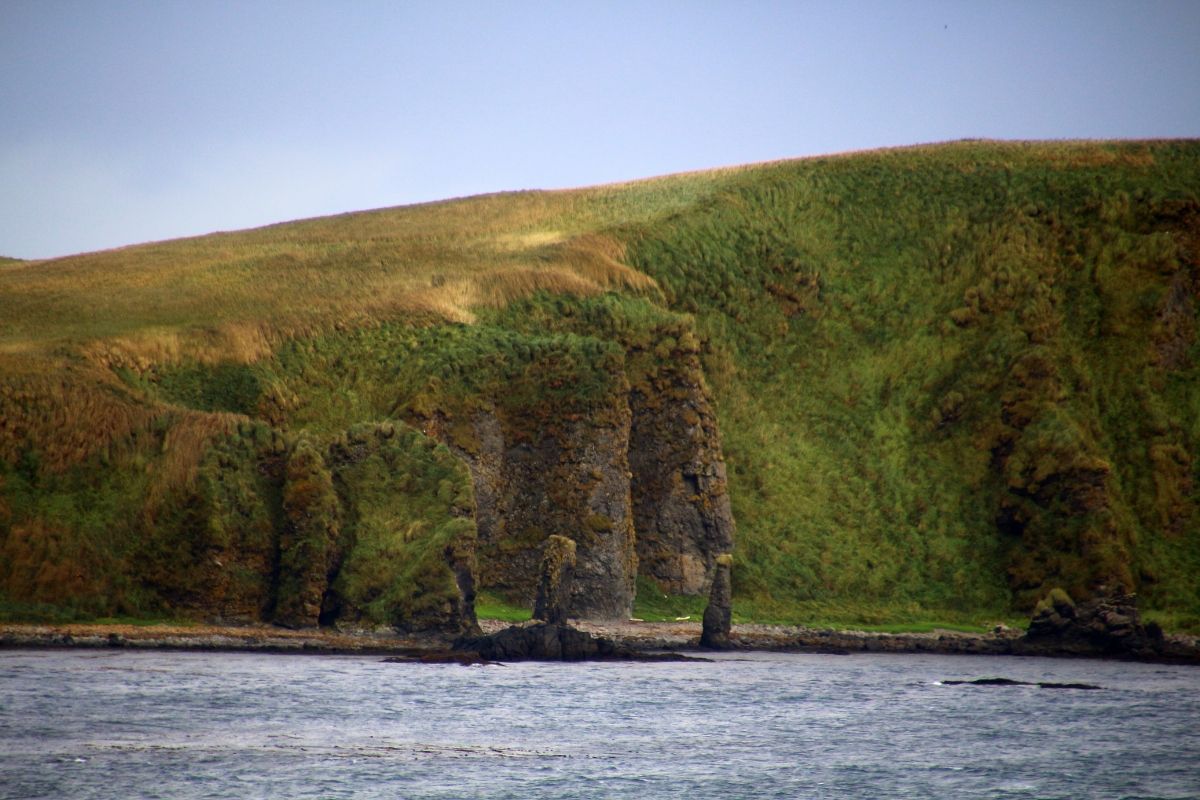
The Aleutian Islands are a maritime, wind-shaped island chain with short, challenging growing conditions and many exposed sites.
Algonquin/Southern Laurentians is a forest-and-water landscape where many pollinators rely on sunny edges, openings, wetlands, and flowering understories rather than deep shade.
The Amundsen Plains are a northern Arctic plains region where the growing season is short and conditions are tough for typical home gardening.
The Arctic Coastal Plain is a tundra region where plants grow low to the ground and the flowering season is brief.
The Arctic Foothills are a rugged transition zone where tundra landscapes meet rising hills and mountain fronts.
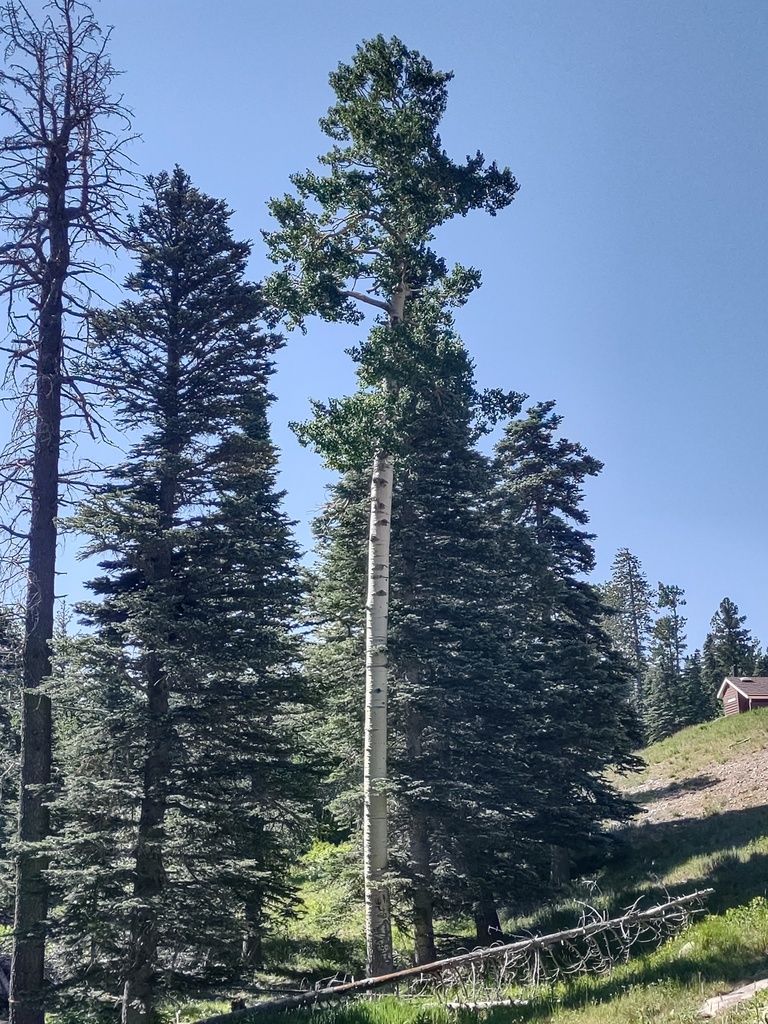
The Arizona/New Mexico Mountains are a “sky-island” style landscape: cooler, higher, and often greener than the surrounding lowlands.
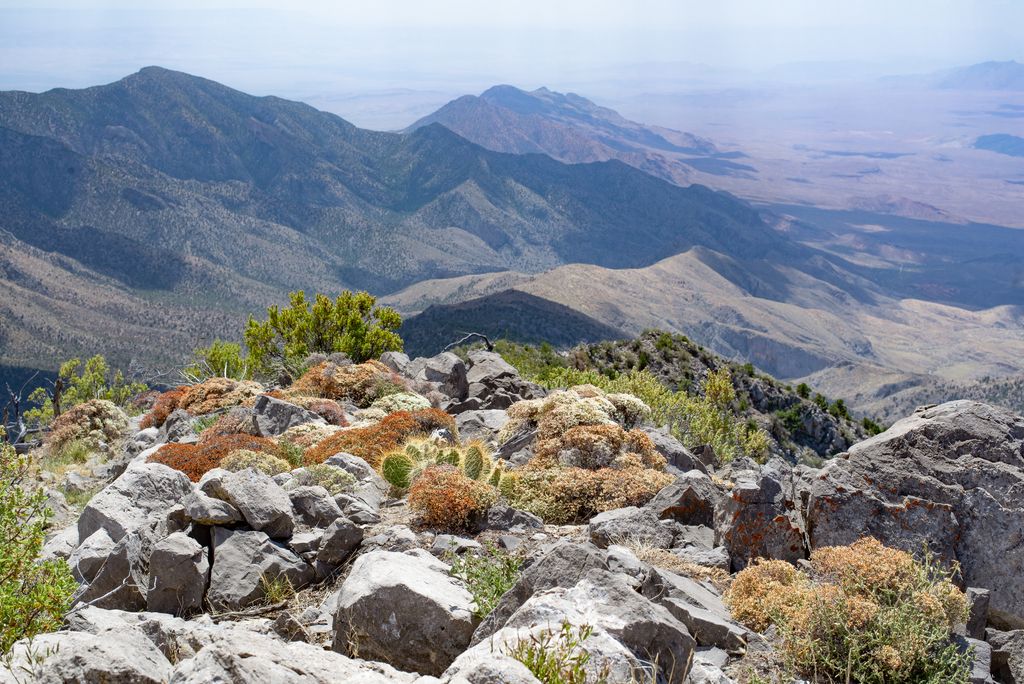
The Arizona/New Mexico Plateau is a dry, high-country landscape where plants and pollinators are adapted to tough conditions—sun, wind, and long dry stretches.
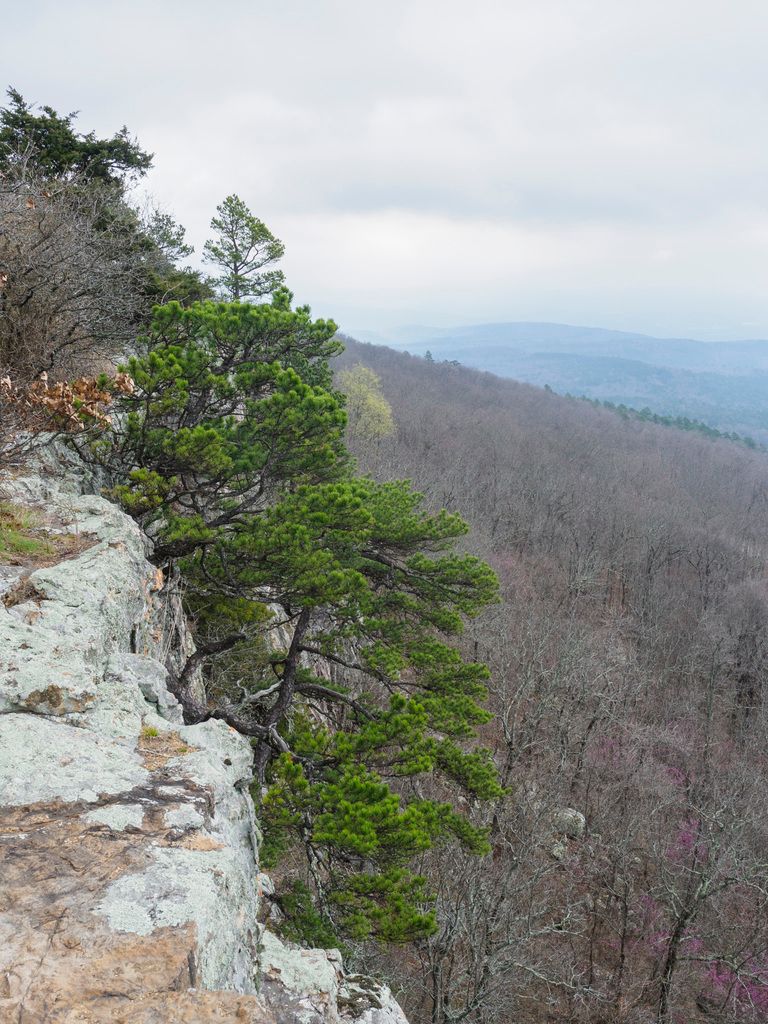
The Arkansas Valley is a river-influenced landscape where soils, moisture, and sun exposure can change quickly from one spot to the next.
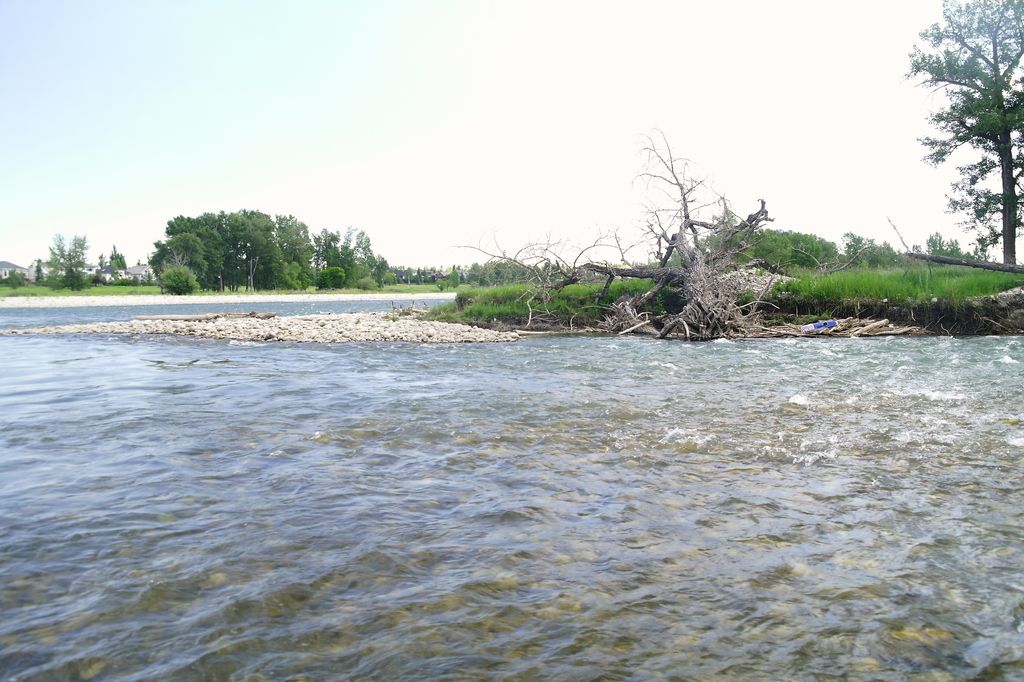
The Aspen Parkland/Northern Glaciated Plains is a “mosaic” landscape—open grassland mixed with aspen groves, wetlands, and edges where habitats meet.
Athabasca Plain and Churchill River Upland is a northern, boreal-leaning landscape where forests, wetlands, and river systems shape what can grow and when it blooms.
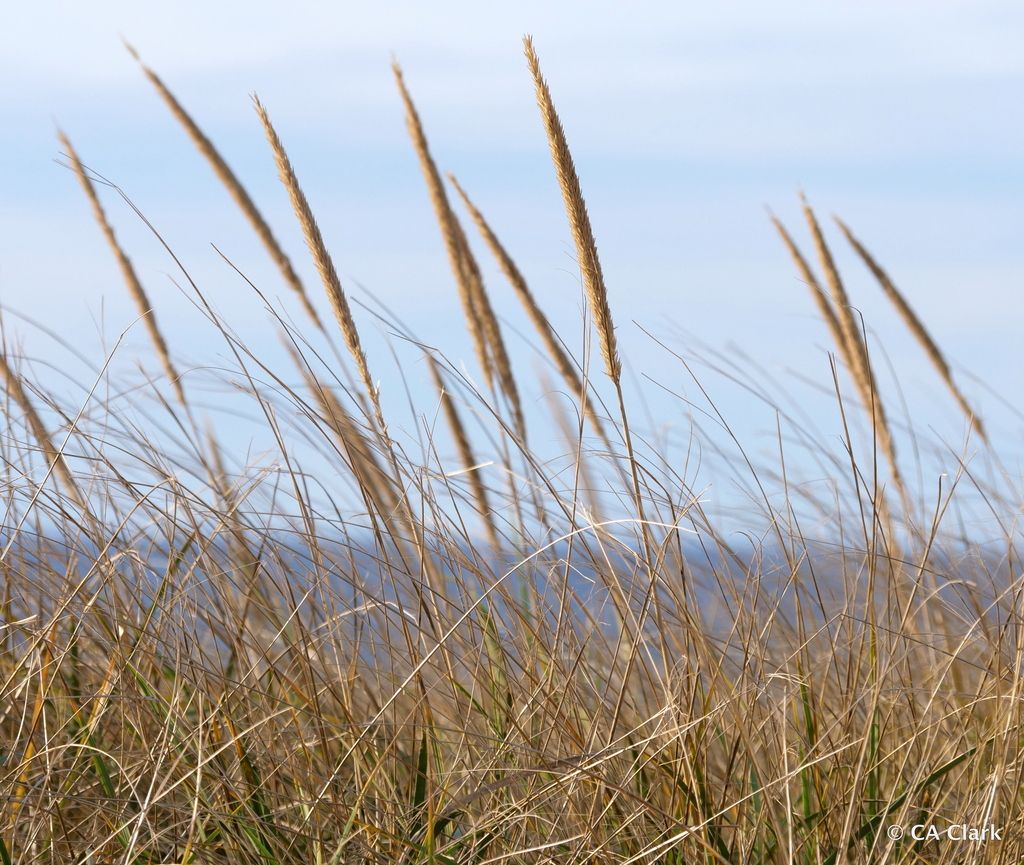
Atlantic Coastal Pine Barrens are often defined by sandy soils, open sunny patches, and a mix of pine-dominated areas, shrublands, and wetland edges.
The Baffin and Torngat Mountains are a dramatic Arctic mountain region where life is adapted to cold, wind, and a very short season for growth.
The Baffin Uplands are a High Arctic ecoregion where plants grow slowly and stay low, and where “garden-style” pollinator planting is often not practical.
The Baja California Desert is a warm-desert region where life is adapted to drought, heat, and big swings in how much rain falls from year to year.
Banks Island and the Amundsen Gulf Lowlands are part of the Northern Arctic, where plants and insects must survive extreme cold, wind, and a very short season for growth and flowering.
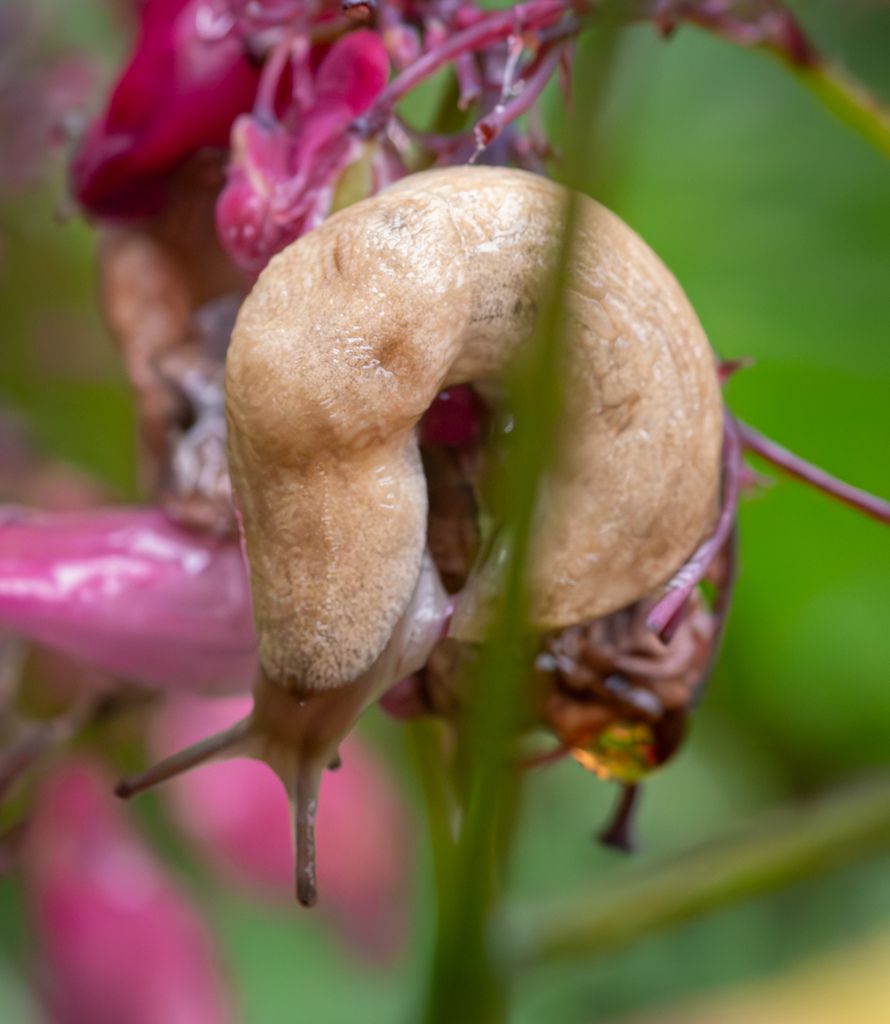
The Blue Mountains are a varied mountain-and-valley landscape where forests, meadows, and river corridors can sit close together.
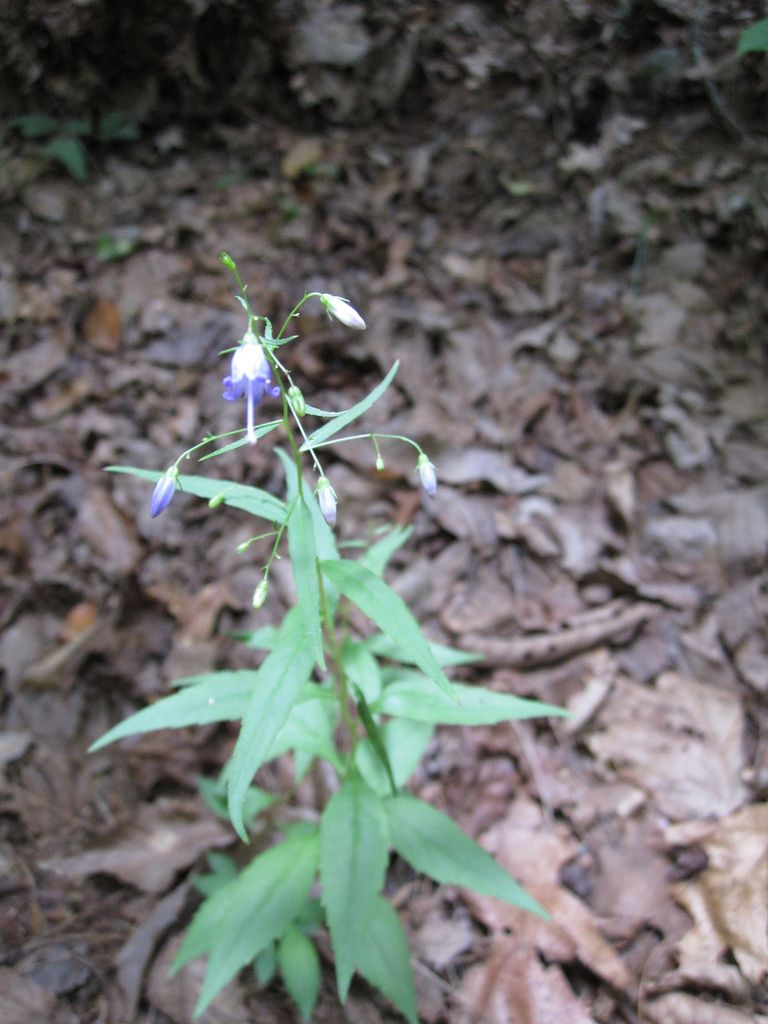
The Blue Ridge is a forested mountain region with big changes in sun, shade, moisture, and temperature over short distances.
The Boston Mountains ecoregion is a mostly forested landscape of ridges, slopes, and stream valleys.
The Bristol Bay–Nushagak Lowlands are tundra-leaning lowlands where wetlands, river corridors, and coastal conditions shape what can grow.
The Brooks Range/Richardson Mountains ecoregion is a high-latitude mountain tundra landscape where plants grow low to the ground and the season for flowers can be brief.
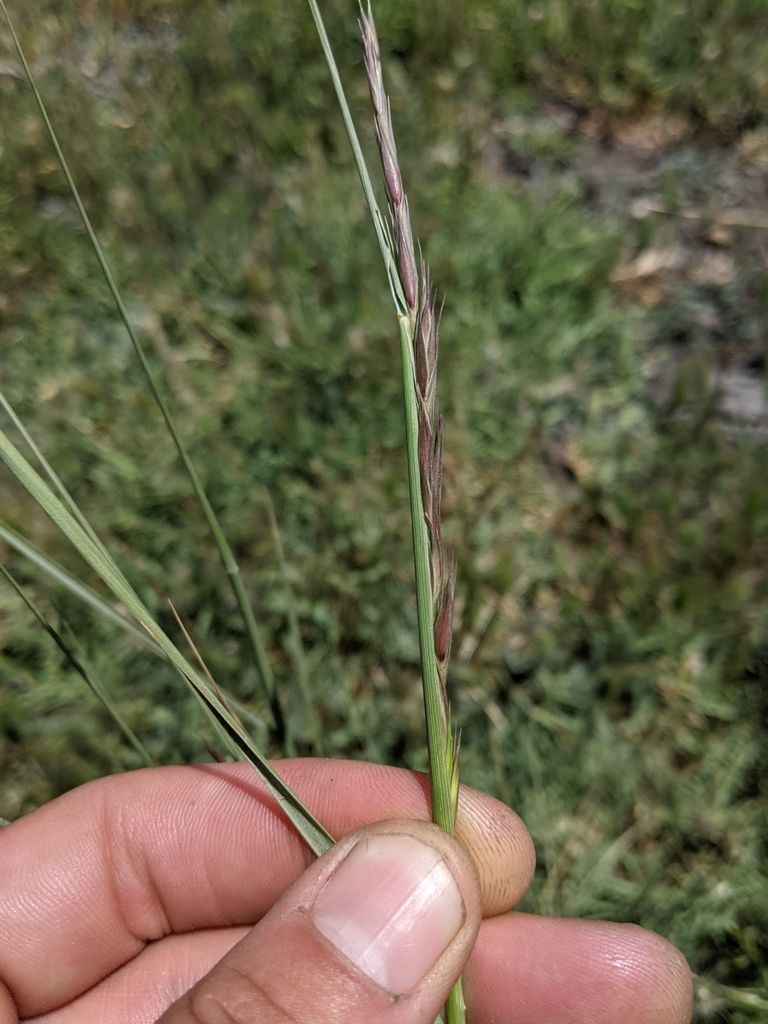
The California Central Coast is a patchwork of ocean-edge bluffs, valleys, oak woodlands, chaparral, and coastal mountain habitats.
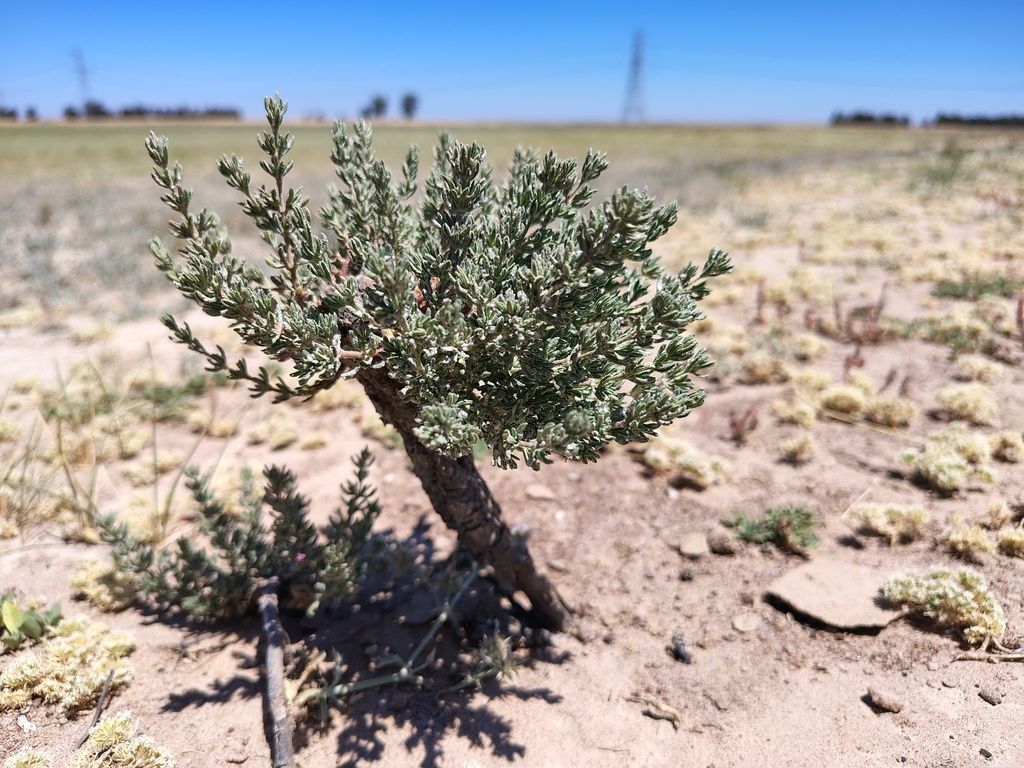
The California Central Valley is a wide, mostly flat interior valley with big rivers, working farms, and growing cities.
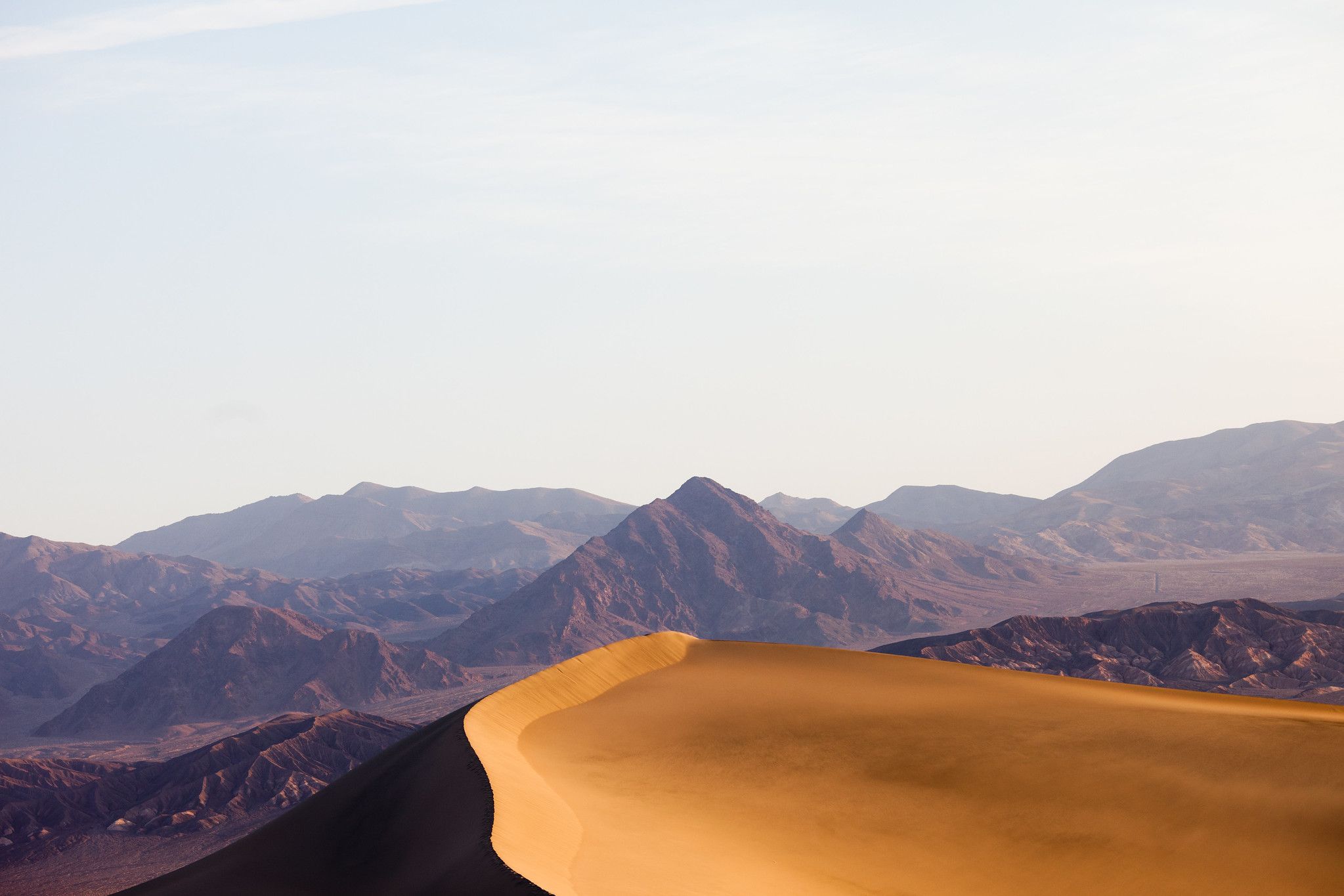
The Mojave is a warm-desert region where life is shaped by limited water, intense sun, and big temperature swings.
The California Southern Coast is a Mediterranean-climate coastal region where many plants are adapted to wet seasons followed by long dry stretches.
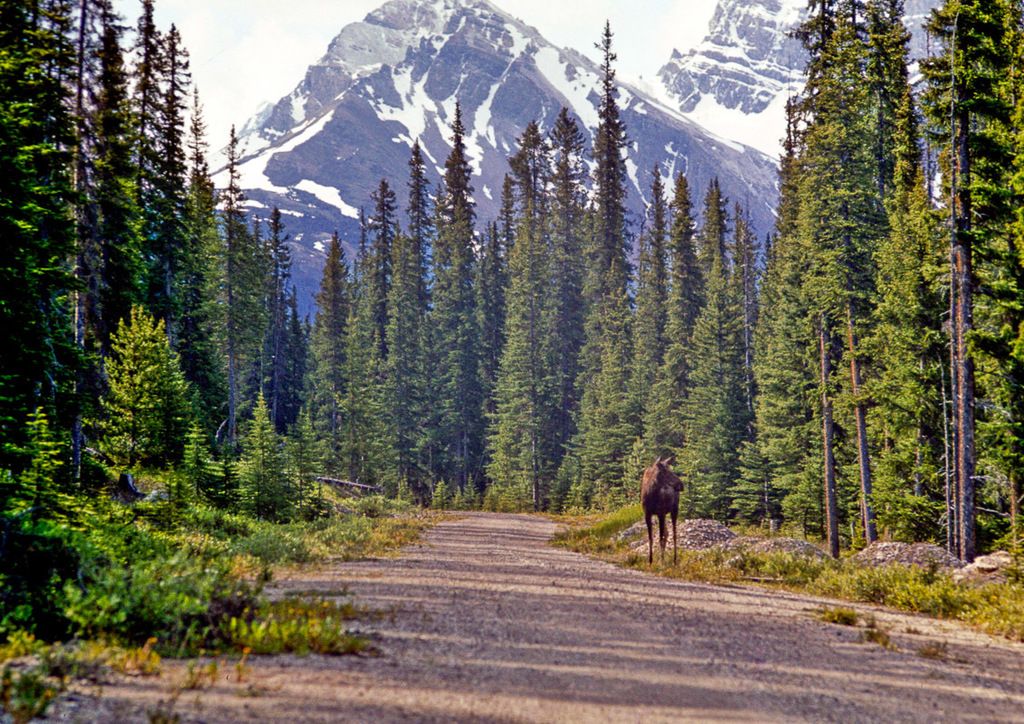
The Canadian Rockies are a rugged mountain region with big elevation changes, cold winters, and pockets of warmer, sunnier valley habitat.
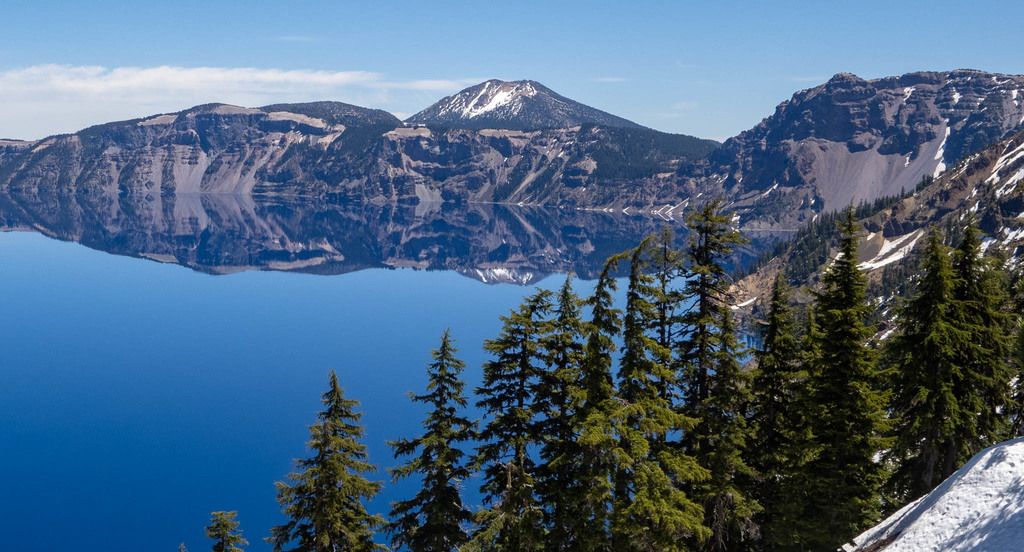
The Cascades ecoregion is defined by mountains, forests, and dramatic “up-and-down” terrain that creates many local growing conditions.
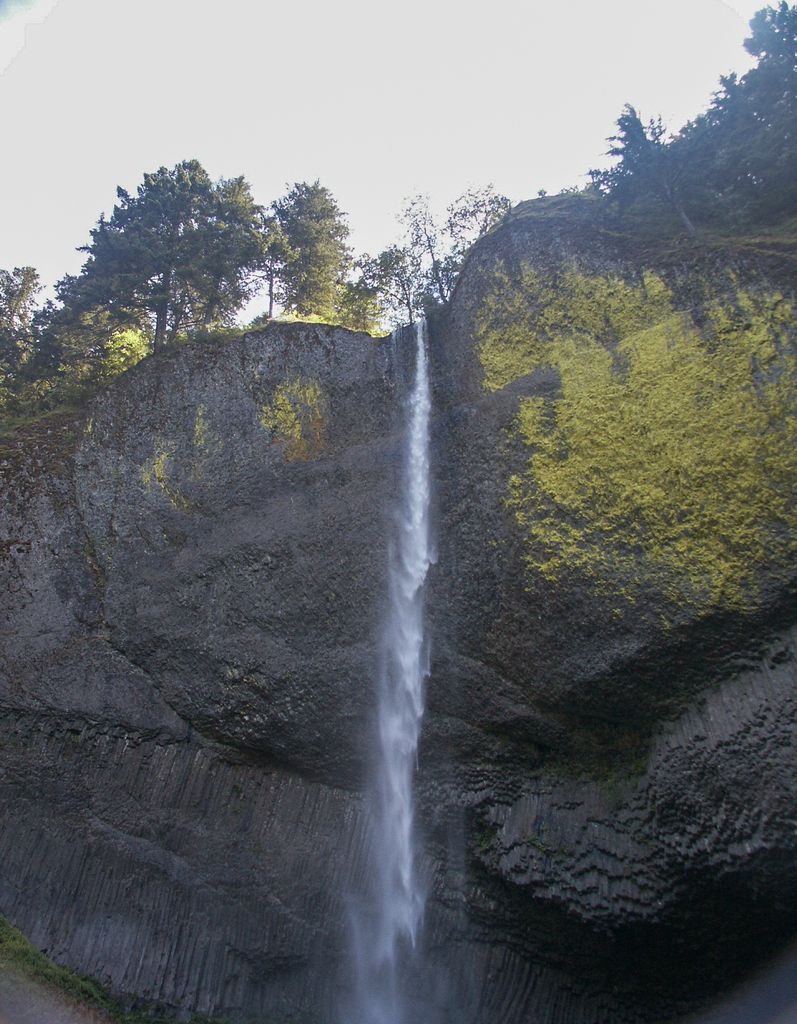
This region is defined by Central American mountain forests where conifers and oaks can be major features, alongside mixed forest communities.
This ecoregion is part of the Southern Arctic, where plants and pollinators must make the most of a short, intense growing season.
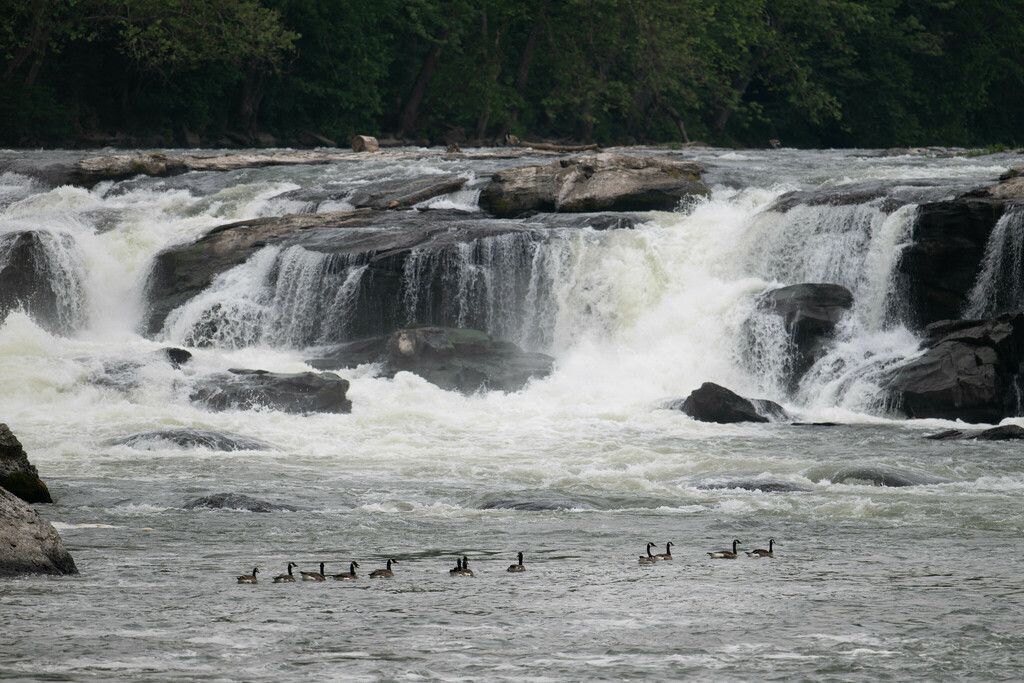
The Central Appalachians are largely forested, with a patchwork of sunny edges, meadows, roadsides, and stream corridors where flowers can thrive.
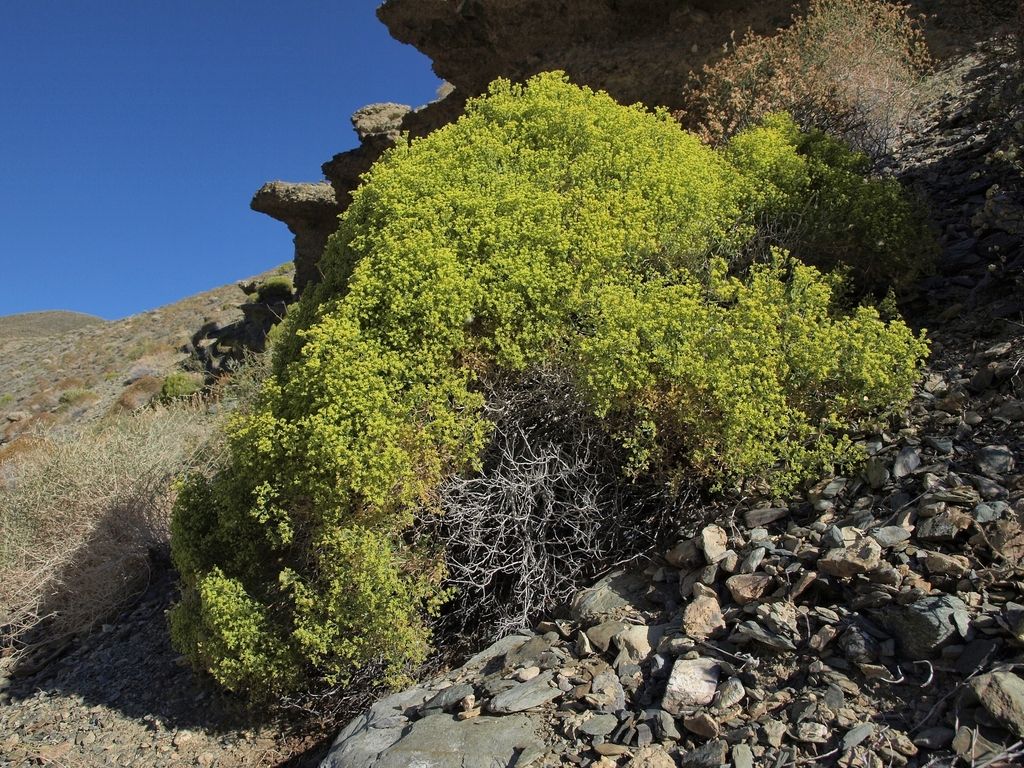
The Central Basin and Range is a wide-open landscape of desert basins and mountain ranges, where water and shade strongly shape what can grow.
The Central Corn Belt Plains is a plains ecoregion where much of the land has been shaped by farming and settlement, but pollinator habitat can still be created in yards, school grounds, parks, field edges, and community spaces.
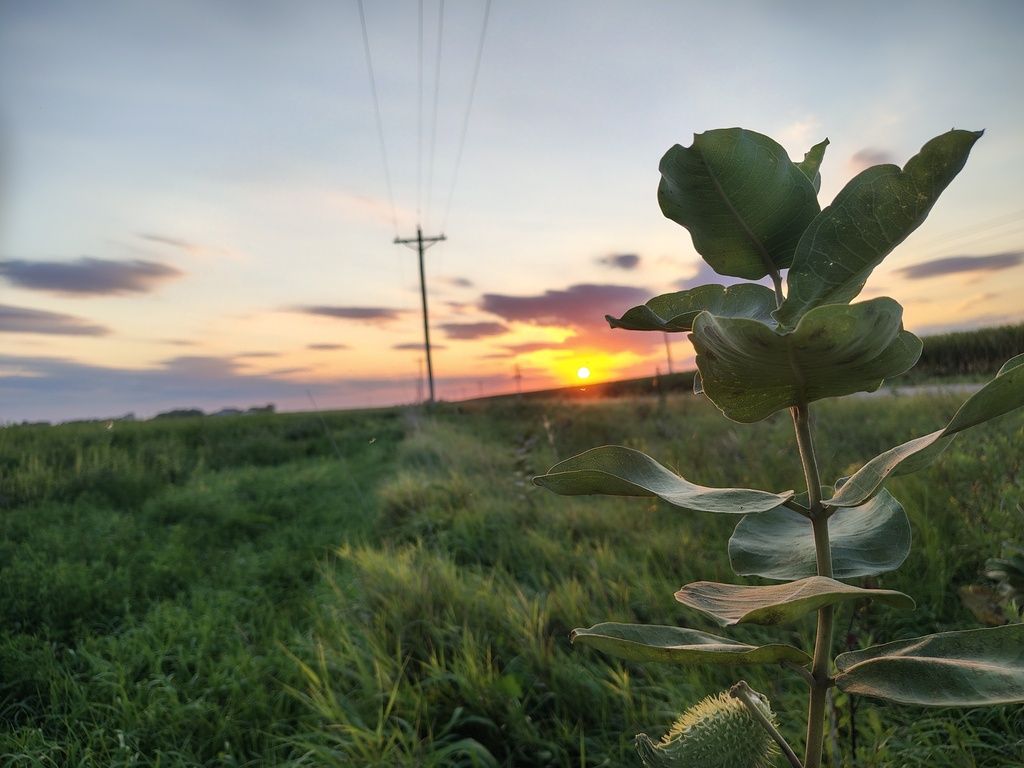
The Central Great Plains is a prairie-focused ecoregion where grasses and wildflowers can thrive when matched to local moisture and soil conditions.
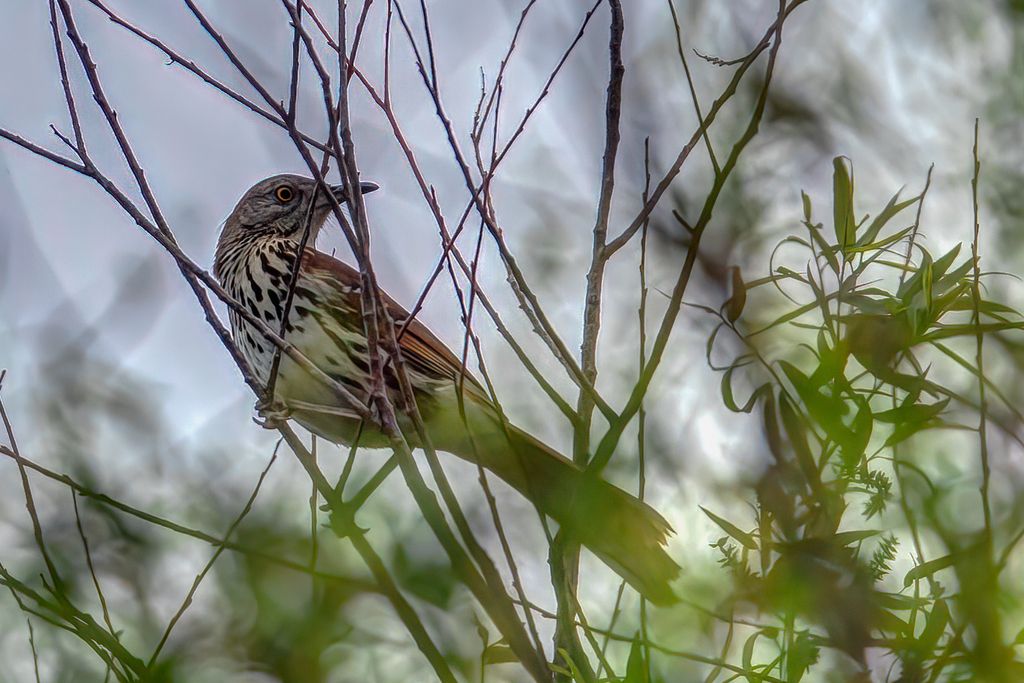
This ecoregion sits within the Temperate Prairies and is often associated with open landscapes, grassland-leaning plant communities, and human-shaped land use.
The Central Laurentians and Mecatina Plateau is typically a softwood-shield region with forests, bogs/fens, rocky openings, and water-rich landscapes.
This region is a highland landscape shaped by mountains and forests—often a mix of conifers and oaks—with many “microclimates” created by elevation and terrain.
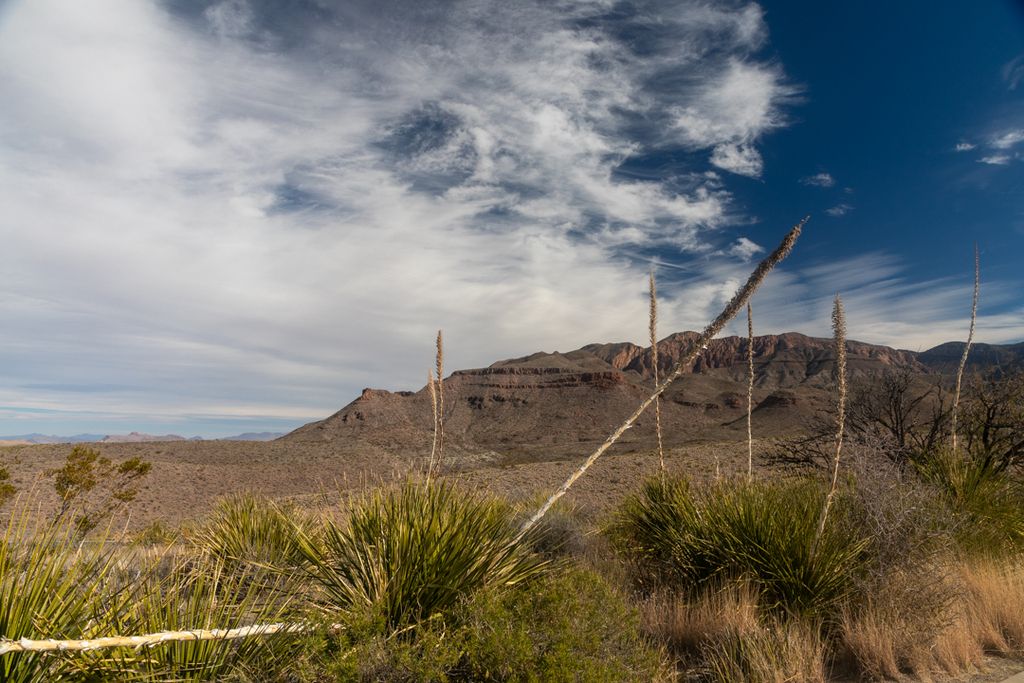
The Chihuahuan Desert is a place of extremes: dry stretches, sudden flushes of bloom after moisture, and a patchwork of habitats shaped by elevation and water.
The Chilcotin Ranges and Fraser Plateau includes a patchwork of plateaus, forests, grass-leaning openings, and river corridors.
Clear Hills and Western Alberta Uplands is a boreal upland landscape where forests, wet areas, and stream corridors shape what can grow.
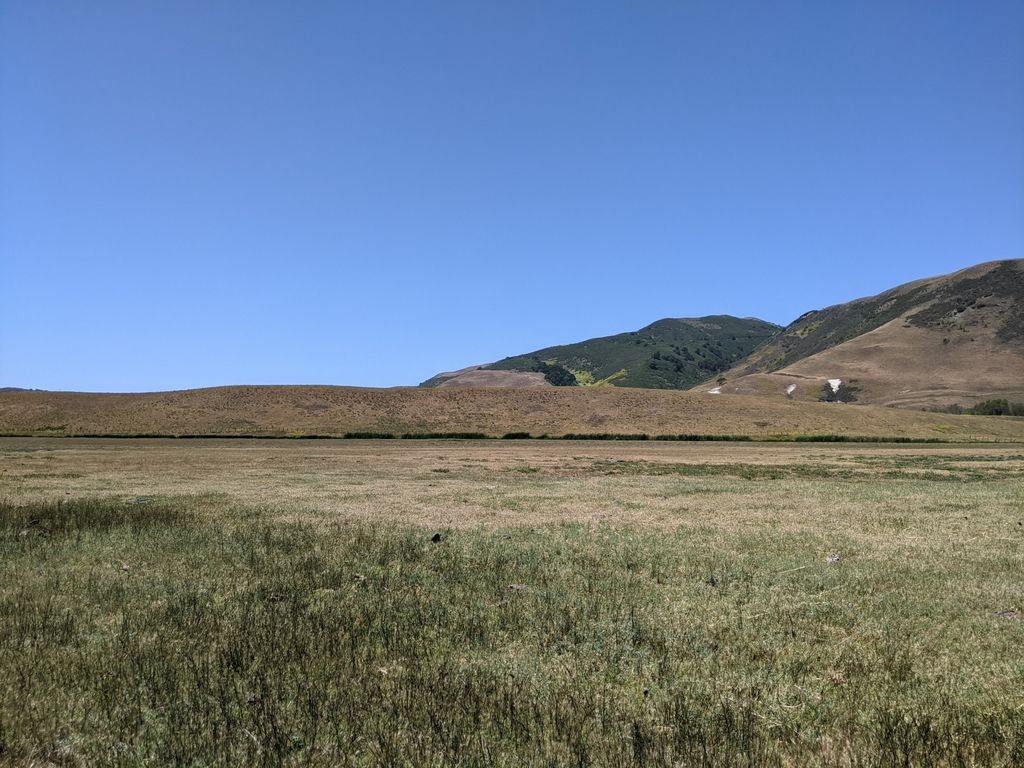
The Coast Range is a coastal mountain landscape shaped by steep terrain, forested slopes, and valleys.
The Coastal Hudson Bay Lowland is a cold, flat coastal region where wet ground and a short summer shape what can grow.
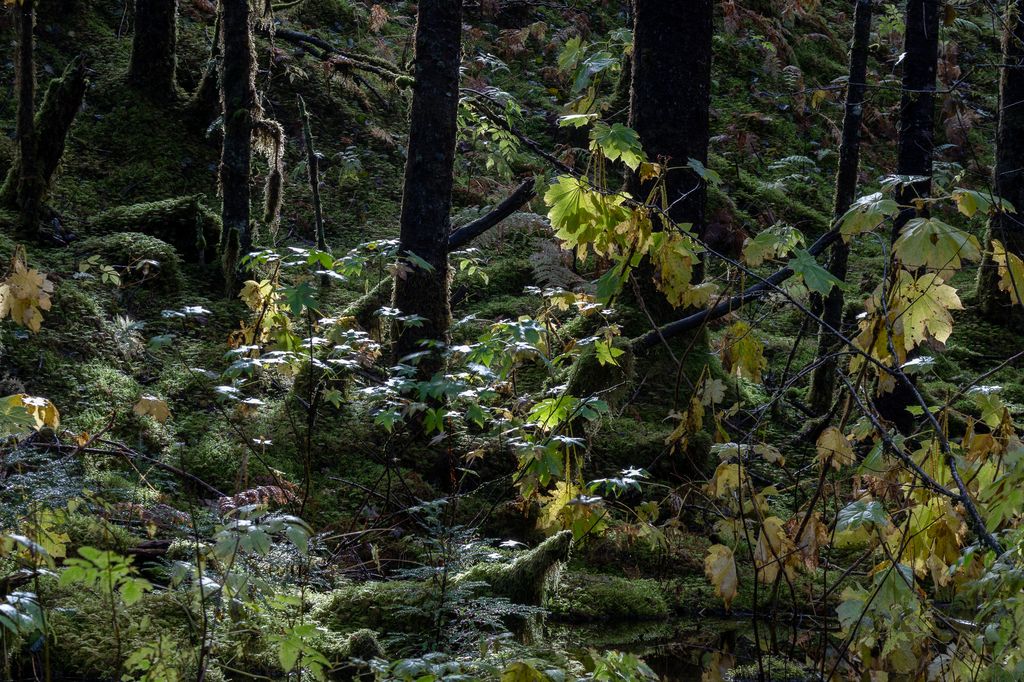
Coastal Western Hemlock–Sitka Spruce forests are evergreen, moisture-loving coastal forests with deep shade in many places and brighter “edge” habitats where sunlight reaches the ground.
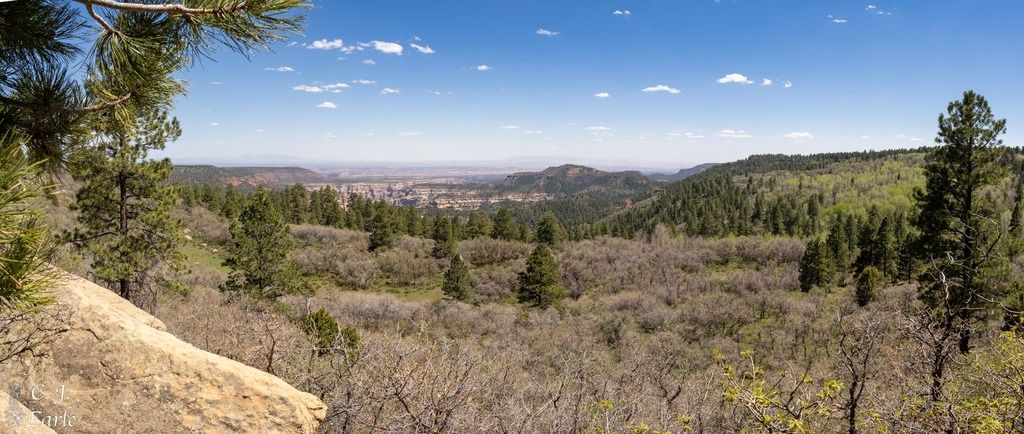
The Colorado Plateaus are a “cold desert” region where plants and animals are adapted to drought, intense sun, and variable temperatures.
The Columbia Mountains/Northern Rockies region is a landscape of big elevation changes—forests, meadows, and river corridors stitched between steep slopes and high ridgelines.
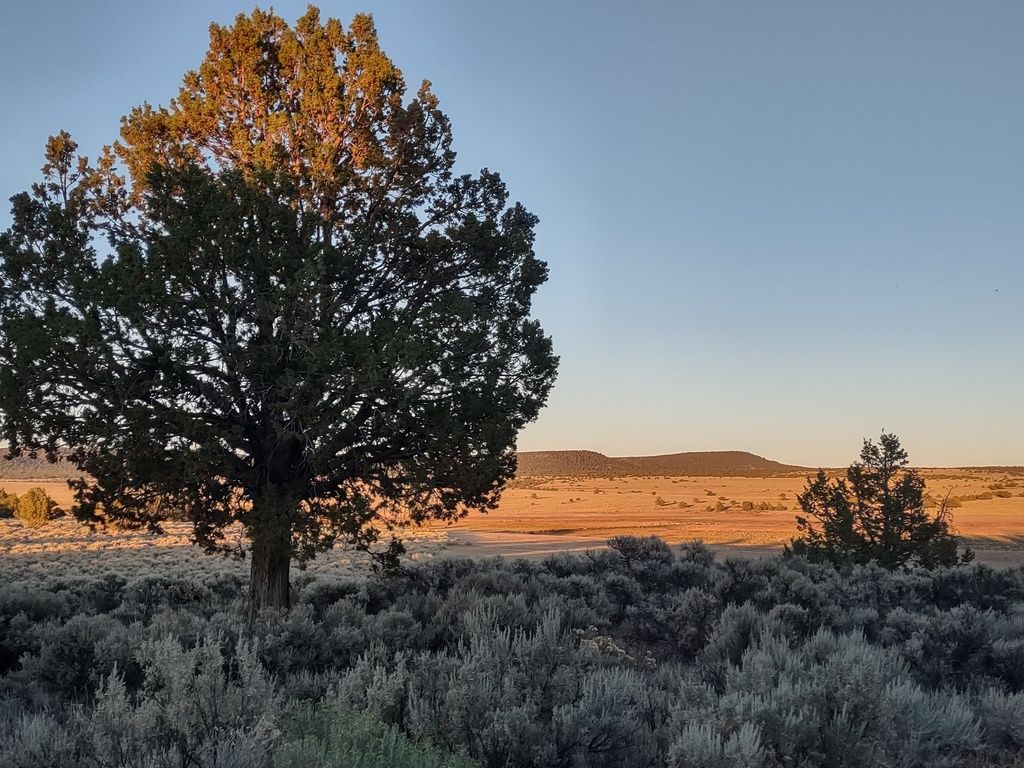
The Columbia Plateau is a “cold desert” ecoregion where water-wise plants and tough, sun-loving habitats are common.
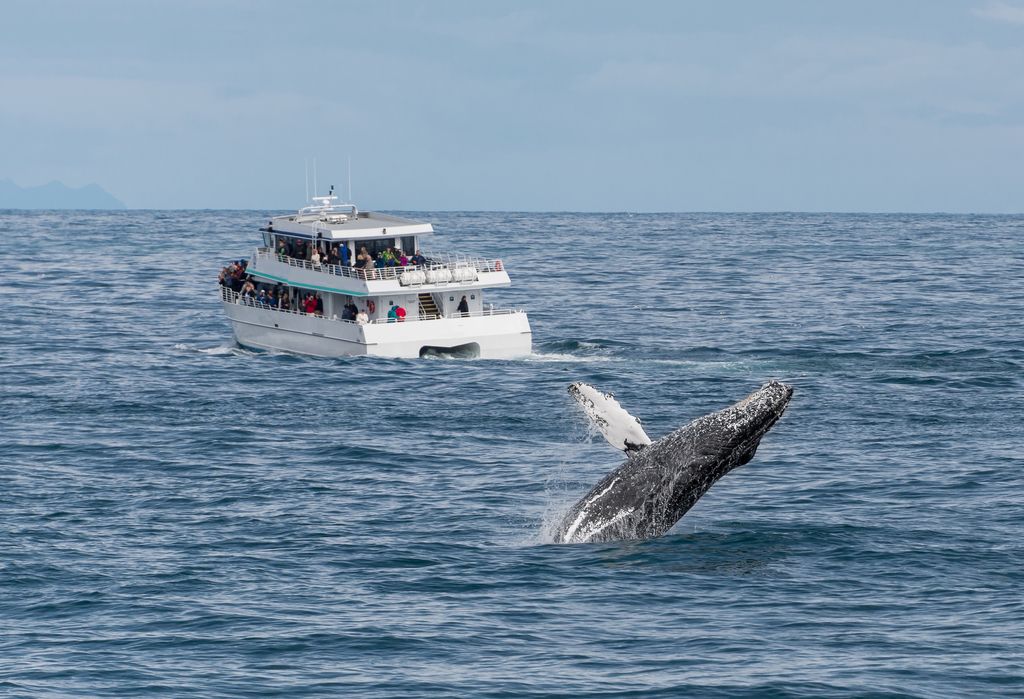
Cook Inlet is a coastal region where ocean air, river corridors, and nearby mountains create many small “pockets” of growing conditions.
Copper Plateau is a boreal-cordillera plateau region where plants and pollinators often have a narrow window to grow, bloom, and reproduce.
The Coppermine River and Tazin Lake Uplands sit within the Taiga Shield, where rock, water, and boreal vegetation shape what can grow.
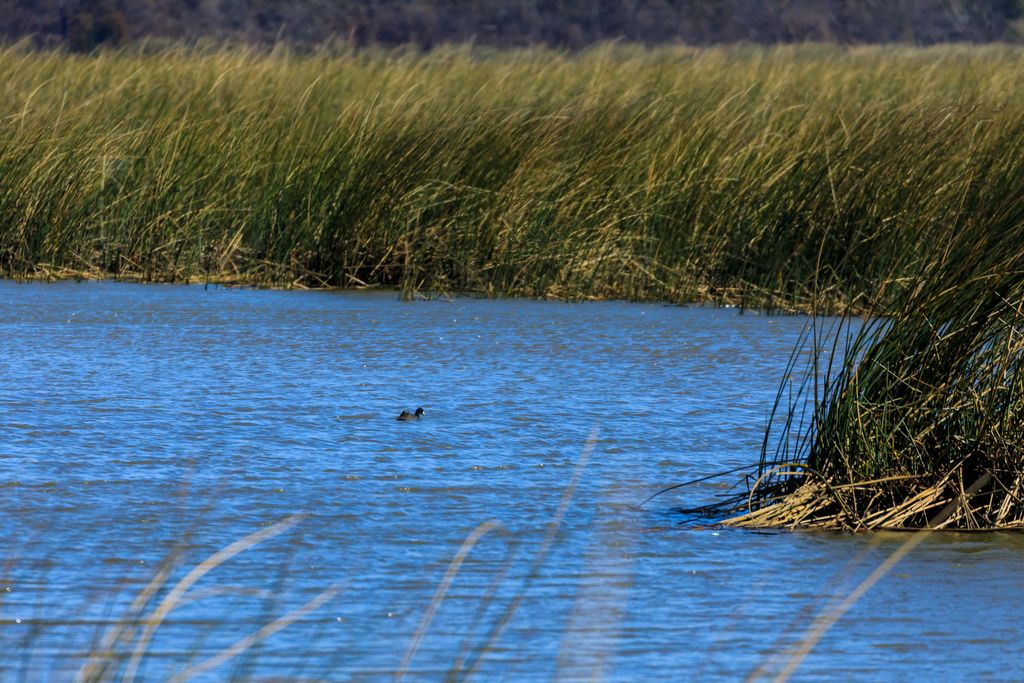
Cross Timbers landscapes are known for their mix of open grassland and tough, drought-tolerant woodland—especially along edges where sunlight and shelter meet.
Cypress Upland landscapes are shaped by elevation, exposure, and patchy moisture—meaning one yard can be quite different from another just a short distance away.
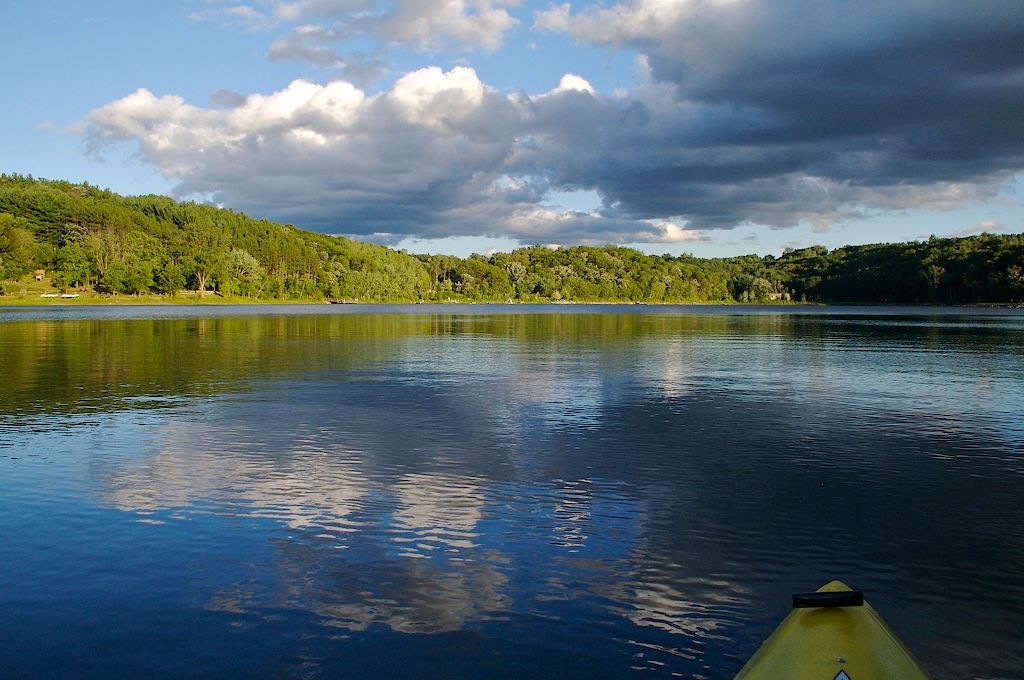
The Driftless Area’s hills, bluffs, and river valleys create a patchwork of sunny slopes, shaded woods, and river-side edges—great variety for pollinator habitat when native plants are present.
The East Central Texas Plains are often a patchwork of open sunny spaces and scattered trees, with seasonal wildflowers when conditions line up.
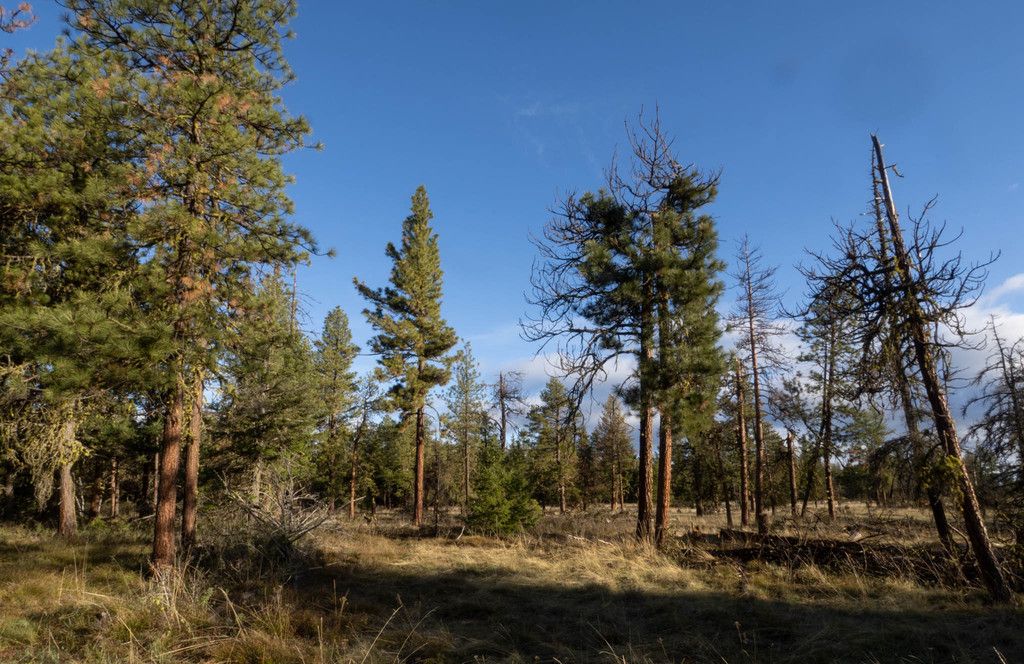
The Eastern Cascades Slopes and Foothills are a transition zone: mountain-influenced landscapes that often lean dry, with big differences from one hillside or creek corridor to the next.
The Eastern Corn Belt Plains is a working landscape where farms, towns, roads, and remaining natural areas sit side-by-side.
This region includes a wide range of “everyday” places—yards, school grounds, parks, shorelines, and wet areas—where small habitat improvements can add up.
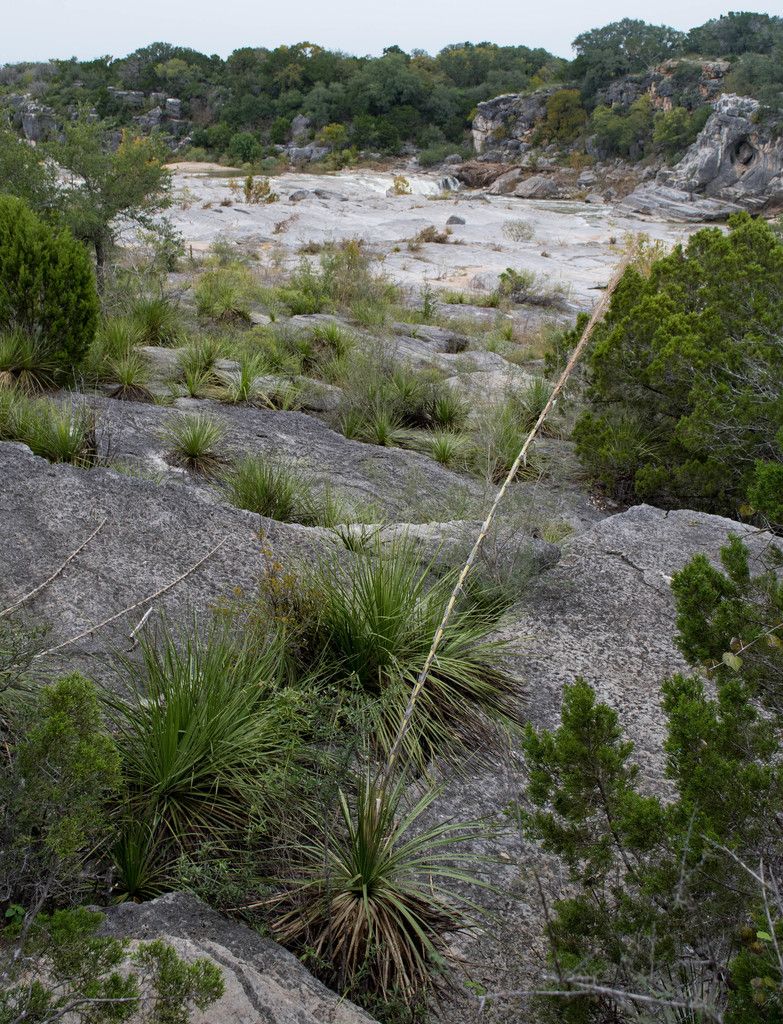
The Edwards Plateau is an upland landscape where water can be the limiting factor for plants and pollinators, especially away from streams and springs.
The Ellesmere Mountains and Eureka Hills are an extreme Arctic landscape where plants grow slowly and flowering opportunities are limited.
The Erie Drift Plain is a glaciated lowland region where soils and landforms often support productive plant growth when space is available.
The Flint Hills are a prairie landscape where grasses and wildflowers can form large, connected habitats when managed well.
Foxe Uplands is a Northern Arctic ecoregion where the environment is tough on plants: cold, wind, and a short growing season make typical “pollinator gardening” difficult in many places.
The Great Bear Plains is a taiga-plains landscape where water, soil, and exposure strongly shape what can grow.
This Northern Arctic plains ecoregion is defined by cold temperatures, short summers, and landscapes where plants grow low to the ground.
The Hay and Slave River Lowlands are a northern lowland landscape where rivers and wetlands strongly shape what can grow.
Hayes River Upland and Big Trout Lake sits in the boreal “softwood shield” world of conifers, water, and wetlands.
The High Plains are grassland-focused landscapes where water can be the main limiting factor for gardening.
This region is a dryland landscape of interior plains and low hills where plants are adapted to heat, drought, and variable rainfall.
This region is a mosaic of conifer forest, oak woodland, and mixed stands, often broken up by meadows, rocky openings, and forest edges.
The Hudson Bay and Hames Lowlands are defined by wide-open lowlands and large wetland landscapes.
The Huron/Erie Lake Plains are generally low, lake-influenced landscapes where gardens, parks, roadsides, and remaining natural areas can all play a role in supporting pollinators.
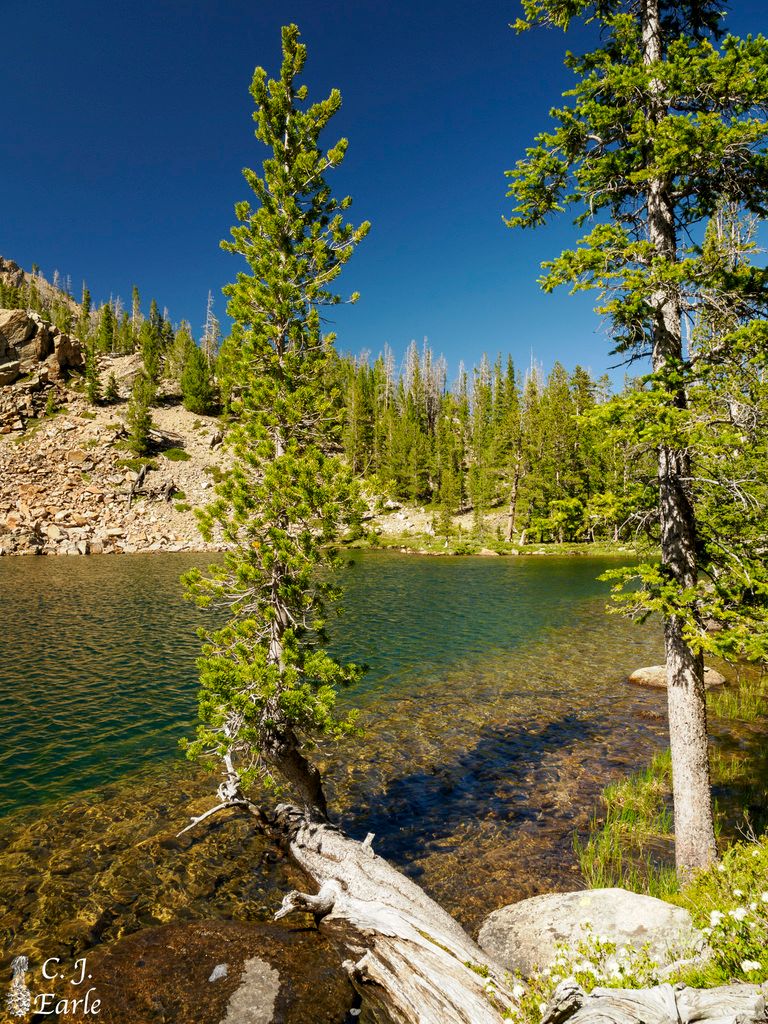
The Idaho Batholith ecoregion is a rugged, mountainous landscape where forests, meadows, and river corridors create a patchwork of habitats.
Interior Bottomlands are low-lying parts of Alaska’s boreal interior where water and soils often shape what can grow.
Interior Forested Lowlands and Uplands is a boreal interior landscape where forests, wetlands, and river corridors create pockets of flowering habitat.
Interior Highlands and Klondike Plateau is a northern inland region where elevation, slope direction, and river valleys create many “small zones” for plants.
This region is generally shaped by open grasslands and drought-tolerant shrub communities, with greener pockets where water collects.
The Interior Plateau is an inland, upland-style part of the Southeastern USA Plains where soils, sun exposure, and moisture can vary a lot across short distances.
Interior river valleys and hills often have a “patchwork” feel: sunny openings, wooded edges, and river-side areas that stay greener longer.
Kazan Rvier and Selwyn Lake Uplands is a northern taiga-shield landscape of rock, water, and hardy vegetation.
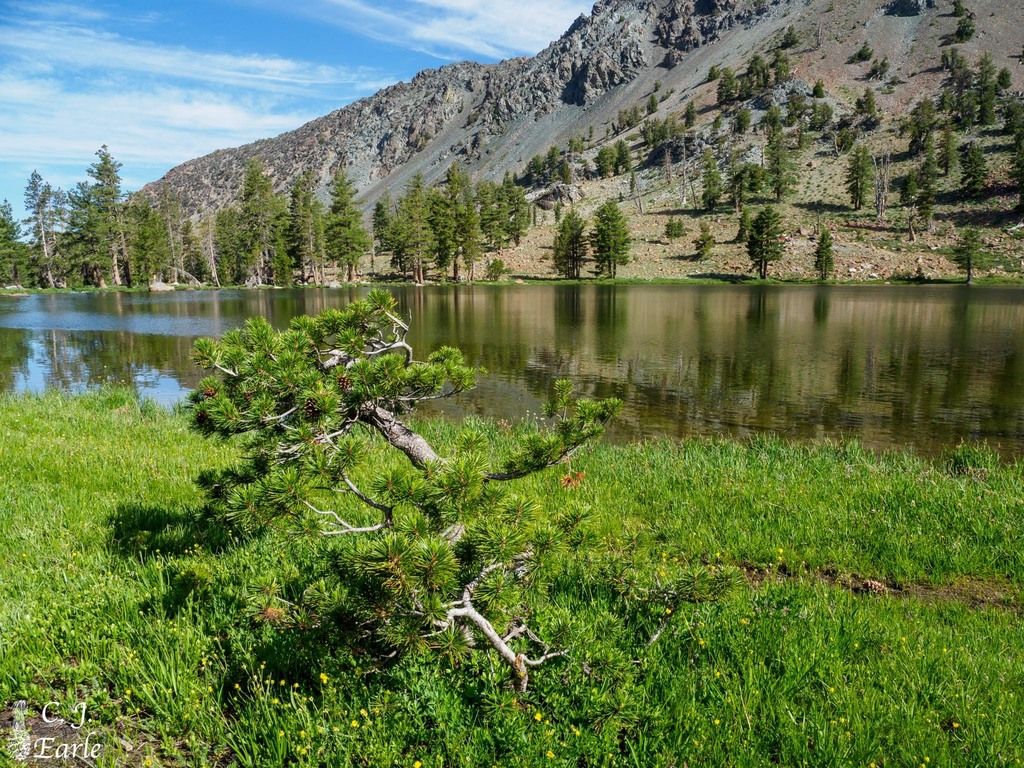
The Klamath Mountains are a complex, mountainous landscape where forests, rocky openings, and river corridors create many different growing conditions close together.
La Grande Hills and the New Quebec Central Plateau are part of the Taiga Shield—often rocky, lake-rich, and shaped by cold-season conditions.
The Lake Erie Lowland is a Great Lakes lowland landscape where people live, garden, and farm alongside pockets of natural habitat.
Lake Manitoba and the Lake Agassiz Plain sit within the Temperate Prairies and are defined by flat former lakebed landscapes, wetlands, and open country.
Lake Nipigon and Lac Seul Upland is a lake-and-forest shield region where conifer-dominated woods, wetlands, and rocky openings create a patchwork of habitats.
The Lancaster and Borden Peninsula Plateaus are part of the Northern Arctic, where cold, wind, and a short growing season limit how much flowering habitat can develop.
The Lower Mainland & Puget Lowland is a busy, people-centered coastal lowland with rivers, shorelines, and patches of forest and meadow.
The Mackenzie and Selwyn Mountains are a high-latitude mountain landscape where plants and pollinators must make the most of a short warm season.
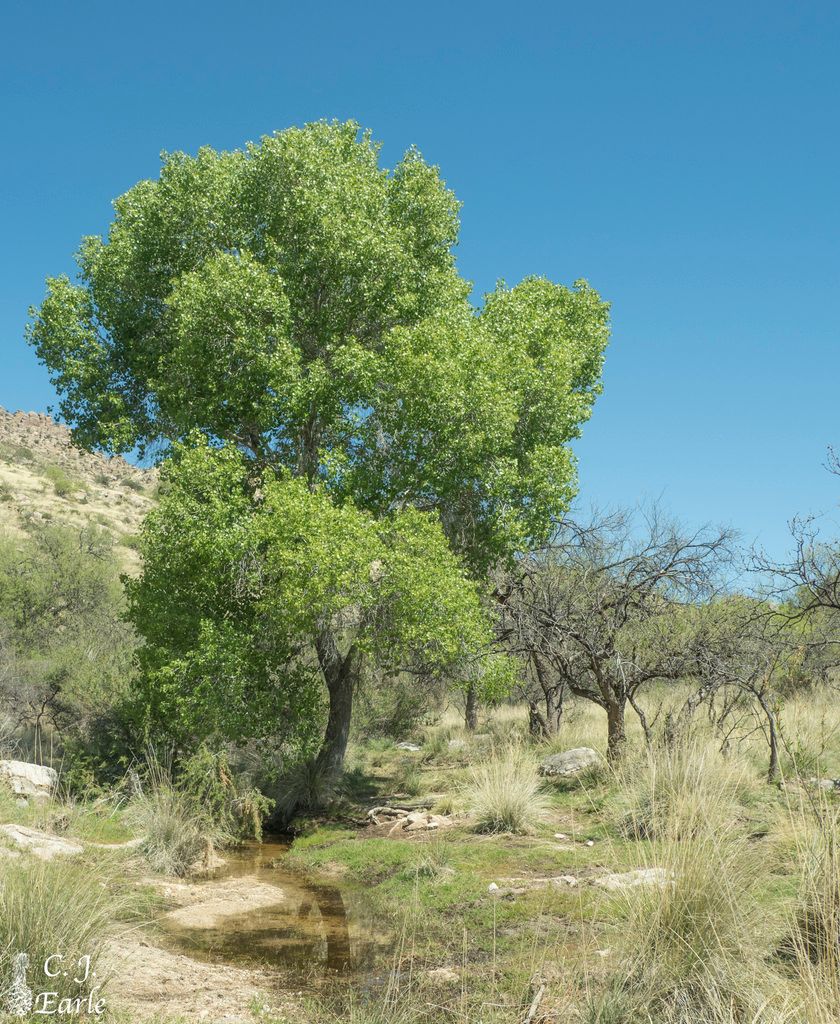
The Madrean Archipelago is known for its patchwork of habitats created by mountains separated by lower, drier areas.
The Maine/New Brunswick Plains and Hills region is shaped by mixed wood forests, open edges, wetlands, and human-made landscapes like yards, roadsides, and farms.
The Maritime Lowlands are generally low, coastal-influenced landscapes where forests, wetlands, and human-settled areas sit close together.
The Mid-Boreal Lowland and Interlake Plains is a boreal-plain landscape where forests and wetlands shape what can grow and when flowers appear.
Mid-Boreal Uplands and Peac-Wabaska Lowlands is a boreal-plain region where forests, wetlands, and open edges create a patchwork of habitats.
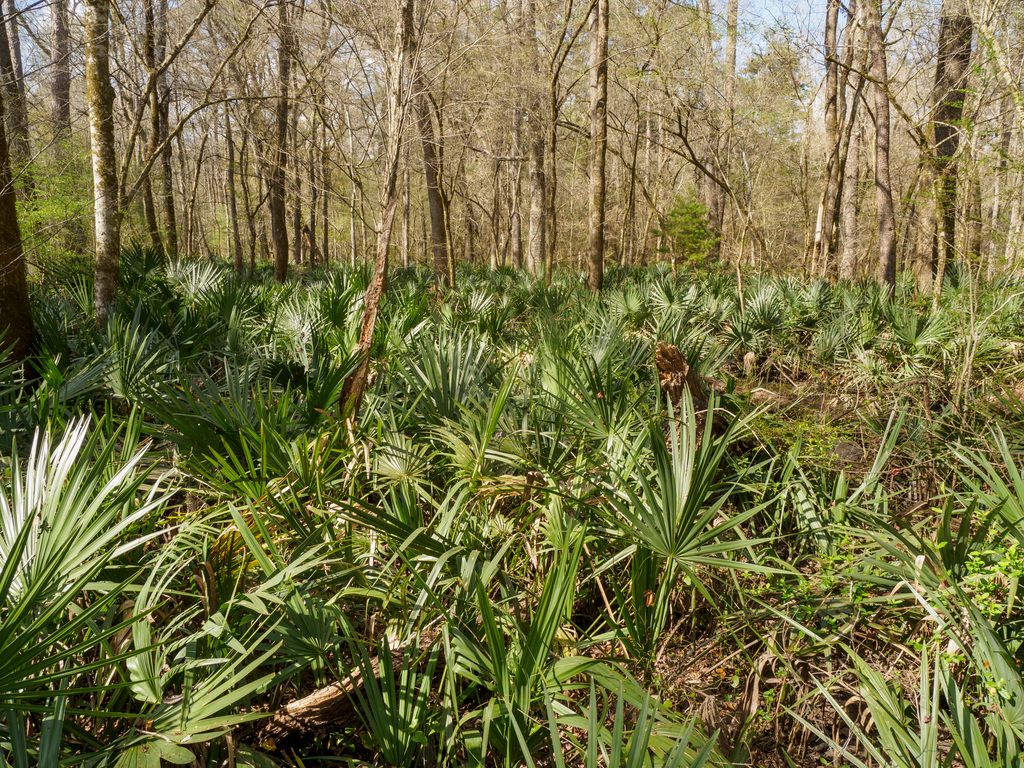
The Middle Atlantic Coastal Plain is a mostly low, water-influenced landscape where sandy soils, wetlands, and river systems shape what grows well.
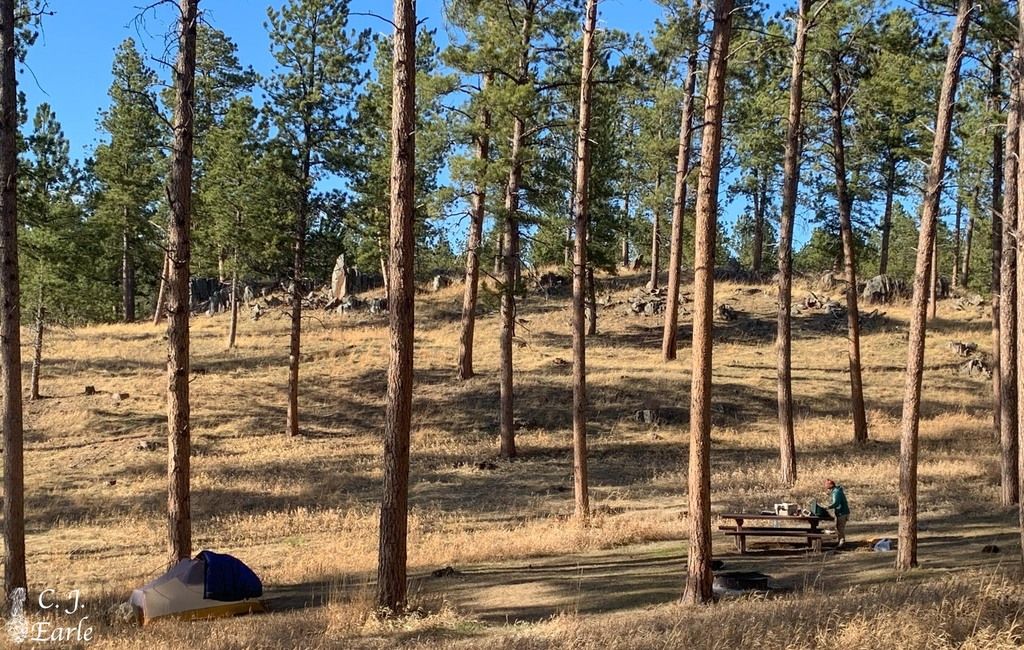
The Middle Rockies are defined by rugged terrain, big elevation changes, and many “pockets” of different growing conditions.
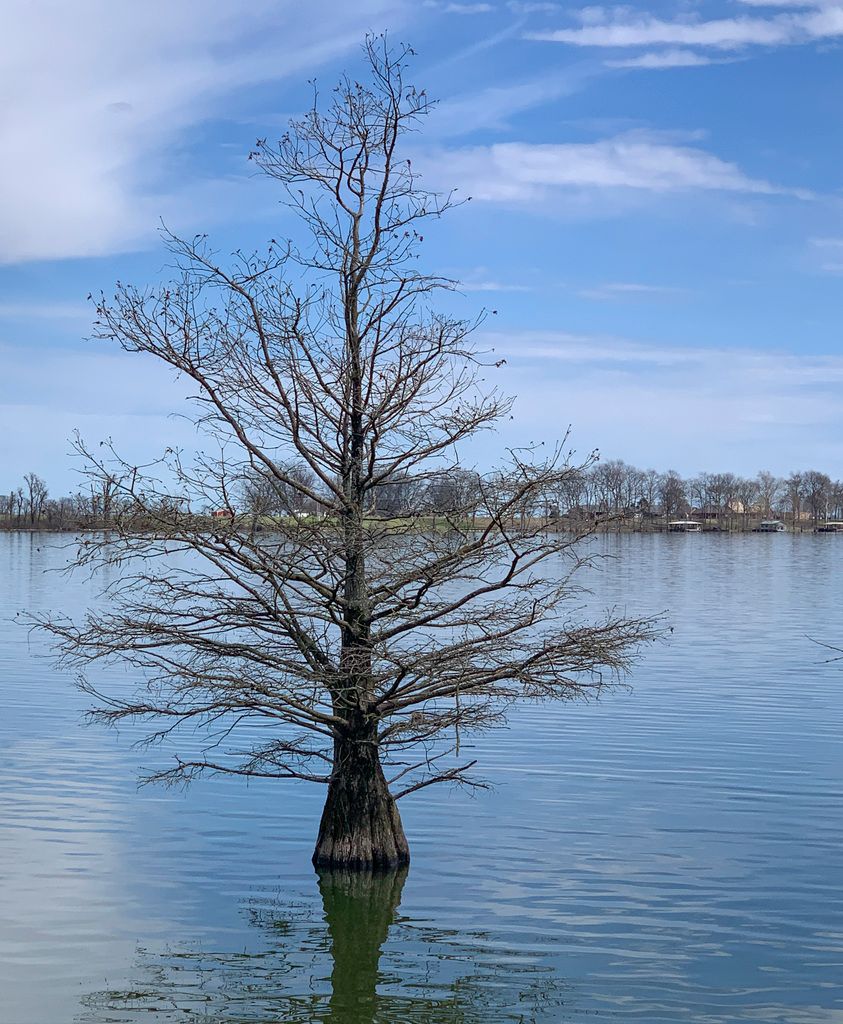
The Mississippi Alluvial Plain is a wide, fertile river-made landscape with wetlands, oxbows, bayous, and bottomland habitats where they remain.
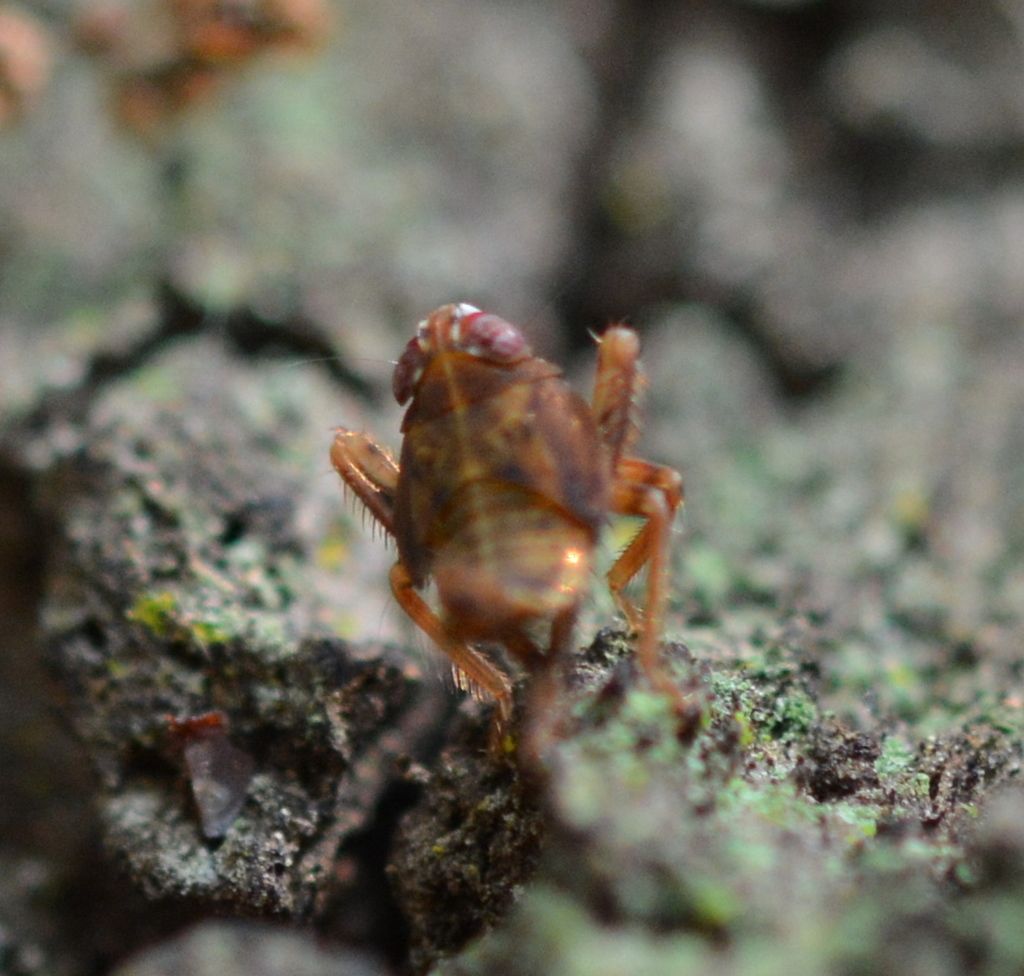
The Mississippi Valley Loess Plains are shaped by loess soils that can support rich plant communities when managed well.
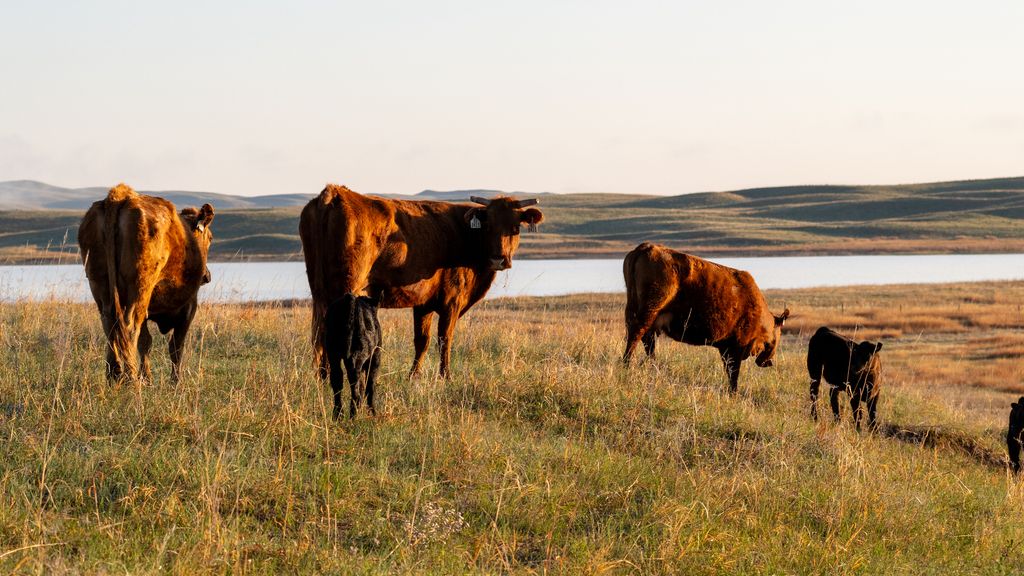
The Nebraska Sand Hills are a distinctive prairie landscape: sandy soils, rolling dunes, and wide-open skies, with wetter pockets in low areas.
Newfoundland Island includes a mix of coastal landscapes, conifer-dominated forests, wetlands, and open barrens.
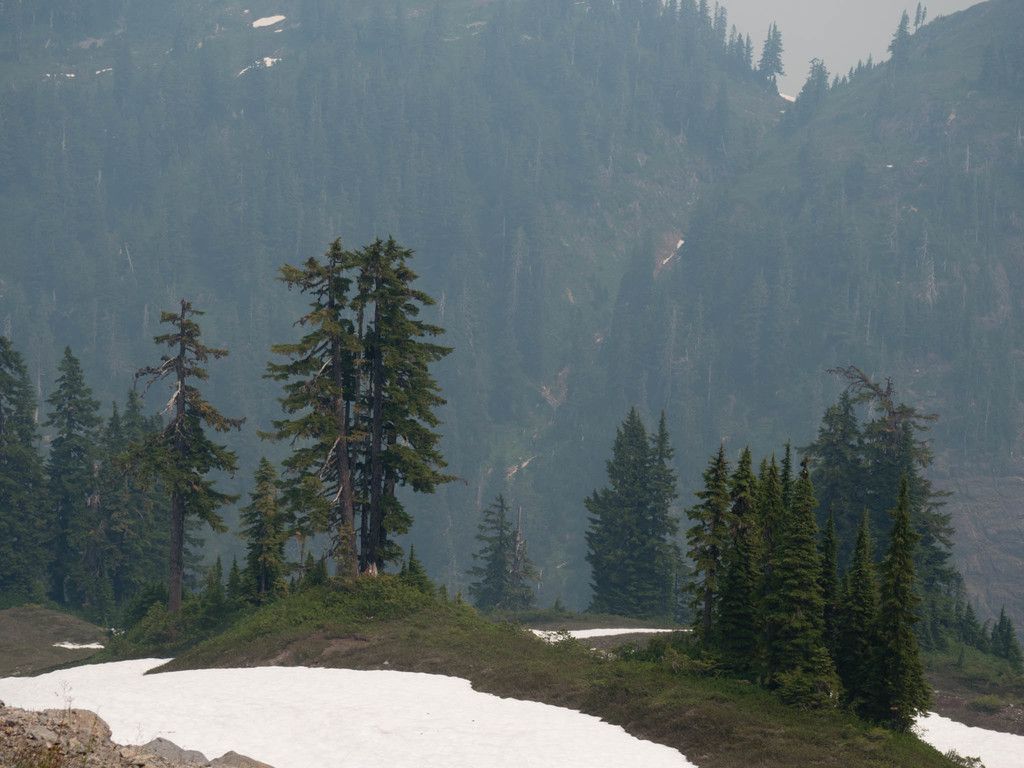
The North Cascades are defined by big elevation changes, forested slopes, and river valleys that create many small habitat pockets.
The North Central Appalachians are known for forested hills, stream corridors, and a patchwork of openings where wildflowers can thrive.
North Central Hardwood Forests are known for mixed, mature-looking woodlands, forest edges, and a patchwork of wetlands and waterways across a populated region.
The Northeastern Coastal Zone is shaped by ocean influence—salt air, shifting winds, and a patchwork of wetlands, forests, and human-built areas.
The Northern Appalachian Plateau and Uplands is a landscape of forested uplands, wet pockets, and stream and river corridors.
This region is a patchwork of forested mountains and uplands, with streams, wetlands, and openings that can be surprisingly rich in wildflowers.
Northern Basin and Range landscapes are shaped by open basins, rugged ranges, and hardy native plants that can handle cold winters and dry stretches.
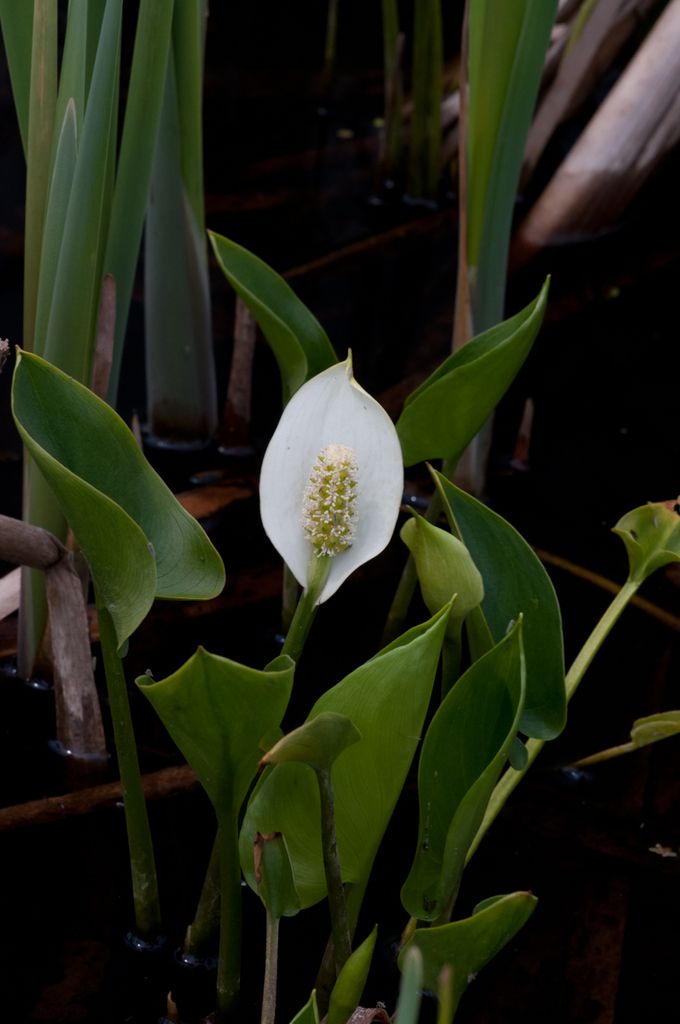
Northern Lakes and Forests is a lake-rich, forested shield landscape where native wildflowers often thrive in sunny openings, shorelines, and edges rather than deep shade.
Northern Minnesota Wetlands are defined by water: saturated soils, standing water, and plant communities adapted to wet conditions.
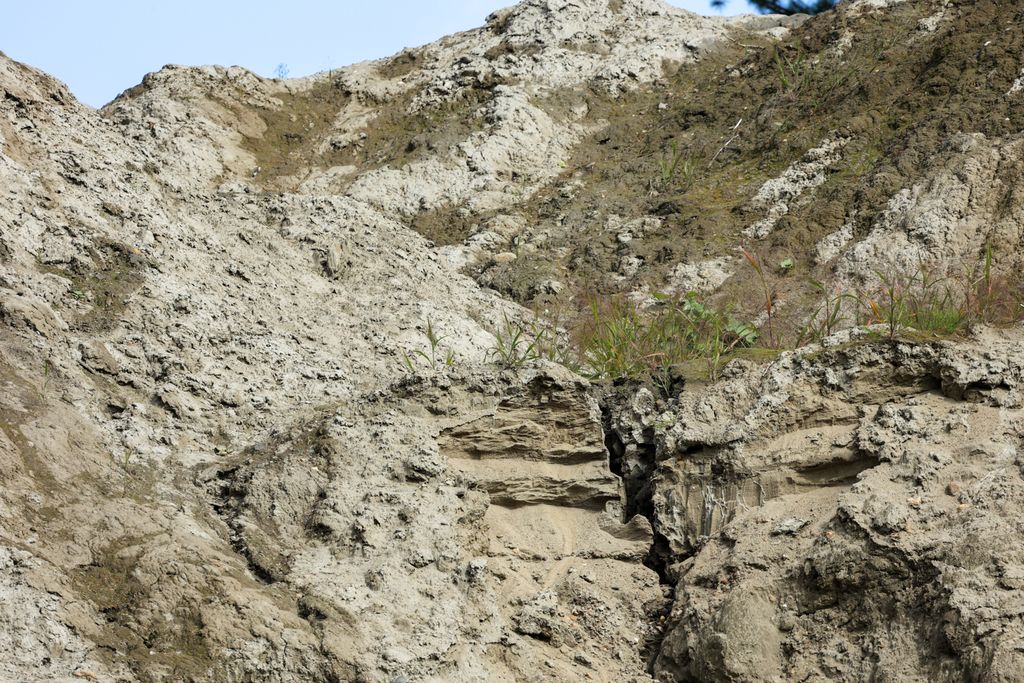
The Northern Piedmont is a patchwork of wooded areas, stream corridors, and developed land, which can create many small opportunities for pollinator habitat—yards, school grounds, parks, and even balcony containers.
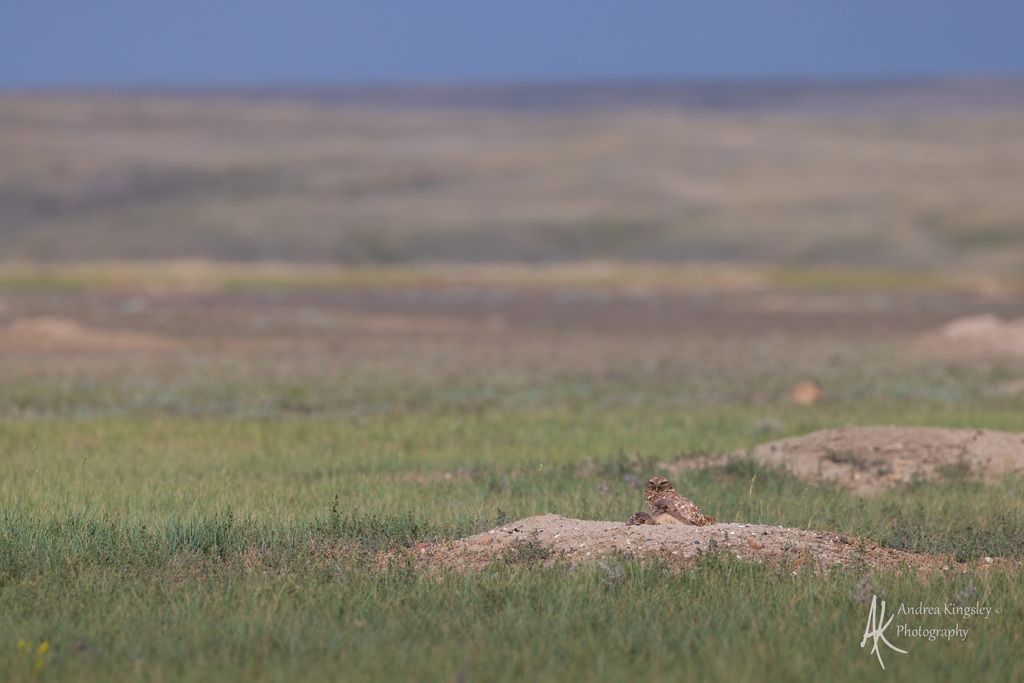
The Northwestern Glaciated Plains are open, prairie-like landscapes influenced by glacial history—think broad skies, grasses, and pockets of wetter ground where water collects.
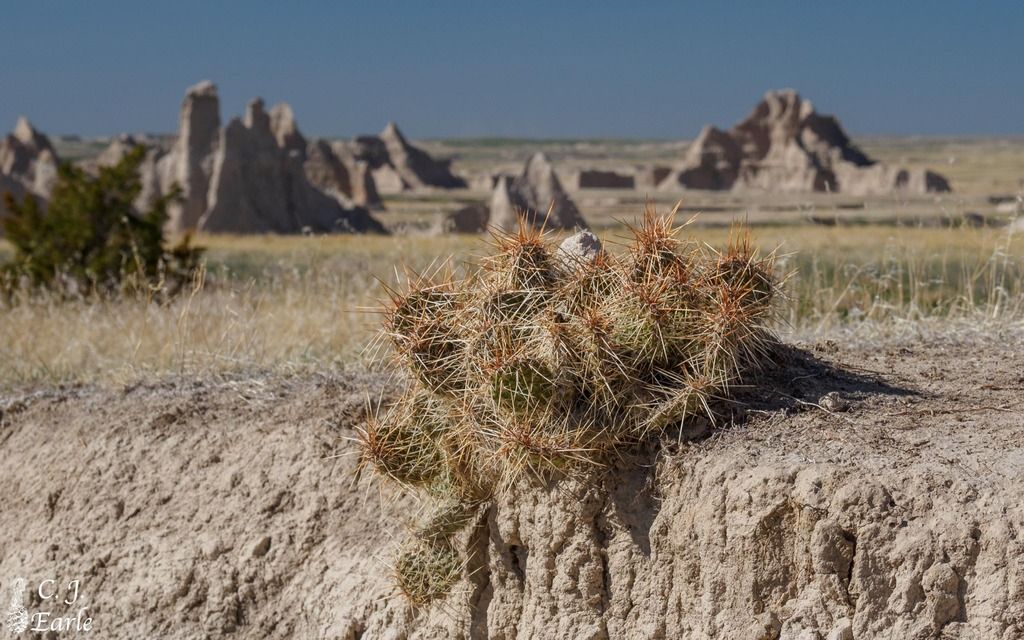
The Northwestern Great Plains is a grassland region where native plants are adapted to sun, wind, and periodic dryness.
The Oglivie Mountains ecoregion is a cold, mountainous part of the Taiga Cordillera where plant life is shaped by short summers, elevation, and shelter from wind.
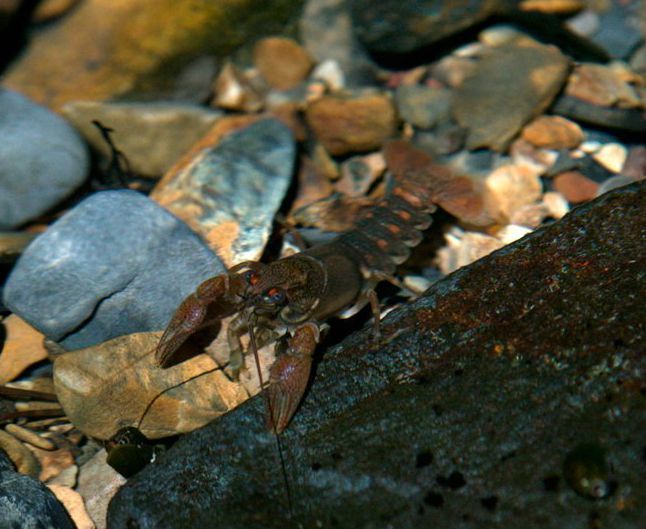
The Ouachita Mountains ecoregion is a ridge-and-valley landscape where forests, openings, and stream edges create many “small habitats” close together.
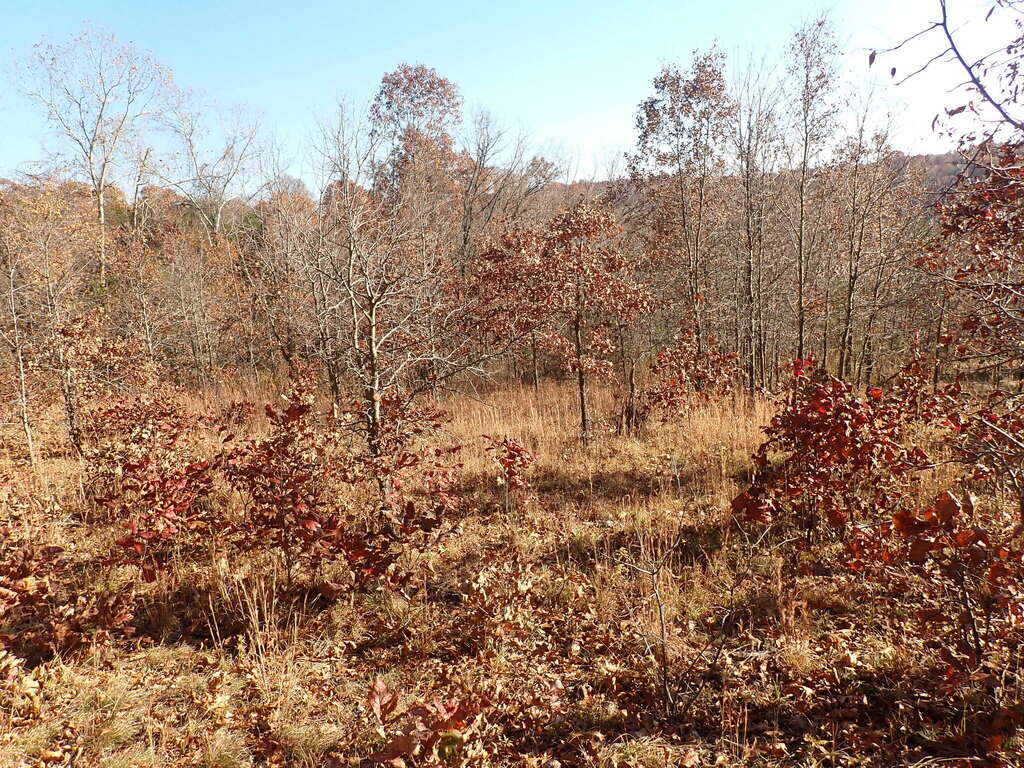
The Ozark Highlands are a patchwork of forests, woodland edges, open sunny areas, and stream corridors.
The Pacific and Nass Ranges are a mountainous part of Canada’s Marine West Coast Forest, shaped by steep terrain, river valleys, and coastal-influenced weather.
The Pacific Coastal Mountains are known for rugged terrain and forested landscapes influenced by the nearby ocean.
The Parry Islands Plateau is a Northern Arctic ecoregion where cold, wind, and a short growing season make gardening and long-season blooms difficult in many places.
The Peel River and Nahanni Plateaus ecoregion is a northern landscape of broad uplands, river-cut valleys, and hardy vegetation adapted to cold conditions.
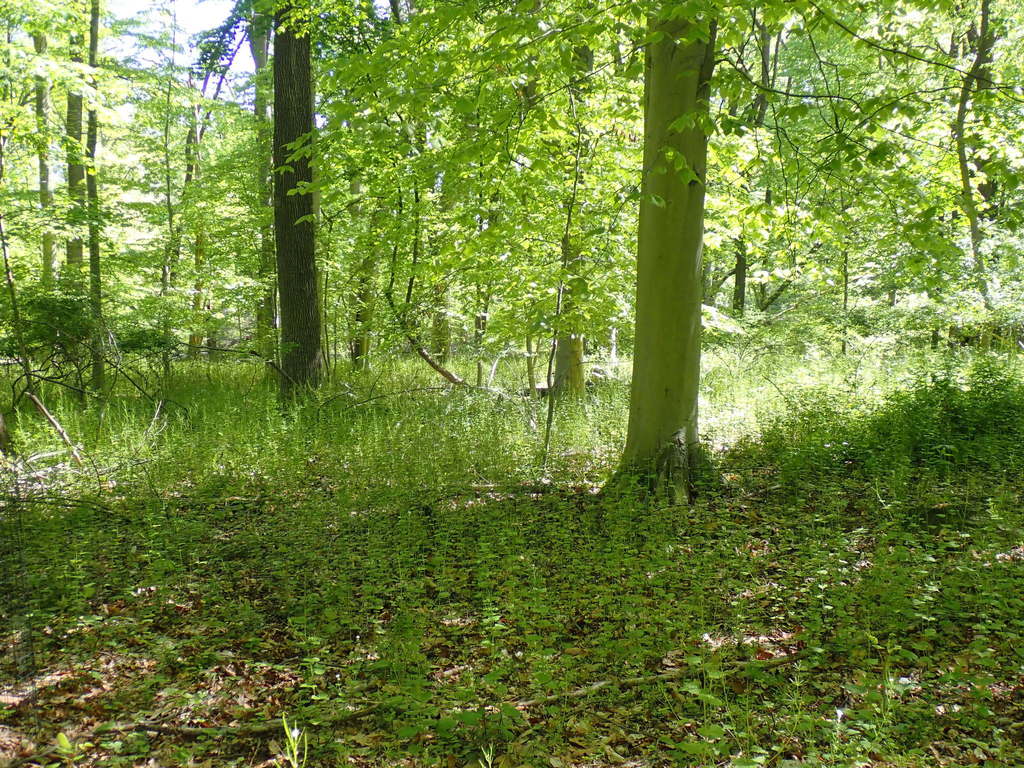
The Piedmont is a region of rolling hills, creeks, and a patchwork of forests, fields, and neighborhoods.
This region blends open grasslands and dry shrublands with pockets of oak and conifer forest—so pollinator habitat can look very different from one hillside to the next.
This ecoregion is an Arctic lowland landscape where the season for flowering plants is short and highly weather-dependent.
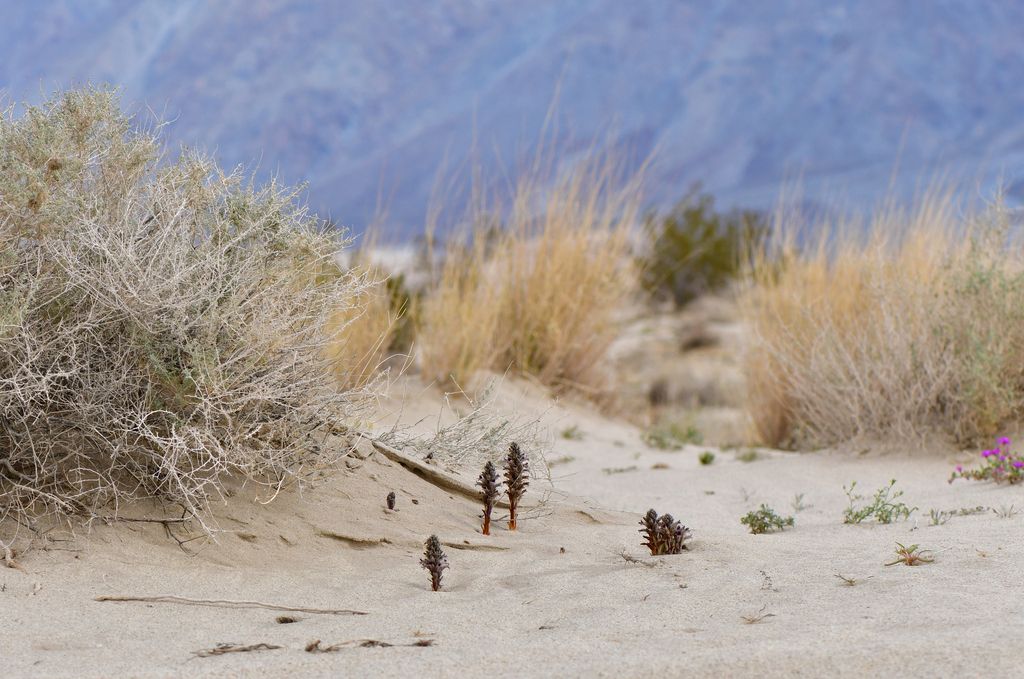
Ridge and Valley landscapes create many “mini-habitats,” which can be great for pollinators when there’s a steady supply of flowers and safe nesting spots.
The Seward Peninsula sits within Alaska’s tundra ecoregions, where the growing season is short and conditions can be tough for conventional gardening.
This is a mountainous forest-and-woodland region where pines and other conifers mix with many oaks and a wide variety of understory plants.
This region is a mountainous mosaic of conifer stands, oak forests, and mixed woodlands—often with sunny openings, forest edges, and stream corridors that can be especially important for flowers.
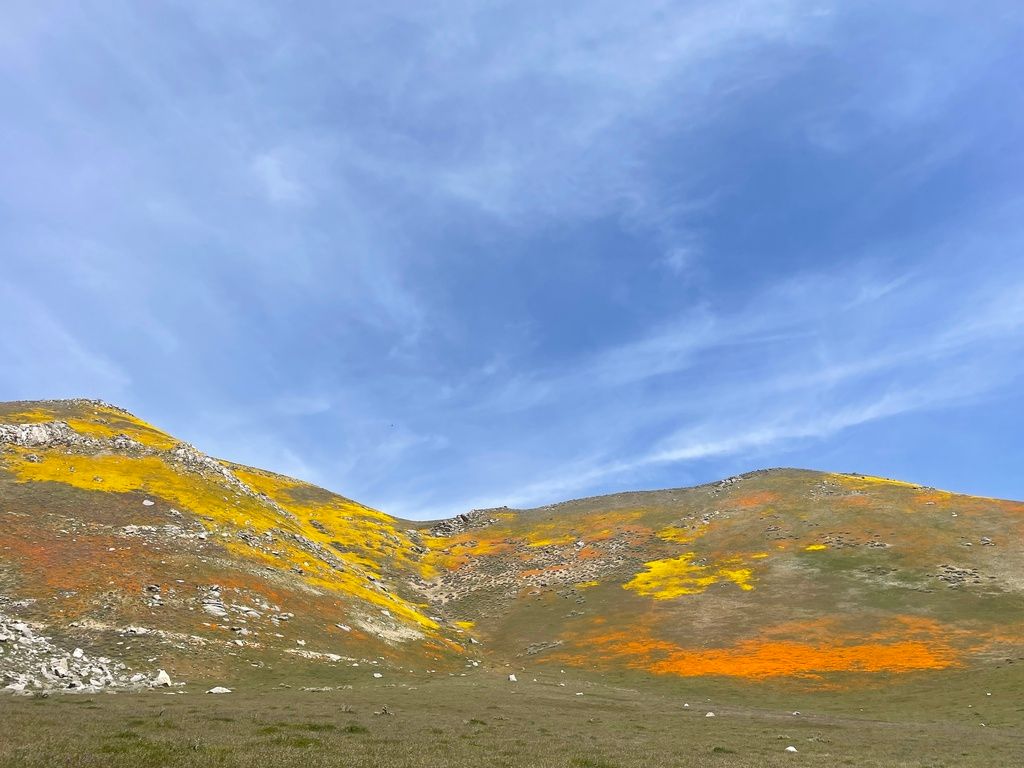
The Sierra Nevada is a mountain region with a wide range of habitats—from foothill woodlands to conifer forests to high-elevation meadows.
This is a highland forest region where conifers, oaks, and mixed forests create a patchwork of habitats.
This region is a set of temperate mountain landscapes where conifer, oak, and mixed forests create layered habitat—from sunny edges and clearings to shaded understories.
This is a Western Cordillera mountain region where forests, rivers, and open sunny edges create pockets of pollinator habitat.
Smallwood Uplands is a northern taiga-shield landscape where water, rock, and forest shape what plants can thrive.
The Snake River Plain is an open, often dry landscape where water availability strongly shapes what can grow.
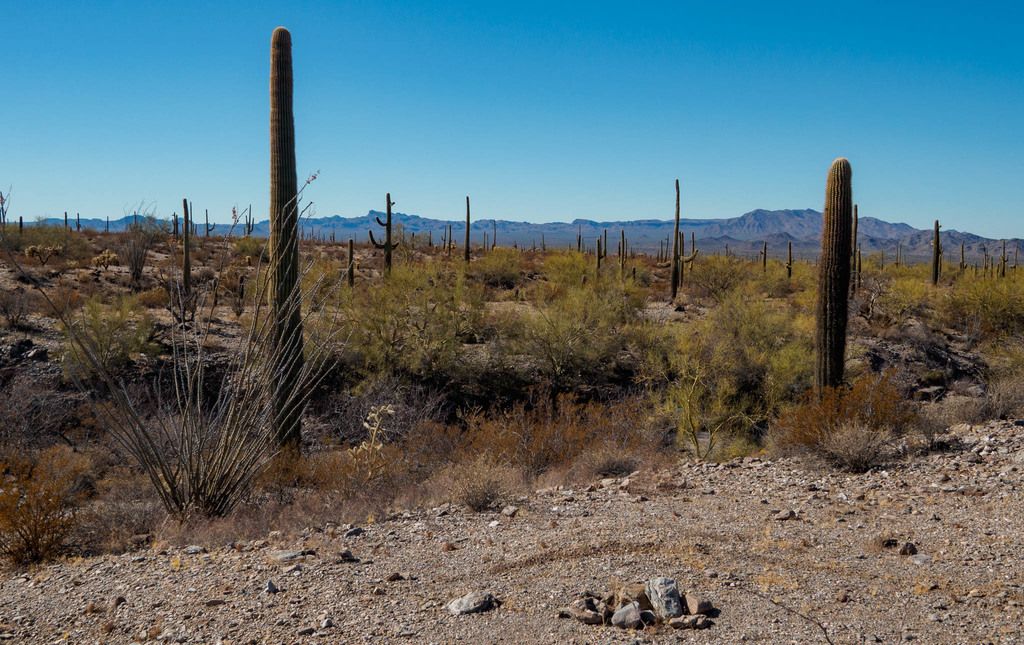
The Sonoran Desert is a place of extremes: intense sun, long dry stretches, and bursts of life when rains arrive.
This region is part of the Southeastern USA Plains and is often shaped by open landscapes, edges (like roadsides and field margins), and patches of natural habitat.
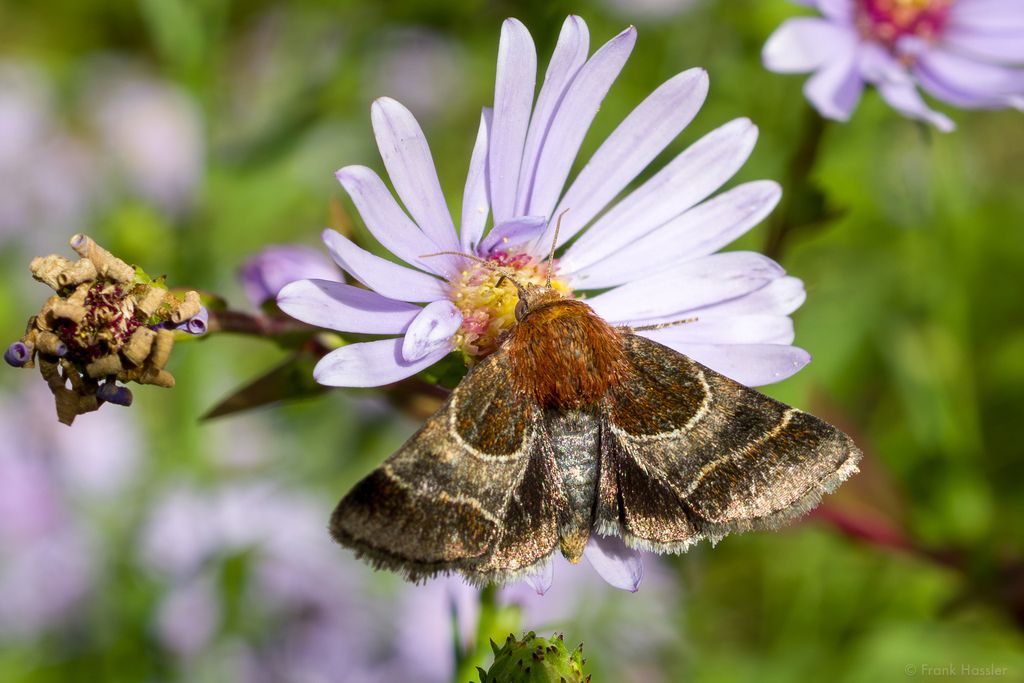
The Southeastern Plains support a wide range of flowering plants and long bloom windows, which can be great for pollinators when habitat is available.
Southeastern Wisconsin Till Plains is a mostly rolling, glacially influenced landscape where natural areas, neighborhoods, and farmland sit close together.
The Southern California Mountains are a patchwork of slopes, canyons, and ridgelines where conditions can shift over short distances.
The Southern Coastal Plain is a wide, lowland region with a strong coastal and river influence—think sandy or loamy soils in some places, wetter soils in others, and lots of habitat variety across short distances.
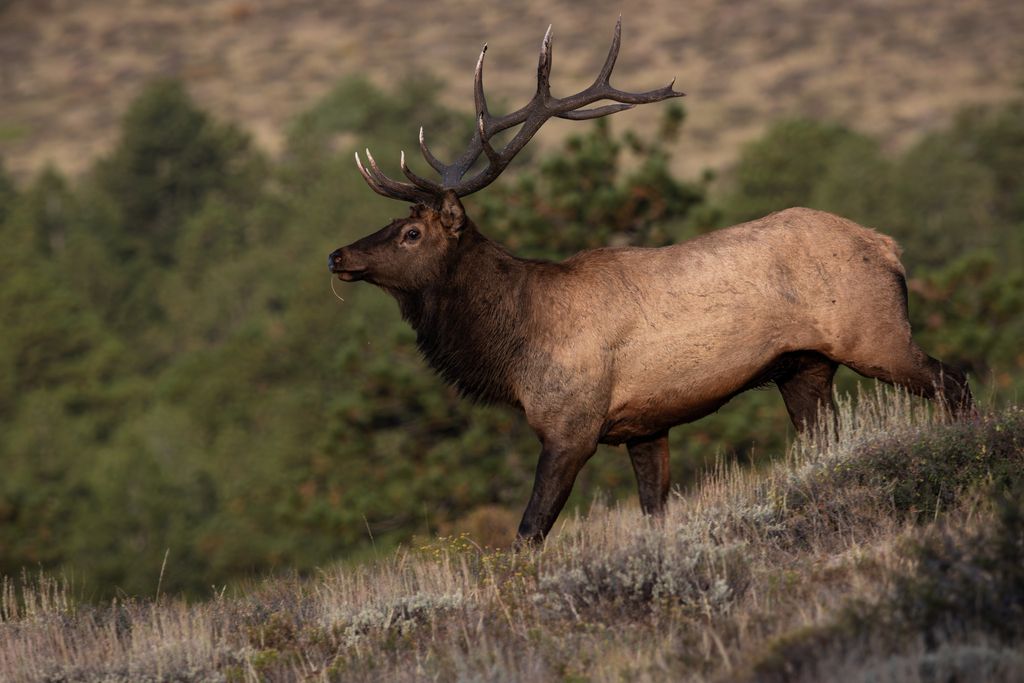
This ecoregion is defined by mountain terrain, big elevation changes, and patchy habitats that can shift from dry, sunny slopes to cooler, moister pockets.
The Southwestern Appalachians are largely forested landscapes with a mix of sunny openings, edges, and stream corridors that can support a long season of flowering plants.
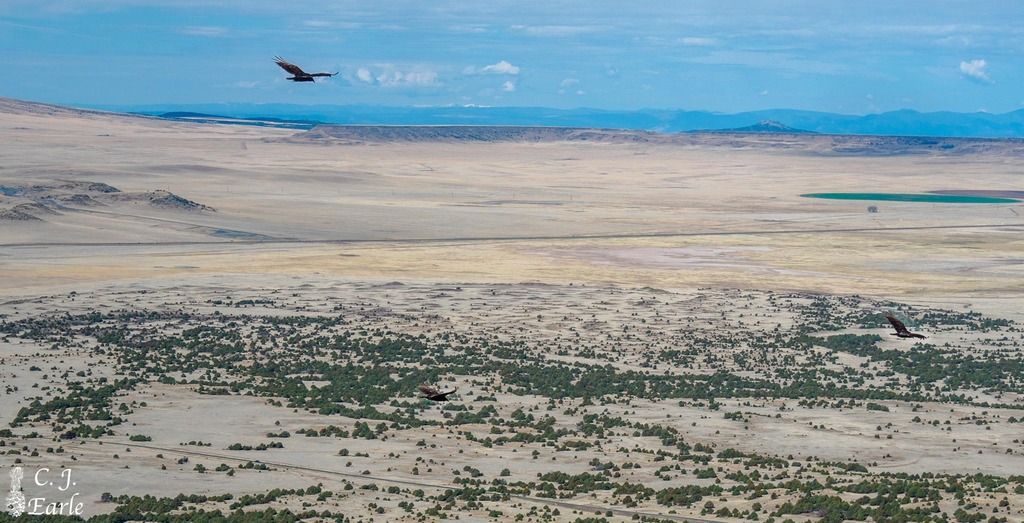
The Southwestern Tablelands is a prairie-influenced tableland region where water can be the main limiting factor for plants and pollinators.
Subarctic Coastal Plains are open, tundra landscapes where plants must grow fast during a short summer.
The Sverdrup Islands Lowland is an extreme Arctic lowland environment where plants grow slowly and flowering opportunities can be limited.
The Tamaulipas–Texas Semi-Arid Plain is a sun-forward, often dry landscape where plants and animals are adapted to heat, variable rainfall, and tough soils.
The Texas Blackland Prairies are prairie landscapes where native grasses and seasonal wildflowers can support pollinators when habitat is available.
This is a dry interior plateau where water-wise plants and tough, sun-loving wildflowers can shine.
The Ungava Bay Basin and George Plateau is a northern Taiga Shield landscape where the growing season is typically short and gardening can be challenging.
The Victoria Island Lowlands are an Arctic lowland ecoregion where extreme cold and a short growing season make conventional pollinator gardening difficult in many places.
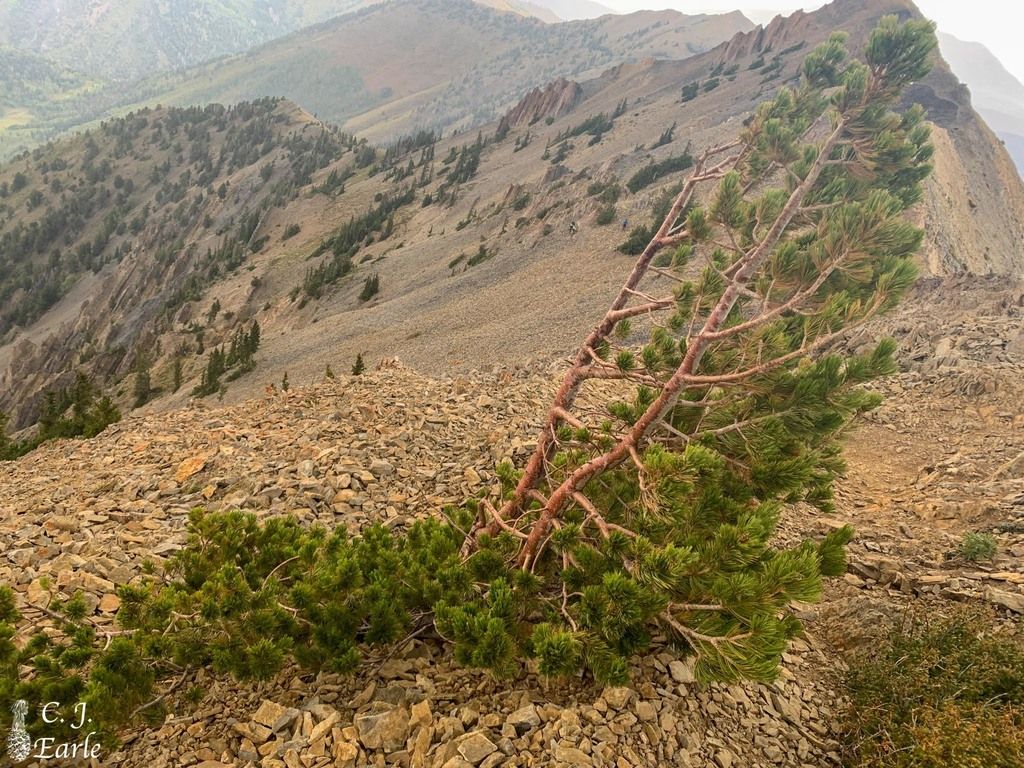
The Wasatch and Uinta Mountains are defined by elevation, rugged terrain, and big differences between sunny slopes, shaded forests, and stream corridors.
Watson Highlands is a northern, mountain-influenced boreal region where plants and pollinators must handle short summers and big swings in weather.
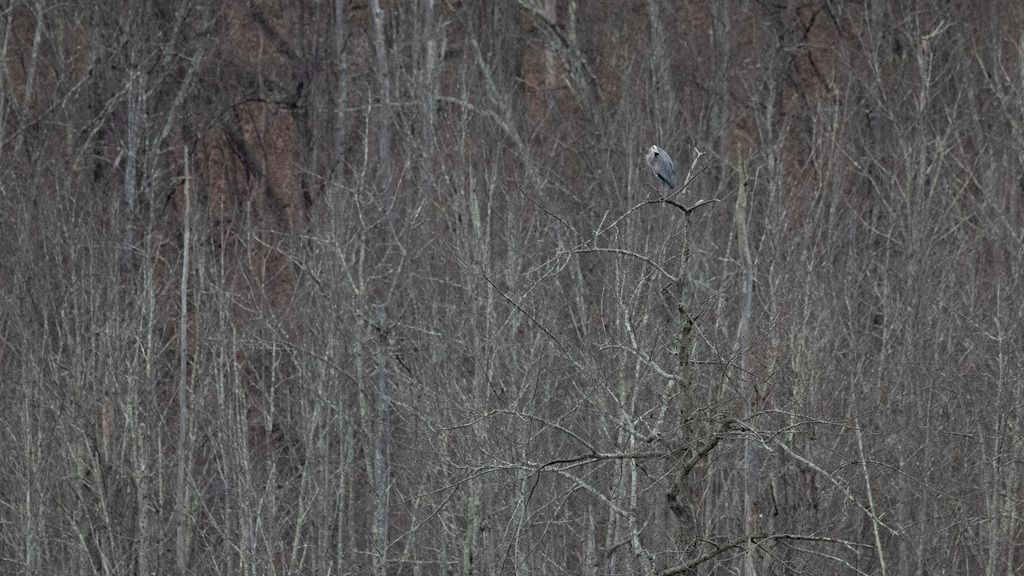
This region is often a patchwork of forests, edges, and stream corridors—exactly the kind of “mosaic” landscape where pollinators can thrive when flowers and nesting spots are available.
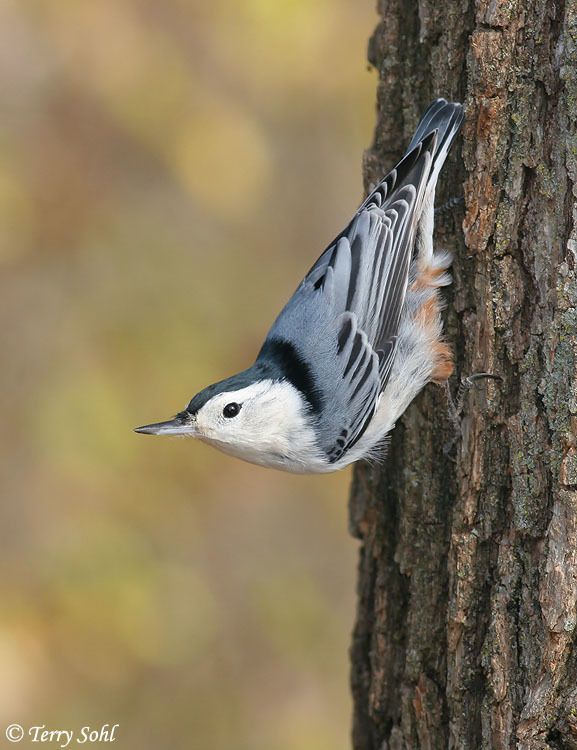
This ecoregion sits within the Temperate Prairies and is often associated with wide-open landscapes and a long history of grassland ecology.
The Western Gulf Coastal Plain is a coastal lowland region influenced by rivers, wetlands, and Gulf weather patterns.
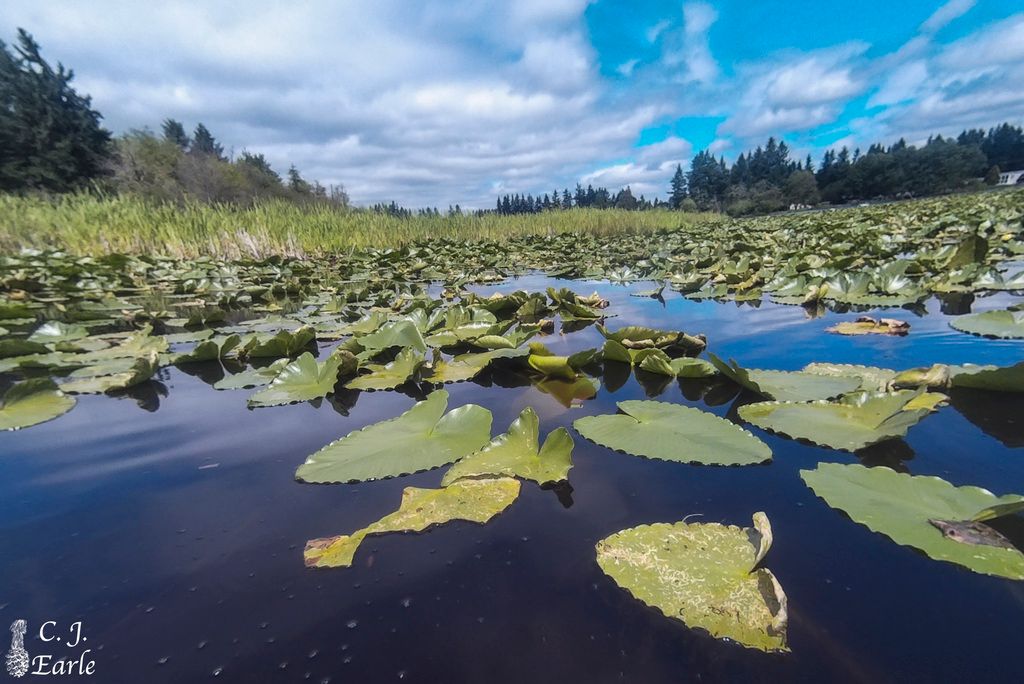
The Willamette Valley is a productive, people-filled landscape where gardens, parks, farms, and natural areas sit close together.
The Wyoming Basin is a cold-desert ecoregion where native plants are adapted to drought, wind, and temperature extremes.
Yukon Flats is a boreal interior lowland where water—rivers, wetlands, and seasonal flooding—strongly shapes habitats.
This region is defined by boreal mountain-and-plateau landscapes where growing conditions can be challenging but rewarding for hardy native plants.