
What they do
They visit flowers for nectar and can transfer pollen as they move between blooms.
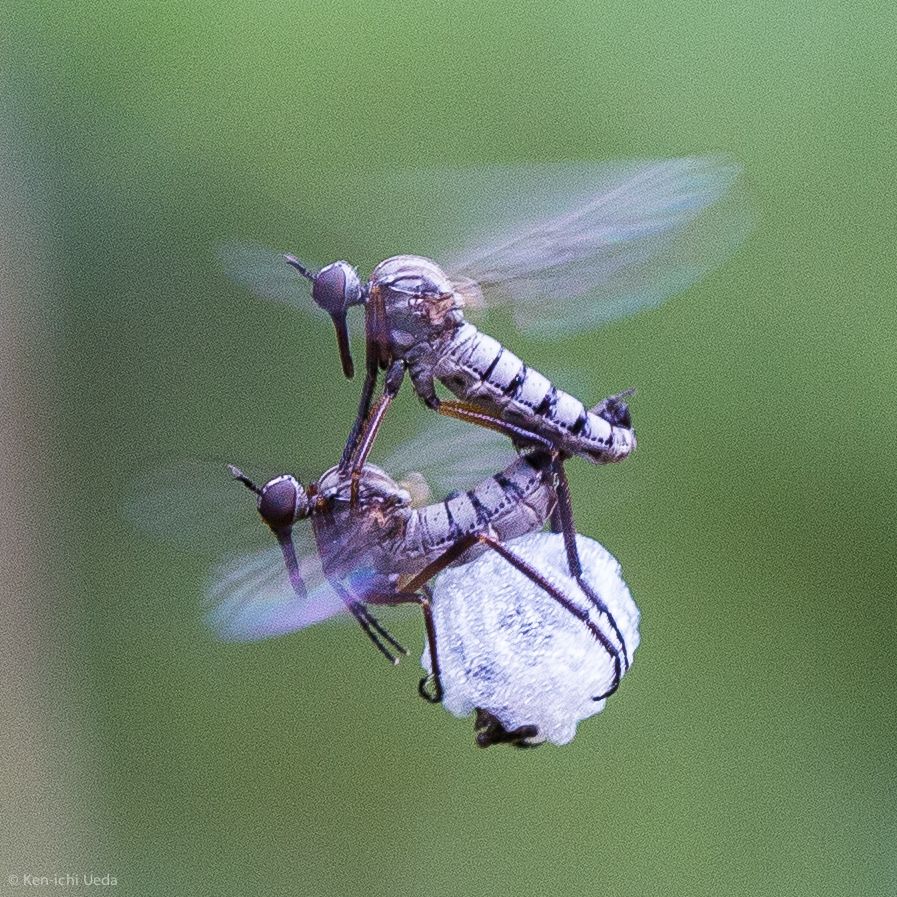
Family Empididae
Many visit flowers for nectar and can move pollen between blooms while also playing important roles in local food webs.
Category
Flies (flower-visiting flies)
Order
Diptera
Family
Empididae
Also Known As
Empididae, dance fly
Intro
At a glance
Food
Habitat
Seasonality
Where to look
Key takeaways
A quick summary you can scan in under 10 seconds.
They visit flowers for nectar and can transfer pollen as they move between blooms.
A steady sequence of blooms plus “messy” habitat features like leaf litter, grasses, and edges.
Plant a mix of native, small-flowered plants that bloom from spring through fall.
Why it matters
Key Impacts
Identification
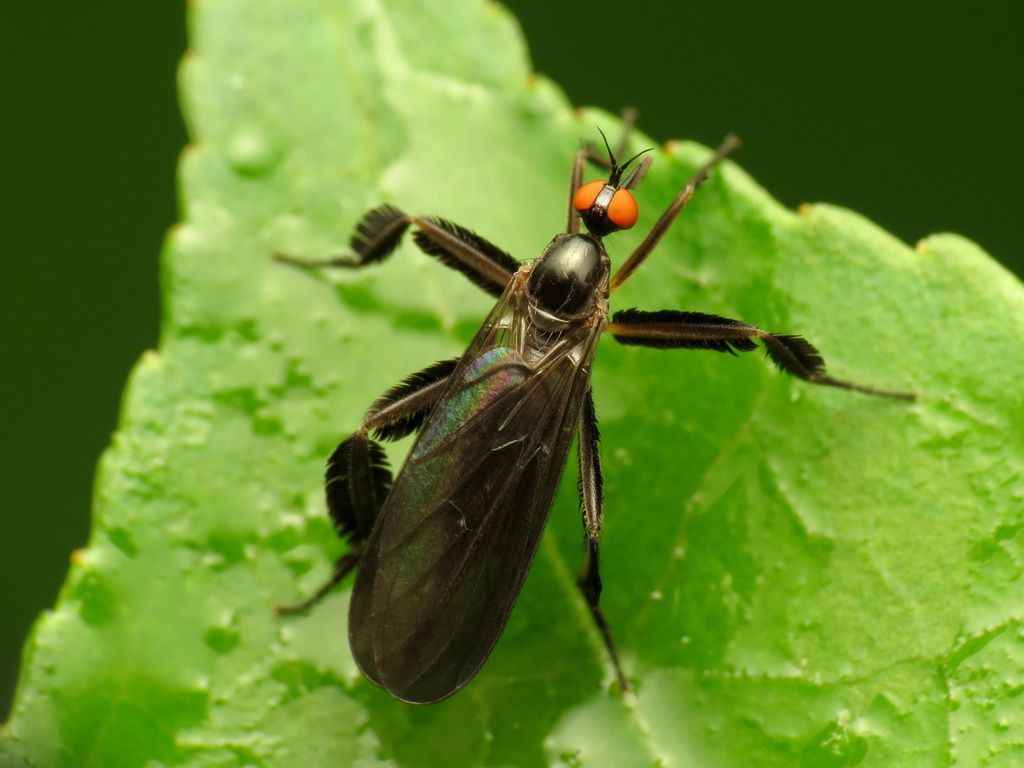
Usually small to medium flies with a slender, streamlined body.
Often seen hovering, darting, or perching on leaves and flower heads.
Many have long legs that can look "dangly" in flight or when perched.
Wings are typically clear to lightly tinted; they often hold wings out or slightly back when resting.
Range and habitat
Life cycle
Dance flies go through complete metamorphosis (egg, larva, pupa, adult), and their timing varies by species and local climate. What matters most for habitat planning is that adults need flowers when they’re active, and immature stages need protected places to develop.
Adults of some species begin appearing as early blooms open; sheltered edges and leaf litter can matter.
Flower visitation is often easiest to notice; diverse meadow-style plantings can support more species.
Some species remain active as long as flowers are available and temperatures allow.
Immature stages or pupae are typically protected in soil, litter, or vegetation.
Gardening guide
Provide the right food and habitat to help this pollinator thrive.
Early season
Mid-season
Late season
Leave some leaf litter under shrubs and along fence lines instead of removing it all.
Keep a small "no-dig" or low-disturbance zone where soil isn’t frequently turned over.
Maintain patches of taller grass or meadow-style planting for cover and microclimate stability.
Add native shrubs to create windbreaks and shaded edges near flowers.
Avoid over-mulching every surface; keep some natural ground texture and plant debris.
Habitat loss and fragmentation that remove meadows, edges, and naturalized vegetation.
Pesticides, including systemic pesticides (chemicals that get inside the plant), which can contaminate nectar/pollen and affect insects directly.
Bloom gaps, especially landscapes with only spring flowers and little summer/fall nectar.
Climate stress that shifts bloom timing, increases heat/drought pressure, or changes local moisture patterns.
Over-tidying (removing leaf litter, dead stems, and ground cover) that reduces life-stage shelter.
Take action
Plant a "season-long" mix: early shrubs + mid-season meadow flowers + late asters/goldenrods.
Keep a few areas less manicured: leave leaf litter, reduce mowing, and maintain taller vegetation in low-traffic zones.
Avoid pesticides, especially on flowering plants; use non-chemical options first (hand removal, targeted pruning, water spray).
Add habitat edges: a hedge, shrub border, or native planting strip beside a lawn creates shelter and feeding corridors.
Examples
Examples from this subgroup. Status varies by region.
Empis tessellata
This is a well-known example of a dance fly in the genus Empis, often noticed around flowers and sunny edges. It represents the many Empididae species that can contribute to pollination while using mixed habitats.
Rhagio scolopaceus
While not always thought of as a “pollinator,” this fly is a recognizable example of a flower-visiting, edge-dwelling fly within the broader dance-fly-and-relatives grouping people often notice outdoors. Seeing it can be a sign of nearby habitat structure like hedgerows and woodland margins.
Scathophaga stercoraria
This is a familiar, easy-to-spot fly that sometimes visits flowers and can move pollen incidentally. It’s included here as a practical “gateway” example: noticing common flies on flowers helps people recognize that pollination involves many insect groups.
Definitions
What You Can Do
Turn this knowledge into action. Whether you plant a single pot or a whole garden, you are building a vital bridge for local biodiversity.
Join the movement to restore our shared habitats.
Native plants
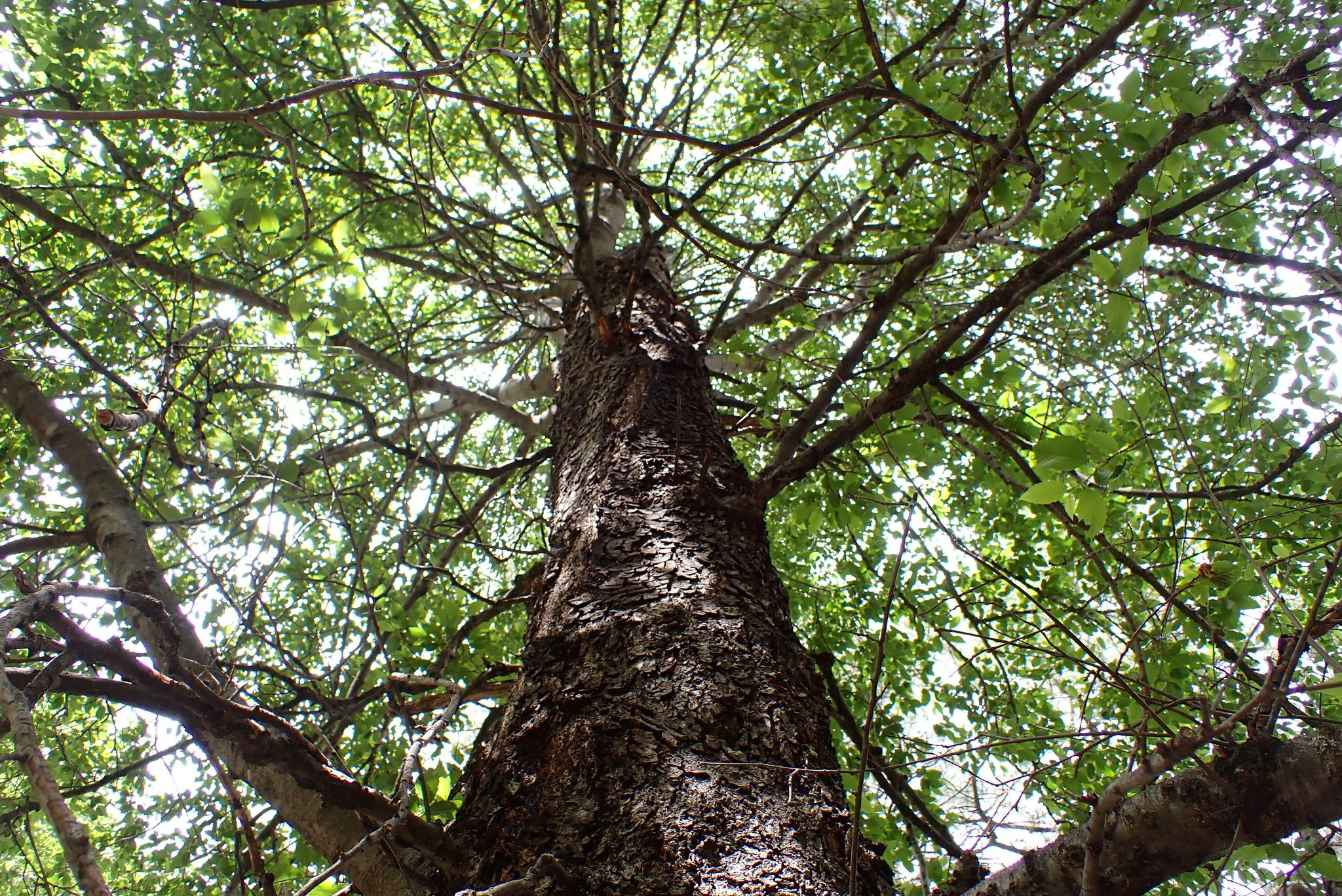
Alders are fast-growing trees in the genus Alnus that are especially useful in damp spots and along edges where you want quick cover and early-season pollen for insects.
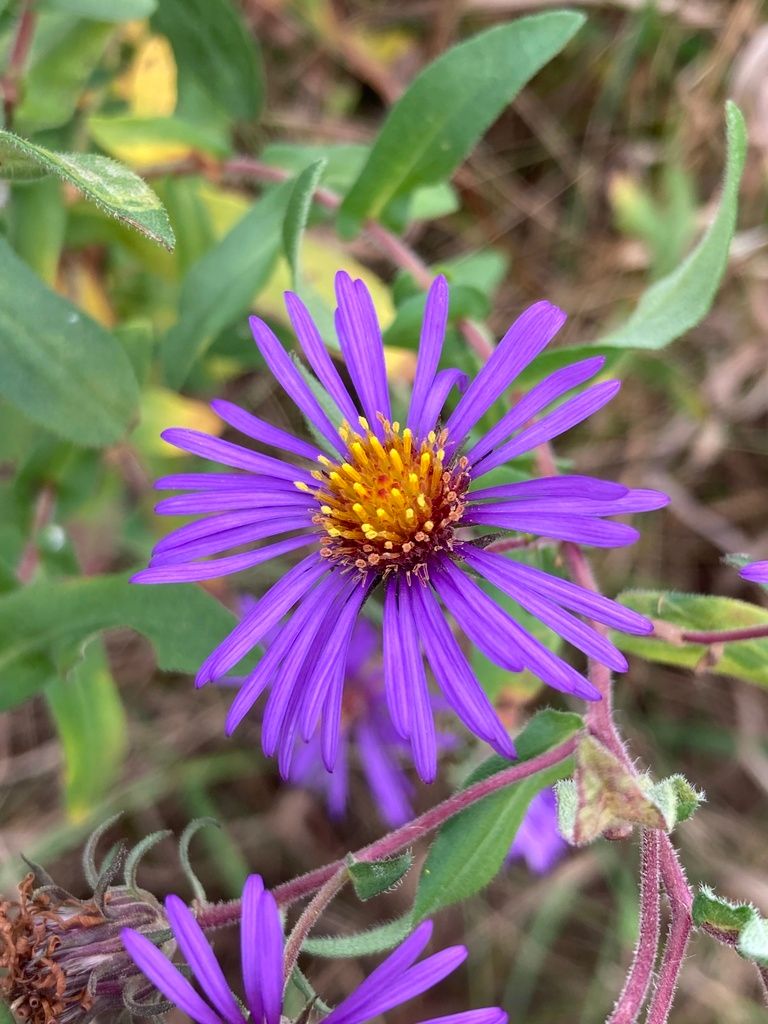
Asters are late-season wildflowers that bring a burst of daisy-like blooms when many gardens are winding down, making them a reliable choice for pollinator-friendly planting.
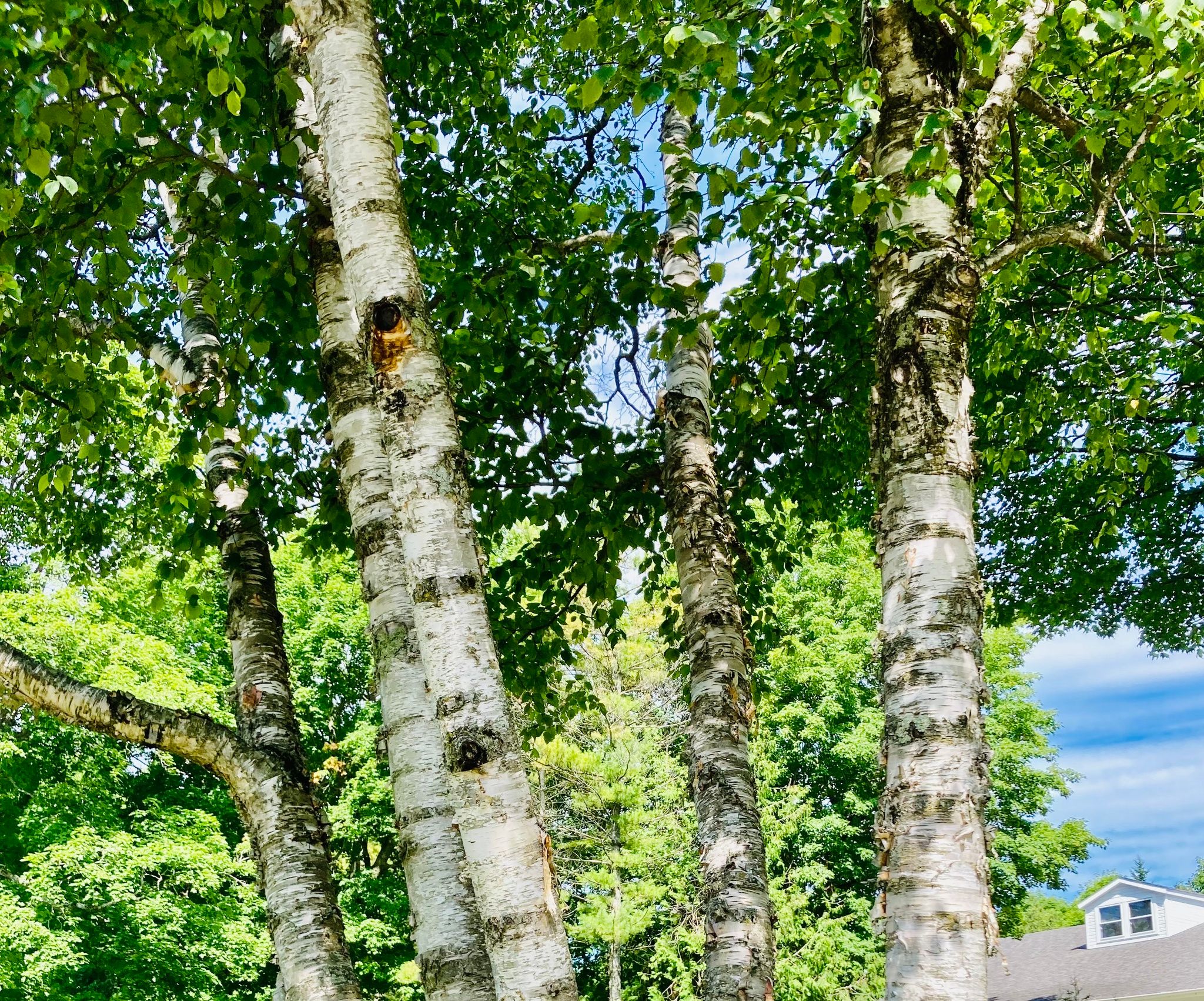
Birches are graceful trees in the genus Betula, known for their often light-colored bark and early-season pollen and catkins that support springtime insects.
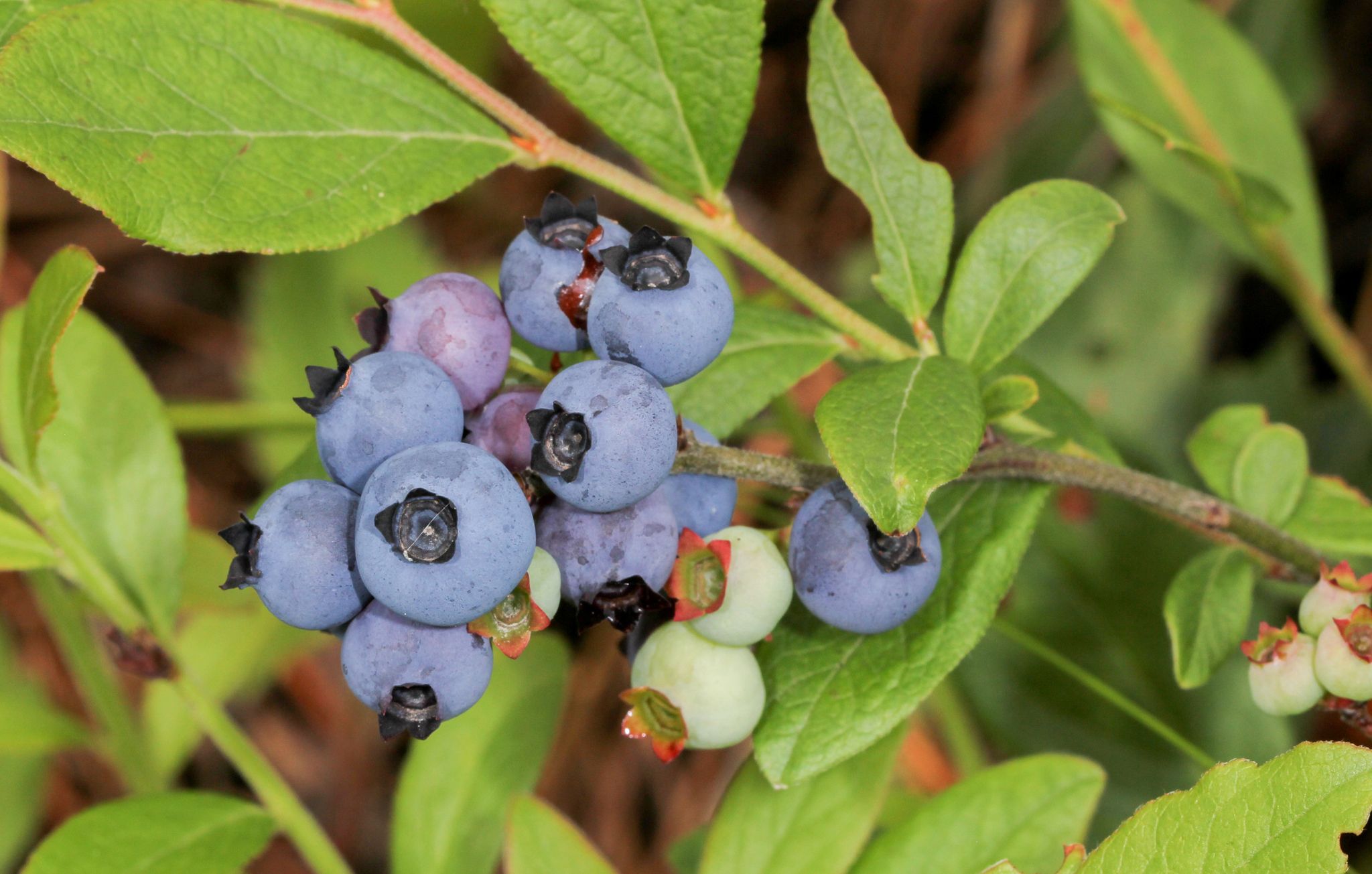
Blueberries and huckleberries (genus Vaccinium) are berry-producing shrubs with spring flowers that can support pollinators and later feed people and wildlife—great for gardens, schoolyards, and even large containers.
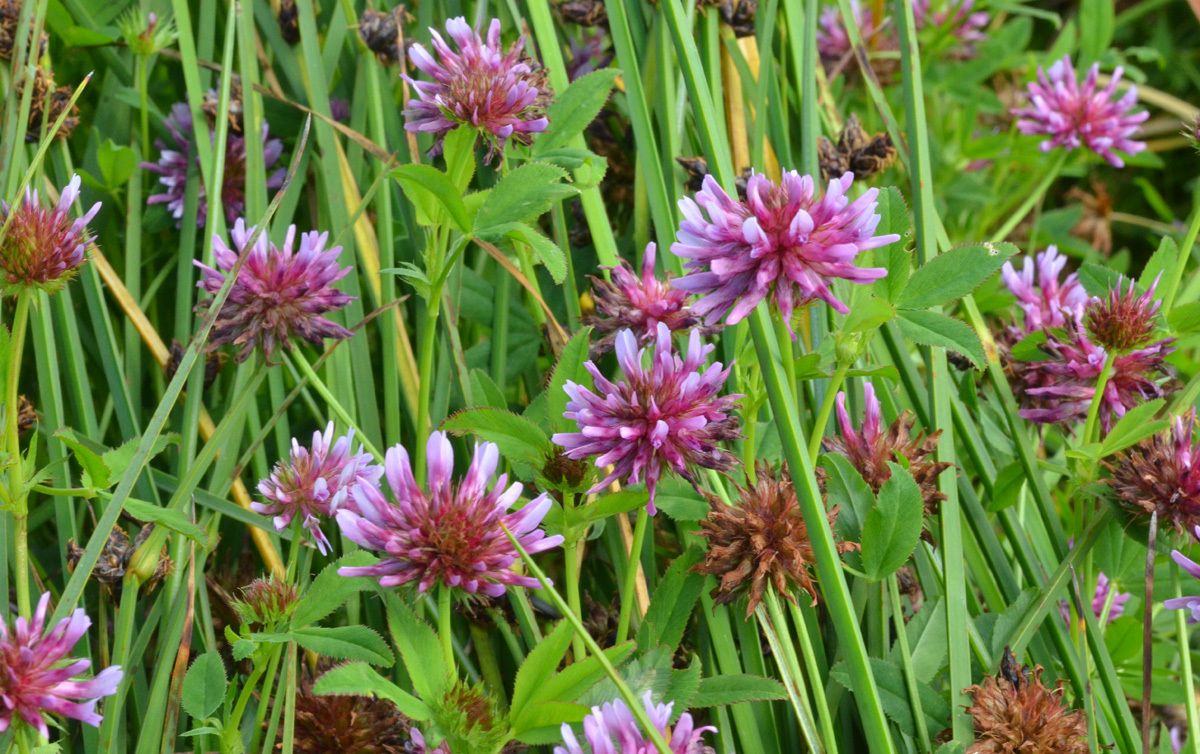
Clovers are small, easygoing plants in the genus Trifolium that can add nectar and pollen to gardens, lawns, and pots while helping cover bare soil.
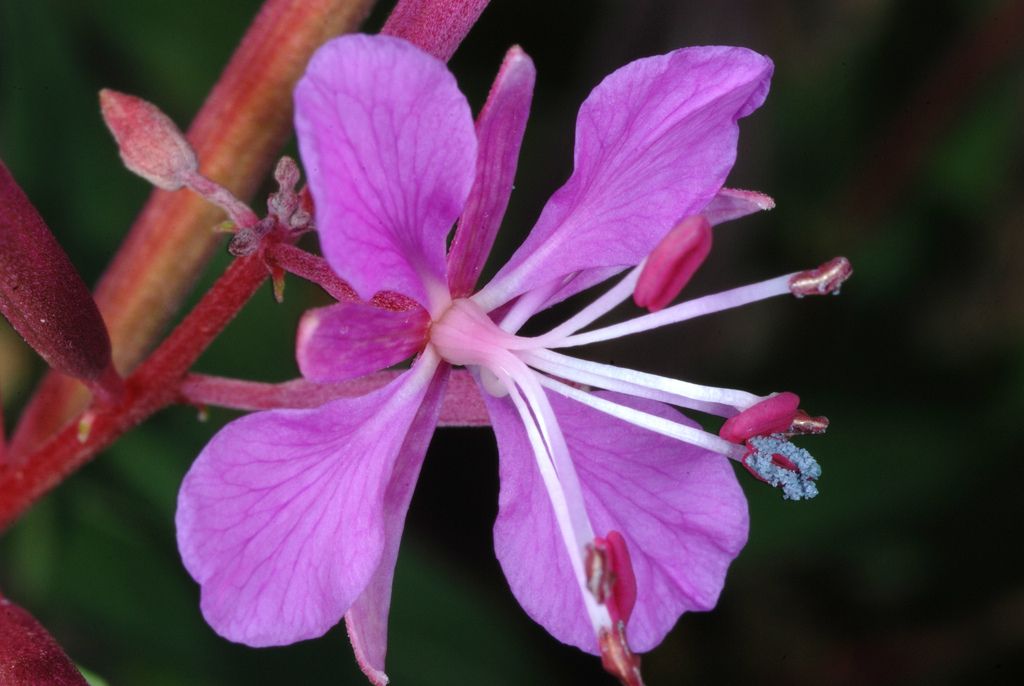
Fireweed is a tough, fast-growing wildflower in the genus Chamerion that brings bright pink blooms and lots of pollinator activity to sunny, open spaces.
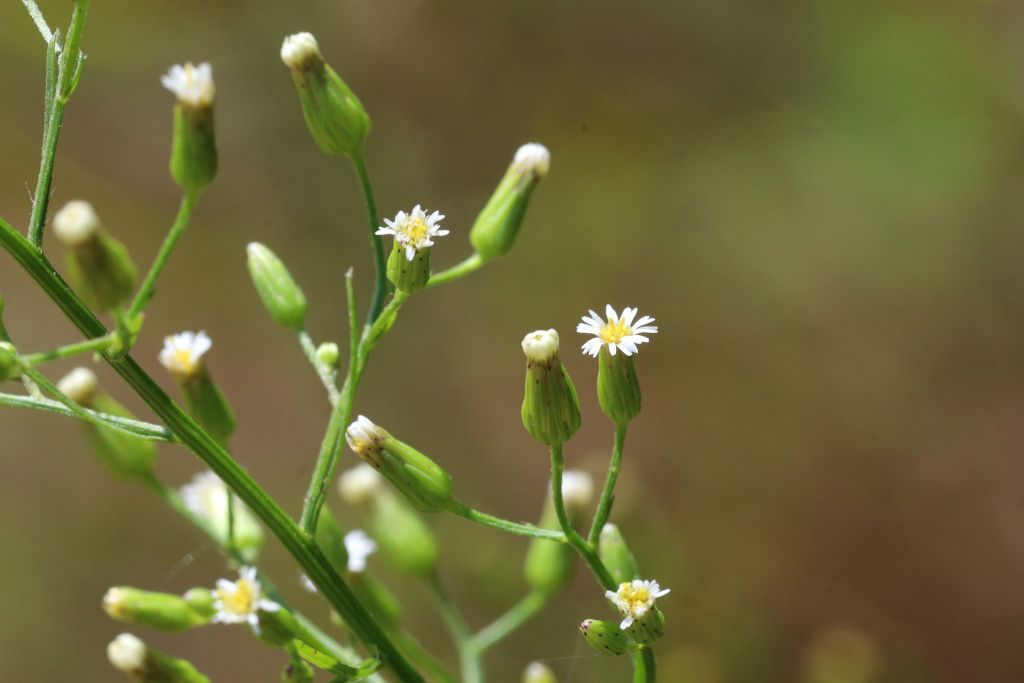
Fleabanes (genus Erigeron) are easygoing wildflowers with daisy-like blooms that can brighten gardens, schoolyards, and balcony pots while offering steady nectar and pollen for many small pollinators.
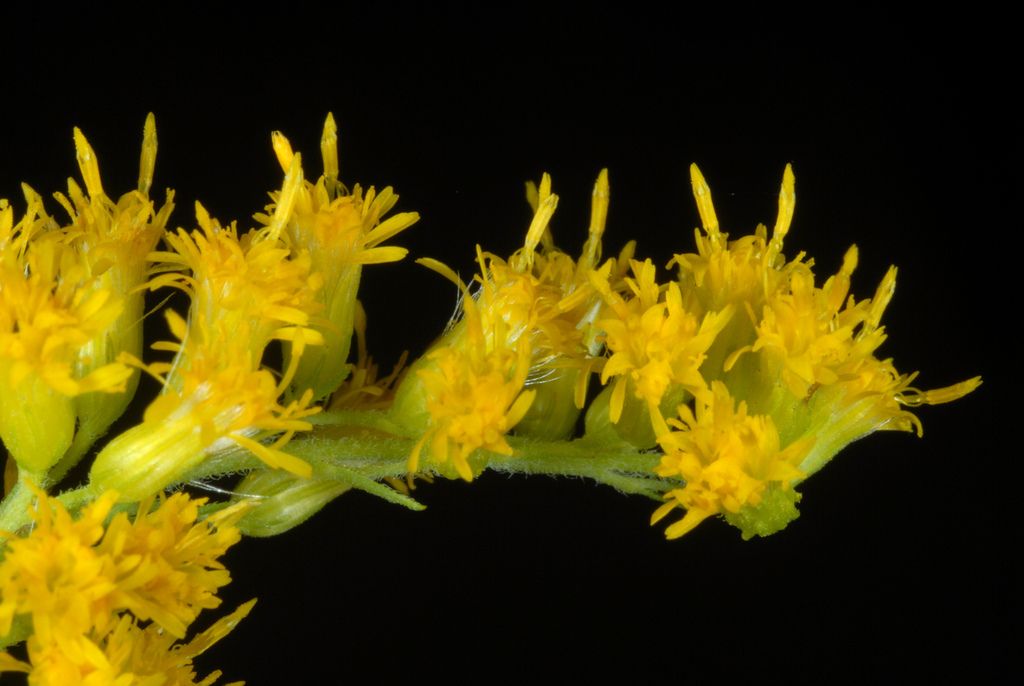
Goldenrods are tough, sunny wildflowers in the genus Solidago that light up late-season gardens with golden blooms and provide reliable nectar and pollen when many other flowers are fading.
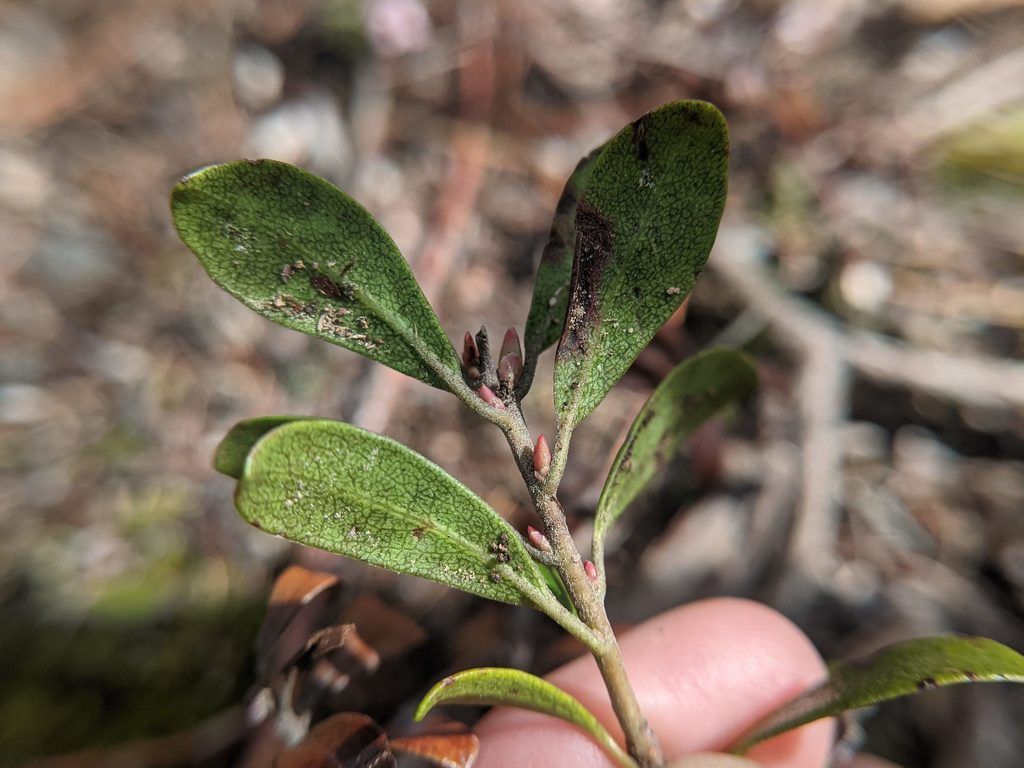
Kinnikinnick is a tough, low-growing evergreen groundcover in the genus Arctostaphylos (often called bearberry) that forms a tidy mat and offers small spring flowers followed by red berries.
Manzanitas are tough, beautiful western shrubs with urn-shaped flowers that can feed early-season pollinators and evergreen leaves that keep gardens looking good year-round.
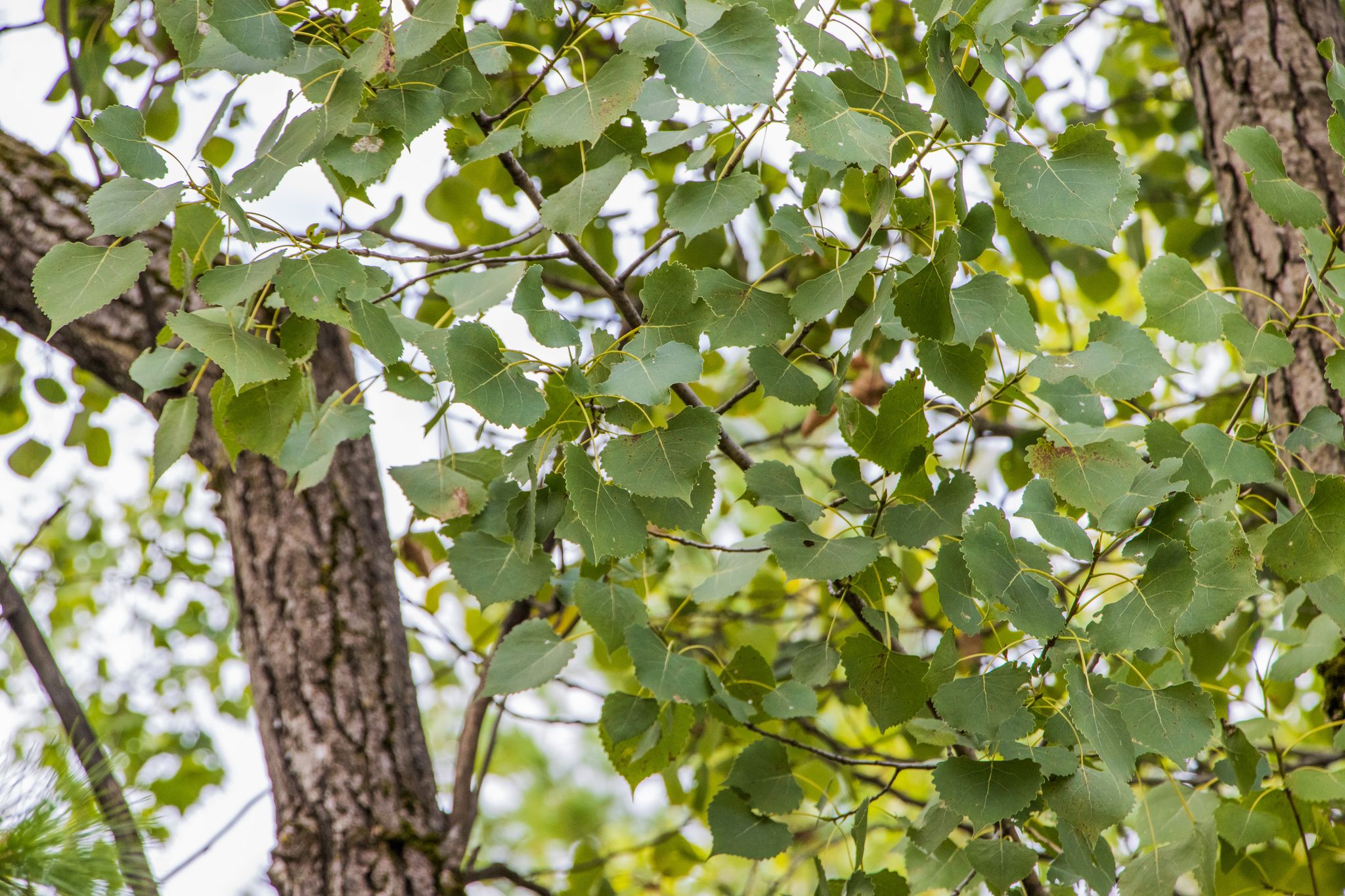
Poplars, aspens, and cottonwoods (genus Populus) are fast-growing trees best known for their fluttering leaves and soft “cottony” seeds. They can support early-season pollinators with spring catkins, but they’re also big, thirsty, and often short-lived in small yards—so they’re best chosen with space and roots in mind.
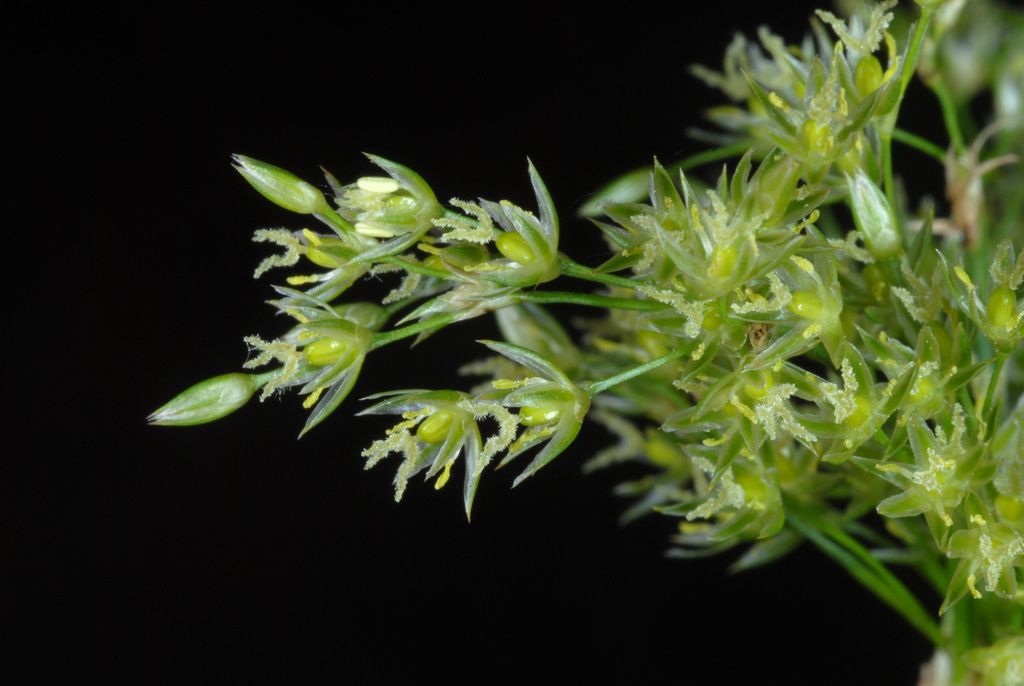
Rushes are tough, grass-like wetland plants (genus Juncus) that thrive in damp soil and help create calm, sheltered habitat at the edges of ponds, rain gardens, and low spots.
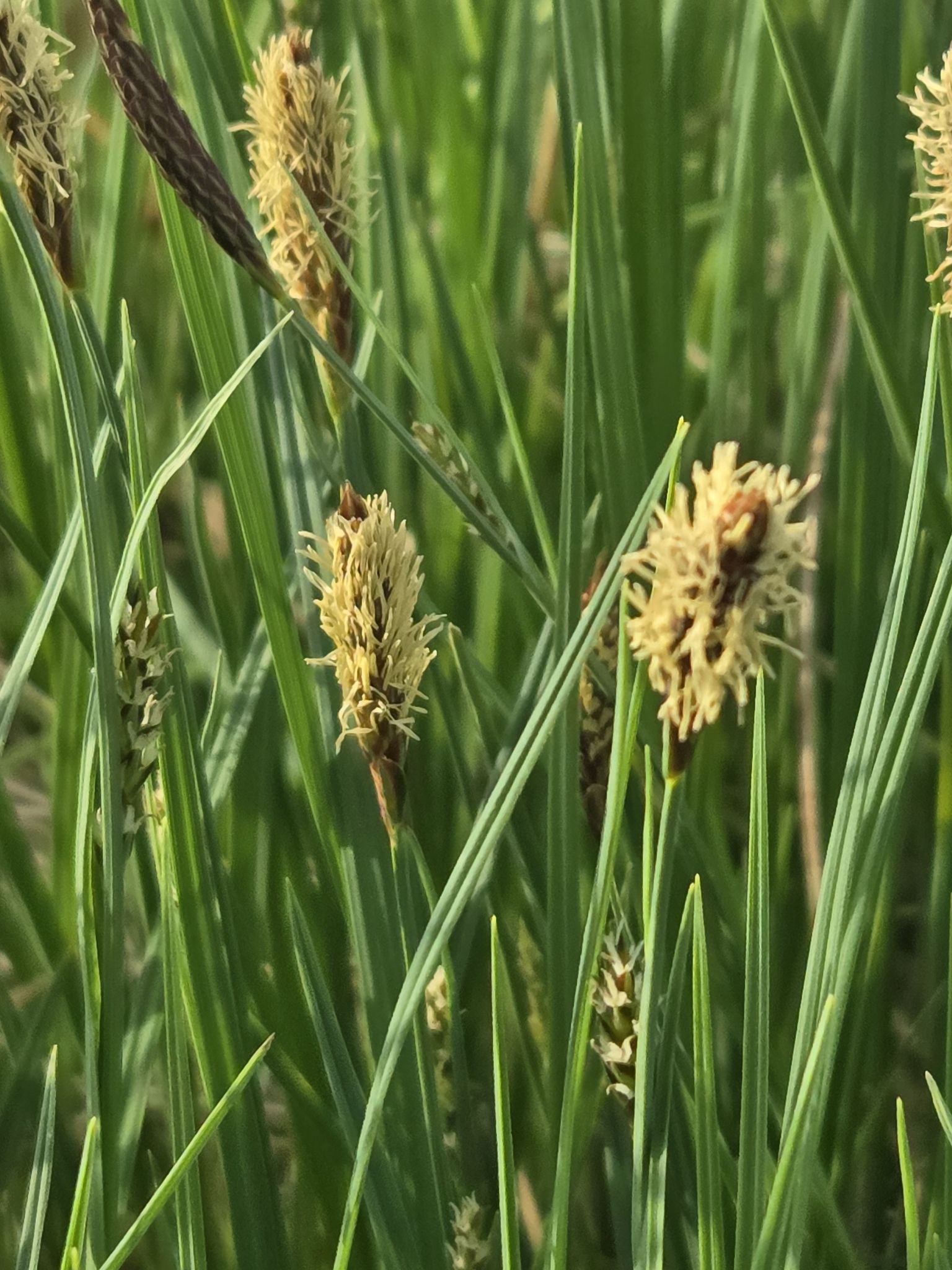
Sedges (genus Carex) are grass-like plants that form tidy clumps and thrive in many garden conditions, especially where soil stays a bit damp. They add texture, cover bare ground, and can support small wildlife by providing shelter and nesting material.
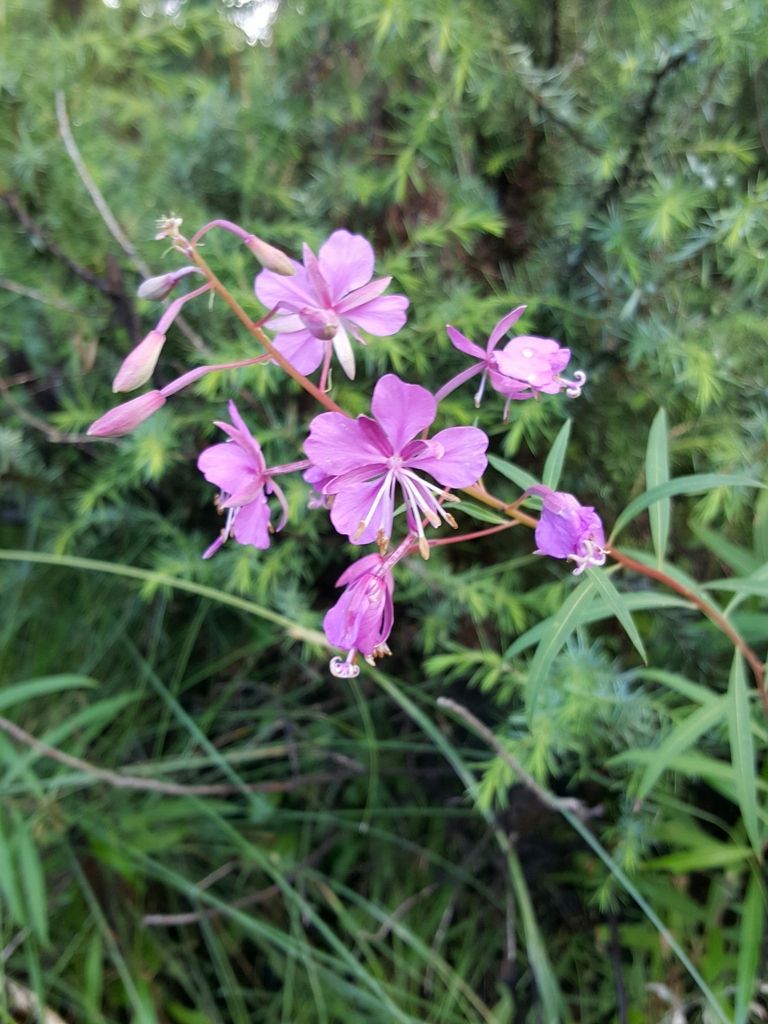
Willowherbs (genus Epilobium) are easygoing wildflowers that pop up in sunny, open spots and offer simple, nectar-rich blooms that many small pollinators can use.
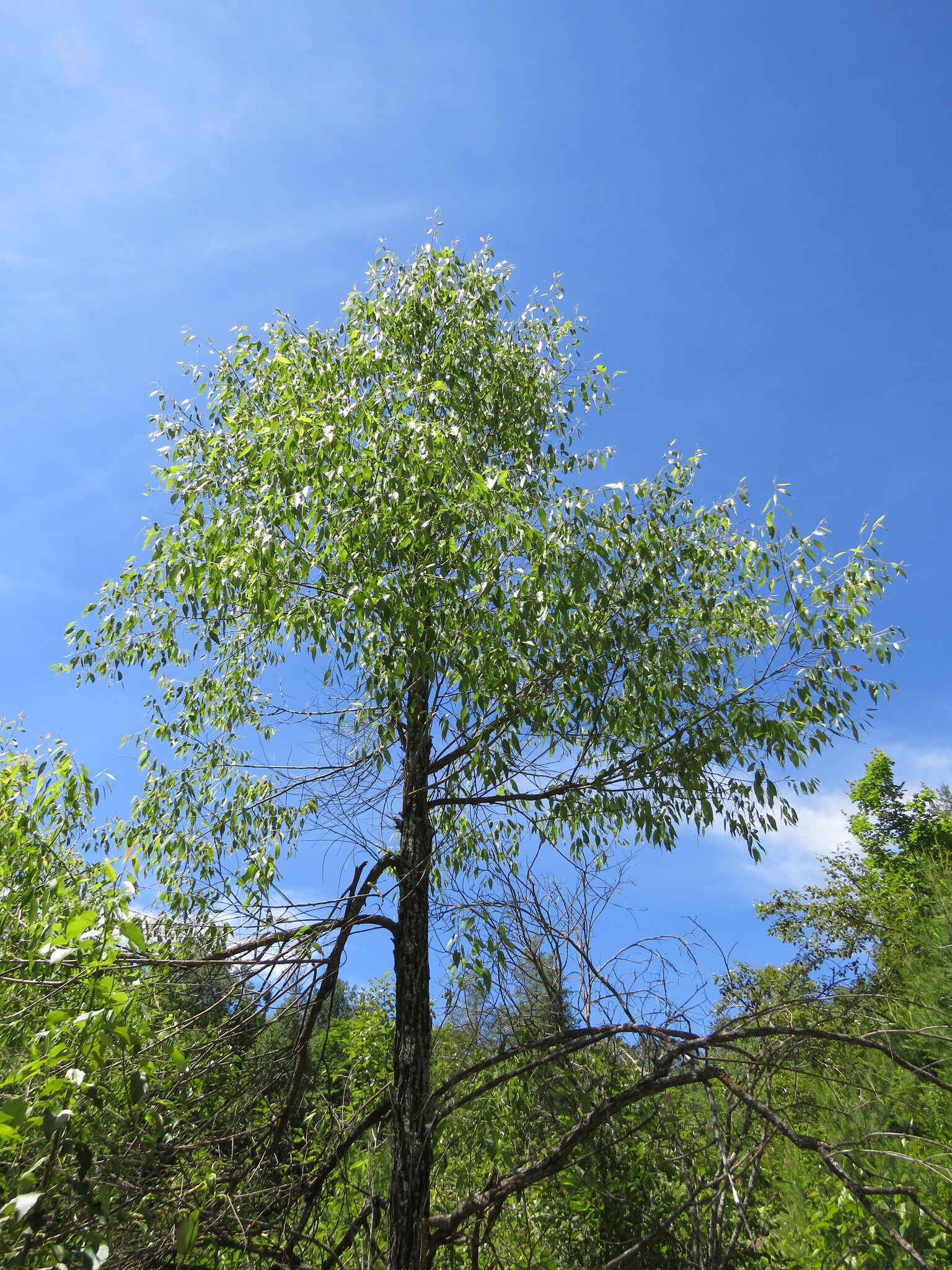
Willows are fast-growing trees and shrubs in the genus Salix that offer some of the earliest pollen and nectar of the year, making them a strong choice for pollinator-friendly yards, parks, and school grounds.
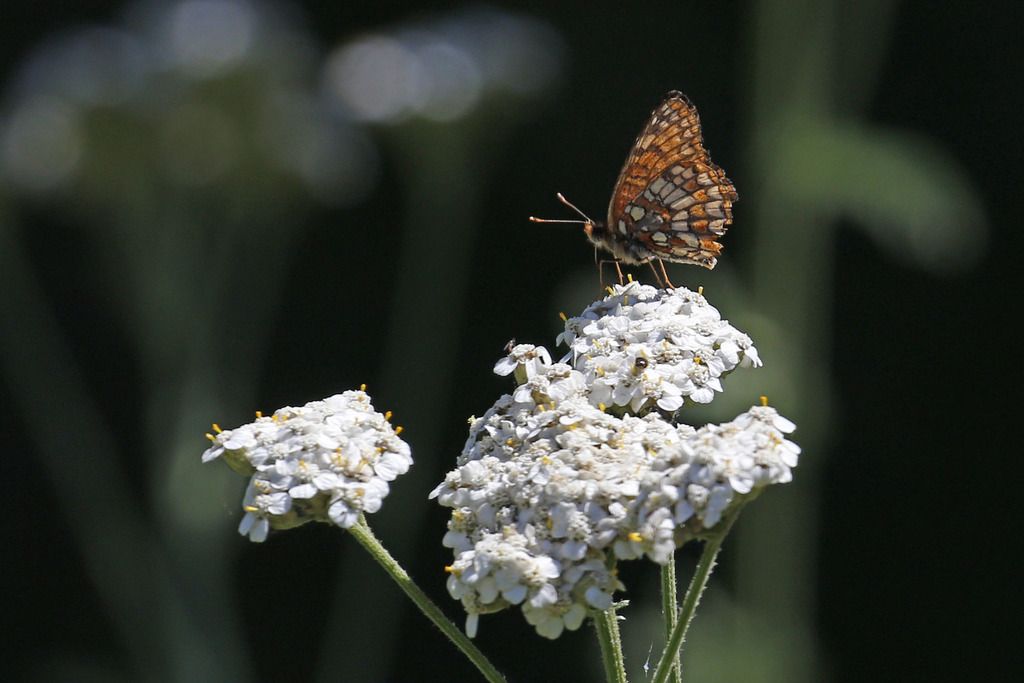
Yarrow is a tough, easygoing wildflower that brings long-lasting blooms and steady pollinator visits to gardens, schoolyards, and even containers.
Regions
Aberdeen Plains is a northern plains ecoregion where the growing season is short and conditions can be harsh for gardening.
The Abitibi Plains and Riviere Rupert Plateau is largely defined by boreal forest, wetlands, and extensive freshwater networks.
The Alaska Range is a high, cold mountain landscape where plants and pollinators must make the most of a short summer.
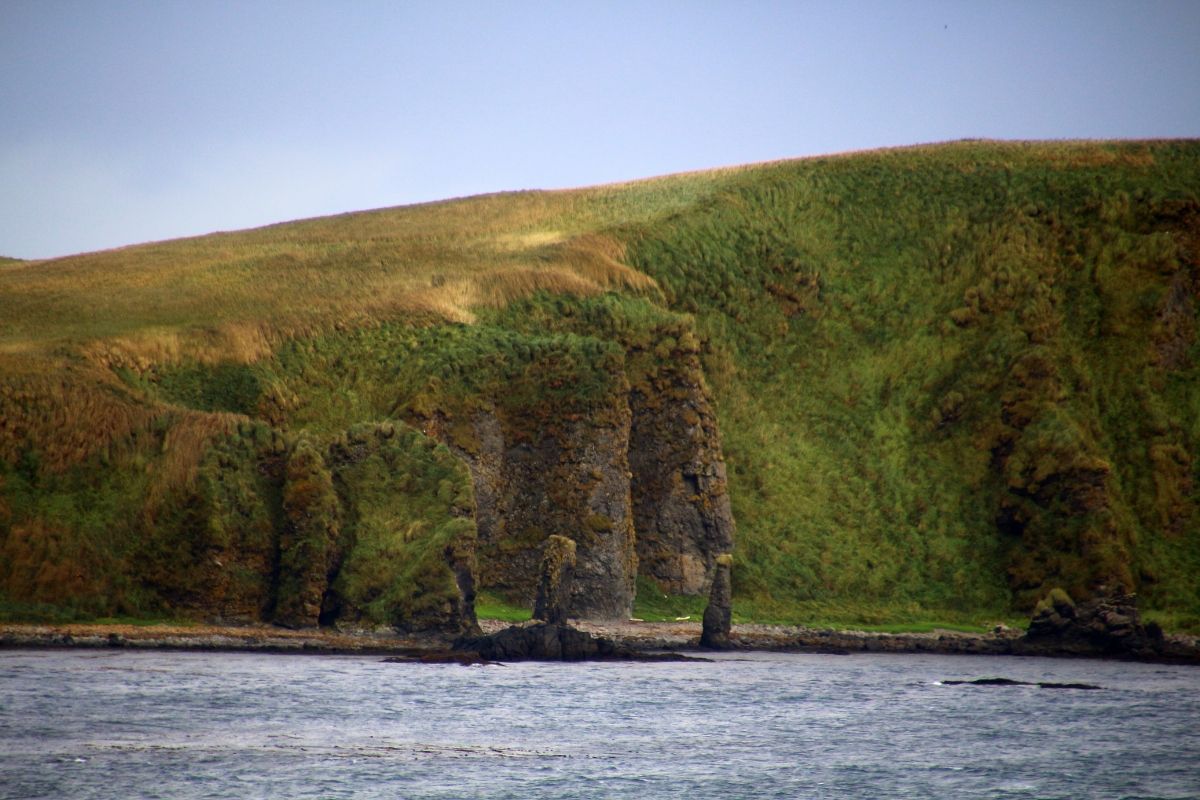
The Aleutian Islands are a maritime, wind-shaped island chain with short, challenging growing conditions and many exposed sites.
Algonquin/Southern Laurentians is a forest-and-water landscape where many pollinators rely on sunny edges, openings, wetlands, and flowering understories rather than deep shade.
The Amundsen Plains are a northern Arctic plains region where the growing season is short and conditions are tough for typical home gardening.
The Arctic Coastal Plain is a tundra region where plants grow low to the ground and the flowering season is brief.
The Arctic Foothills are a rugged transition zone where tundra landscapes meet rising hills and mountain fronts.
Athabasca Plain and Churchill River Upland is a northern, boreal-leaning landscape where forests, wetlands, and river systems shape what can grow and when it blooms.
The Baffin and Torngat Mountains are a dramatic Arctic mountain region where life is adapted to cold, wind, and a very short season for growth.
The Baffin Uplands are a High Arctic ecoregion where plants grow slowly and stay low, and where “garden-style” pollinator planting is often not practical.
Banks Island and the Amundsen Gulf Lowlands are part of the Northern Arctic, where plants and insects must survive extreme cold, wind, and a very short season for growth and flowering.
The Blue Mountains are a varied mountain-and-valley landscape where forests, meadows, and river corridors can sit close together.
The Bristol Bay–Nushagak Lowlands are tundra-leaning lowlands where wetlands, river corridors, and coastal conditions shape what can grow.
The Brooks Range/Richardson Mountains ecoregion is a high-latitude mountain tundra landscape where plants grow low to the ground and the season for flowers can be brief.
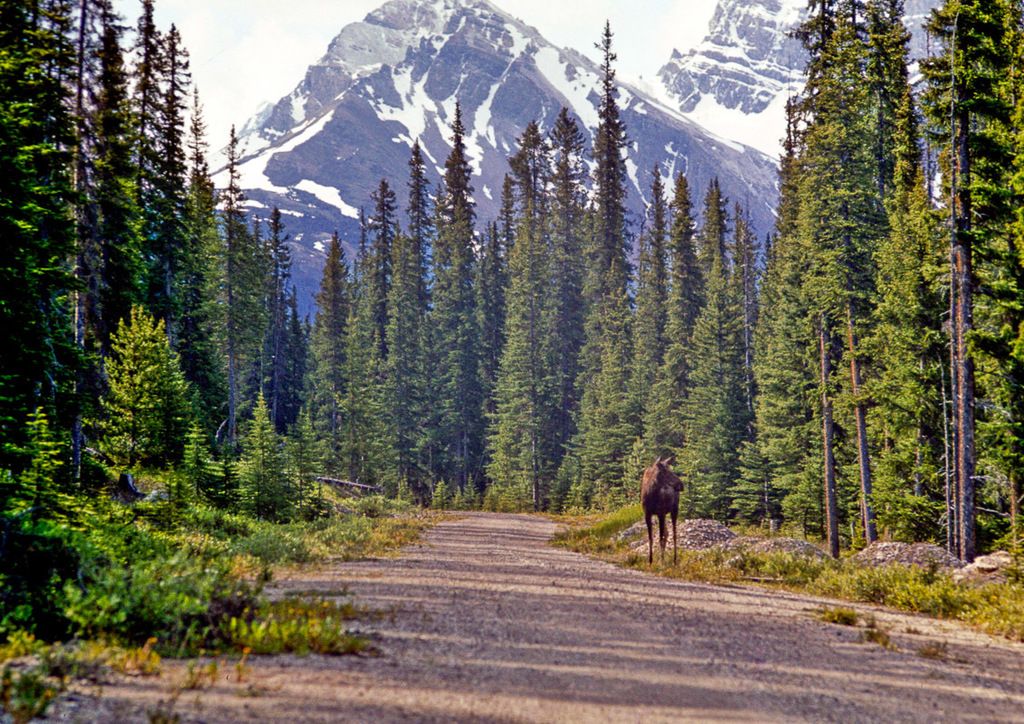
The Canadian Rockies are a rugged mountain region with big elevation changes, cold winters, and pockets of warmer, sunnier valley habitat.
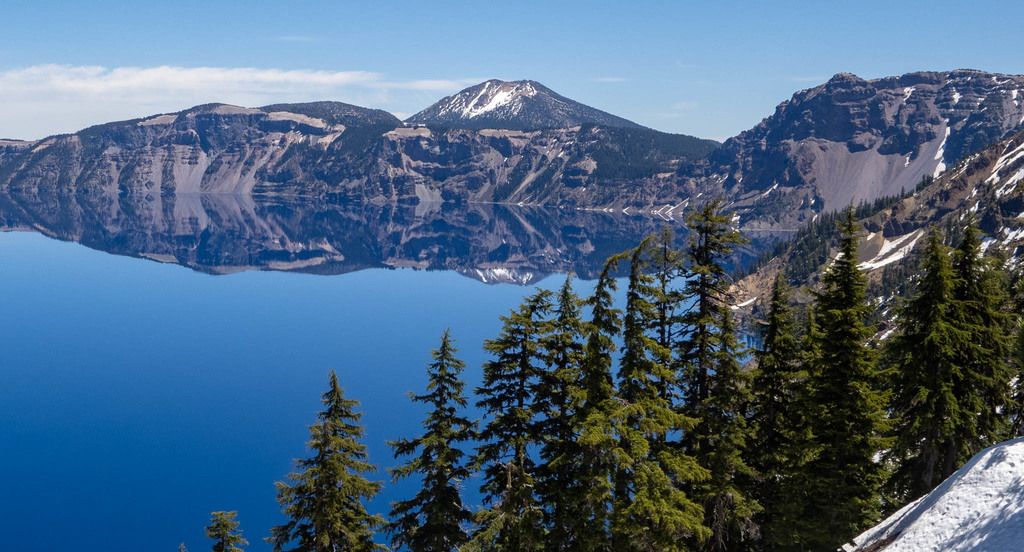
The Cascades ecoregion is defined by mountains, forests, and dramatic “up-and-down” terrain that creates many local growing conditions.
This ecoregion is part of the Southern Arctic, where plants and pollinators must make the most of a short, intense growing season.
The Central Laurentians and Mecatina Plateau is typically a softwood-shield region with forests, bogs/fens, rocky openings, and water-rich landscapes.
The Chilcotin Ranges and Fraser Plateau includes a patchwork of plateaus, forests, grass-leaning openings, and river corridors.
Clear Hills and Western Alberta Uplands is a boreal upland landscape where forests, wet areas, and stream corridors shape what can grow.
The Coastal Hudson Bay Lowland is a cold, flat coastal region where wet ground and a short summer shape what can grow.
The Columbia Mountains/Northern Rockies region is a landscape of big elevation changes—forests, meadows, and river corridors stitched between steep slopes and high ridgelines.
Copper Plateau is a boreal-cordillera plateau region where plants and pollinators often have a narrow window to grow, bloom, and reproduce.
The Coppermine River and Tazin Lake Uplands sit within the Taiga Shield, where rock, water, and boreal vegetation shape what can grow.
Cypress Upland landscapes are shaped by elevation, exposure, and patchy moisture—meaning one yard can be quite different from another just a short distance away.
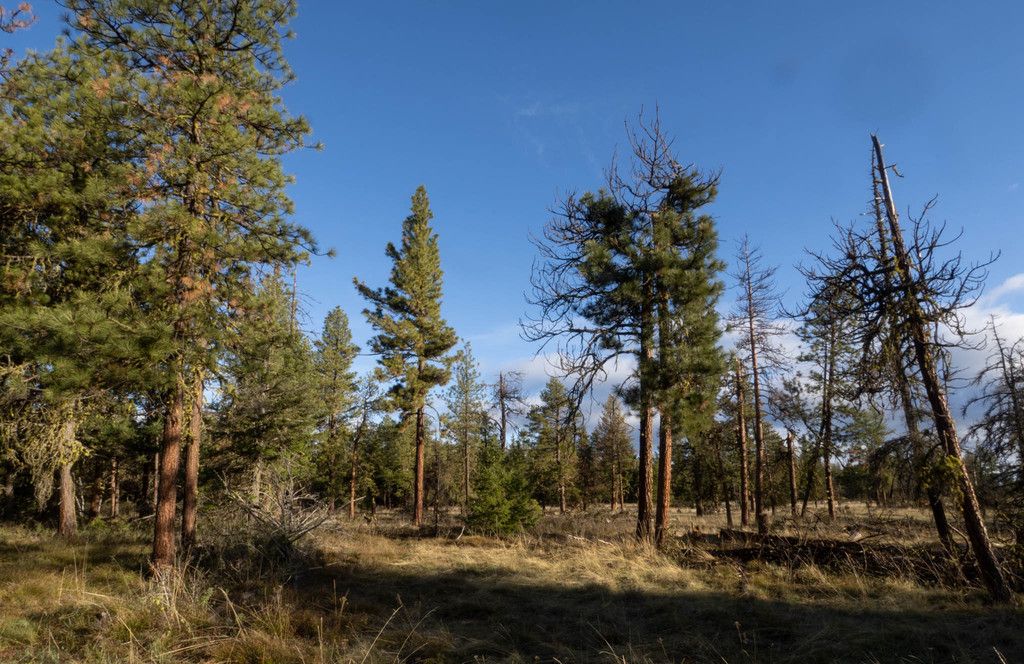
The Eastern Cascades Slopes and Foothills are a transition zone: mountain-influenced landscapes that often lean dry, with big differences from one hillside or creek corridor to the next.
The Ellesmere Mountains and Eureka Hills are an extreme Arctic landscape where plants grow slowly and flowering opportunities are limited.
Foxe Uplands is a Northern Arctic ecoregion where the environment is tough on plants: cold, wind, and a short growing season make typical “pollinator gardening” difficult in many places.
The Great Bear Plains is a taiga-plains landscape where water, soil, and exposure strongly shape what can grow.
This Northern Arctic plains ecoregion is defined by cold temperatures, short summers, and landscapes where plants grow low to the ground.
The Hay and Slave River Lowlands are a northern lowland landscape where rivers and wetlands strongly shape what can grow.
Hayes River Upland and Big Trout Lake sits in the boreal “softwood shield” world of conifers, water, and wetlands.
The Hudson Bay and Hames Lowlands are defined by wide-open lowlands and large wetland landscapes.
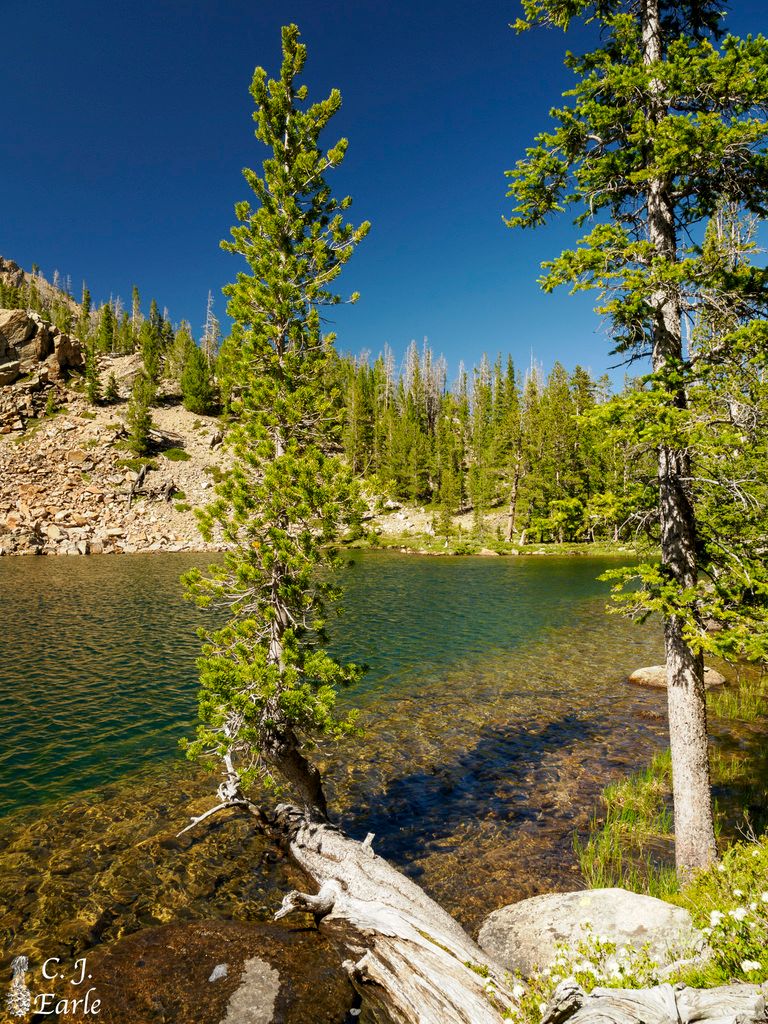
The Idaho Batholith ecoregion is a rugged, mountainous landscape where forests, meadows, and river corridors create a patchwork of habitats.
Interior Bottomlands are low-lying parts of Alaska’s boreal interior where water and soils often shape what can grow.
Interior Forested Lowlands and Uplands is a boreal interior landscape where forests, wetlands, and river corridors create pockets of flowering habitat.
Interior Highlands and Klondike Plateau is a northern inland region where elevation, slope direction, and river valleys create many “small zones” for plants.
Kazan Rvier and Selwyn Lake Uplands is a northern taiga-shield landscape of rock, water, and hardy vegetation.
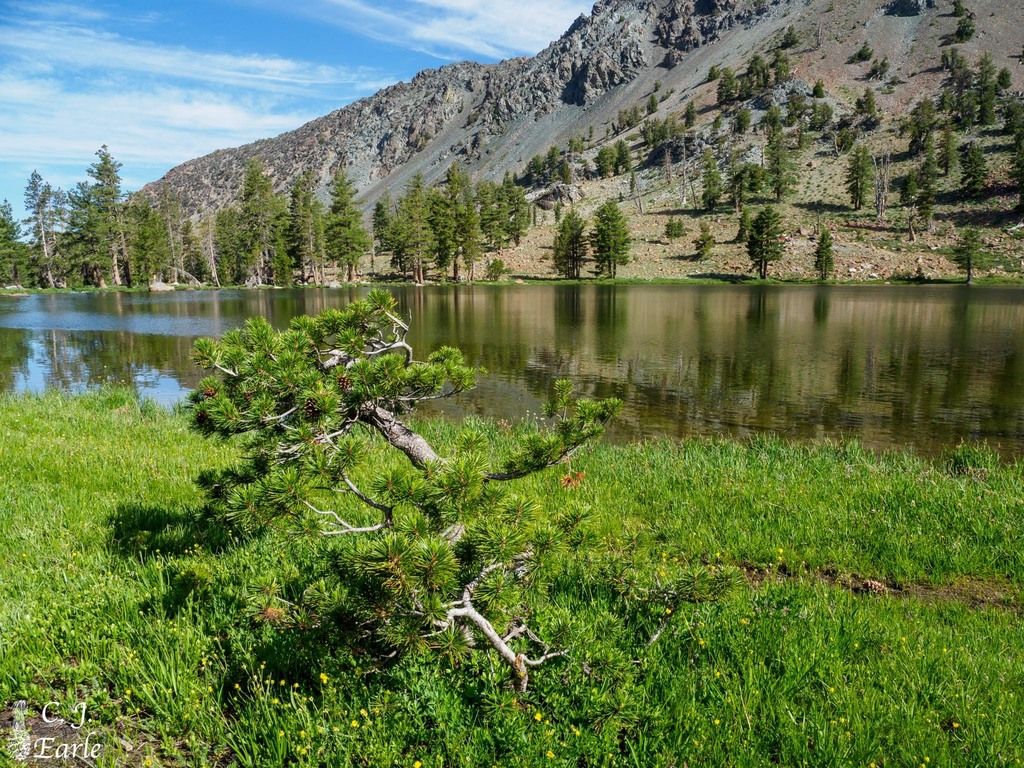
The Klamath Mountains are a complex, mountainous landscape where forests, rocky openings, and river corridors create many different growing conditions close together.
La Grande Hills and the New Quebec Central Plateau are part of the Taiga Shield—often rocky, lake-rich, and shaped by cold-season conditions.
Lake Nipigon and Lac Seul Upland is a lake-and-forest shield region where conifer-dominated woods, wetlands, and rocky openings create a patchwork of habitats.
The Lancaster and Borden Peninsula Plateaus are part of the Northern Arctic, where cold, wind, and a short growing season limit how much flowering habitat can develop.
The Mackenzie and Selwyn Mountains are a high-latitude mountain landscape where plants and pollinators must make the most of a short warm season.
The Mid-Boreal Lowland and Interlake Plains is a boreal-plain landscape where forests and wetlands shape what can grow and when flowers appear.
Mid-Boreal Uplands and Peac-Wabaska Lowlands is a boreal-plain region where forests, wetlands, and open edges create a patchwork of habitats.
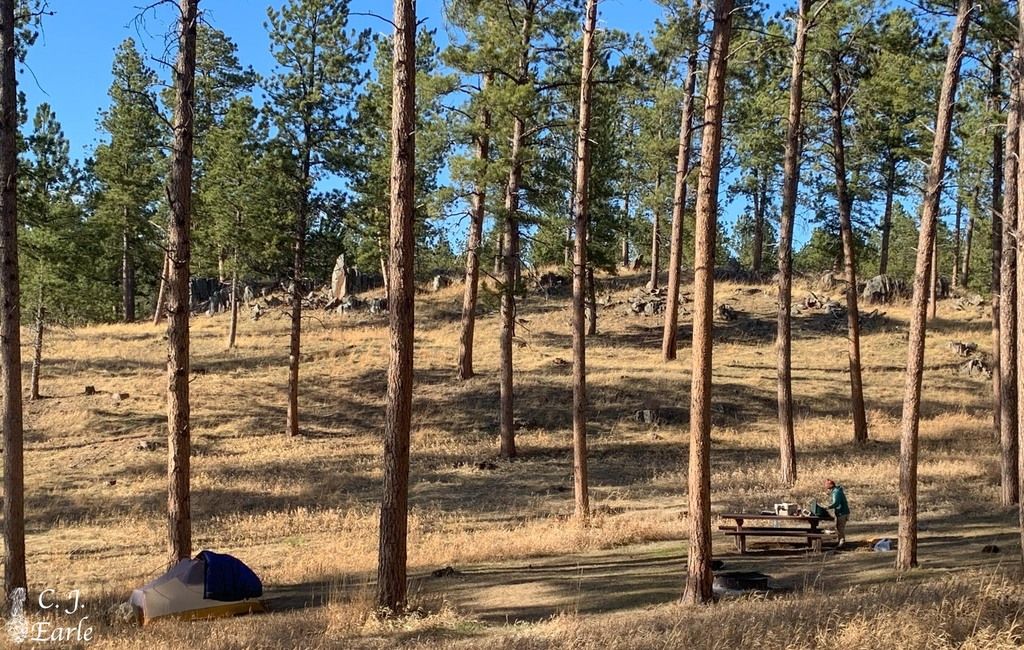
The Middle Rockies are defined by rugged terrain, big elevation changes, and many “pockets” of different growing conditions.
Newfoundland Island includes a mix of coastal landscapes, conifer-dominated forests, wetlands, and open barrens.
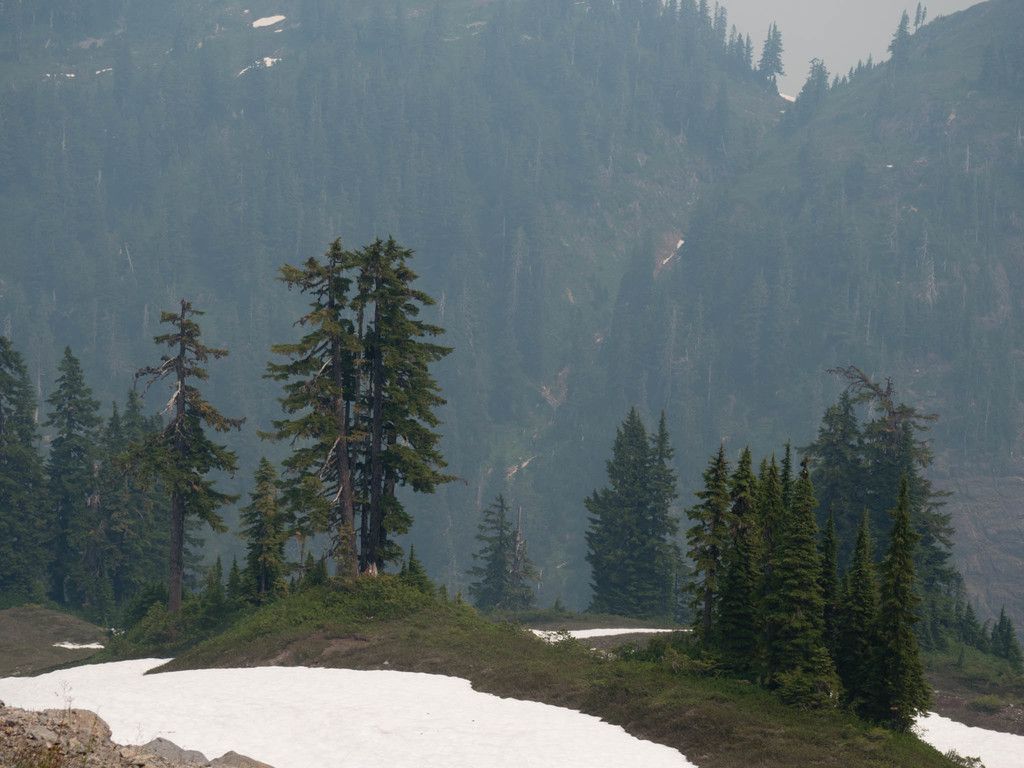
The North Cascades are defined by big elevation changes, forested slopes, and river valleys that create many small habitat pockets.
The North Central Appalachians are known for forested hills, stream corridors, and a patchwork of openings where wildflowers can thrive.
This region is a patchwork of forested mountains and uplands, with streams, wetlands, and openings that can be surprisingly rich in wildflowers.
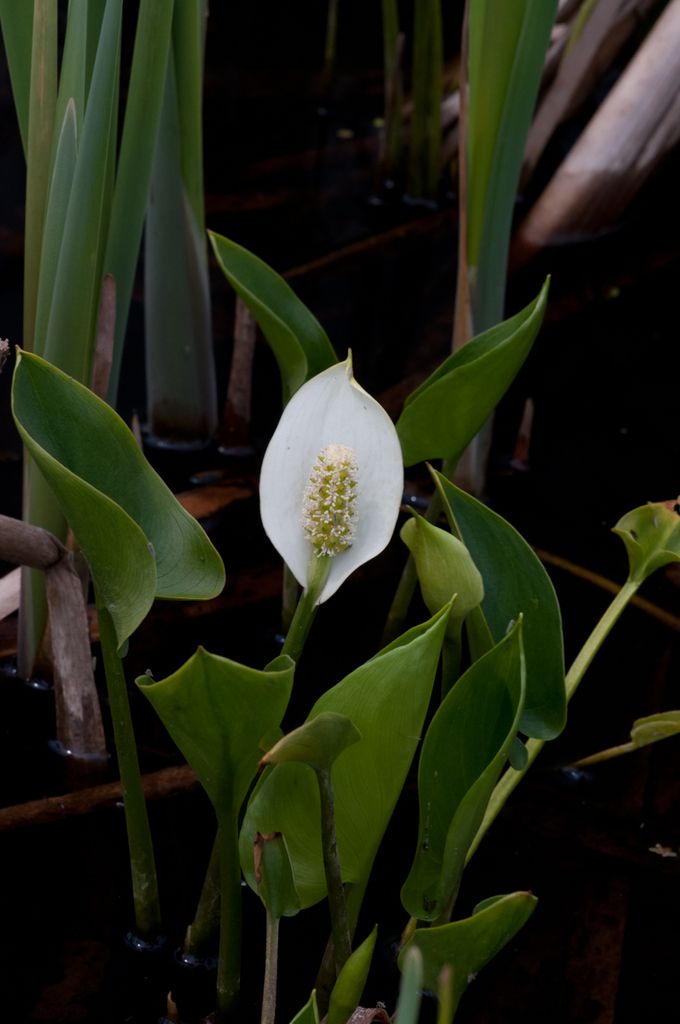
Northern Lakes and Forests is a lake-rich, forested shield landscape where native wildflowers often thrive in sunny openings, shorelines, and edges rather than deep shade.
Northern Minnesota Wetlands are defined by water: saturated soils, standing water, and plant communities adapted to wet conditions.
The Oglivie Mountains ecoregion is a cold, mountainous part of the Taiga Cordillera where plant life is shaped by short summers, elevation, and shelter from wind.
The Parry Islands Plateau is a Northern Arctic ecoregion where cold, wind, and a short growing season make gardening and long-season blooms difficult in many places.
The Peel River and Nahanni Plateaus ecoregion is a northern landscape of broad uplands, river-cut valleys, and hardy vegetation adapted to cold conditions.
This ecoregion is an Arctic lowland landscape where the season for flowering plants is short and highly weather-dependent.
The Seward Peninsula sits within Alaska’s tundra ecoregions, where the growing season is short and conditions can be tough for conventional gardening.
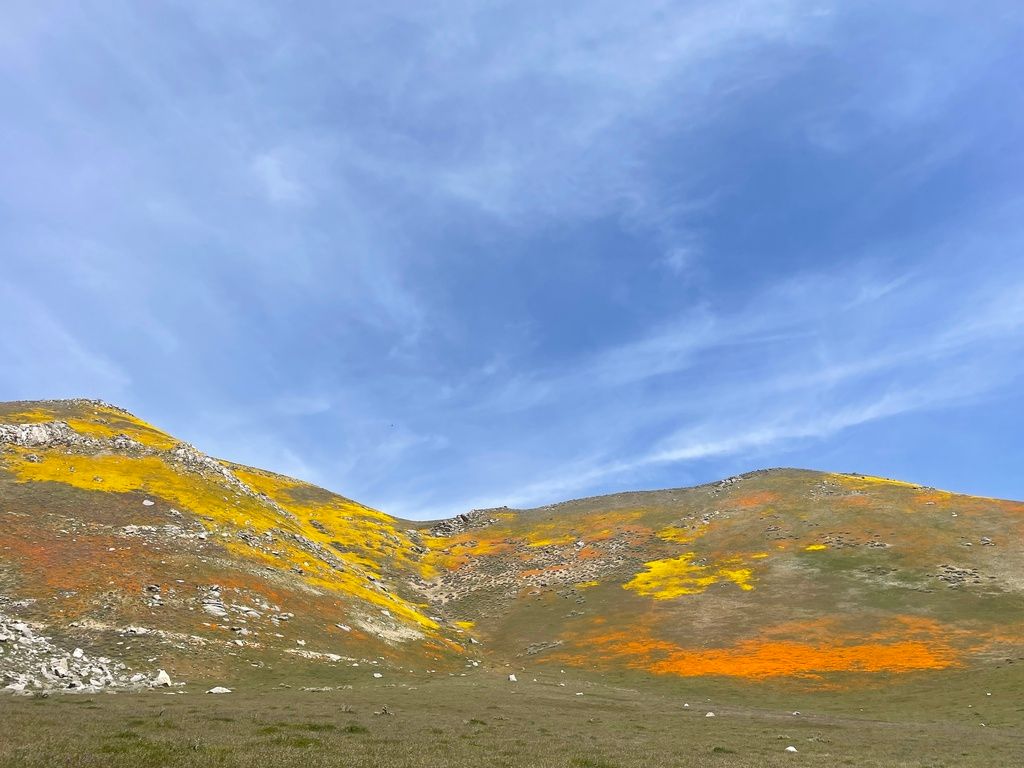
The Sierra Nevada is a mountain region with a wide range of habitats—from foothill woodlands to conifer forests to high-elevation meadows.
This is a Western Cordillera mountain region where forests, rivers, and open sunny edges create pockets of pollinator habitat.
Smallwood Uplands is a northern taiga-shield landscape where water, rock, and forest shape what plants can thrive.
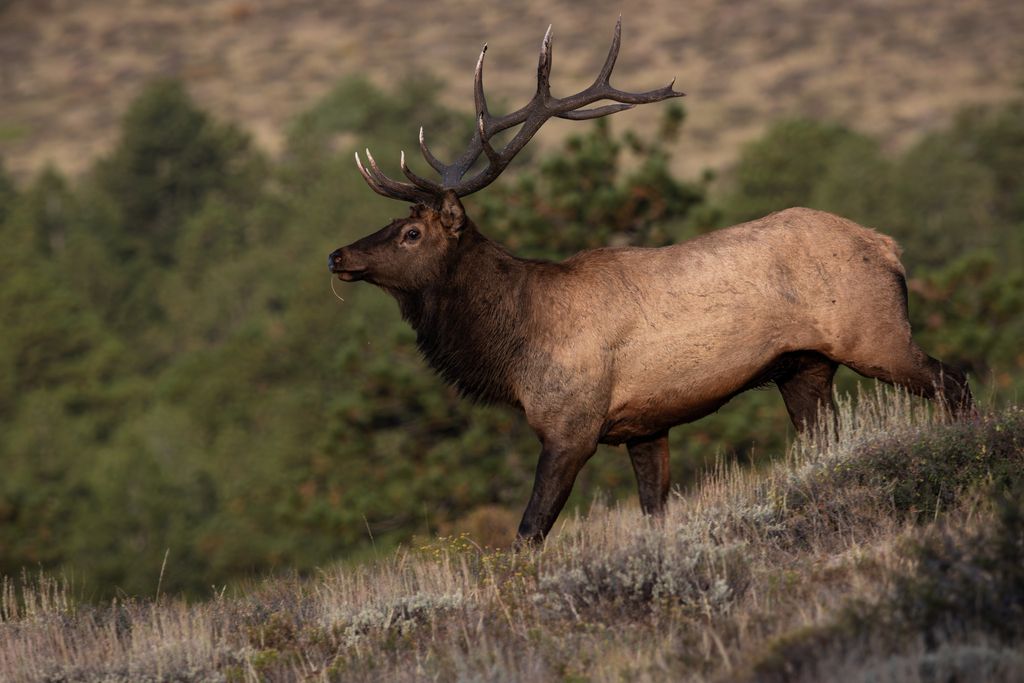
This ecoregion is defined by mountain terrain, big elevation changes, and patchy habitats that can shift from dry, sunny slopes to cooler, moister pockets.
Subarctic Coastal Plains are open, tundra landscapes where plants must grow fast during a short summer.
The Sverdrup Islands Lowland is an extreme Arctic lowland environment where plants grow slowly and flowering opportunities can be limited.
The Ungava Bay Basin and George Plateau is a northern Taiga Shield landscape where the growing season is typically short and gardening can be challenging.
The Victoria Island Lowlands are an Arctic lowland ecoregion where extreme cold and a short growing season make conventional pollinator gardening difficult in many places.
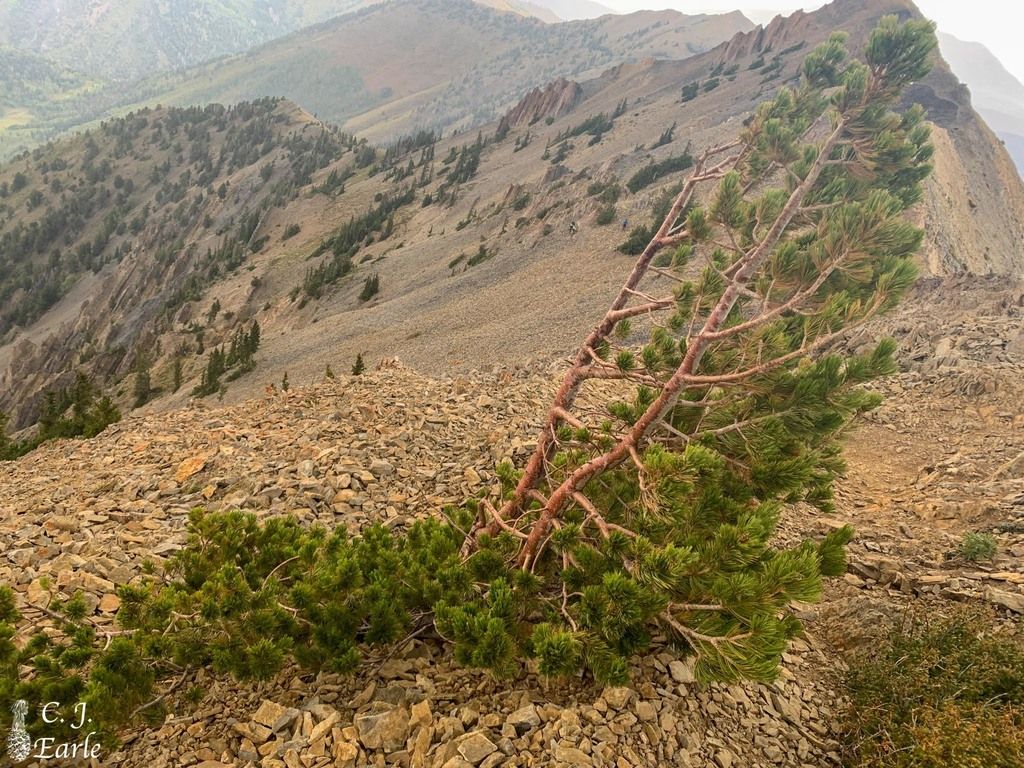
The Wasatch and Uinta Mountains are defined by elevation, rugged terrain, and big differences between sunny slopes, shaded forests, and stream corridors.
Watson Highlands is a northern, mountain-influenced boreal region where plants and pollinators must handle short summers and big swings in weather.
Yukon Flats is a boreal interior lowland where water—rivers, wetlands, and seasonal flooding—strongly shapes habitats.
This region is defined by boreal mountain-and-plateau landscapes where growing conditions can be challenging but rewarding for hardy native plants.