Skip to content
Braconid wasps (Family Braconidae)
Pollinator profile

Braconid wasps

Family Braconidae

Many adults visit flowers for nectar, and many species help naturally control garden pests by parasitizing them.

Category

Wasps (flower-visiting wasps)

Order

Hymenoptera

Family

Braconidae

Also Known As

Braconidae, braconid wasp

Intro

Overview

Braconid wasps are a large family of mostly small wasps that you may spot visiting flowers, especially in gardens and natural areas. While many are better known for their role in natural pest control, adults of many species also feed on nectar and can move pollen as they forage. This page helps you recognize braconid wasps, understand what they need, and choose practical ways to support them.

At a glance

Quick Facts

Food

Small, open blooms, native shrubs, herbs like dill/fennel, late-season asters/goldenrods

Habitat

Leaf litter, stems and brushy edges, diverse plantings that support host insects

Seasonality

Warm, calm days when flowers are blooming, often mid- to late-season in gardens

Where to look

Flower patches, hedgerows, meadows, forest edges, and near aphid-prone plants

Key takeaways

If you remember only three things

A quick summary you can scan in under 10 seconds.

What they do

Adults often sip nectar and may pollinate; many species also help keep other insect populations in balance.
What they need

A steady supply of small flowers plus “messy” habitat that supports their life cycle and host insects.

One best action

Plant a long-blooming mix of native flowers (especially small, open blooms) and skip pesticides.

Why it matters

Why they matter

Braconid wasps connect two important ecosystem jobs: they can visit flowers for energy and they often develop by parasitizing other insects, which can reduce pest outbreaks without chemicals. Supporting them is a practical way to build healthier, more resilient green spaces.

Key Impacts

What this pollinator supports

  • How they contribute to pollination: Adults that visit flowers can transfer pollen as they move between blooms.
  • What kinds of plants they support (general): They’re often seen on small-flowered plants, including many native wildflowers and flowering herbs.
  • Natural balance: Many braconids are parasitoids of insects that feed on plants, which can support healthier gardens and habitats.
  • Food-web role: They are part of a larger network—plants support host insects, and host insects support braconids.
  • Often overlooked: Because many are tiny, their flower visits can be easy to miss unless you look closely.

Identification

Identification guide

Braconid wasps can be challenging to identify to species, but you can learn to recognize the “braconid look” and their typical behavior on flowers. Focus on size, body shape, and how they move around blooms.
1

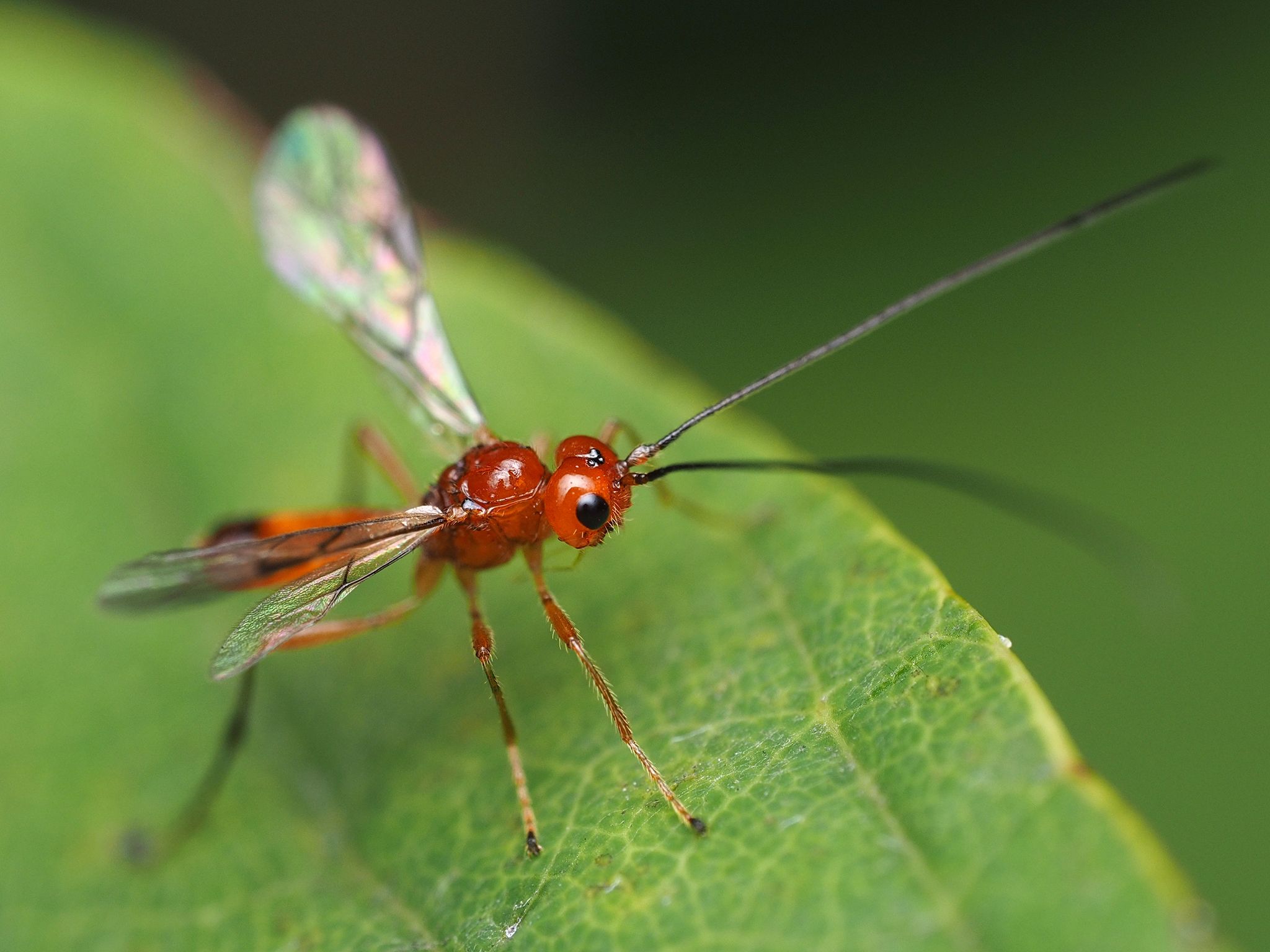
Usually small and slender; many are only a few millimetres long.

2

Narrow "wasp waist" and a streamlined body compared with many bees.

3

Often dark (black/brown), sometimes with orange or reddish tones; patterns vary widely.

4

Antennae are typically long and threadlike.
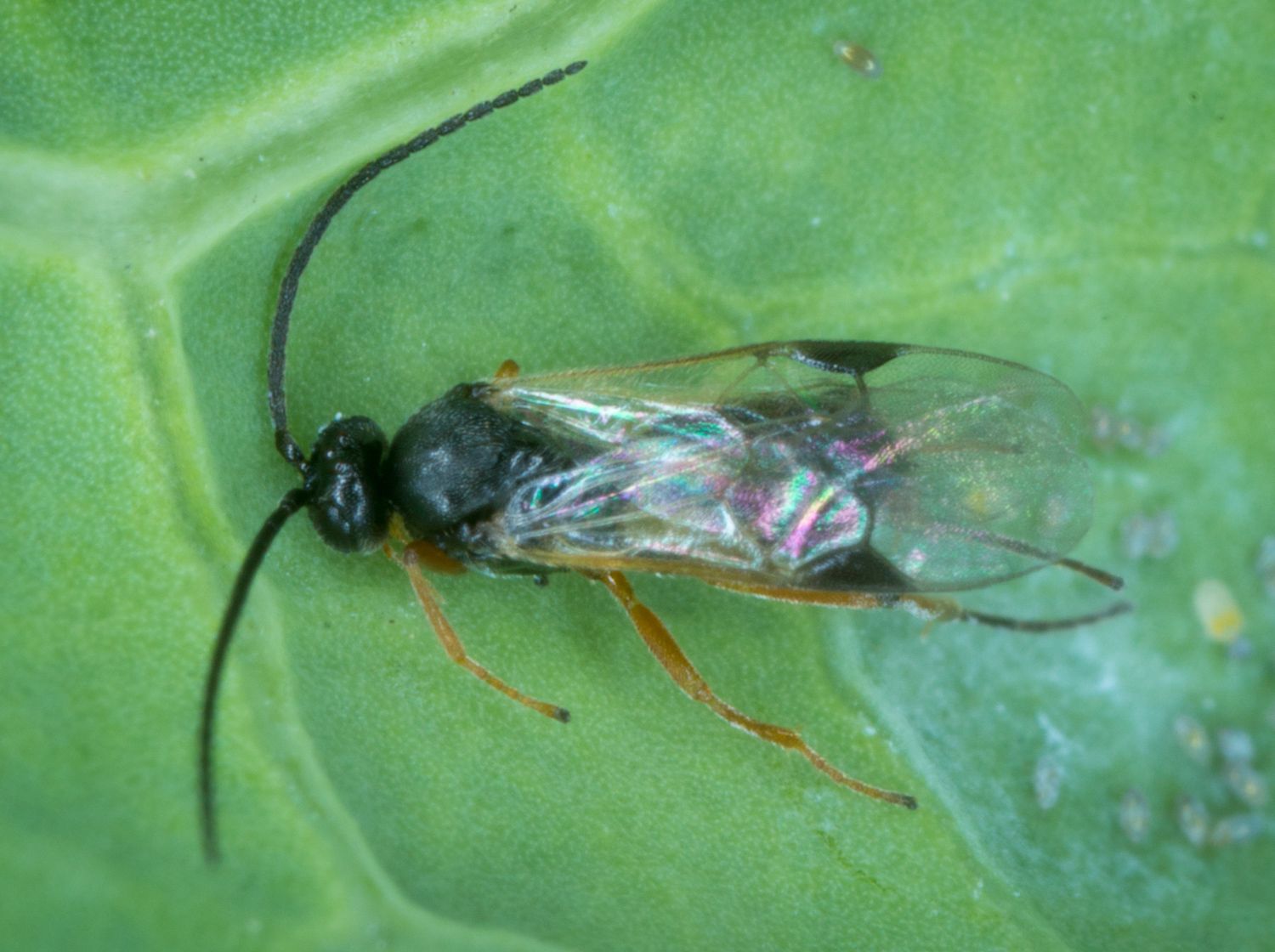
Braconid wasps (Family Braconidae)
https://www.inaturalist.org/photos/55980467 Photo: (c) David Cappaert, some rights reserved (CC BY-NC) | CC-BY-NC | iNaturalist

Range and habitat

Where they live

Braconid wasps occur across many regions of the world, including across parts of Canada, and they use a wide range of habitats wherever host insects and flowering plants are available. You’re most likely to notice them in places with diverse vegetation and continuous bloom.
Gardens and schoolyards can help by providing flowers through the season and reducing pesticide use so braconids and their host insects can complete their life cycles.

Common Habitats

  • Meadows and prairie-like plantings
  • Forest edges and clearings
  • Wetland margins with flowering plants
  • Hedgerows and shrub borders
  • Community gardens and backyard gardens

Life cycle

Life cycle and seasonality

Braconid wasps typically have an adult stage that feeds on nectar and a larval stage that develops in or on a host insect (as a parasitoid). Because different species use different hosts and emerge at different times, having flowers and habitat available across the growing season is especially helpful.

Spring / Early Season

Adults of some species begin foraging as early blooms open. Host insects become active on fresh plant growth.

Summer / Mid-Season

Many braconids are active; flower visits can increase where blooms are abundant. Parasitoid activity often tracks host insect abundance.

Late Season

Late-blooming flowers can be important fuel for adults. Some species may be preparing for overwintering stages.

Winter / Dry Season

Many overwinter in protected life stages (varies by species), often tied to host insects or sheltered habitat.

Late-season flowers and “leave-some-mess” shelter matter because they help adults find food and help populations persist between seasons.

Gardening guide

How to support in your garden

Provide the right food and habitat to help this pollinator thrive.

Plant these flowers

Nectar is a sugary liquid that fuels adult wasps, and pollen is the protein-rich powder plants use for reproduction (and that many flower visitors accidentally move between blooms). Braconid wasps often do best with small, open flowers that are easy to access.

Early season

  • Native willows (early catkins)
  • Early-blooming native shrubs
  • Spring woodland wildflowers with open blooms
  • Early dandelion-like composites (where appropriate and managed)

Mid-season

  • Umbel-shaped flowers (e.g., dill/fennel-type blooms)
  • Yarrow-type flower clusters
  • Clover and other small-flowered groundcovers
  • Mixed native wildflower plantings

Late season

  • Asters
  • Goldenrods
  • Late-blooming native shrubs
  • Fall-blooming garden herbs left to flower
Best plant choices depend on your region; native plants are usually the best starting point.

Shelter and nesting

Braconid wasps don’t all “nest” the way many bees do; instead, their life cycle depends on suitable habitat for adults plus the presence of host insects and protected places to overwinter. A layered, pesticide-free landscape supports both the wasps and the ecological relationships they rely on.

Keep some leaf litter or natural ground cover in quiet corners instead of clearing everything.

Leave some hollow or pithy stems standing over winter; cut back in spring after temperatures warm.

Plant in layers (groundcovers, flowers, shrubs) to create shelter from wind and heat.

Maintain a variety of flowering plants so nectar is available for longer periods.

Avoid "sterilizing" the garden—some host insects are part of a healthy system.

Threats to avoid

Braconid wasps are affected by many of the same pressures as other beneficial insects, especially when landscapes lose plant diversity and pesticide exposure increases. Because their life cycles are closely tied to host insects, disruptions can ripple through local populations.

Habitat loss/fragmentation reduces flowering resources and host insect communities.

Pesticides can kill adults directly and can also remove host insects they depend on.

Systemic pesticides (gets inside the plant) can contaminate nectar and pollen and expose flower visitors.

Bloom gaps (only spring flowers) leave adults without nectar later in the season.

Climate stress can shift bloom timing and host availability, creating mismatches.

Take action

How to help

Helping braconid wasps is mostly about building a garden or schoolyard that has continuous bloom, diverse structure, and minimal chemical use. These steps also support many other pollinators and beneficial insects.

Plant for "small flowers, long season": include early shrubs, mid-season wildflowers, and late asters/goldenrods.

Avoid pesticides, especially on blooming plants; use hand-removal, water sprays, or other low-impact methods first.

Add habitat structure: keep some leaf litter, stems, and a brushy edge or native shrub border.

Grow a diversity of native plants to support a diversity of host insects and natural enemies.

Student challenge

Do a 10-minute "flower visitor survey" on a sunny day—watch one patch of small flowers and record how many different insects (including tiny wasps) visit.

Definitions

Glossary

Nectar: Sugary liquid made by flowers that fuels many adult insects.
Pollen: Powder produced by flowers that contains plant reproductive cells; often moved by flower visitors.
Habitat: The place and conditions an organism needs to live (food, shelter, and space).
Native: A species that occurs naturally in a region without being introduced by people.
Invasive: A non-native species that spreads aggressively and can harm local ecosystems.
Systemic pesticide: A pesticide that gets inside the plant, including into nectar and pollen.
Parasitoid: An insect whose young develop in or on a host insect and ultimately kill it.
Ovipositor: Egg-laying structure used by some female insects to place eggs.
Bloom gap: A period when few or no flowers are available for nectar and pollen.
Fragmentation: When habitat is broken into smaller, isolated patches.

What You Can Do

Make a difference for native habitats.

Turn this knowledge into action. Whether you plant a single pot or a whole garden, you are building a vital bridge for local biodiversity.

Join the movement to restore our shared habitats.

Native plants

Plants that support this pollinator

Plant links are being added for this species.

Regions

Where this pollinator is active

Regional links are being added for this species.