Skip to content
Region profile

Ahklun and Kilbuck Mountains

Ahklun and Kilbuck Mountains is a region in southwestern Alaska with a moist subarctic climate, characterized by steep, rugged mountains separated by broad valleys and lowlands, where dwarf scrub communities are the predominant vegetation and principal activities include subsistence and recreational hunting and fishing, and mineral mining.

Zone

Forest

Common Name

Ahklun and Kilbuck Mountains

CEC Level III Code

7.1.1

CEC Level II Code

7.1 Marine West Coast Forest

Overview

About This Region

The Ahklun and Kilbuck Mountains, located in southwest Alaska, define the Kuskokwim and Bristol Bays divide, with elevations reaching 1,500 meters. The region features steep mountains and valleys with slightly richer soils on glacial till and discontinuous permafrost. Vegetation grades between forests and dwarf scrub tundra. Key Alaskan pollinators include native bees, moths, and syrphid flies. Pollinator populations here are threatened by climate change, habitat loss, and increasing recreation in mountain meadows.

Region facts

At a glance

AliasesAhklun and Kilbuck Mountains, CEC 7.1.1, Ahklun–Kilbuck Mountains
Geographic Range
The Ahklun and Kilbuck Mountains region is located in southwestern Alaska, adjoining Bristol and Kuskokwim Bays.
Climate SnapshotThe Ahklun and Kilbuck Mountains ecoregion has a moist subarctic climate with cool summers, cold winters, a mean annual temperature of approximately -1°C, and mean annual precipitation ranging from about 500 to over 2,000 mm.
Terrain ProfileThe dominant terrain consists of steep, sharp, often ringlike groupings of rugged mountains separated by broad, flat valleys and lowlands, with elevations ranging from sea level to over 1,500 masl.
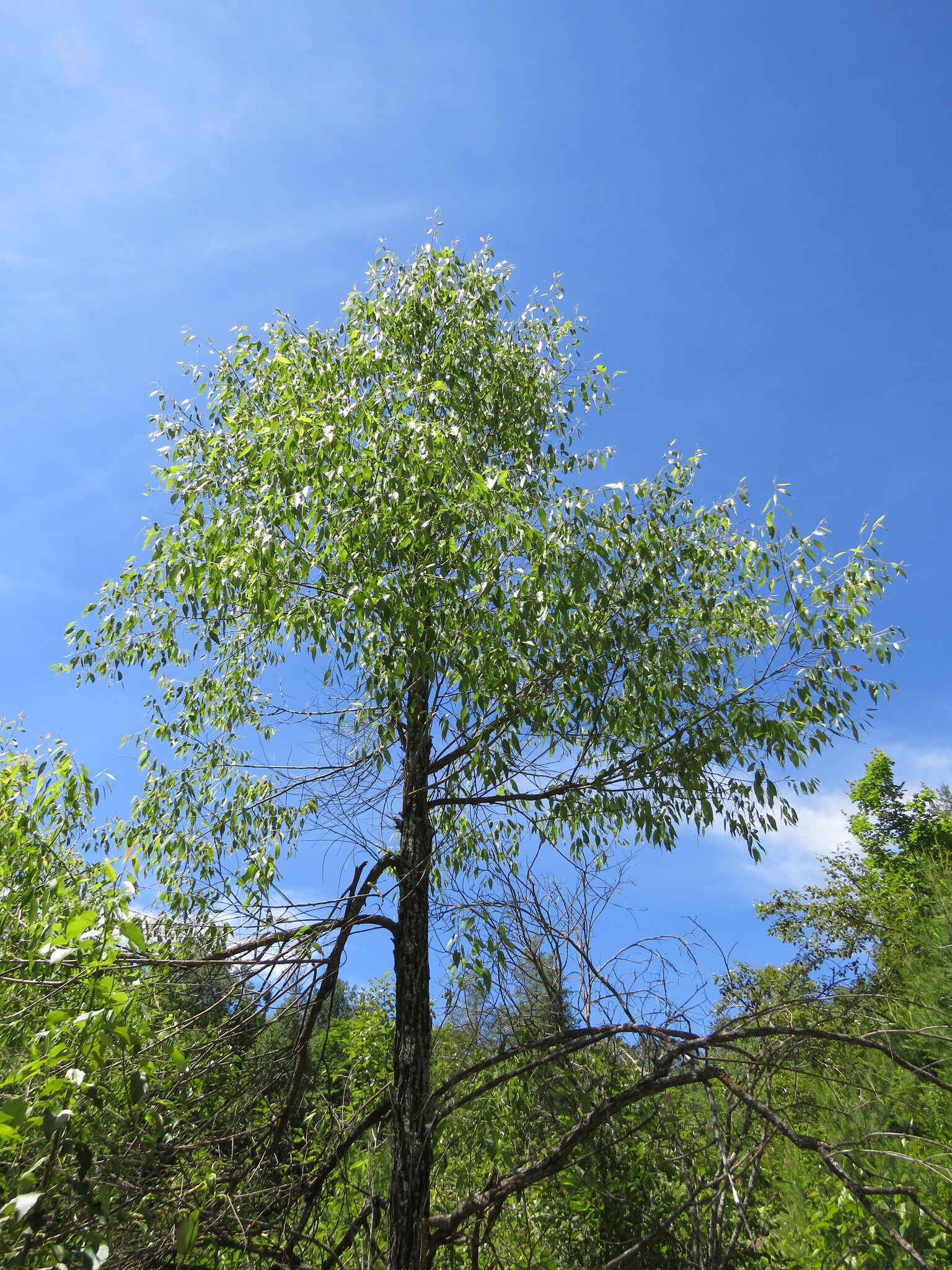
Vegetation CoverDwarf scrub communities are the dominant vegetation, supplemented by tall scrub, graminoid herbaceous communities, and some white spruce and hardwood stands in valleys, along with sedge-tussock tundra meadows in wet areas.
Wildlife HabitatThe Ahklun and Kilbuck Mountains are home to large mammals like moose and bears, various salmon species and trout, and numerous bird species, including tundra swans and emperor geese.

Eco snapshot

What shapes this region

Climate pattern

  • Short, cool growing periods are common, especially at higher elevations
  • Weather can shift quickly with wind and storms
  • “Microclimate” means small local weather differences—a sheltered, sunny spot can behave very differently than an exposed slope
Vegetation profile

Dwarf scrub communities are the dominant vegetation, supplemented by tall scrub, graminoid herbaceous communities, and some white spruce and hardwood stands in valleys, along with sedge-tussock tundra meadows in wet areas.

Wildlife profile

The Ahklun and Kilbuck Mountains are home to large mammals like moose and bears, various salmon species and trout, and numerous bird species, including tundra swans and emperor geese.

Why pollinators matter here

  • Short seasons make timing of bloom especially important—early and late flowers can be critical
  • Cold, wind, and rain can reduce flying time, so dense, nearby resources help
  • Native flowering plants support local insect life that also feeds birds and other wildlife
  • Disturbance and chemical exposure can have outsized impacts when habitat is patchy

Seasonal timing

Planting seasons

Timing varies by microclimate; use this as a flexible guide.

Seasonal timing

  • After snowmelt / when soils are workable: best for many plantings and site prep
  • Peak growing season: focus on watering (if needed), weeding, and keeping blooms going
  • Late season: prioritize hardy perennials, shrubs, and leaving habitat in place for winter

Quick seasonal checklist

  • Pick the sunniest, most sheltered spot you have
  • Start small: one patch or a few pots
  • Plant for early + mid + late bloom (even if each is just a few plants)
  • Leave some areas undisturbed for nesting and overwintering

Yearly needs

Pollinator calendar

What pollinators need throughout the year, and what to do about it.

Late winter/early springEarly nectar/pollen when insects first become active; shelter from wind/coldProtect early-blooming native plants where they occur; plan a small planting for the sunniest spot; avoid any pesticide use
SpringA steady ramp-up of blooms; nesting sitesAdd early-blooming natives (or cold-hardy container plants where ground planting is hard); keep some bare/undisturbed soil patches; provide shallow water
SummerContinuous flowers; diverse shapes/colors; safe foragingPlant “bridge” blooms so there are no gaps; keep flowers pesticide-free; let some native shrubs/forbs bloom instead of mowing/clearing
Late summer/fallLate-season nectar to build reserves; places to shelterAdd late bloomers if practical; stop deadheading some plants so they can set seed; leave stems/leaves for shelter
Winter or Dry SeasonOverwintering habitat (stems, leaf litter, protected ground)Don’t over-tidy; leave plant stems standing; avoid disturbing likely nesting areas until the next growing season

Seed mix concept

A Billion Small Steps Seed mix

In this ecoregion, seed mixes can be tricky because conditions vary sharply by site and many areas have short seasons. If you use seed, think in three parts:

Spring starter

Spring starter: early-blooming natives (often shrubs like willows nearby, plus early forbs where feasible)

Summer bridge

Summer bridge: reliable mid-season bloomers (for many sites, fireweed and berry shrubs are key)

Fall finisher

Fall finisher: late-season flowers (choose locally native asters/goldenrods where they truly fit the site)

What You Can Do

Make a difference for native habitats.

Turn this knowledge into action. Whether you plant a single pot or a whole garden, you are building a vital bridge for local biodiversity.

Join the movement to restore our shared habitats.

Native plants

Plants that thrive in this region

Asters (*Symphyotrichum* spp.)

Asters

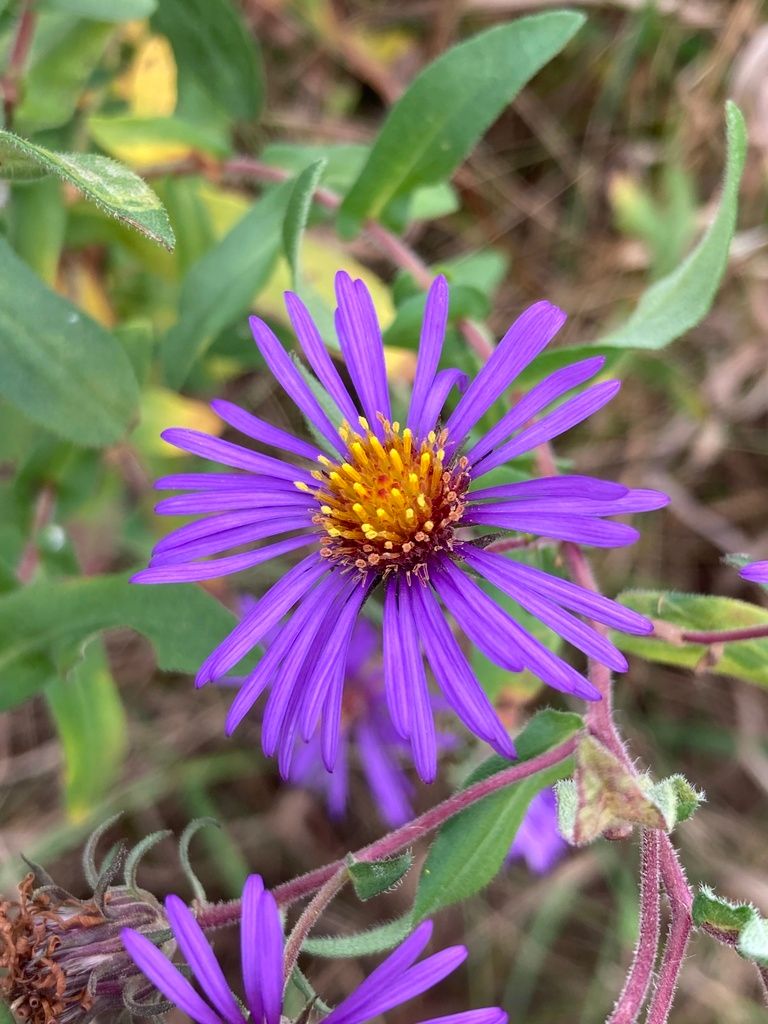
Asters are late-season wildflowers that bring a burst of daisy-like blooms when many gardens are winding down, making them a reliable choice for pollinator-friendly planting.

View plant profile
F_shrubs-blackberries-and-raspberries.jpg

Blackberries & raspberries

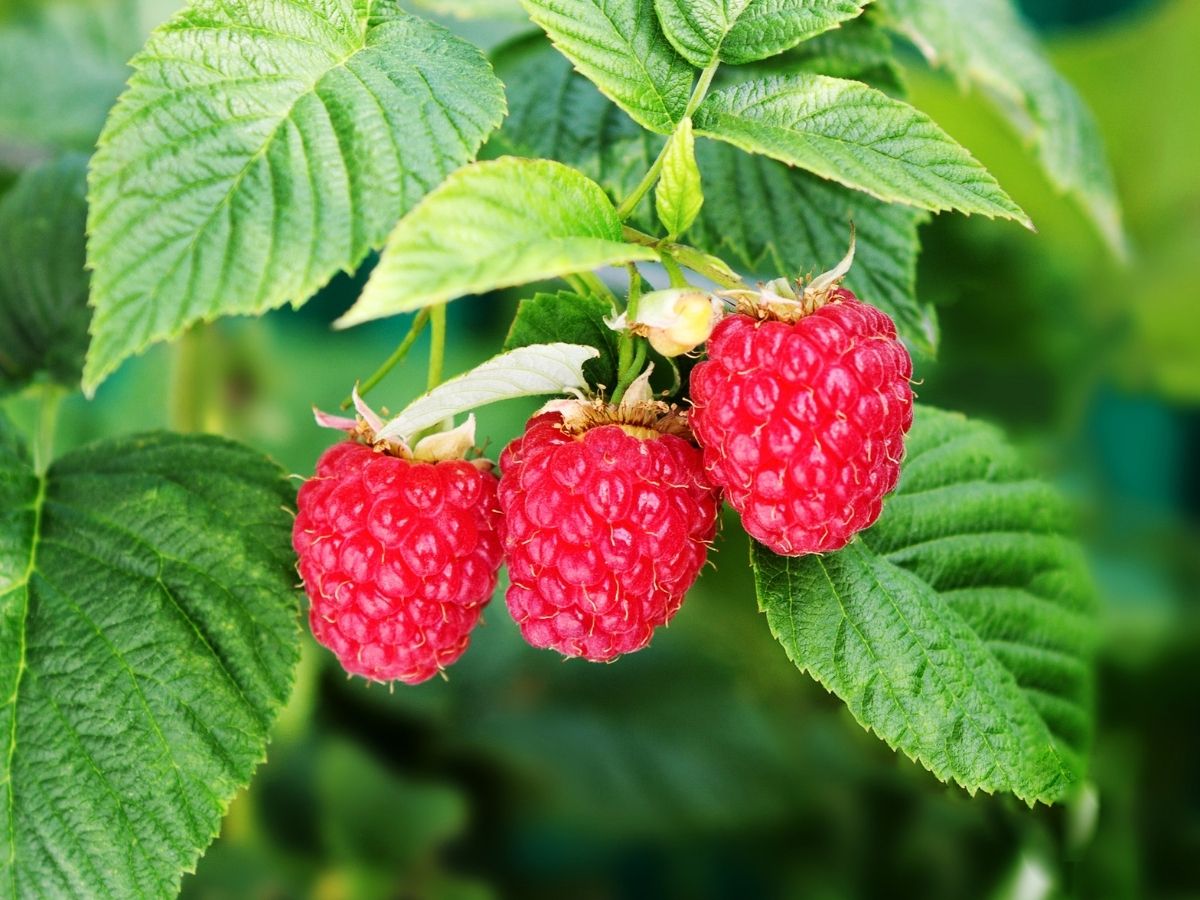
Blackberries and raspberries (genus Rubus) are flowering bramble shrubs that can feed pollinators in bloom and people later with tasty berries—great for yards, school gardens, and even large containers with support.

View plant profile
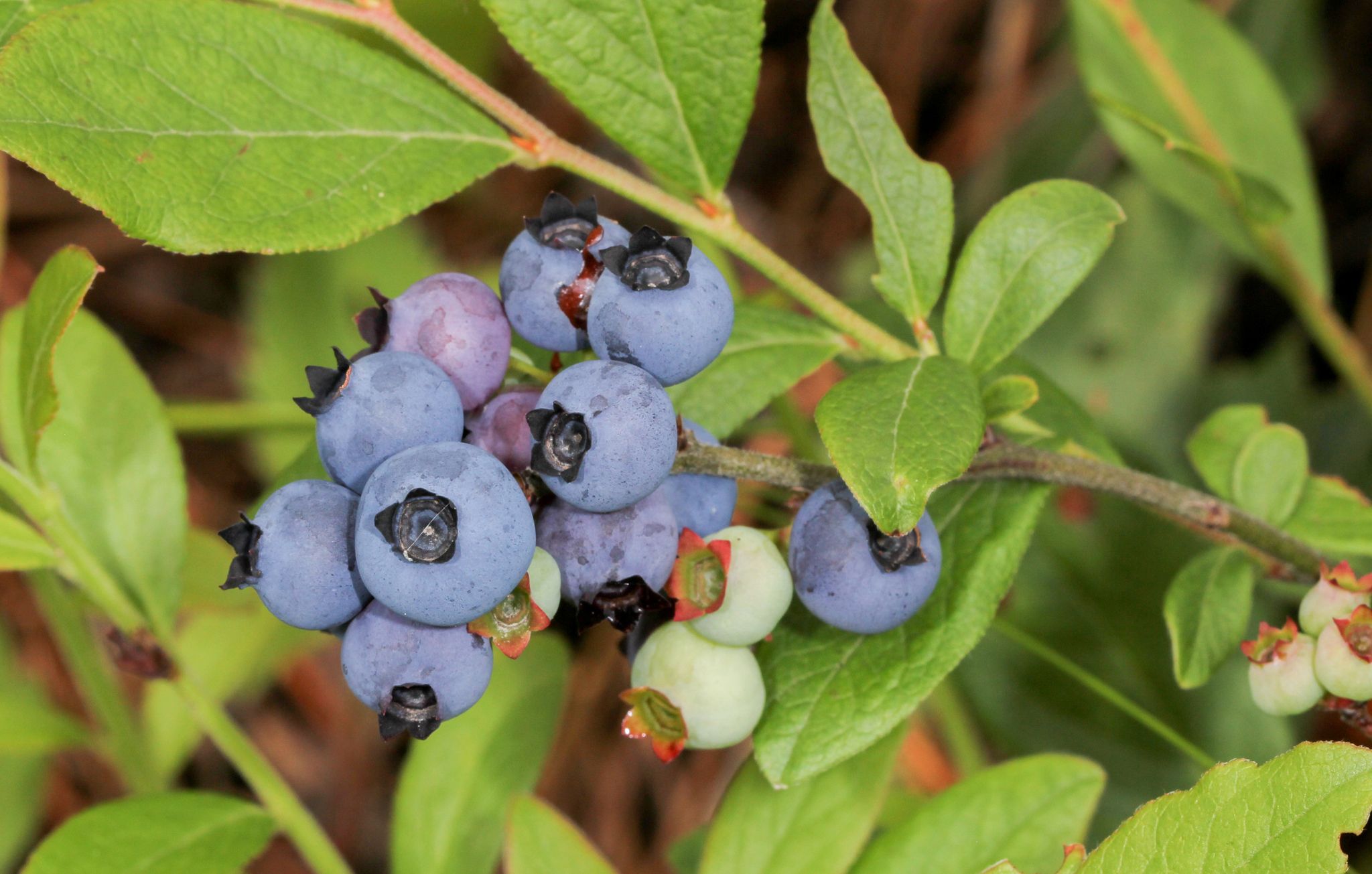
Blueberries & huckleberries (*Vaccinium* (genus))

Blueberries & huckleberries

Blueberries and huckleberries (genus Vaccinium) are berry-producing shrubs with spring flowers that can support pollinators and later feed people and wildlife—great for gardens, schoolyards, and even large containers.

View plant profile
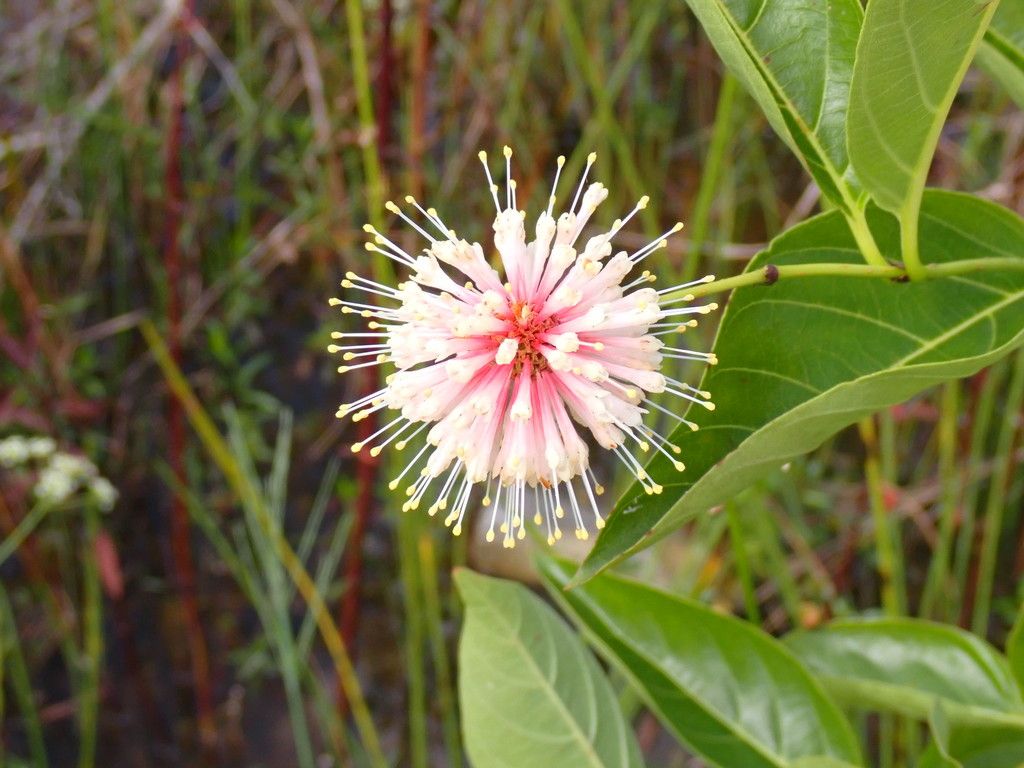
Buttonbush (*Cephalanthus* spp.)

Buttonbush

Buttonbush is a wetland shrub known for its round, pincushion-like flower clusters that draw in many pollinators. It’s a great choice for rain gardens, pond edges, and any spot that stays consistently moist.

View plant profile
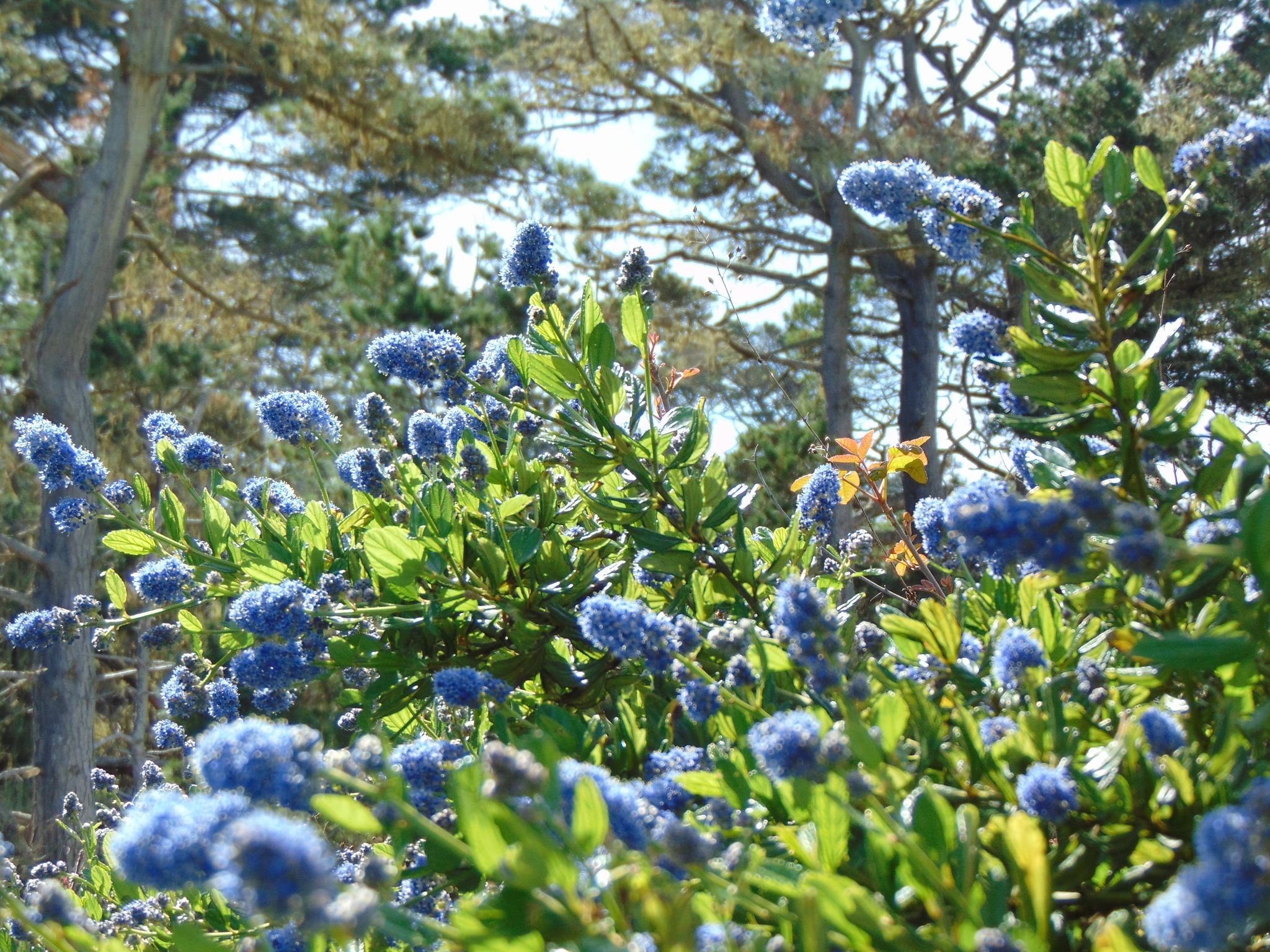
California lilac (*Ceanothus* spp.)

California lilac

California lilac (Ceanothus) is a flowering shrub known for clouds of blue blooms that can be a big draw for pollinators when it’s planted in the right spot.

View plant profile
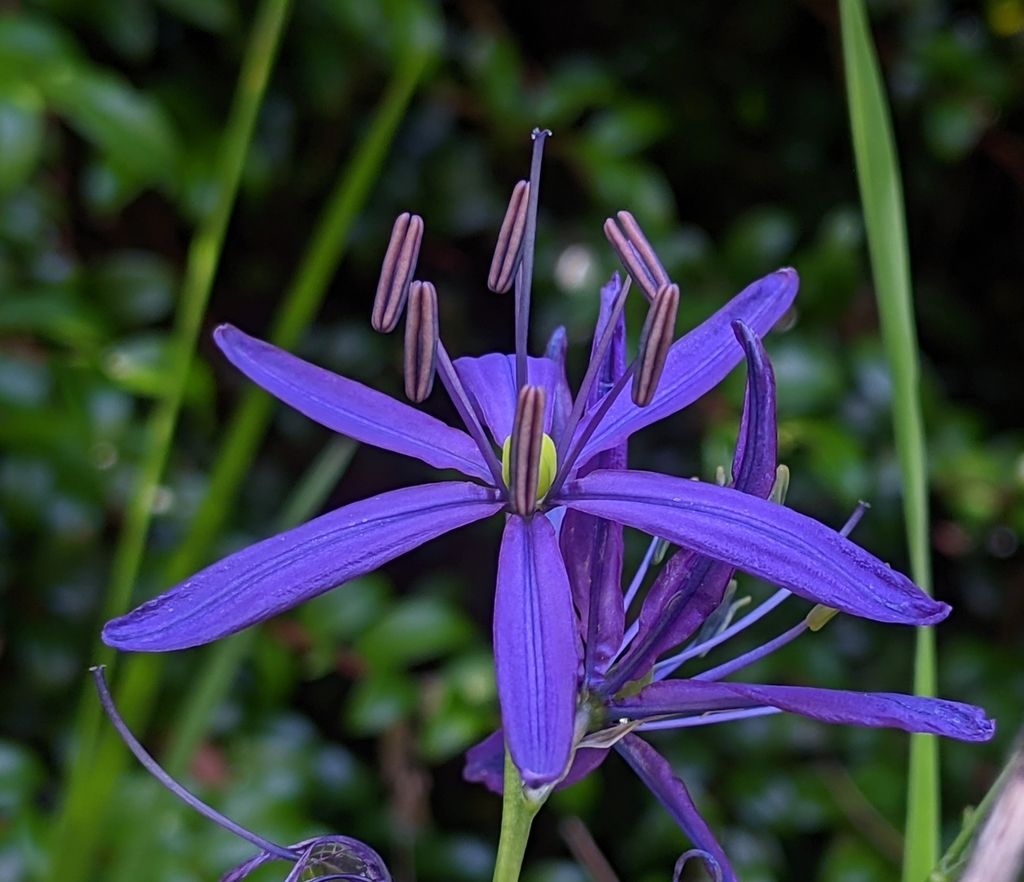
Camas (*Camassia* spp.)

Camas

Camas (Camassia spp.) is a spring-blooming bulb with starry blue-to-purple flowers that can light up sunny meadows and garden beds while offering early-season nectar and pollen for visiting insects.

View plant profile
Currants & gooseberries (*Ribes* spp.)

Currants & gooseberries

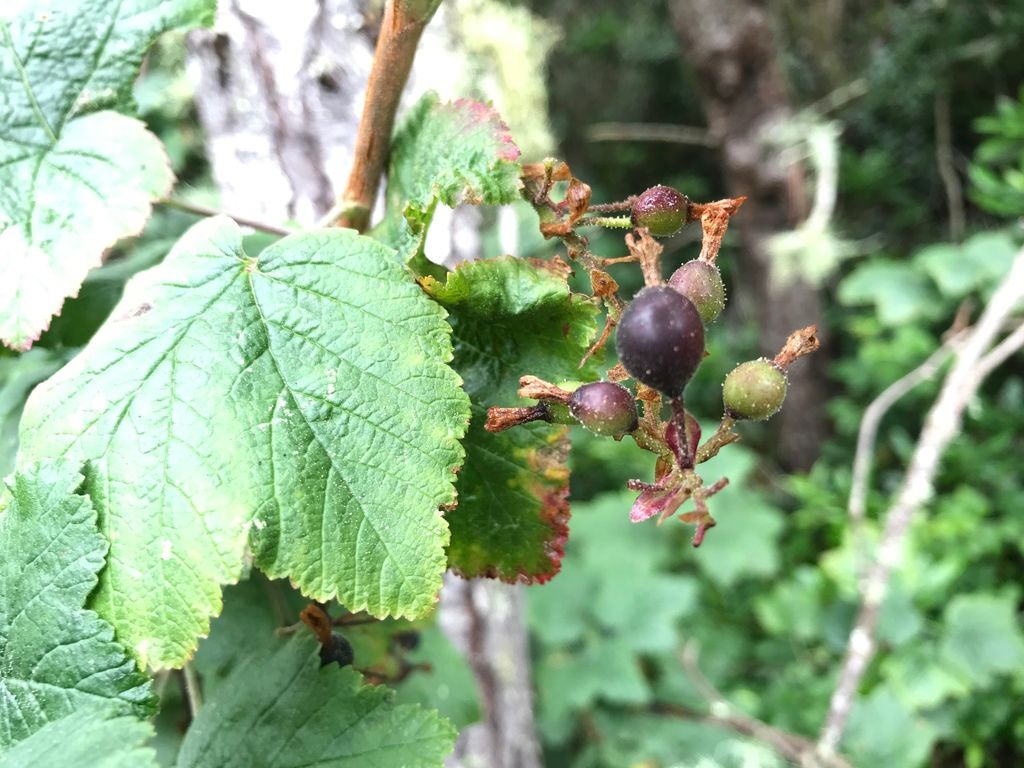
Currants and gooseberries are Ribes shrubs that offer early-season flowers for pollinators and later berries for people and wildlife. They’re a great choice for edible landscapes, mixed borders, and small yards where you want a plant that does more than one job.

View plant profile
Goldenrods (*Solidago* spp.)

Goldenrods

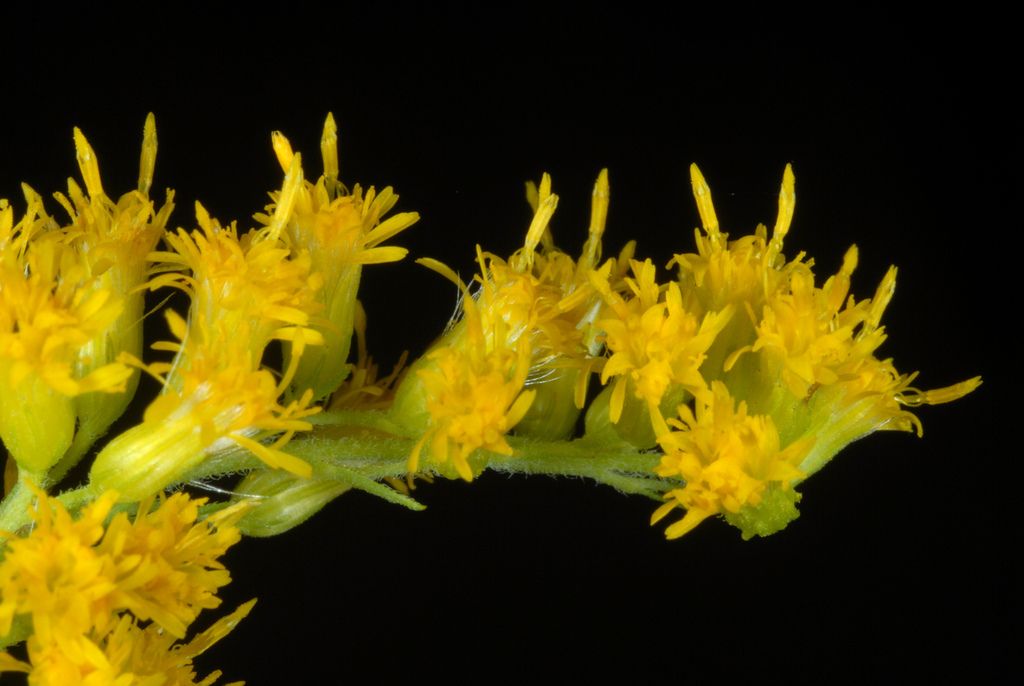
Goldenrods are tough, sunny wildflowers in the genus Solidago that light up late-season gardens with golden blooms and provide reliable nectar and pollen when many other flowers are fading.

View plant profile
Hyssops (*Agastache* spp.)

Hyssops

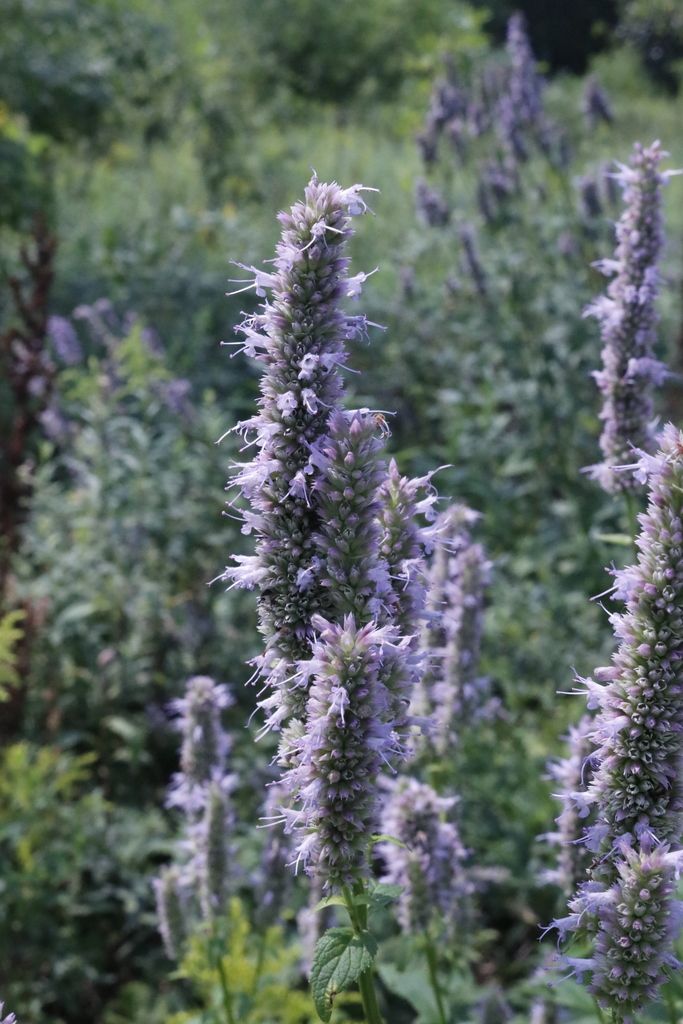
Hyssops (Agastache) are fragrant, long-blooming wildflowers that are easy to grow and popular with many pollinators. They’re a great choice for sunny gardens, schoolyards, and even large containers.

View plant profile
Manzanitas (West) (Arctostaphylos spp.)

Manzanitas

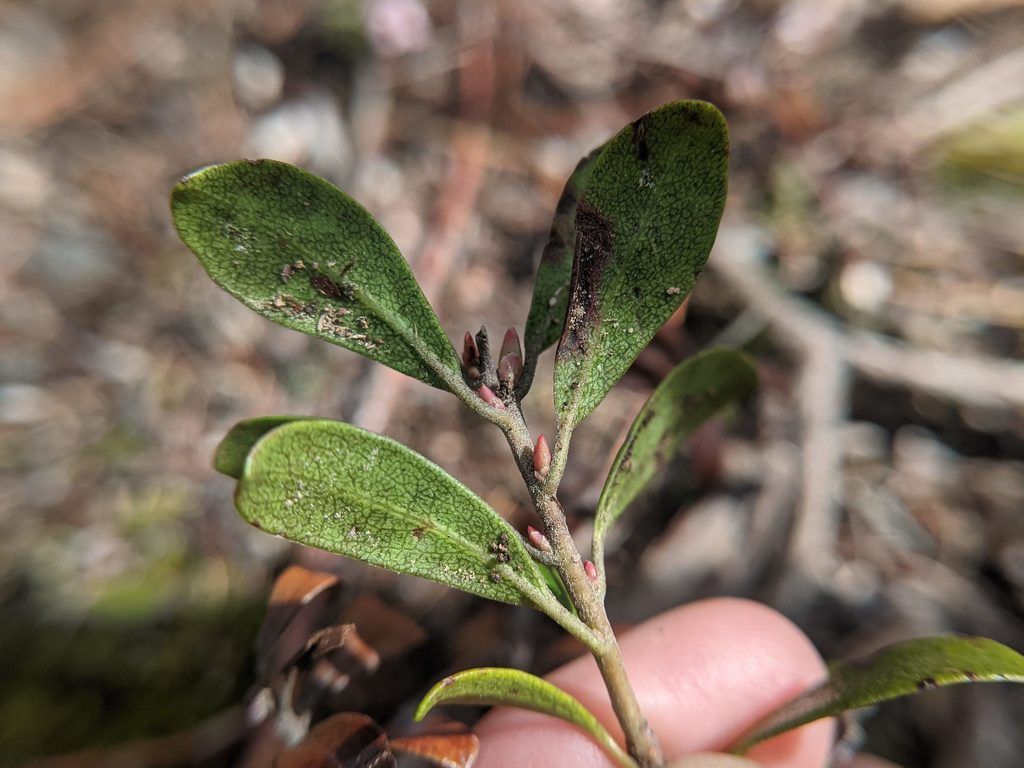
Manzanitas are tough, beautiful western shrubs with urn-shaped flowers that can feed early-season pollinators and evergreen leaves that keep gardens looking good year-round.

View plant profile
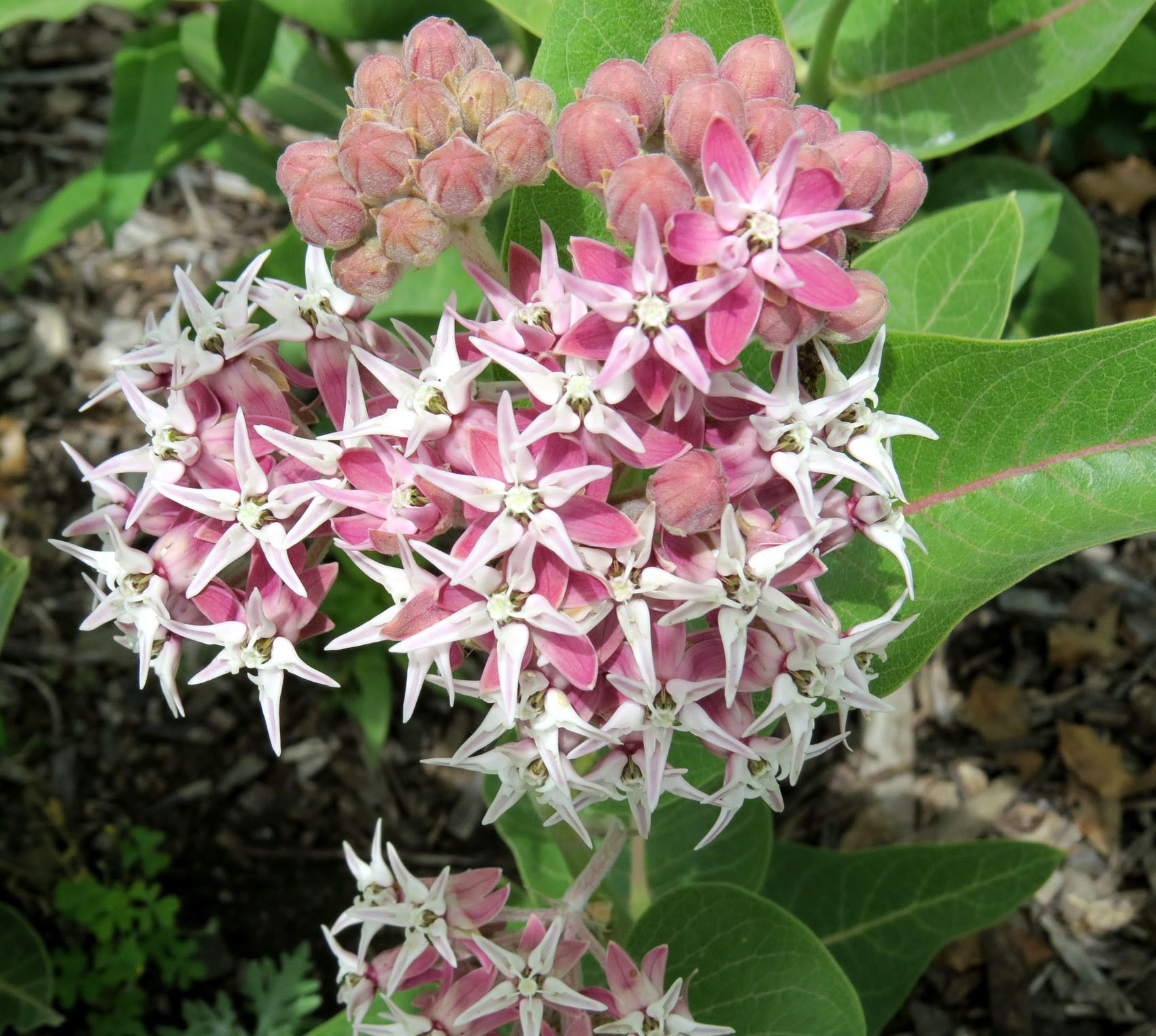
Milkweeds (*Asclepias* (genus))

Milkweeds

Milkweeds are tough, nectar-rich wildflowers in the genus Asclepias that can turn a garden bed, schoolyard edge, or even a sunny pot into a pollinator stop.

View plant profile
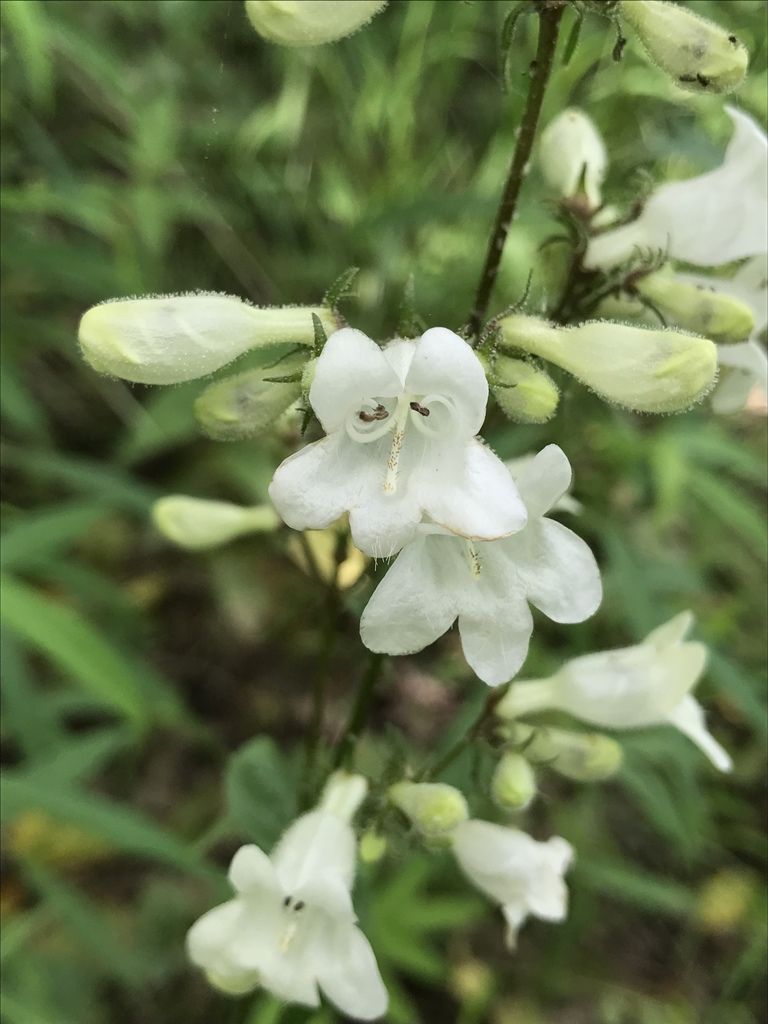
Penstemons (*Penstemon* (genus))

Penstemons

Penstemons (beardtongues) are hardy, flower-filled wildflowers that bring bright color and steady nectar to gardens and containers, especially in sunny spots with well-drained soil.

View plant profile
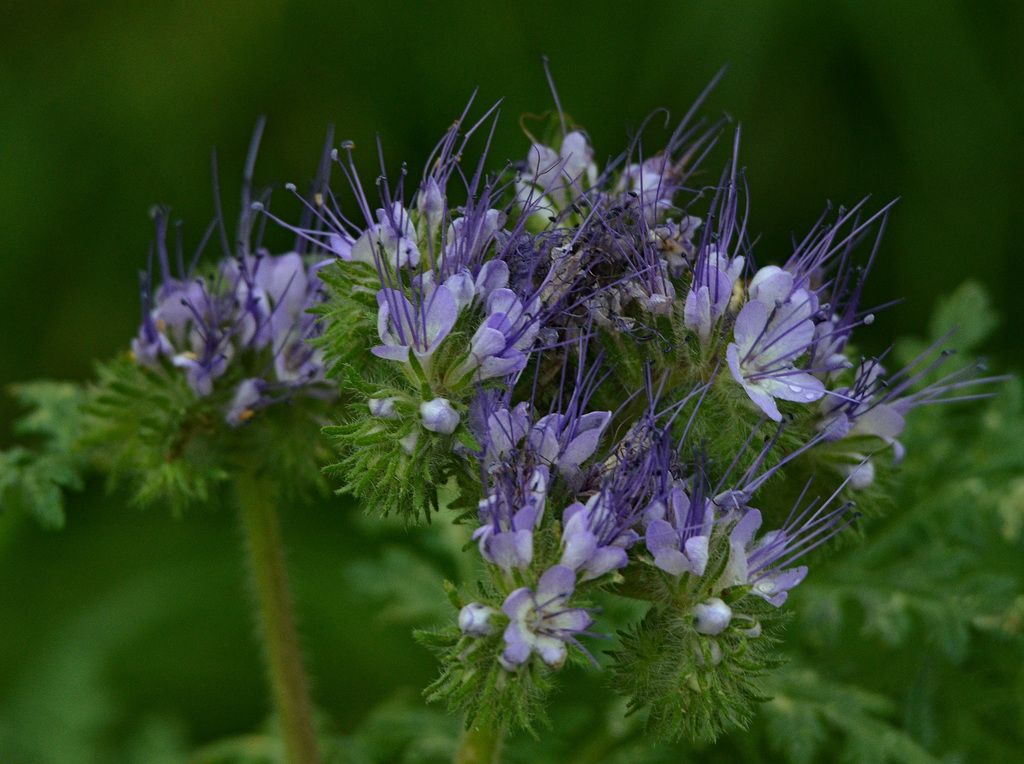
Phacelias (*Phacelia* spp.)

Phacelias

Phacelias are easygoing wildflowers in the genus Phacelia, known for their nectar-rich blooms that can bring lots of pollinator activity to gardens, schoolyards, and even containers.

View plant profile
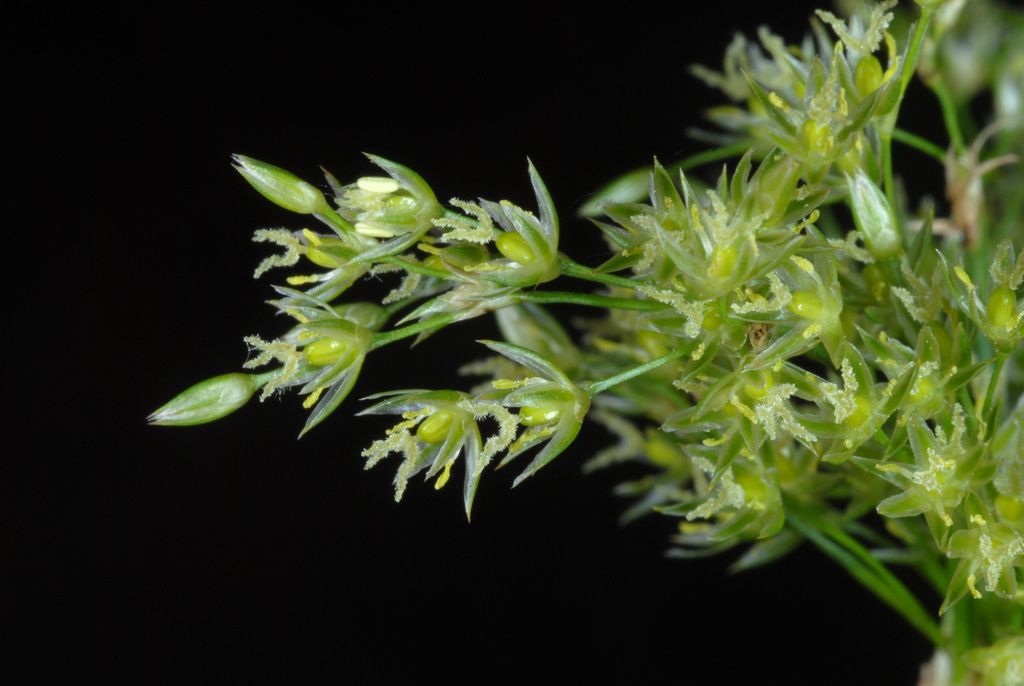
Rushes (*Juncus* spp.)

Rushes

Rushes are tough, grass-like wetland plants (genus Juncus) that thrive in damp soil and help create calm, sheltered habitat at the edges of ponds, rain gardens, and low spots.

View plant profile
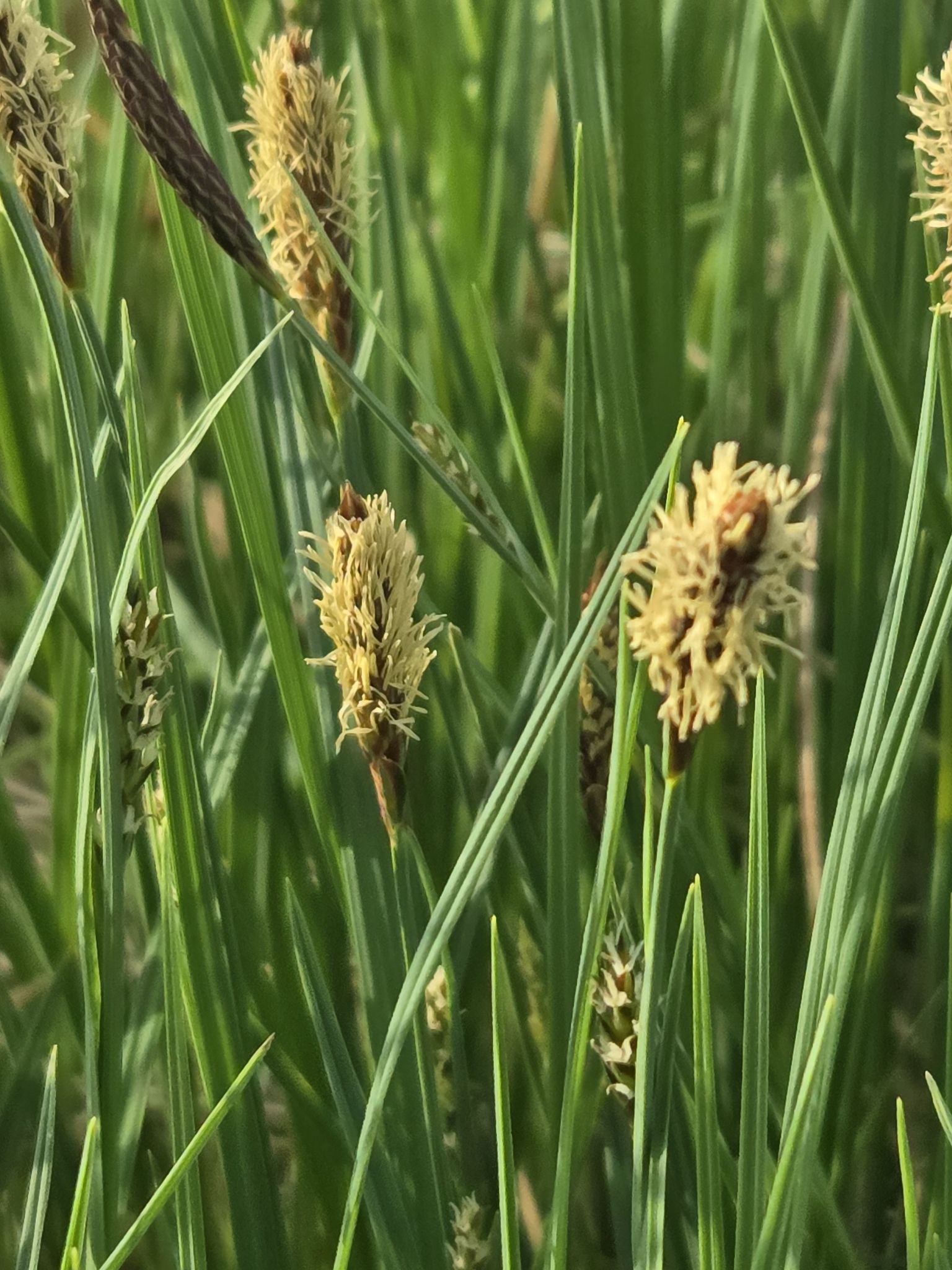
Sedges (*Carex* (genus))

Sedges

Sedges (genus Carex) are grass-like plants that form tidy clumps and thrive in many garden conditions, especially where soil stays a bit damp. They add texture, cover bare ground, and can support small wildlife by providing shelter and nesting material.

View plant profile
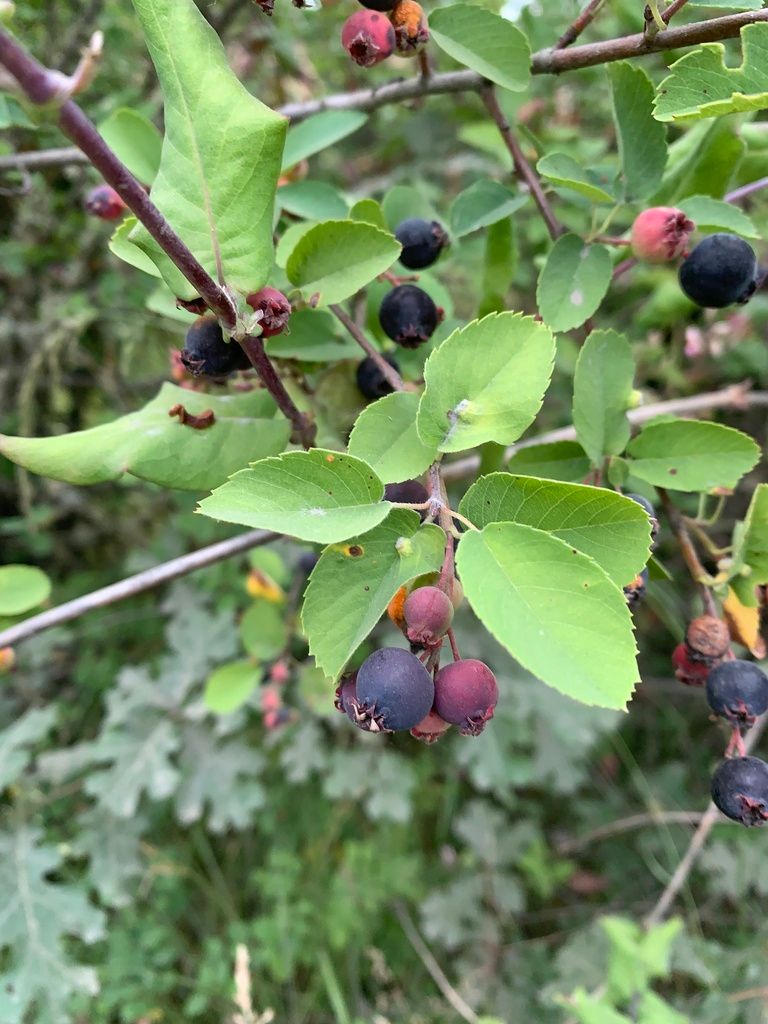
Serviceberries (*Amelanchier* (genus))

Serviceberries

Serviceberries (genus Amelanchier) are small trees with early-season blossoms, edible berries, and strong wildlife value—an easy way to add beauty and pollinator support to a yard, school garden, or even a large container.

View plant profile
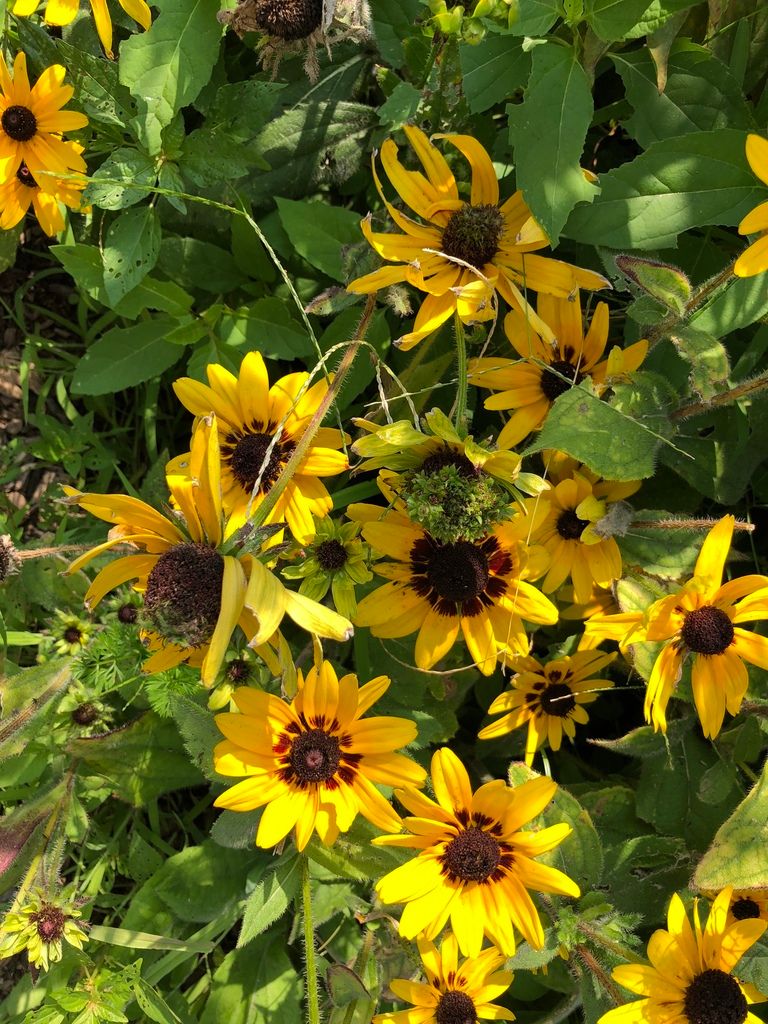
Sunflowers (*Helianthus* spp.)

Sunflowers

Native sunflowers are bright, tough wildflowers in the genus Helianthus that feed pollinators and add cheerful color from mid-season into fall.

View plant profile
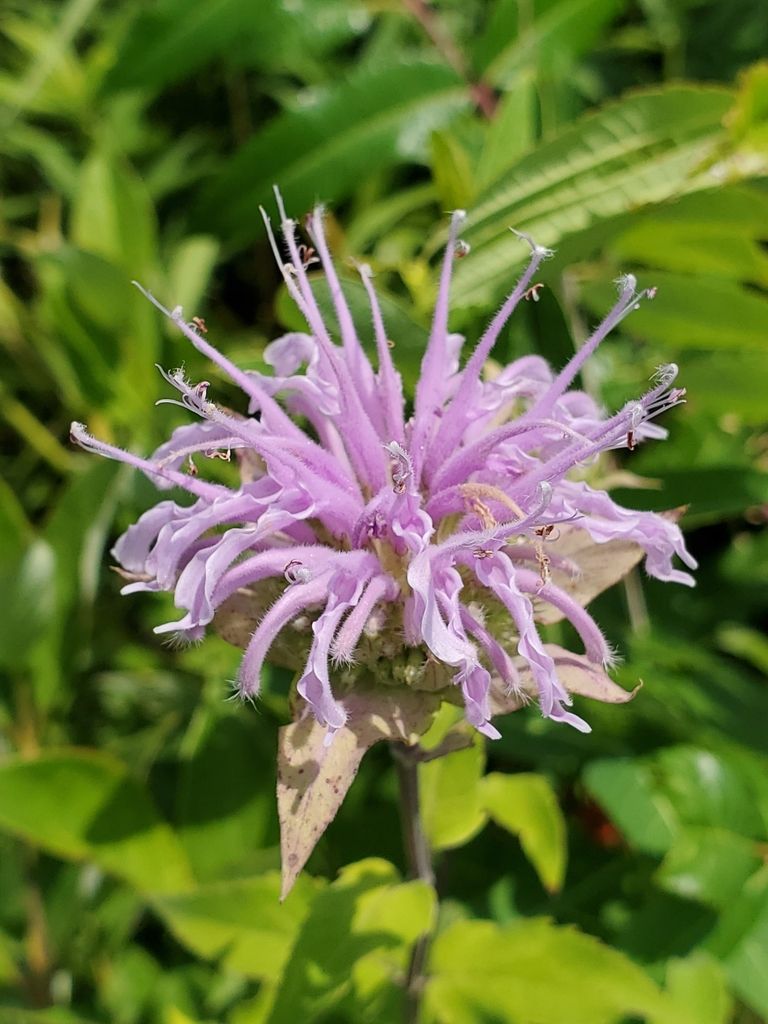
Wild bergamot & bee balms (*Monarda* spp.)

Wild bergamot & bee balms

Wild bergamot and other bee balms (the genus Monarda) are easygoing native wildflowers known for their shaggy, pom‑pom blooms that draw in lots of pollinators. They’re a great choice when you want long-lasting summer color and a plant that feels lively with buzzing visitors.

View plant profile
Willows (*Salix* spp.)

Willows

Willows are fast-growing trees and shrubs in the genus Salix that offer some of the earliest pollen and nectar of the year, making them a strong choice for pollinator-friendly yards, parks, and school grounds.

View plant profile
Yarrow (*Achillea millefolium*)

Yarrow

Yarrow is a tough, easygoing wildflower that brings long-lasting blooms and steady pollinator visits to gardens, schoolyards, and even containers.

View plant profile

Pollinators

Pollinators active in this region

Bee flies (Family Bombyliidae)

Bee flies

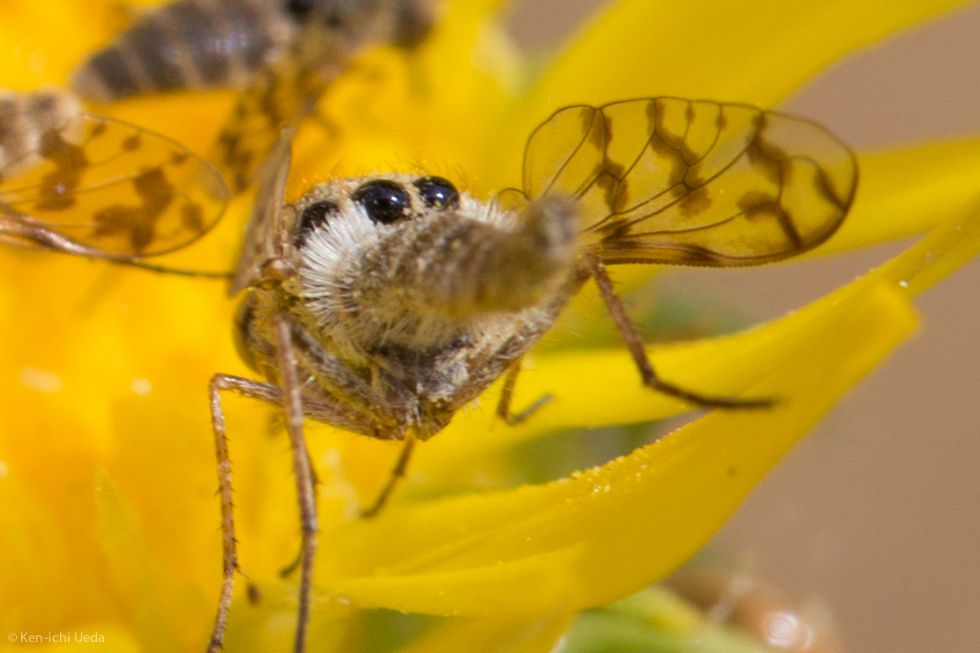
Adults visit flowers for nectar and can move pollen between blooms; their presence is a sign of diverse, functioning habitats.

View pollinator profile
Brushfoots (Family Nymphalidae)

Brushfoots

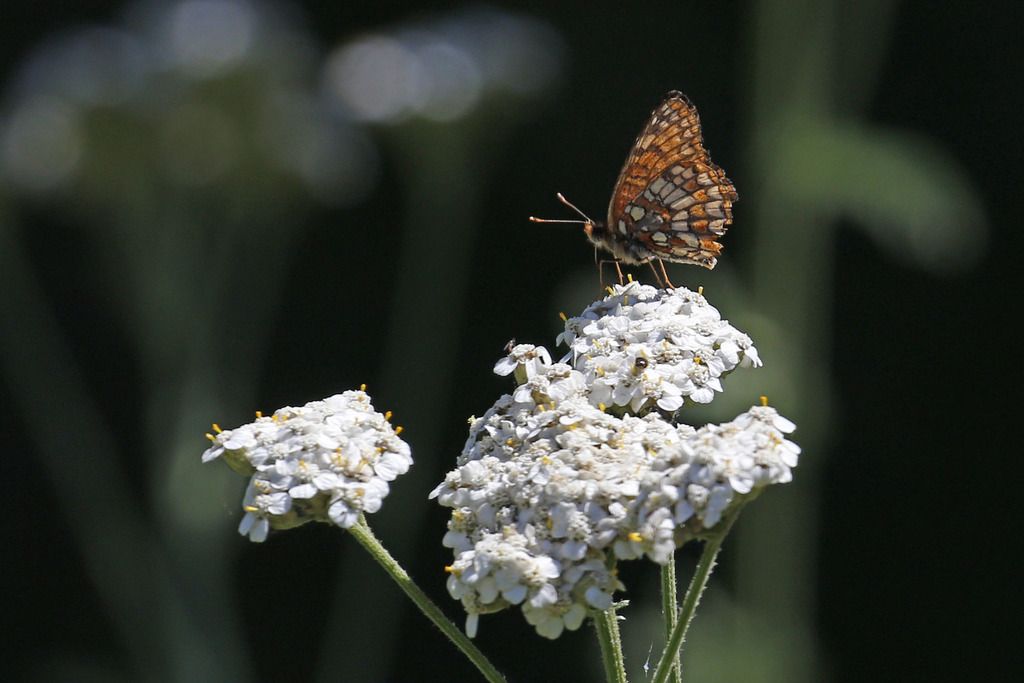
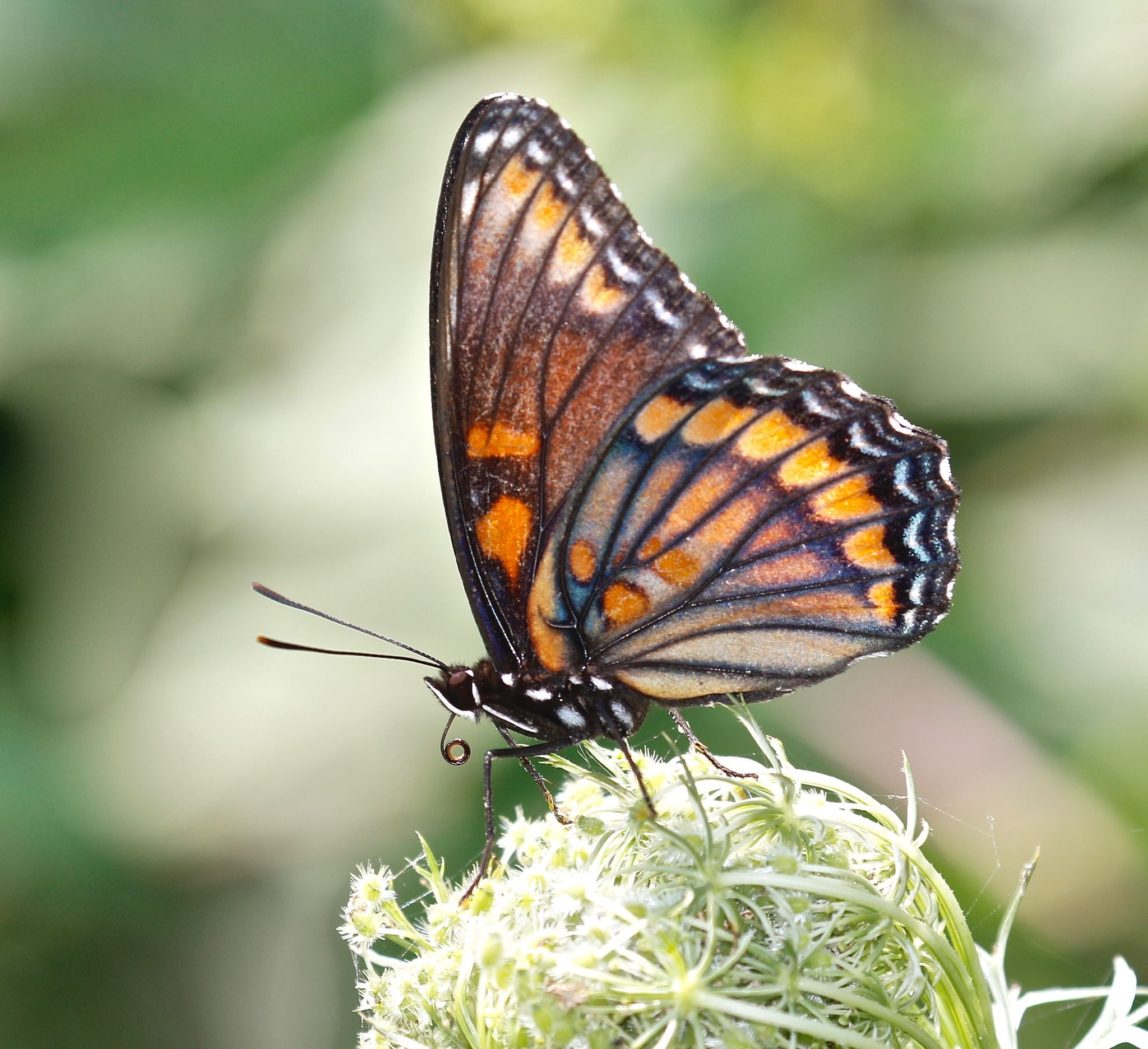
Many brushfoots move pollen between flowers as they feed, and their caterpillars are part of healthy food webs.

View pollinator profile
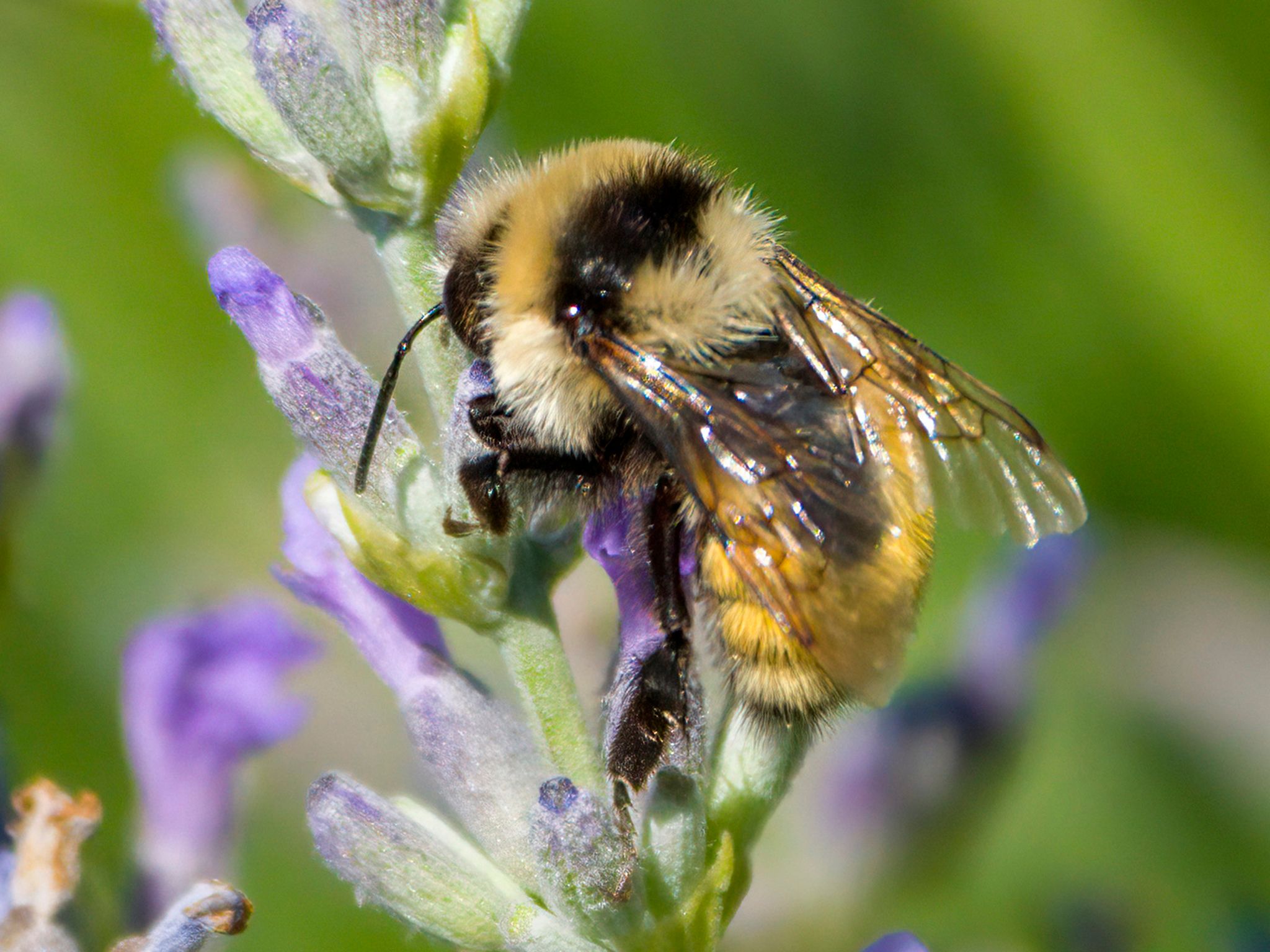
Bumble bees (Genus Bombus)

Bumble bees

Bumble bees are important pollinators of many wildflowers and garden plants, helping ecosystems and food crops reproduce.

View pollinator profile
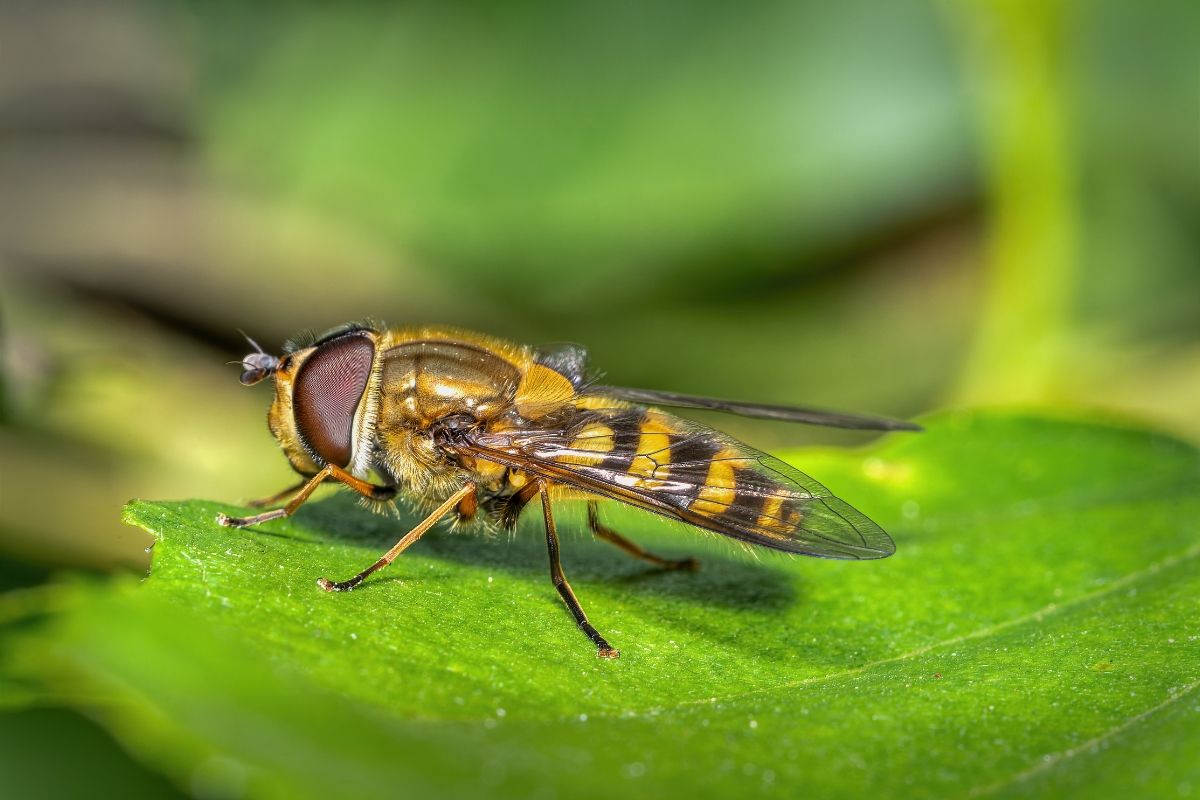
F_hoverfly-01.jpg

Flower flies / hoverflies

Adults visit flowers for nectar and pollen, and many species’ larvae help keep plant-eating pests in check.

View pollinator profile
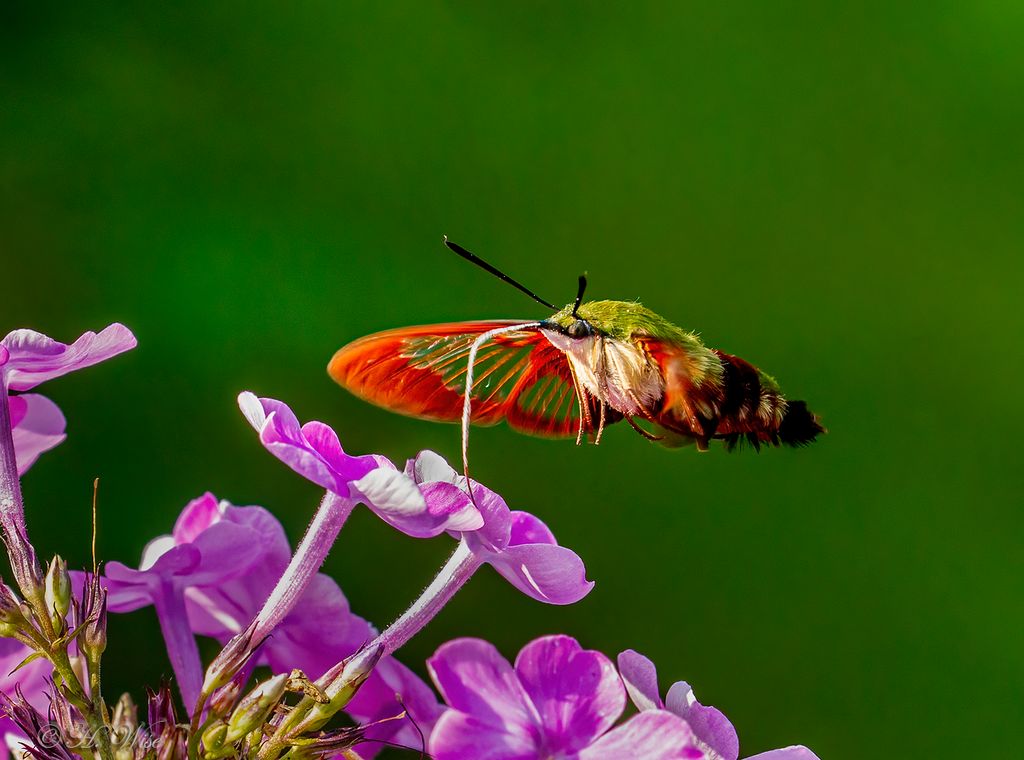
Hawk / sphinx moths (Family Sphingidae)

Hawk / sphinx moths

They can move pollen between flowers while feeding on nectar, especially for blooms that open or scent up in the evening.

View pollinator profile
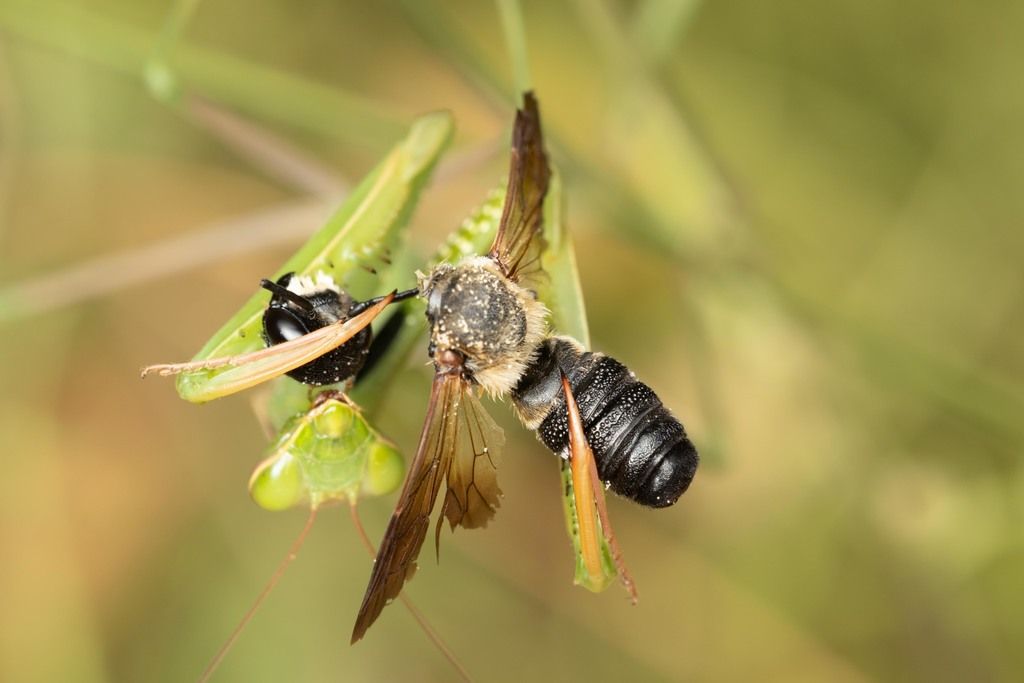
Leafcutter bees (Genus Megachile)

Leafcutter bees

They move pollen between flowers while foraging, helping many wild plants and garden plants set seed and fruit.

View pollinator profile
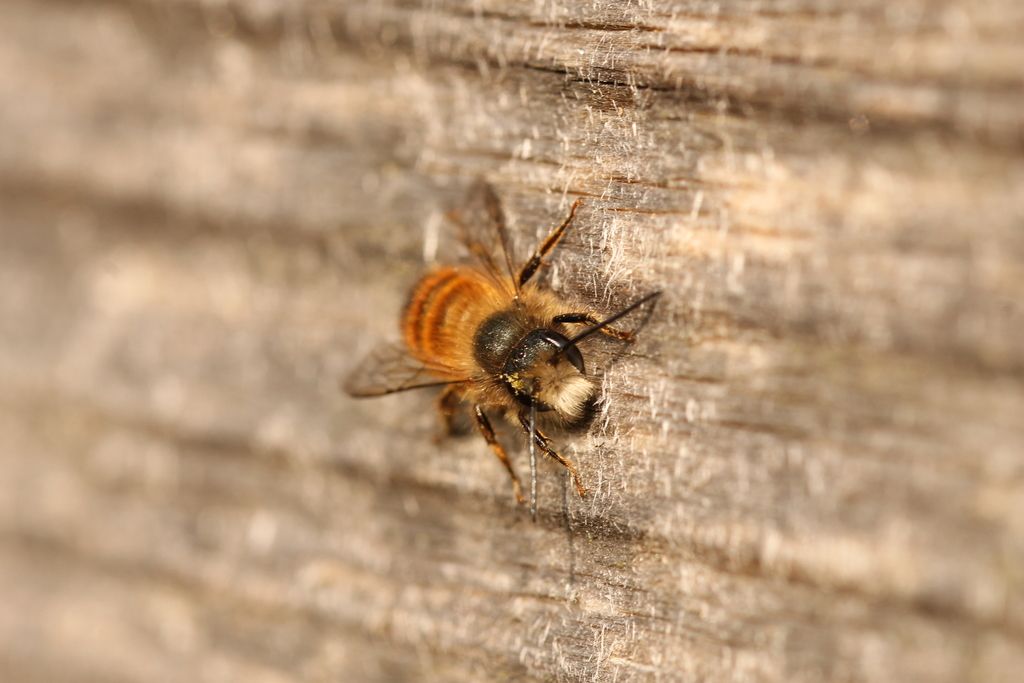
Mason bees (Genus Osmia)

Mason bees

They move pollen between flowers while foraging, helping many wild plants and garden crops set seed and fruit.

View pollinator profile
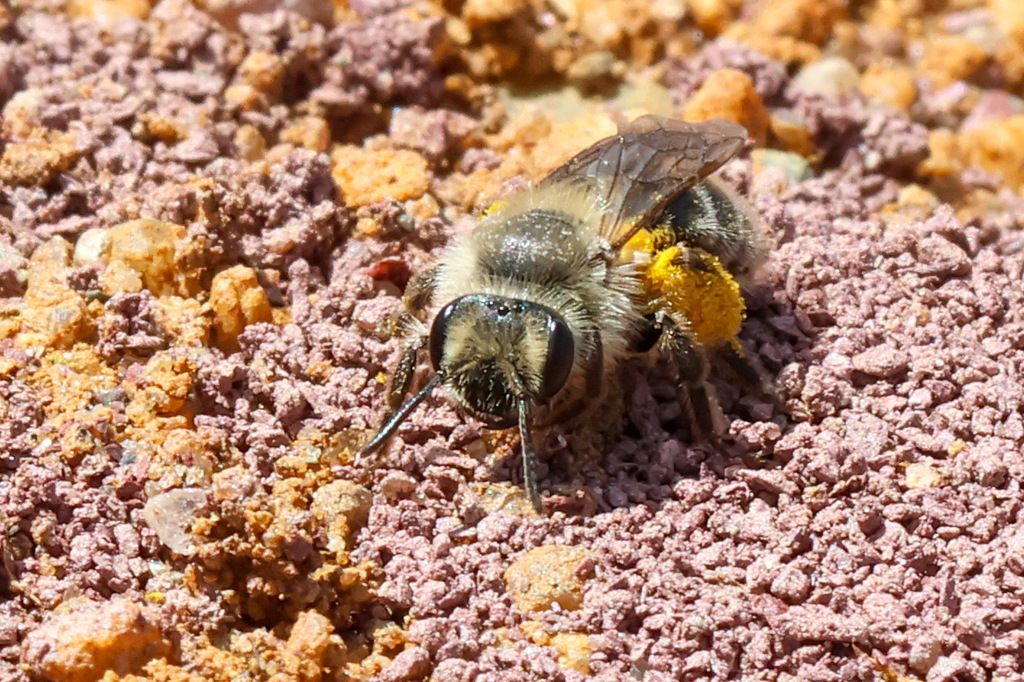
Mining bees (Genus Andrena)

Mining bees

They move pollen between flowers while foraging, helping many wild plants and garden plants set seed and fruit.

View pollinator profile
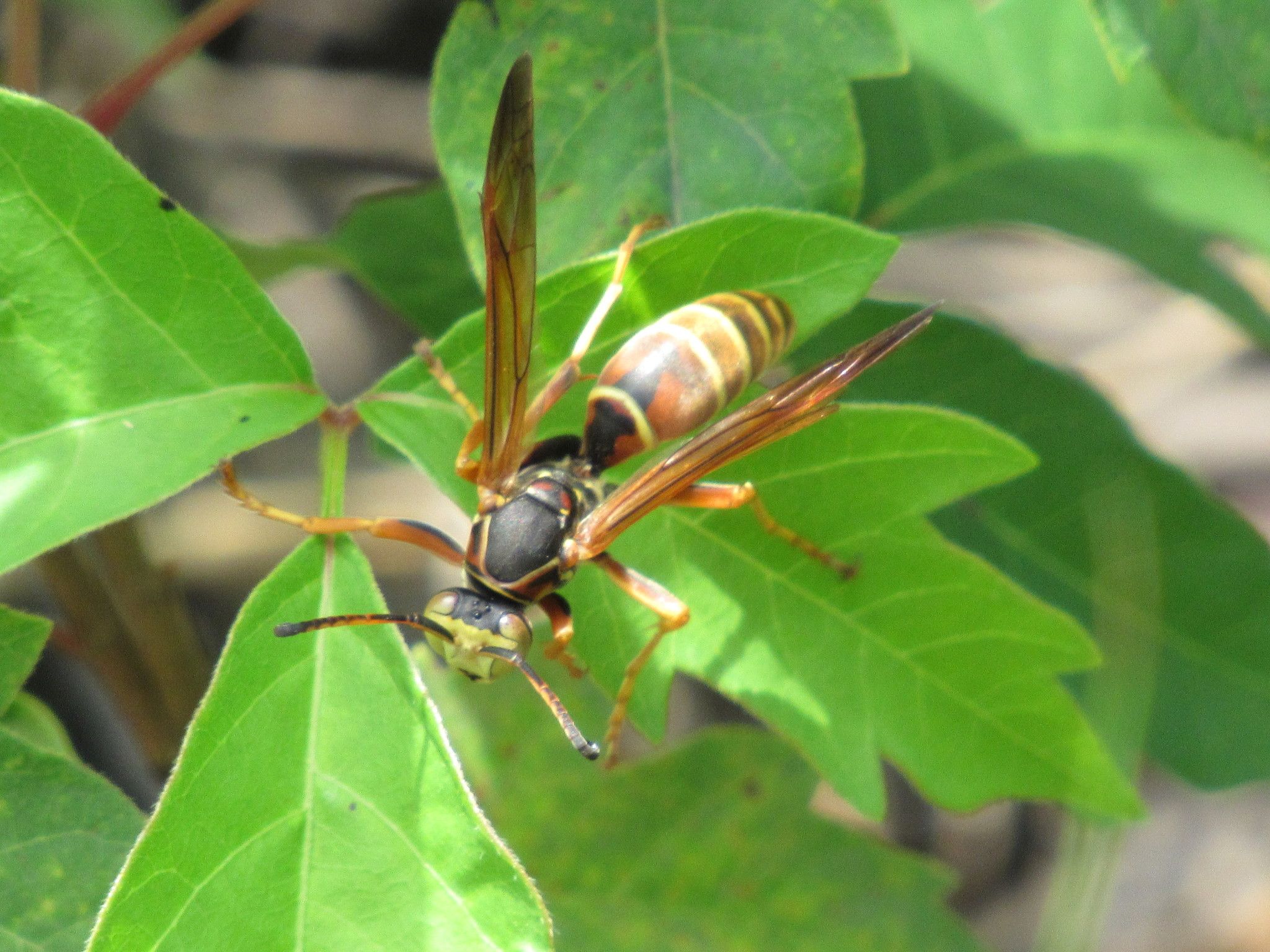
Paper wasps (Genus Polistes)

Paper wasps

They can move pollen while drinking nectar, and they also help control many plant-eating insects.

View pollinator profile
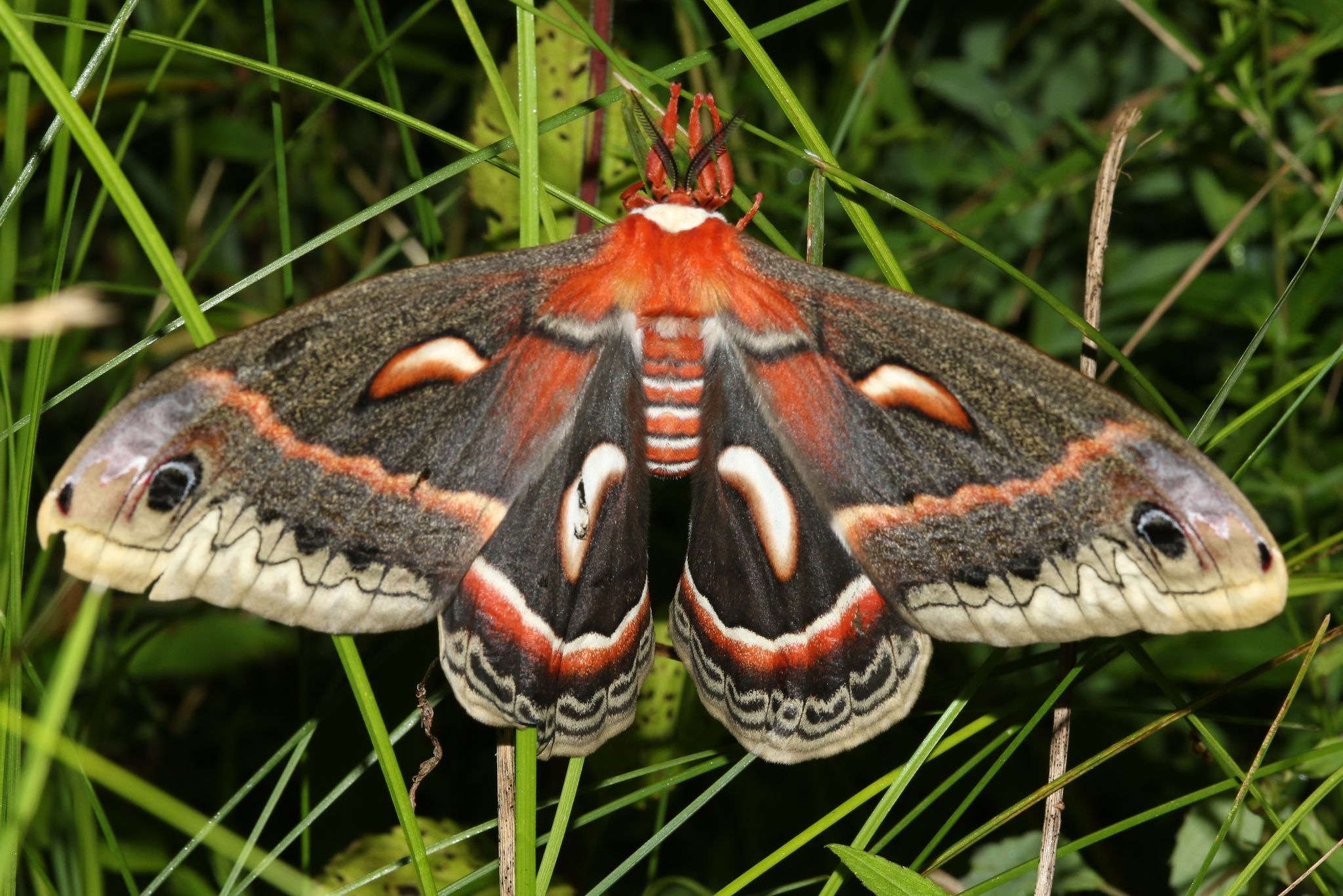
Silkmoths (giant moths) (Family Saturniidae)

Silkmoths (giant moths)

They’re part of healthy food webs and plant communities, and their caterpillars depend on a wide range of native trees and shrubs.

View pollinator profile
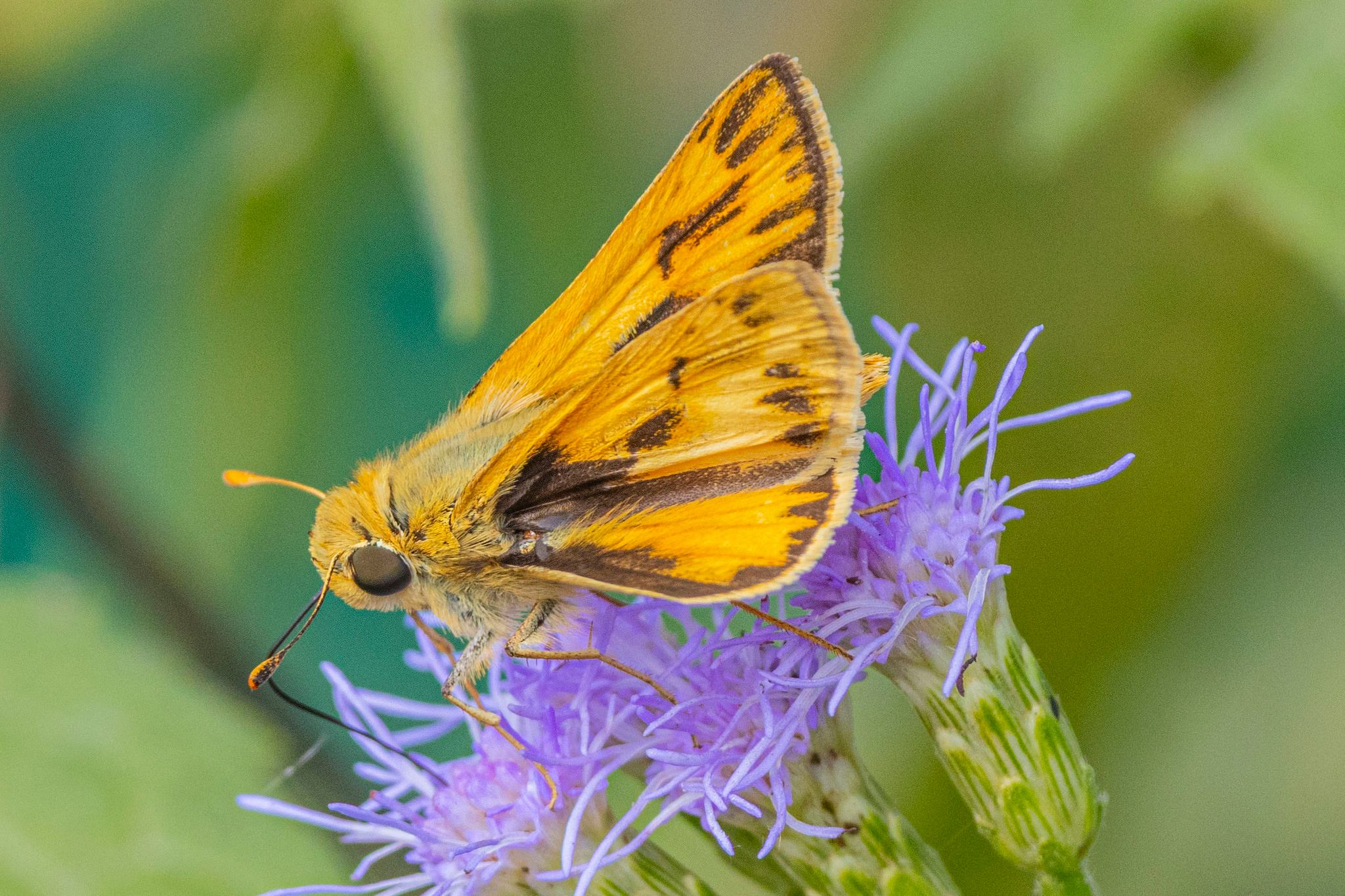
Skippers (Family Hesperiidae)

Skippers

Skippers visit many flowers for nectar and can help move pollen between blooms while they feed.

View pollinator profile
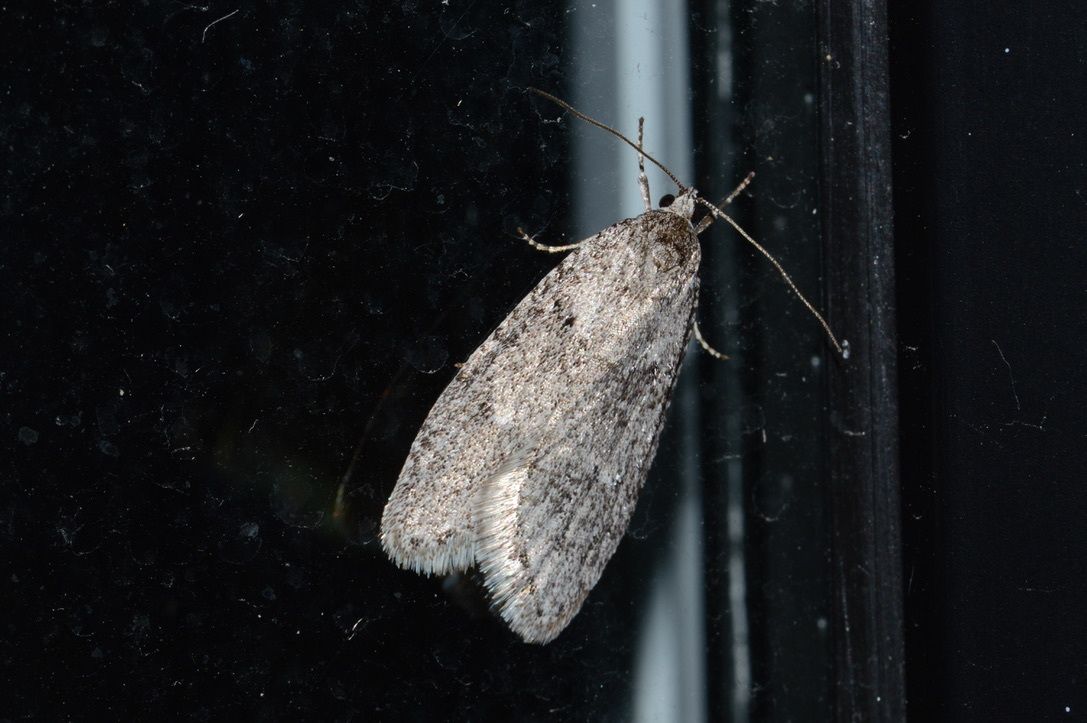
Small nectar moths (micro-moths) (Multiple families (varies))

Small nectar moths (micro-moths)

Many small moths move pollen while feeding on nectar, supporting wild plants and garden blooms—especially in the evening and at night.

View pollinator profile
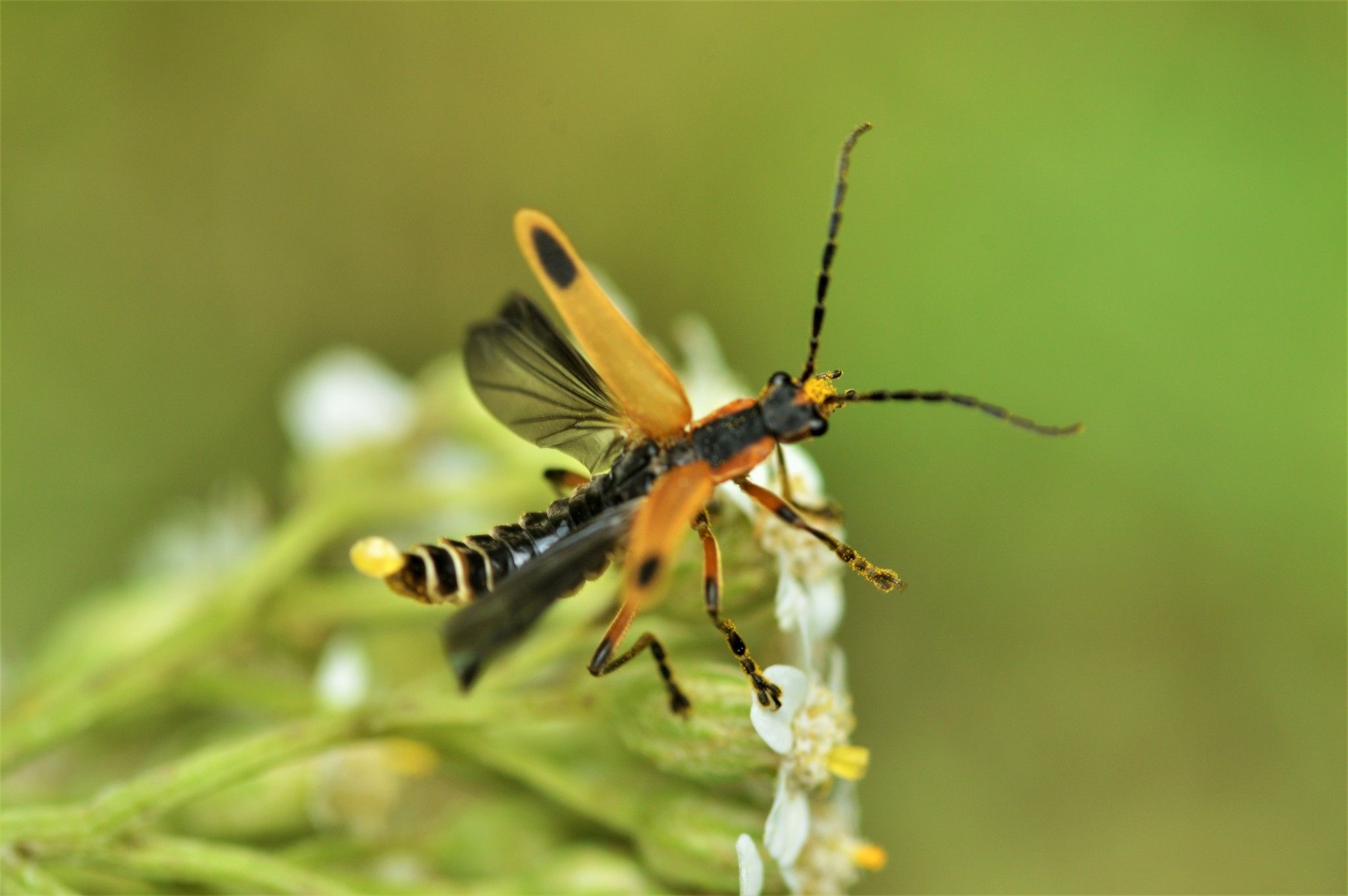
Soldier beetles (Family Cantharidae)

Soldier beetles

Many adults visit flowers and can move pollen between blooms, while also helping control some garden pests.

View pollinator profile
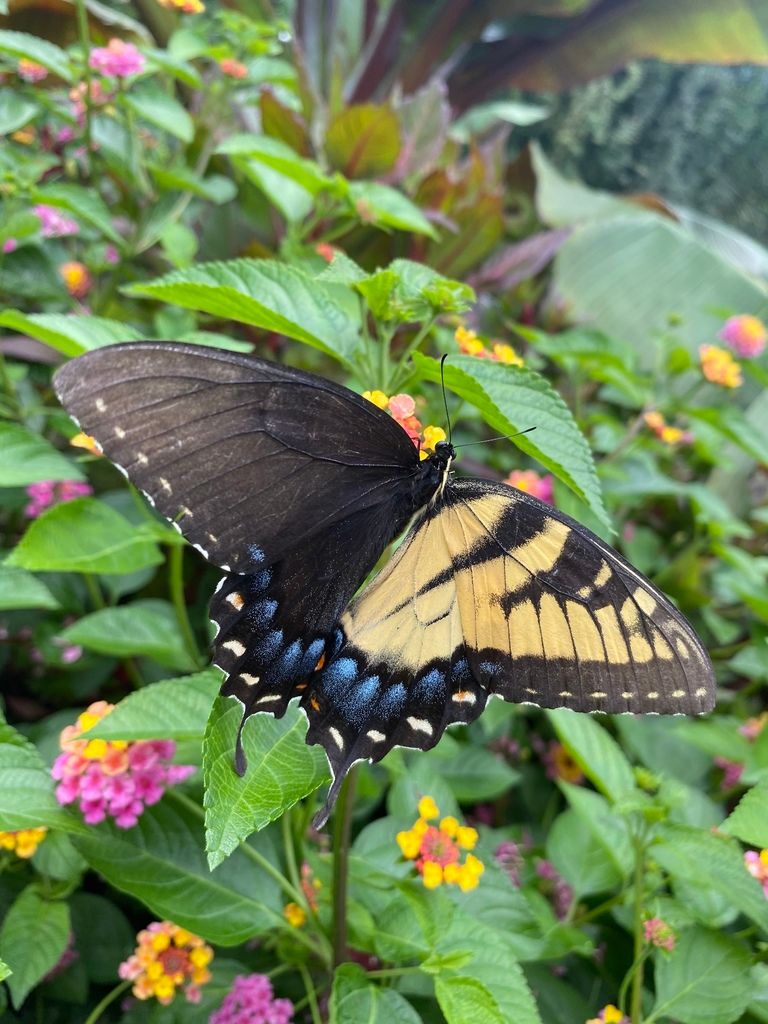
Swallowtails (Family Papilionidae)

Swallowtails

Adult swallowtails visit many flowers for nectar and can help move pollen between blooms as they feed.

View pollinator profile
Sweat bees (Family Halictidae)

Sweat bees

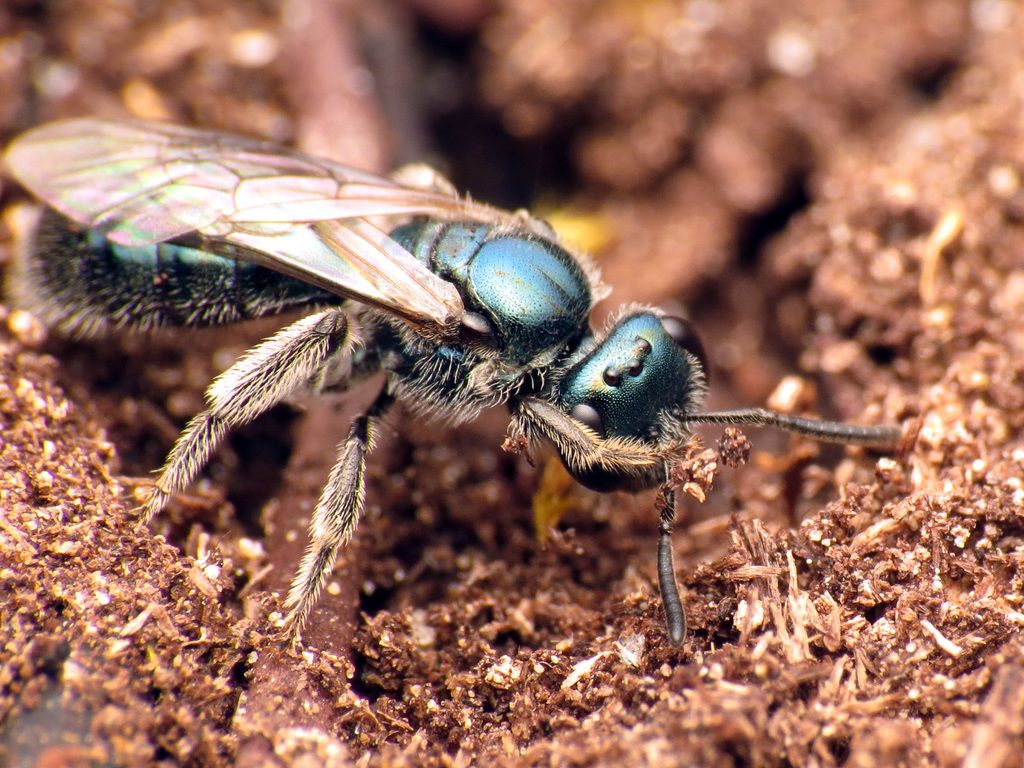
They help move pollen between flowers in gardens, parks, and natural areas, supporting seed and fruit production.

View pollinator profile
Whites & sulphurs (Family Pieridae)

Whites & sulphurs

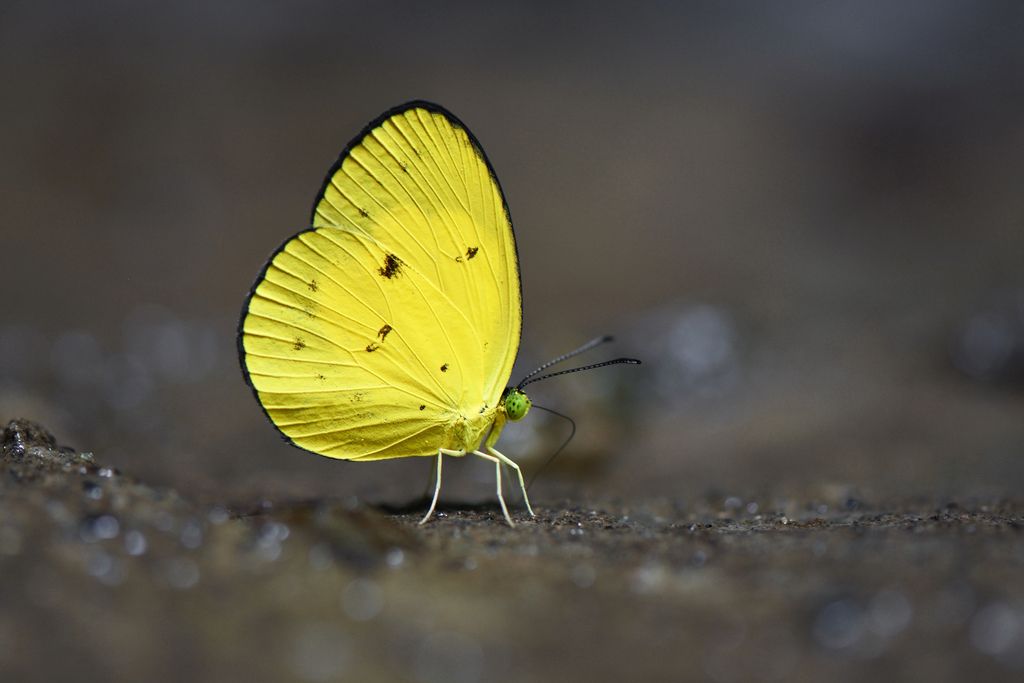
They visit a wide range of flowers for nectar and can help move pollen between blooms as they feed.

View pollinator profile