
Climate pattern
- Typically a strong wet–dry seasonal cycle.
- Flowering and pollinator activity often track rainfall pulses.
- Microclimates (small local weather differences) can happen near rivers, on shaded slopes, or in sheltered courtyards.
Balsas Depression with Low Tropical Deciduous Forest and Xerophytic Shrub is a subregion in southern Mexico, located between the Transverse Neovolcanic Belt and the Southern Sierra Madre, characterized by varied climates, primarily tropical deciduous forest and oak/conifer forest at higher elevations, and defined by the Balsas river basin.
Zone
Forest
Common Name
Balsas Depression with Low Tropical Deciduous Forest and Xerophytic Shrub
CEC Level III Code
14.4.1
CEC Level II Code
14.4 Tropical Dry Forests
Overview
Region facts
| Category | Details |
|---|---|
| Aliases | Balsas Depression with Low Tropical Deciduous Forest and Xerophytic Shrub, Balsas Depression |
| Geographic Range | The Balsas Depression is located in southern Mexico, immediately south of the Transverse Neovolcanic Belt and north of the Southern Sierra Madre, encompassing portions of Jalisco, Michoacán, Guerrero, Mexico, Puebla, and Morelos. |
| Climate Snapshot | The climate is tropical and sub-humid, varying greatly to include dry, semi-dry, very warm, sub-humid semi-warm, and sub-humid temperate types with summer rains, temperatures between 16 and 30°C, and annual precipitation ranging from 500 mm to 1,200 mm. |
| Terrain Profile | The region features sierras, hills, valleys, plains, and canyons with extrusive igneous rock, alluvial soils like Vertisols and Regosols, and elevations ranging from 200 to 2,300 meters above sea level. |
| Vegetation Cover | The vegetation is primarily tropical deciduous forest in the low areas and oak and conifer forest at high elevations, with induced grasslands also being significant for livestock production. |
| Wildlife Habitat | The Balsas Depression is home to important species like the ring-tailed cat and white-tailed deer, and also serves as a habitat for endangered species including the boa constrictor, mountain lion, and jaguarundi. |
Eco snapshot
The vegetation is primarily tropical deciduous forest in the low areas and oak and conifer forest at high elevations, with induced grasslands also being significant for livestock production.
The Balsas Depression is home to important species like the ring-tailed cat and white-tailed deer, and also serves as a habitat for endangered species including the boa constrictor, mountain lion, and jaguarundi.
Seasonal timing
Yearly needs
What pollinators need throughout the year, and what to do about it.
| Season | What pollinators need most | What you can do |
|---|---|---|
| Late winter/early spring | Early nectar/pollen; safe shelter | Add a few early-blooming natives; leave some leaf litter and hollow stems; provide a shallow water dish with stones |
| Spring | Steady bloom; nesting materials | Plant in clumps; keep a small patch of bare, well-drained soil; avoid all insecticides |
| Summer | Heat/drought resilience; continuous flowers | Prioritize drought-tough native bloomers; water young plants deeply but less often; add shade/structure with shrubs |
| Late summer/fall | “Finish line” blooms; seed set | Add late bloomers; let some plants go to seed; reduce deadheading so food webs can function |
| Dry Season (winter or dry season) | Shelter; minimal disturbance | Don’t over-tidy; keep brush/wood piles small and neat; protect nesting areas from frequent digging |
Seed mix concept
Spring starter: early-blooming natives that “kick off” food when pollinators first ramp up activity.
Summer bridge: heat- and drought-tough flowers that keep nectar/pollen available through the hardest stretch.
Fall finisher: late blooms that help pollinators build reserves and support seed set for next year.
What You Can Do
Turn this knowledge into action. Whether you plant a single pot or a whole garden, you are building a vital bridge for local biodiversity.
Join the movement to restore our shared habitats.
Native plants
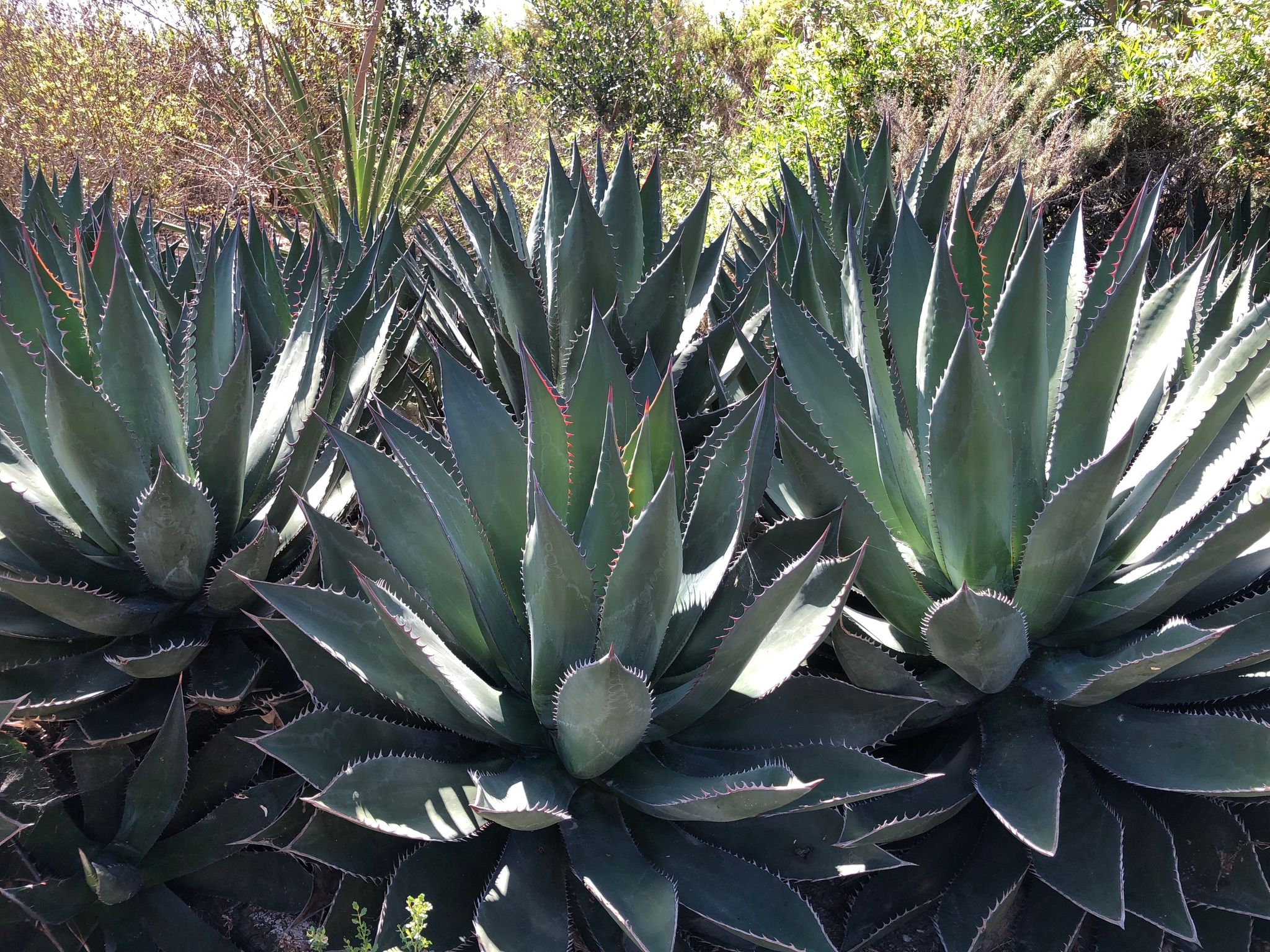
Agaves are bold, sculptural succulents that store water in thick leaves and thrive in bright, dry spots. Their flowers can be a big seasonal draw for pollinators when plants are mature and in bloom.
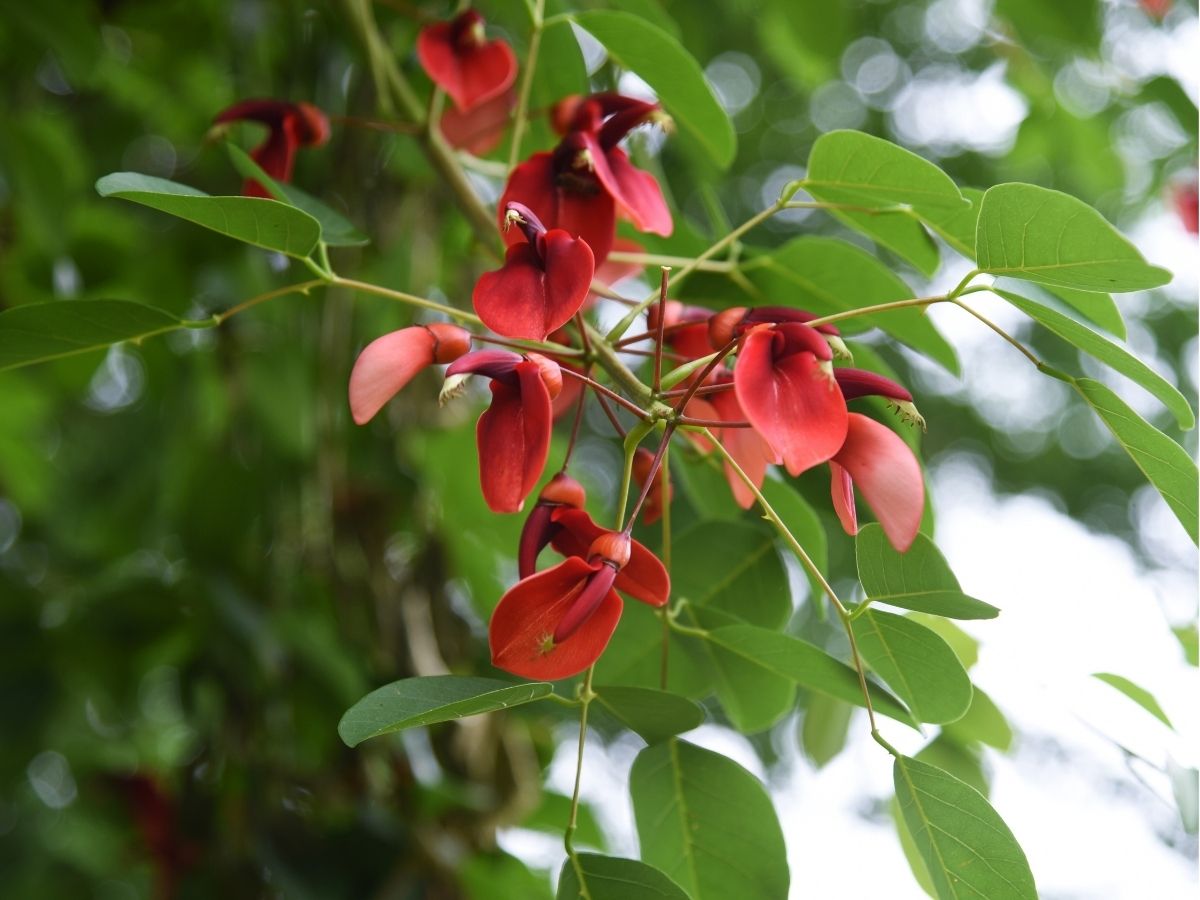
Erythrinas (coral trees) are showy flowering trees in the genus Erythrina, known for bold, nectar-rich blooms that can be a seasonal food stop for pollinators in warm gardens.
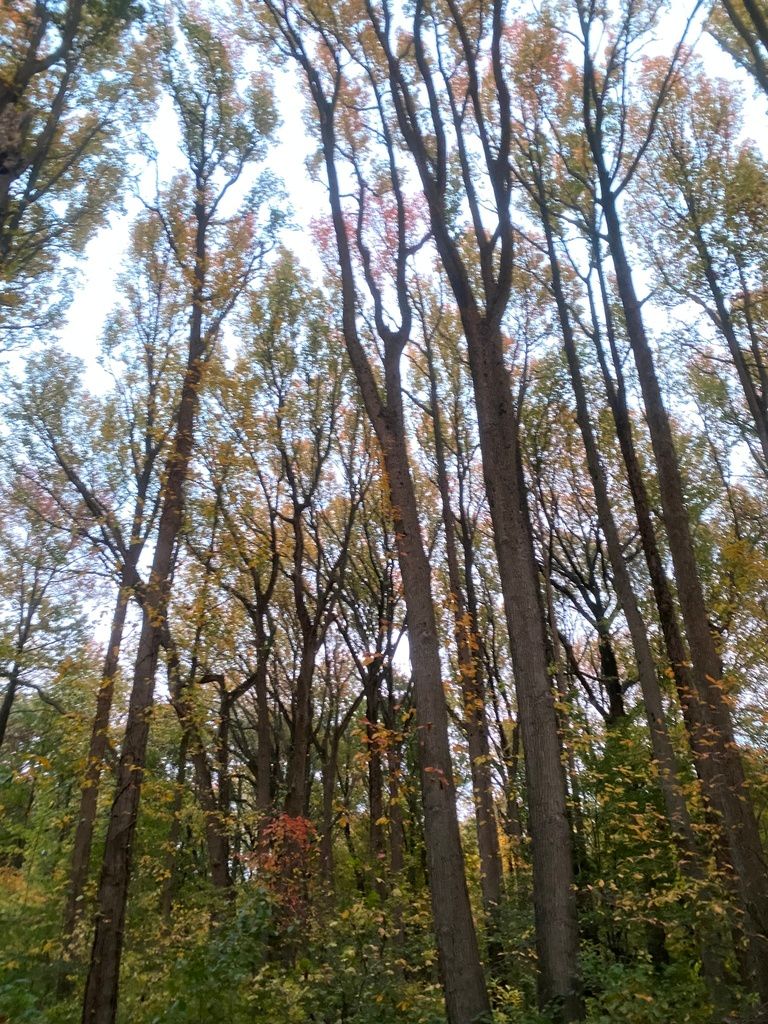
Inga is a group of tropical trees (genus Inga) known for fluffy, brush-like flowers and long pods. In warm climates, it can be a shade tree that also offers nectar and pollen for a variety of insects.
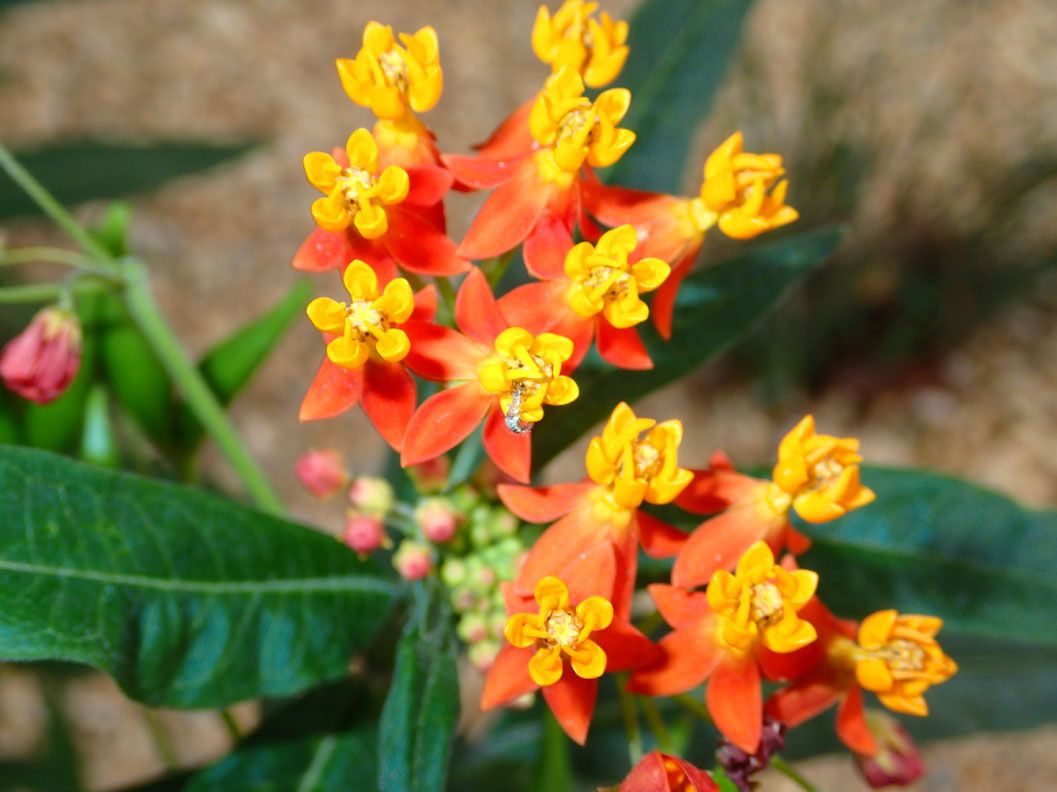
Milkweeds from tropical Mexico (genus Asclepias) are nectar-rich wildflowers that can add bright blooms and pollinator activity to sunny gardens and containers.
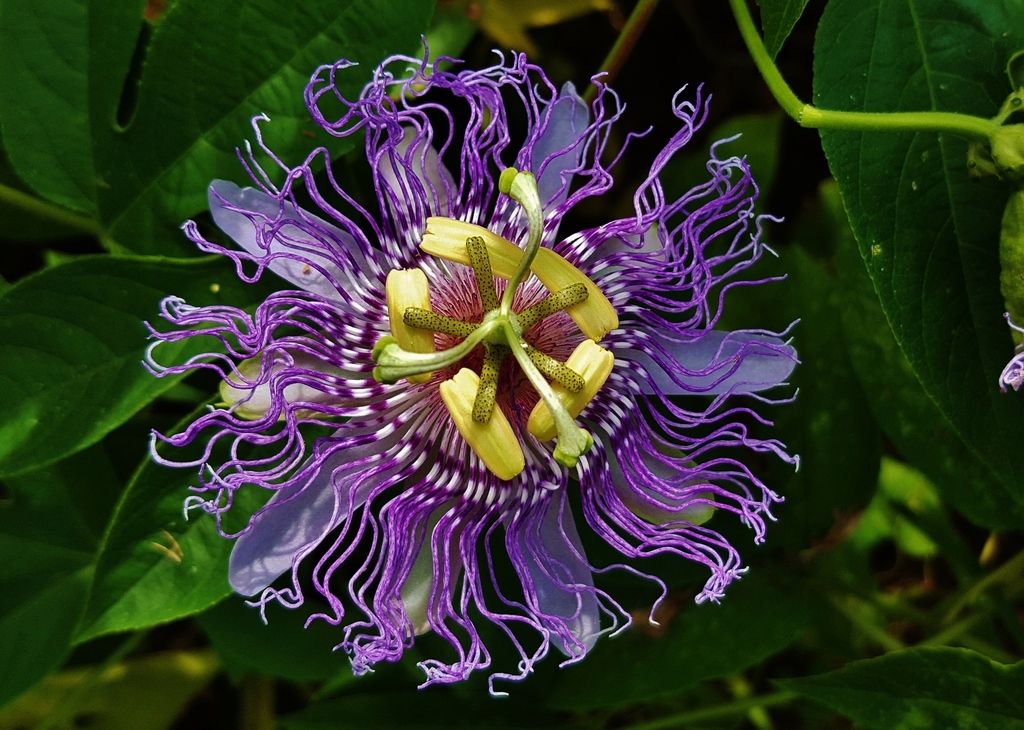
Passionflowers (genus Passiflora) are climbing vines known for their intricate, otherworldly blooms and their ability to add vertical color to fences, trellises, and sunny walls.
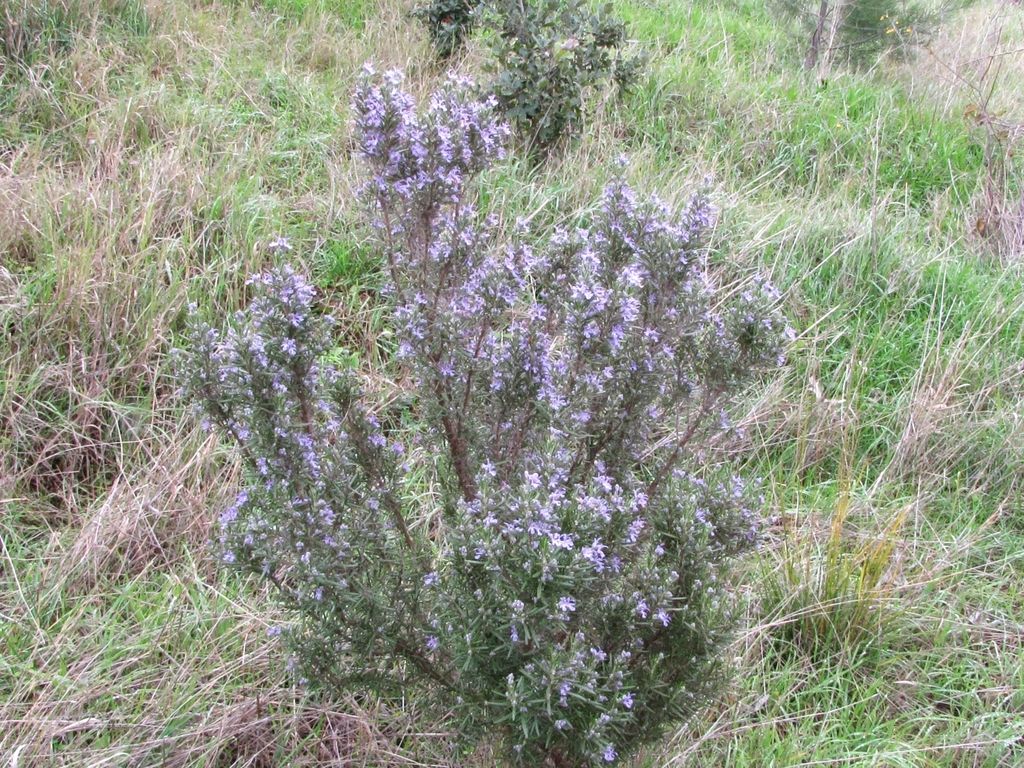
Salvias are a big, colorful group of flowering plants in the genus Salvia, with especially rich diversity in Mexico. Many are easy, pollinator-friendly garden plants that bloom over a long season when given sun and well-drained soil.
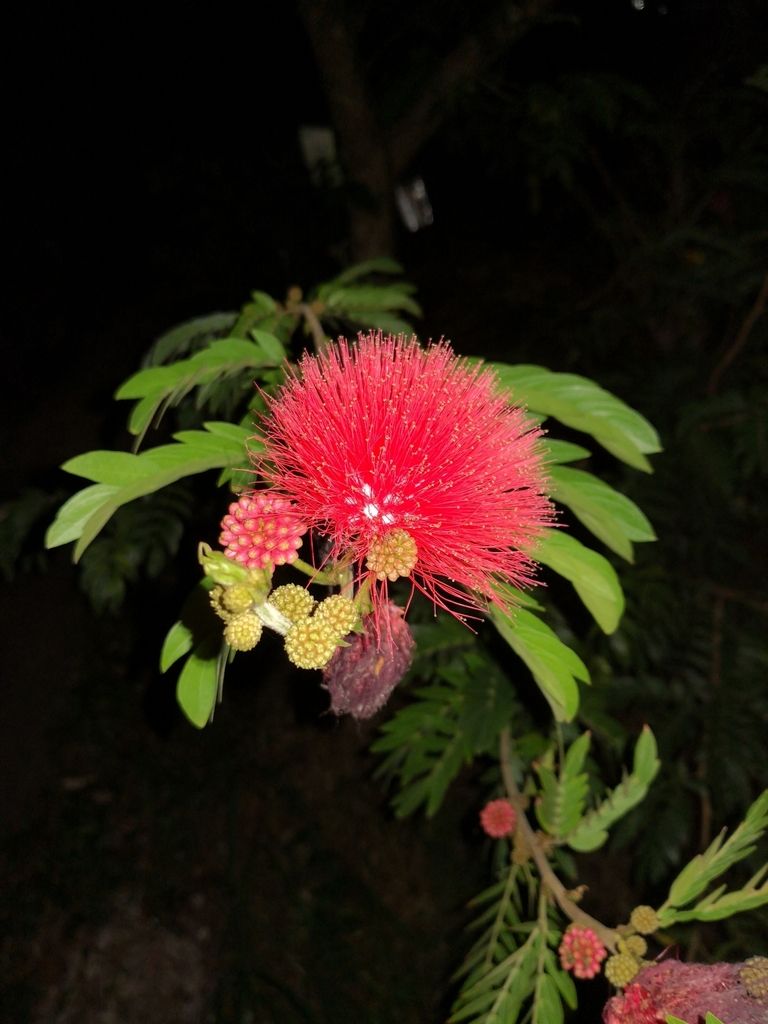
Wild lilacs (genus Calliandra) are warm-climate shrubs known for fluffy “powderpuff” blooms that can add color and pollinator activity to sunny gardens and patios.
Pollinators
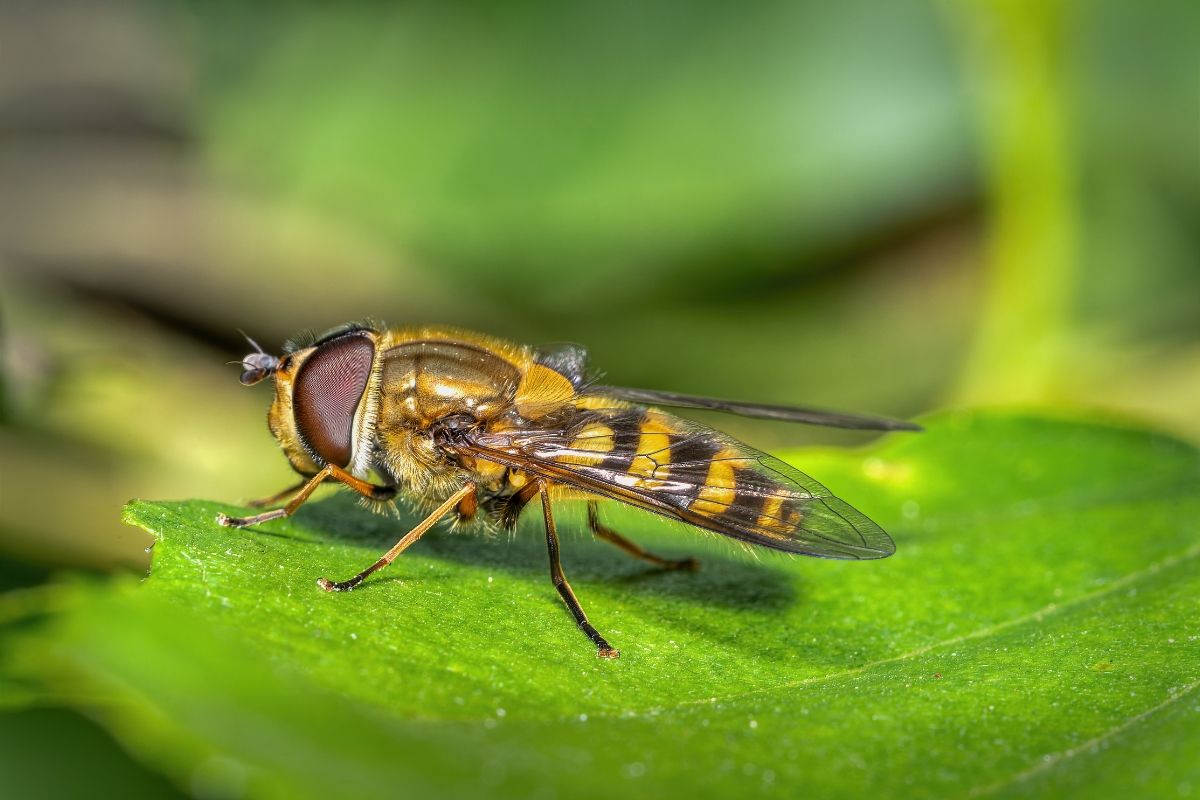
Adults visit flowers for nectar and pollen, and many species’ larvae help keep plant-eating pests in check.
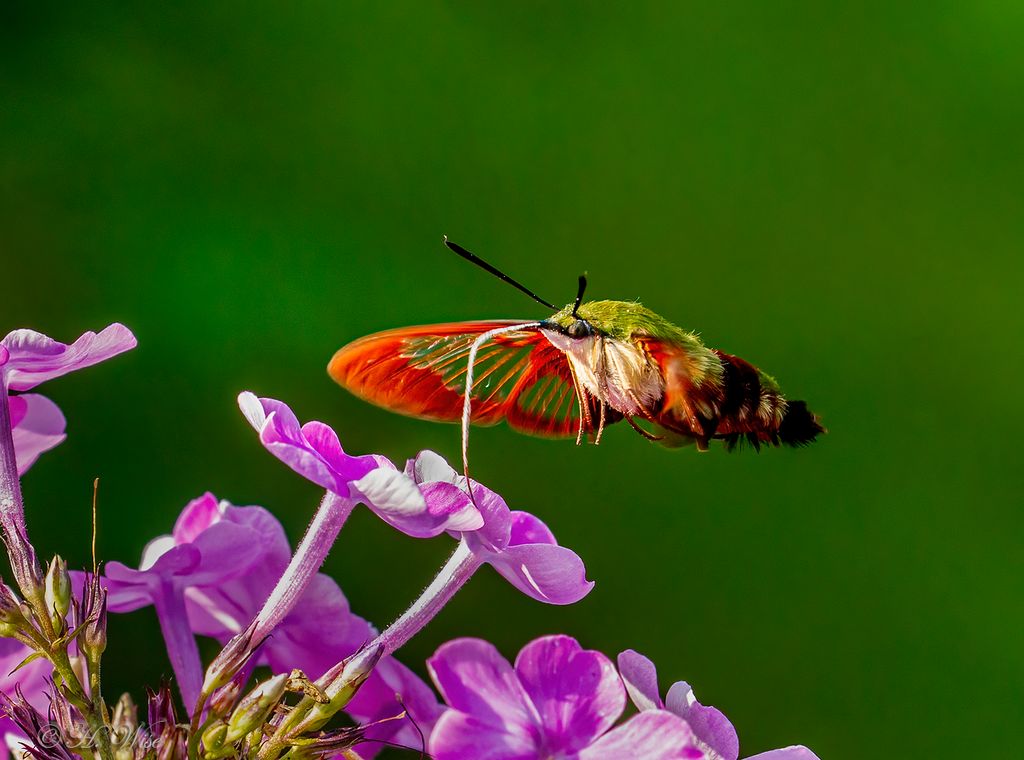
They can move pollen between flowers while feeding on nectar, especially for blooms that open or scent up in the evening.
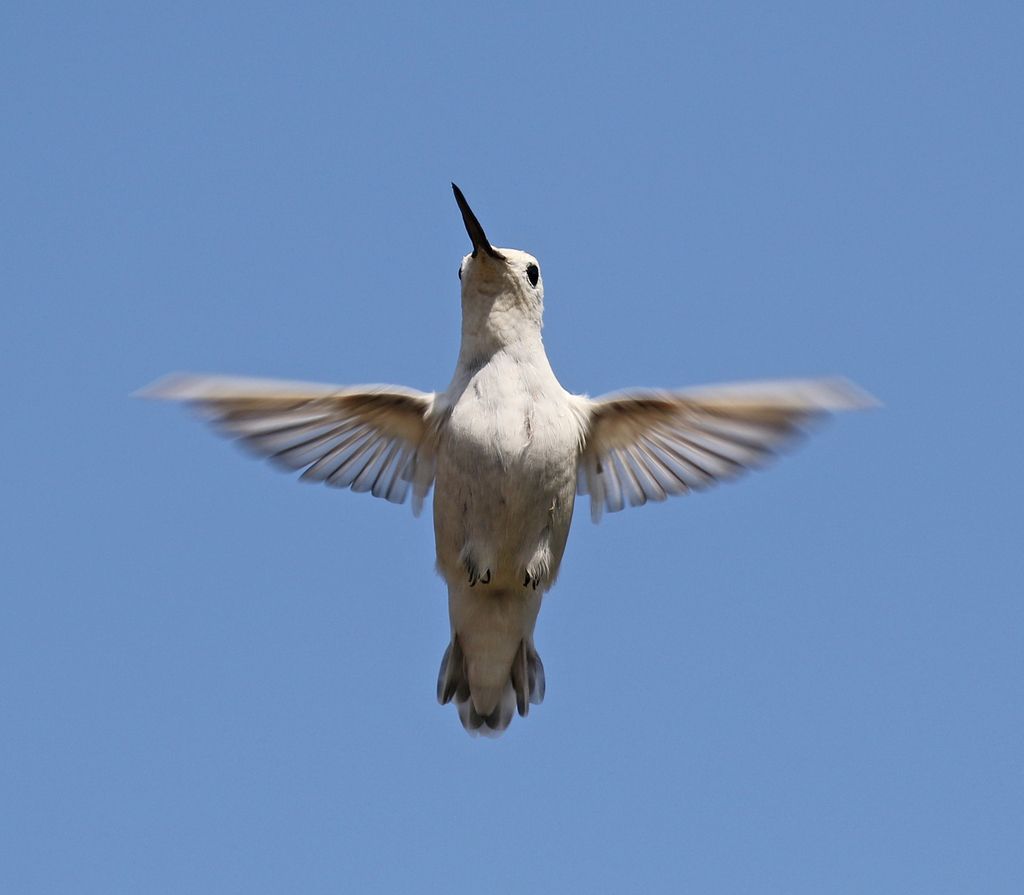
They move pollen between flowers while feeding, helping many plants reproduce.
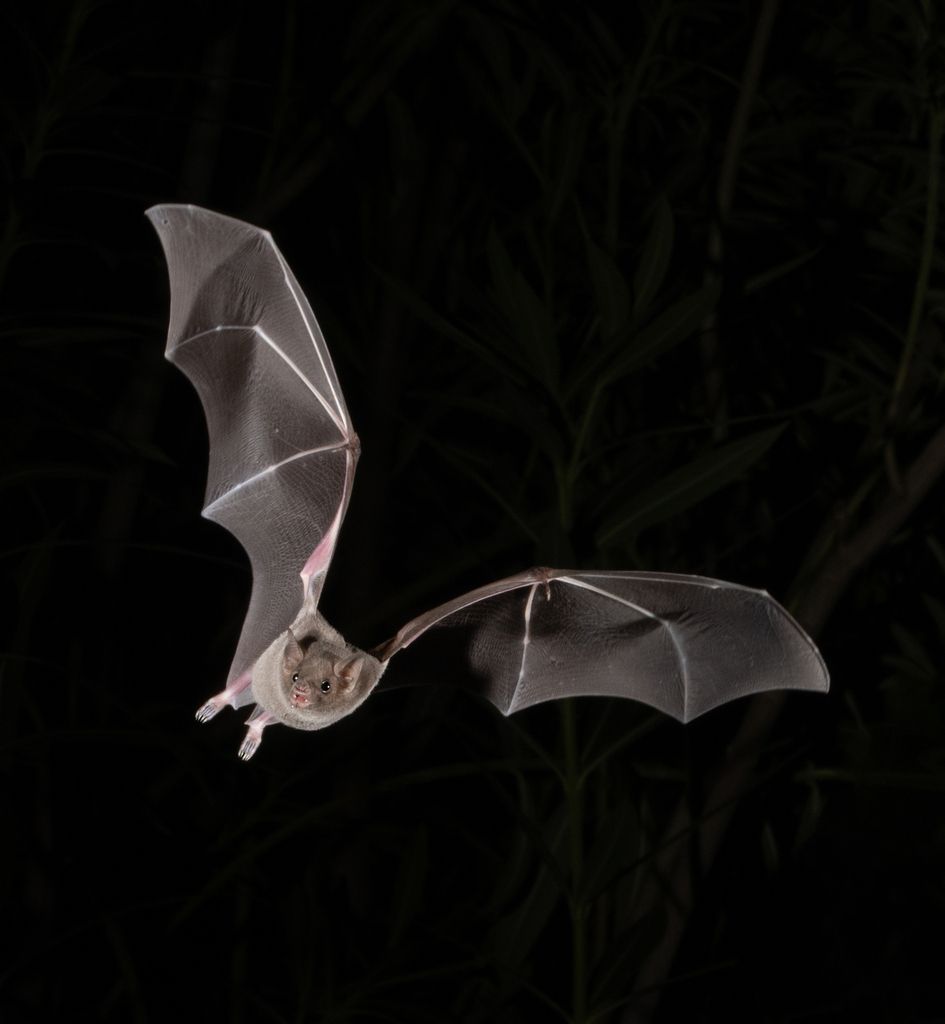
They move pollen between flowers over long distances, helping some plants set fruit and seed.
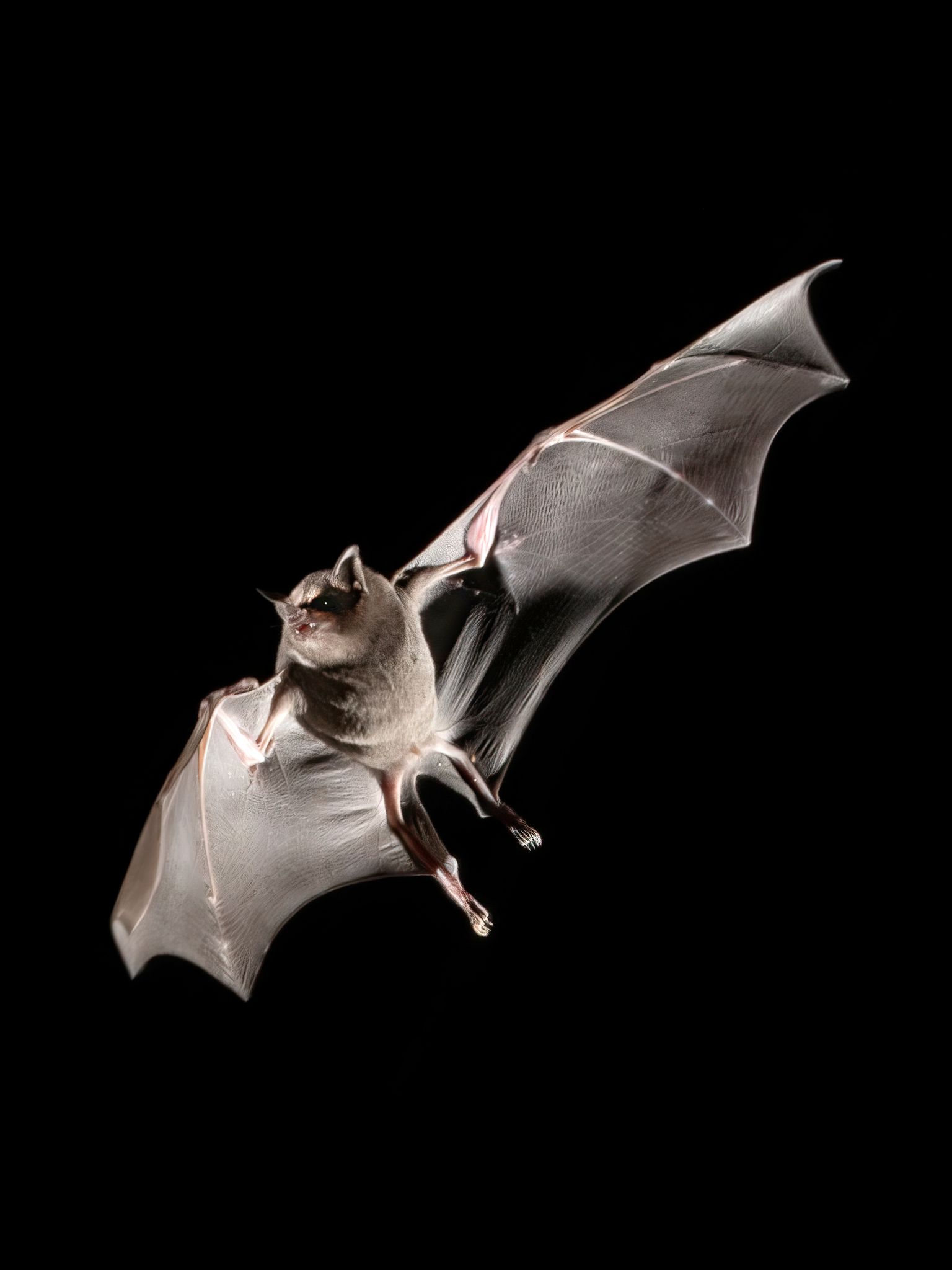
They move pollen between flowers over long distances and help many plants set fruit and seed.
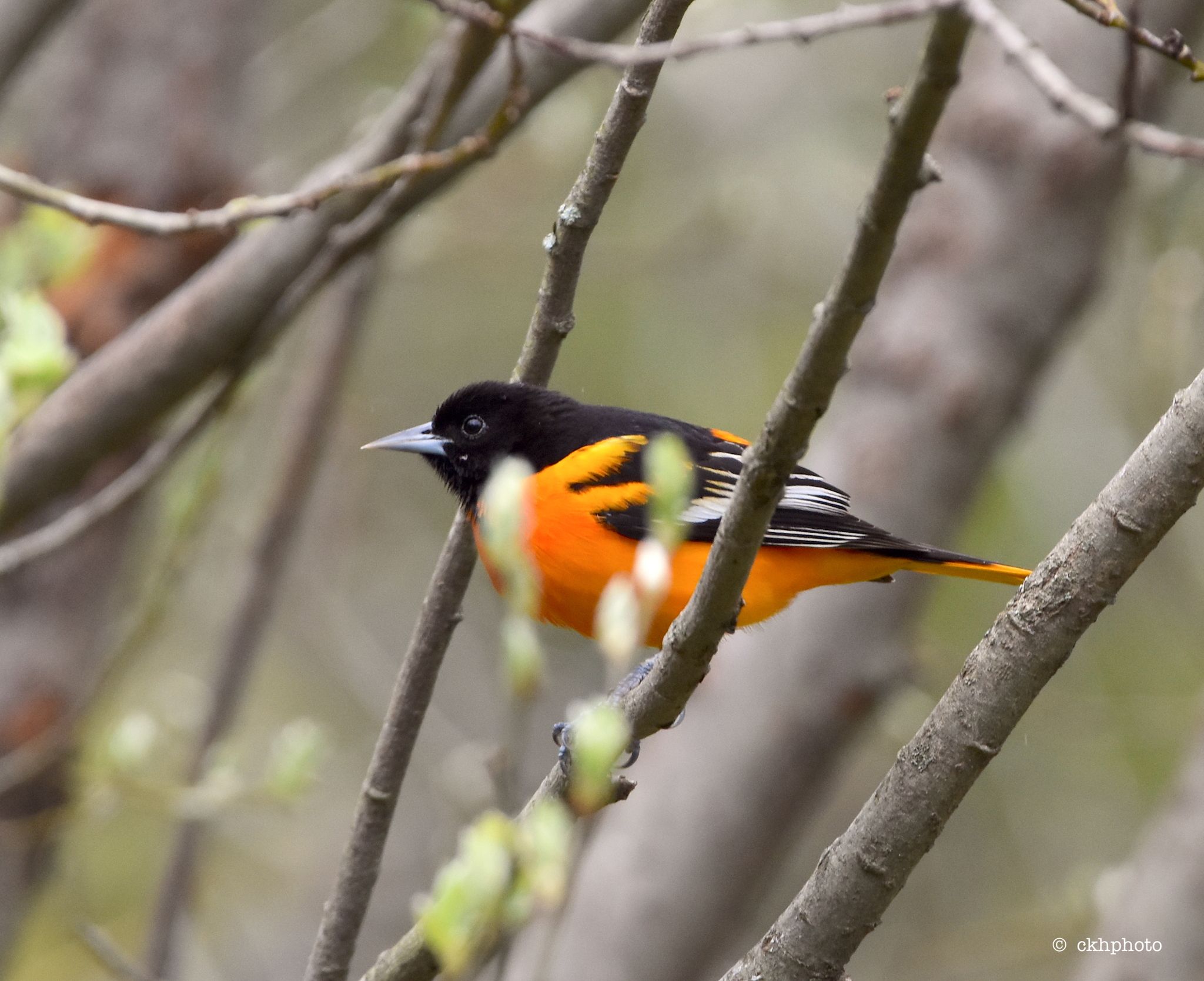
They move pollen between flowers while feeding on nectar, supporting seed and fruit production in many plants.
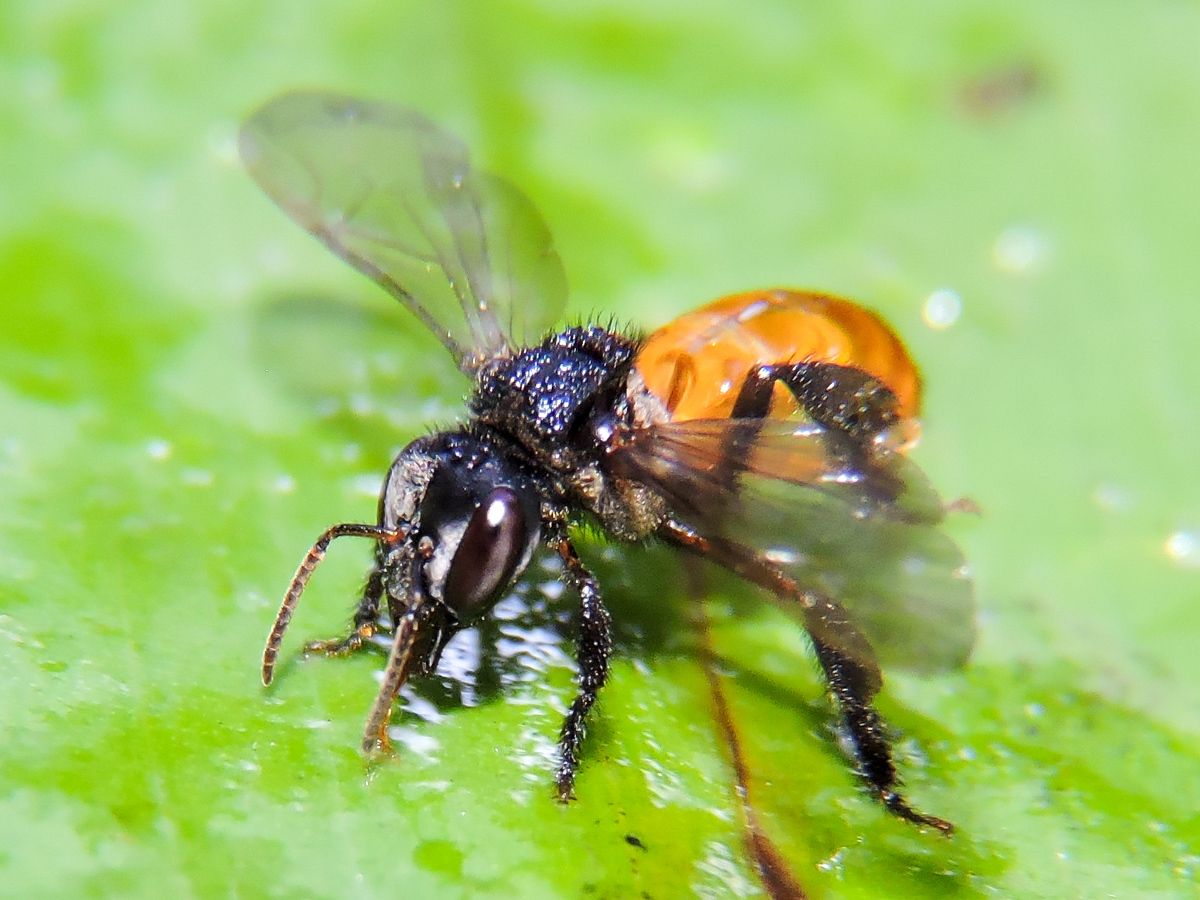
They help pollinate many wild and cultivated plants in tropical and subtropical regions, supporting food webs and biodiversity.