Skip to content
Central Basin and Range
Region profile

Central Basin and Range

Central Basin and Range is a region in the central Great Basin occupying parts of Nevada and Utah, marked by a dry, mid-latitude desert climate, north-south trending mountain ranges separated by xeric basins, and common land uses including ranching, mining, and public lands for wildlife and recreation.

Zone

Interior

Common Name

Central Basin and Range

CEC Level III Code

10.1.5

CEC Level II Code

10.1 Cold Deserts

Overview

About This Region

The Central Basin and Range features arid shrubland and desert ecosystems, posing unique challenges for pollinators. Drought, high temperatures, and limited floral resources, particularly during peak summer months, are significant factors impacting pollinator health and populations. Habitat fragmentation from development and grazing, alongside pesticide use in agricultural areas, further threaten native bees, butterflies, and other pollinators essential for the region’s biodiversity.
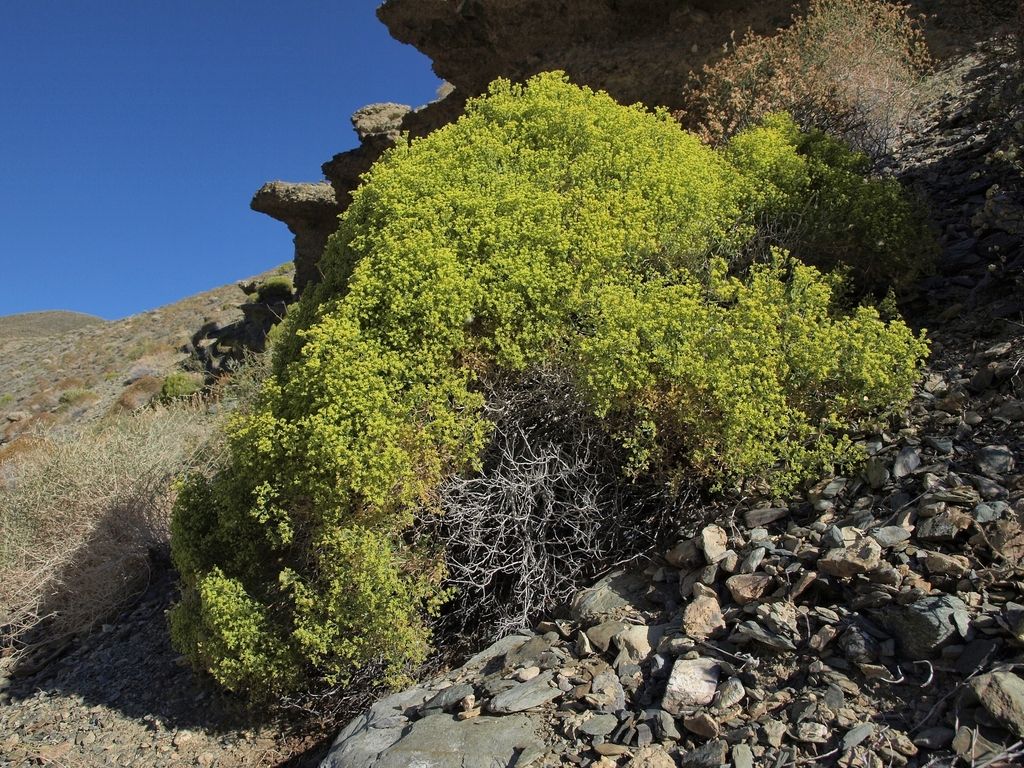
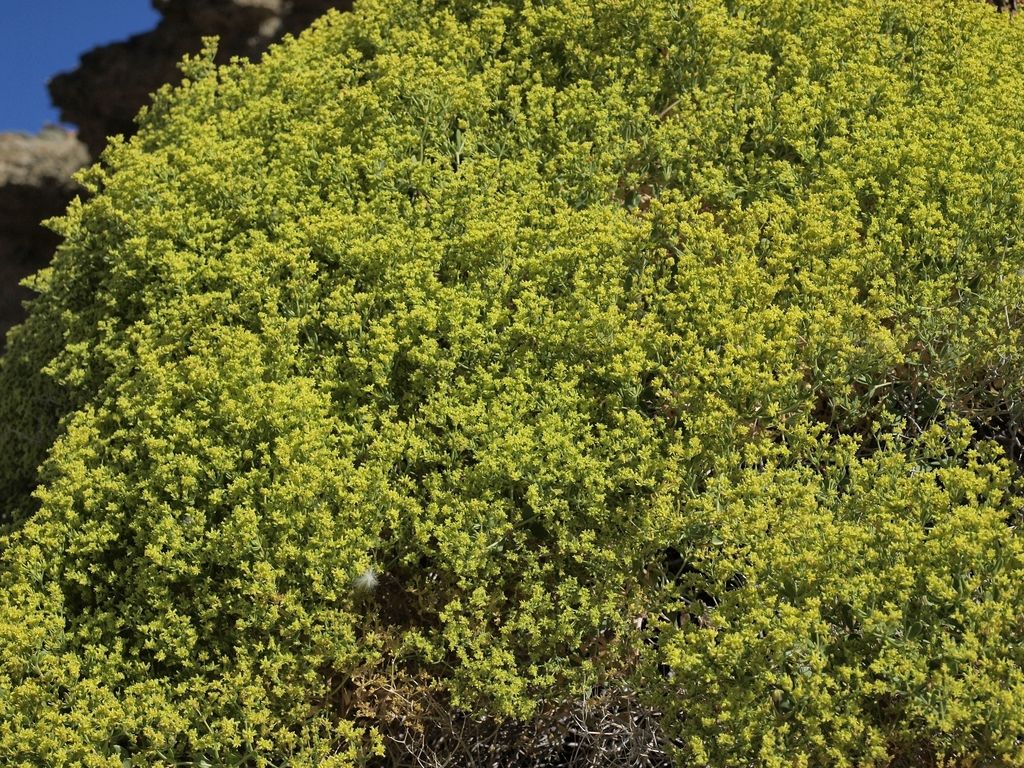
Central Basin and Range
https://www.inaturalist.org/photos/49985209 Photo: (c) Jim Morefield, some rights reserved (CC BY) | CC-BY | iNaturalist

Region facts

At a glance

AliasesCentral Basin and Range, CEC 10.1.5, Central Basin & Range
Geographic Range
The Central Basin and Range ecoregion occupies a large portion of Nevada and western Utah, with small extensions into California and southern Idaho.
Climate SnapshotThe Central Basin and Range ecoregion has a dry, mid-latitude desert climate, marked by hot summers and mild winters, with mean annual temperatures ranging from 2°C to 14°C and an average annual precipitation of 277 mm.
Terrain ProfileThe region is characterized by north-south trending mountain ranges separated by broad, xeric basins and valleys, with elevations ranging from 1,020 m to more than 4,000 m.
Vegetation CoverBasins are characterized by Great Basin sagebrush or saltbush-greasewood vegetation, while lower mountains feature singleleaf pinyon and Utah juniper, and high mountains may contain Douglas fir, white fir, limber pine, whitebark pine, or aspen.
Wildlife HabitatThe Central Basin and Range is home to diverse fauna, including mule deer, bighorn sheep, coyote, and endemic desert fish species like the Lahontan cutthroat trout.

Eco snapshot

What shapes this region

Climate pattern

  • Dry conditions are common, but microclimates (small local weather differences) can be dramatic between a sunny wall, a shaded yard, and a higher-elevation site.
  • Many plants and pollinators time activity around short windows of favorable moisture and temperature.
  • Exposure (wind/sun) and soil type can matter as much as regional climate.
Vegetation profile

Basins are characterized by Great Basin sagebrush or saltbush-greasewood vegetation, while lower mountains feature singleleaf pinyon and Utah juniper, and high mountains may contain Douglas fir, white fir, limber pine, whitebark pine, or aspen.

Wildlife profile

The Central Basin and Range is home to diverse fauna, including mule deer, bighorn sheep, coyote, and endemic desert fish species like the Lahontan cutthroat trout.

Why pollinators matter here

  • Pollinators help native plants reproduce, supporting food webs in a resource-limited environment.
  • Bloom periods can be short; having overlapping flowers helps pollinators find food reliably.
  • Nesting sites (bare ground, stems, cavities) can be plentiful in natural areas but scarce in heavily landscaped places.
  • Water-wise native plantings can support pollinators without high irrigation.

Seasonal timing

Planting seasons

Timing varies by microclimate; use this as a flexible guide.

Seasonal timing

  • Late winter/early spring: Good for planning, site prep, and planting when soils are workable and moisture is available.
  • Spring: A common window for planting and establishing natives before peak heat.
  • Summer: Focus on keeping new plants alive (deep, infrequent watering where appropriate) and adding heat-tough bloomers.
  • Late summer/fall: Often a strong time to plant perennials/shrubs so roots establish before the next growing season.
  • Winter: Use this time for design, seed planning, and leaving habitat in place.

Quick seasonal checklist

  • Choose native, drought-adapted plants suited to your exact site (sun, soil, exposure).
  • Aim for at least 3 bloom windows (early/mid/late).
  • Add nesting habitat (bare ground + stems/wood + shelter).
  • Keep it pesticide-free, including “weed-and-feed” style products.

Yearly needs

Pollinator calendar

What pollinators need throughout the year, and what to do about it.

Late winter / early springEarly nectar/pollen; safe nesting start sitesPlant/maintain early bloomers; leave some bare, well-drained soil; avoid spring pesticide applications
SpringSteady bloom; nesting materials and undisturbed areasAdd a mix of spring-flowering natives; keep some stems/leaf litter; provide a shallow water source with a landing stone
SummerHeat-resilient flowers; water access; shade/shelterPlant drought-tough mid-summer bloomers; water new plants wisely; include some afternoon shade or windbreaks if possible
Late summer / fall“Last chance” nectar/pollen; places to overwinterAdd late bloomers; avoid heavy fall cleanup; leave seedheads and stems standing where safe
Winter (or cold season)Shelter; undisturbed habitatLeave stems, brushy corners, and leaf litter; plan next season’s bloom sequence; avoid disturbing nesting areas

Seed mix concept

A Billion Small Steps Seed mix

A practical seed-mix idea for this region is to build a three-part bloom ladder that can handle dry conditions:

Spring starter

Spring starter: early bloomers that take advantage of cooler temperatures and available moisture.

Summer bridge

Summer bridge: heat-tough flowers that keep nectar/pollen available through the hottest stretch.

Fall finisher

Fall finisher: late bloomers (often shrubs and late-season wildflowers) that provide “last chance” food before winter/cold season.

What You Can Do

Make a difference for native habitats.

Turn this knowledge into action. Whether you plant a single pot or a whole garden, you are building a vital bridge for local biodiversity.

Join the movement to restore our shared habitats.

Native plants

Plants that thrive in this region

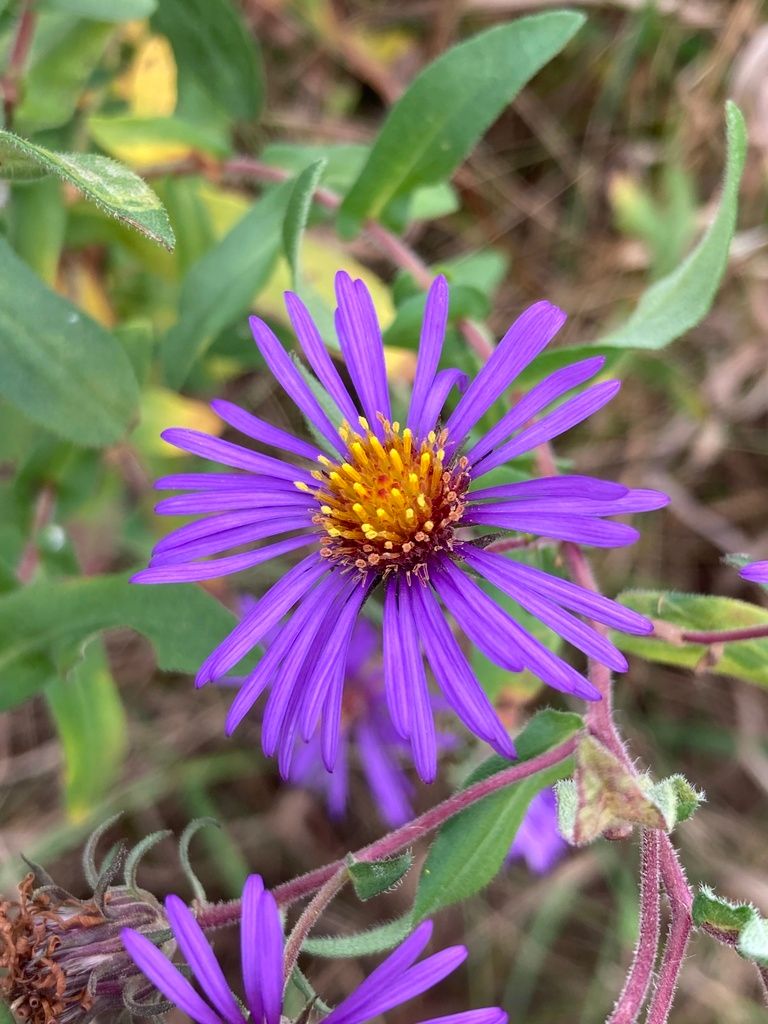
Asters (*Symphyotrichum* spp.)

Asters

Asters are late-season wildflowers that bring a burst of daisy-like blooms when many gardens are winding down, making them a reliable choice for pollinator-friendly planting.

View plant profile
F_wildflowers-herbaceous-perennials-blazing-stars (2).jpg

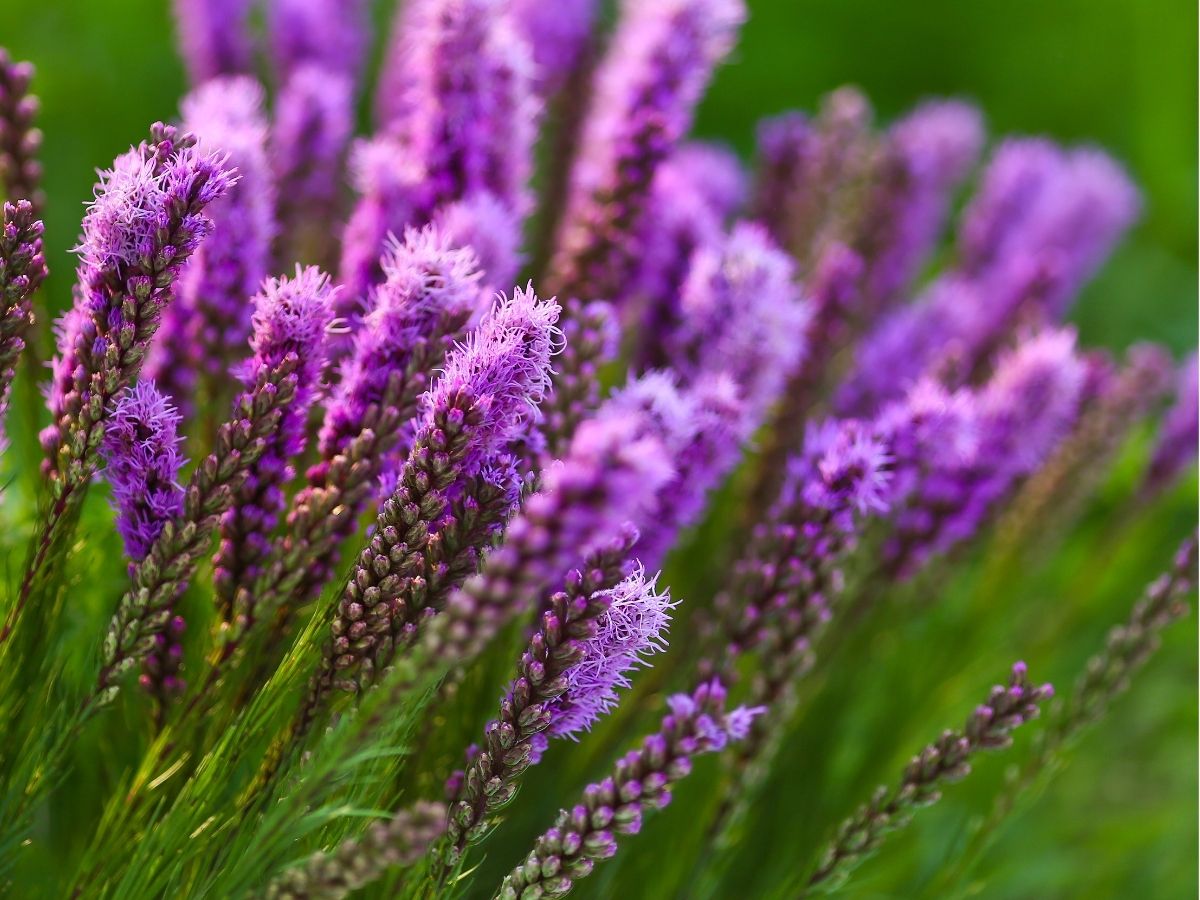
Blazing stars

Blazing stars (Liatris) are upright, purple-pink wildflowers that bloom in showy spikes and are well-loved by many pollinators. They’re a strong choice for sunny gardens, borders, and meadow-style plantings.

View plant profile
F_wildflowers-herbaceous-perennials-gilias.jpg

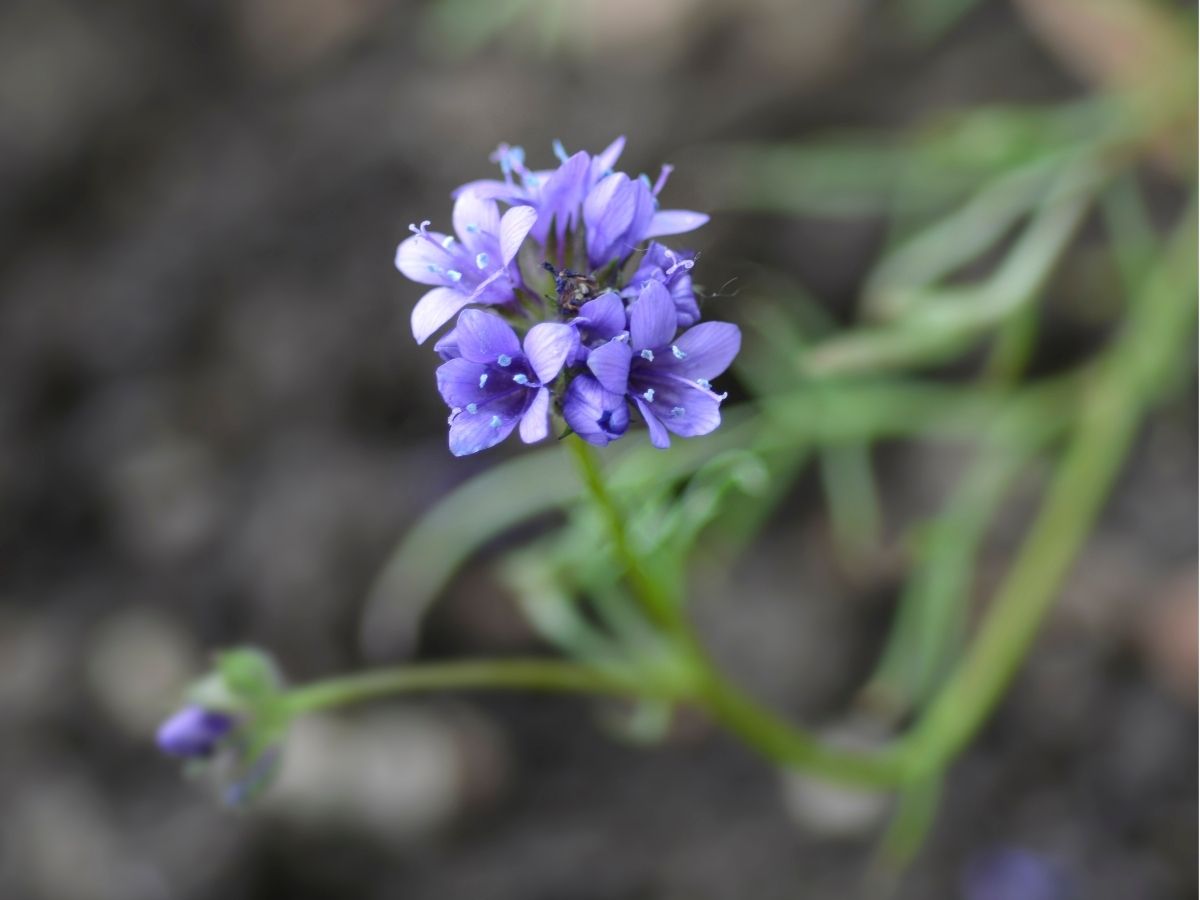
Gilias

Gilias (genus Gilia) are airy, nectar-rich wildflowers that can add quick color to sunny spots and help support a variety of pollinators.

View plant profile
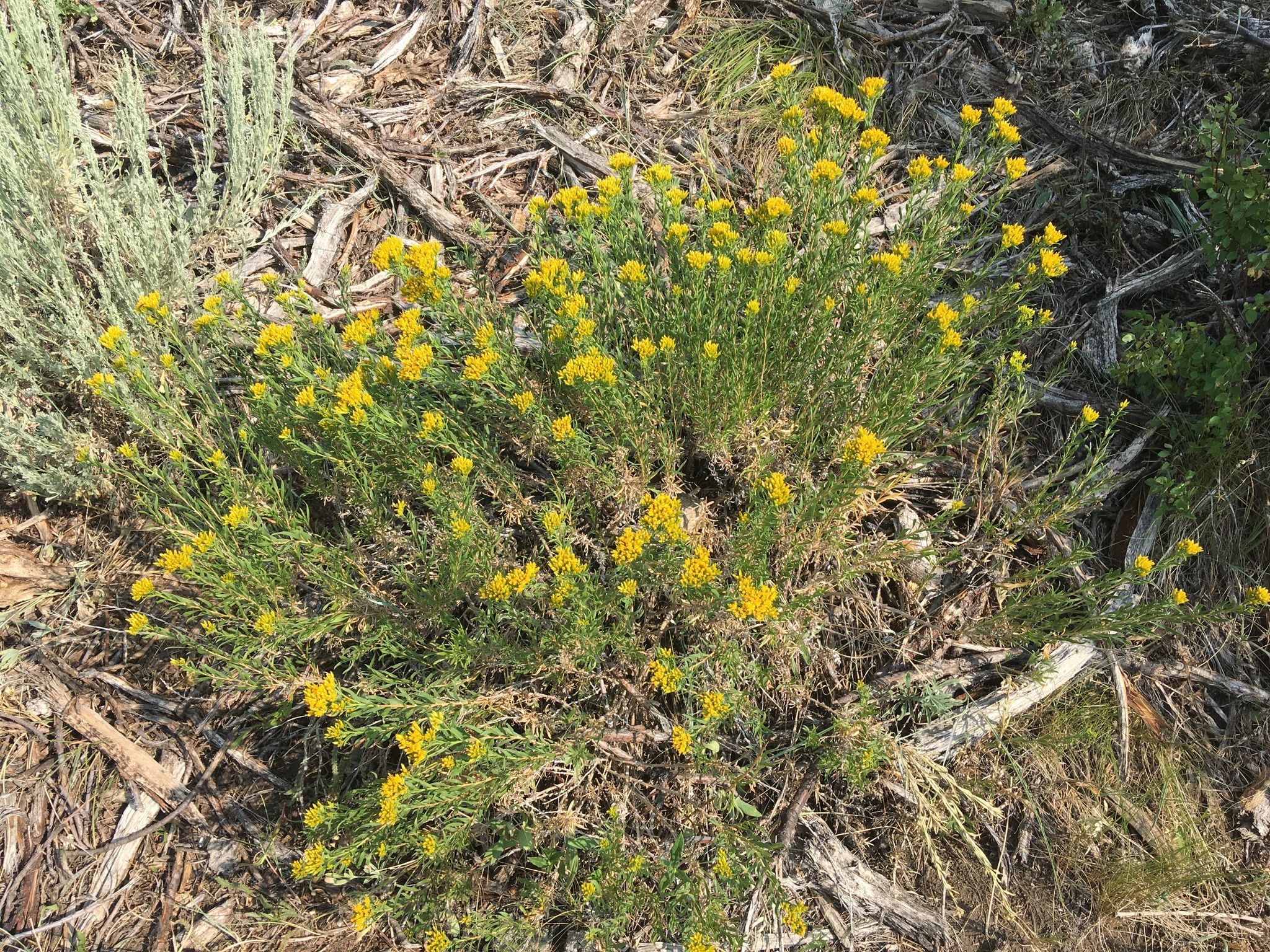
Goldenrods (*Solidago* spp.)

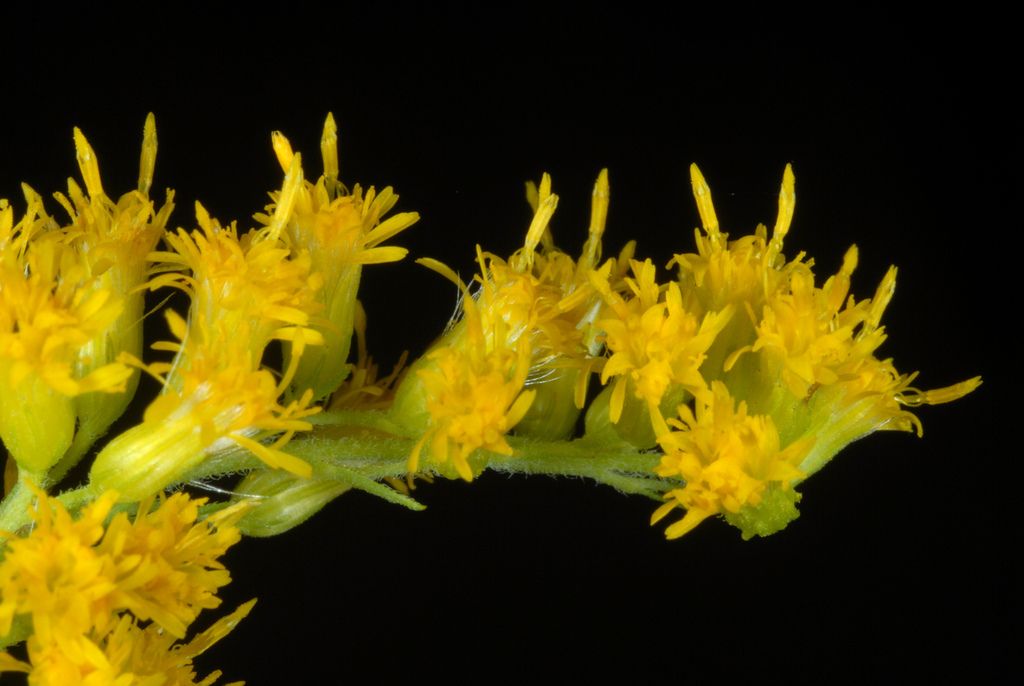
Goldenrods

Goldenrods are tough, sunny wildflowers in the genus Solidago that light up late-season gardens with golden blooms and provide reliable nectar and pollen when many other flowers are fading.

View plant profile
Penstemons (*Penstemon* (genus))

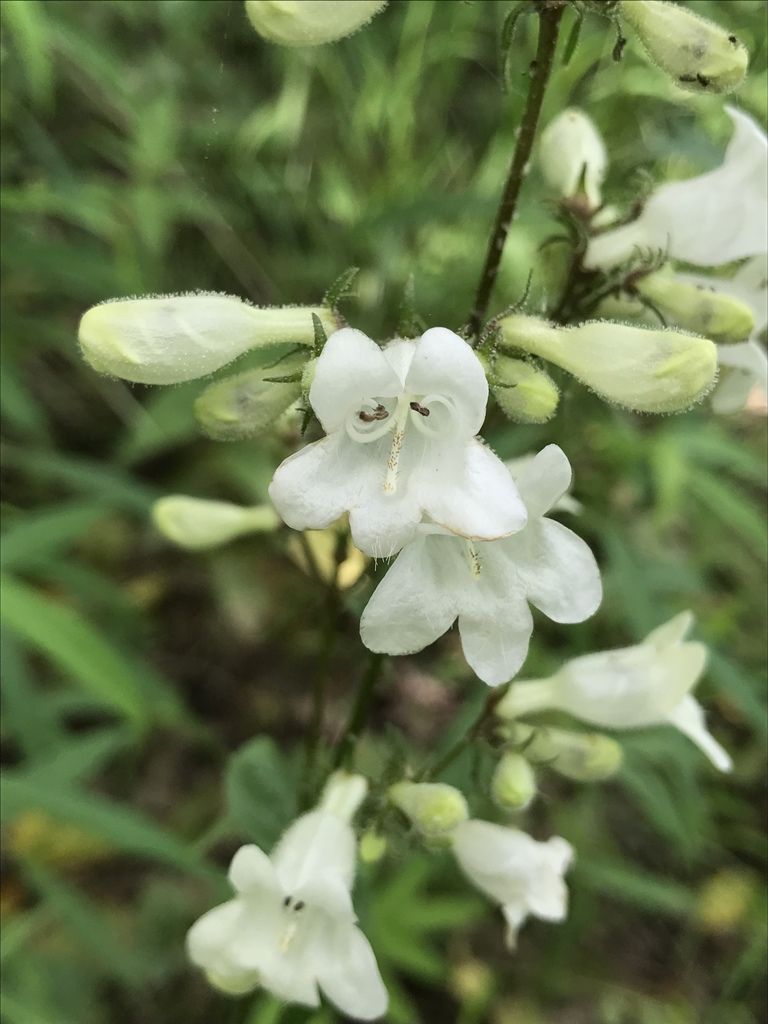
Penstemons

Penstemons (beardtongues) are hardy, flower-filled wildflowers that bring bright color and steady nectar to gardens and containers, especially in sunny spots with well-drained soil.

View plant profile
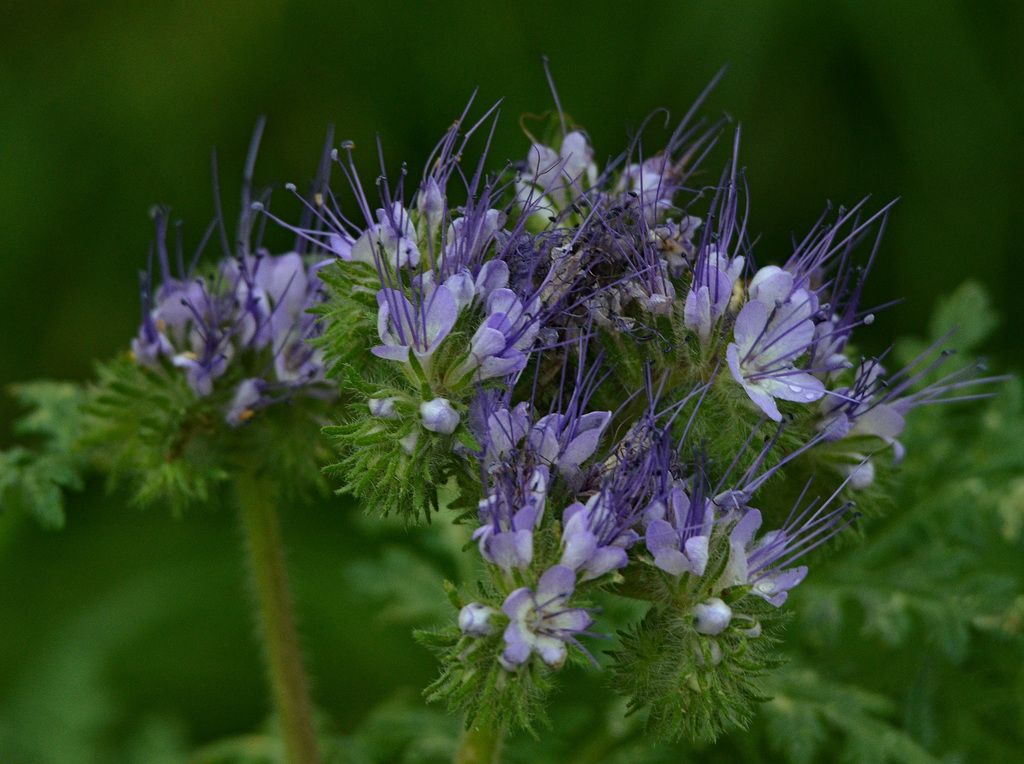
Phacelias (*Phacelia* spp.)

Phacelias

Phacelias are easygoing wildflowers in the genus Phacelia, known for their nectar-rich blooms that can bring lots of pollinator activity to gardens, schoolyards, and even containers.

View plant profile
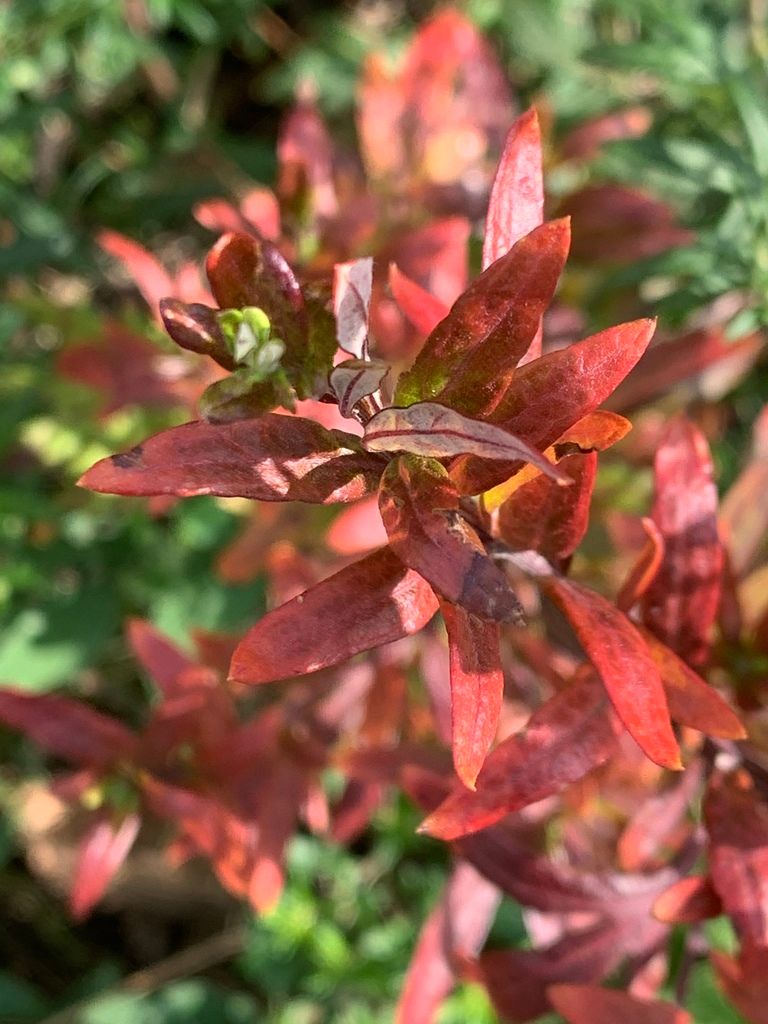
Rabbitbrush (*Ericameria* spp. / *Chrysothamnus* spp.)

Rabbitbrush

Rabbitbrush is a tough, sun-loving shrub known for its bright yellow late-season blooms that can help keep pollinators fed when many other flowers are fading.

View plant profile
Sagebrushes (*Artemisia* spp.)

Sagebrushes

Sagebrushes are tough, aromatic shrubs in the genus Artemisia that can anchor a dry, sunny habitat and offer shelter and seasonal nectar for a range of insects.

View plant profile
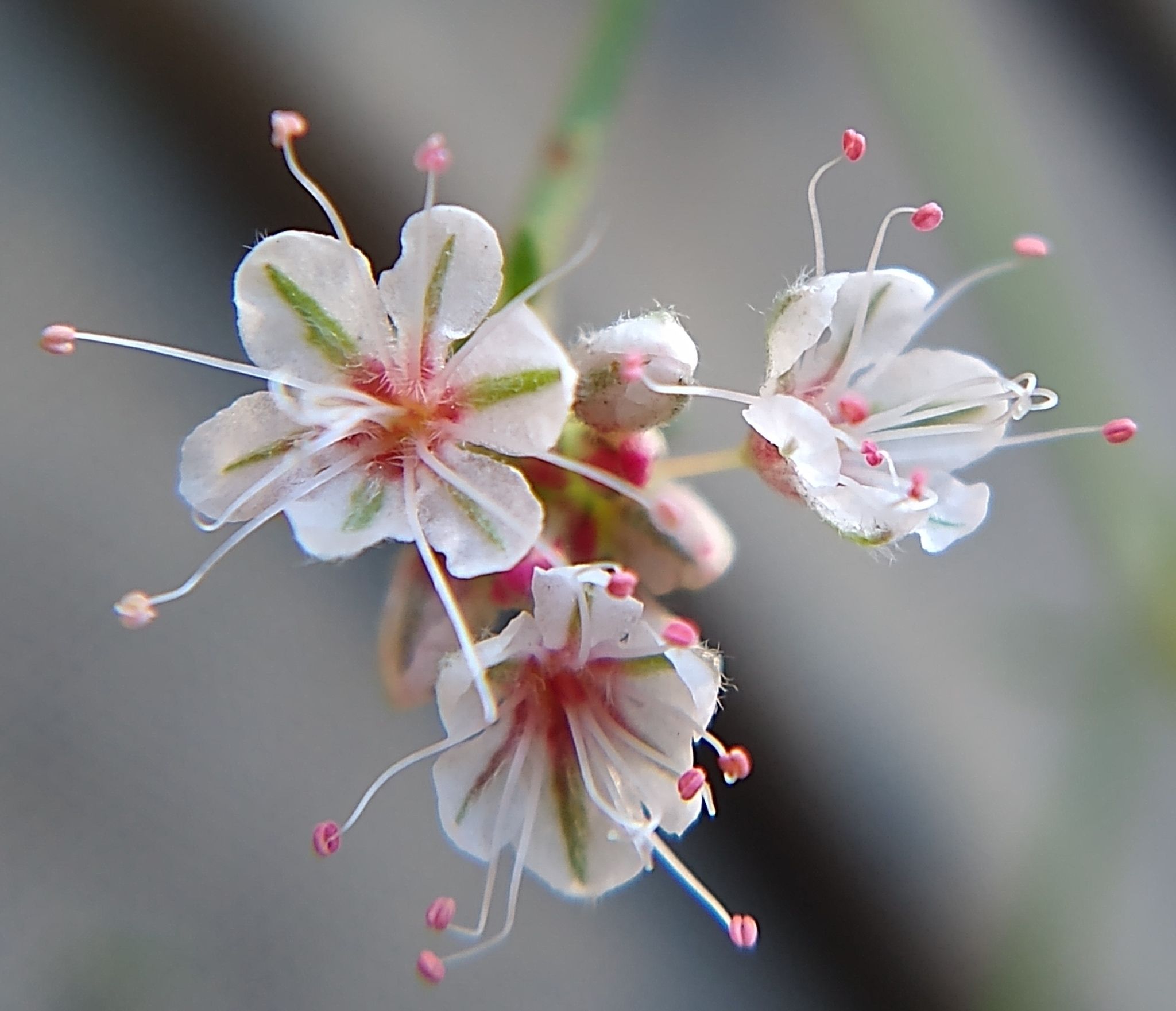
Wild buckwheats (*Eriogonum* (genus))

Wild buckwheats

Wild buckwheats (genus Eriogonum) are tough, long-blooming western native wildflowers that can turn dry, sunny spots into reliable pollinator stops.

View plant profile
Yarrow (*Achillea millefolium*)

Yarrow

Yarrow is a tough, easygoing wildflower that brings long-lasting blooms and steady pollinator visits to gardens, schoolyards, and even containers.

View plant profile

Pollinators

Pollinators active in this region

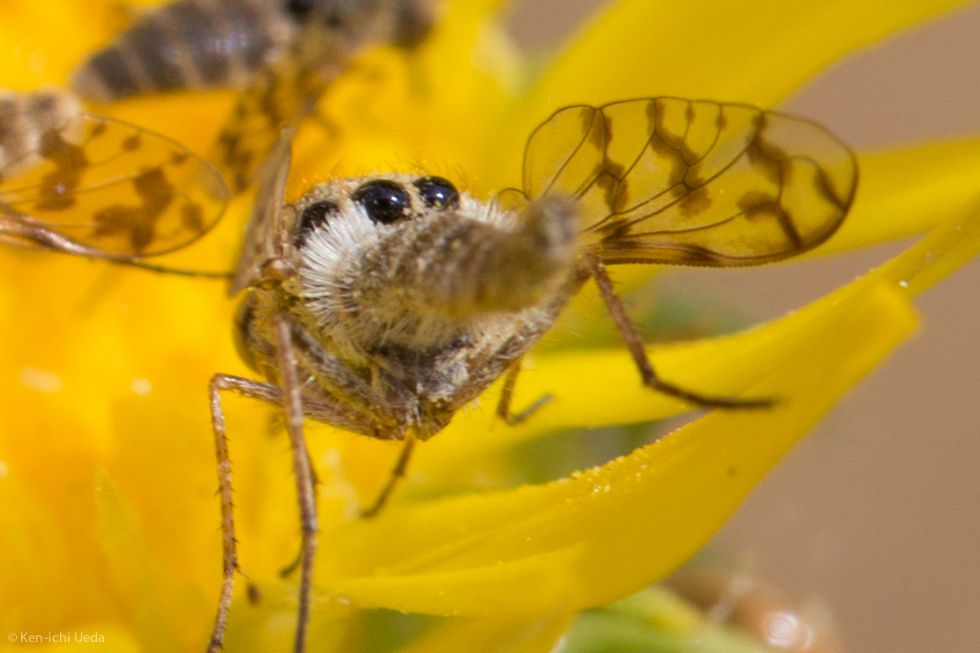
Bee flies (Family Bombyliidae)

Bee flies

Adults visit flowers for nectar and can move pollen between blooms; their presence is a sign of diverse, functioning habitats.

View pollinator profile
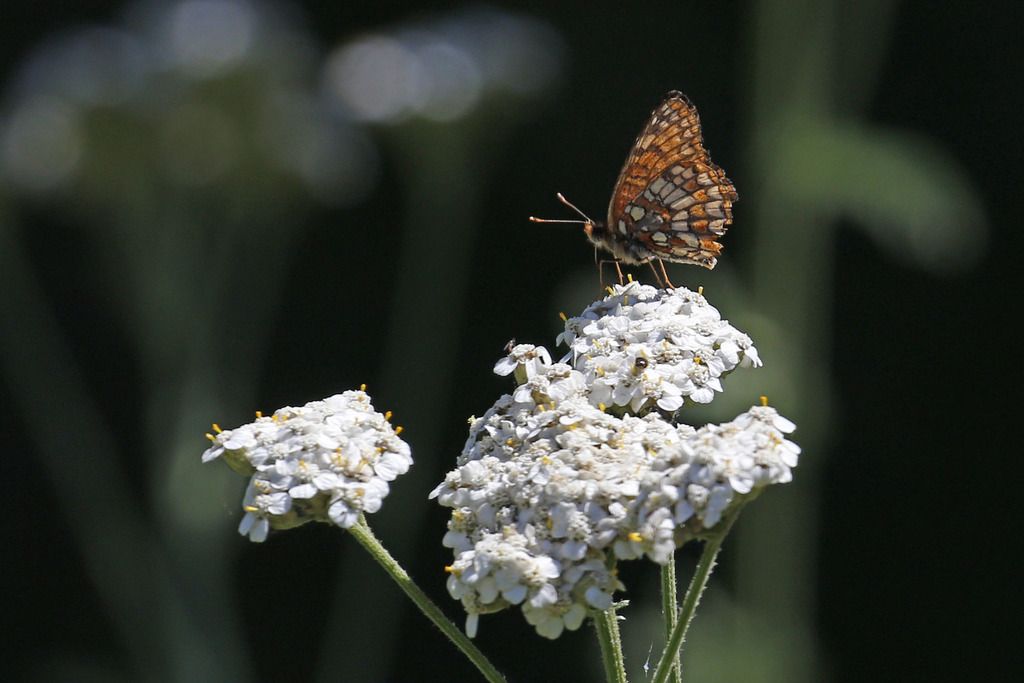
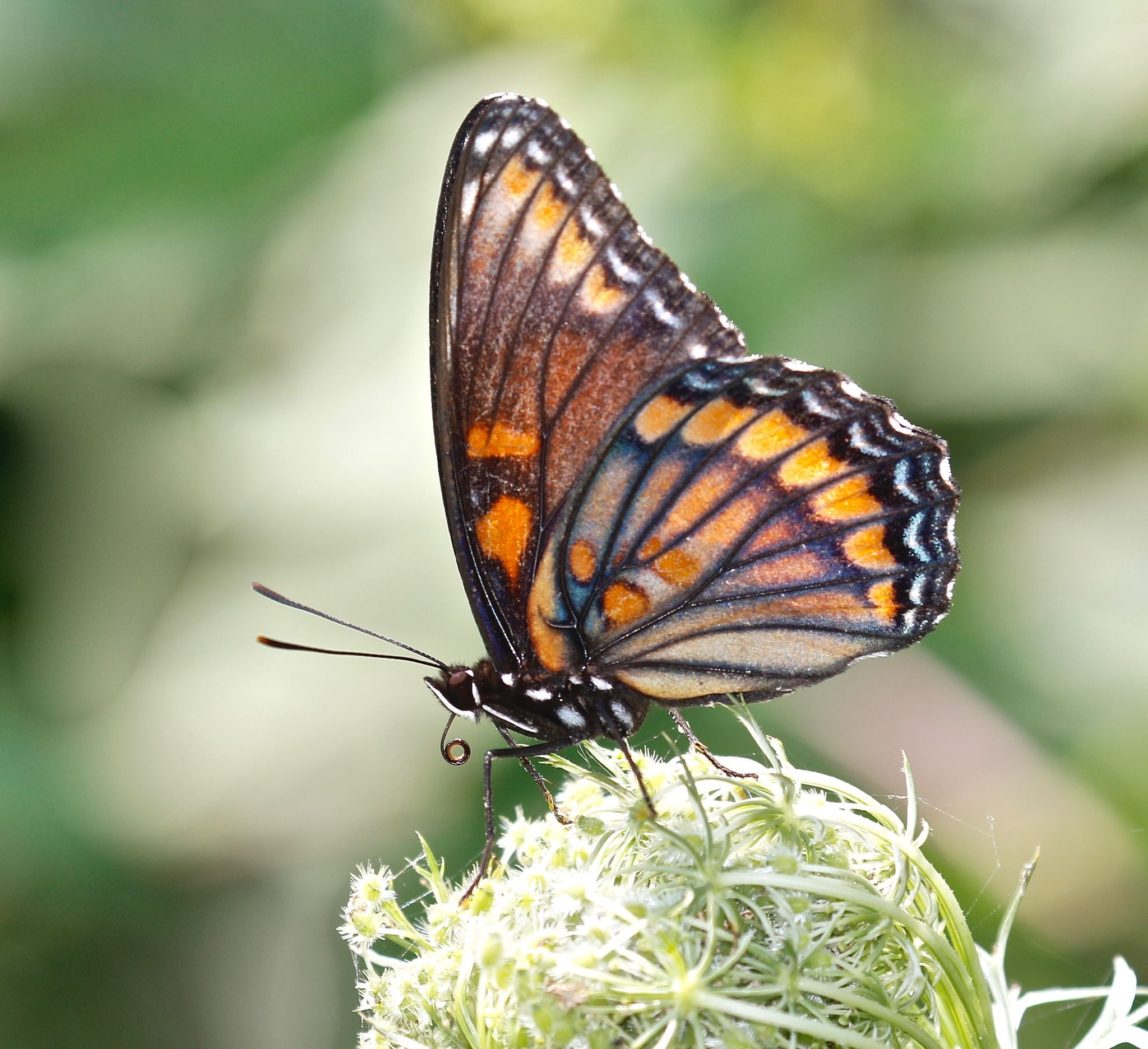
Brushfoots (Family Nymphalidae)

Brushfoots

Many brushfoots move pollen between flowers as they feed, and their caterpillars are part of healthy food webs.

View pollinator profile
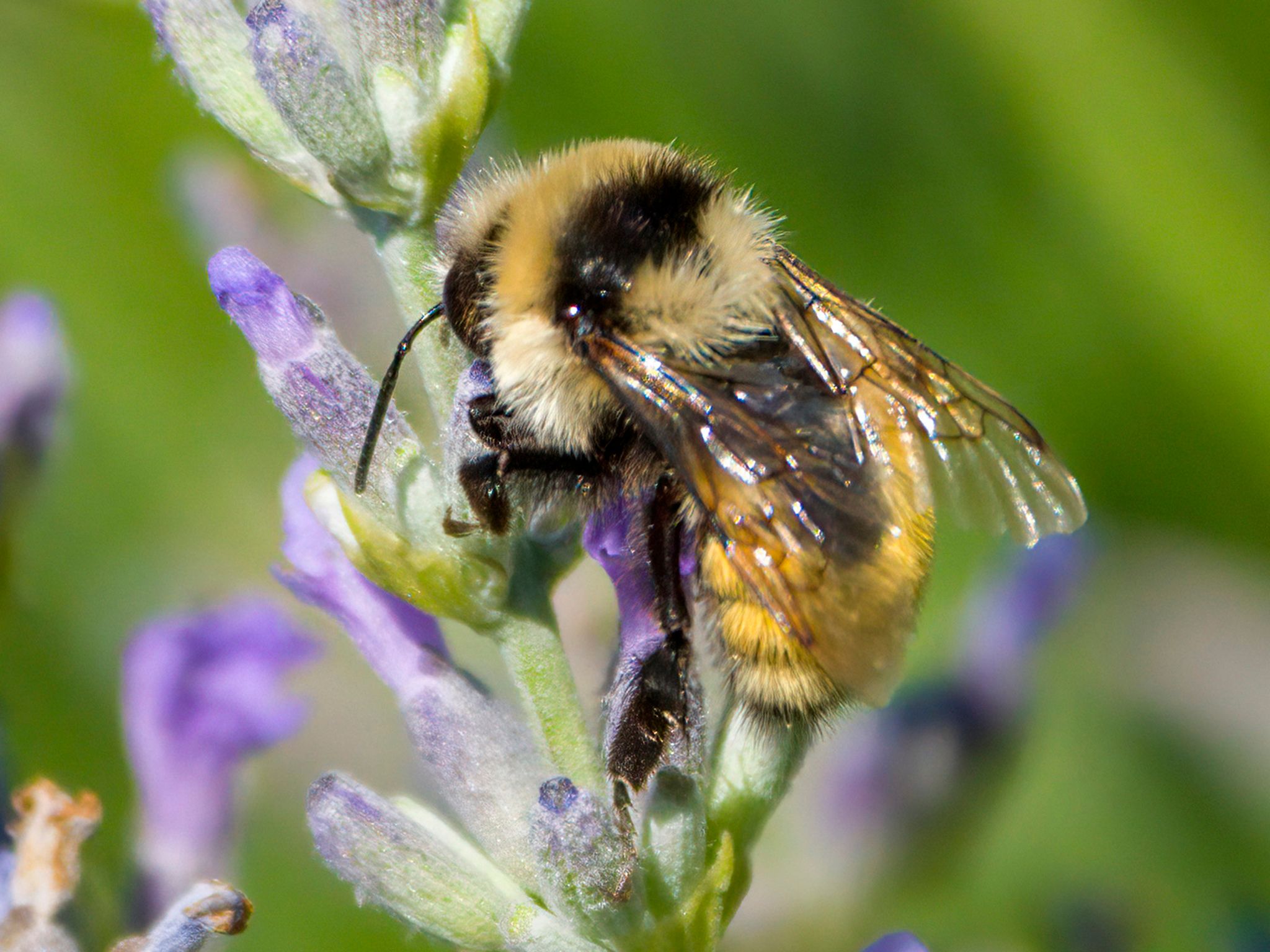
Bumble bees (Genus Bombus)

Bumble bees

Bumble bees are important pollinators of many wildflowers and garden plants, helping ecosystems and food crops reproduce.

View pollinator profile
F_hoverfly-01.jpg

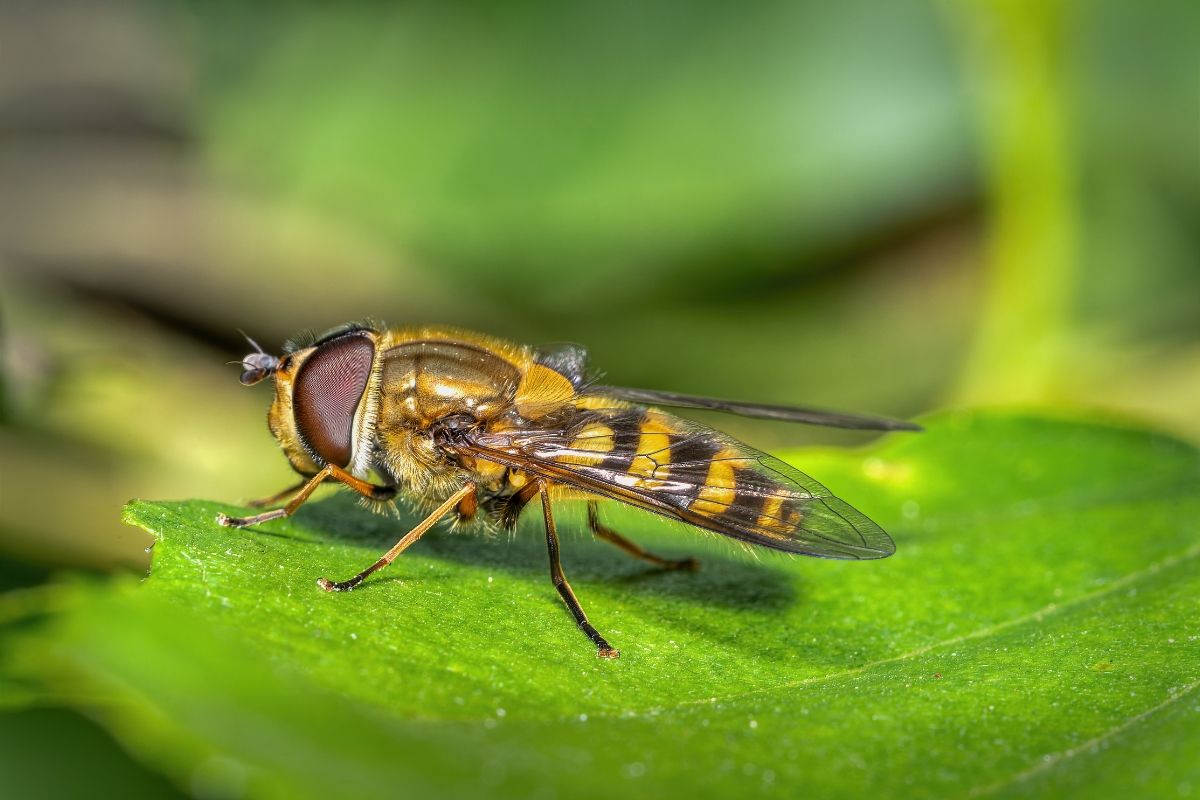
Flower flies / hoverflies

Adults visit flowers for nectar and pollen, and many species’ larvae help keep plant-eating pests in check.

View pollinator profile
Hawk / sphinx moths (Family Sphingidae)

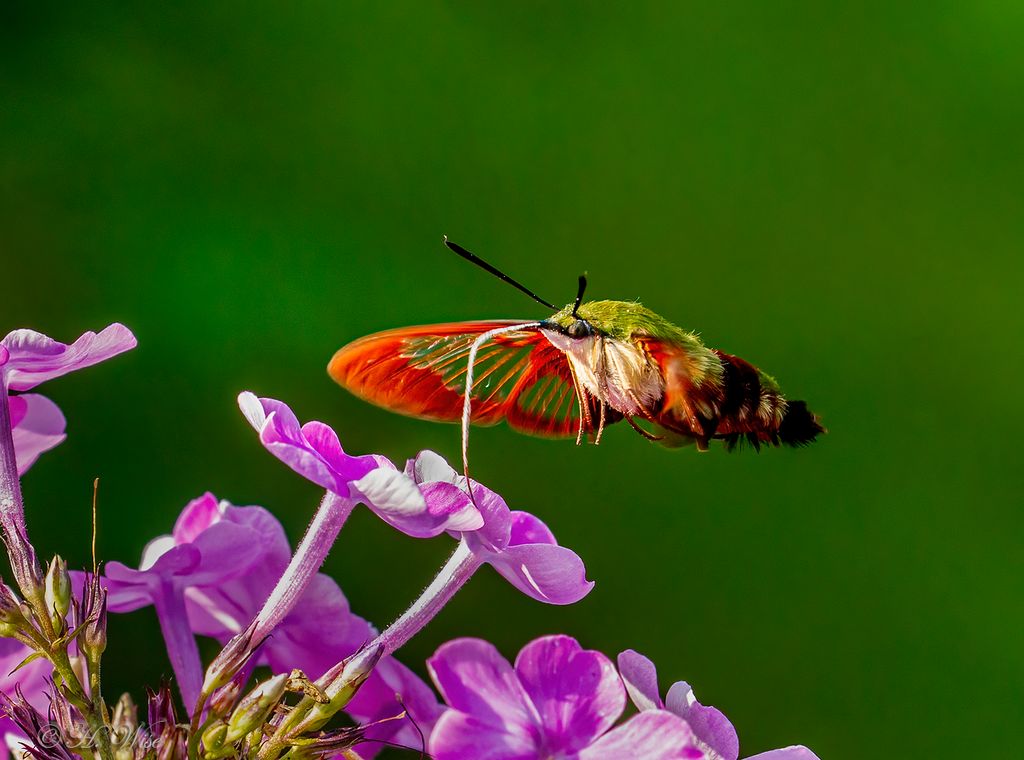
Hawk / sphinx moths

They can move pollen between flowers while feeding on nectar, especially for blooms that open or scent up in the evening.

View pollinator profile
Leafcutter bees (Genus Megachile)

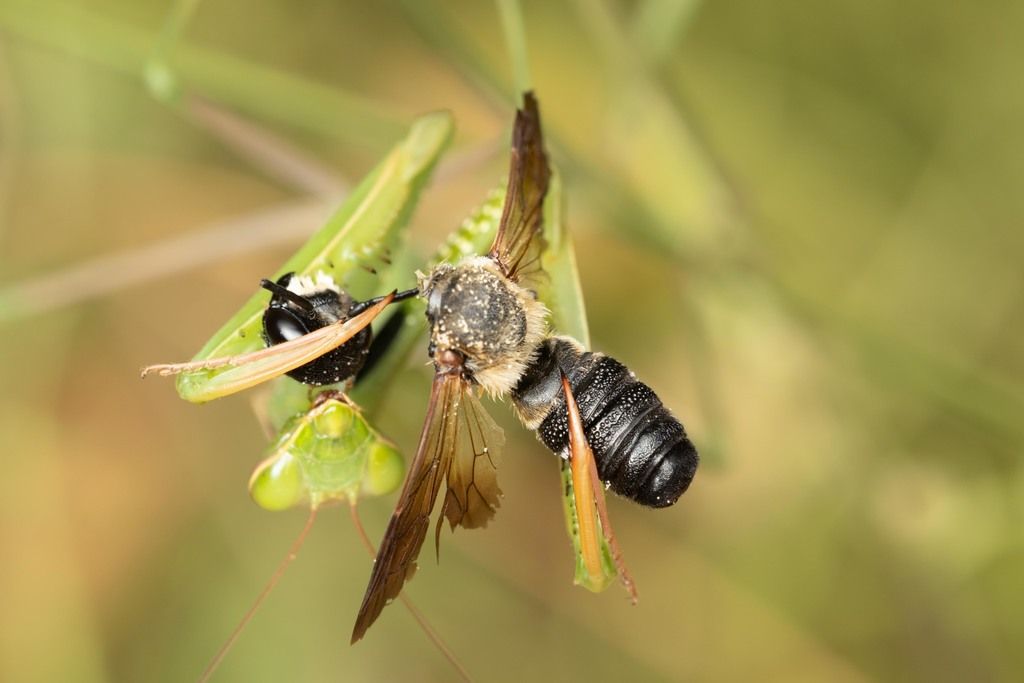
Leafcutter bees

They move pollen between flowers while foraging, helping many wild plants and garden plants set seed and fruit.

View pollinator profile
Mason bees (Genus Osmia)

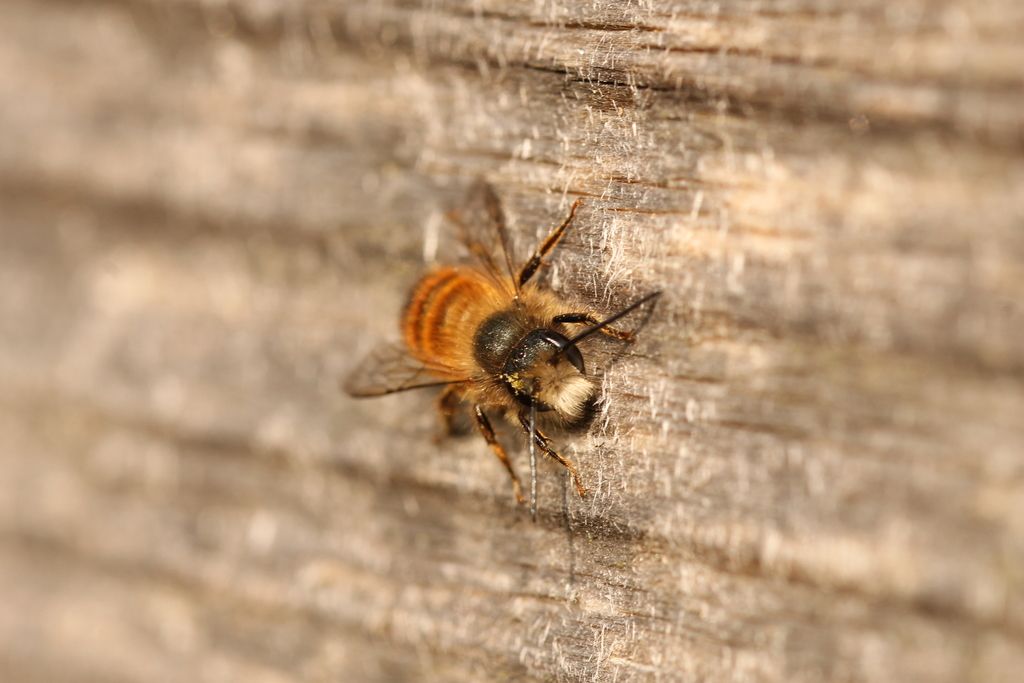
Mason bees

They move pollen between flowers while foraging, helping many wild plants and garden crops set seed and fruit.

View pollinator profile
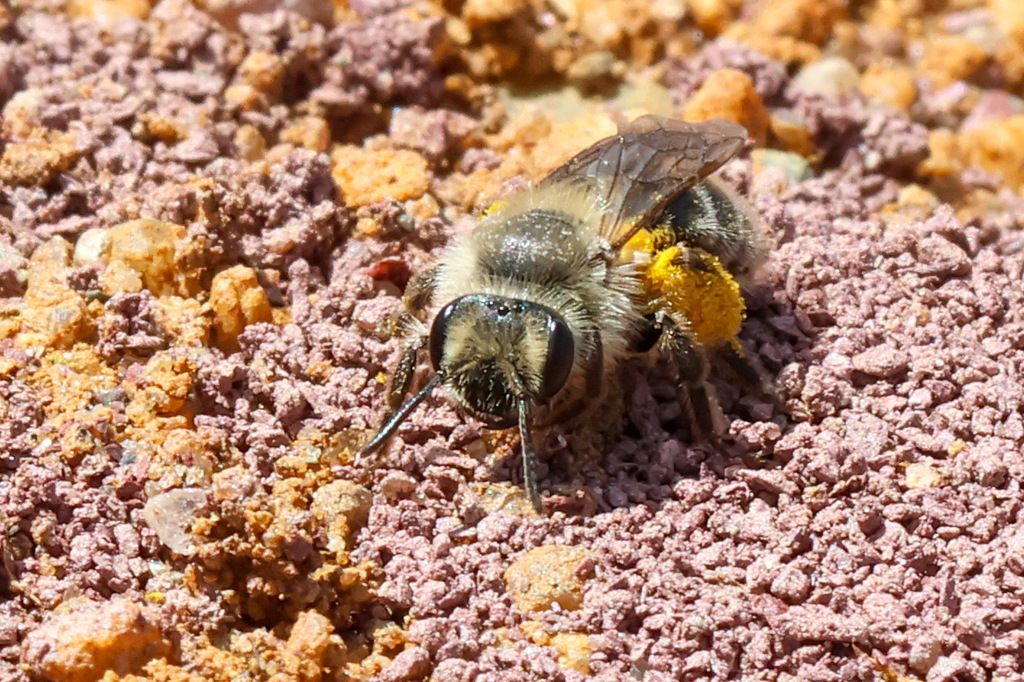
Mining bees (Genus Andrena)

Mining bees

They move pollen between flowers while foraging, helping many wild plants and garden plants set seed and fruit.

View pollinator profile
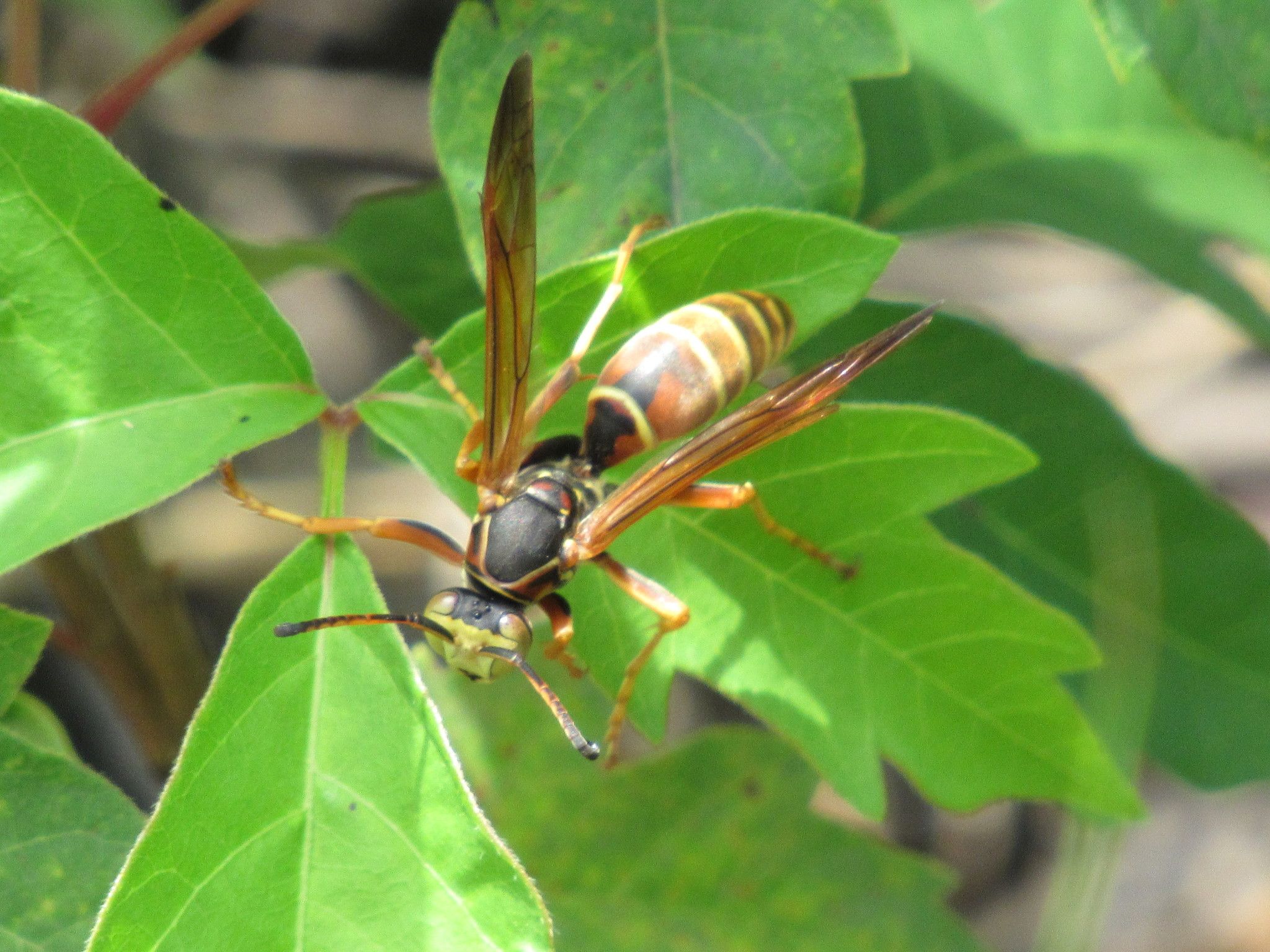
Paper wasps (Genus Polistes)

Paper wasps

They can move pollen while drinking nectar, and they also help control many plant-eating insects.

View pollinator profile
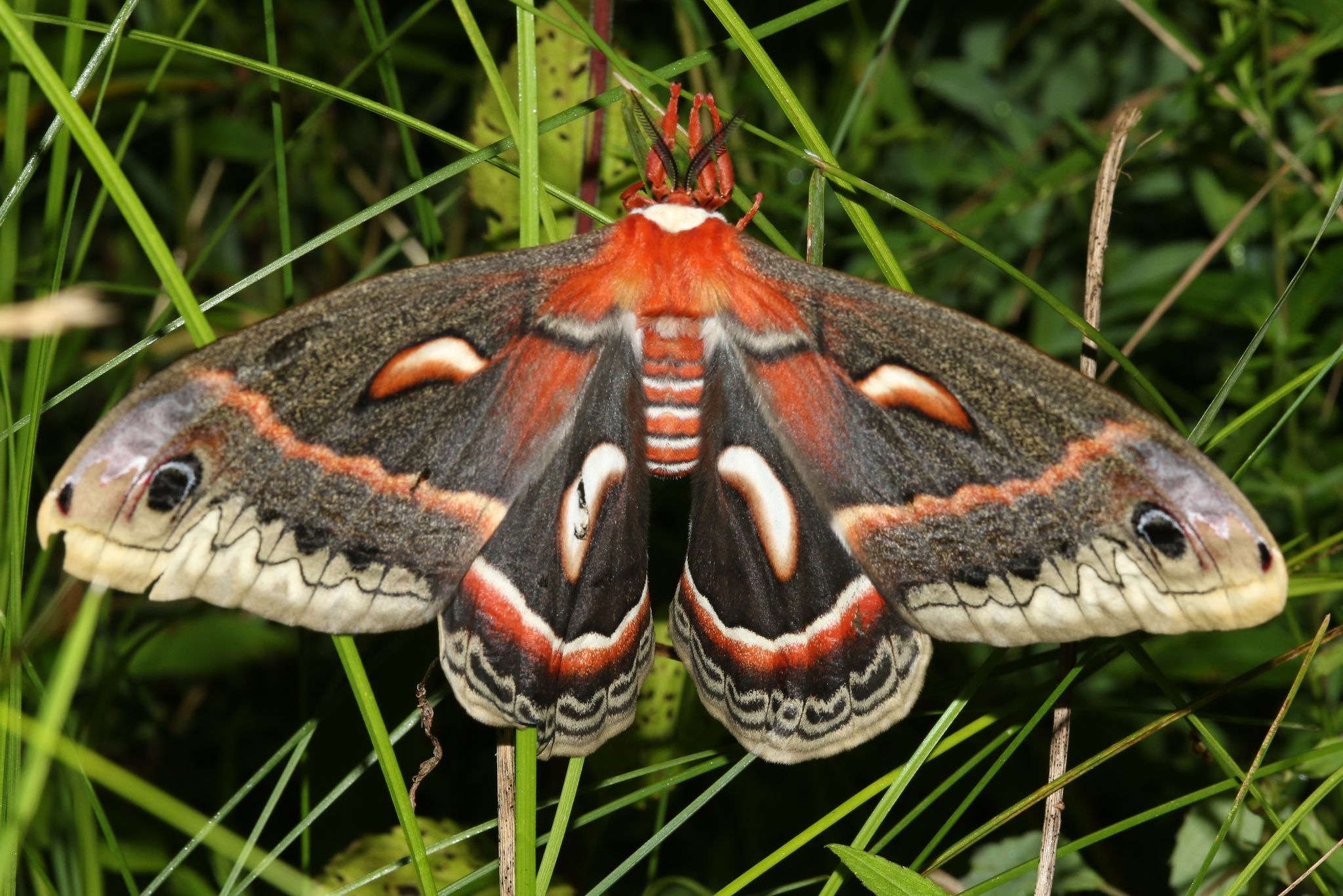
Silkmoths (giant moths) (Family Saturniidae)

Silkmoths (giant moths)

They’re part of healthy food webs and plant communities, and their caterpillars depend on a wide range of native trees and shrubs.

View pollinator profile
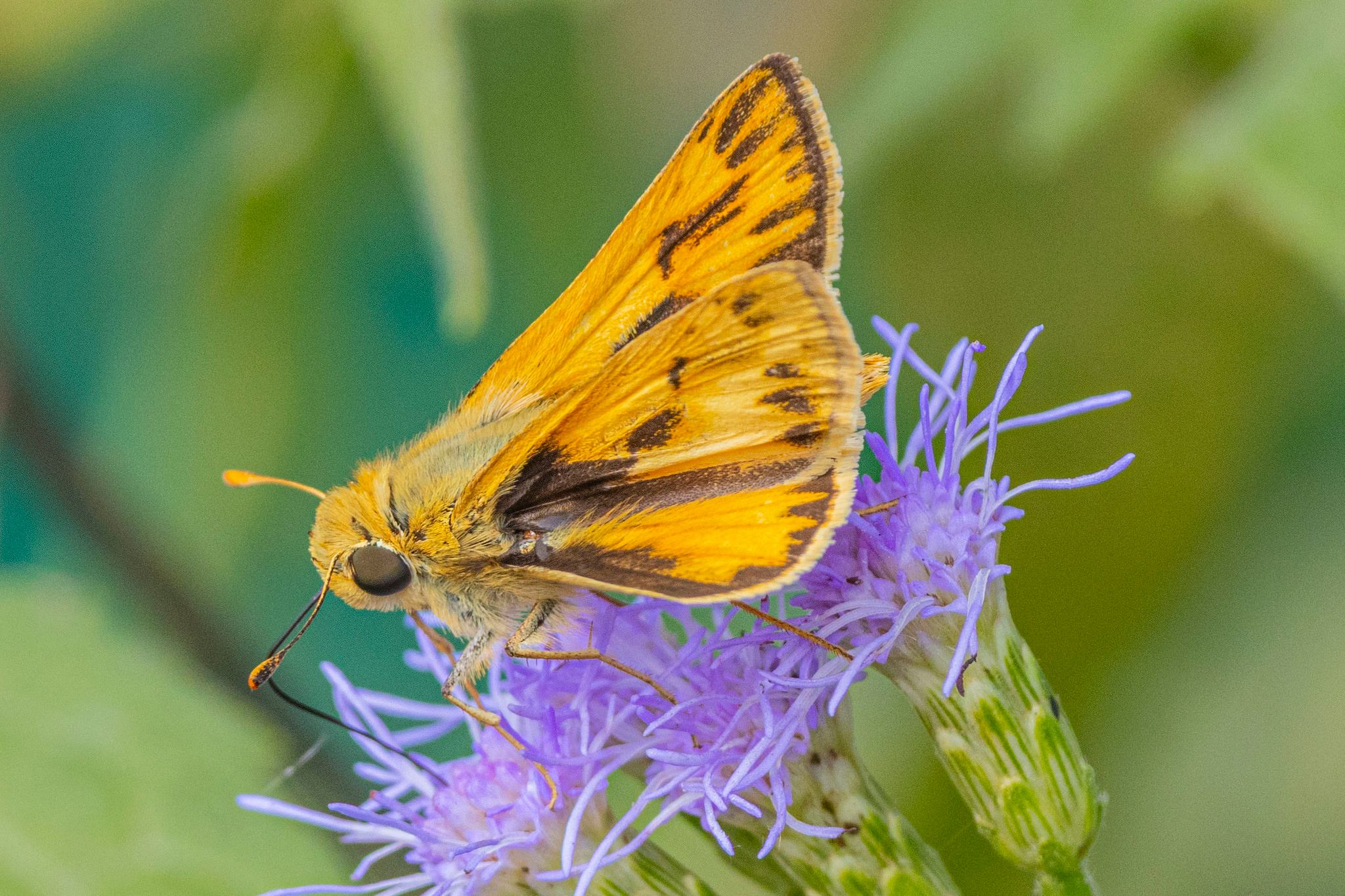
Skippers (Family Hesperiidae)

Skippers

Skippers visit many flowers for nectar and can help move pollen between blooms while they feed.

View pollinator profile
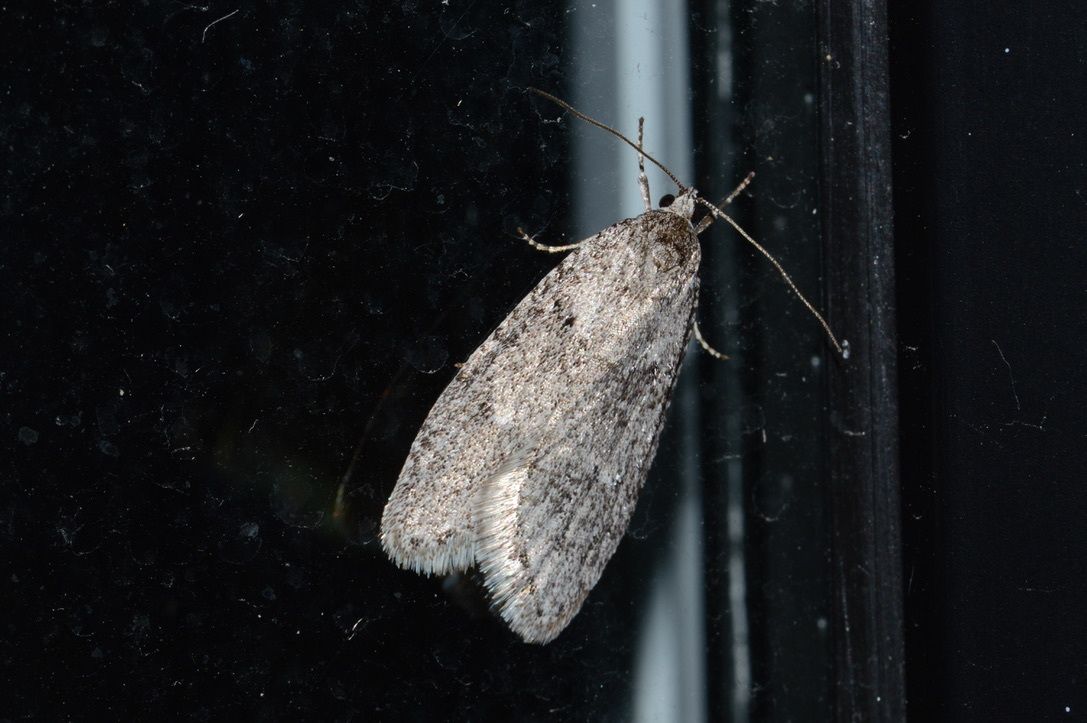
Small nectar moths (micro-moths) (Multiple families (varies))

Small nectar moths (micro-moths)

Many small moths move pollen while feeding on nectar, supporting wild plants and garden blooms—especially in the evening and at night.

View pollinator profile
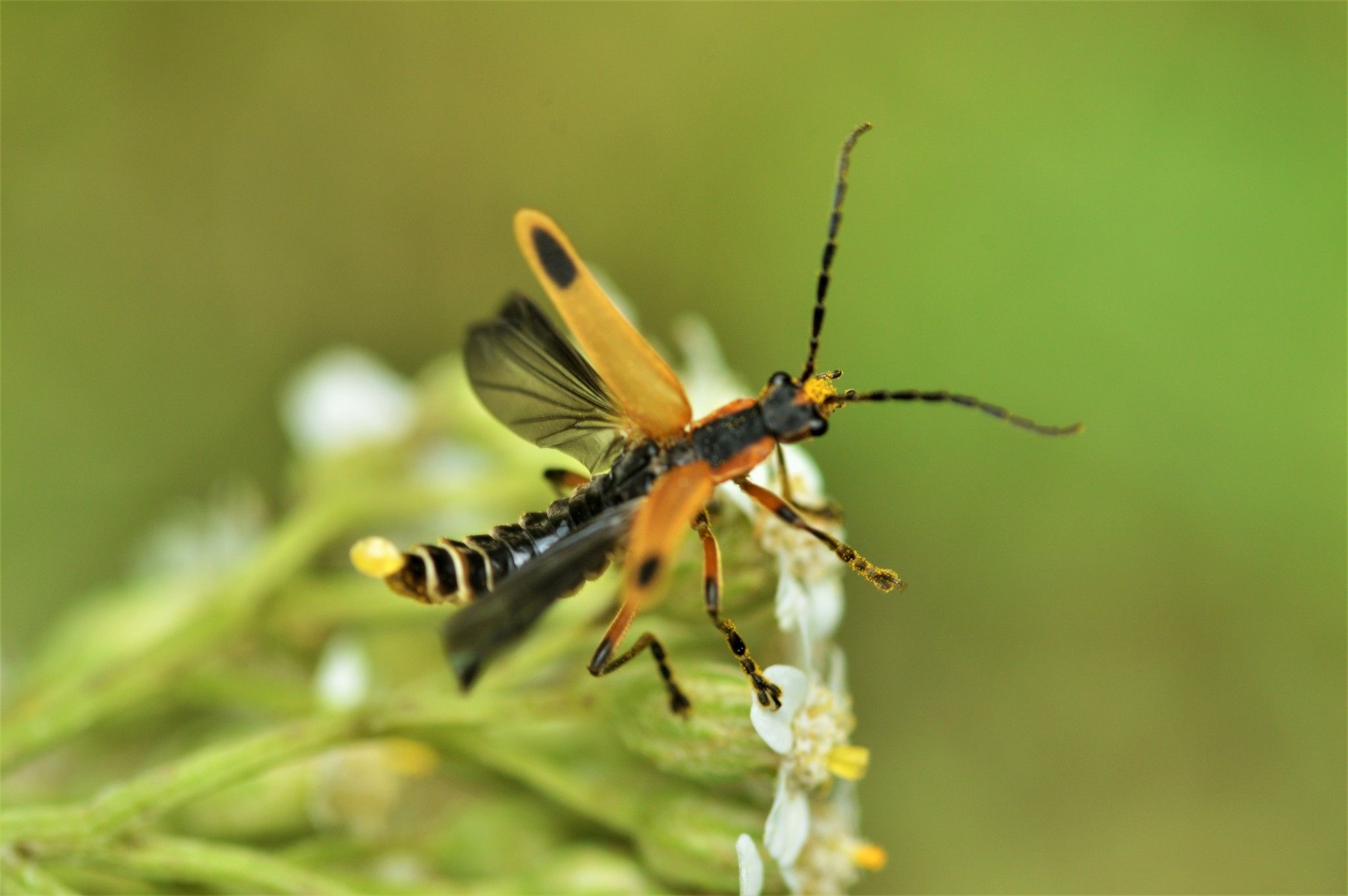
Soldier beetles (Family Cantharidae)

Soldier beetles

Many adults visit flowers and can move pollen between blooms, while also helping control some garden pests.

View pollinator profile
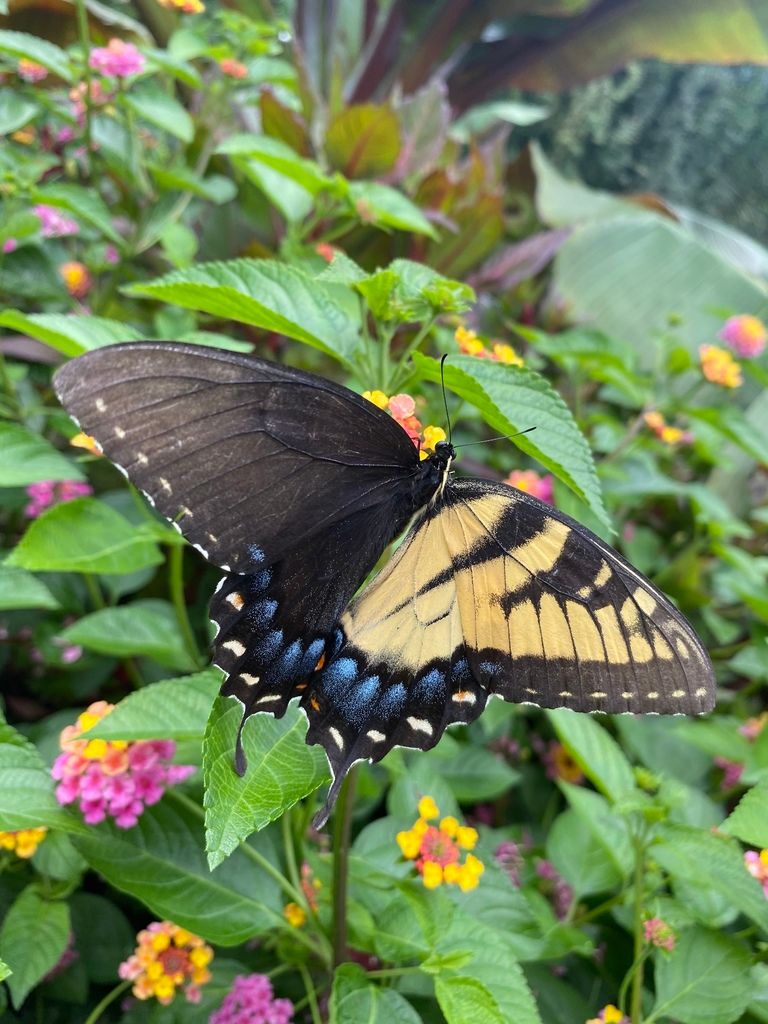
Swallowtails (Family Papilionidae)

Swallowtails

Adult swallowtails visit many flowers for nectar and can help move pollen between blooms as they feed.

View pollinator profile
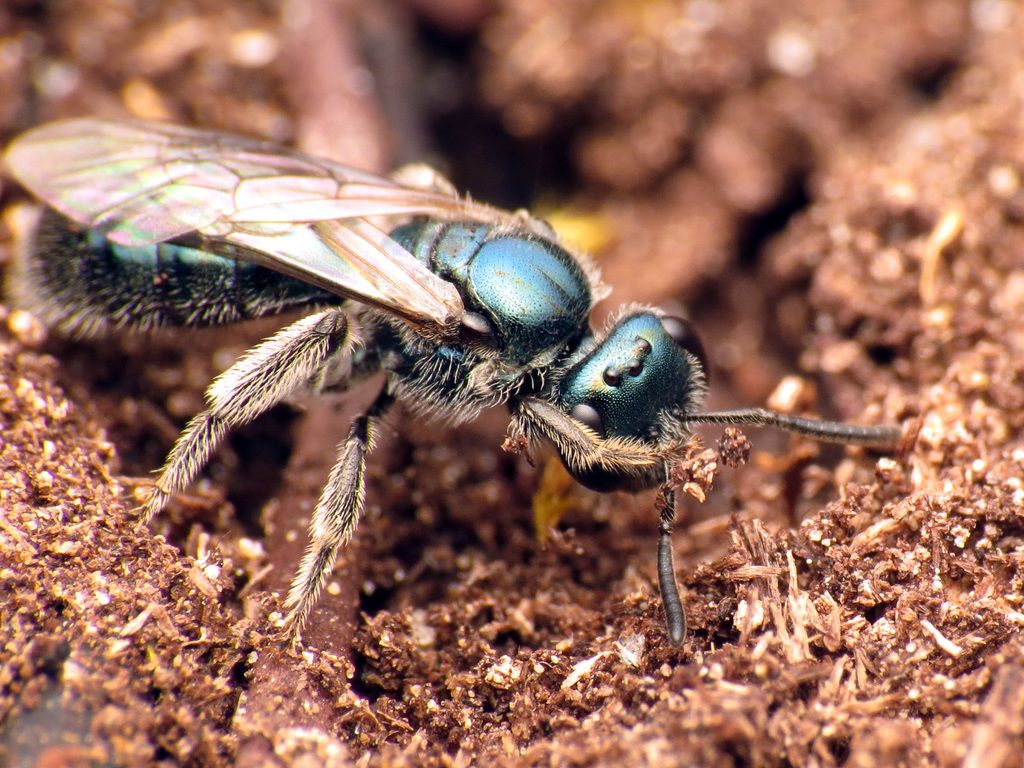
Sweat bees (Family Halictidae)

Sweat bees

They help move pollen between flowers in gardens, parks, and natural areas, supporting seed and fruit production.

View pollinator profile
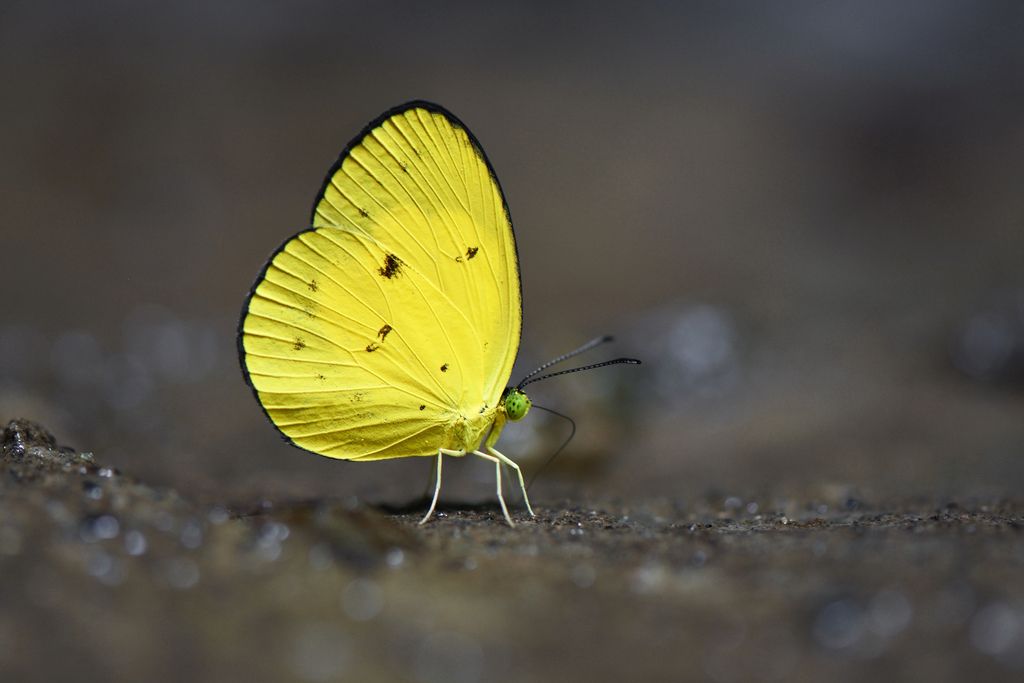
Whites & sulphurs (Family Pieridae)

Whites & sulphurs

They visit a wide range of flowers for nectar and can help move pollen between blooms as they feed.

View pollinator profile