Skip to content
Region profile

Coastal Plain with Low Tropical Deciduous Forest

Coastal Plain with Low Tropical Deciduous and Thorn Forest (Planicie costera con selva baja caducifolia y espinosa) is a subregion in the northeastern part of the country, primarily within Tamaulipas, characterized by diverse climates, diminished original vegetation due to agricultural and livestock activities, numerous fluvial systems, and a dominance of these economic activities.

Zone

Prairie

Common Name

Coastal Plain with Low Tropical Deciduous Forest

CEC Level III Code

14.1.1

CEC Level II Code

14.1 Tropical Dry Forests

Overview

About This Region

The Coastal Plain with Low Tropical Deciduous Forest is a vital, biodiverse region characterized by dry, thorn-filled woodlands and coastal ecosystems. Pollinators, including native bees, butterflies, and hummingbirds, thrive on the seasonal blooms. Key threats to these species include habitat fragmentation due to agriculture and coastal development, pesticide use, and the impacts of shifting weather patterns. Conservation efforts must focus on maintaining connectivity between forest patches and promoting sustainable land management to ensure the survival of this region’s essential pollinators.

Region facts

At a glance

AliasesCoastal Plain with Low Tropical Deciduous Forest
Geographic Range
This subregion is located in the northeastern part of the country, primarily within the state of Tamaulipas, but also covering small portions of San Luis Potosí and Veracruz, and spans approximately 24,940 km2.
Climate SnapshotThis region experiences three climate types—semi-dry in the north, sub-humid and semi-warm in the center, and sub-humid and warm in the south—with temperatures between 20 and 24°C and annual precipitation ranging from 700 to 1,200 mm.
Terrain ProfileThe subregion is physiographically part of the Northern Gulf Coastal Plains, with elevations varying from 300 masl in Ciudad Victoria to less than 100 masl in the plains and bajadas, characterized by marine sedimentary rocks and Quaternary soils.
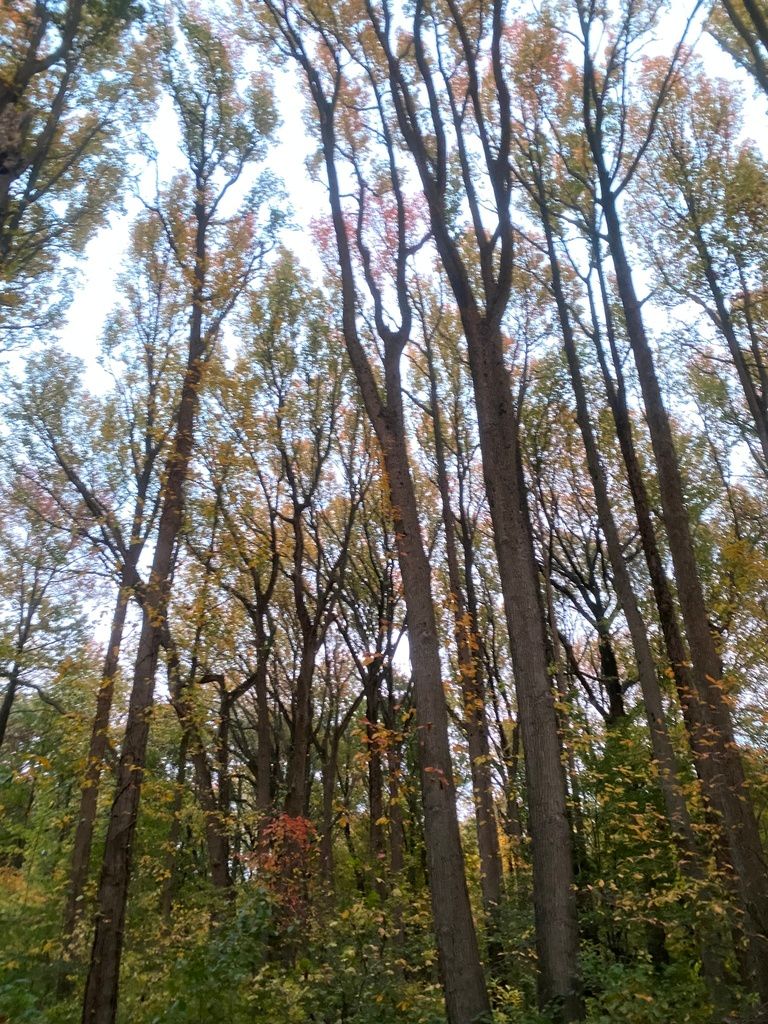
Vegetation CoverOriginal vegetation has been significantly reduced due to livestock and agricultural activities, with remaining types including Tamaulipan thornscrub, sub-mountain shrub, mesquite vegetation, tropical thorn forest, tropical deciduous forest, tular, mangrove, and halophytic vegetation.
Wildlife HabitatThe subregion is characterized by limited biodiversity, but includes populations of white-tailed deer, wild boar, coyote, and various birds like the white-winged dove, with important wetlands serving as nesting, wintering, and breeding areas for local and migratory birds and marine life.

Eco snapshot

What shapes this region

Climate pattern

  • Typically seasonal rainfall: a greener wet season and a more stressful dry season.
  • Coastal influence can moderate temperatures and increase wind exposure.
  • Microclimates (small local weather differences) can make one yard much drier or shadier than another.
Vegetation profile

Original vegetation has been significantly reduced due to livestock and agricultural activities, with remaining types including Tamaulipan thornscrub, sub-mountain shrub, mesquite vegetation, tropical thorn forest, tropical deciduous forest, tular, mangrove, and halophytic vegetation.

Wildlife profile

The subregion is characterized by limited biodiversity, but includes populations of white-tailed deer, wild boar, coyote, and various birds like the white-winged dove, with important wetlands serving as nesting, wintering, and breeding areas for local and migratory birds and marine life.

Why pollinators matter here

  • Pollinators help many native plants set seed and maintain healthy plant communities.
  • Seasonal dry periods can create “nectar gaps,” so well-timed blooms are especially valuable.
  • Forest edges, hedgerows, and flowering shrubs can be key feeding zones.
  • Nesting habitat (bare ground, stems, cavities) can be limited where land is heavily managed or frequently cleared.

Seasonal timing

Planting seasons

Timing varies by microclimate; use this as a flexible guide.

Seasonal timing

  • Start of wetter period: often best for planting so roots establish with less irrigation.
  • Wet season: good for adding more plants and observing which areas stay soggy vs. well-drained.
  • Transition to dry season: focus on mulching and deep, infrequent watering for new plants.
  • Dry season: prioritize maintenance, shade/soil protection, and drought-tough bloomers.

Quick seasonal checklist

  • Add 2–3 plant species that bloom at different times.
  • Mulch to protect soil moisture (keep mulch away from plant crowns).
  • Provide a small water source (shallow dish with stones) during dry spells.
  • Leave some stems/leaf litter for nesting and shelter.

Yearly needs

Pollinator calendar

What pollinators need throughout the year, and what to do about it.

Late winter/early springEarly nectar/pollen; safe shelter as conditions shiftPlant or protect early-blooming natives; avoid “cleaning up” all leaf litter and stems at once
SpringSteady bloom and nesting materialsAdd a mix of flowering shrubs + herbs; leave some bare, well-drained soil for ground nesters
SummerReliable flowers, water, and shade during heatKeep a shallow water dish; prioritize heat- and drought-tolerant native bloomers; mulch for soil moisture
Late summer/fall“Bridge blooms” to cover gaps; seed set for next yearPlant late-blooming natives; let some plants go to seed; reduce trimming until after flowering
Winter or Dry SeasonSurvival resources: shelter, occasional blooms, and waterProtect nesting areas; keep pesticide-free; add drought-season bloomers and maintain a small water source when needed

Seed mix concept

A Billion Small Steps Seed mix

In a seasonal dry-forest coastal plain, a practical seed-mix plan is about covering the “gaps”:

Spring starter

Spring starter: fast-establishing native annuals/perennials that bloom early in the greener period.

Summer bridge

Summer bridge: heat-tough native flowers that keep nectar available through hotter stretches.

Fall finisher

Fall finisher (or late-season finisher): late bloomers that carry pollinators toward the driest months and help set seed.

What You Can Do

Make a difference for native habitats.

Turn this knowledge into action. Whether you plant a single pot or a whole garden, you are building a vital bridge for local biodiversity.

Join the movement to restore our shared habitats.

Native plants

Plants that thrive in this region

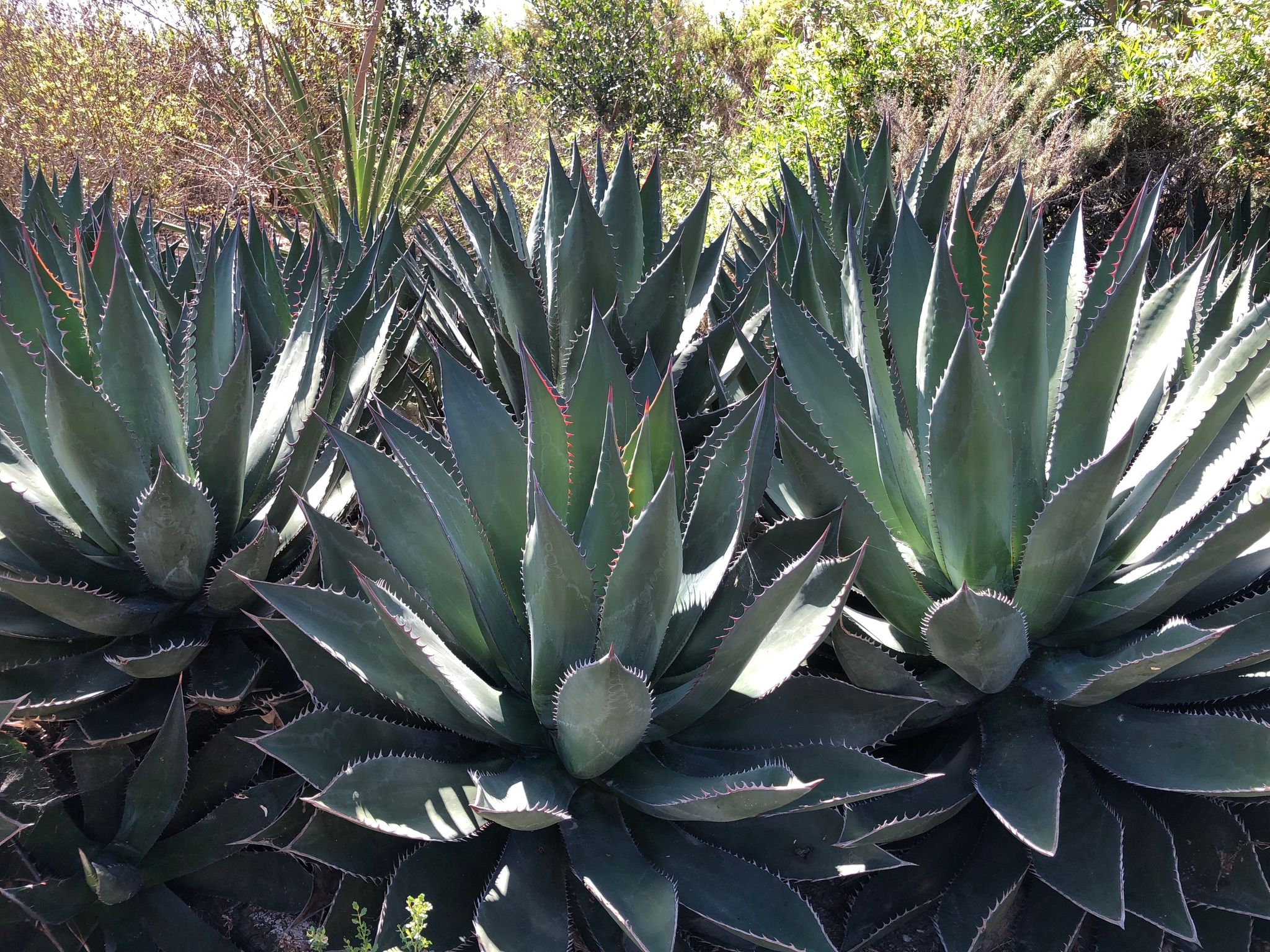
Agaves (*Agave* (genus))

Agaves

Agaves are bold, sculptural succulents that store water in thick leaves and thrive in bright, dry spots. Their flowers can be a big seasonal draw for pollinators when plants are mature and in bloom.

View plant profile
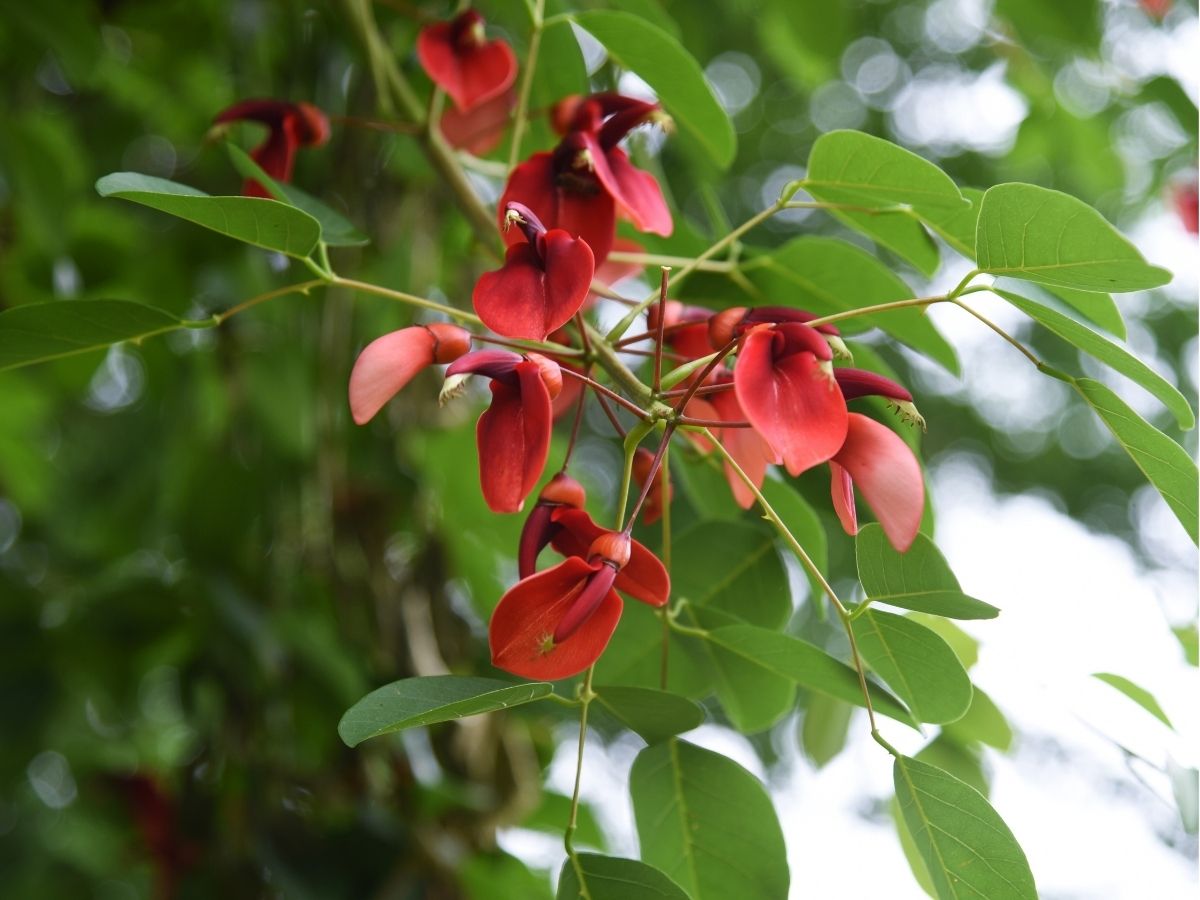
F_trees-erythrinas-mexico.jpg

Erythrinas

Erythrinas (coral trees) are showy flowering trees in the genus Erythrina, known for bold, nectar-rich blooms that can be a seasonal food stop for pollinators in warm gardens.

View plant profile
Inga (*Inga* (genus))

Inga

Inga is a group of tropical trees (genus Inga) known for fluffy, brush-like flowers and long pods. In warm climates, it can be a shade tree that also offers nectar and pollen for a variety of insects.

View plant profile
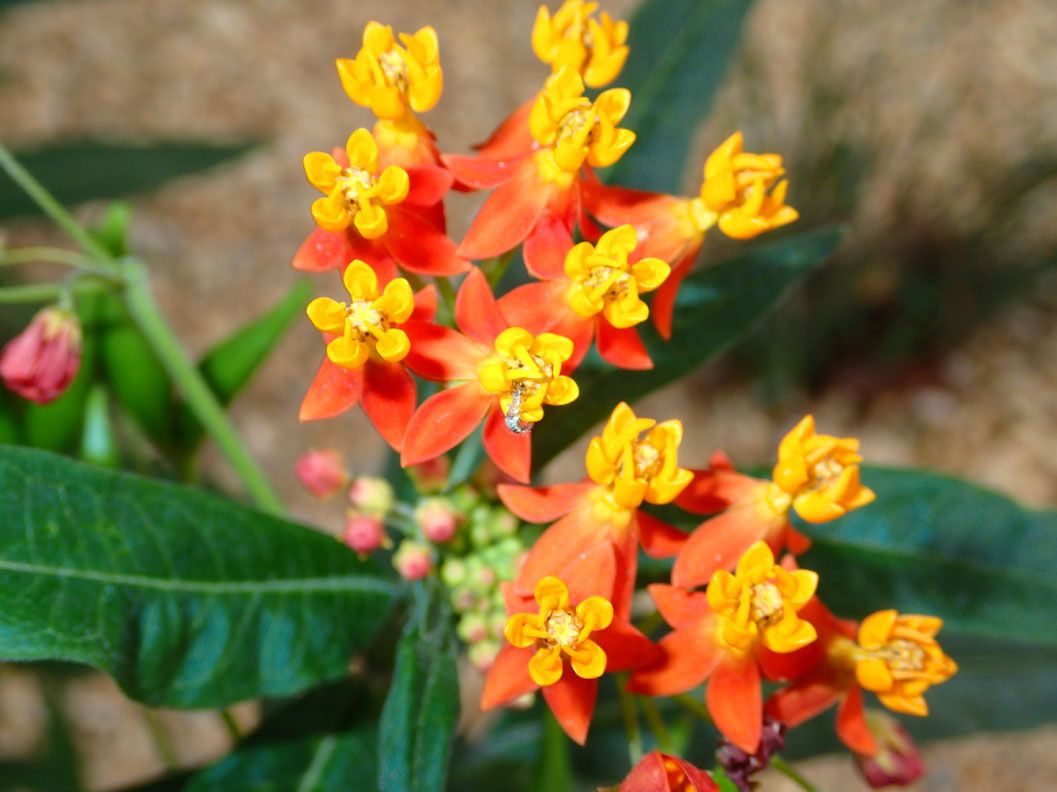
Milkweeds (*Asclepias* spp.)

Milkweeds

Milkweeds from tropical Mexico (genus Asclepias) are nectar-rich wildflowers that can add bright blooms and pollinator activity to sunny gardens and containers.

View plant profile
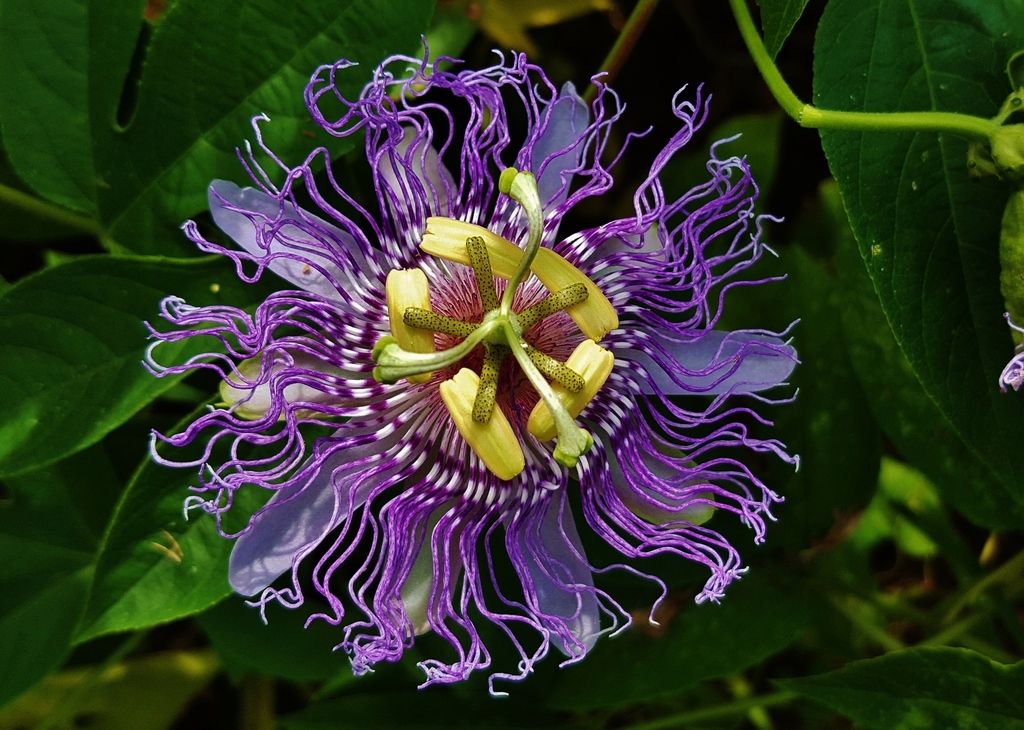
Passionflowers (*Passiflora* spp.)

Passionflowers

Passionflowers (genus Passiflora) are climbing vines known for their intricate, otherworldly blooms and their ability to add vertical color to fences, trellises, and sunny walls.

View plant profile
Salvias (Mexico diversity) (Salvia spp.)

Salvias

Salvias are a big, colorful group of flowering plants in the genus Salvia, with especially rich diversity in Mexico. Many are easy, pollinator-friendly garden plants that bloom over a long season when given sun and well-drained soil.

View plant profile
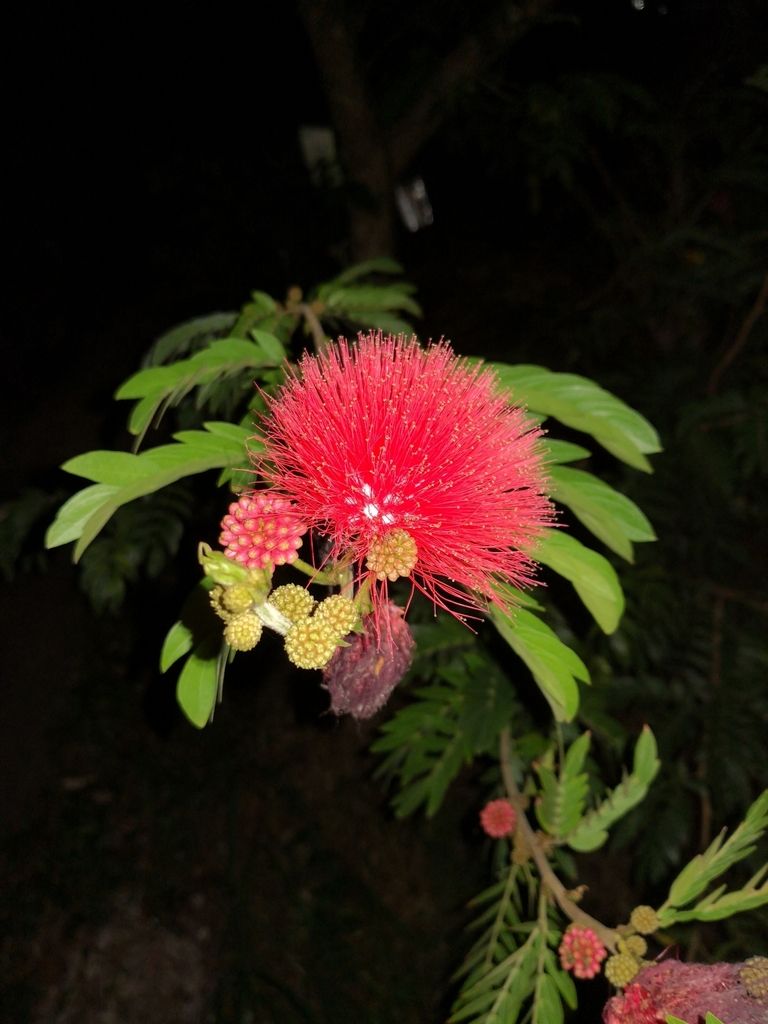
Wild lilacs (*Calliandra* spp.)

Wild lilacs

Wild lilacs (genus Calliandra) are warm-climate shrubs known for fluffy “powderpuff” blooms that can add color and pollinator activity to sunny gardens and patios.

View plant profile

Pollinators

Pollinators active in this region

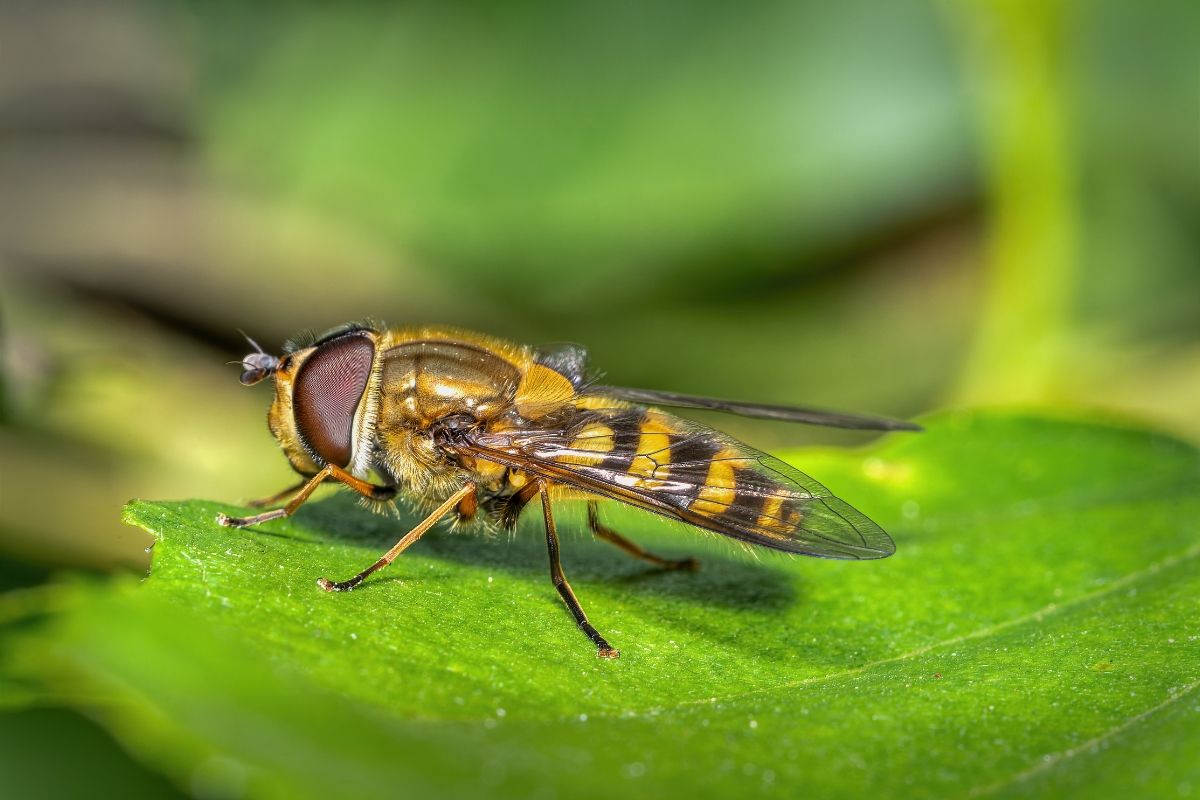
F_hoverfly-01.jpg

Flower flies / hoverflies

Adults visit flowers for nectar and pollen, and many species’ larvae help keep plant-eating pests in check.

View pollinator profile
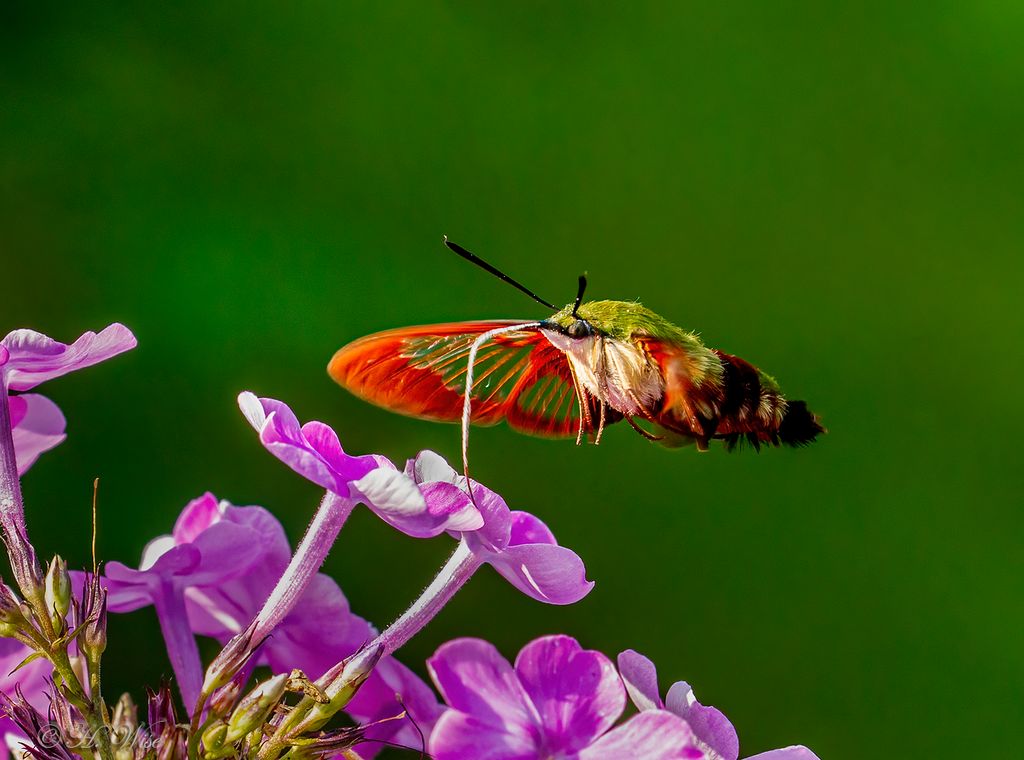
Hawk / sphinx moths (Family Sphingidae)

Hawk / sphinx moths

They can move pollen between flowers while feeding on nectar, especially for blooms that open or scent up in the evening.

View pollinator profile
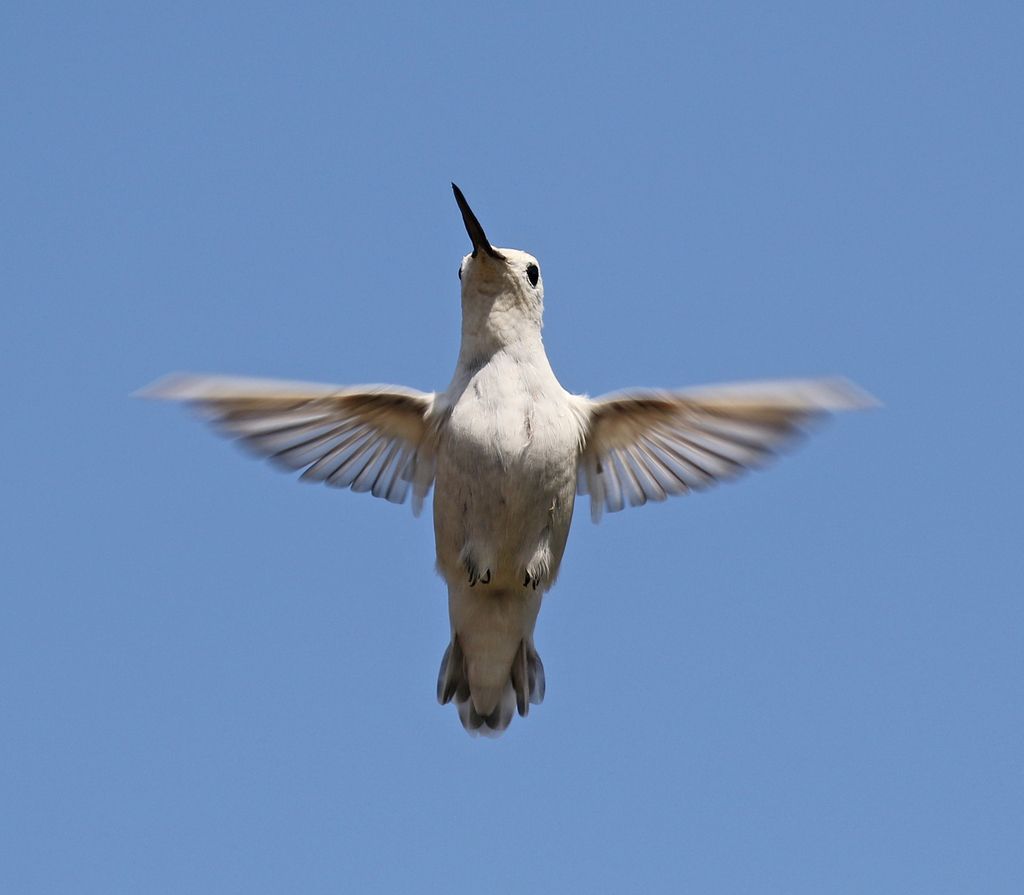
Hummingbirds (Family Trochilidae)

Hummingbirds

They move pollen between flowers while feeding, helping many plants reproduce.

View pollinator profile
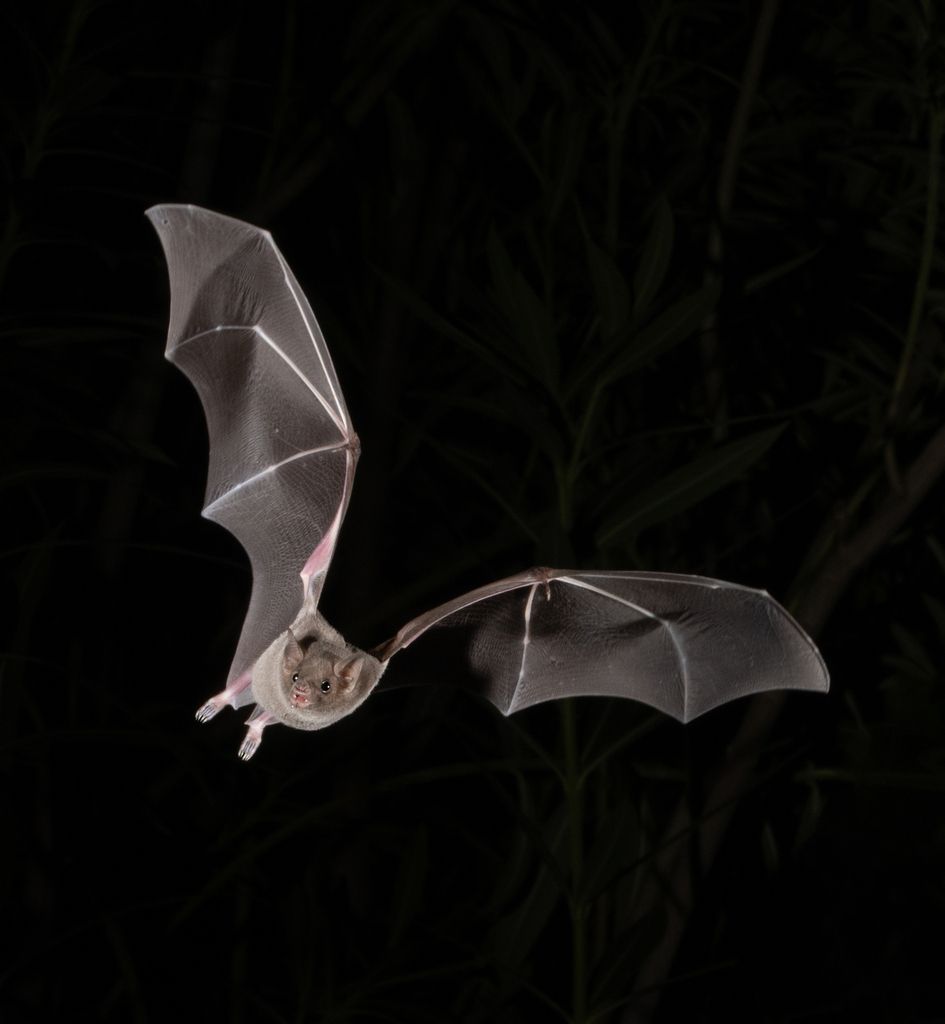
Long-nosed bats (Genus Leptonycteris)

Long-nosed bats

They move pollen between flowers over long distances, helping some plants set fruit and seed.

View pollinator profile
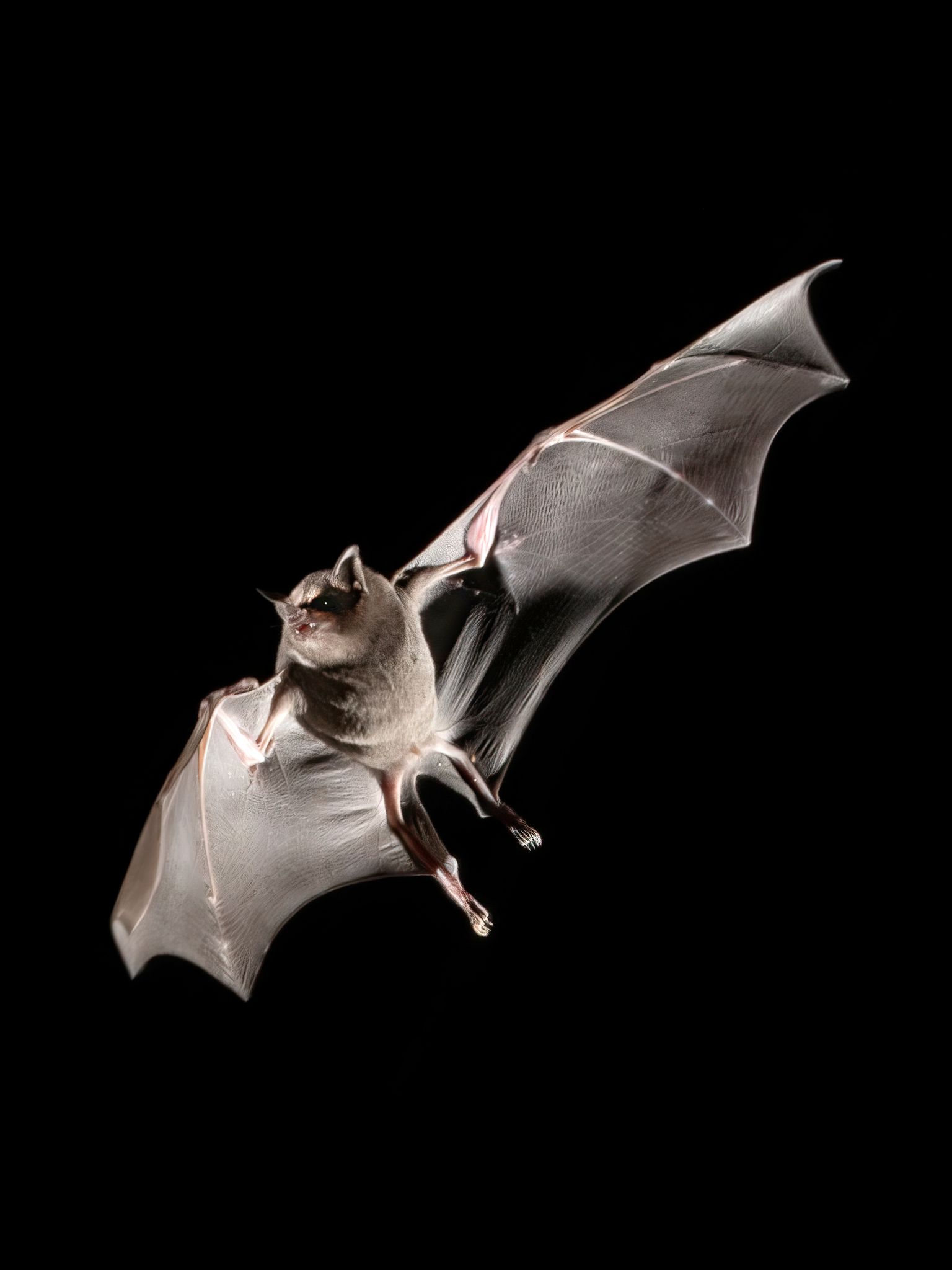
Nectar-feeding bats (Subfamily Glossophaginae)

Nectar-feeding bats

They move pollen between flowers over long distances and help many plants set fruit and seed.

View pollinator profile
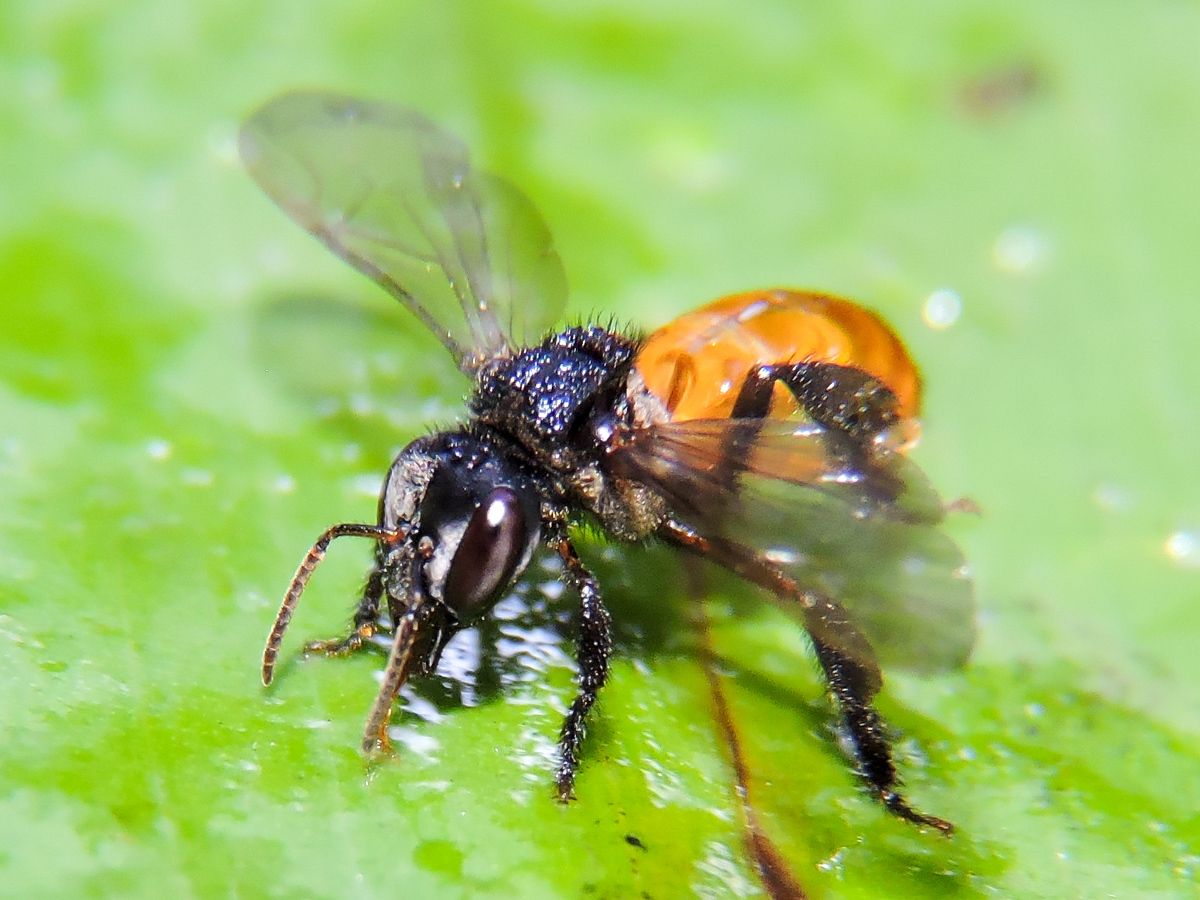
Stingless bees (Mexico / tropics) (Tribe Meliponini)

Stingless bees (Mexico / tropics)

They help pollinate many wild and cultivated plants in tropical and subtropical regions, supporting food webs and biodiversity.

View pollinator profile