Skip to content
Region profile

S. Michigan/N. Indiana Drift Plains

Southern Michigan/Northern Indiana Drift Plains is characterized by broad, glaciated plains with deep till and outwash, a severe mid-latitude humid continental climate, and a mix of agricultural land, forests, and urban areas.

Zone

Prairie

Common Name

S. Michigan/N. Indiana Drift Plains

CEC Level III Code

8.1.6

CEC Level II Code

8.1 Mixed Wood Plains

Overview

About This Region

The Southern Michigan/Northern Indiana Drift Plains is characterized by till plains, lakes, and moraines, historically supporting deciduous forests and oak savannas. Intensive agriculture and urbanization have fragmented natural habitats, reducing native host and nectar sources crucial for pollinators. Pesticide use and invasive species pose additional threats to local insect and bird populations, requiring conservation efforts like creating pollinator gardens and restoring native plant communities to ensure healthy ecosystems.

Region facts

At a glance

AliasesS. Michigan/N. Indiana Drift Plains, S. Michigan N. Indiana Drift Plains, CEC 8.1.6, Southern Michigan / Northern Indiana Drift Plains
Geographic Range
This region occurs in southern Michigan and northern Indiana, bordered by Lake Michigan on the west and the Huron/Erie Lake Plains region (8.2.2) on the east.
Climate SnapshotThe ecoregion has a severe, mid-latitude, humid continental climate with warm to hot summers, severe winters, a mean annual temperature of 7°C to 10°C, a 140 to 200-day frost-free period, and a mean annual precipitation of 862 mm.
Terrain ProfileThe region consists of broad, glaciated plains with deep till and outwash, featuring an assortment of landforms like till plains, morainal hills, kames, drumlins, and kettles, with elevations generally ranging from 168 m to more than 365 m.
Vegetation CoverThe typical vegetation includes oak-hickory, northern swamp, and beech forests, with white oak, red oak, black oak, bitternut hickory, shagbark hickory, sugar maple, and beech as dominant tree species.
Wildlife HabitatThe region is home to native species like white-tailed deer, coyote, beaver, and various fish including northern pike and salmon, alongside birds such as the Canada warbler and upland sandpiper.

Eco snapshot

What shapes this region

Climate pattern

  • Four distinct seasons; timing of spring and fall can vary year to year.
  • Microclimates (small local weather differences) can shift bloom times—especially near water, in cities, or in sheltered yards.
  • Summer heat and occasional dry periods can stress shallow-rooted plantings without mulch or deep-rooted natives.
Vegetation profile

The typical vegetation includes oak-hickory, northern swamp, and beech forests, with white oak, red oak, black oak, bitternut hickory, shagbark hickory, sugar maple, and beech as dominant tree species.

Wildlife profile

The region is home to native species like white-tailed deer, coyote, beaver, and various fish including northern pike and salmon, alongside birds such as the Canada warbler and upland sandpiper.

Why pollinators matter here

  • Many landscapes are fragmented, so small habitat patches can act like “stepping stones.”
  • Early spring flowers are especially important when few plants are blooming.
  • Late-season blooms help pollinators build energy reserves before winter.
  • Nesting habitat is often missing due to heavy mulching, frequent mowing, and over-tidying.

Seasonal timing

Planting seasons

Timing varies by microclimate; use this as a flexible guide.

Seasonal timing

  • Early spring: Focus on early-blooming natives and leaving some areas “messy” for emerging insects.
  • Late spring to early summer: Plant most perennials; add a few fast-blooming natives for quick nectar.
  • Summer: Water new plants during dry spells; keep blooms coming with mid-season species.
  • Late summer to fall: Add late-blooming natives; consider fall planting for many perennials.

Quick seasonal checklist

  • Choose plants so something blooms from early spring through fall.
  • Plant in clumps (easier for pollinators to find).
  • Keep a small area for nesting (bare soil, stems, wood).
  • Skip pesticides; use hand-pulling, mulching, and targeted pruning instead.

Yearly needs

Pollinator calendar

What pollinators need throughout the year, and what to do about it.

Late winter/early springEarly nectar/pollen; safe places to emergeLeave some leaf litter and stems; plant early bloomers; avoid “spring cleanup” until it’s consistently mild
SpringSteady bloom; nesting sitesAdd a mix of spring-flowering natives; keep a small patch of bare, well-drained soil; mow less often
SummerReliable nectar/pollen; water during heatPlant mid-summer bloomers; provide a shallow water source with landing stones; water new plants during dry spells
Late summer/fallHigh-energy nectar; last big pollen pushPrioritize late bloomers (goldenrods/asters where appropriate); avoid cutting everything back; let some seedheads stand
WinterShelter; undisturbed nestingLeave stems, logs, and leaf litter in place; plan next season’s plant additions to fill bloom gaps

Seed mix concept

A Billion Small Steps Seed mix

A simple way to plan (or buy/build) a region-appropriate mix is to think in three parts:

Spring starter

Spring starter: early bloomers that help pollinators when the season begins and flowers are scarce.

Summer bridge

Summer bridge: mid-season plants that keep nectar/pollen steady through the busiest months.

Fall finisher

Fall finisher: late bloomers (often asters/goldenrods in this broader region) that fuel pollinators before winter.

What You Can Do

Make a difference for native habitats.

Turn this knowledge into action. Whether you plant a single pot or a whole garden, you are building a vital bridge for local biodiversity.

Join the movement to restore our shared habitats.

Native plants

Plants that thrive in this region

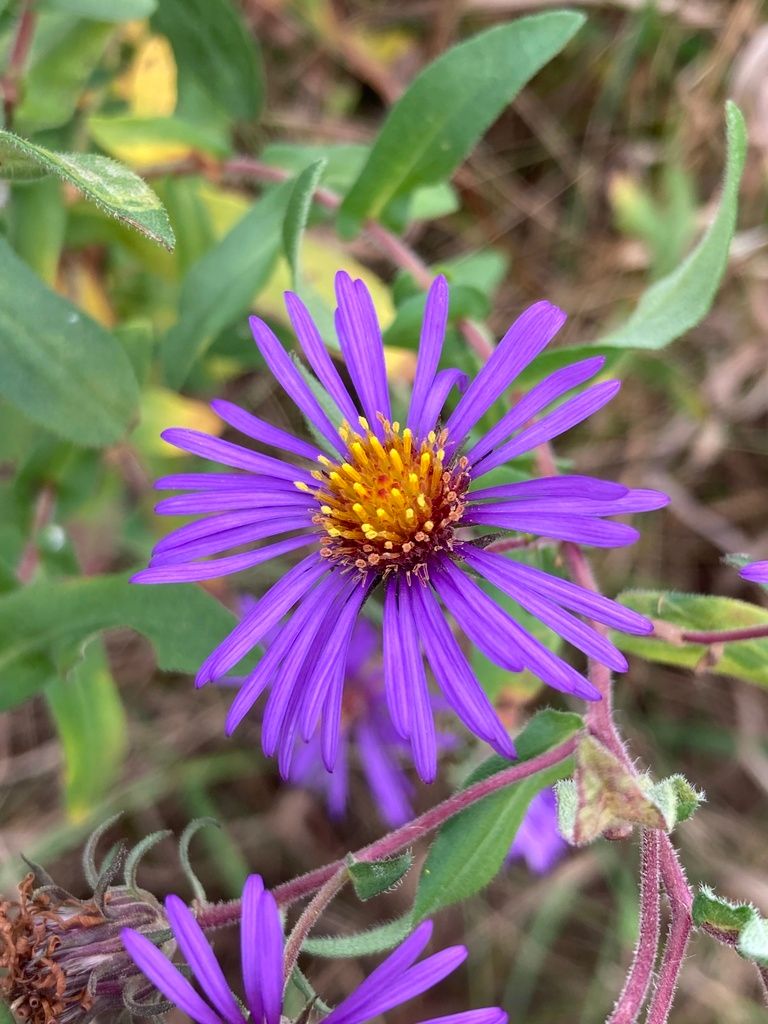
Asters (*Symphyotrichum* spp.)

Asters

Asters are late-season wildflowers that bring a burst of daisy-like blooms when many gardens are winding down, making them a reliable choice for pollinator-friendly planting.

View plant profile
F_shrubs-blackberries-and-raspberries.jpg

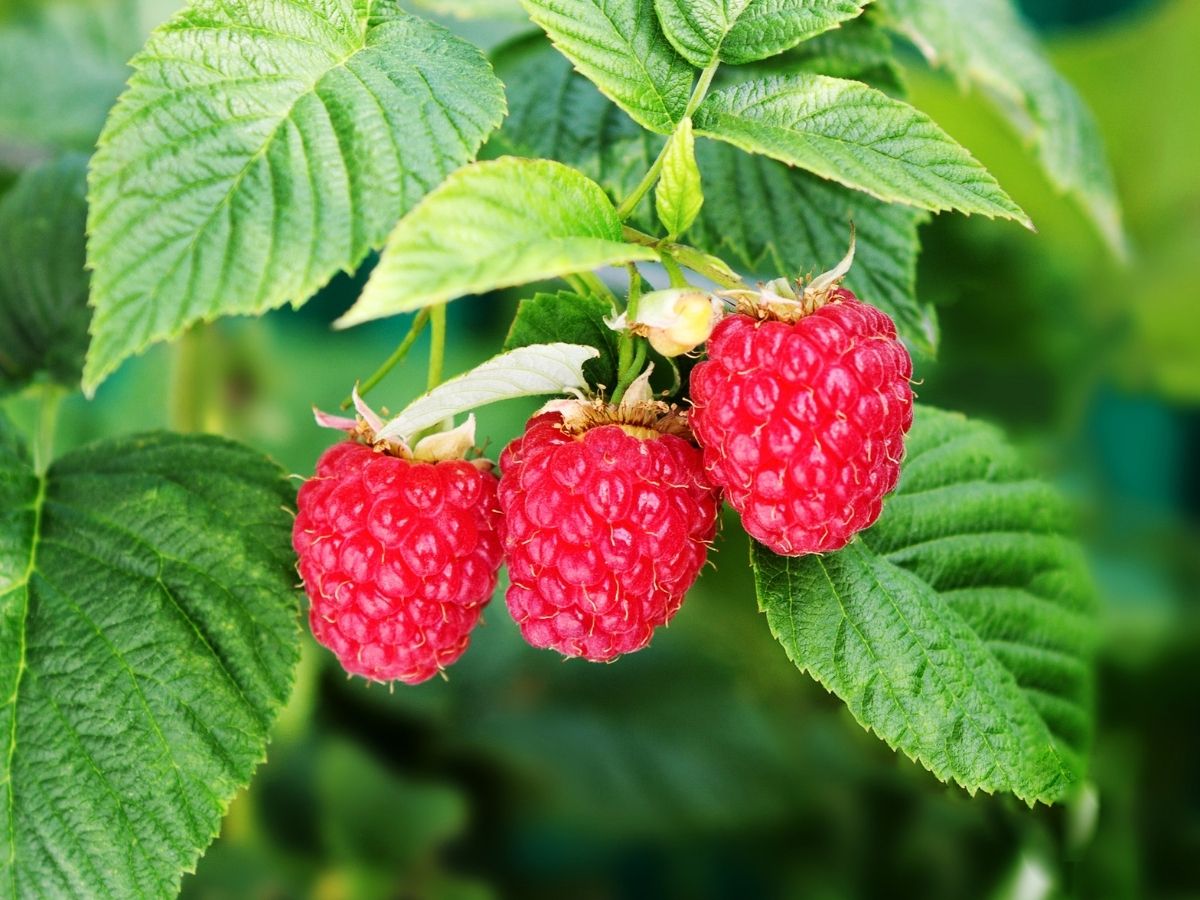
Blackberries & raspberries

Blackberries and raspberries (genus Rubus) are flowering bramble shrubs that can feed pollinators in bloom and people later with tasty berries—great for yards, school gardens, and even large containers with support.

View plant profile
F_wildflowers-herbaceous-perennials-blazing-stars (2).jpg

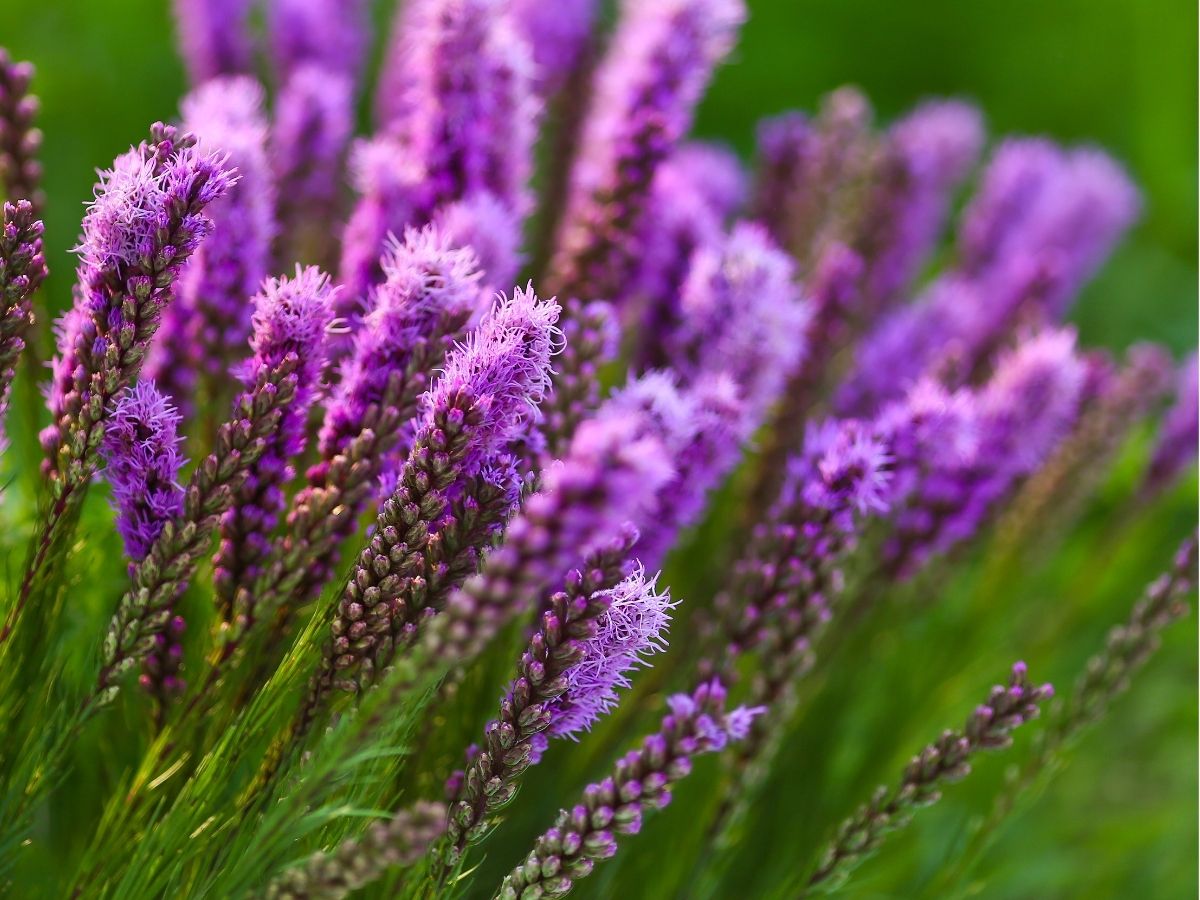
Blazing stars

Blazing stars (Liatris) are upright, purple-pink wildflowers that bloom in showy spikes and are well-loved by many pollinators. They’re a strong choice for sunny gardens, borders, and meadow-style plantings.

View plant profile
Blueberries & huckleberries (*Vaccinium* (genus))

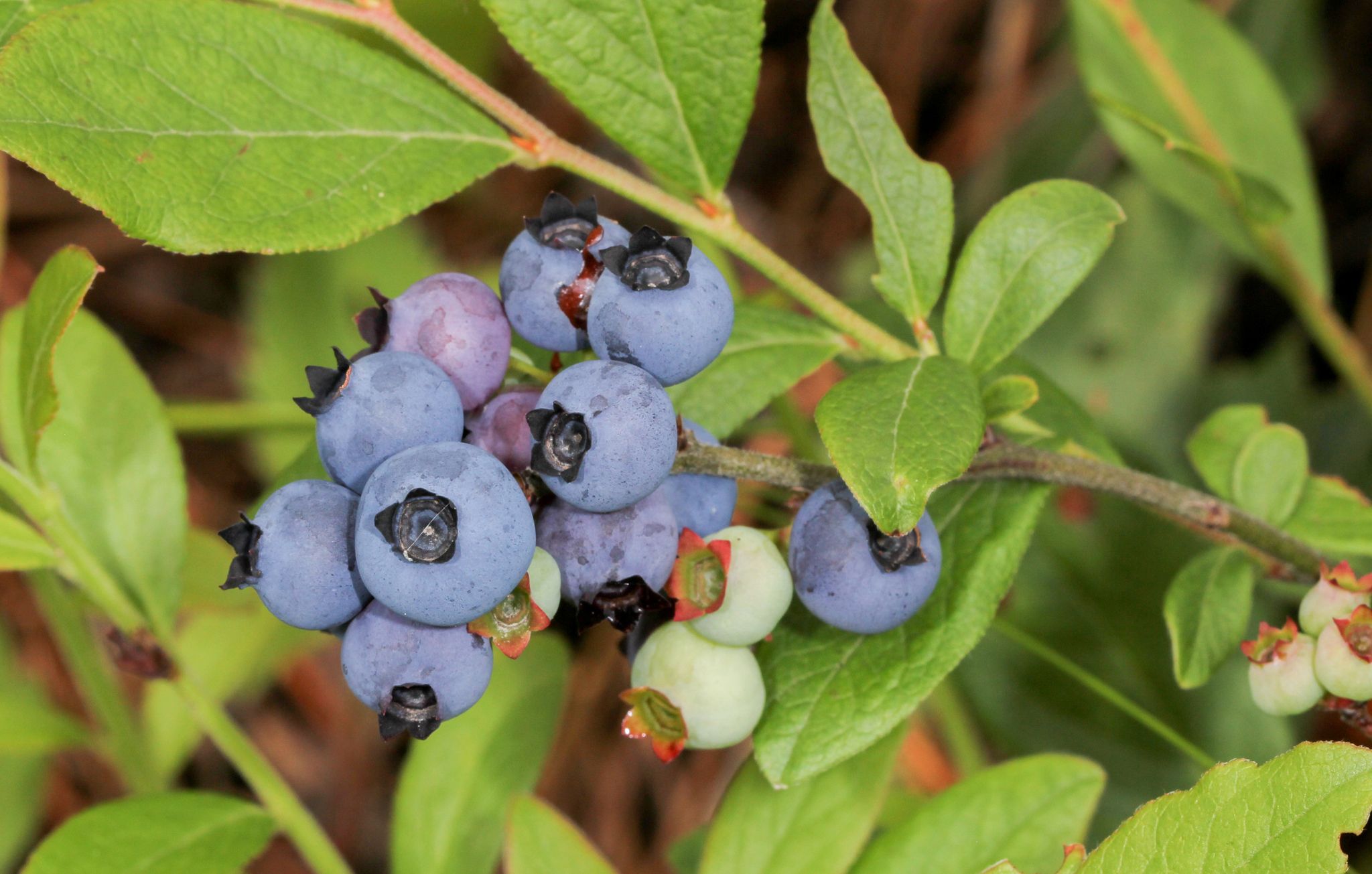
Blueberries & huckleberries

Blueberries and huckleberries (genus Vaccinium) are berry-producing shrubs with spring flowers that can support pollinators and later feed people and wildlife—great for gardens, schoolyards, and even large containers.

View plant profile
Coneflowers (*Echinacea* (genus))

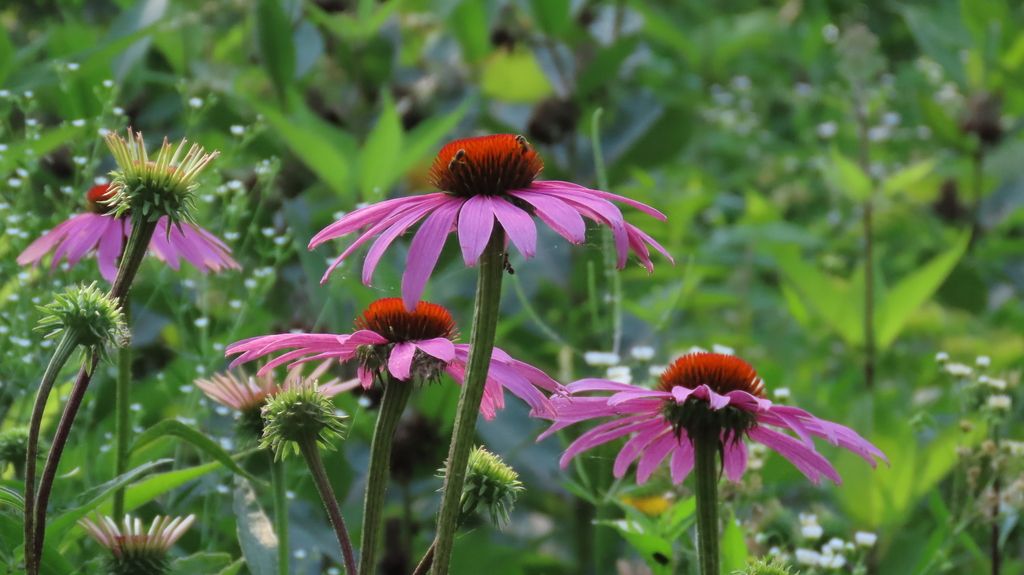
Coneflowers

Coneflowers (Echinacea) are tough, long-blooming wildflowers that bring steady color and reliable nectar and pollen to gardens, schoolyards, and even large containers.

View plant profile
Currants & gooseberries (*Ribes* spp.)

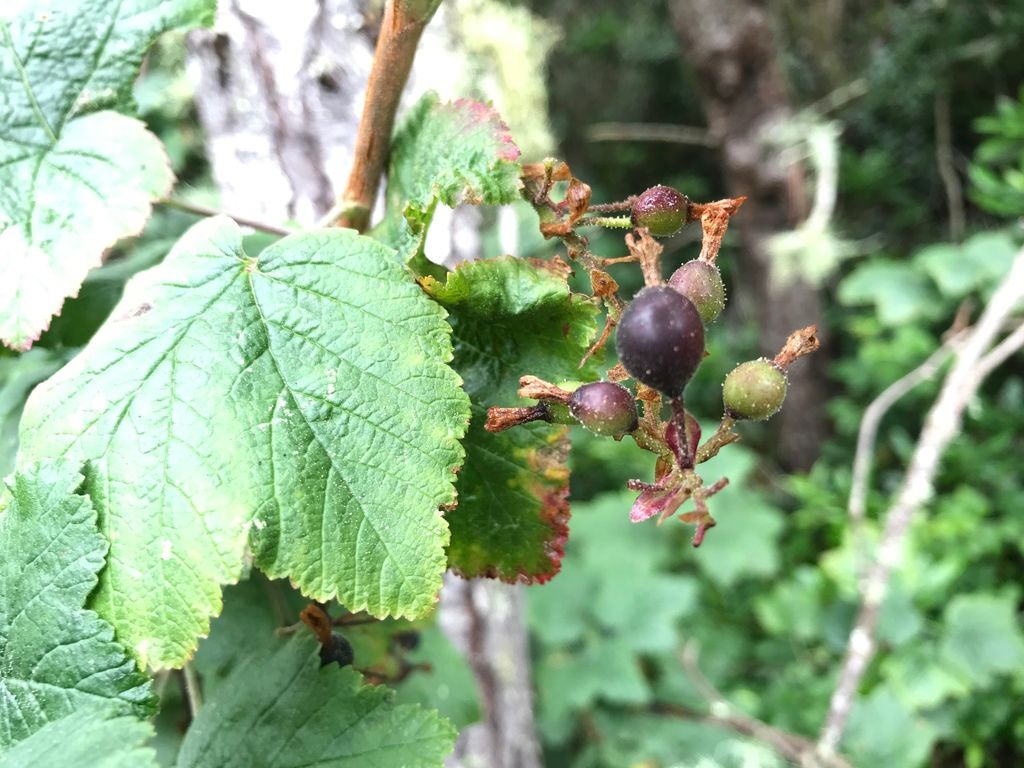
Currants & gooseberries

Currants and gooseberries are Ribes shrubs that offer early-season flowers for pollinators and later berries for people and wildlife. They’re a great choice for edible landscapes, mixed borders, and small yards where you want a plant that does more than one job.

View plant profile
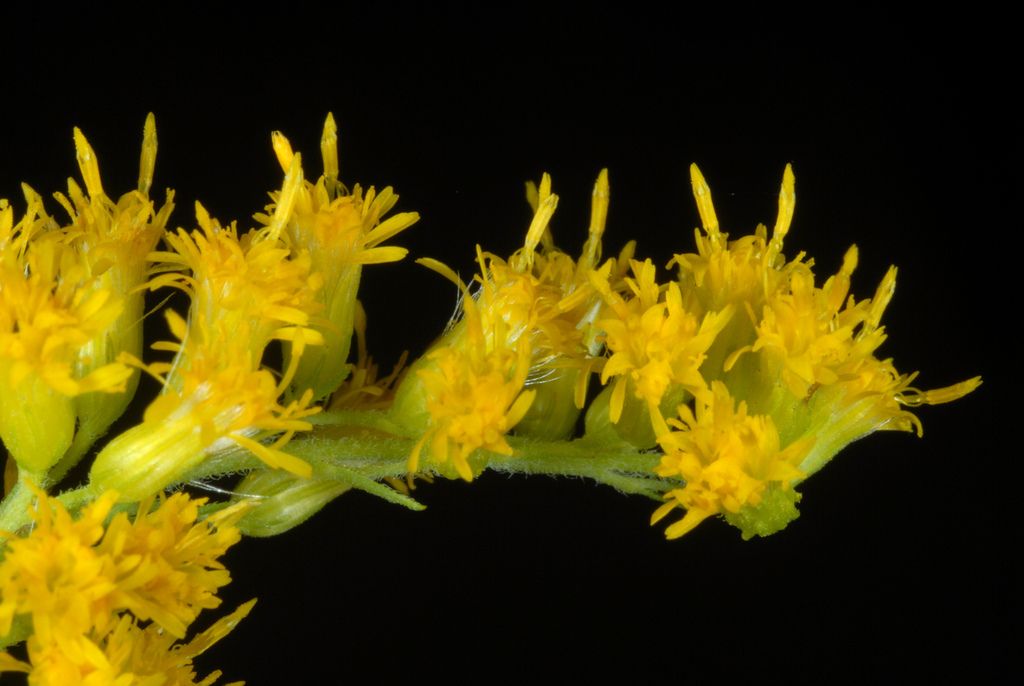
Goldenrods (*Solidago* spp.)

Goldenrods

Goldenrods are tough, sunny wildflowers in the genus Solidago that light up late-season gardens with golden blooms and provide reliable nectar and pollen when many other flowers are fading.

View plant profile
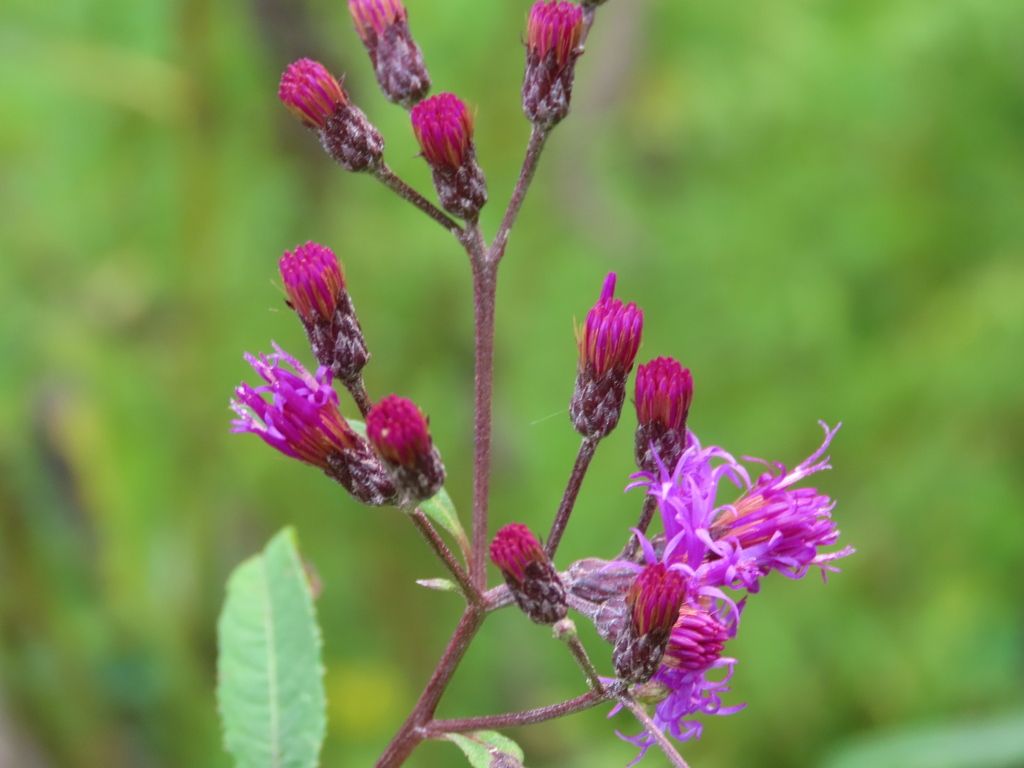
Ironweeds (*Vernonia* (genus))

Ironweeds

Ironweeds are tall, purple-blooming wildflowers in the genus Vernonia that bring late-season color and steady nectar to pollinator gardens.

View plant profile
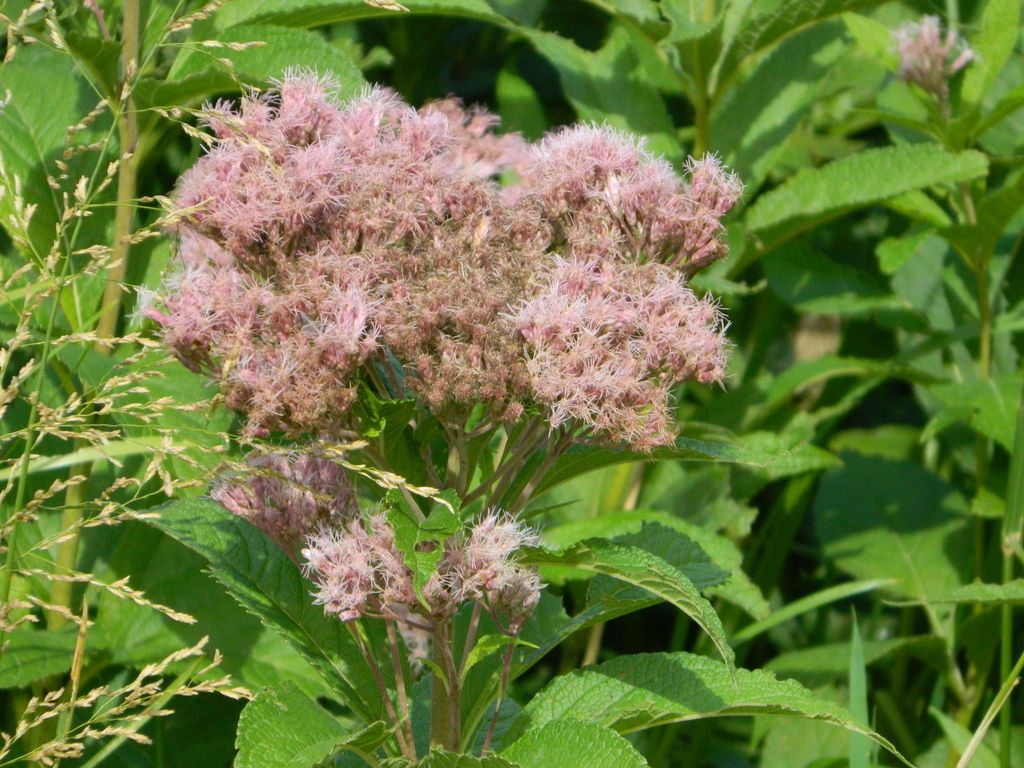
Joe-Pye weeds (*Eutrochium* spp.)

Joe-Pye weeds

Joe-Pye weeds are tall, late-season native wildflowers in the genus Eutrochium that bring big, fluffy flower clusters to gardens and give pollinators a reliable place to feed when many other plants are winding down.

View plant profile
F_trees-maples.jpg

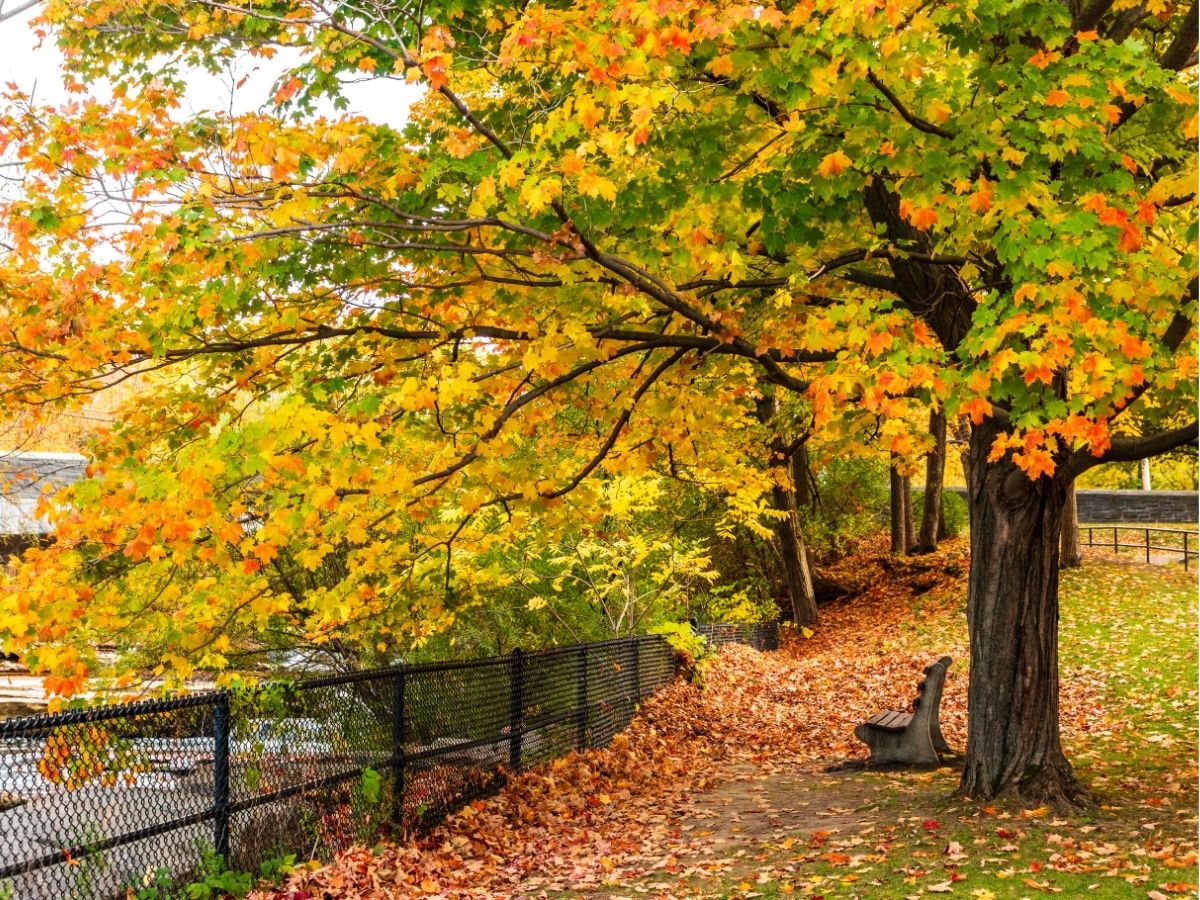
Maples

Maples are familiar shade trees that offer early-season flowers and later seeds, supporting a range of pollinators and adding strong structure to yards, school grounds, and streetscapes.

View plant profile
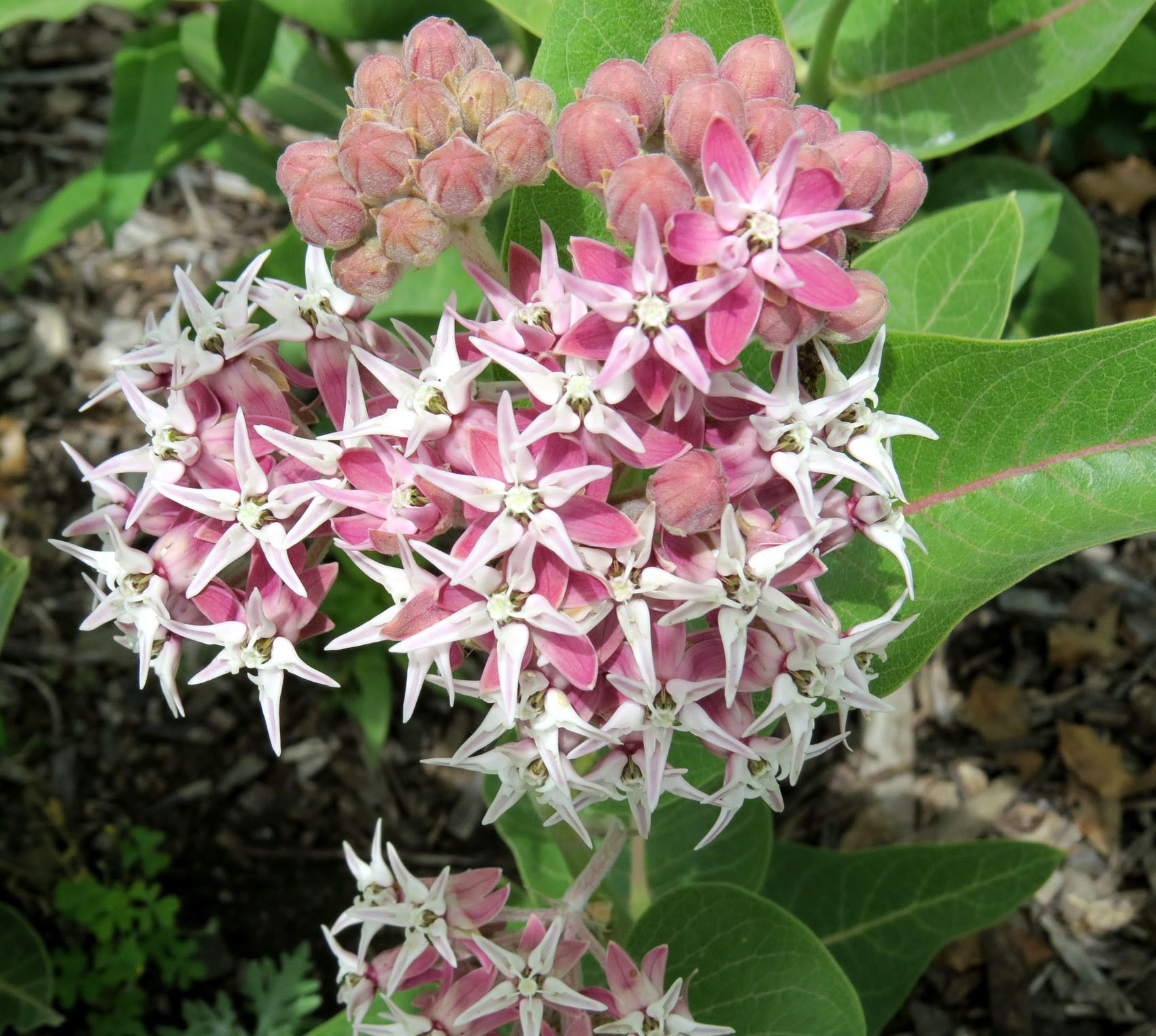
Milkweeds (*Asclepias* (genus))

Milkweeds

Milkweeds are tough, nectar-rich wildflowers in the genus Asclepias that can turn a garden bed, schoolyard edge, or even a sunny pot into a pollinator stop.

View plant profile
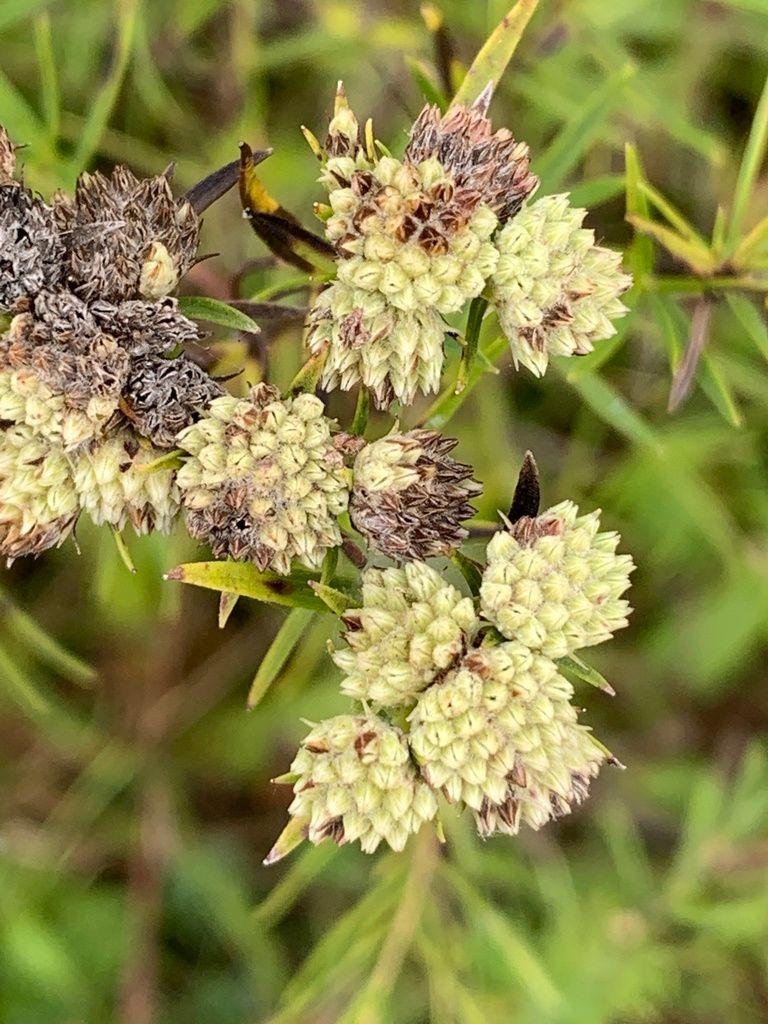
Mountain mints (Pycnanthemum (genus))

Mountain mints

Mountain mints are tough, fragrant native wildflowers that bloom in summer and are famous for drawing in a busy mix of pollinators. They’re easy to grow, handle a range of garden conditions, and make a great “plant it and watch it” choice for pollinator patches.

View plant profile
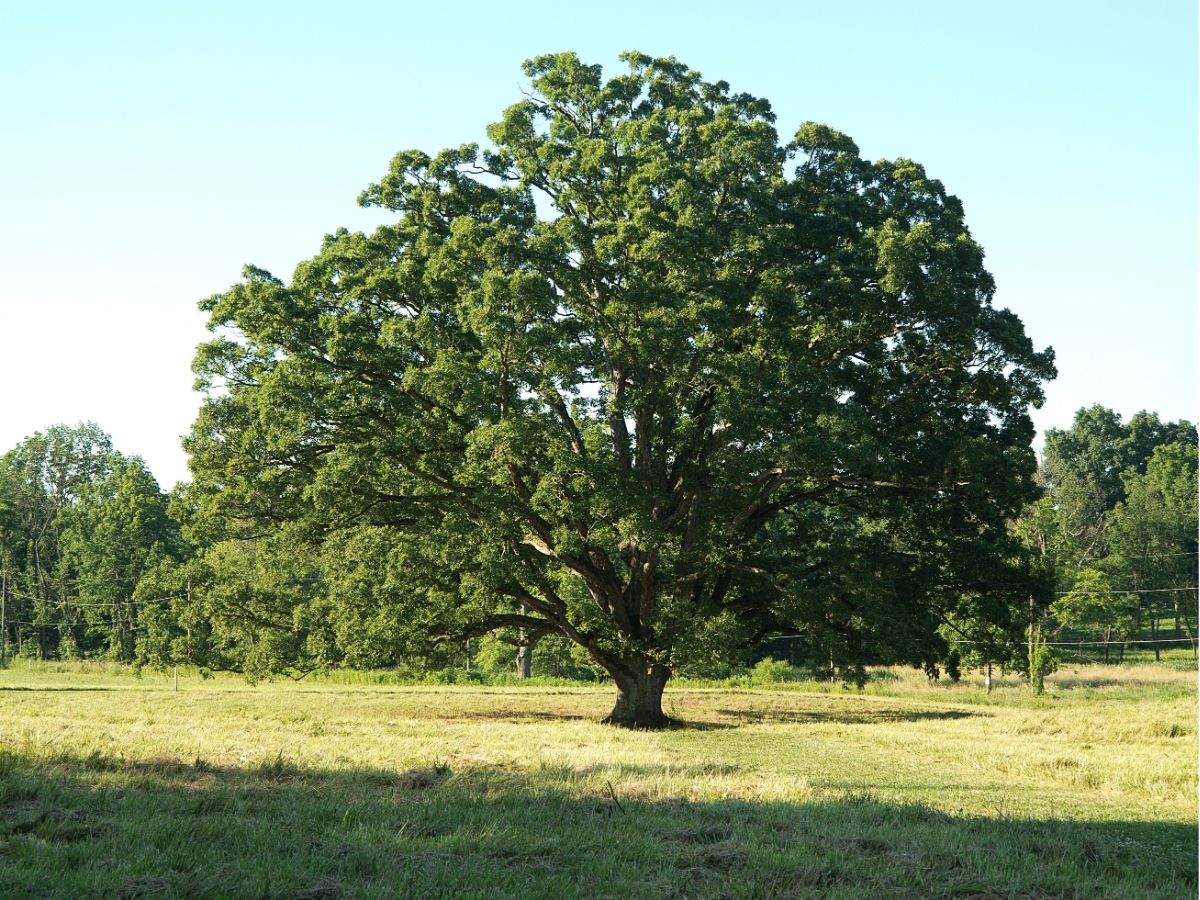
F_trees-oaks.jpg

Oaks

Oaks are long-lived trees that can anchor a yard, school ground, or park with shade, structure, and lots of seasonal interest. Many pollinators use oak flowers in spring, and the tree’s leaves and bark support a wide web of life over time.

View plant profile
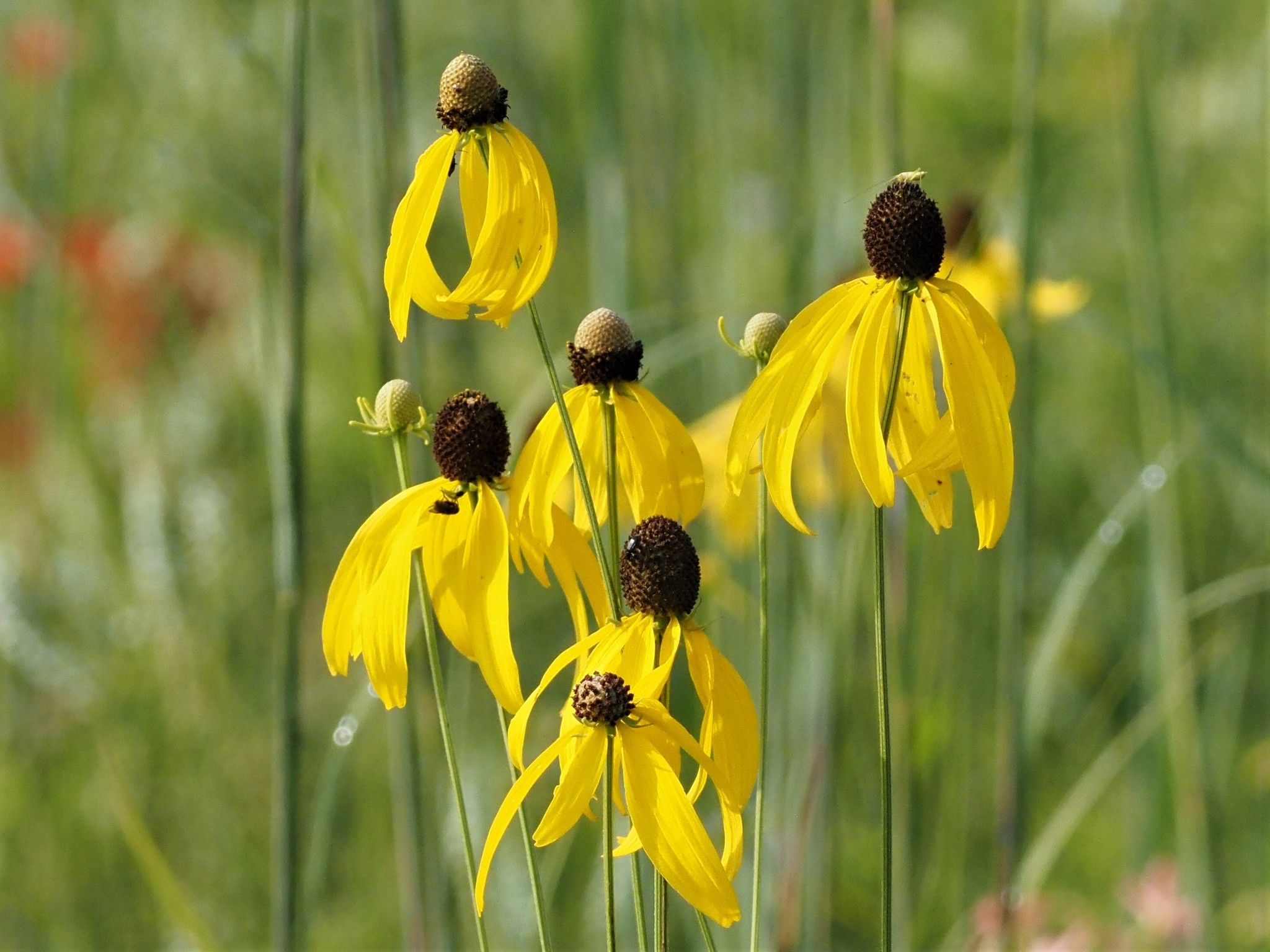
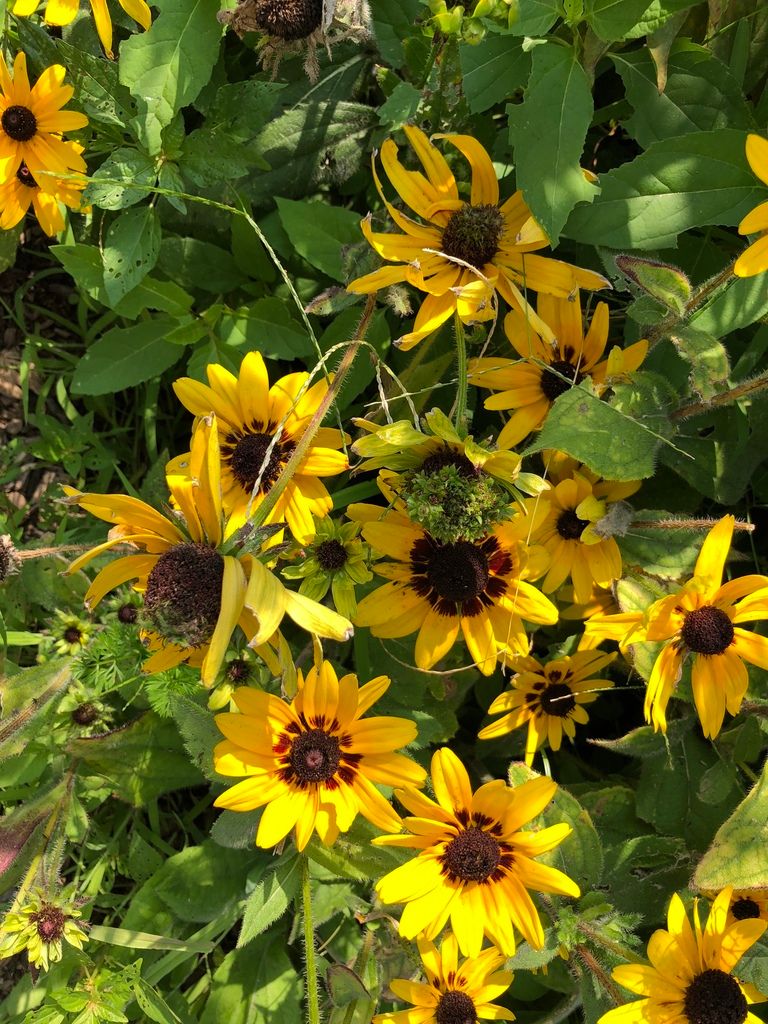
Prairie coneflowers (*Ratibida* spp.)

Prairie coneflowers

Prairie coneflowers (Ratibida) are tough, sunny wildflowers with drooping petals and a bold cone-shaped center that pollinators can easily find. They’re a great choice for low-fuss gardens, schoolyards, and naturalized patches where you want long-lasting summer color.

View plant profile
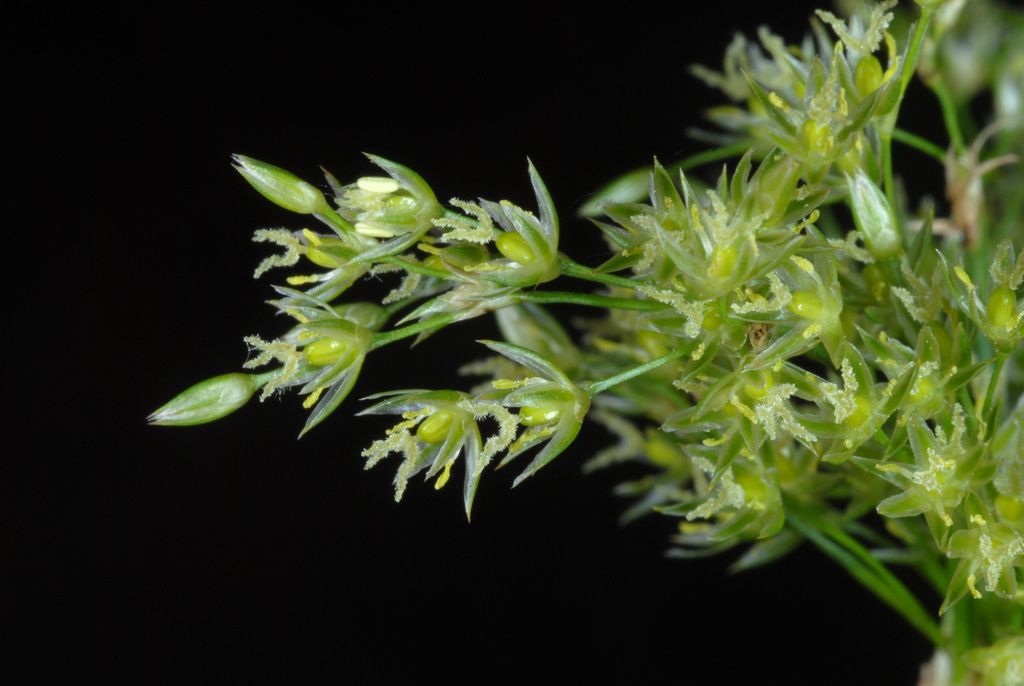
Rushes (*Juncus* spp.)

Rushes

Rushes are tough, grass-like wetland plants (genus Juncus) that thrive in damp soil and help create calm, sheltered habitat at the edges of ponds, rain gardens, and low spots.

View plant profile
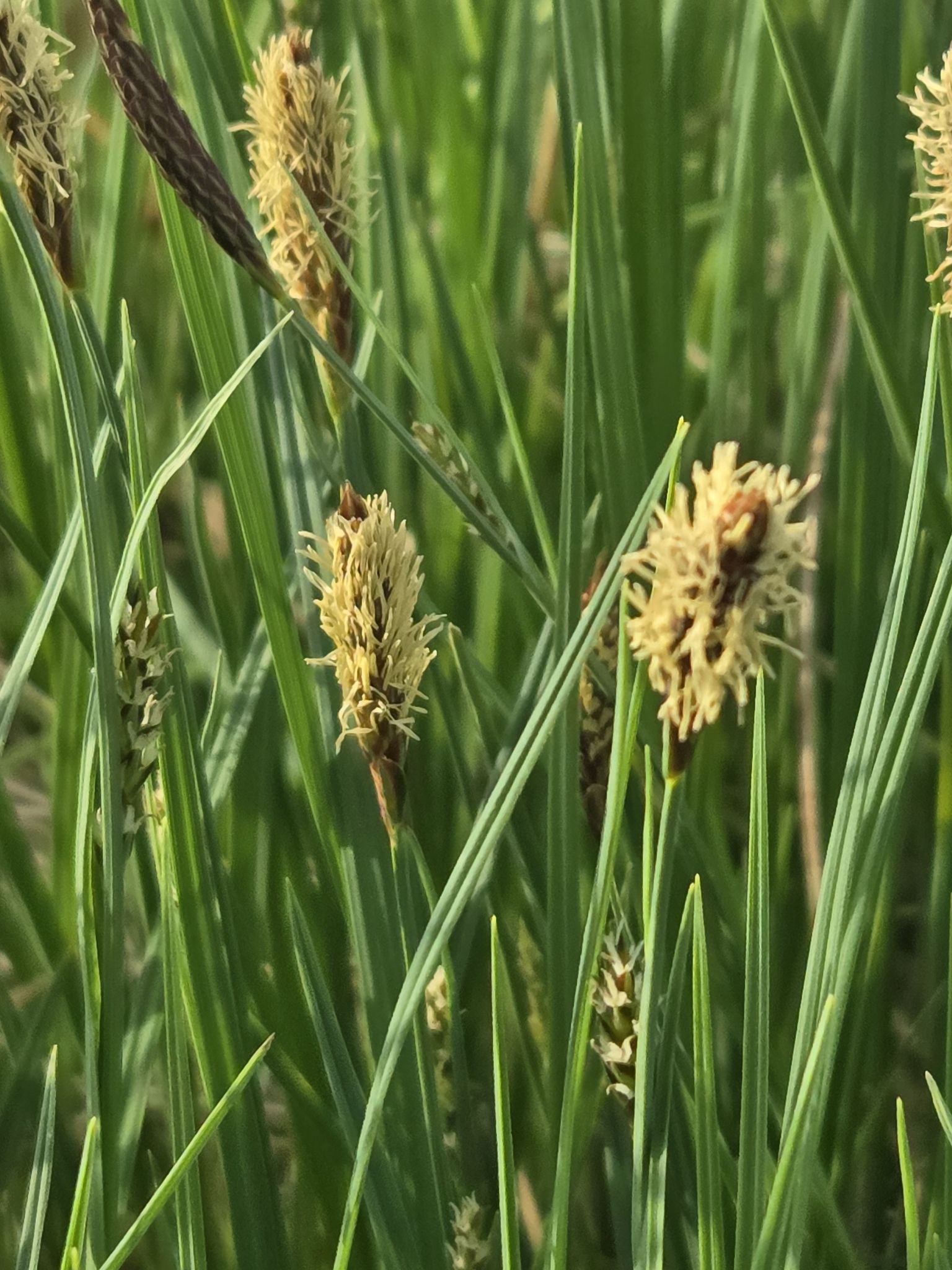
Sedges (*Carex* (genus))

Sedges

Sedges (genus Carex) are grass-like plants that form tidy clumps and thrive in many garden conditions, especially where soil stays a bit damp. They add texture, cover bare ground, and can support small wildlife by providing shelter and nesting material.

View plant profile
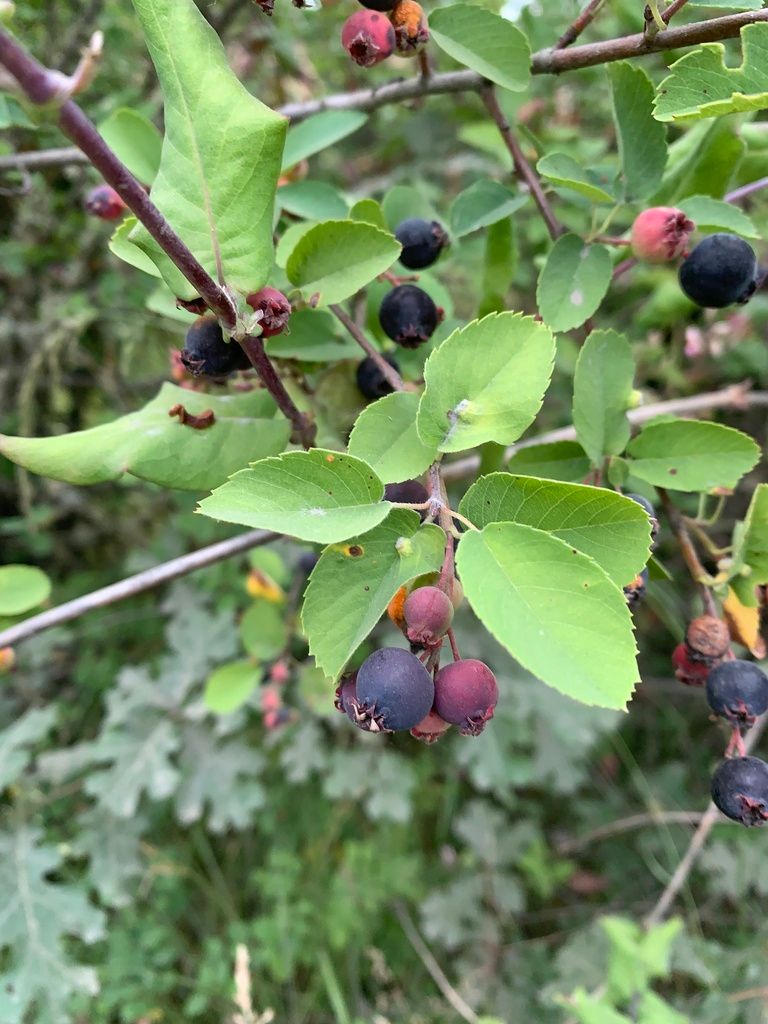
Serviceberries (*Amelanchier* (genus))

Serviceberries

Serviceberries (genus Amelanchier) are small trees with early-season blossoms, edible berries, and strong wildlife value—an easy way to add beauty and pollinator support to a yard, school garden, or even a large container.

View plant profile
Sunflowers (*Helianthus* spp.)

Sunflowers

Native sunflowers are bright, tough wildflowers in the genus Helianthus that feed pollinators and add cheerful color from mid-season into fall.

View plant profile
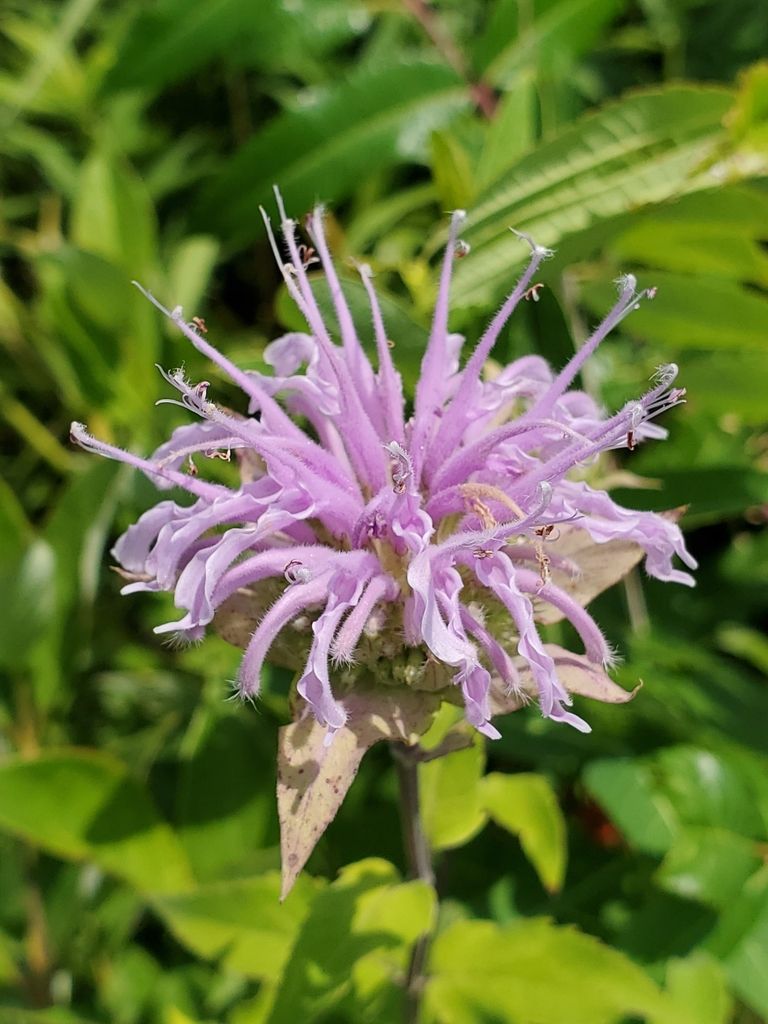
Wild bergamot & bee balms (*Monarda* spp.)

Wild bergamot & bee balms

Wild bergamot and other bee balms (the genus Monarda) are easygoing native wildflowers known for their shaggy, pom‑pom blooms that draw in lots of pollinators. They’re a great choice when you want long-lasting summer color and a plant that feels lively with buzzing visitors.

View plant profile
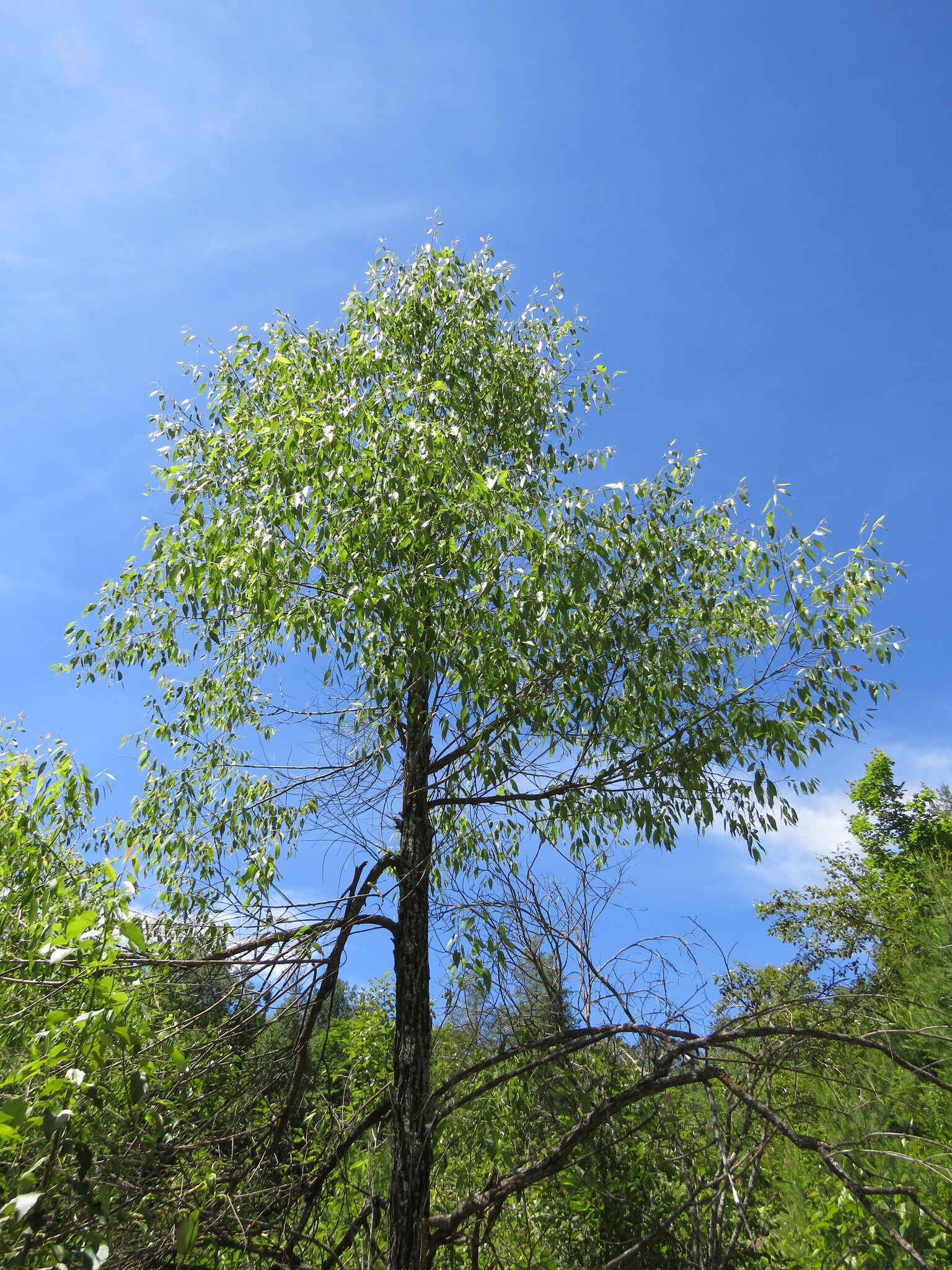
Willows (*Salix* spp.)

Willows

Willows are fast-growing trees and shrubs in the genus Salix that offer some of the earliest pollen and nectar of the year, making them a strong choice for pollinator-friendly yards, parks, and school grounds.

View plant profile

Pollinators

Pollinators active in this region

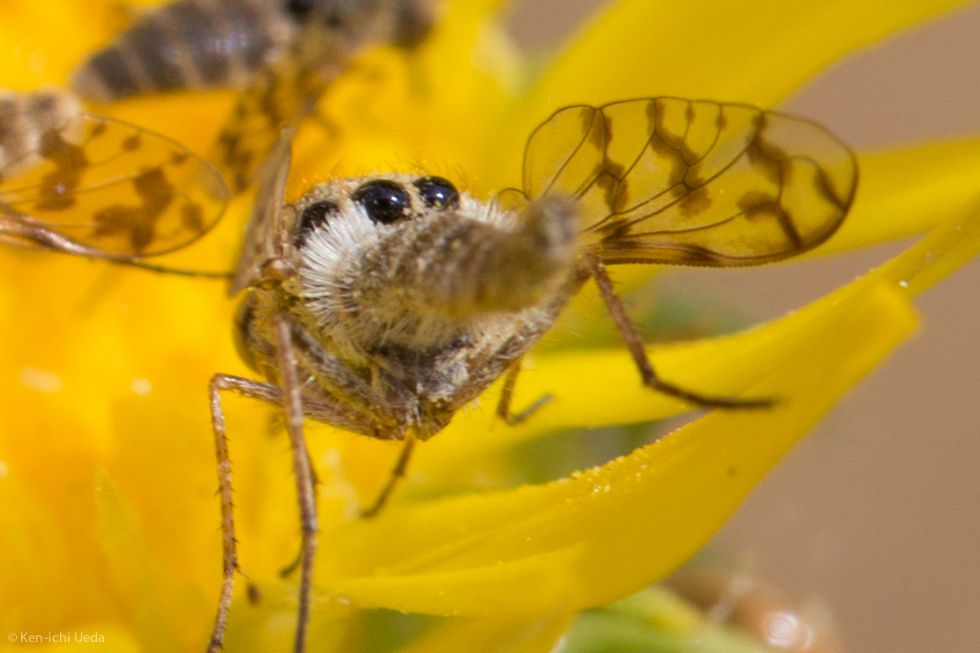
Bee flies (Family Bombyliidae)

Bee flies

Adults visit flowers for nectar and can move pollen between blooms; their presence is a sign of diverse, functioning habitats.

View pollinator profile
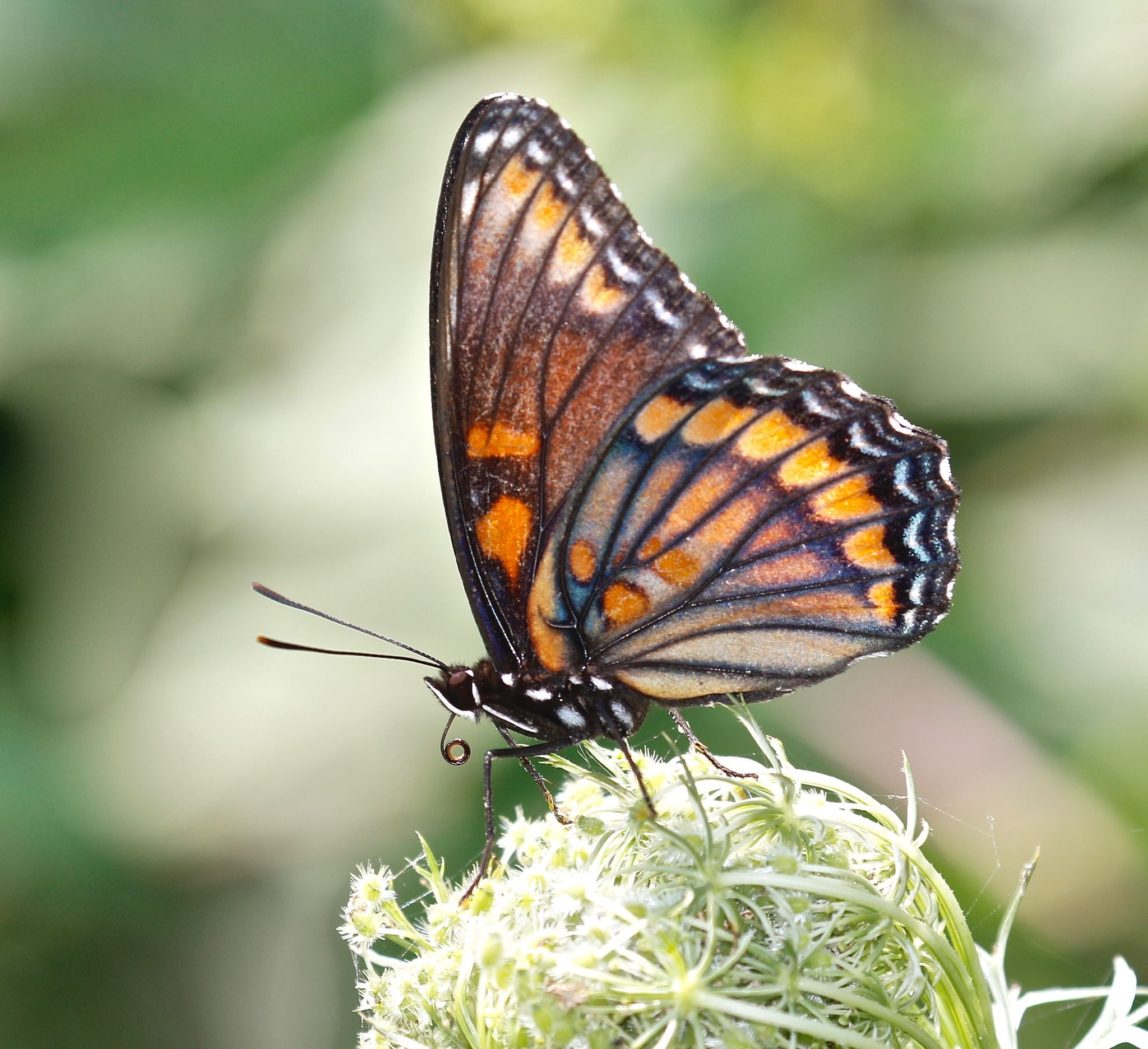
Brushfoots (Family Nymphalidae)

Brushfoots

Many brushfoots move pollen between flowers as they feed, and their caterpillars are part of healthy food webs.

View pollinator profile
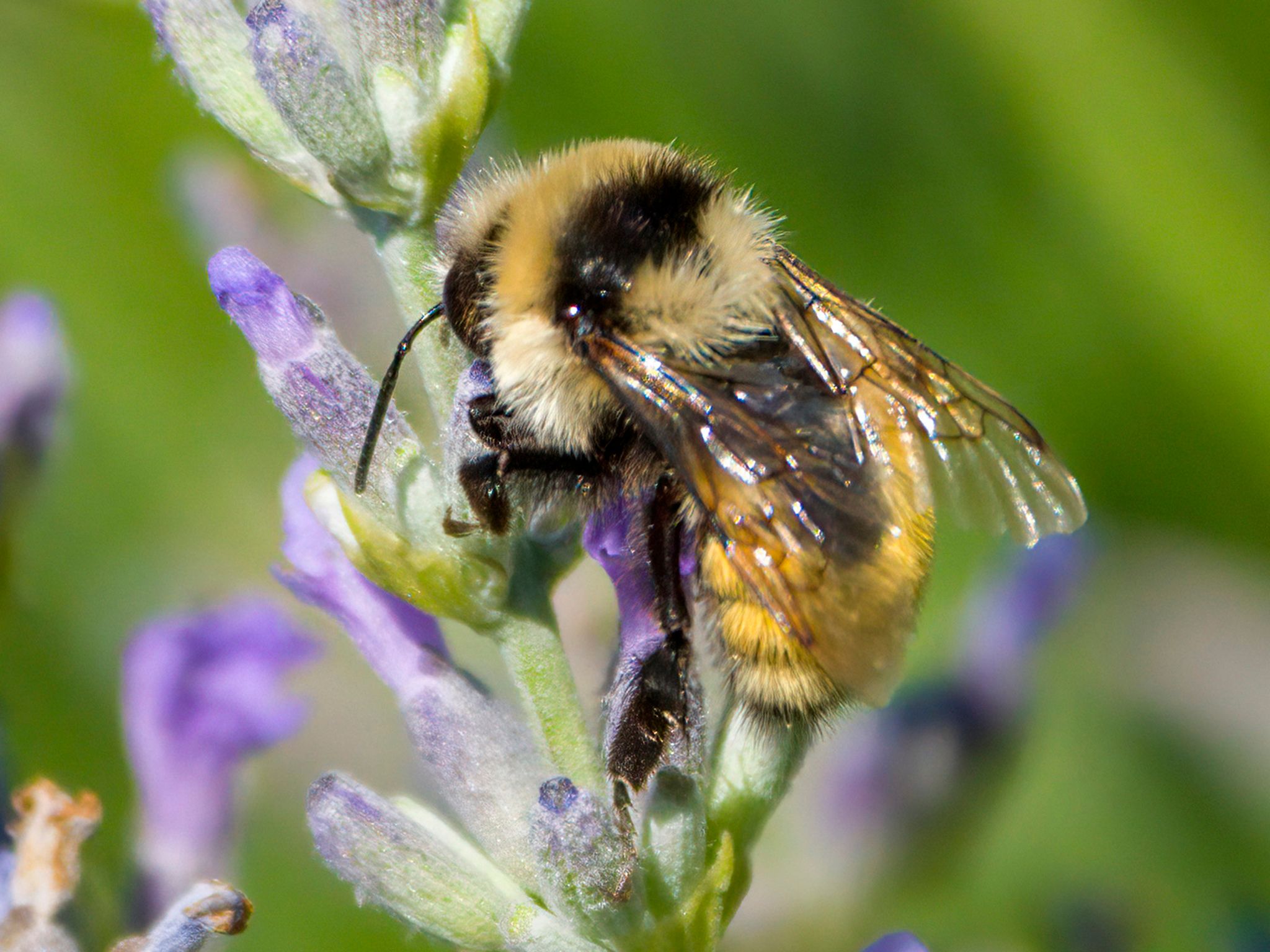
Bumble bees (Genus Bombus)

Bumble bees

Bumble bees are important pollinators of many wildflowers and garden plants, helping ecosystems and food crops reproduce.

View pollinator profile
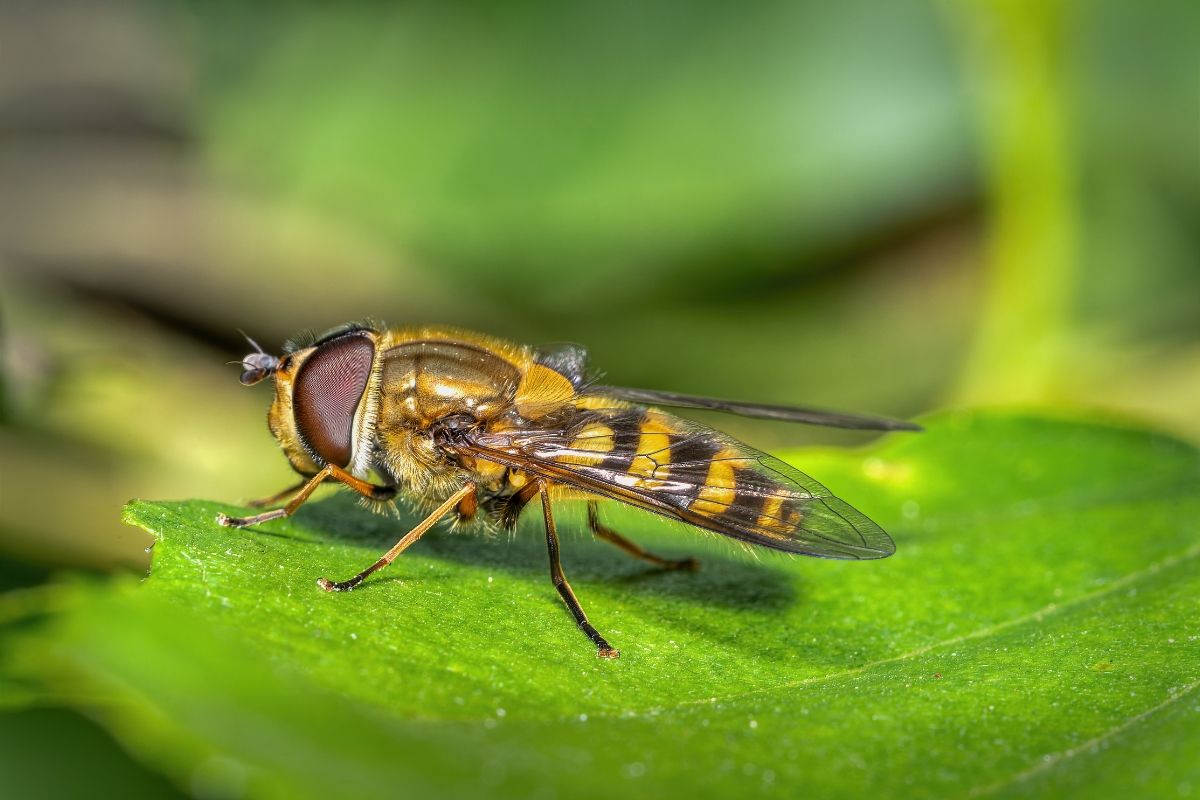
F_hoverfly-01.jpg

Flower flies / hoverflies

Adults visit flowers for nectar and pollen, and many species’ larvae help keep plant-eating pests in check.

View pollinator profile
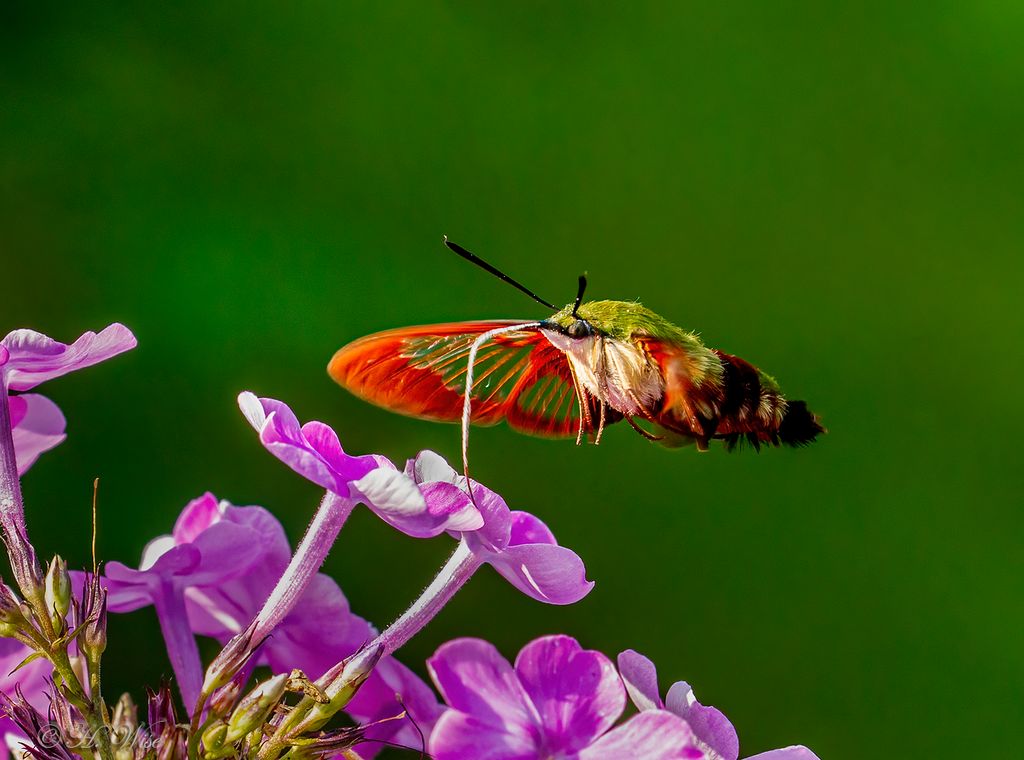
Hawk / sphinx moths (Family Sphingidae)

Hawk / sphinx moths

They can move pollen between flowers while feeding on nectar, especially for blooms that open or scent up in the evening.

View pollinator profile
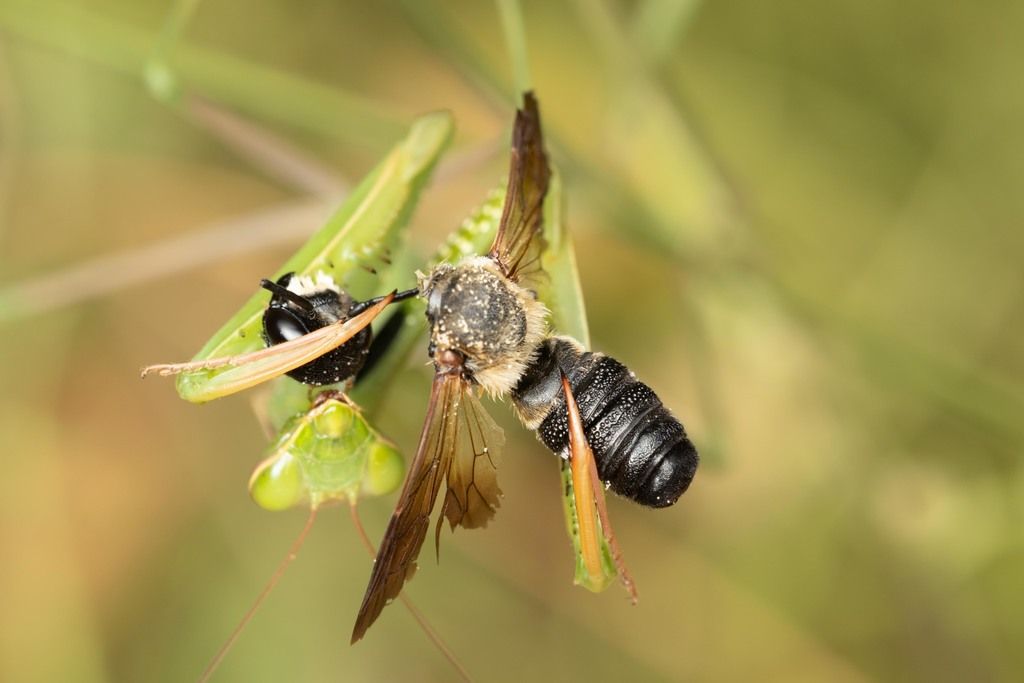
Leafcutter bees (Genus Megachile)

Leafcutter bees

They move pollen between flowers while foraging, helping many wild plants and garden plants set seed and fruit.

View pollinator profile
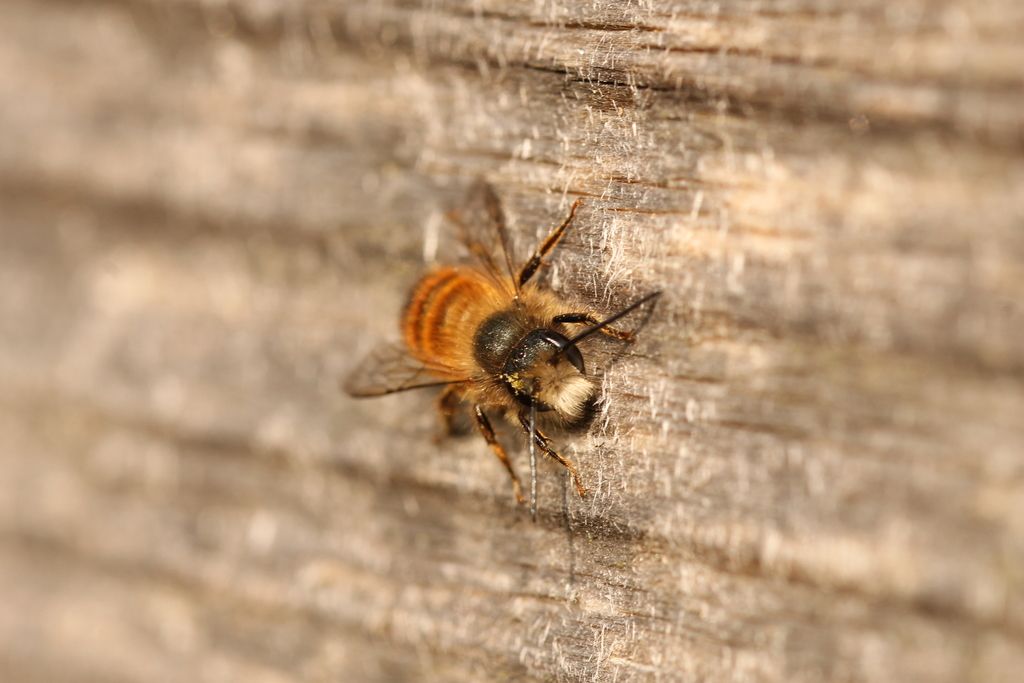
Mason bees (Genus Osmia)

Mason bees

They move pollen between flowers while foraging, helping many wild plants and garden crops set seed and fruit.

View pollinator profile
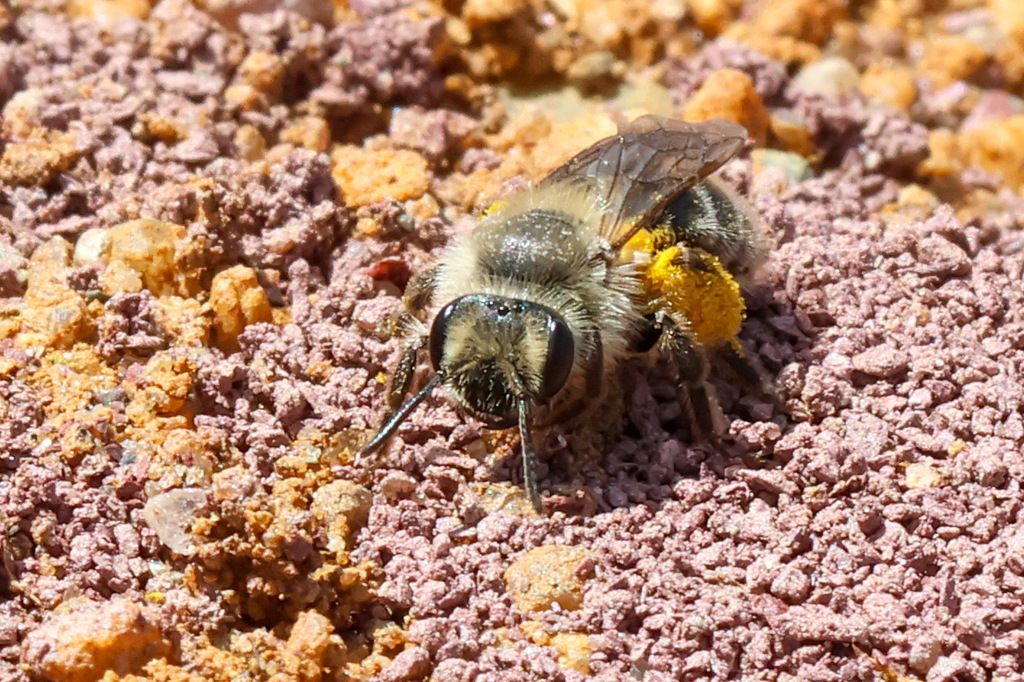
Mining bees (Genus Andrena)

Mining bees

They move pollen between flowers while foraging, helping many wild plants and garden plants set seed and fruit.

View pollinator profile
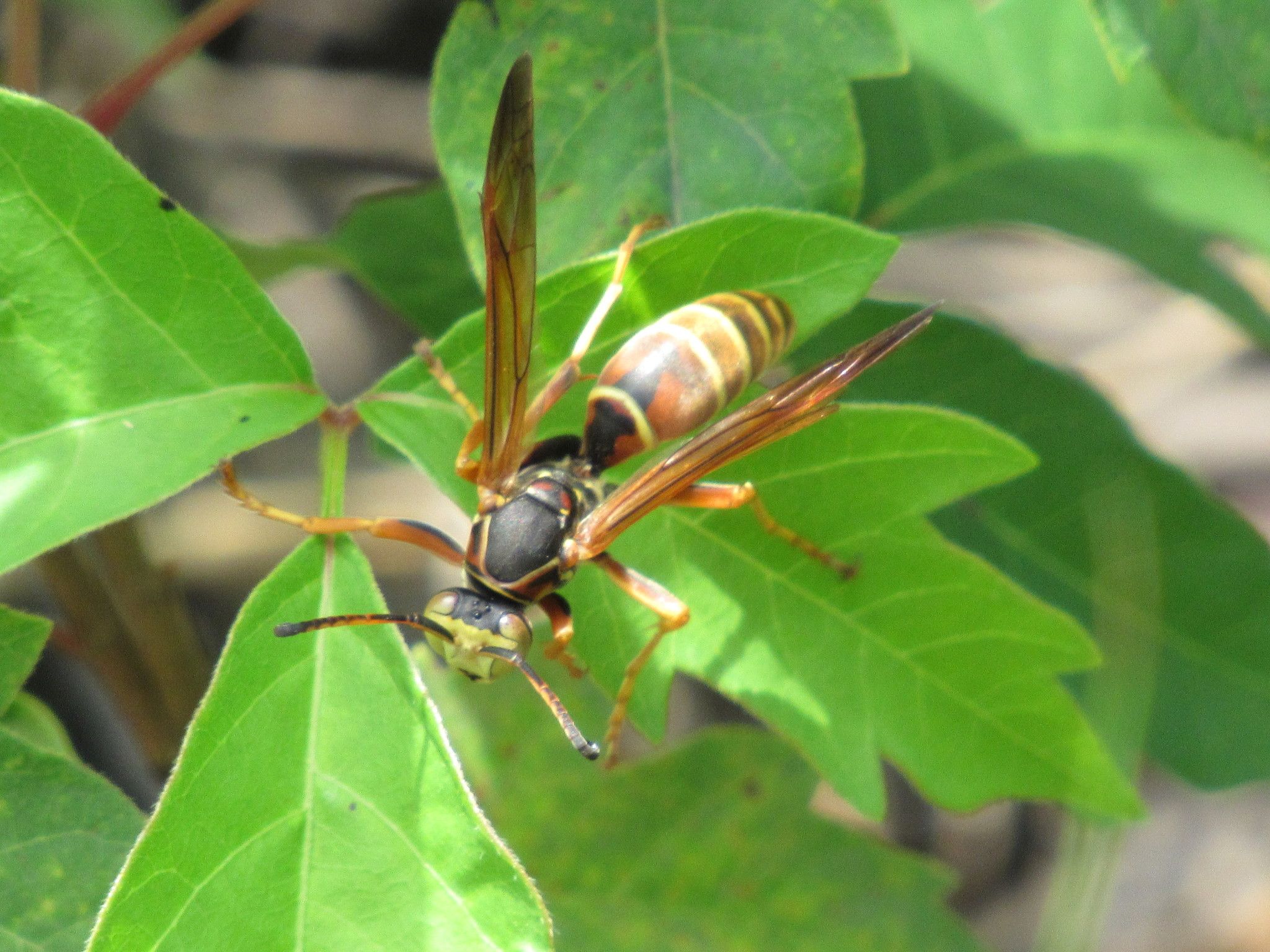
Paper wasps (Genus Polistes)

Paper wasps

They can move pollen while drinking nectar, and they also help control many plant-eating insects.

View pollinator profile
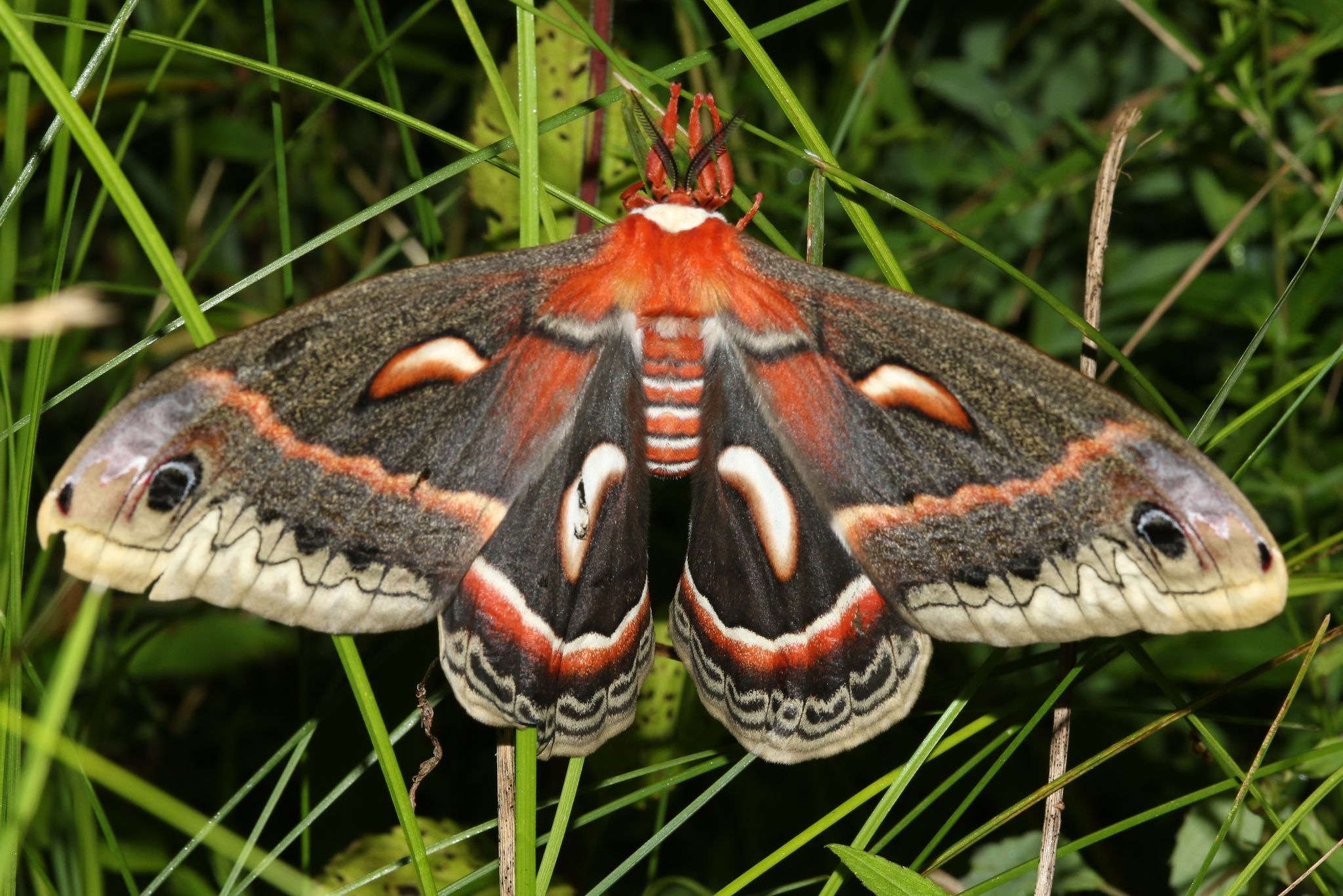
Silkmoths (giant moths) (Family Saturniidae)

Silkmoths (giant moths)

They’re part of healthy food webs and plant communities, and their caterpillars depend on a wide range of native trees and shrubs.

View pollinator profile
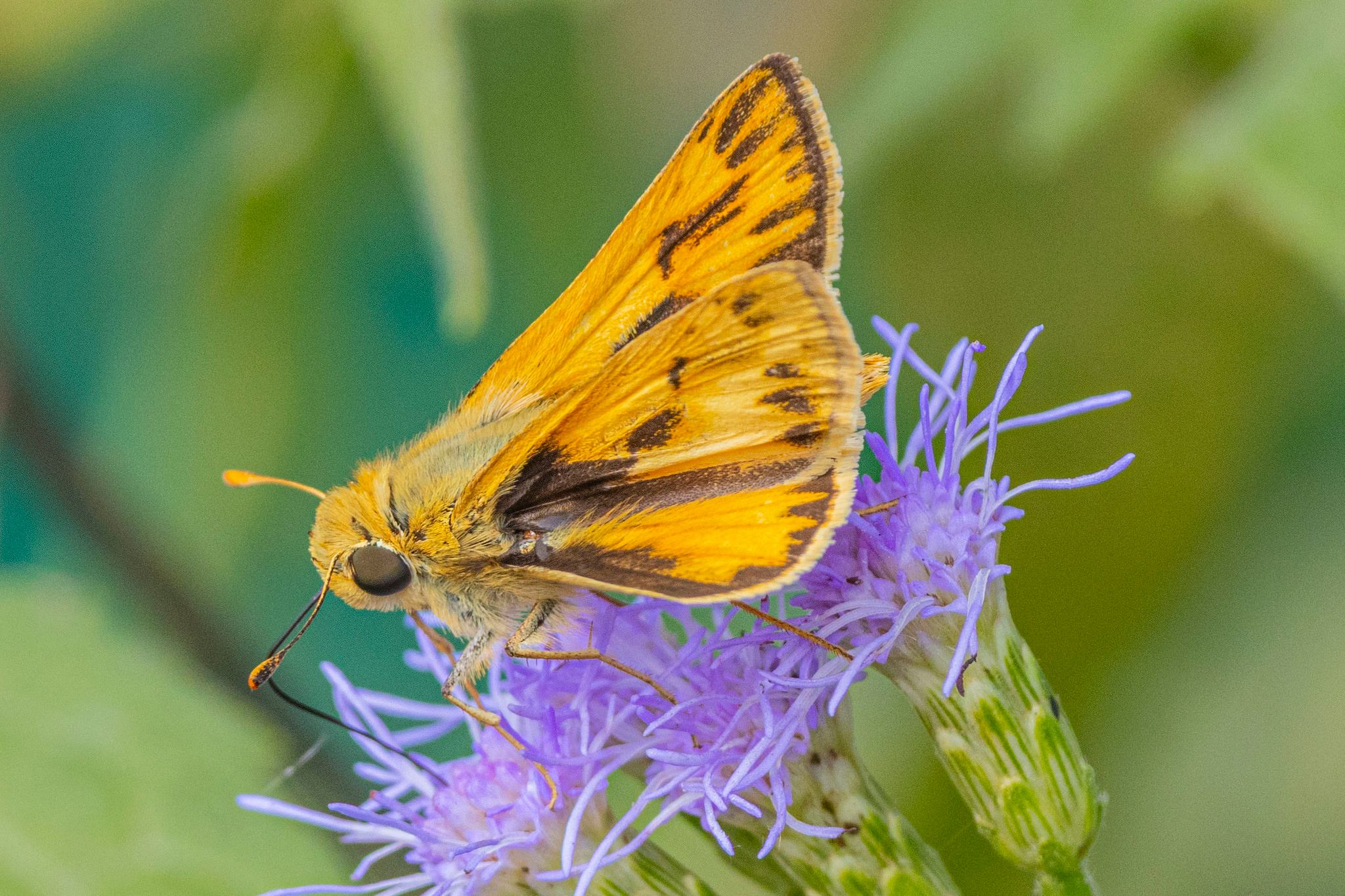
Skippers (Family Hesperiidae)

Skippers

Skippers visit many flowers for nectar and can help move pollen between blooms while they feed.

View pollinator profile
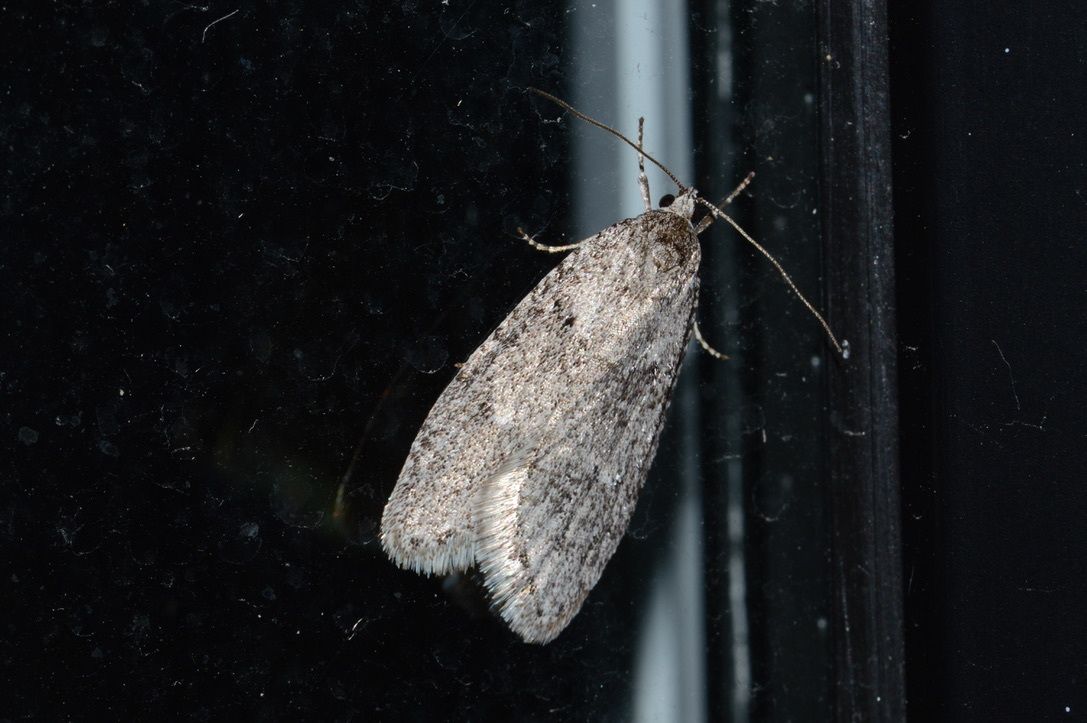
Small nectar moths (micro-moths) (Multiple families (varies))

Small nectar moths (micro-moths)

Many small moths move pollen while feeding on nectar, supporting wild plants and garden blooms—especially in the evening and at night.

View pollinator profile
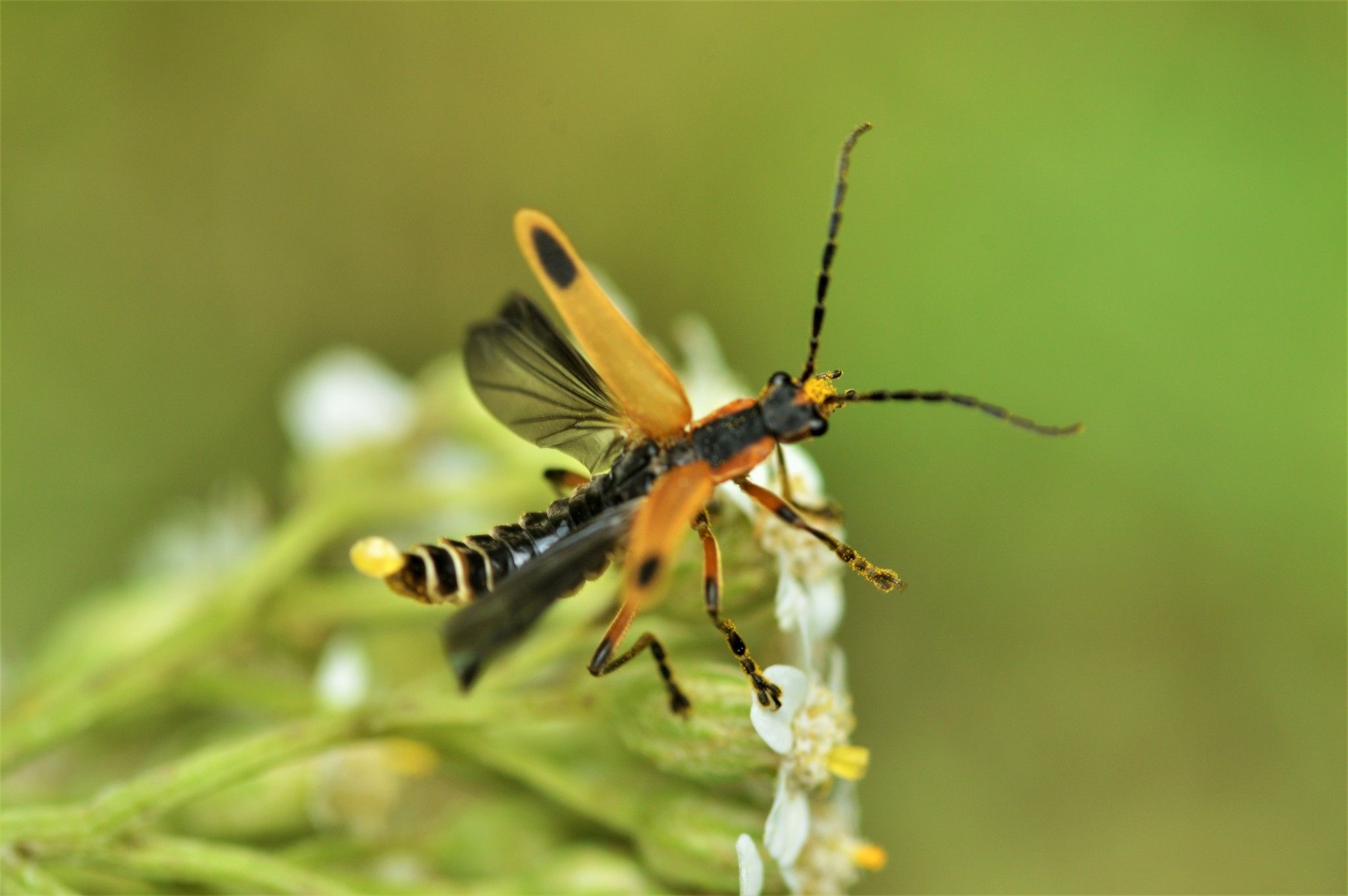
Soldier beetles (Family Cantharidae)

Soldier beetles

Many adults visit flowers and can move pollen between blooms, while also helping control some garden pests.

View pollinator profile
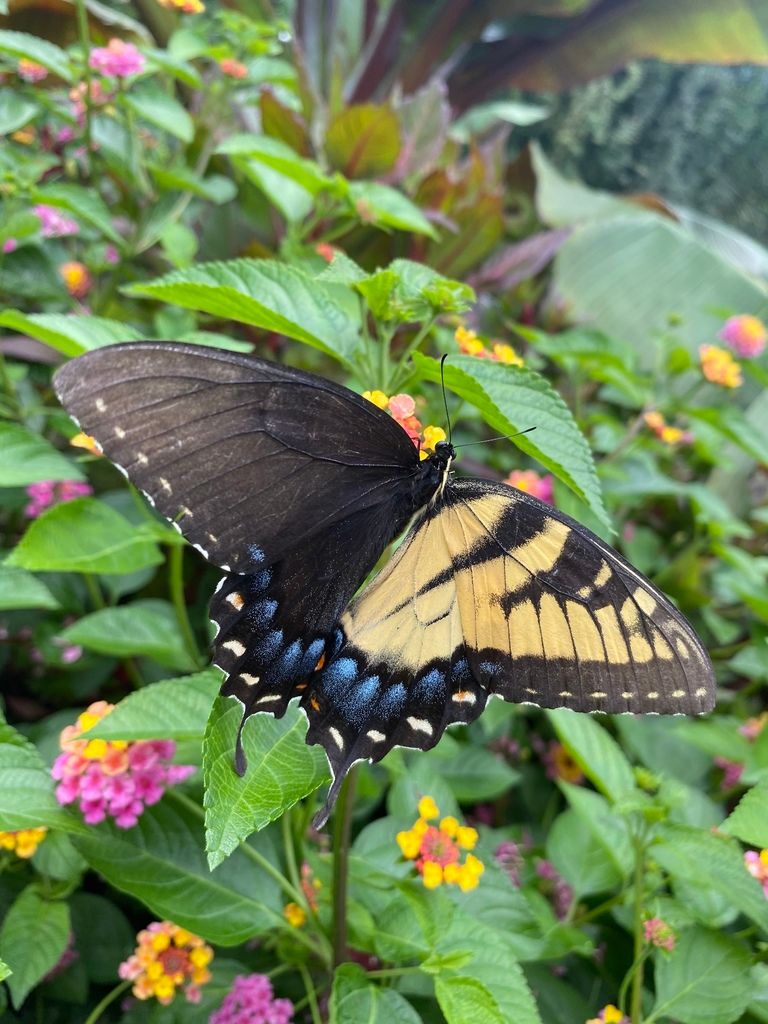
Swallowtails (Family Papilionidae)

Swallowtails

Adult swallowtails visit many flowers for nectar and can help move pollen between blooms as they feed.

View pollinator profile
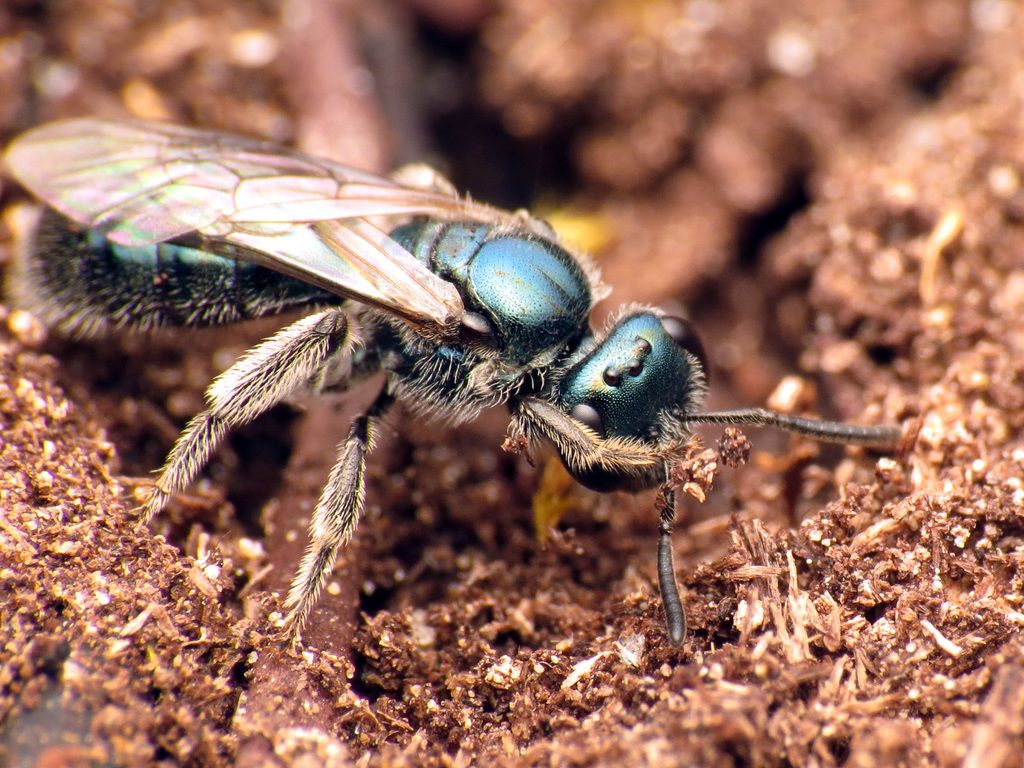
Sweat bees (Family Halictidae)

Sweat bees

They help move pollen between flowers in gardens, parks, and natural areas, supporting seed and fruit production.

View pollinator profile
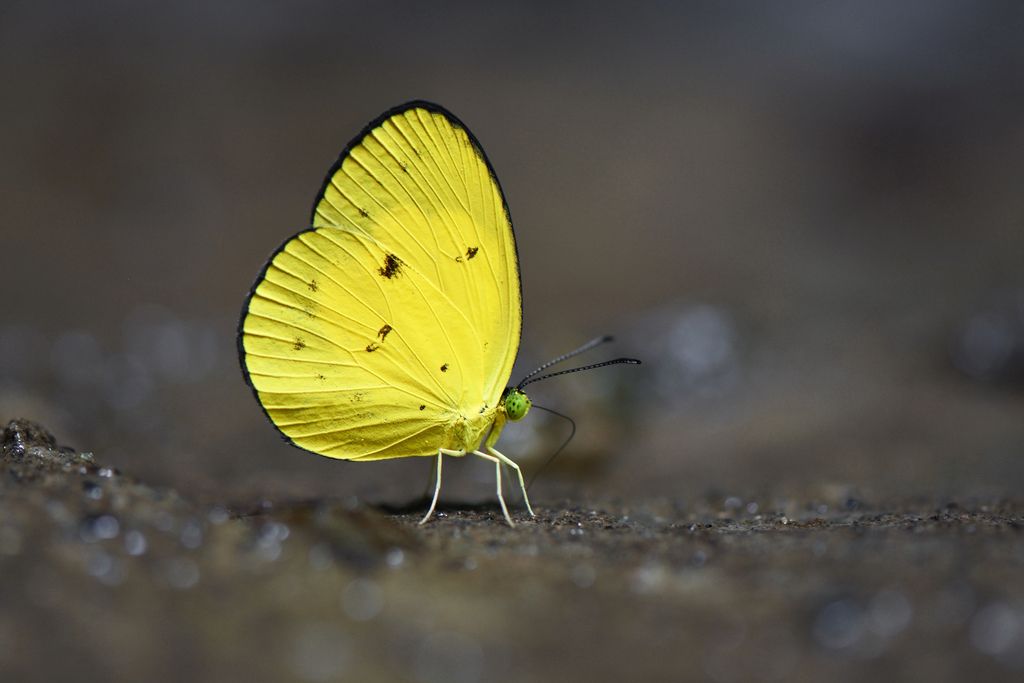
Whites & sulphurs (Family Pieridae)

Whites & sulphurs

They visit a wide range of flowers for nectar and can help move pollen between blooms as they feed.

View pollinator profile