Skip to content
Region profile

Thompson-Okanogan Plateau

Thompson-Okanagan Plateau extends over the warmest and driest areas in Canada, characterized by rolling plateaus and major valleys of the Okanagan, Thompson, Nicola, and Fraser rivers.

Zone

Interior

Common Name

Thompson-Okanogan Plateau

CEC Level III Code

10.1.1

CEC Level II Code

10.1 Cold Deserts

Overview

About This Region

The Thompson-Okanogan Plateau features a diverse landscape transitioning from the dry semi-arid climate of the Okanagan Desert to mixed shrublands and grasslands. This ecoregion’s unique habitats support various pollinators, but they face threats from climate change (high vulnerability), habitat loss, and increasing drought conditions. Conservation efforts in this plateau are vital to protect these essential species. (460 characters)

Region facts

At a glance

AliasesThompson-Okanogan Plateau, Thompson Okanogan Plateau
Geographic Range
The Thompson-Okanagan Plateau is characterized by drier rolling plateaus and major valleys of the Okanagan, Thompson, Nicola, and Fraser rivers, ranging from 1,220 to 2,300 m in elevation and extending over the warmest and driest areas in Canada.
Climate SnapshotThe Thompson-Okanagan Plateau has cold winters and warm to hot summers, with a mean annual temperature of approximately 6°C and mean annual precipitation ranging widely from 250 to over 1,100 mm depending on elevation.
Terrain ProfileThe Thompson-Okanagan Plateau is characterized by drier rolling plateaus and major valleys, typically ranging from 1,220 to 2,300 m, with a gently rolling surface that can be hillier and mountainous in the west.
Vegetation CoverVegetation in the Thompson-Okanagan Plateau ranges from grasslands of bluebunch wheat grass and sagebrush in the driest valley lowlands, to open stands of Douglas fir and pine grass, and higher elevation stands of Engelmann spruce, subalpine fir, and lodgepole pine.
Wildlife HabitatThe Thompson-Okanagan Plateau supports diverse wildlife, including California bighorn sheep, various deer, elk, black bear, coyote, bobcat, cougar, blue grouse, waterfowl, longbilled curlew, rattlesnake, and various raptors.

Eco snapshot

What shapes this region

Climate pattern

  • Dry conditions are common, but microclimates (small local weather differences) can be dramatic between valleys, benches, and uplands
  • South-facing slopes often run hotter and drier; north-facing slopes can stay cooler and hold moisture longer
  • River and lake edges can create locally milder, greener pockets
Vegetation profile

Vegetation in the Thompson-Okanagan Plateau ranges from grasslands of bluebunch wheat grass and sagebrush in the driest valley lowlands, to open stands of Douglas fir and pine grass, and higher elevation stands of Engelmann spruce, subalpine fir, and lodgepole pine.

Wildlife profile

The Thompson-Okanagan Plateau supports diverse wildlife, including California bighorn sheep, various deer, elk, black bear, coyote, bobcat, cougar, blue grouse, waterfowl, longbilled curlew, rattlesnake, and various raptors.

Why pollinators matter here

  • Dry regions can have “boom-and-bust” bloom periods; gardens can smooth out gaps
  • Early-season flowers help queens and solitary bees get established after winter
  • Late-season flowers help pollinators build energy reserves before cold weather
  • Diverse native plants support a wider range of native bees than lawns or single-species plantings

Seasonal timing

Planting seasons

Timing varies by microclimate; use this as a flexible guide.

Seasonal timing

  • Early spring: good for cool-season planting and getting roots established before summer dryness
  • Late spring to early summer: plant with a watering plan; mulch and shade can reduce stress
  • Late summer to fall: often a strong time for planting perennials and sowing some native seeds, depending on local conditions

Quick seasonal checklist

  • Choose drought-tolerant native plants suited to your sun/shade
  • Group plants by water needs (so you don’t overwater the tough ones)
  • Aim for at least three bloom periods: spring, summer, late summer/fall
  • Add nesting habitat (bare soil, stems, and a small brush/leaf area)

Yearly needs

Pollinator calendar

What pollinators need throughout the year, and what to do about it.

Late winter/early springThe first nectar/pollen; safe places for emerging queens and early solitary beesPlant/maintain early bloomers; leave some leaf litter and stems until weather is consistently mild
SpringSteady bloom and nesting sitesAdd a mix of spring flowers; keep a small patch of bare, well-drained soil for ground nesters
SummerDrought-resilient nectar sources; shallow waterPlant heat-tough natives; provide a shallow water dish with stones; water new plants deeply but less often
Late summer/fall“Finishing” blooms to build reserves before winterPrioritize late-blooming natives; avoid deadheading everything—leave some seed and structure
Winter or Dry SeasonShelter and undisturbed nestingDon’t over-tidy; leave stems, seedheads, and a quiet corner for overwintering insects

Keystone plants

Keystone plants by season

Mix early, mid, and late bloomers so pollinators always find food.

Early Bloom

  • Saskatoon serviceberry
  • Golden currant
  • Common camas
  • Arrowleaf balsamroot
  • Lupine (regional species)
  • Blanketflower
  • Yarrow
  • Rocky Mountain bee plant
  • Showy milkweed
  • Lewis flax

Mid-Season Bloom

Late-Season Bloom

  • Rabbitbrush (rubber rabbitbrush)
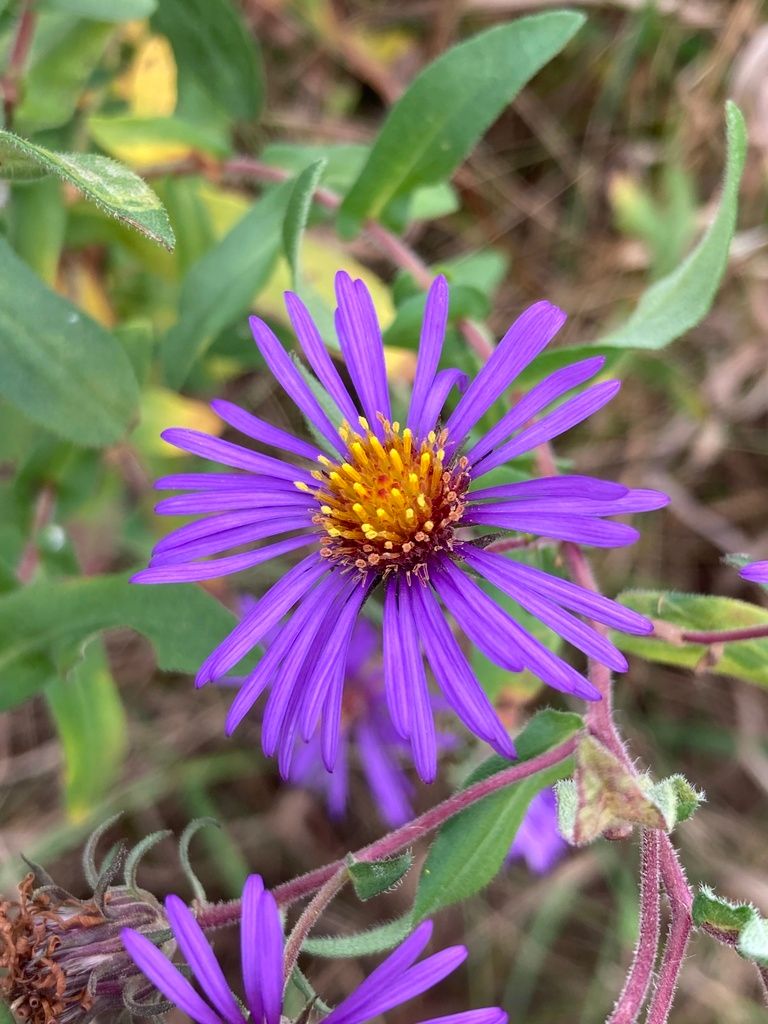
  • Douglas aster
  • Canada goldenrod

Seed mix concept

A Billion Small Steps Seed mix

A simple way to plan is to think in three bloom “jobs,” so there’s food across the growing season in dry conditions.

Spring starter

Spring starter: early bloomers (often shrubs and spring perennials) to support emerging bees

Summer bridge

Summer bridge: heat-tolerant flowers that keep nectar/pollen available through the driest stretch

Fall finisher

Fall finisher: late-season bloomers (often asters/goldenrods/rabbitbrush-type plants) to help pollinators stock up before winter

What You Can Do

Make a difference for native habitats.

Turn this knowledge into action. Whether you plant a single pot or a whole garden, you are building a vital bridge for local biodiversity.

Join the movement to restore our shared habitats.

Native plants

Plants that thrive in this region

Asters (*Symphyotrichum* spp.)

Asters

Asters are late-season wildflowers that bring a burst of daisy-like blooms when many gardens are winding down, making them a reliable choice for pollinator-friendly planting.

View plant profile
F_wildflowers-herbaceous-perennials-blazing-stars (2).jpg

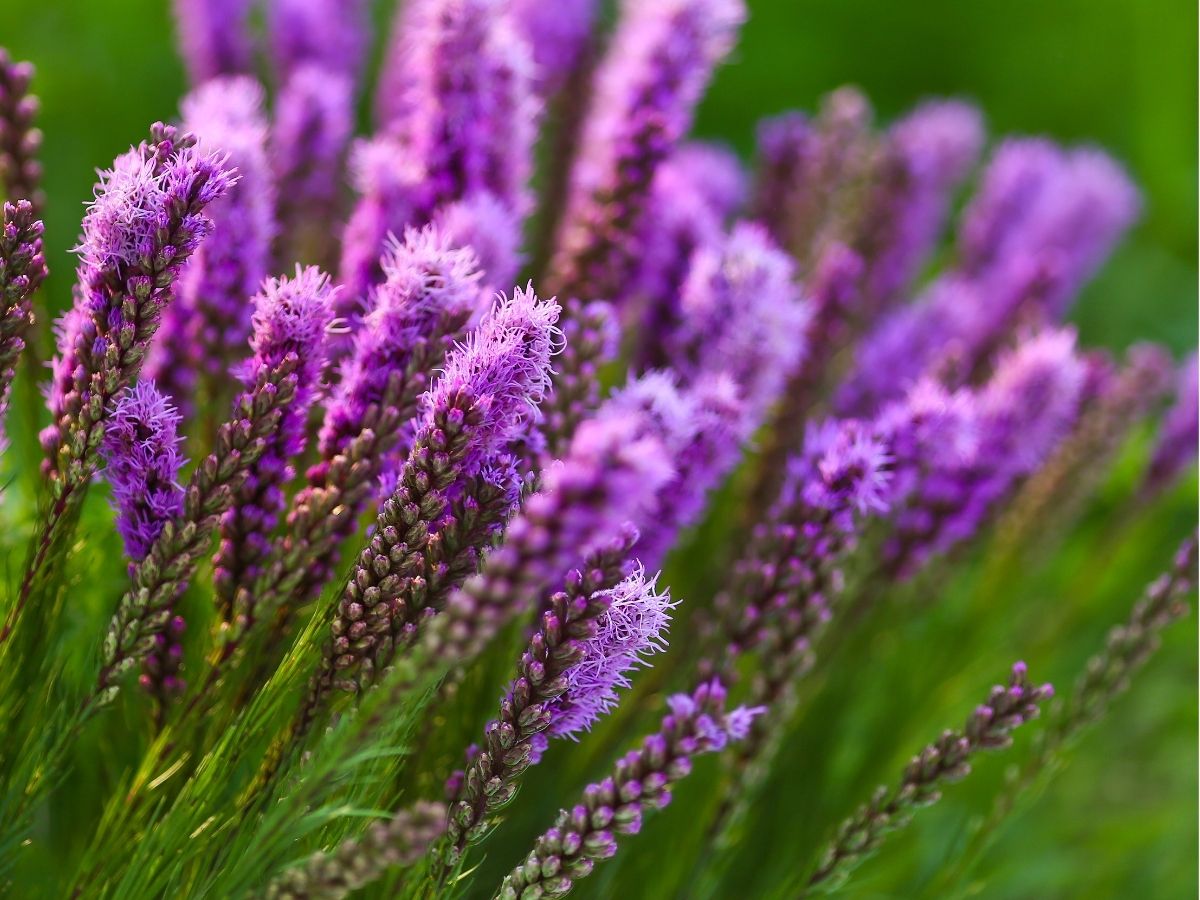
Blazing stars

Blazing stars (Liatris) are upright, purple-pink wildflowers that bloom in showy spikes and are well-loved by many pollinators. They’re a strong choice for sunny gardens, borders, and meadow-style plantings.

View plant profile
F_wildflowers-herbaceous-perennials-gilias.jpg

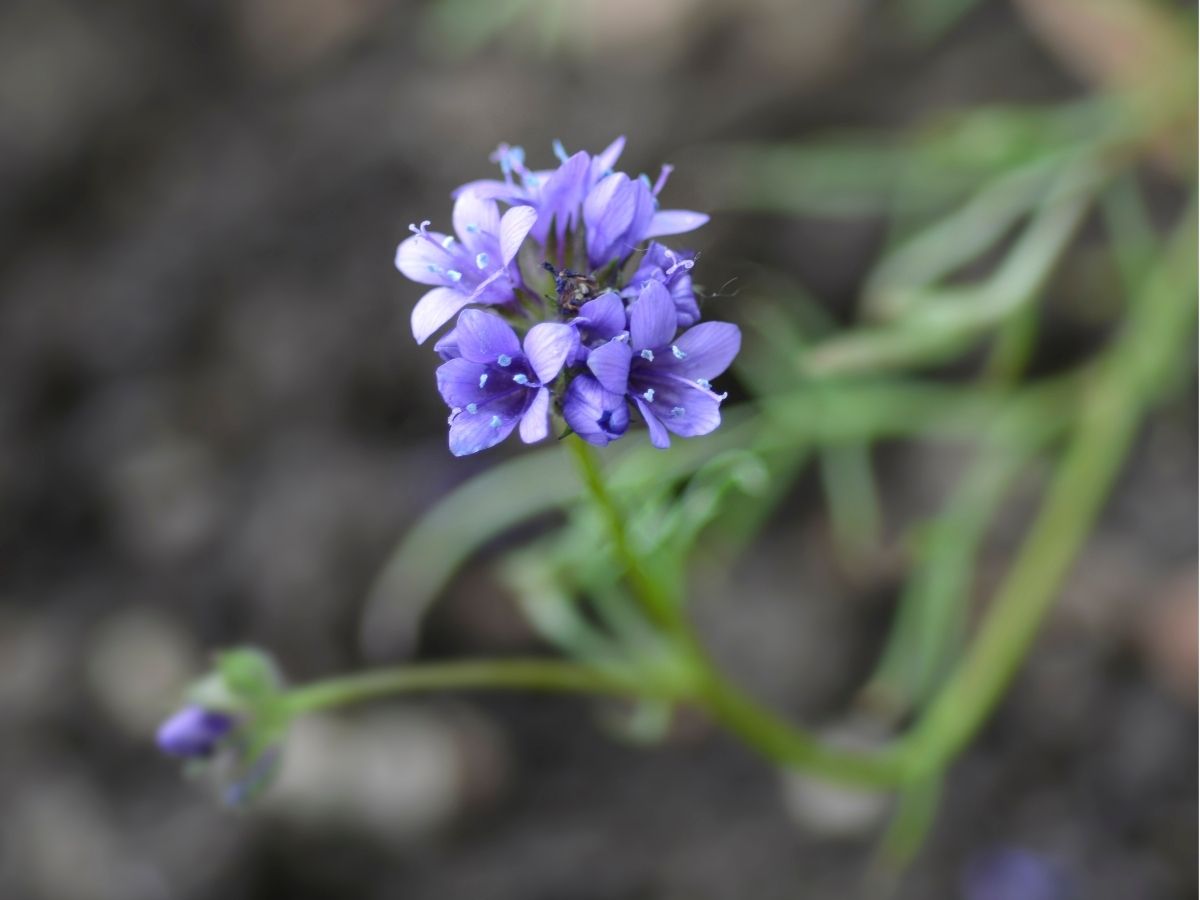
Gilias

Gilias (genus Gilia) are airy, nectar-rich wildflowers that can add quick color to sunny spots and help support a variety of pollinators.

View plant profile
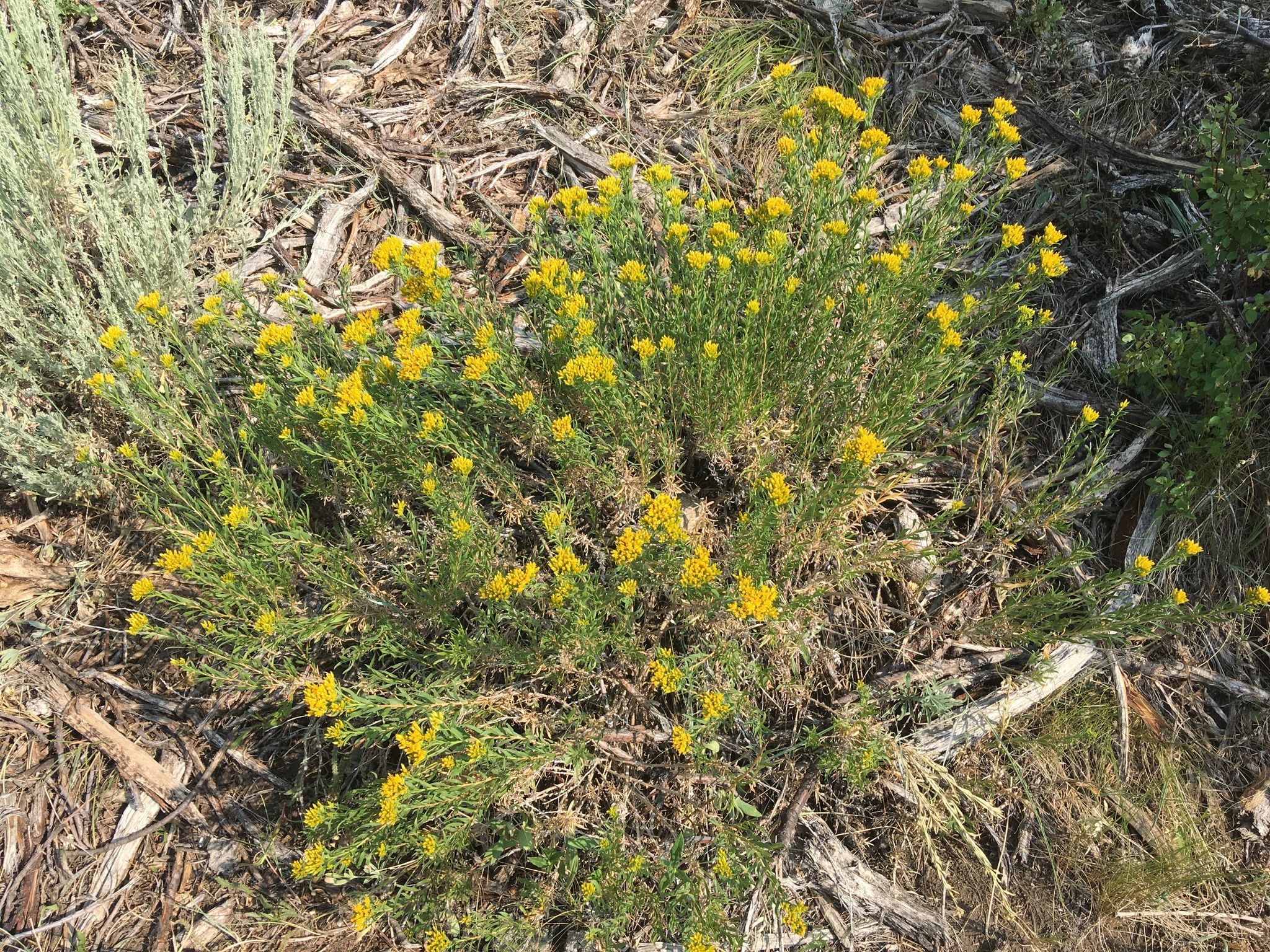
Goldenrods (*Solidago* spp.)

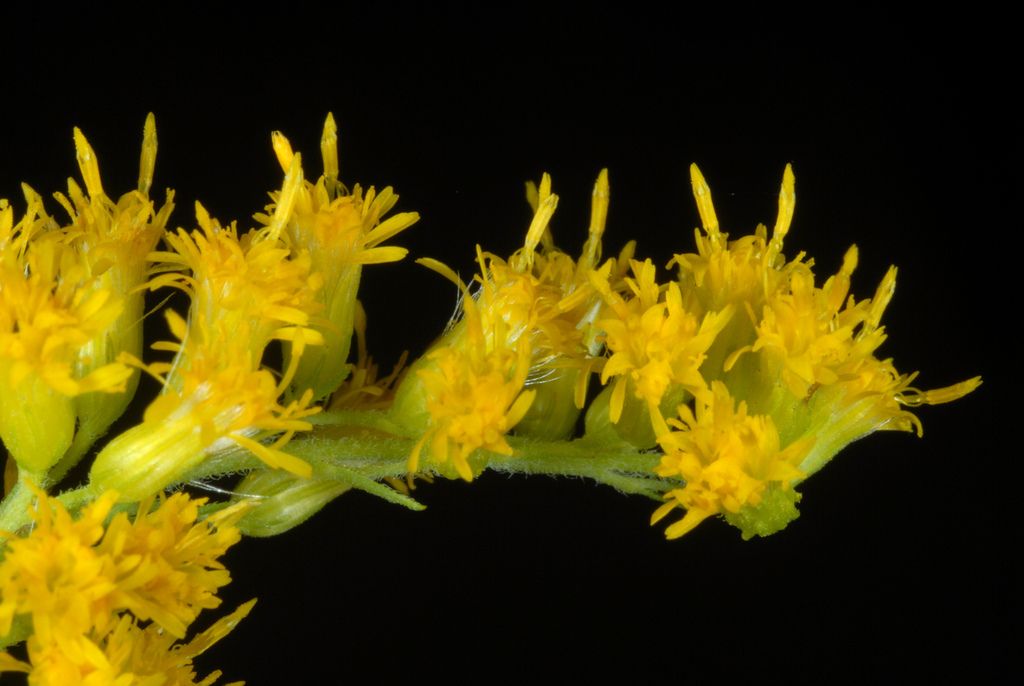
Goldenrods

Goldenrods are tough, sunny wildflowers in the genus Solidago that light up late-season gardens with golden blooms and provide reliable nectar and pollen when many other flowers are fading.

View plant profile
Penstemons (*Penstemon* (genus))

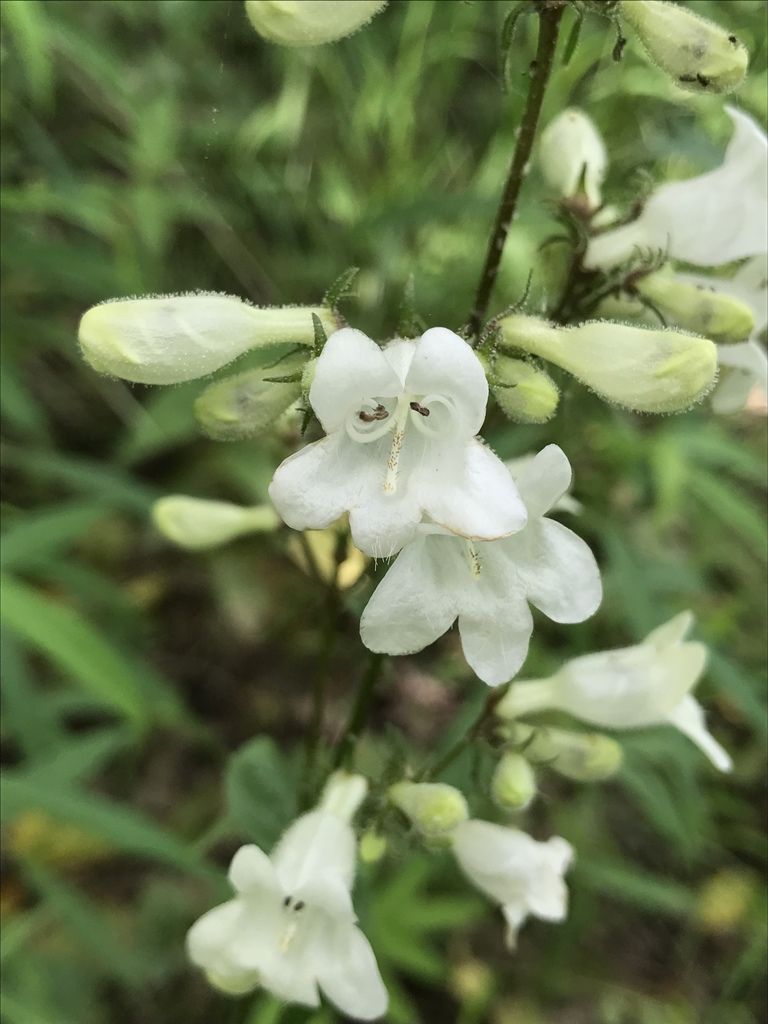
Penstemons

Penstemons (beardtongues) are hardy, flower-filled wildflowers that bring bright color and steady nectar to gardens and containers, especially in sunny spots with well-drained soil.

View plant profile
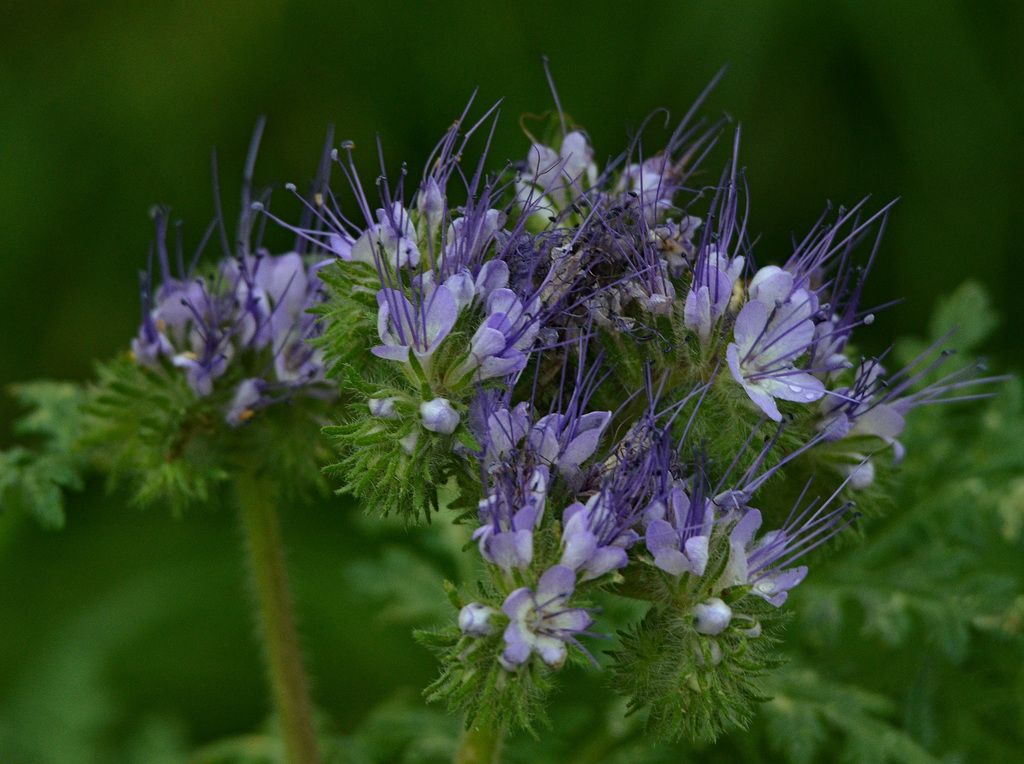
Phacelias (*Phacelia* spp.)

Phacelias

Phacelias are easygoing wildflowers in the genus Phacelia, known for their nectar-rich blooms that can bring lots of pollinator activity to gardens, schoolyards, and even containers.

View plant profile
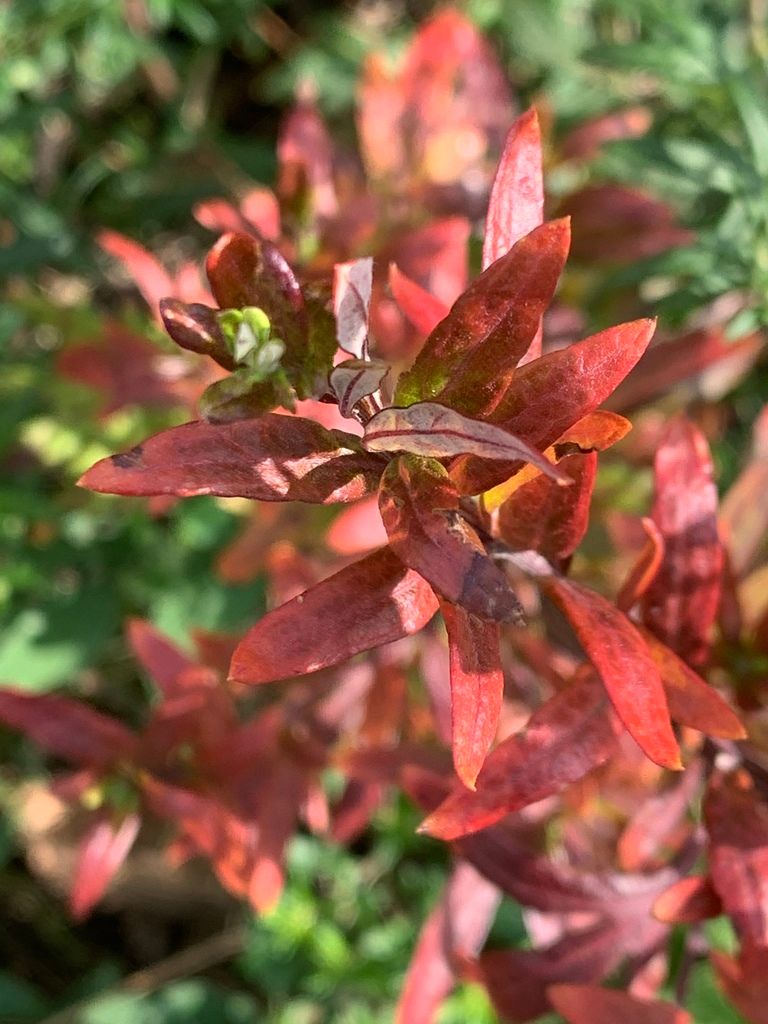
Rabbitbrush (*Ericameria* spp. / *Chrysothamnus* spp.)

Rabbitbrush

Rabbitbrush is a tough, sun-loving shrub known for its bright yellow late-season blooms that can help keep pollinators fed when many other flowers are fading.

View plant profile
Sagebrushes (*Artemisia* spp.)

Sagebrushes

Sagebrushes are tough, aromatic shrubs in the genus Artemisia that can anchor a dry, sunny habitat and offer shelter and seasonal nectar for a range of insects.

View plant profile
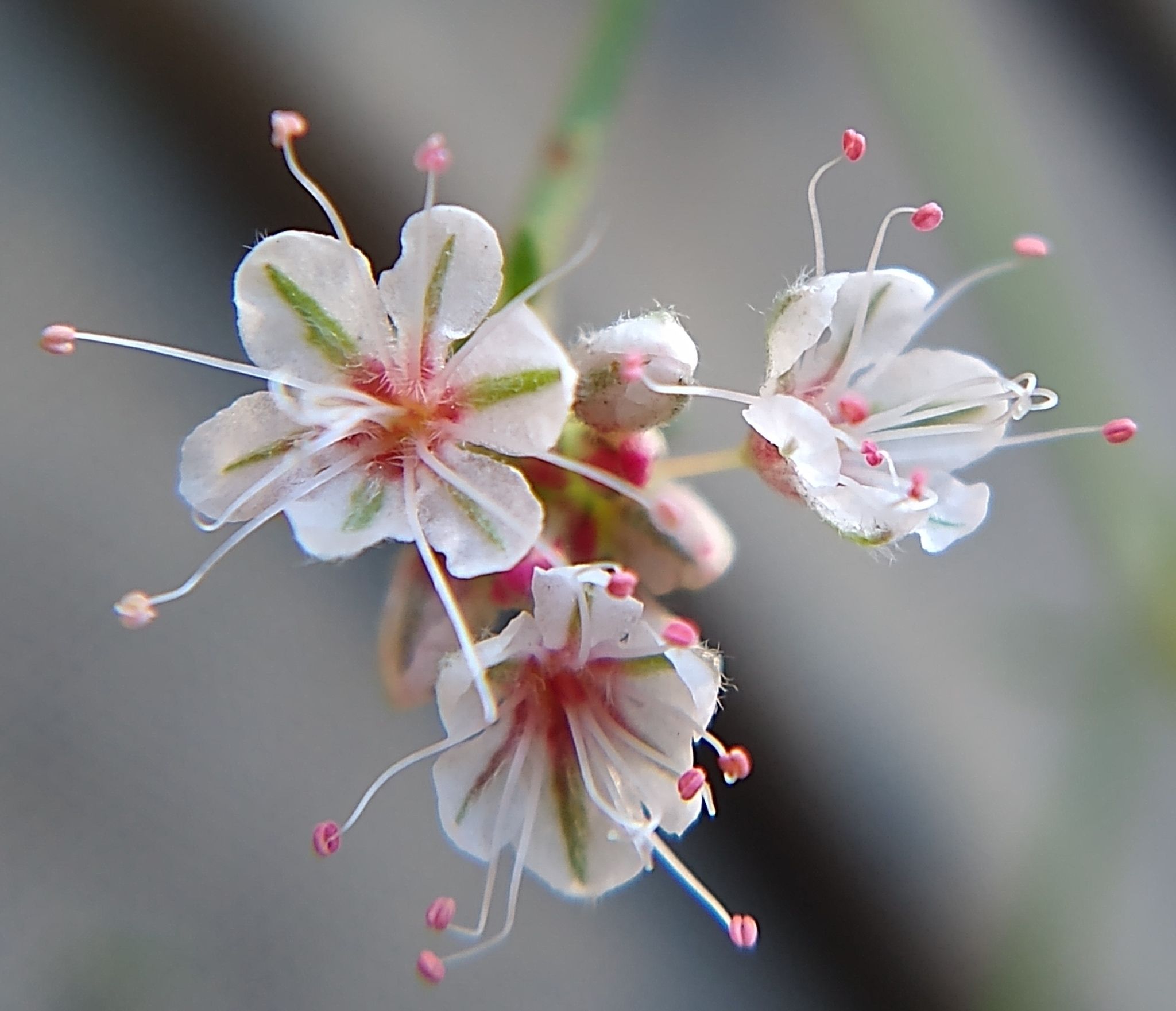
Wild buckwheats (*Eriogonum* (genus))

Wild buckwheats

Wild buckwheats (genus Eriogonum) are tough, long-blooming western native wildflowers that can turn dry, sunny spots into reliable pollinator stops.

View plant profile
Yarrow (*Achillea millefolium*)

Yarrow

Yarrow is a tough, easygoing wildflower that brings long-lasting blooms and steady pollinator visits to gardens, schoolyards, and even containers.

View plant profile

Pollinators

Pollinators active in this region

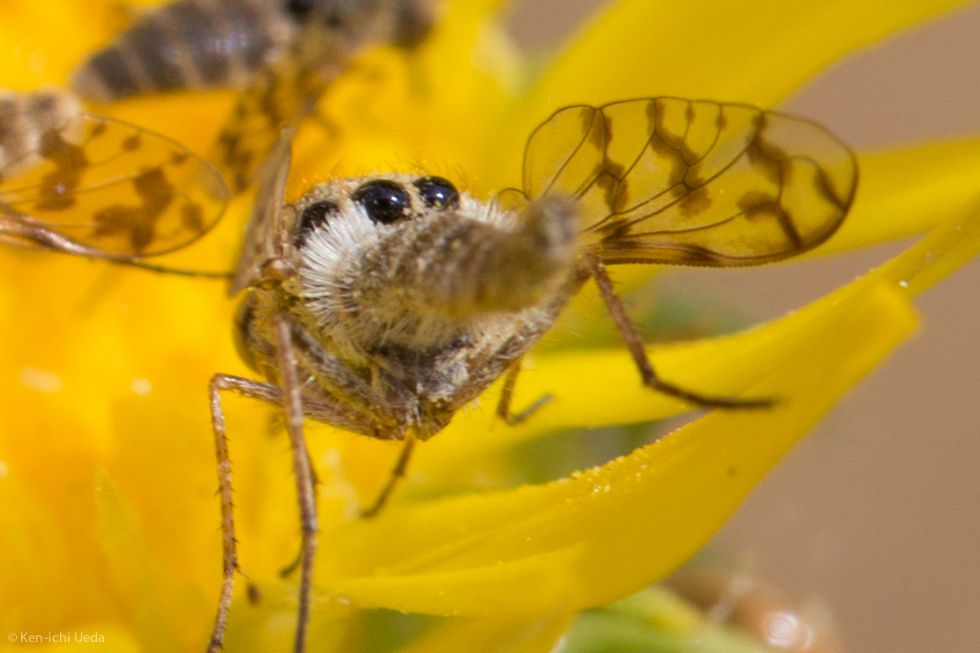
Bee flies (Family Bombyliidae)

Bee flies

Adults visit flowers for nectar and can move pollen between blooms; their presence is a sign of diverse, functioning habitats.

View pollinator profile
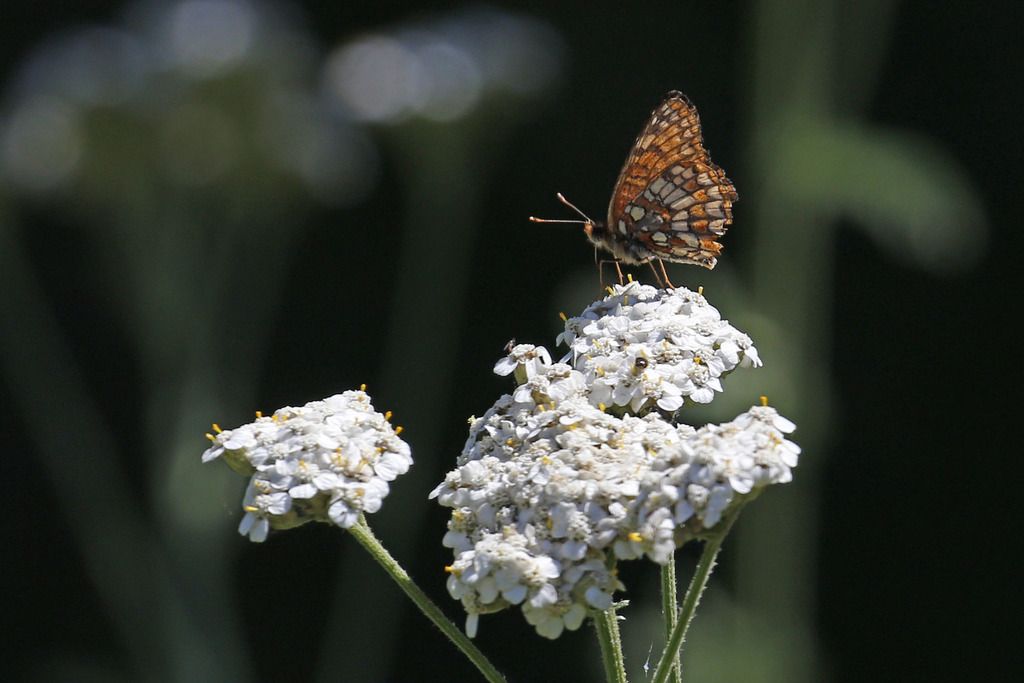
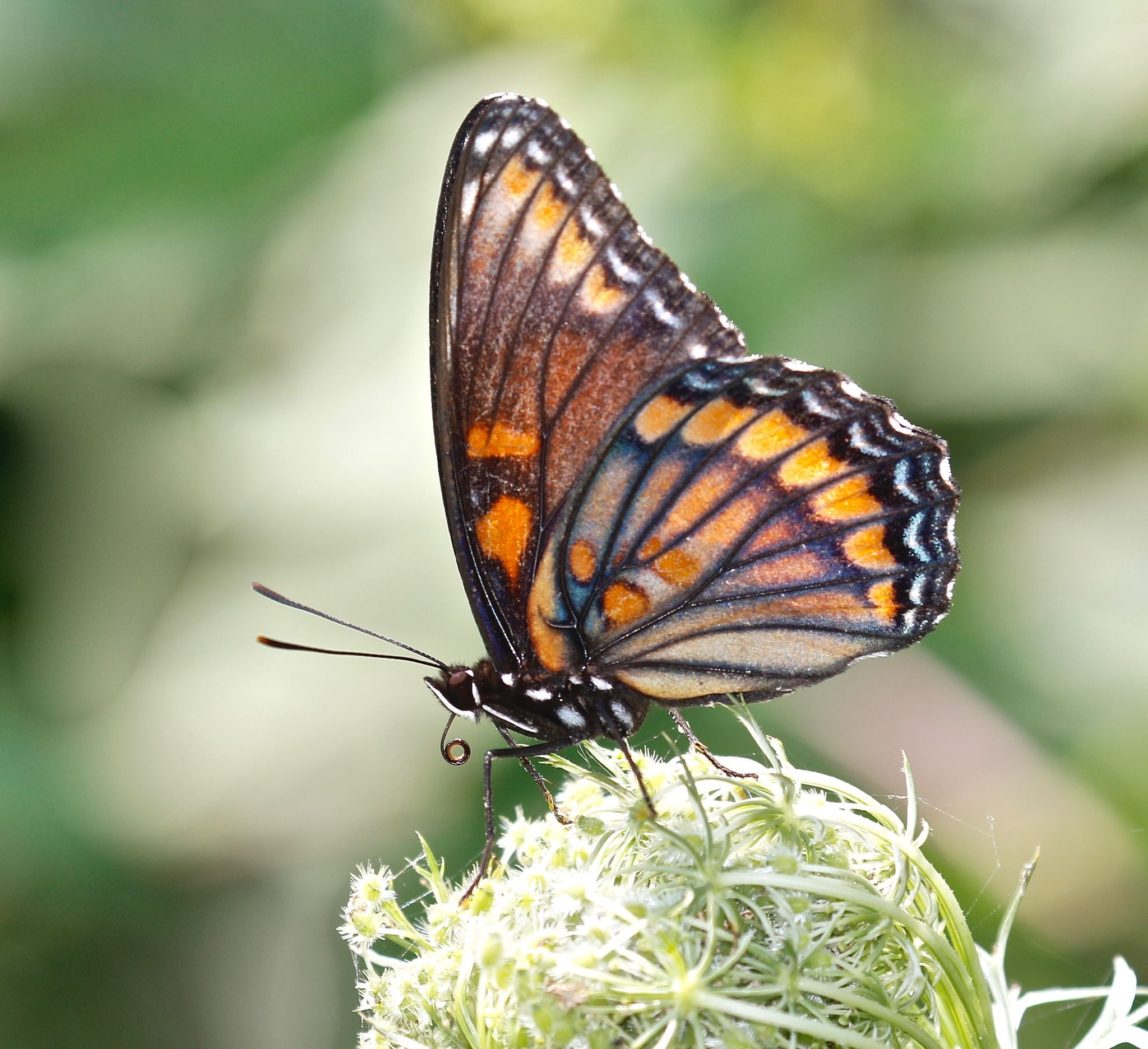
Brushfoots (Family Nymphalidae)

Brushfoots

Many brushfoots move pollen between flowers as they feed, and their caterpillars are part of healthy food webs.

View pollinator profile
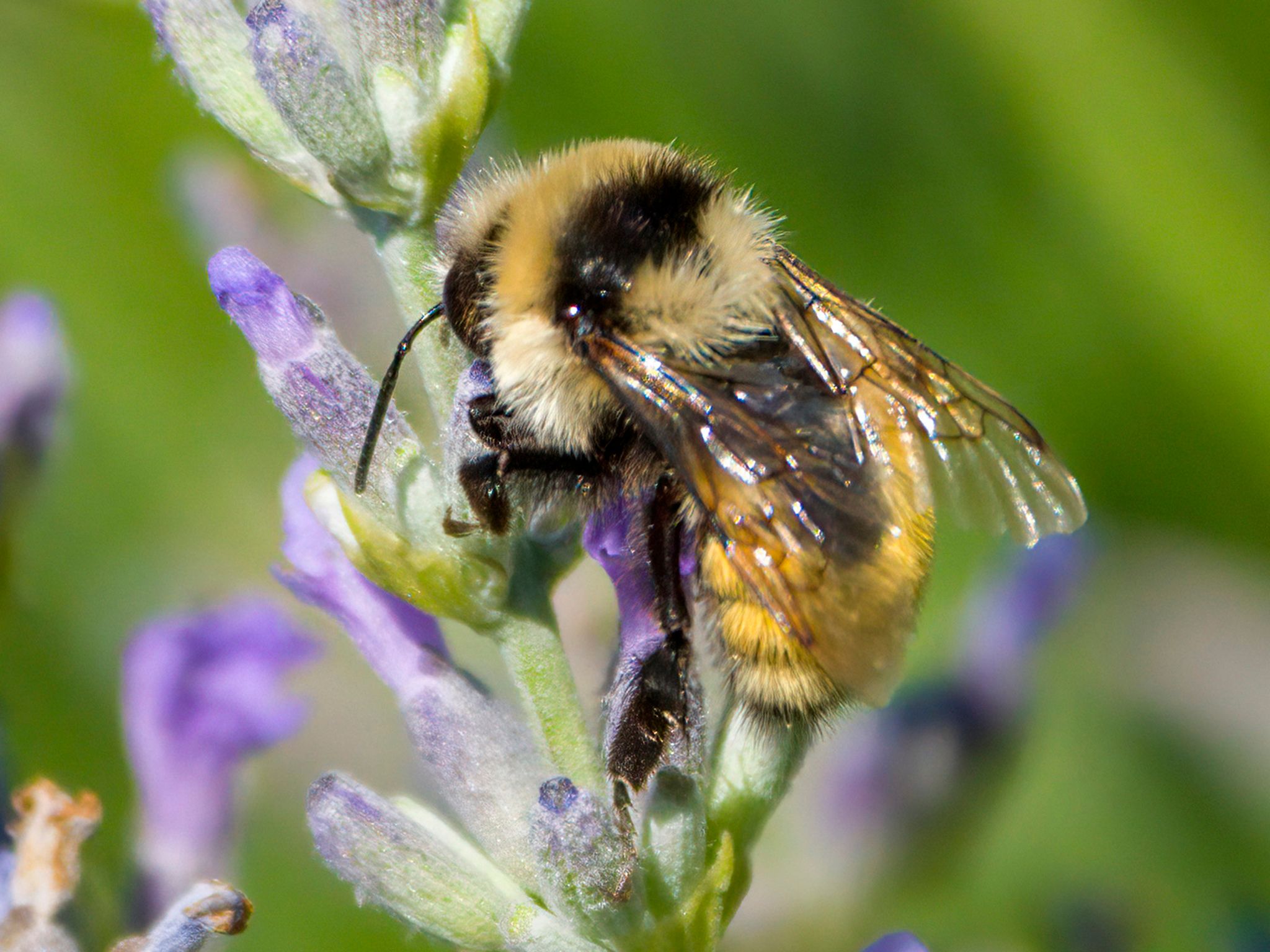
Bumble bees (Genus Bombus)

Bumble bees

Bumble bees are important pollinators of many wildflowers and garden plants, helping ecosystems and food crops reproduce.

View pollinator profile
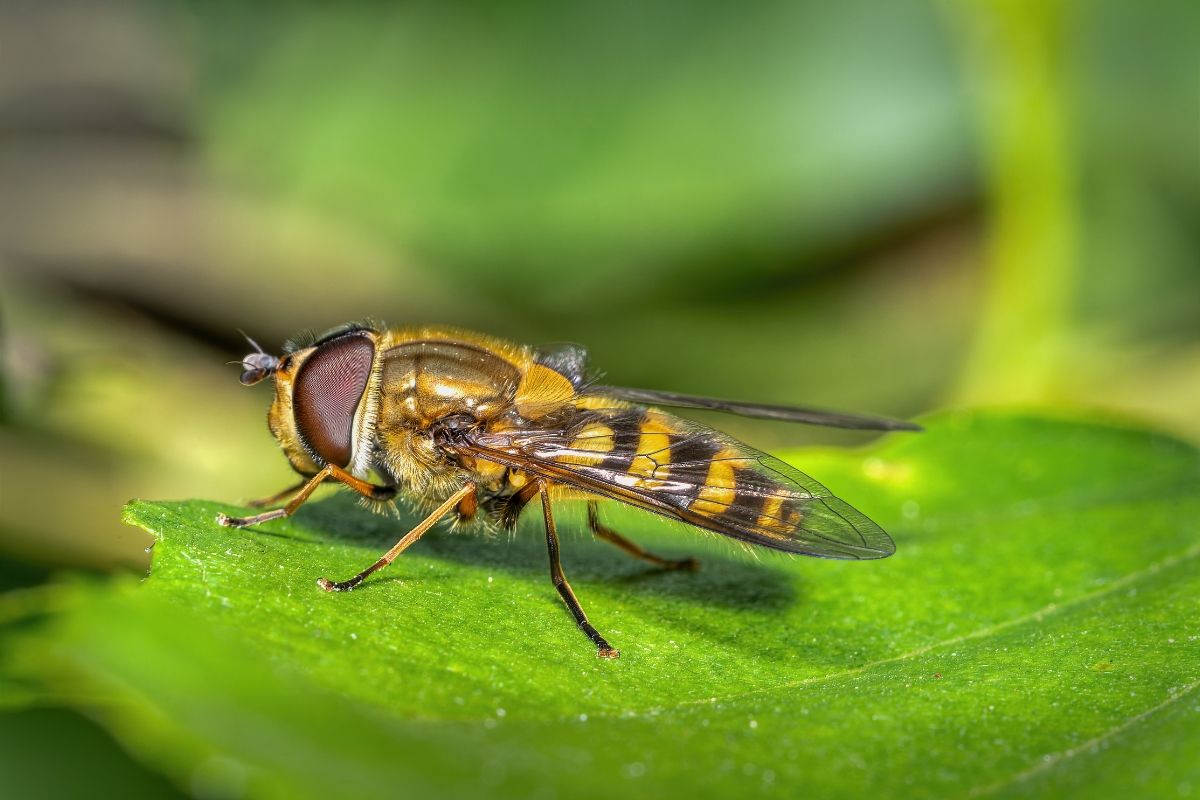
F_hoverfly-01.jpg

Flower flies / hoverflies

Adults visit flowers for nectar and pollen, and many species’ larvae help keep plant-eating pests in check.

View pollinator profile
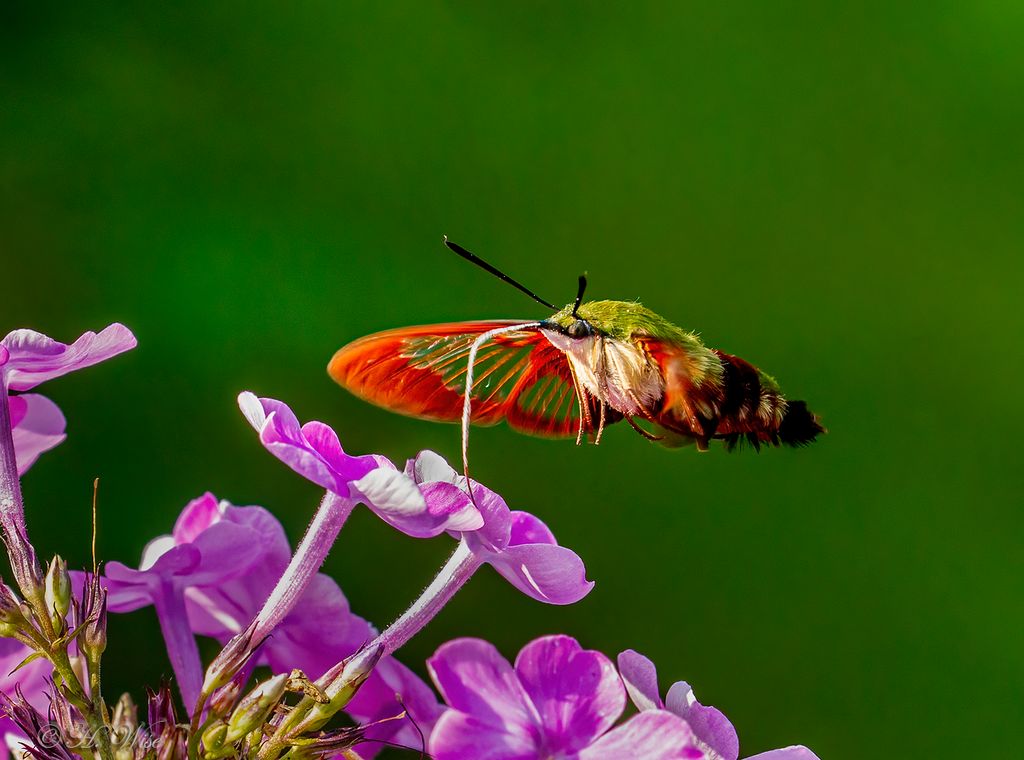
Hawk / sphinx moths (Family Sphingidae)

Hawk / sphinx moths

They can move pollen between flowers while feeding on nectar, especially for blooms that open or scent up in the evening.

View pollinator profile
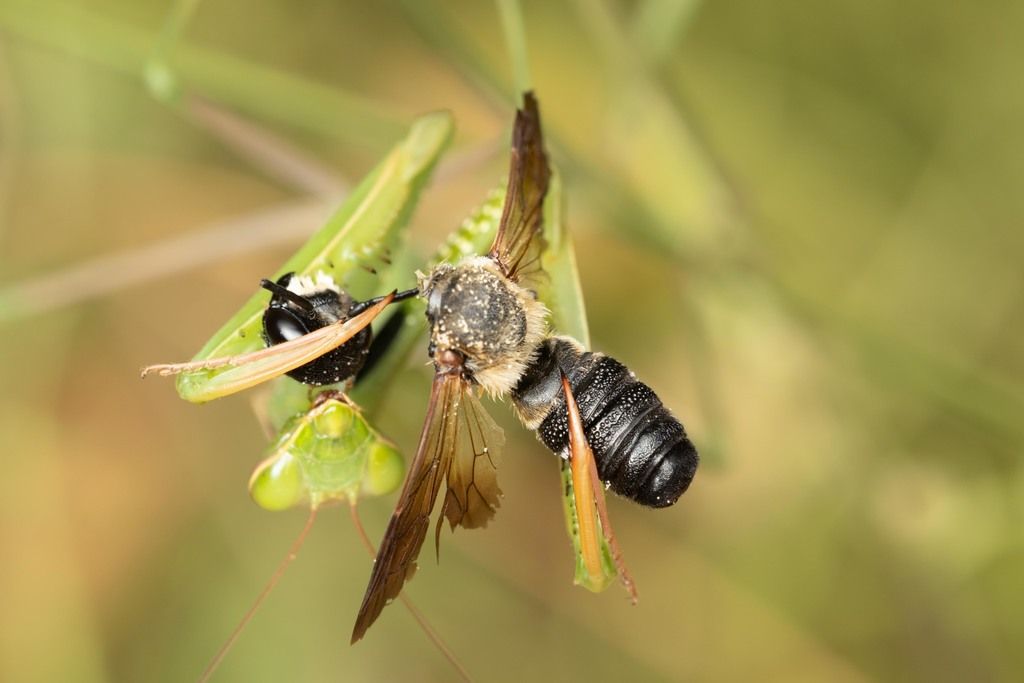
Leafcutter bees (Genus Megachile)

Leafcutter bees

They move pollen between flowers while foraging, helping many wild plants and garden plants set seed and fruit.

View pollinator profile
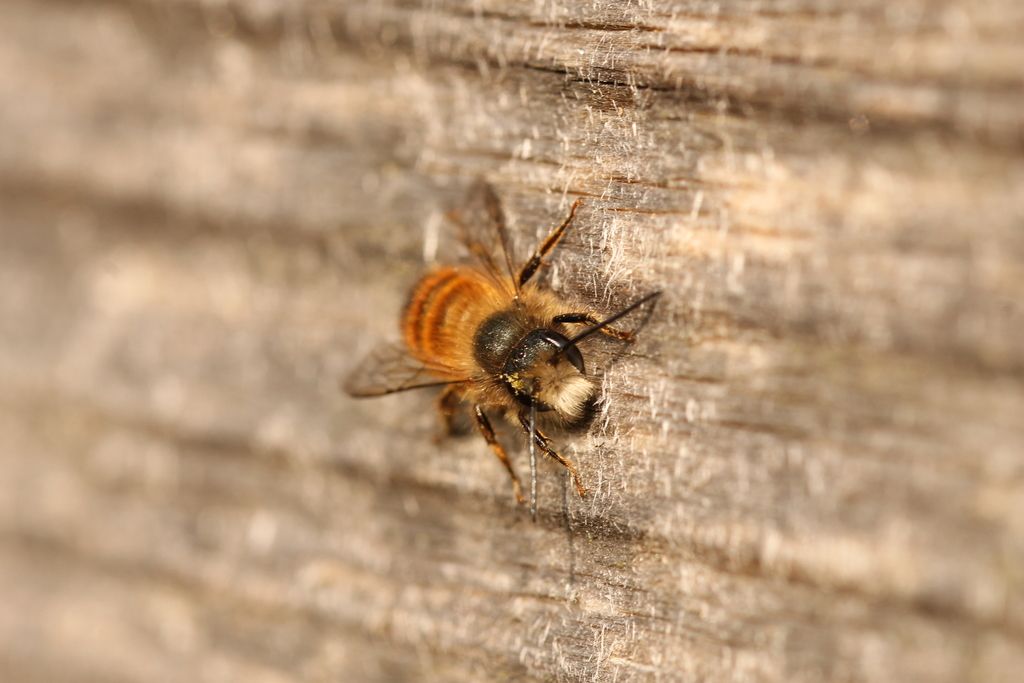
Mason bees (Genus Osmia)

Mason bees

They move pollen between flowers while foraging, helping many wild plants and garden crops set seed and fruit.

View pollinator profile
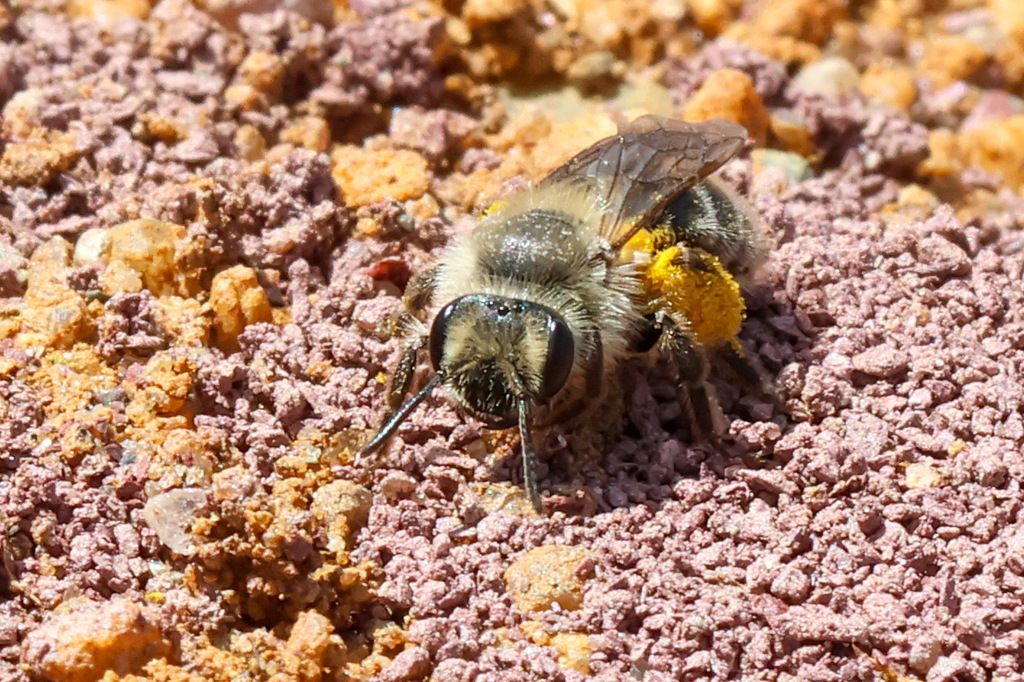
Mining bees (Genus Andrena)

Mining bees

They move pollen between flowers while foraging, helping many wild plants and garden plants set seed and fruit.

View pollinator profile
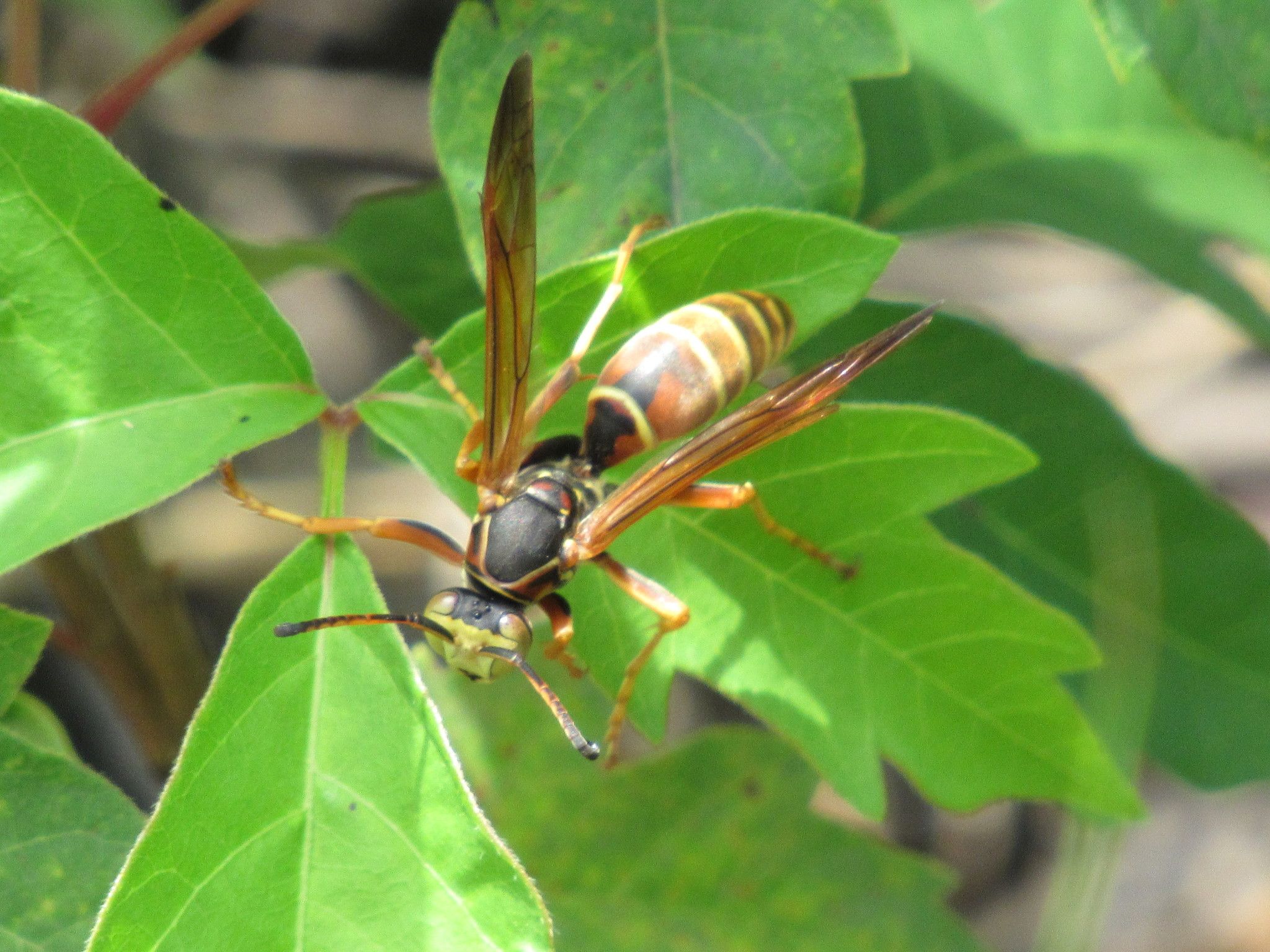
Paper wasps (Genus Polistes)

Paper wasps

They can move pollen while drinking nectar, and they also help control many plant-eating insects.

View pollinator profile
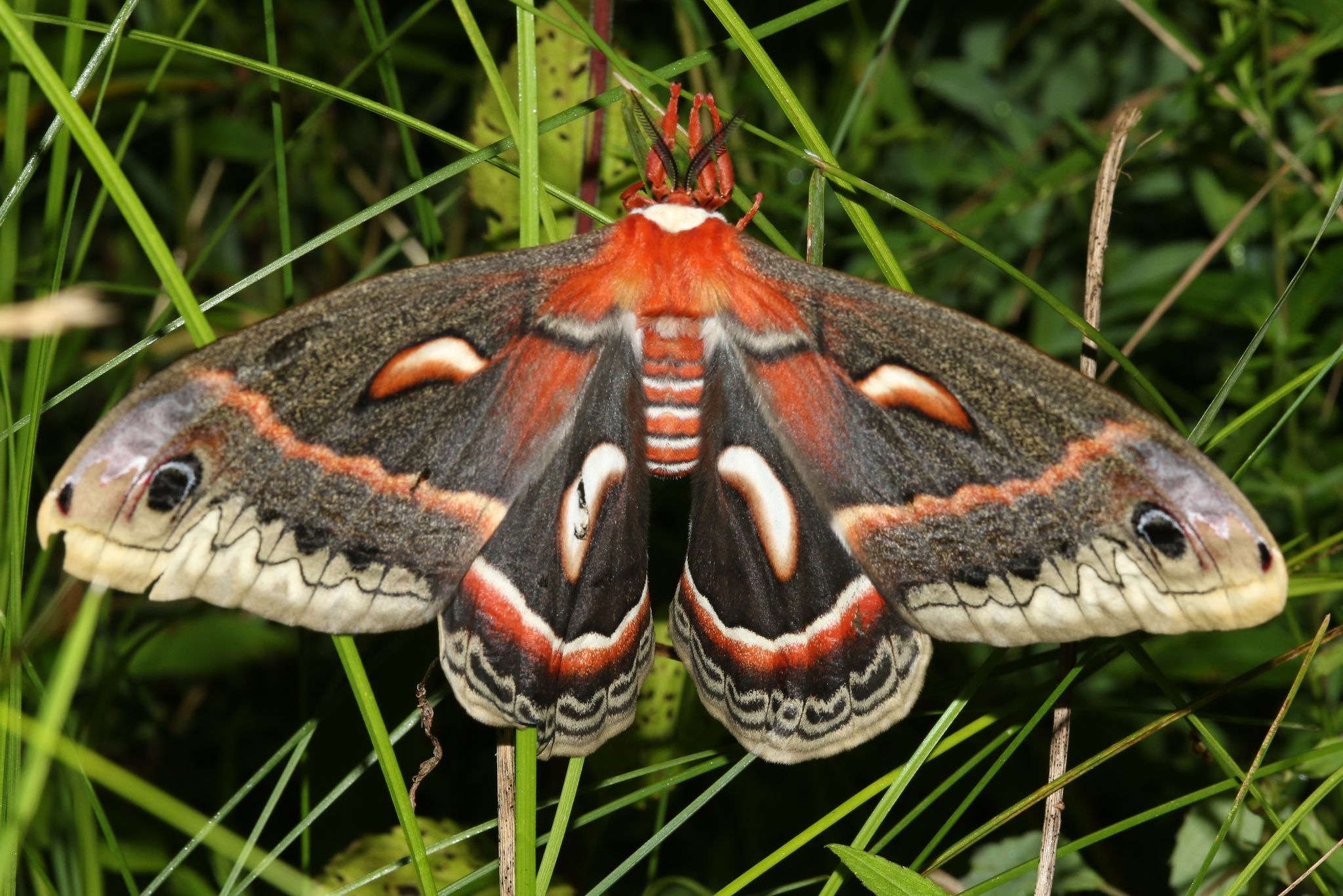
Silkmoths (giant moths) (Family Saturniidae)

Silkmoths (giant moths)

They’re part of healthy food webs and plant communities, and their caterpillars depend on a wide range of native trees and shrubs.

View pollinator profile
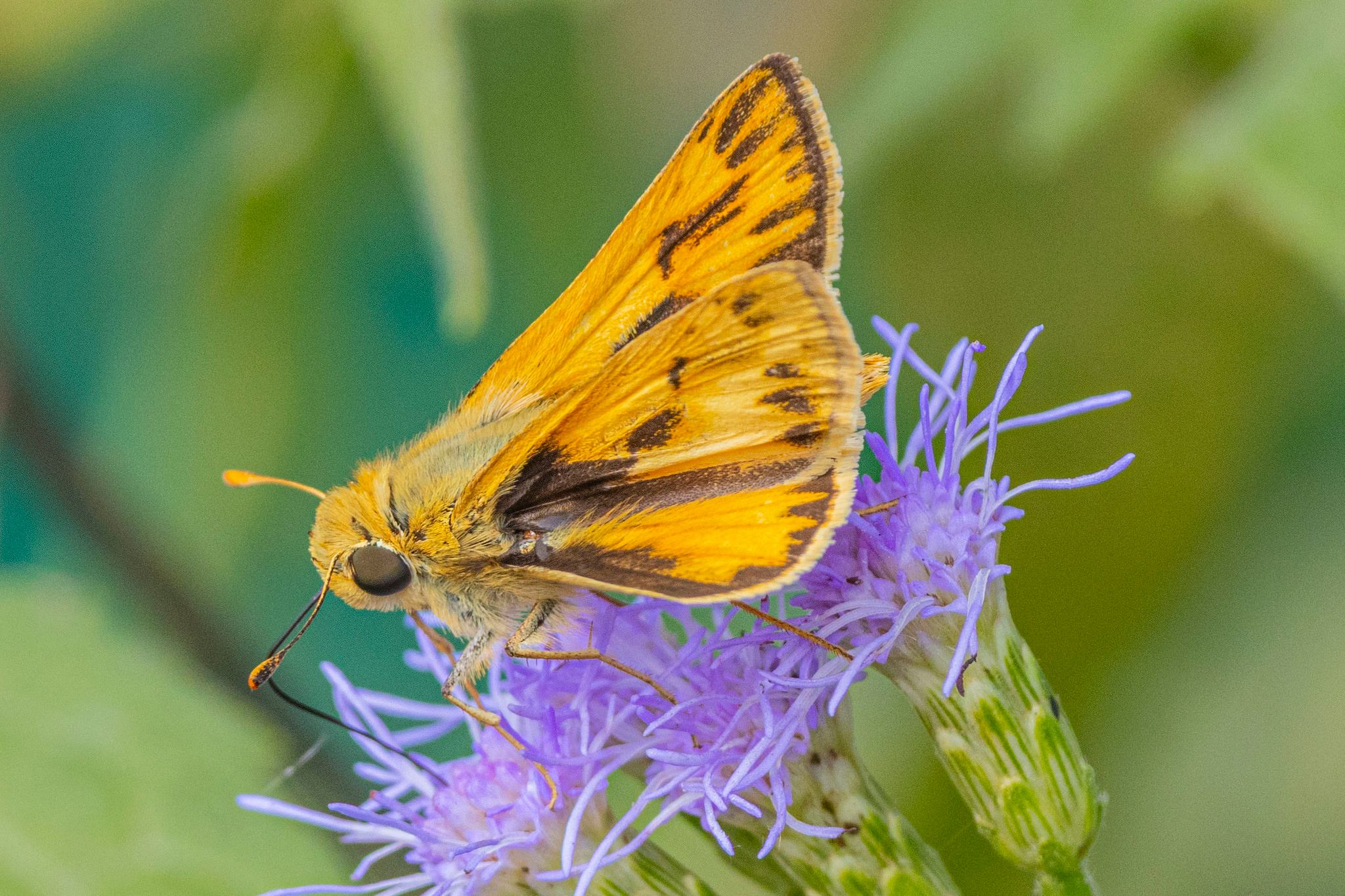
Skippers (Family Hesperiidae)

Skippers

Skippers visit many flowers for nectar and can help move pollen between blooms while they feed.

View pollinator profile
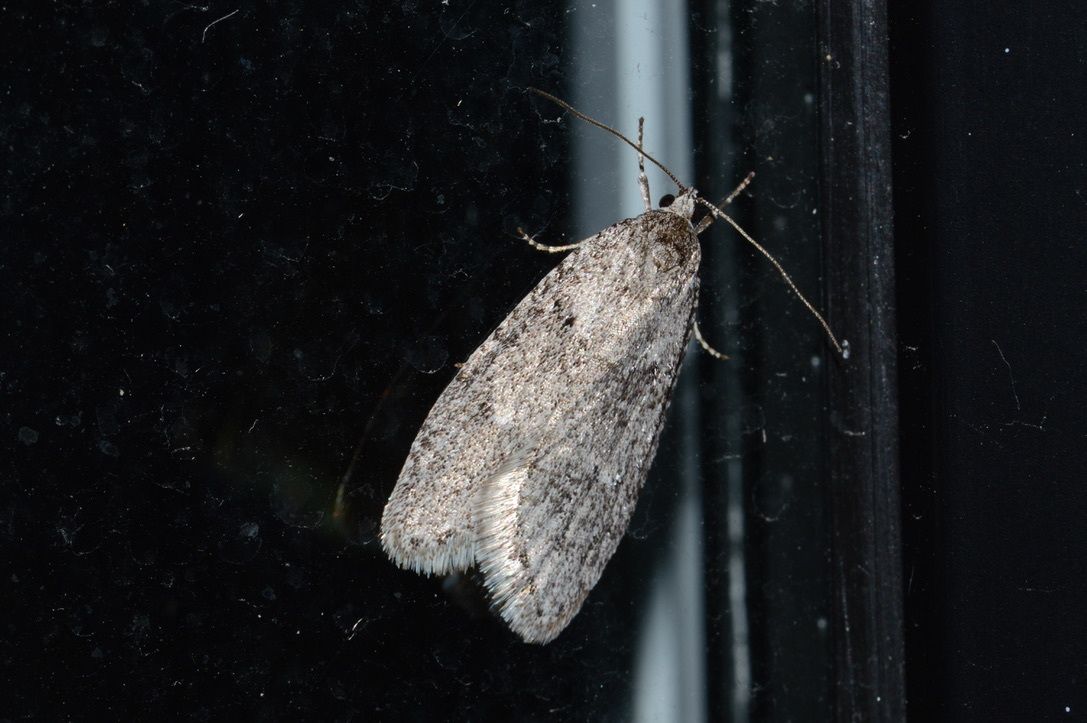
Small nectar moths (micro-moths) (Multiple families (varies))

Small nectar moths (micro-moths)

Many small moths move pollen while feeding on nectar, supporting wild plants and garden blooms—especially in the evening and at night.

View pollinator profile
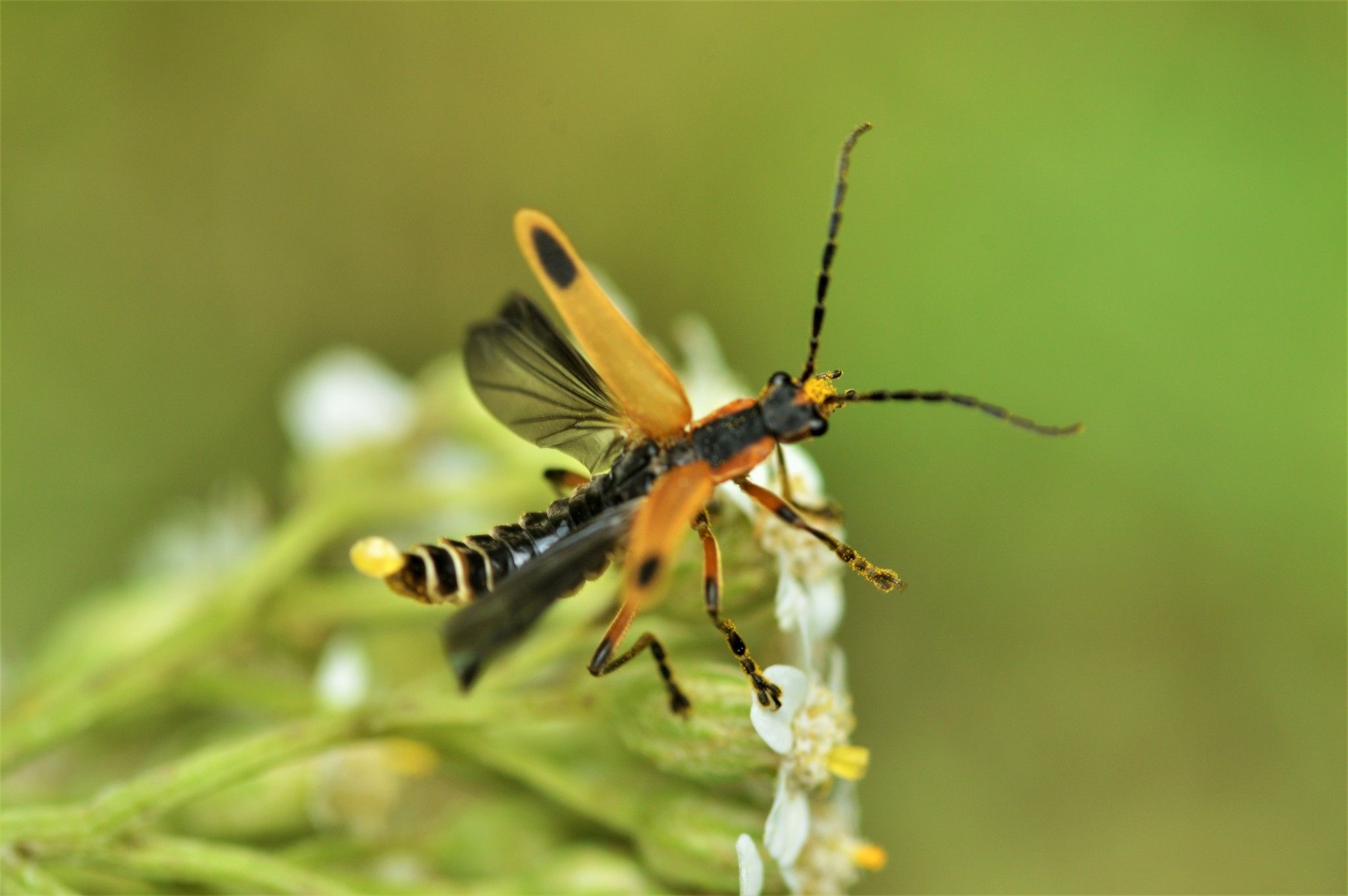
Soldier beetles (Family Cantharidae)

Soldier beetles

Many adults visit flowers and can move pollen between blooms, while also helping control some garden pests.

View pollinator profile
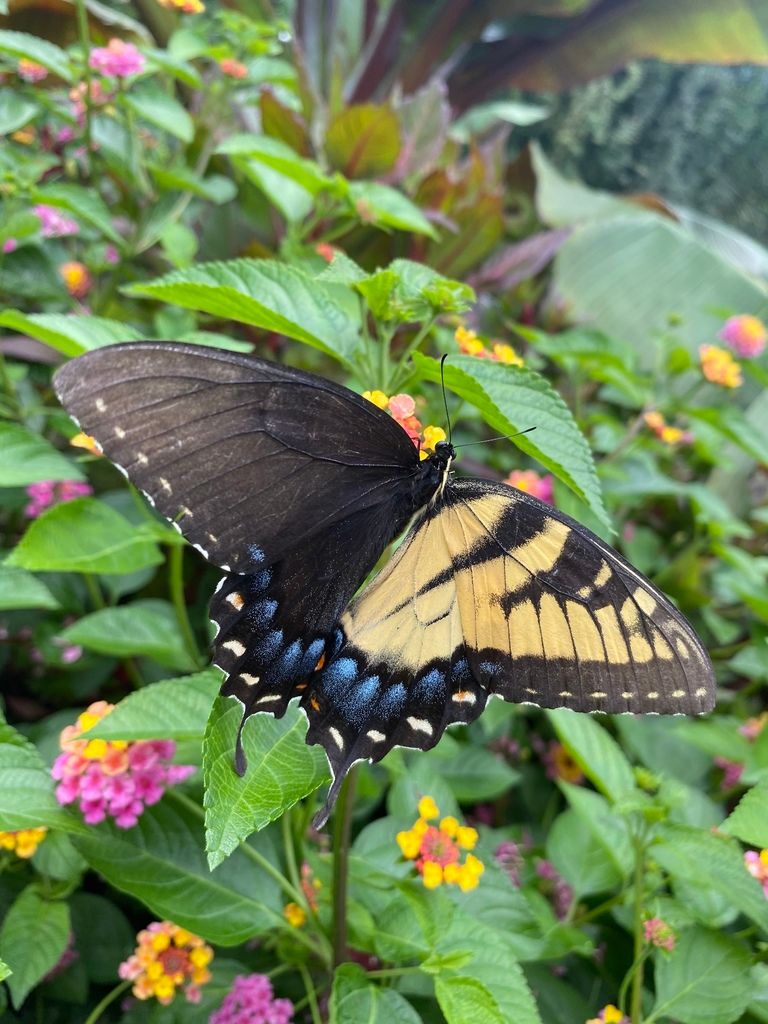
Swallowtails (Family Papilionidae)

Swallowtails

Adult swallowtails visit many flowers for nectar and can help move pollen between blooms as they feed.

View pollinator profile
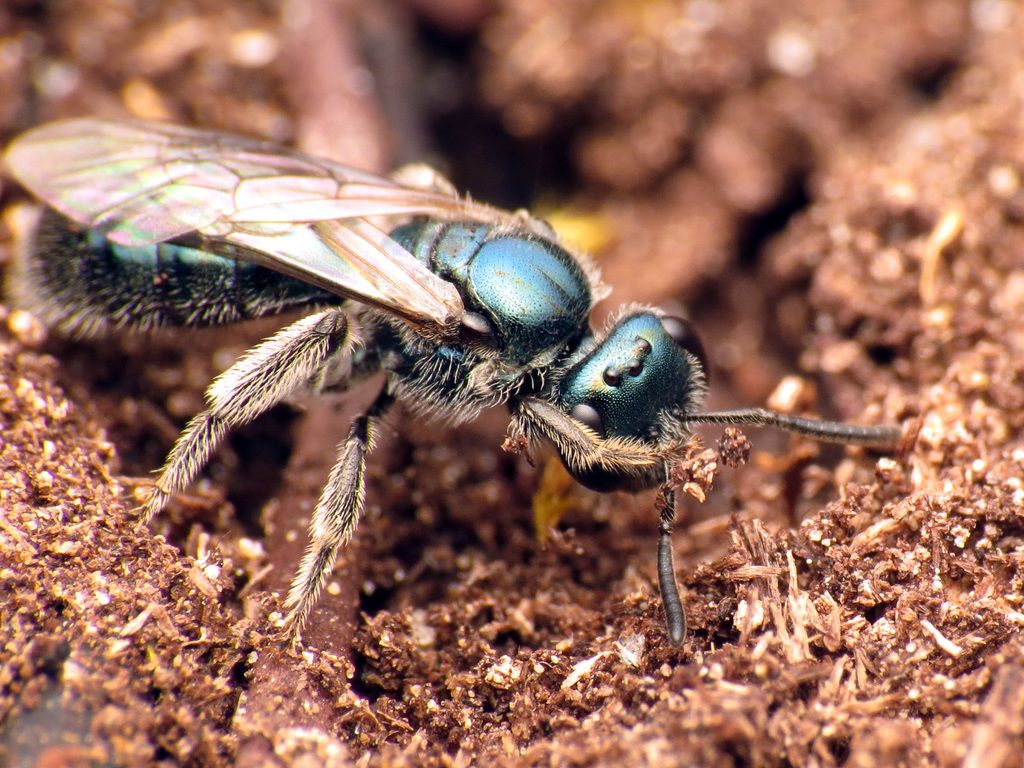
Sweat bees (Family Halictidae)

Sweat bees

They help move pollen between flowers in gardens, parks, and natural areas, supporting seed and fruit production.

View pollinator profile
Whites & sulphurs (Family Pieridae)

Whites & sulphurs

They visit a wide range of flowers for nectar and can help move pollen between blooms as they feed.

View pollinator profile