Skip to content
Western Corn Belt Plains
Region profile

Western Corn Belt Plains

Western Corn Belt Plains is an ecoregion stretching across southern Minnesota, most of central and western Iowa, eastern South Dakota, eastern Nebraska, northwest Missouri, and northeast Kansas, characterized by a severe, mid-latitude, humid continental climate, nearly level to gently rolling glaciated till plains, and being one of the most productive areas in the world for growing corn and soybeans.

Zone

Prairie

Common Name

Western Corn Belt Plains

CEC Level III Code

9.2.3

CEC Level II Code

9.2 Temperate Prairies

Overview

About This Region

The Western Corn Belt Plains (EPA Level III Ecoregion 47) spans several U.S. states, predominantly Iowa. Historically wet prairie, most of the region has been converted to agricultural use. This change, coupled with extensive surface water drainage, has resulted in significant loss of wetlands and natural lakes, eliminating critical habitat. Pollinator health is directly threatened by surface and groundwater contamination from fertilizer and pesticide applications, as well as the impacts of concentrated livestock production.
Western Corn Belt Plains
https://www.inaturalist.org/photos/45596338 Photo: (c) Terry Sohl, some rights reserved (CC BY-NC) | CC-BY-NC | iNaturalist

Region facts

At a glance

AliasesWestern Corn Belt Plains, CEC 9.2.3, Western Corn Belt Plains ecoregion
Geographic Range
The Western Corn Belt Plains stretches across southern Minnesota, most of central and western Iowa, eastern South Dakota, eastern Nebraska, northwest Missouri, and northeast Kansas.
Climate SnapshotThe Western Corn Belt Plains ecoregion has a severe, mid-latitude, humid continental climate with hot summers, cold winters, a mean annual temperature of 6°C to 12°C, and a mean annual precipitation of 800 mm, occurring mainly in the growing season.
Terrain ProfileThe topography of the Western Corn Belt Plains consists of nearly level to gently rolling glaciated till plains and hilly loess plains.
Vegetation CoverThe Western Corn Belt Plains, once a tallgrass prairie with woodlands, has been almost entirely converted to agricultural land, predominantly for growing corn and soybeans.
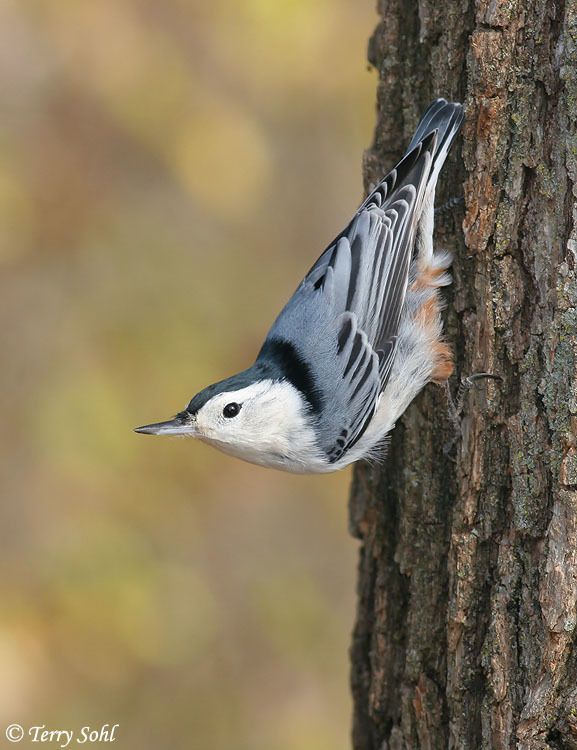
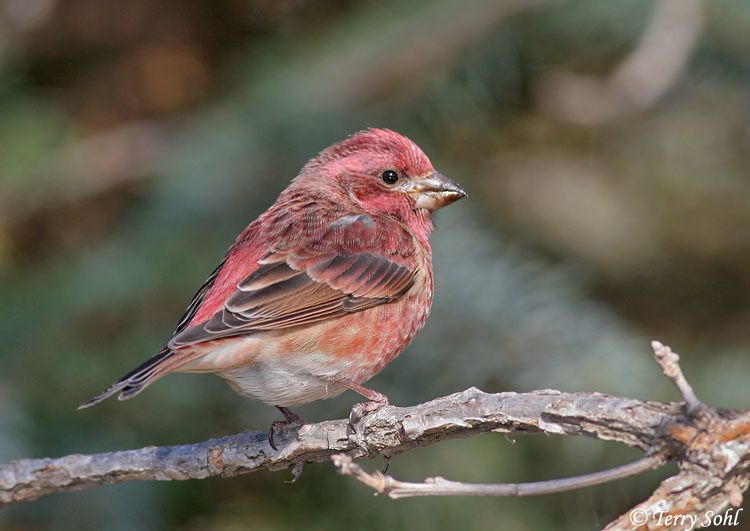
Wildlife HabitatRegional wildlife in the Western Corn Belt Plains includes various species such as white-tailed deer, beaver, raccoon, red-tailed hawk, barn owl, and several types of waterfowl, game birds, and fish.

Eco snapshot

What shapes this region

Climate pattern

  • Seasonal temperature swings are typical in temperate prairie regions.
  • Sun and wind exposure can be strong in open areas.
  • Microclimate (small local weather differences) matters: a sheltered yard, a south-facing wall, or a low wet spot can behave very differently than an open field.
Vegetation profile

The Western Corn Belt Plains, once a tallgrass prairie with woodlands, has been almost entirely converted to agricultural land, predominantly for growing corn and soybeans.

Wildlife profile

Regional wildlife in the Western Corn Belt Plains includes various species such as white-tailed deer, beaver, raccoon, red-tailed hawk, barn owl, and several types of waterfowl, game birds, and fish.

Why pollinators matter here

  • Pollinators support wild plants and many food crops by moving pollen between flowers.
  • Habitat fragmentation can make it harder for pollinators to find steady food and nesting sites.
  • Diverse native plantings can help rebuild “stepping stones” of habitat across developed and farmed landscapes.
  • Pesticide exposure and lack of continuous bloom can be major limiting factors in human-managed areas.

Seasonal timing

Planting seasons

Timing varies by microclimate; use this as a flexible guide.

Seasonal timing

  • Early season: Focus on early-blooming natives and leaving last year’s stems/leaf litter in place a bit longer.
  • Main growing season: Planting and maintenance are easiest when soils are workable and plants can be watered in.
  • Late season: Add late-blooming natives and avoid heavy cleanup so pollinators can use seedheads and stems.

Quick seasonal checklist

  • Choose plants so something is blooming early, mid, and late.
  • Plant in clusters (easier for pollinators to find).
  • Add water (a shallow dish with stones or a damp patch of soil).
  • Leave some areas messy for nesting and shelter.

Yearly needs

Pollinator calendar

What pollinators need throughout the year, and what to do about it.

Late winter/early springEarly nectar/pollen; safe places to warm up and nestDelay heavy cleanup; plant/plan for early bloomers; keep a pesticide-free yard
SpringSteady flowers; nesting materials and sitesPlant native perennials; leave some bare soil; keep stems/logs/brush in a corner
SummerContinuous bloom; water during dry spells; shade/shelterAdd mid-season bloomers; provide a shallow water source; avoid mowing everything at once
Late summer/fallHigh-energy nectar; late pollen; overwintering prepPlant late bloomers; leave seedheads; avoid fall pesticide use
Winter or Dry SeasonShelter in stems/leaf litter/soil; undisturbed nesting sitesLeave stems standing; keep leaf litter in some areas; plan next season’s bloom sequence

Seed mix concept

A Billion Small Steps Seed mix

A simple way to plan a pollinator patch is to think in three layers of bloom:

Spring starter

Spring starter: early bloomers that help pollinators as soon as they’re active.

Summer bridge

Summer bridge: mid-season flowers that keep food available through the main growing months.

Fall finisher

Fall finisher: late-season asters/goldenrods and other fall bloomers that fuel end-of-season foraging and migration.

What You Can Do

Make a difference for native habitats.

Turn this knowledge into action. Whether you plant a single pot or a whole garden, you are building a vital bridge for local biodiversity.

Join the movement to restore our shared habitats.

Native plants

Plants that thrive in this region

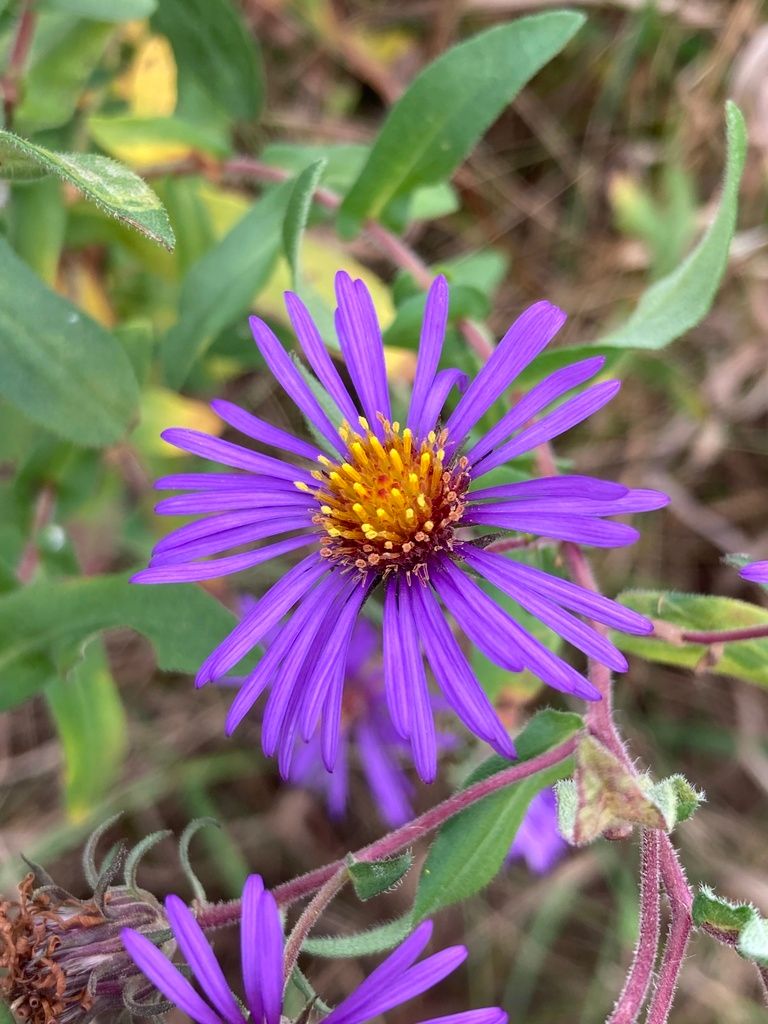
Asters (*Symphyotrichum* spp.)

Asters

Asters are late-season wildflowers that bring a burst of daisy-like blooms when many gardens are winding down, making them a reliable choice for pollinator-friendly planting.

View plant profile
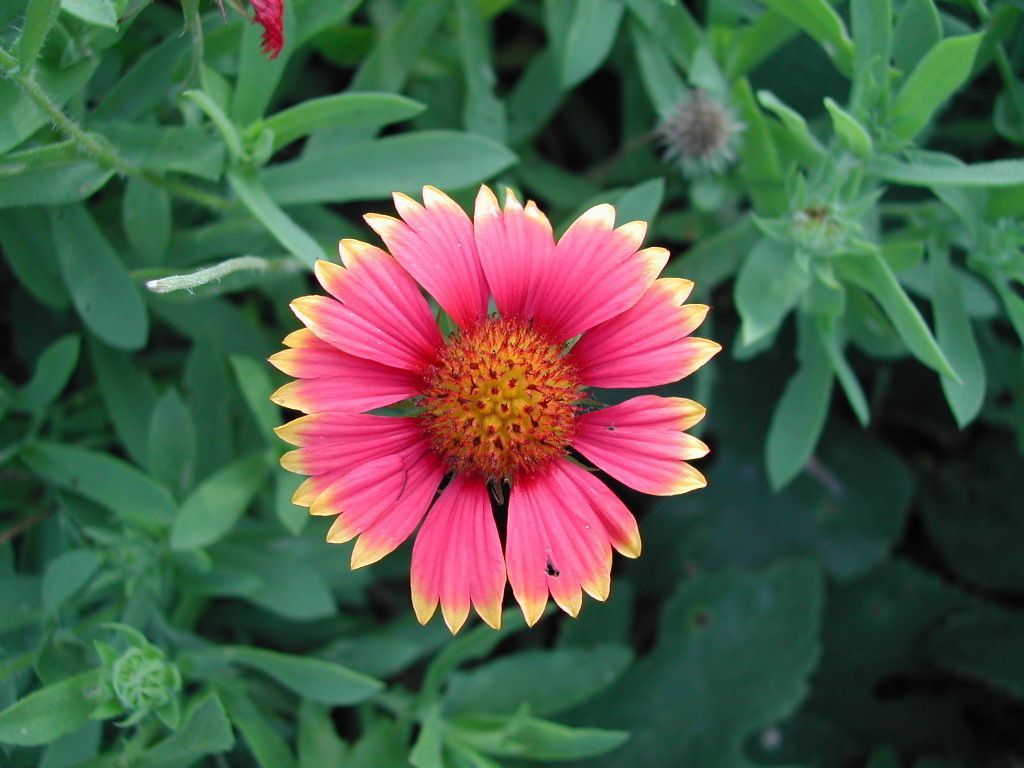
Blanketflowers (*Gaillardia* spp.)

Blanketflowers

Blanketflowers (Gaillardia) are bright, long-blooming wildflowers that can bring steady color and pollinator visits to sunny gardens, schoolyards, and even containers.

View plant profile
F_wildflowers-herbaceous-perennials-blazing-stars (2).jpg

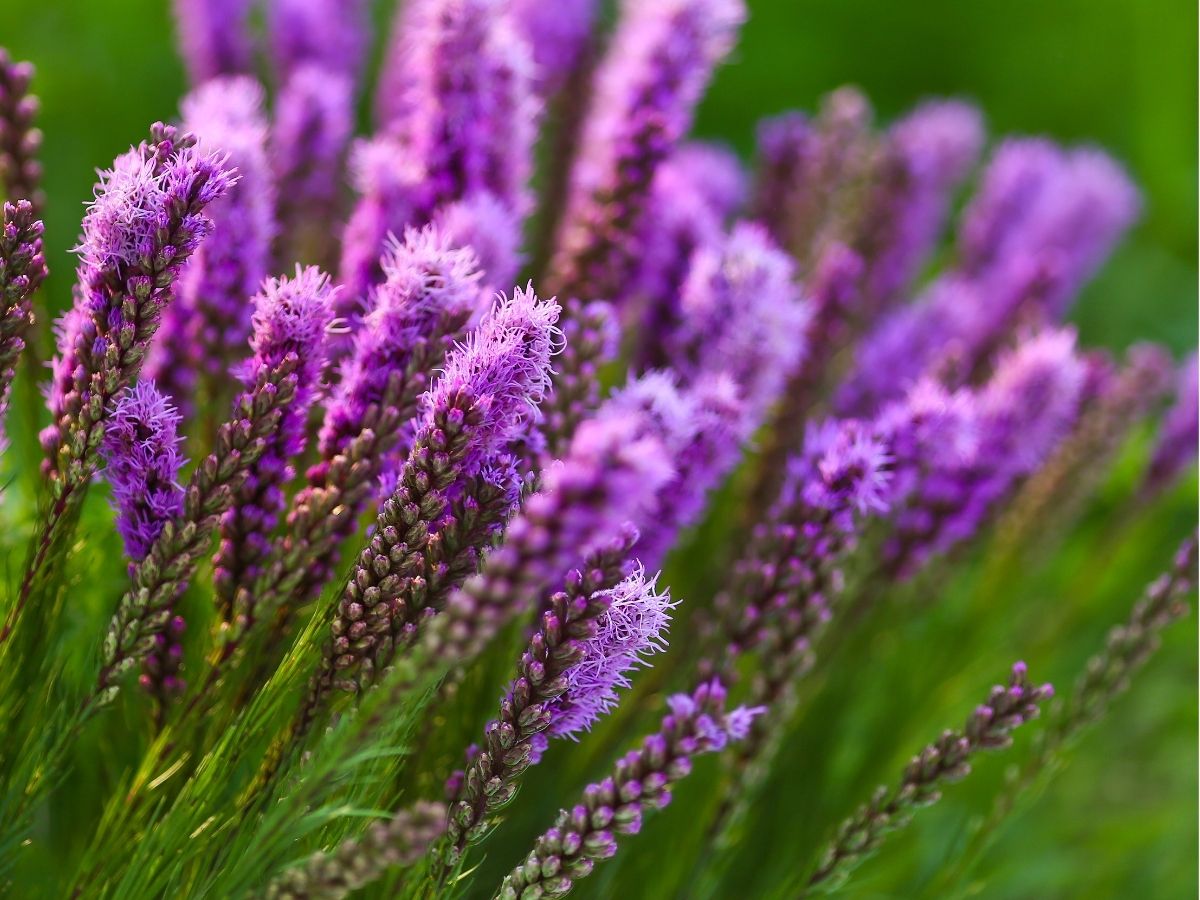
Blazing stars

Blazing stars (Liatris) are upright, purple-pink wildflowers that bloom in showy spikes and are well-loved by many pollinators. They’re a strong choice for sunny gardens, borders, and meadow-style plantings.

View plant profile
Clovers (*Trifolium* spp.)

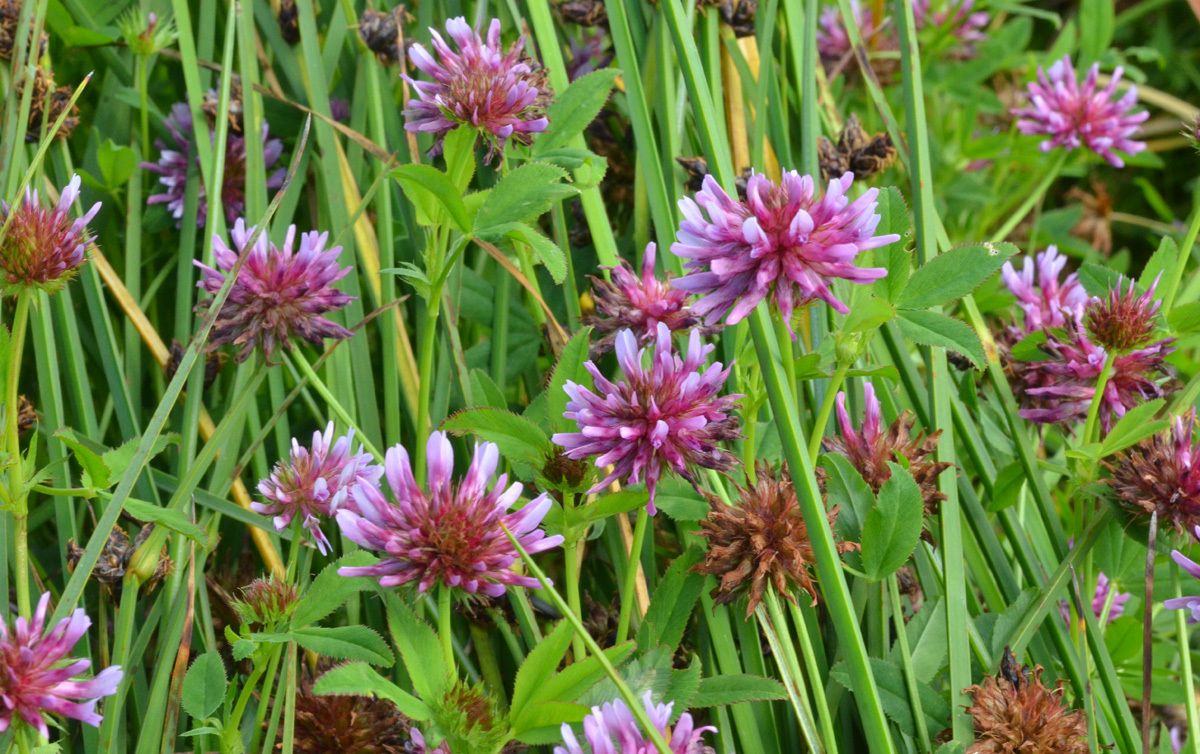
Clovers

Clovers are small, easygoing plants in the genus Trifolium that can add nectar and pollen to gardens, lawns, and pots while helping cover bare soil.

View plant profile
Coneflowers (*Echinacea* (genus))

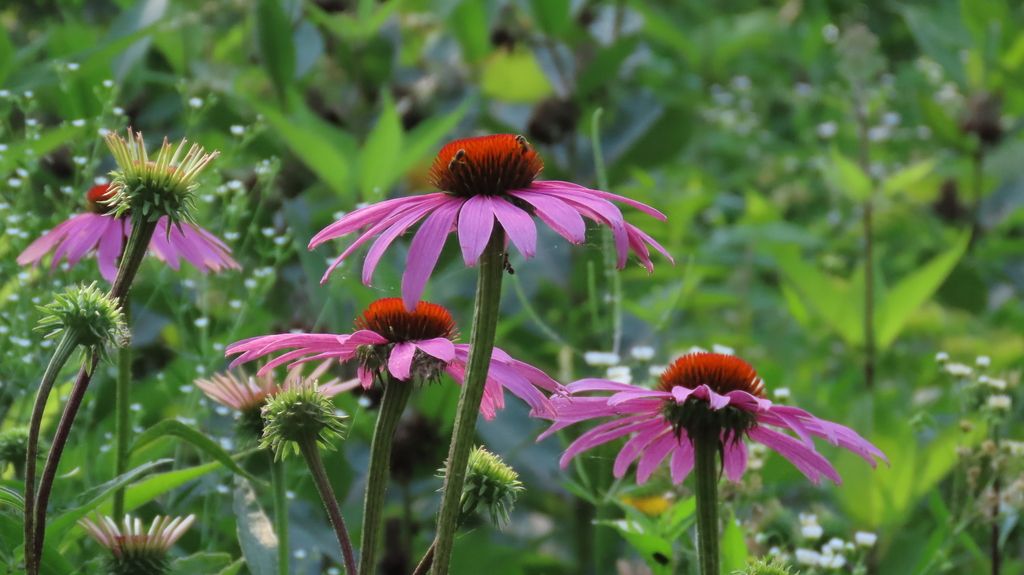
Coneflowers

Coneflowers (Echinacea) are tough, long-blooming wildflowers that bring steady color and reliable nectar and pollen to gardens, schoolyards, and even large containers.

View plant profile
Coreopsis (*Coreopsis* spp.)

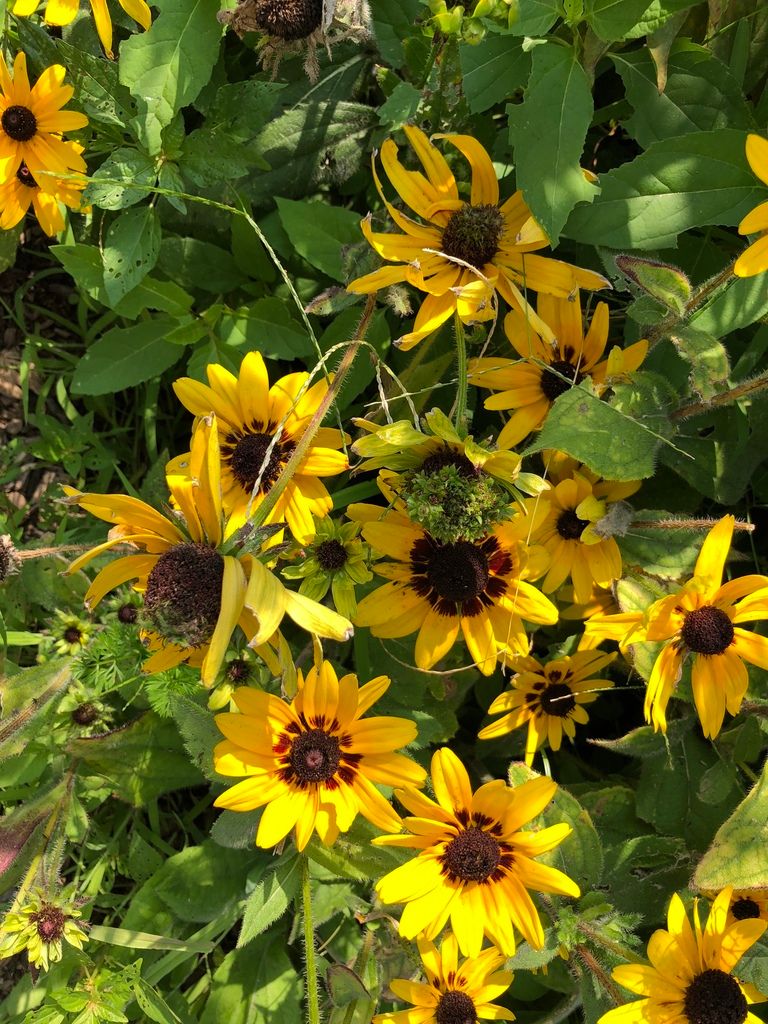
Coreopsis

Coreopsis (often called tickseed) is a cheerful, long-blooming group of wildflowers that can brighten gardens and containers while offering easy-to-find nectar and pollen for many pollinators.

View plant profile
Goldenrods (*Solidago* spp.)

Goldenrods

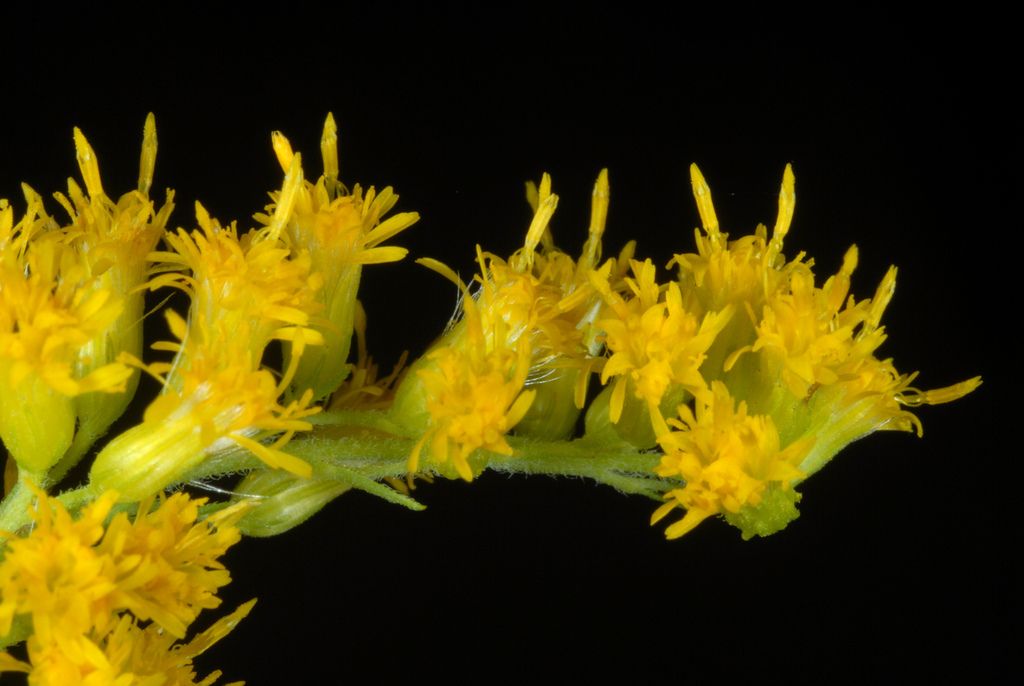
Goldenrods are tough, sunny wildflowers in the genus Solidago that light up late-season gardens with golden blooms and provide reliable nectar and pollen when many other flowers are fading.

View plant profile
Ironweeds (*Vernonia* (genus))

Ironweeds

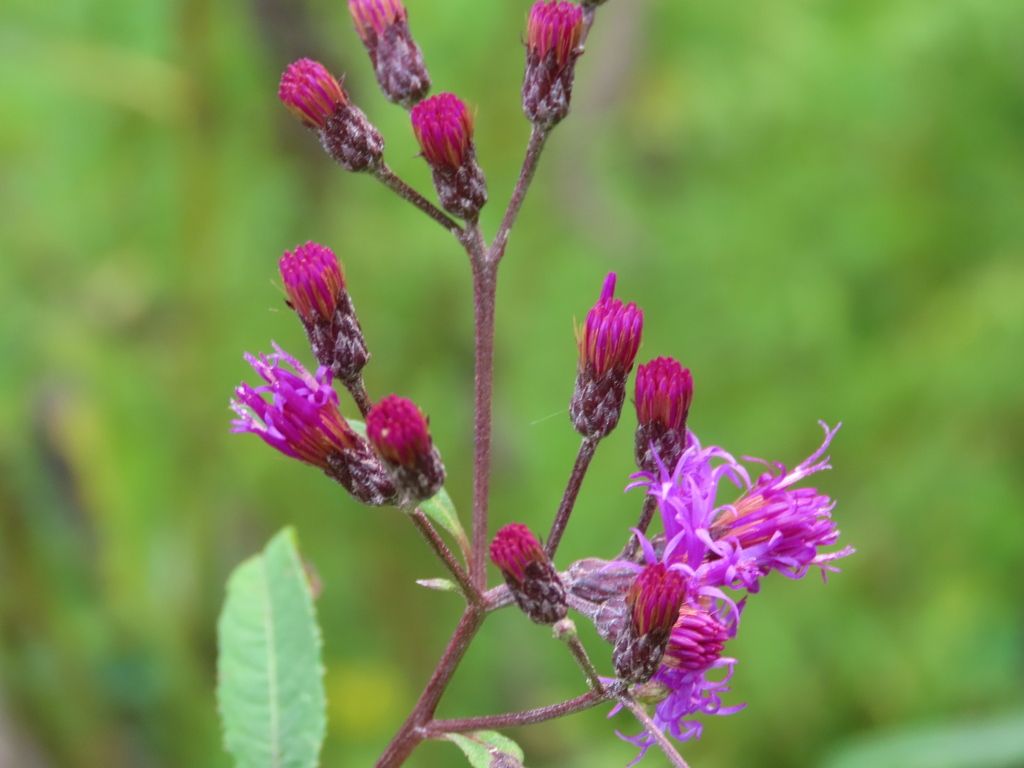
Ironweeds are tall, purple-blooming wildflowers in the genus Vernonia that bring late-season color and steady nectar to pollinator gardens.

View plant profile
Milkweeds (*Asclepias* (genus))

Milkweeds

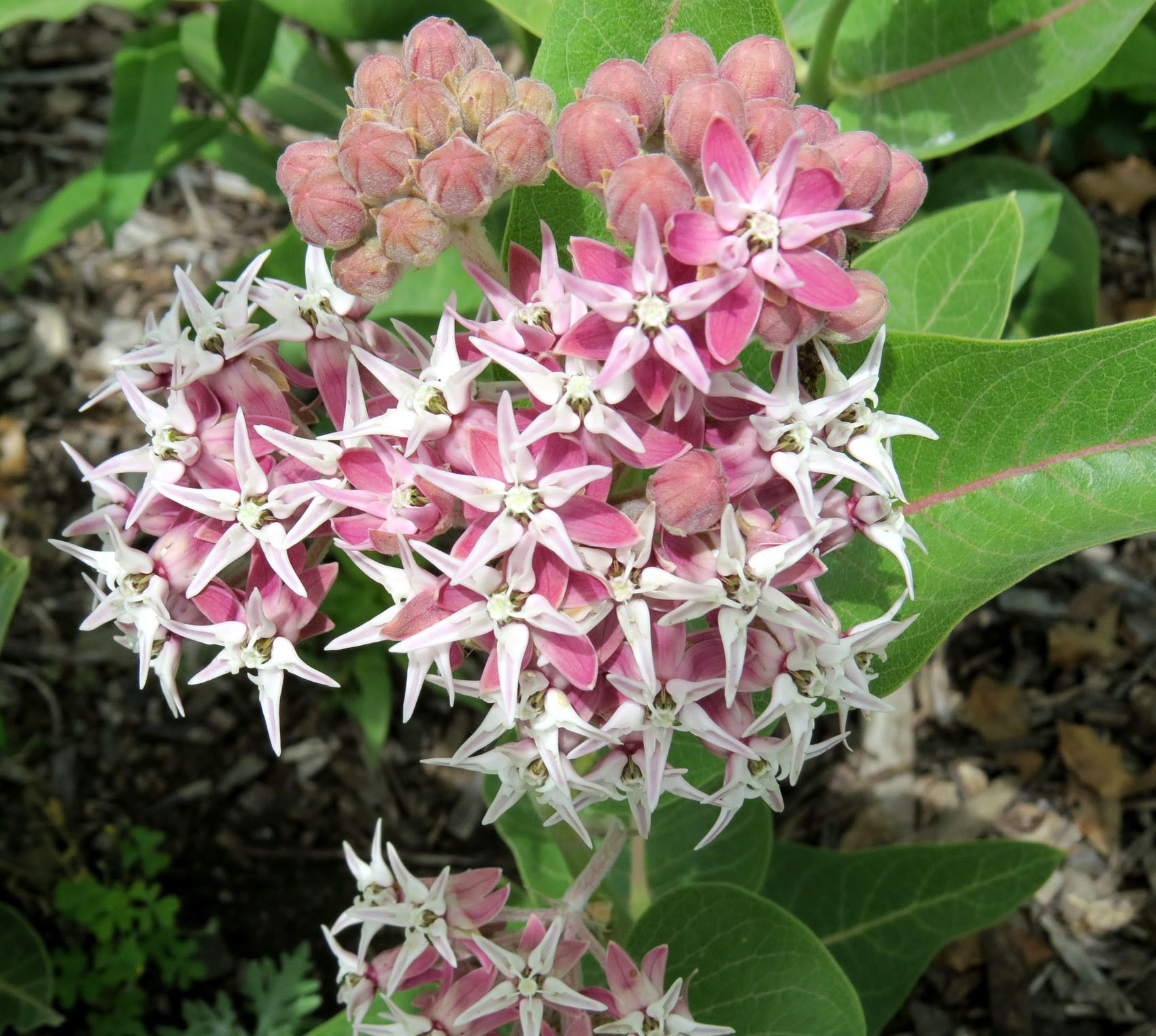
Milkweeds are tough, nectar-rich wildflowers in the genus Asclepias that can turn a garden bed, schoolyard edge, or even a sunny pot into a pollinator stop.

View plant profile
Mountain mints (Pycnanthemum (genus))

Mountain mints

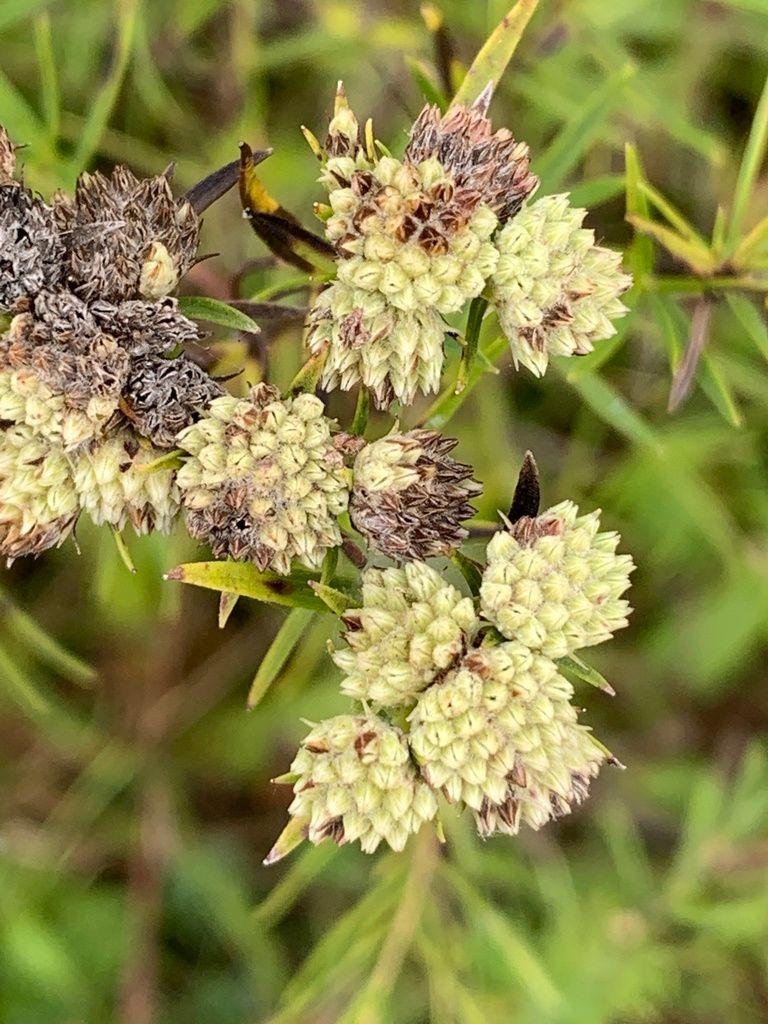
Mountain mints are tough, fragrant native wildflowers that bloom in summer and are famous for drawing in a busy mix of pollinators. They’re easy to grow, handle a range of garden conditions, and make a great “plant it and watch it” choice for pollinator patches.

View plant profile
Prairie clovers (*Dalea* spp.)

Prairie clovers

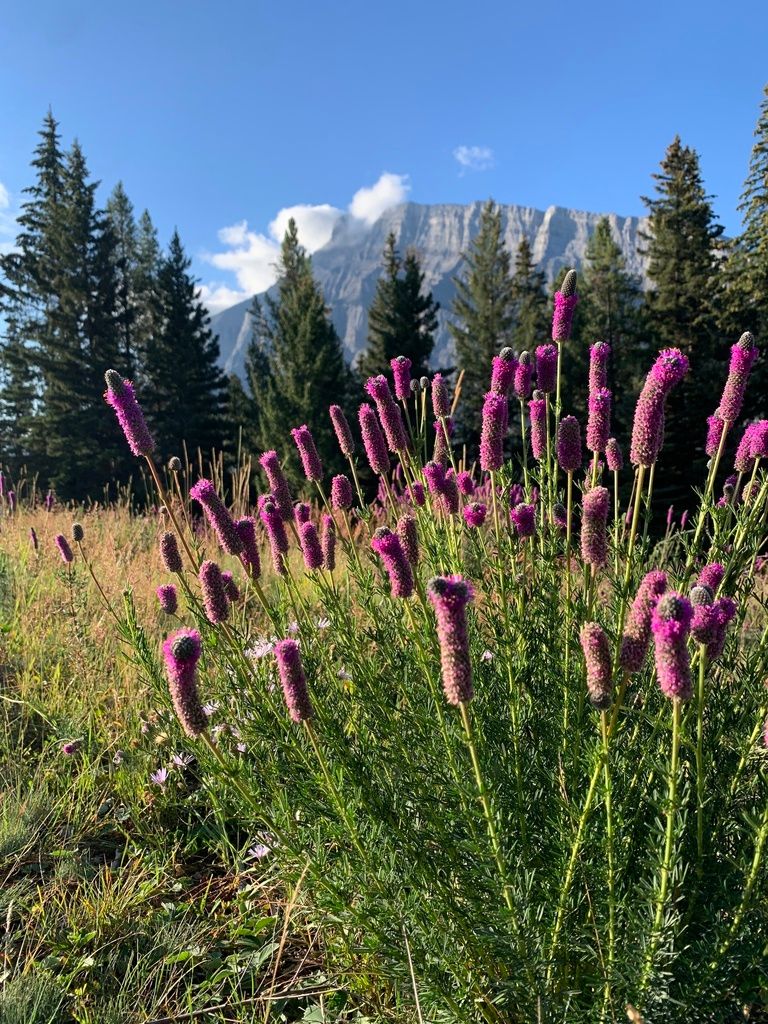
Prairie clovers (genus Dalea) are prairie wildflowers with tidy, clover-like leaves and bottlebrush-style blooms that are popular with many pollinators. They’re a great choice for sunny, well-drained spots where you want long-lasting summer color without fussy care.

View plant profile
Prairie coneflowers (*Ratibida* spp.)

Prairie coneflowers

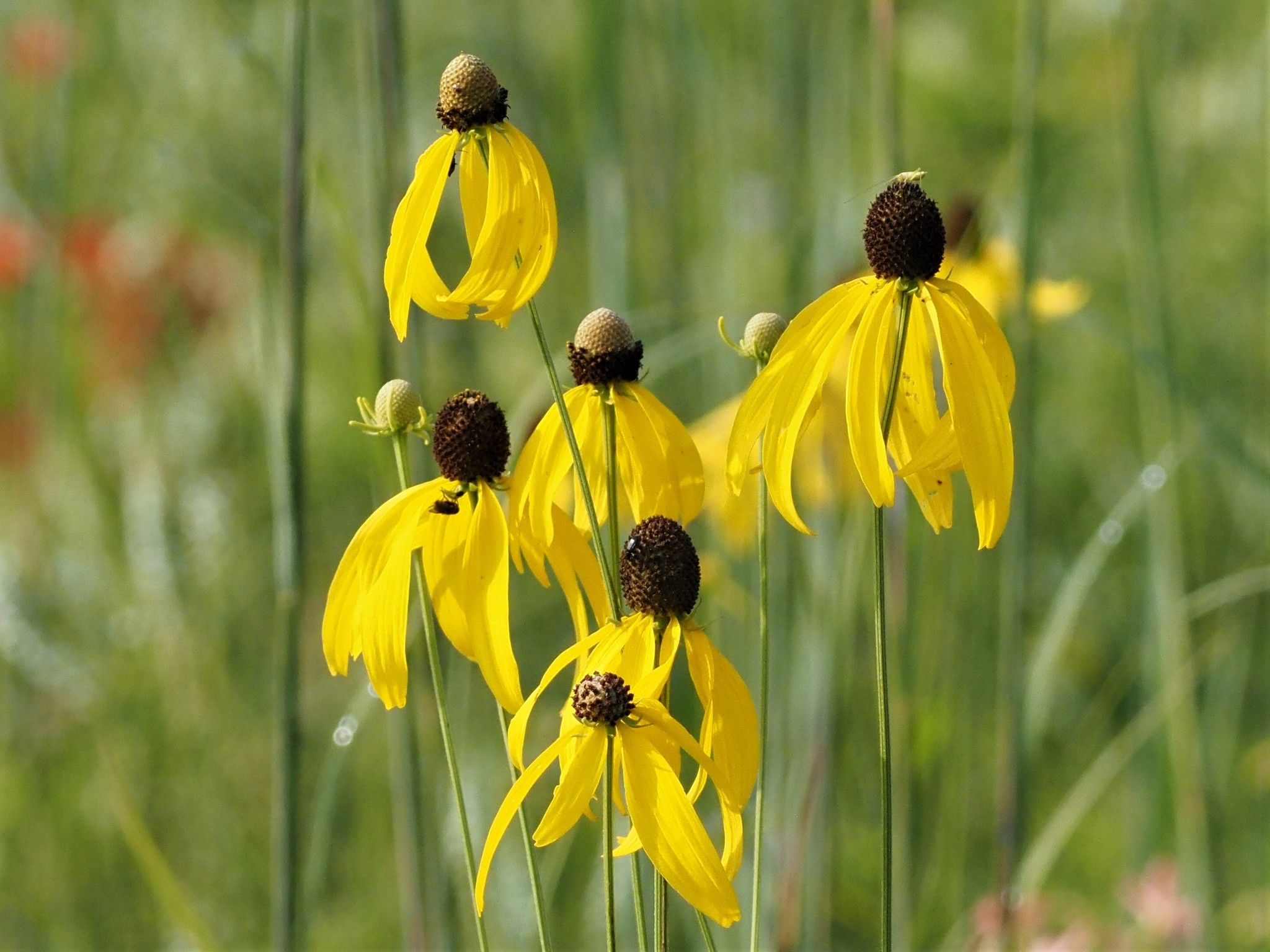
Prairie coneflowers (Ratibida) are tough, sunny wildflowers with drooping petals and a bold cone-shaped center that pollinators can easily find. They’re a great choice for low-fuss gardens, schoolyards, and naturalized patches where you want long-lasting summer color.

View plant profile
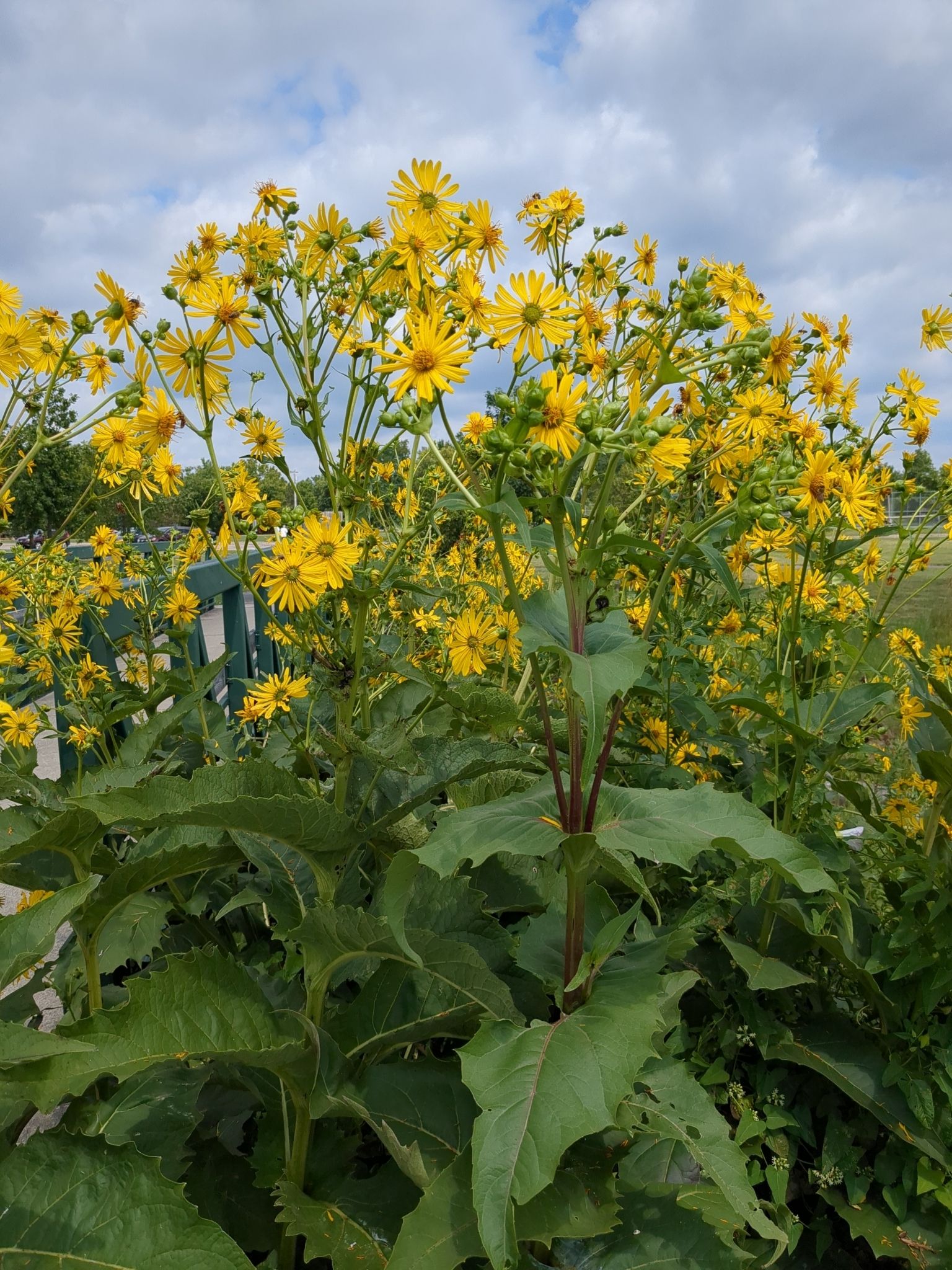
Sunflowers (*Helianthus* spp.)

Sunflowers

Native sunflowers are bright, tough wildflowers in the genus Helianthus that feed pollinators and add cheerful color from mid-season into fall.

View plant profile
Wild bergamot & bee balms (*Monarda* spp.)

Wild bergamot & bee balms

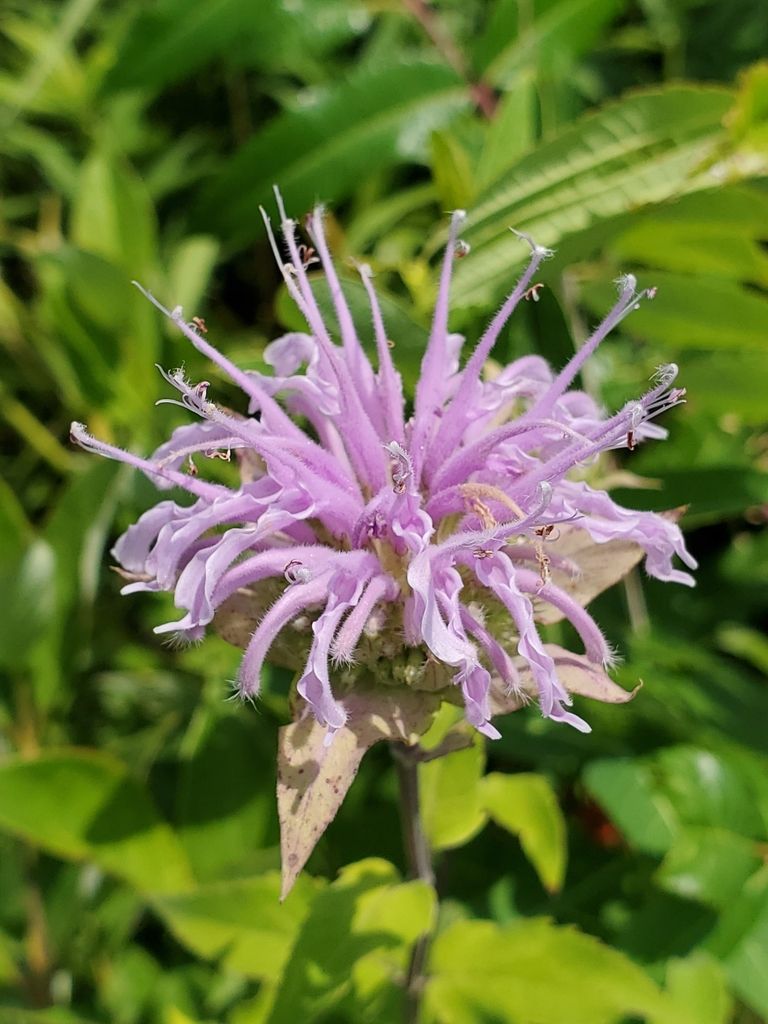
Wild bergamot and other bee balms (the genus Monarda) are easygoing native wildflowers known for their shaggy, pom‑pom blooms that draw in lots of pollinators. They’re a great choice when you want long-lasting summer color and a plant that feels lively with buzzing visitors.

View plant profile
Wild indigos (*Baptisia* (genus))

Wild indigos

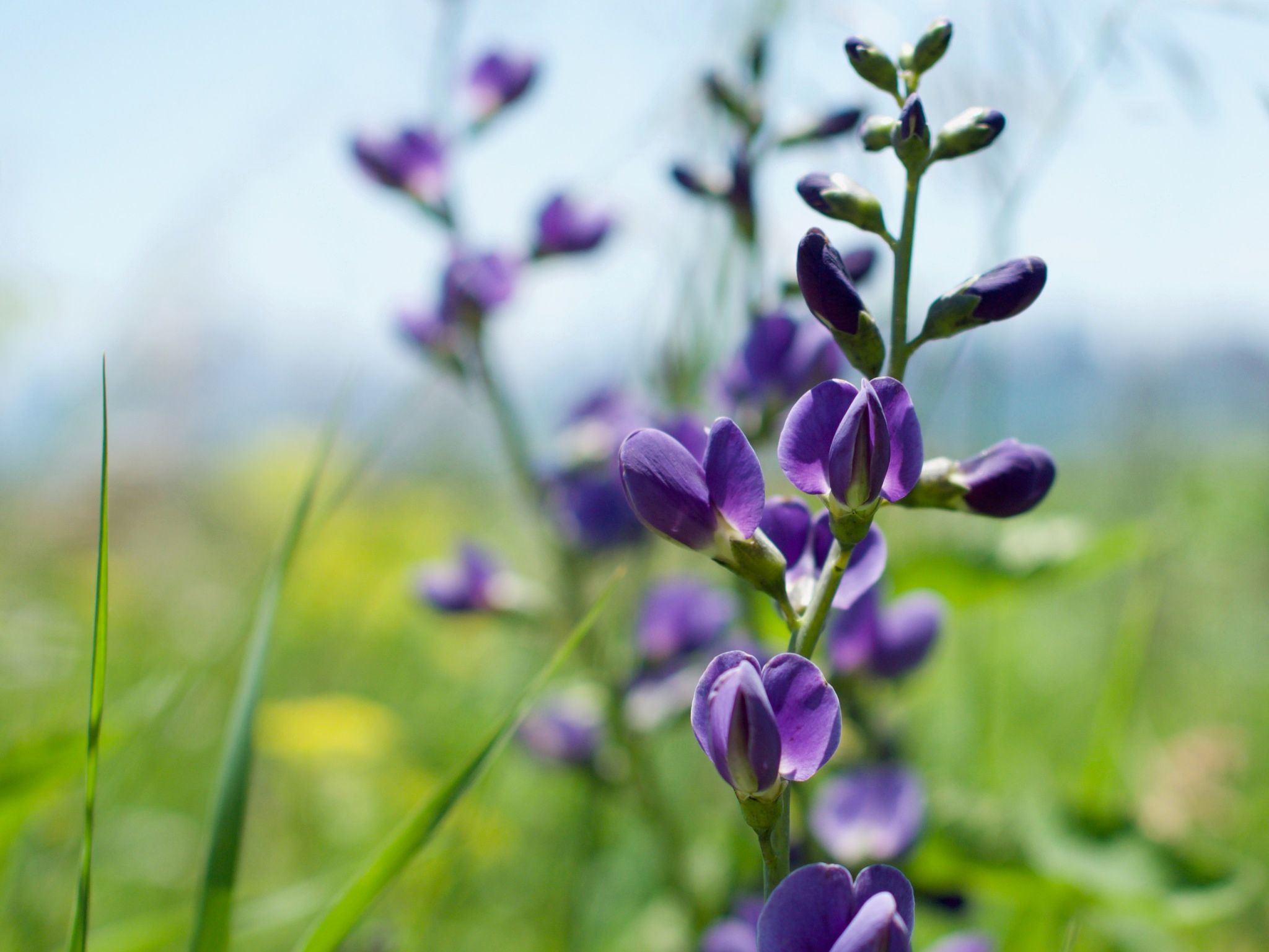
Wild indigos (genus Baptisia) are long-lived native wildflowers known for upright flower spikes, clover-like leaves, and a tough, low-fuss nature once established. They’re a strong choice for pollinator-friendly gardens where you want reliable blooms and a plant that can hold its own without constant care.

View plant profile
Wild sunflowers’ relatives (*Silphium*)

Wild sunflowers’ relatives

Silphium (often called rosinweed) is a group of tall, tough native wildflowers known for sunflower-like blooms and long-lasting nectar and pollen. They’re a strong choice for pollinator gardens, schoolyards, and naturalized edges where you want big plants that can handle summer heat once established.

View plant profile

Pollinators

Pollinators active in this region

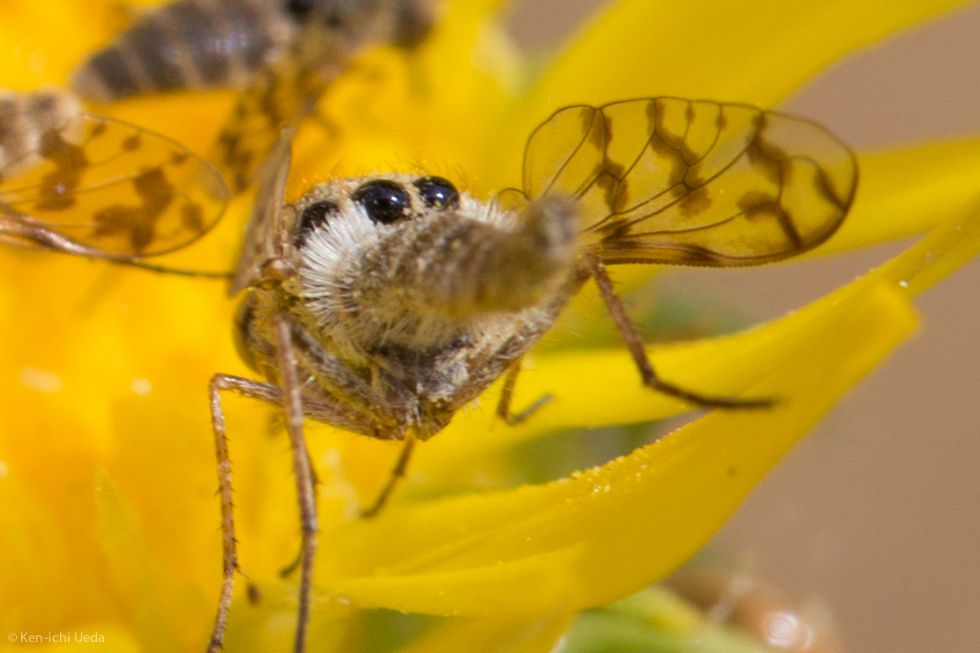
Bee flies (Family Bombyliidae)

Bee flies

Adults visit flowers for nectar and can move pollen between blooms; their presence is a sign of diverse, functioning habitats.

View pollinator profile
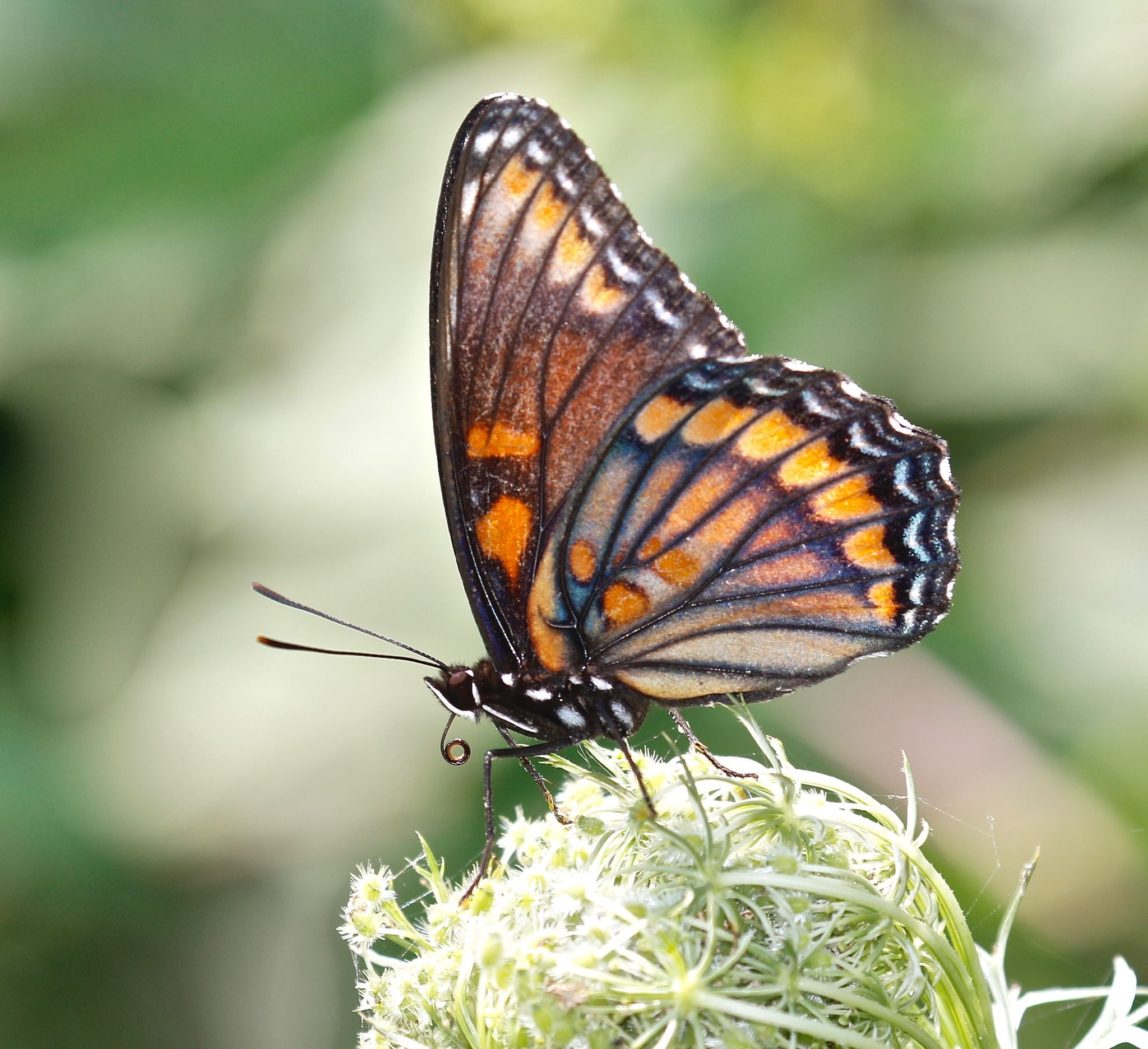
Brushfoots (Family Nymphalidae)

Brushfoots

Many brushfoots move pollen between flowers as they feed, and their caterpillars are part of healthy food webs.

View pollinator profile
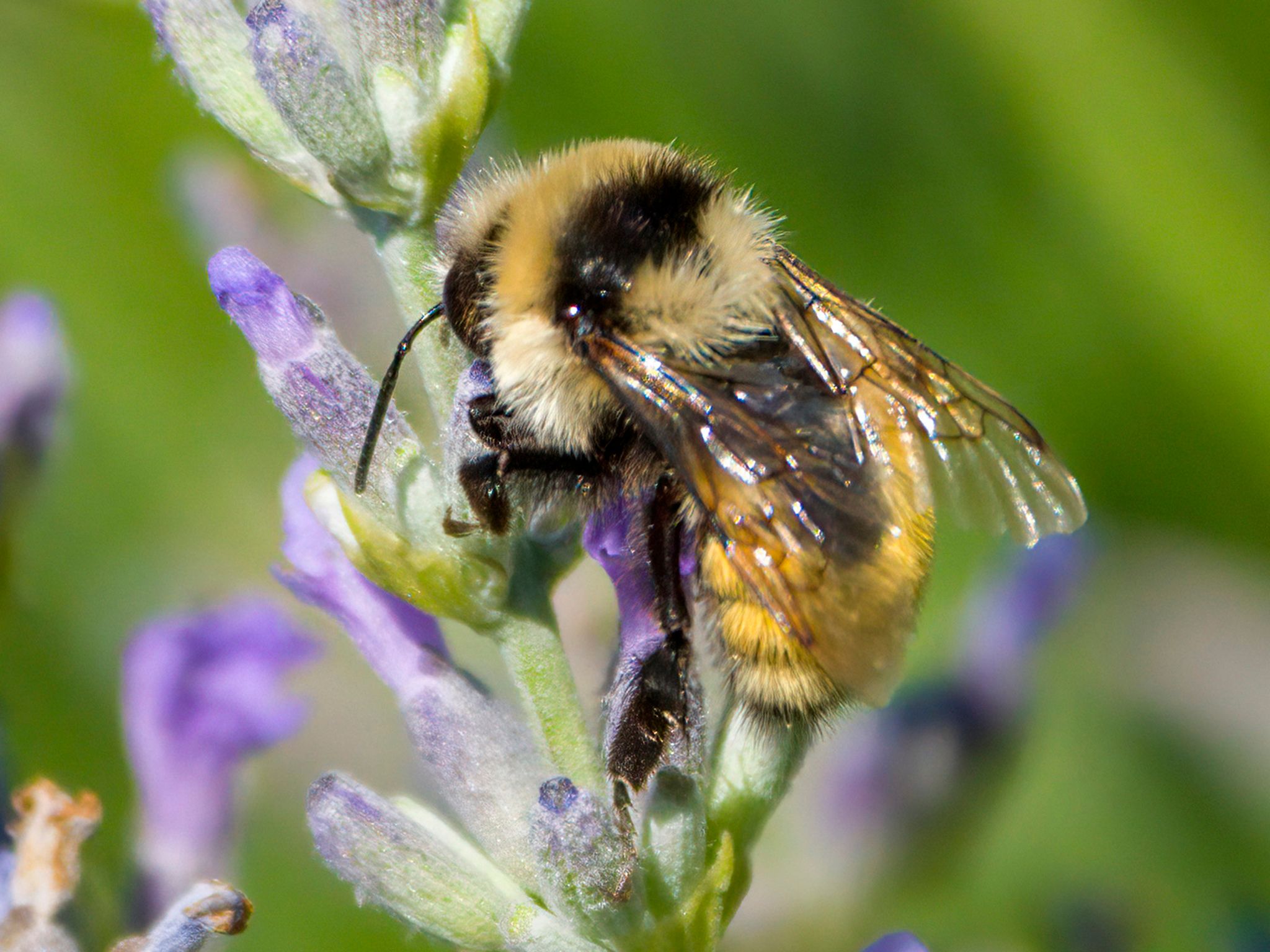
Bumble bees (Genus Bombus)

Bumble bees

Bumble bees are important pollinators of many wildflowers and garden plants, helping ecosystems and food crops reproduce.

View pollinator profile
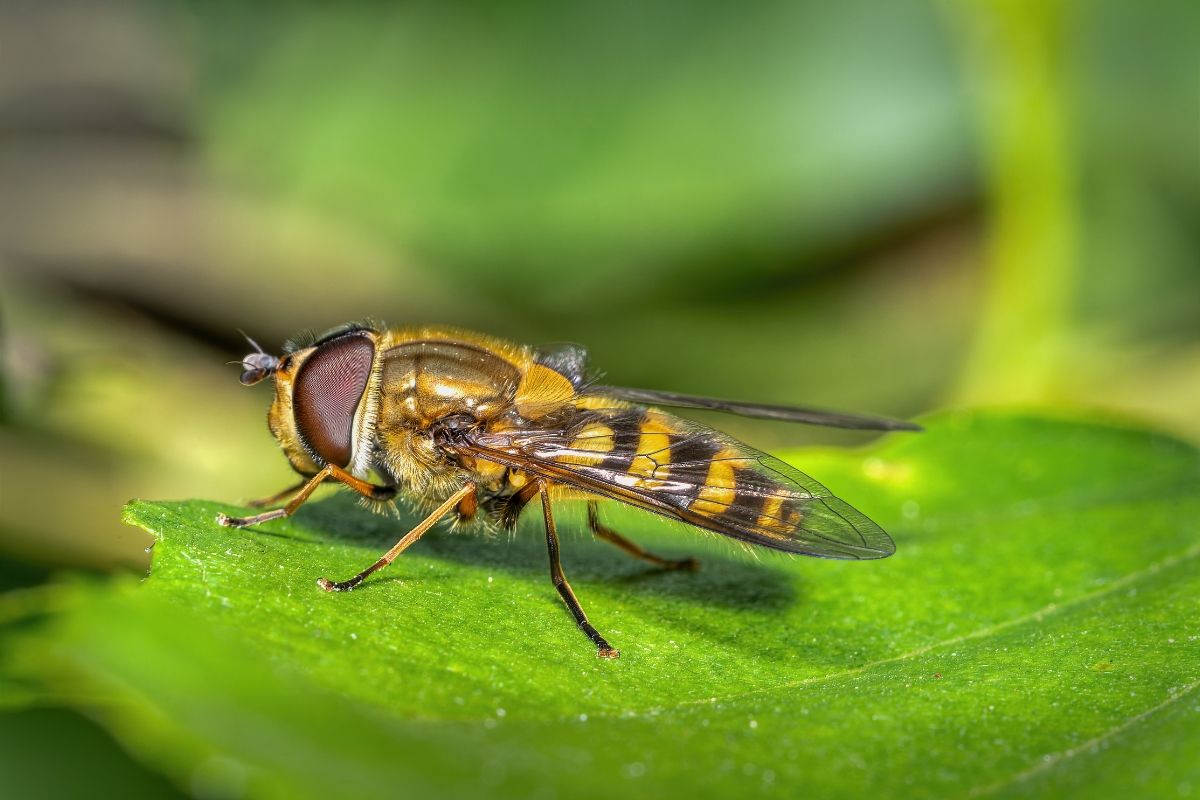
F_hoverfly-01.jpg

Flower flies / hoverflies

Adults visit flowers for nectar and pollen, and many species’ larvae help keep plant-eating pests in check.

View pollinator profile
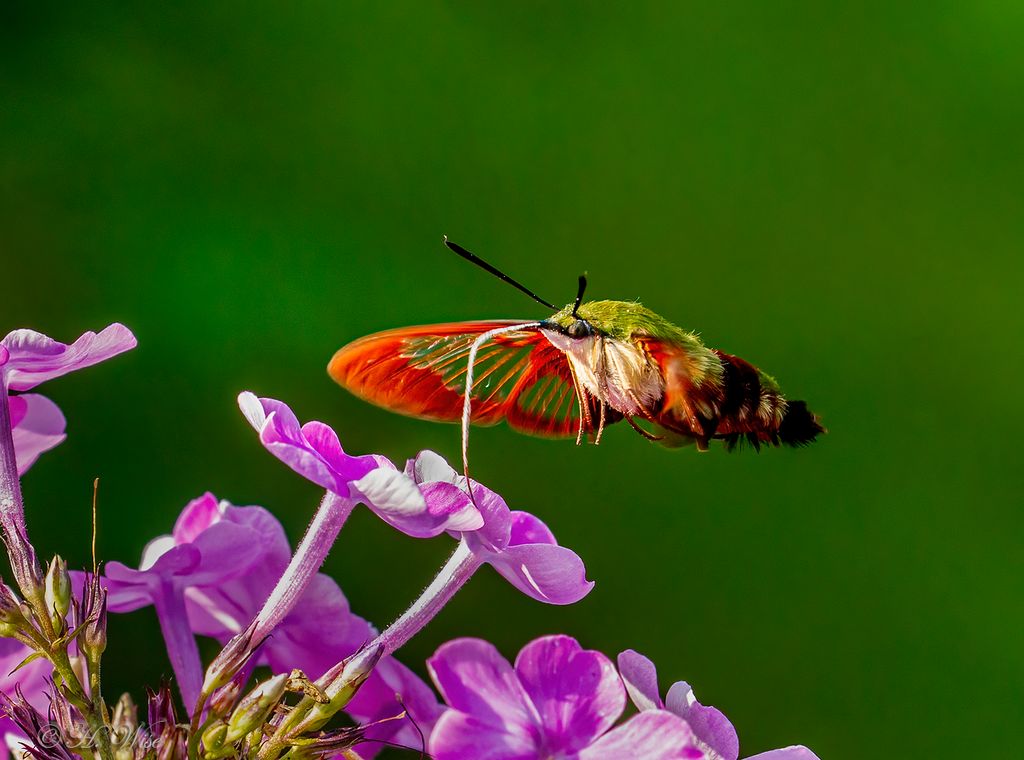
Hawk / sphinx moths (Family Sphingidae)

Hawk / sphinx moths

They can move pollen between flowers while feeding on nectar, especially for blooms that open or scent up in the evening.

View pollinator profile
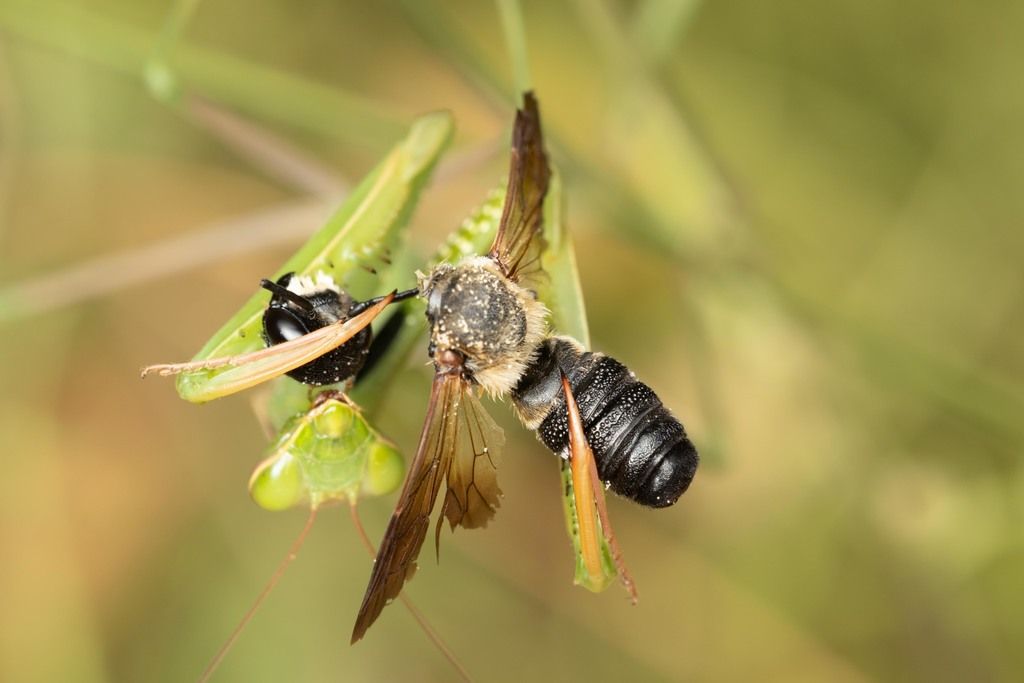
Leafcutter bees (Genus Megachile)

Leafcutter bees

They move pollen between flowers while foraging, helping many wild plants and garden plants set seed and fruit.

View pollinator profile
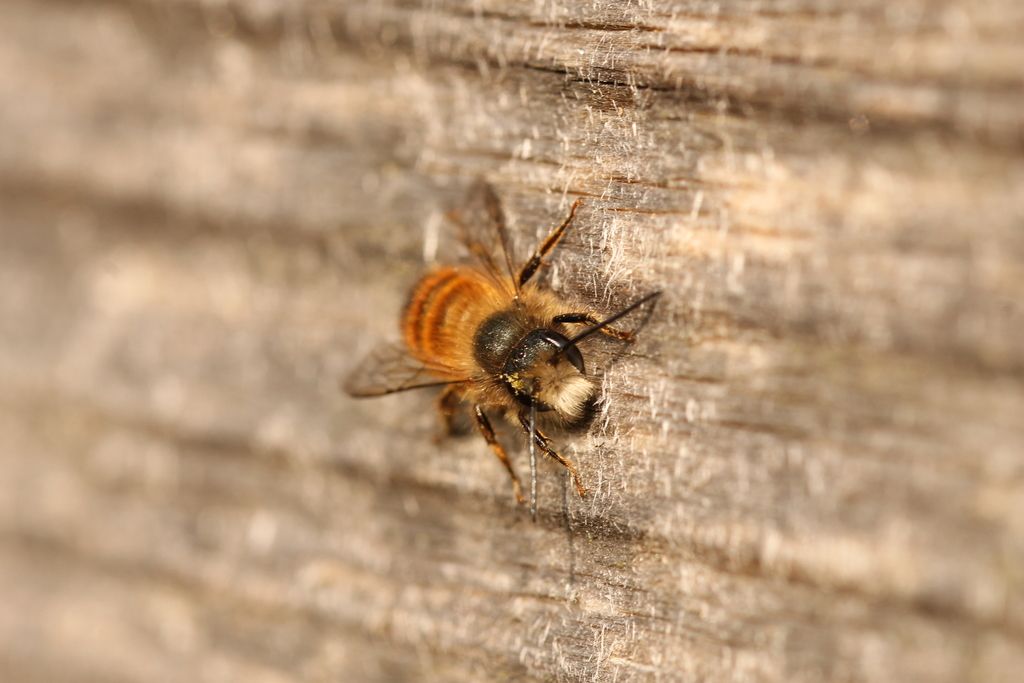
Mason bees (Genus Osmia)

Mason bees

They move pollen between flowers while foraging, helping many wild plants and garden crops set seed and fruit.

View pollinator profile
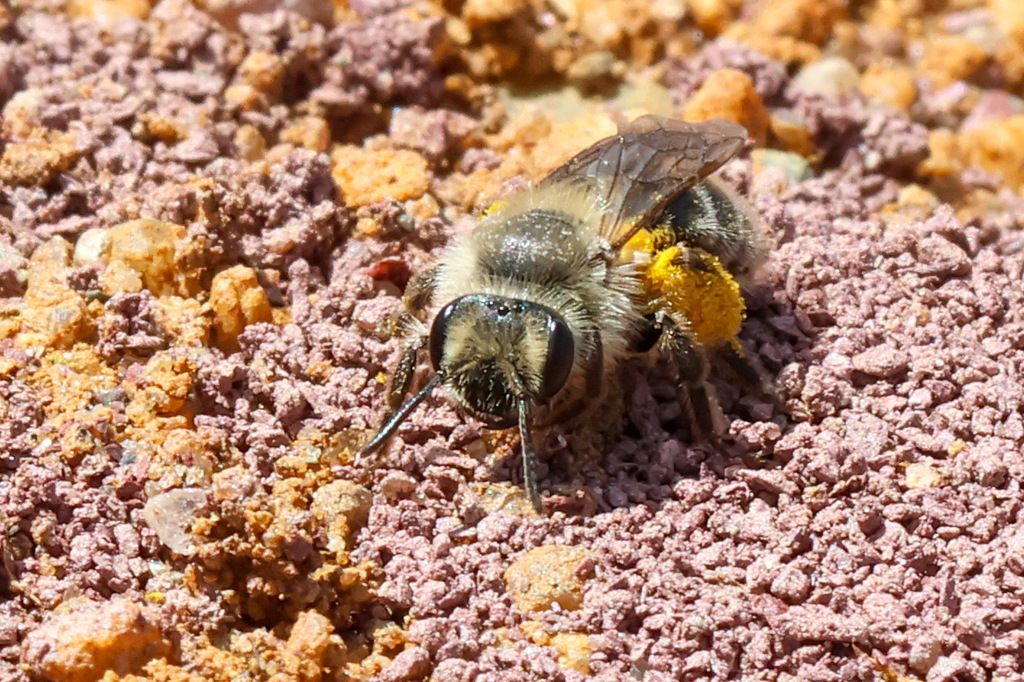
Mining bees (Genus Andrena)

Mining bees

They move pollen between flowers while foraging, helping many wild plants and garden plants set seed and fruit.

View pollinator profile
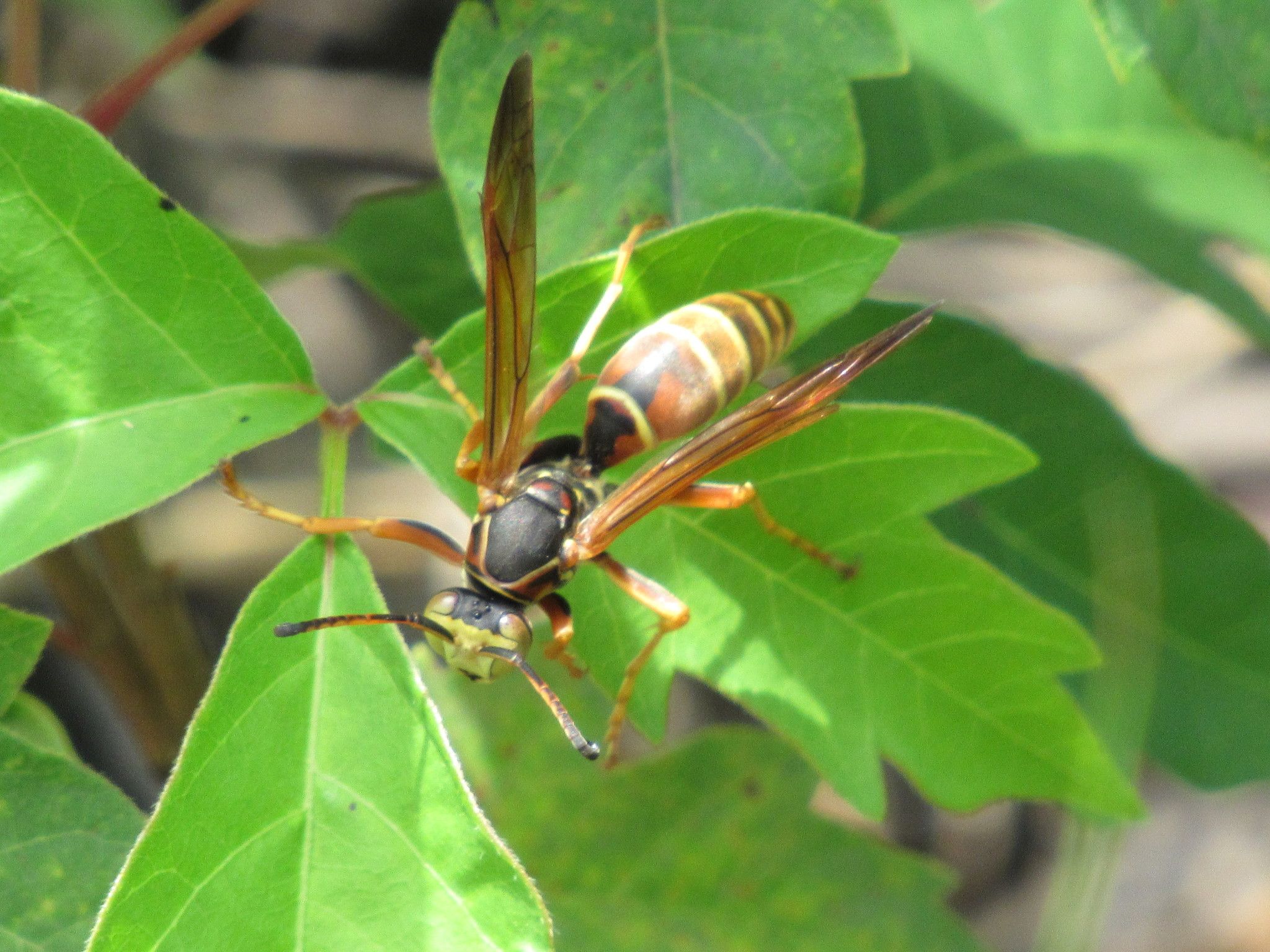
Paper wasps (Genus Polistes)

Paper wasps

They can move pollen while drinking nectar, and they also help control many plant-eating insects.

View pollinator profile
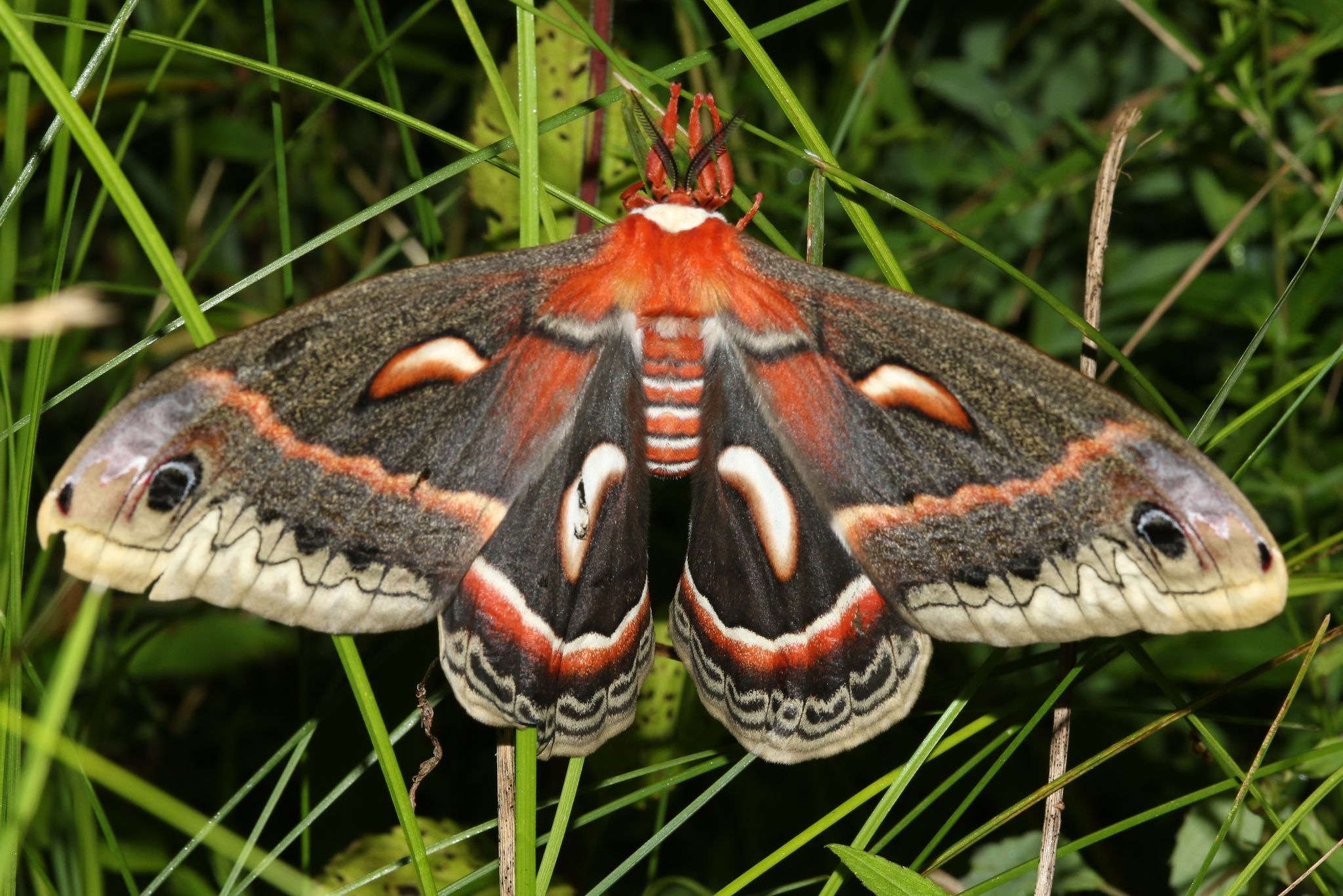
Silkmoths (giant moths) (Family Saturniidae)

Silkmoths (giant moths)

They’re part of healthy food webs and plant communities, and their caterpillars depend on a wide range of native trees and shrubs.

View pollinator profile
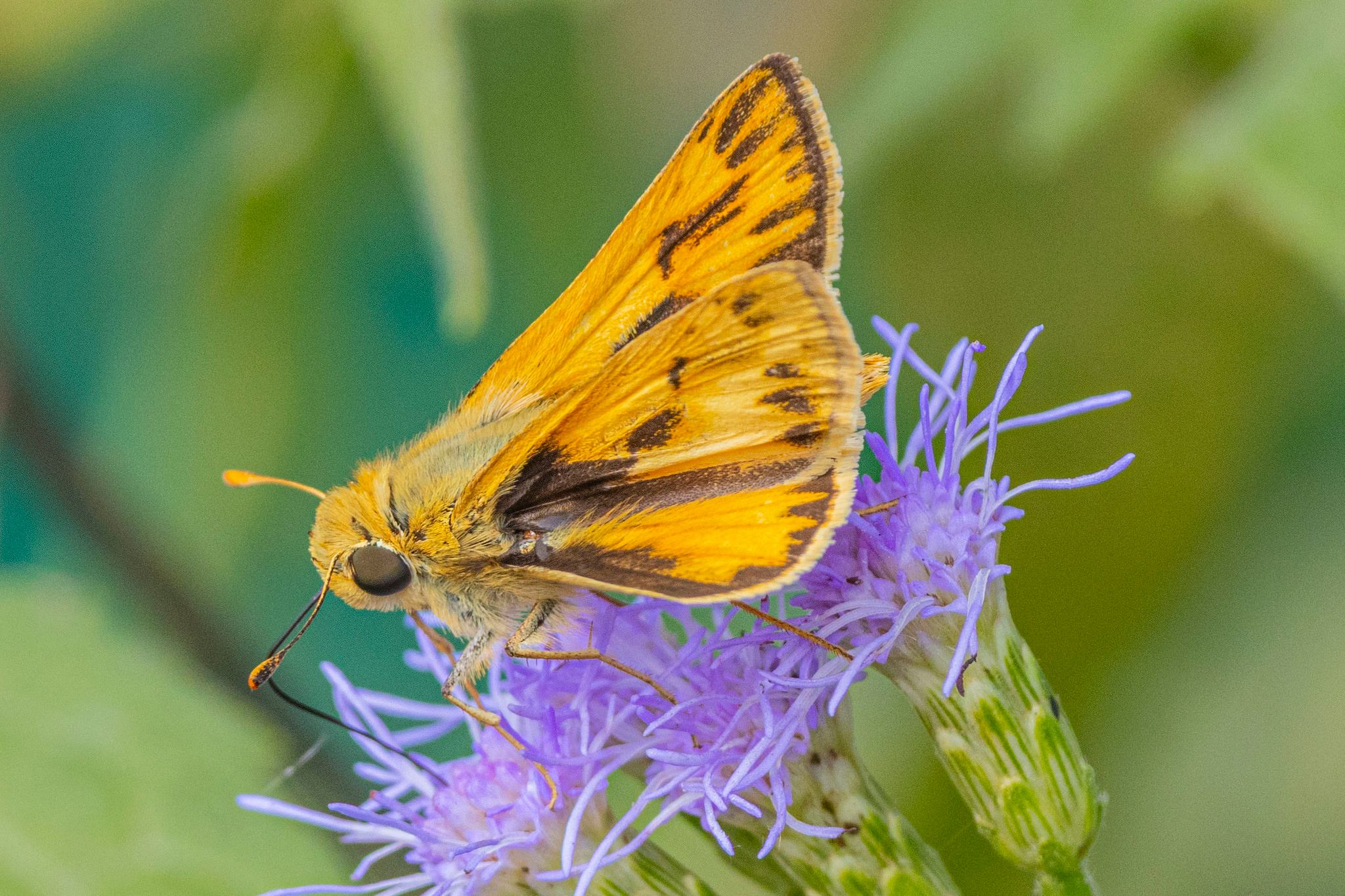
Skippers (Family Hesperiidae)

Skippers

Skippers visit many flowers for nectar and can help move pollen between blooms while they feed.

View pollinator profile
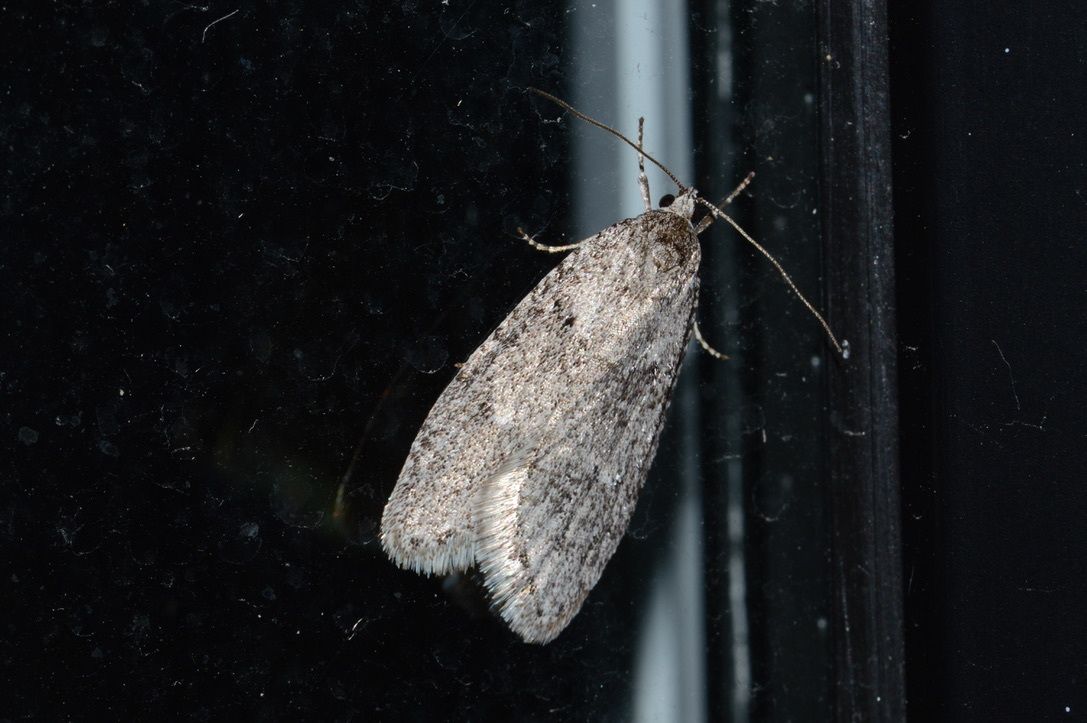
Small nectar moths (micro-moths) (Multiple families (varies))

Small nectar moths (micro-moths)

Many small moths move pollen while feeding on nectar, supporting wild plants and garden blooms—especially in the evening and at night.

View pollinator profile
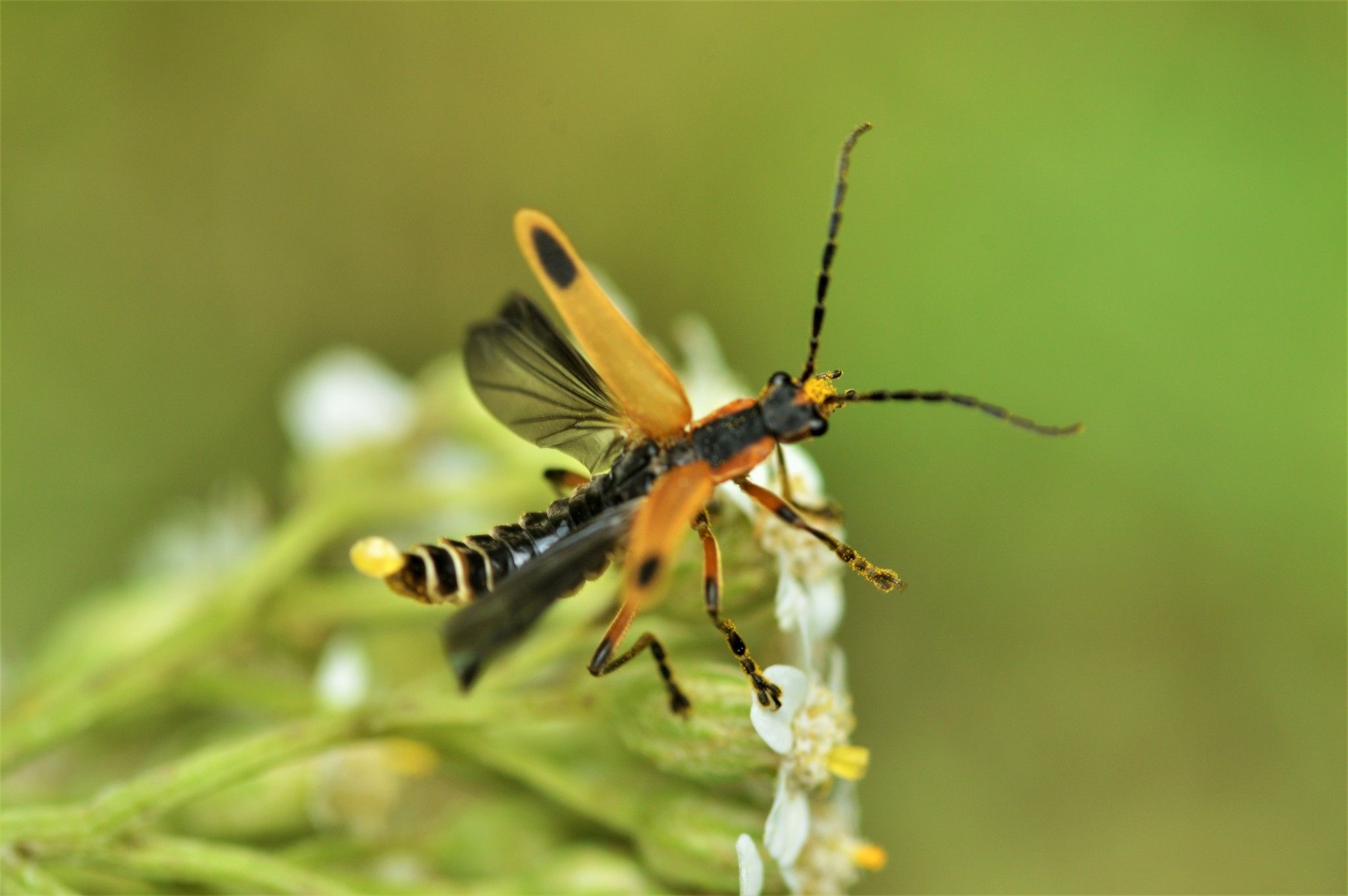
Soldier beetles (Family Cantharidae)

Soldier beetles

Many adults visit flowers and can move pollen between blooms, while also helping control some garden pests.

View pollinator profile
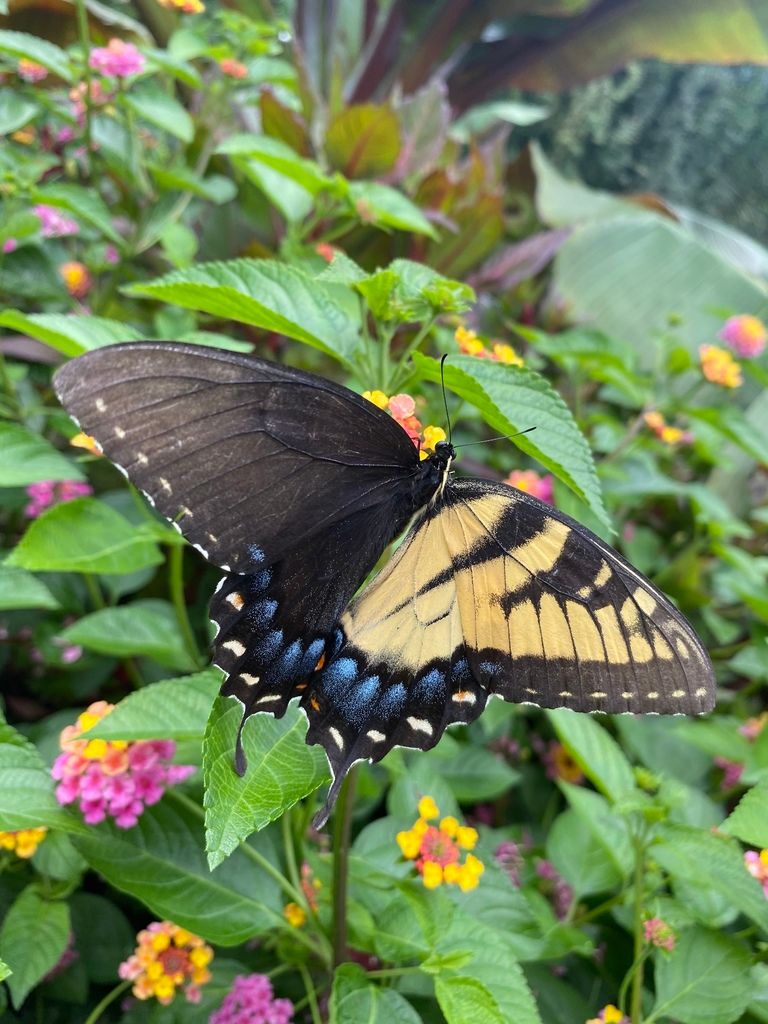
Swallowtails (Family Papilionidae)

Swallowtails

Adult swallowtails visit many flowers for nectar and can help move pollen between blooms as they feed.

View pollinator profile
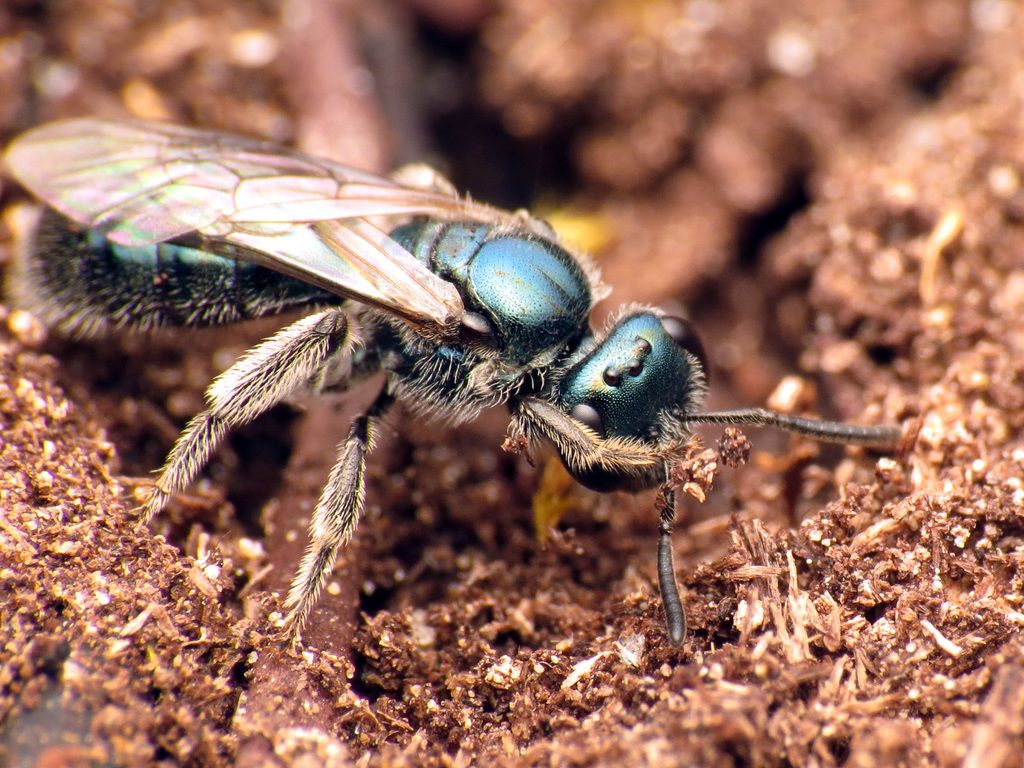
Sweat bees (Family Halictidae)

Sweat bees

They help move pollen between flowers in gardens, parks, and natural areas, supporting seed and fruit production.

View pollinator profile
Whites & sulphurs (Family Pieridae)

Whites & sulphurs

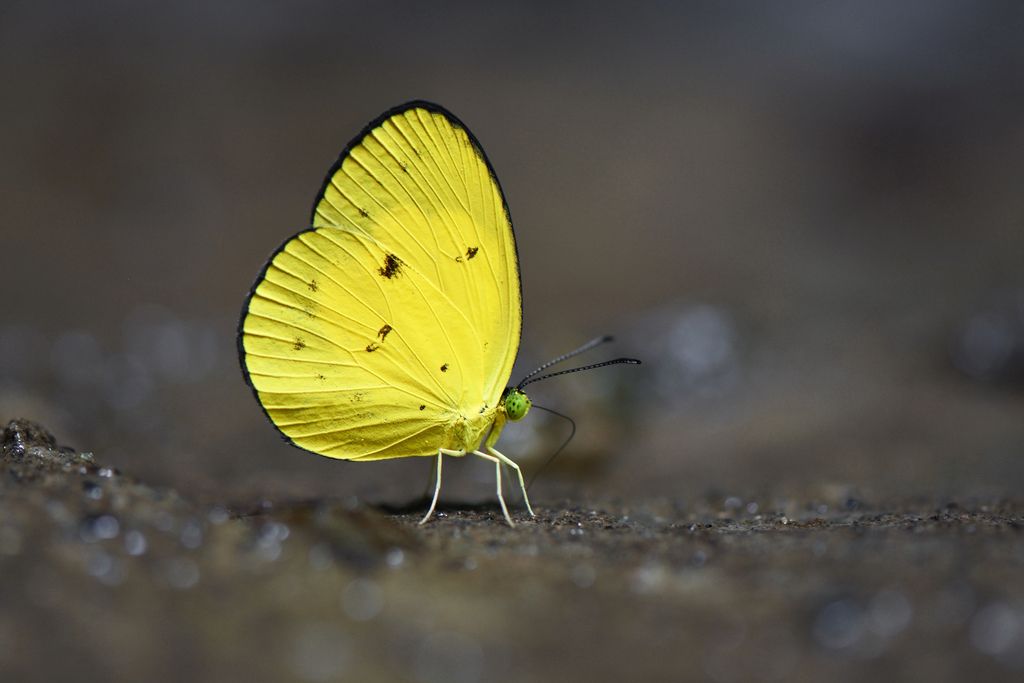
They visit a wide range of flowers for nectar and can help move pollen between blooms as they feed.

View pollinator profile