
Plant pollinator-friendly flowers
Flowers are food, and food has to last the whole season.
- Native, region-matched plants whenever possible.
- Continuous bloom: early + mid + late.
- Diversity in flower shapes and heights.
Action framework
Three practical steps you can take to help bring back pollinators, no matter your space or experience level.
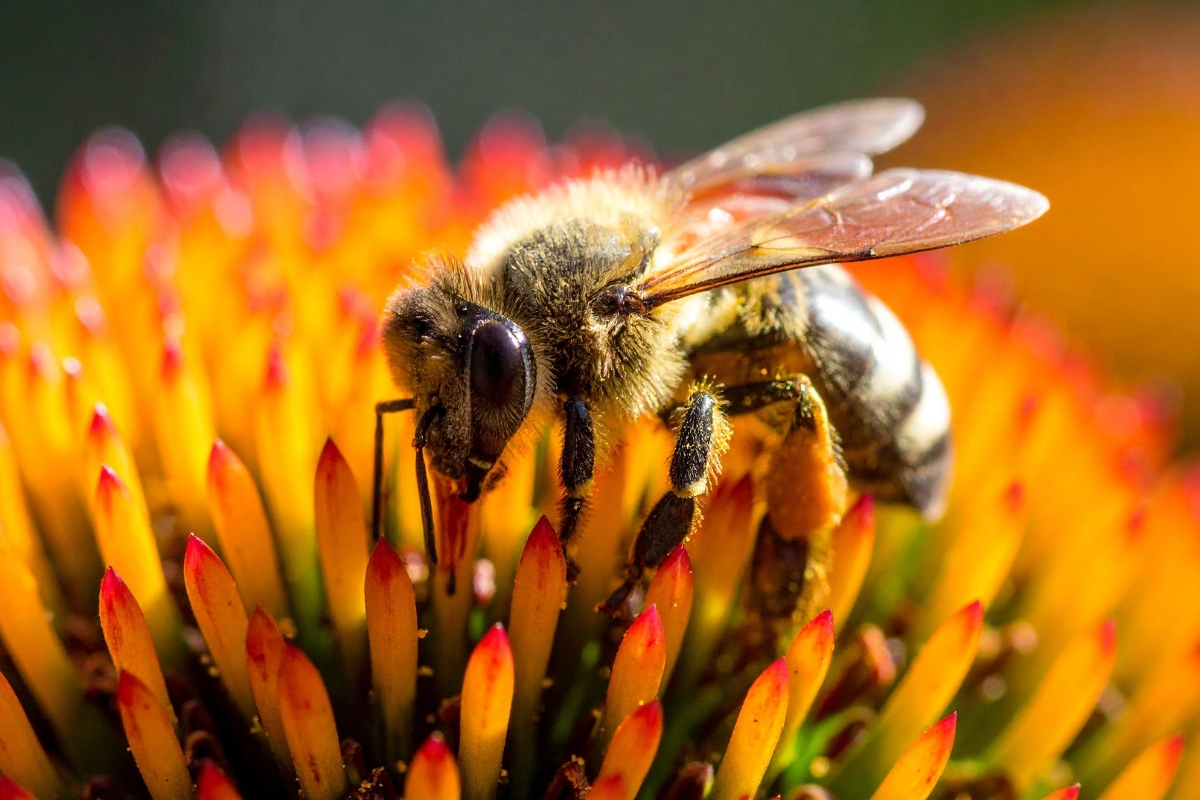
Pollinator protection does not require a perfect garden or a big property. The most effective actions are simple, practical, and repeatable. When enough people take small steps, pollinator habitat starts to connect again, from balcony pots and window boxes to schoolyards and park strips.
Below are the three core steps. Each step links to its own page with clear guidance, examples, and tools you can use right away.
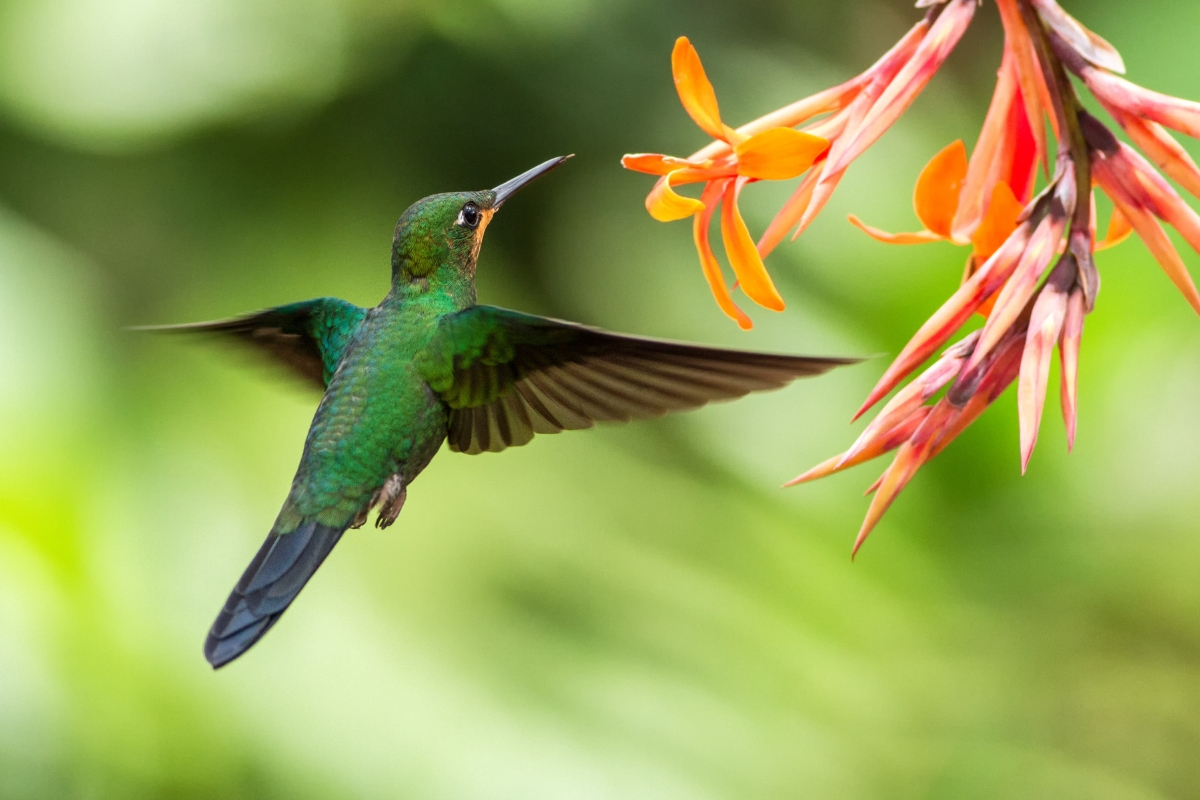
Pick the step that fits your space right now, then grow from there.
Flowers are food, and food has to last the whole season.
Habitat only works if it is safe to visit.
Habitat becomes powerful when it connects.
If you are not sure where to begin, choose one.
A single container with native-friendly blooms is a real habitat start.
Avoid spraying near anything in bloom and reduce routine treatments.
Add your patch to the Bloom Map and invite one person to join.
The Bloom Kit is Metro Prep's charity fundraiser, featuring region-specific native seed mixes. Proceeds support pollinator education, awareness, and conservation, so the movement grows through what we plant, what we teach, and what we help resource.
Explore Bloom Kits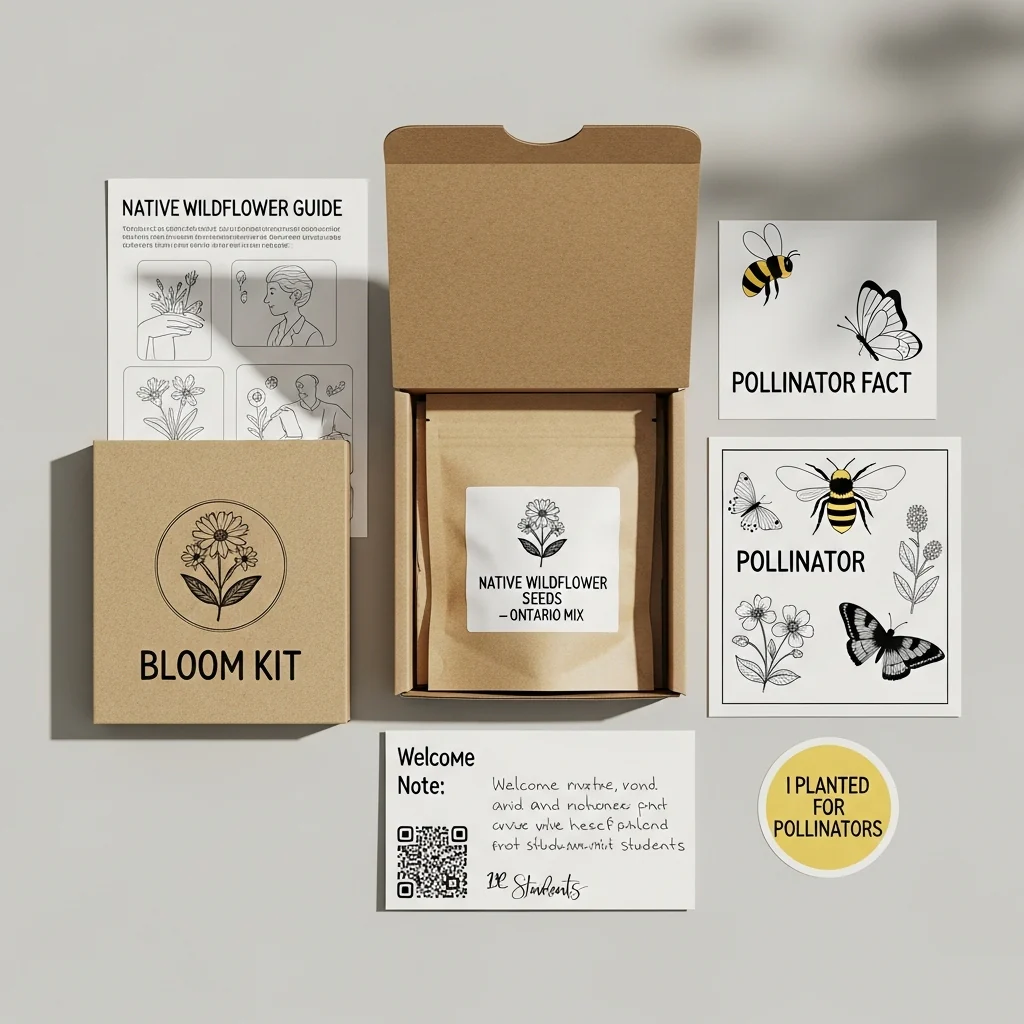
Every balcony, garden, schoolyard, and park strip can become part of a connected habitat.
Choose native, region-matched plants and plan for early, mid, and late bloom.
Skip insect sprays and systemic products, especially on or near anything in bloom.
Pin your patch on the Bloom Map and invite one person to plant too.
Find native plants, bloom calendars, and garden layouts tailored to your region.
Explore regional guidesSearch plants by region, bloom season, sunlight, and pollinator type.
Browse the plant databaseIdentify local pollinators and learn how to support them year-round.
Meet the pollinators