
Direct contact
Spraying can hit pollinators or coat surfaces they land on.
Habitat safety
Keep habitat safe by reducing chemical use. Learn why systemic products matter and discover non-chemical alternatives for pest management.
Rule of thumb: If it blooms, do not spray it.
Why it matters
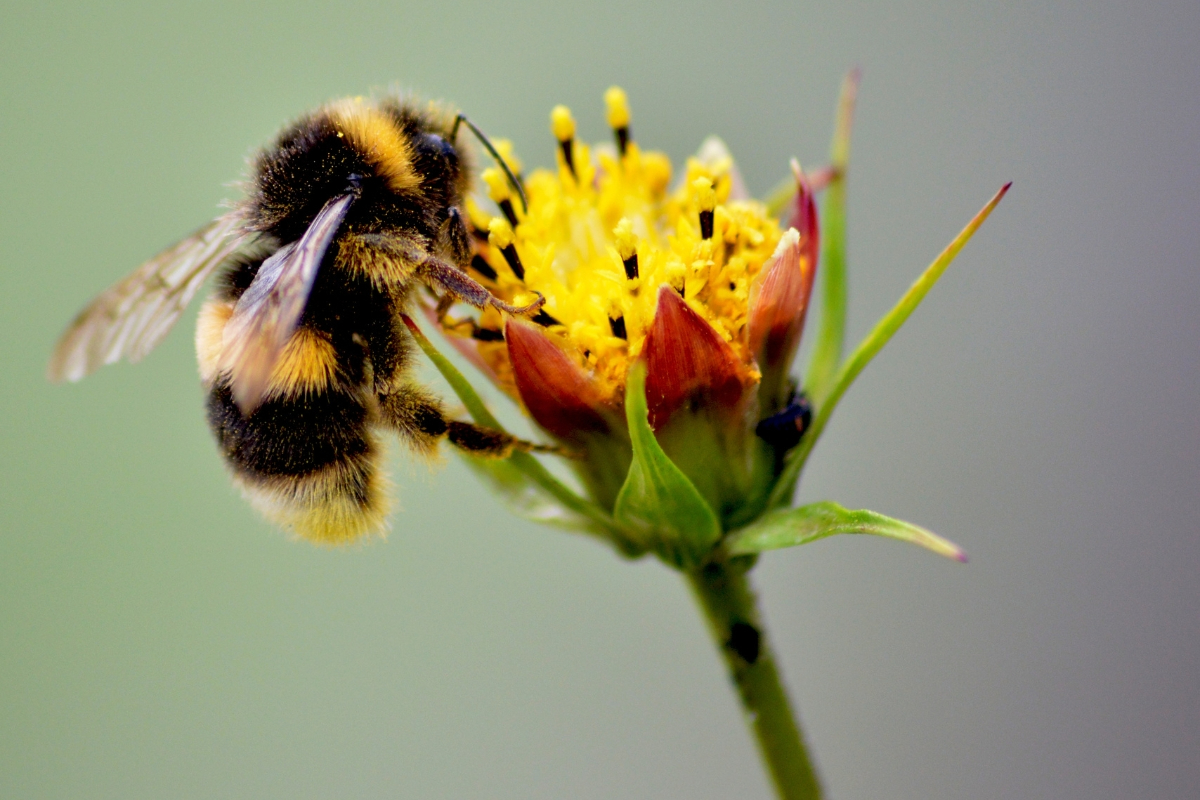
Pollinators encounter chemicals in everyday, often accidental ways.
Spraying can hit pollinators or coat surfaces they land on.
Residues remain on leaves and flowers where insects feed.
Systemic products can show up in nectar and pollen.
Herbicides remove flowering plants pollinators rely on.
Highest risk
These four scenarios carry the greatest risk to pollinators.
Safer alternatives
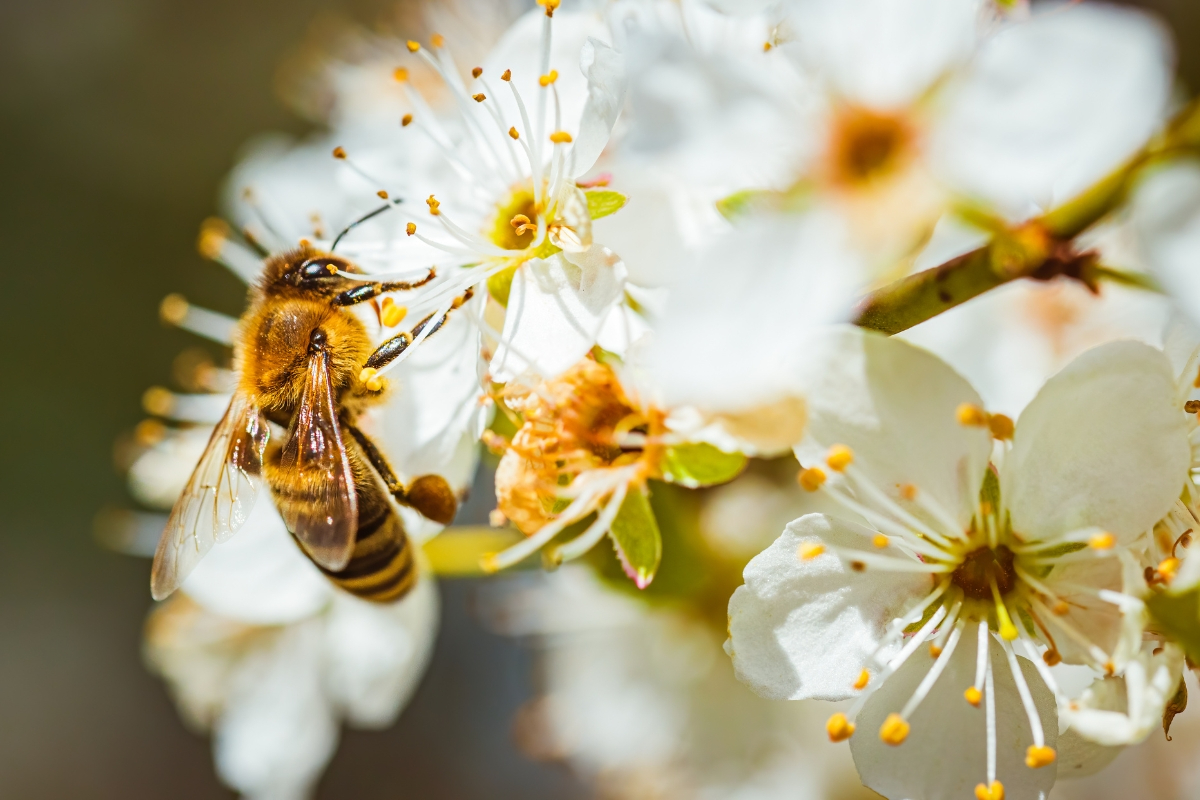
Avoiding pesticides does not mean doing nothing. It means choosing the safest tool first.
Minor leaf damage is normal and plants can recover.
Hand-pull weeds, prune leaves, or spray pests off with water.
Lady beetles and lacewings keep pests in check.
Treat the smallest area possible and never during bloom.
Lawns are the easiest start
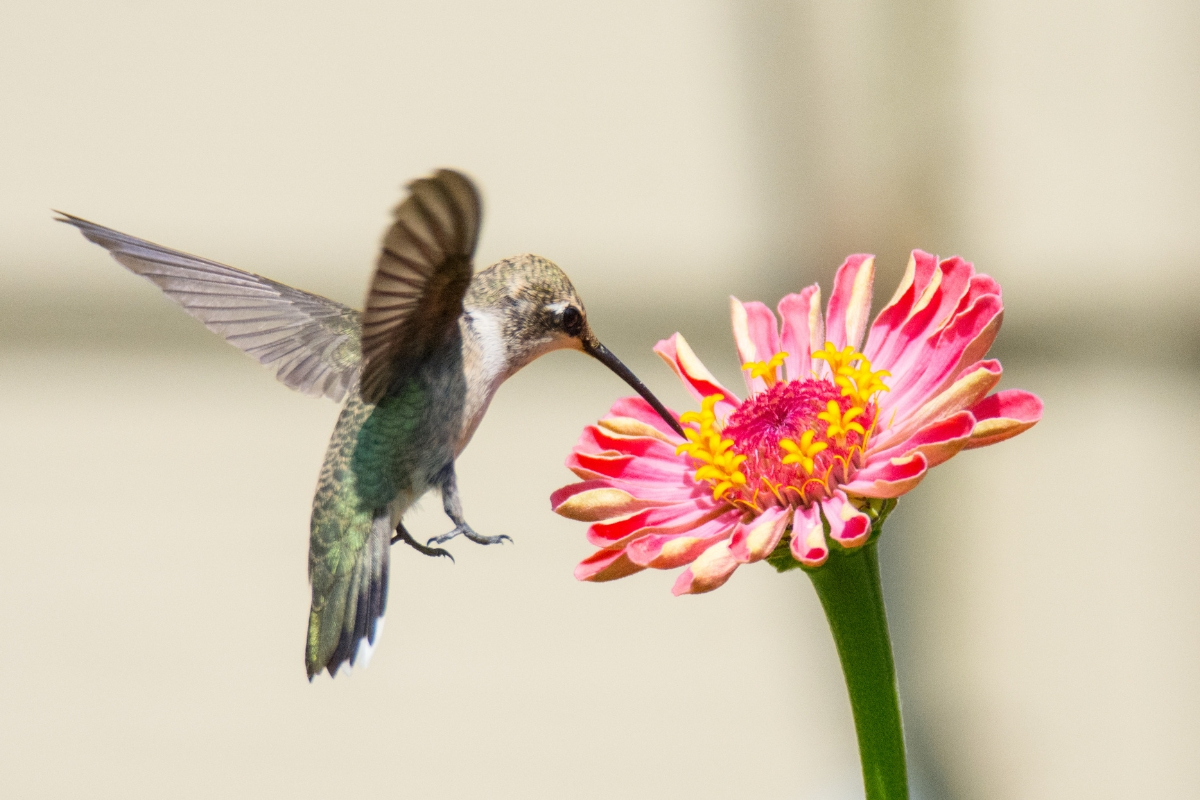
These shifts protect blooms without changing your whole landscape.
Quick decision guide
1) Identify
Know the pest and whether it is actually harming the plant.
2) Try low-risk
Use physical or cultural fixes first.
3) Protect blooms
Never treat plants in bloom or when pollinators are active.
Next steps
Pair pesticide-free choices with native planting for the biggest impact.