
Common signs you may notice
- Large areas of lawn with few flowers.
- Gardens that bloom only in spring.
- Neat landscapes with no stems, leaf litter, or brush.
- Few late-season flowers like asters and goldenrods.
Threats and pressures
Pollinators face stacked pressures like habitat loss, bloom gaps, pesticides, and climate extremes. The good news: practical steps reduce them.
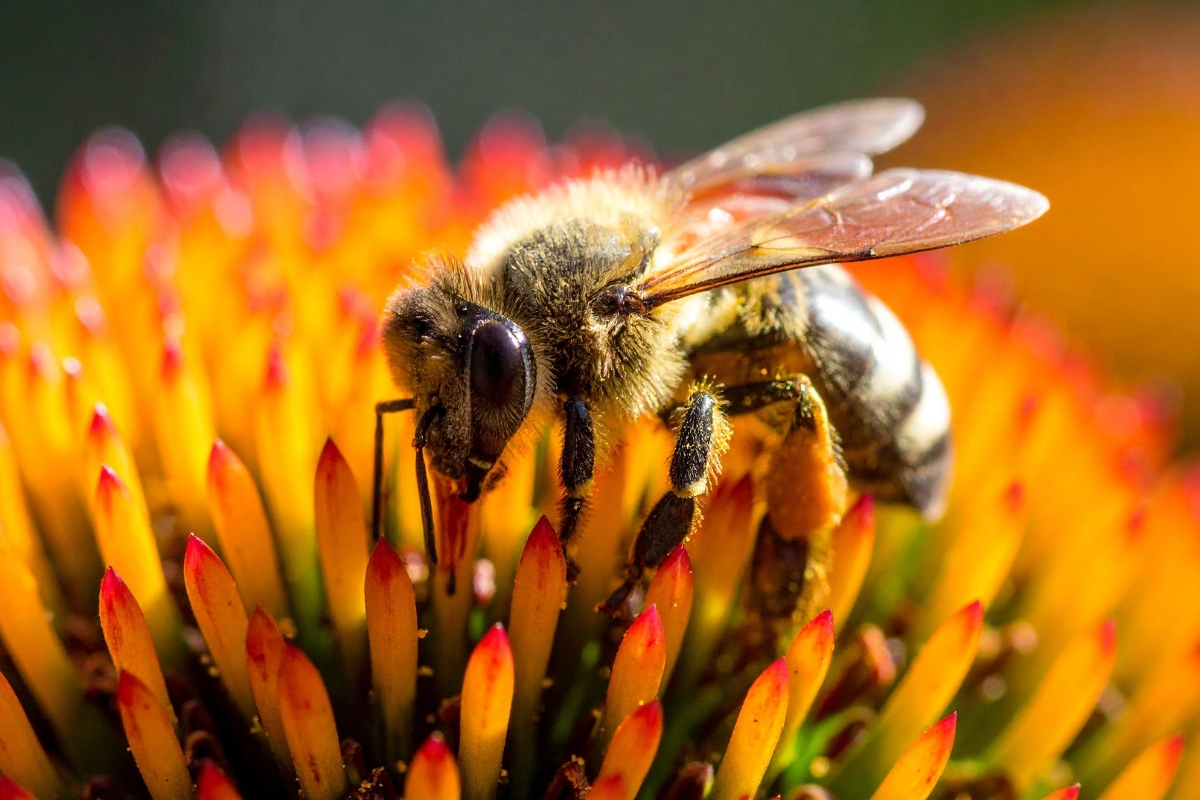
Pollinators rarely face just one challenge. In most places it is the combination of habitat loss, fewer flowers through the season, and more exposure to chemicals and climate stress.
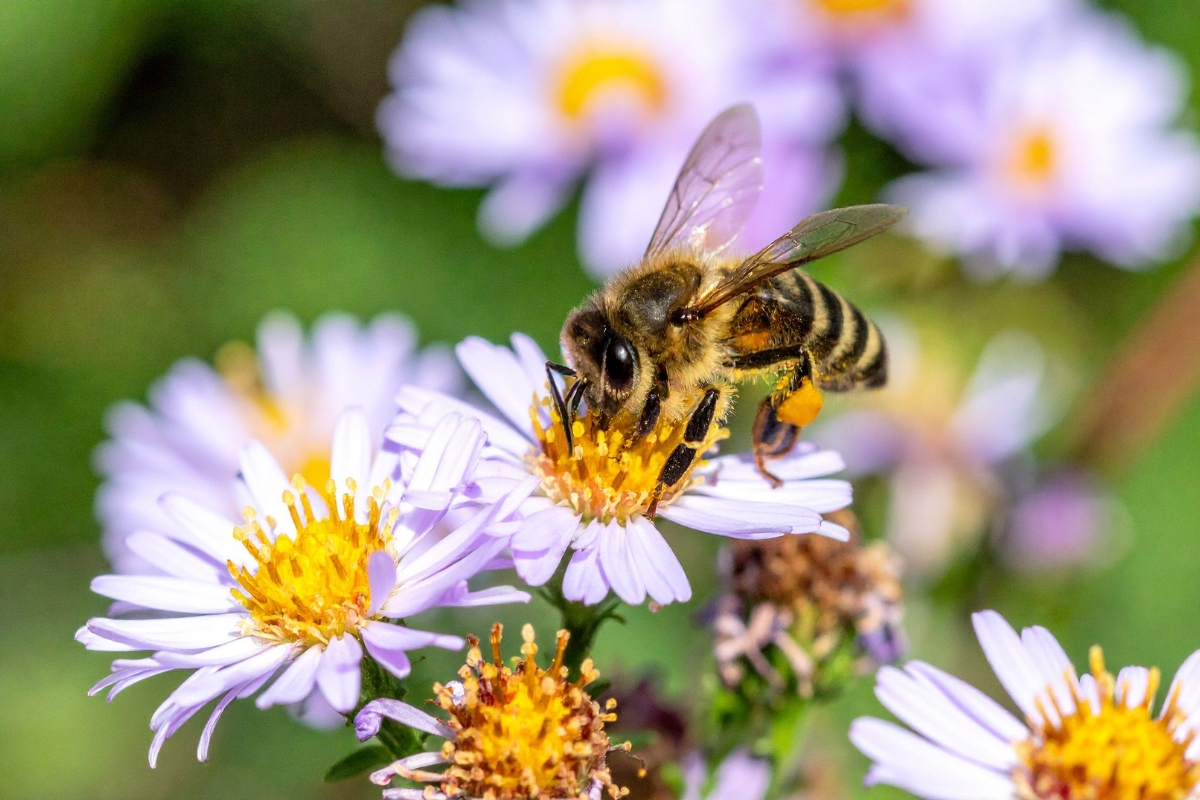
When habitat shrinks and blooms disappear, pollinators become stressed and more vulnerable. Add chemicals or climate extremes and the risk multiplies.
Fewer places to live, nest, and safely move between food sources.
Bloom gaps leave pollinators hungry for part of the year.
Chemical exposure weakens pollinators directly or indirectly.
Climate extremes shorten blooms and disrupt timing.
These are the most common pressures, along with quick ways to respond.
Natural areas replaced by development or intensive agriculture leave fewer places to live and nest. Small isolated patches are hard to move between.
What you can do: Protect existing flowering areas and plant even a small patch.
Many landscapes have a spring burst and then very little from mid-summer to fall. Pollinators need early, mid, and late blooms.
What you can do: Plan for continuous bloom and add late-season flowers.
Insecticides can kill pollinators outright. Systemic products move into nectar and pollen. Herbicides remove flowers pollinators rely on.
Highest risk: spraying in bloom, systemic products, routine treatments.
What you can do: Avoid insect sprays and systemics, especially near bloom.
Heat waves, droughts, and unusual storms reduce flowers and shift timing. Pollinators may emerge when fewer flowers are available.
What you can do: Plant diverse, region-matched natives and keep bloom going.
These pressures often show up alongside habitat loss and chemicals.
Pollinators face natural diseases, but stress makes them more vulnerable.
What you can do: Provide continuous bloom and pesticide-free habitat.
Invasives can replace diverse native communities and reduce bloom variety.
What you can do: Plant native-first and avoid mystery wildflower mixes.
Many pollinators need bare soil, hollow stems, and leaf litter to nest and overwinter.
What you can do: Leave stems and litter, keep a small bare-soil patch.
Night lighting disrupts moths and other nocturnal pollinators.
What you can do: Use warmer bulbs, shield lights downward, use motion sensors.
You do not need a huge property to help. Small improvements, multiplied, create real habitat.
Prioritize early, mid, and late bloom so food is available all season.
Grow pollinator-friendly flowersSkip insect sprays and systemic products, especially near anything in bloom.
Avoid pesticidesMetro Prep's Impact Program is student-led learning turned into real-world action, and A Billion Small Steps is Metro Prep Impact's pollinator habitat movement where small actions, planting pollinator-friendly flowers, avoiding pesticides, and sharing and inviting others add up.
Alongside habitat action, we also educate, raise awareness, and fundraise to support pollinator protection.

Three simple steps make a real difference.
Choose native, region-matched plants that bloom from spring through fall. The Bloom Kit is Metro Prep’s charity fundraiser, offering region-specific native seed mixes that support pollinator education, awareness, and conservation.
Skip insect sprays and systemic products, especially on or near anything in bloom.
Pin your patch on the Bloom Map (add a photo and sign the pledge) to help build a visible, North America-wide habitat network. Invite one person to plant too.