Food and nutrition security
Roughly one in three bites of food depends on pollination. Many fruits, vegetables, nuts, and seeds rely on pollinators for yield and quality.
The conservation case
Pollinators keep food systems, wild ecosystems, and local economies resilient. Protecting them protects the web of life.
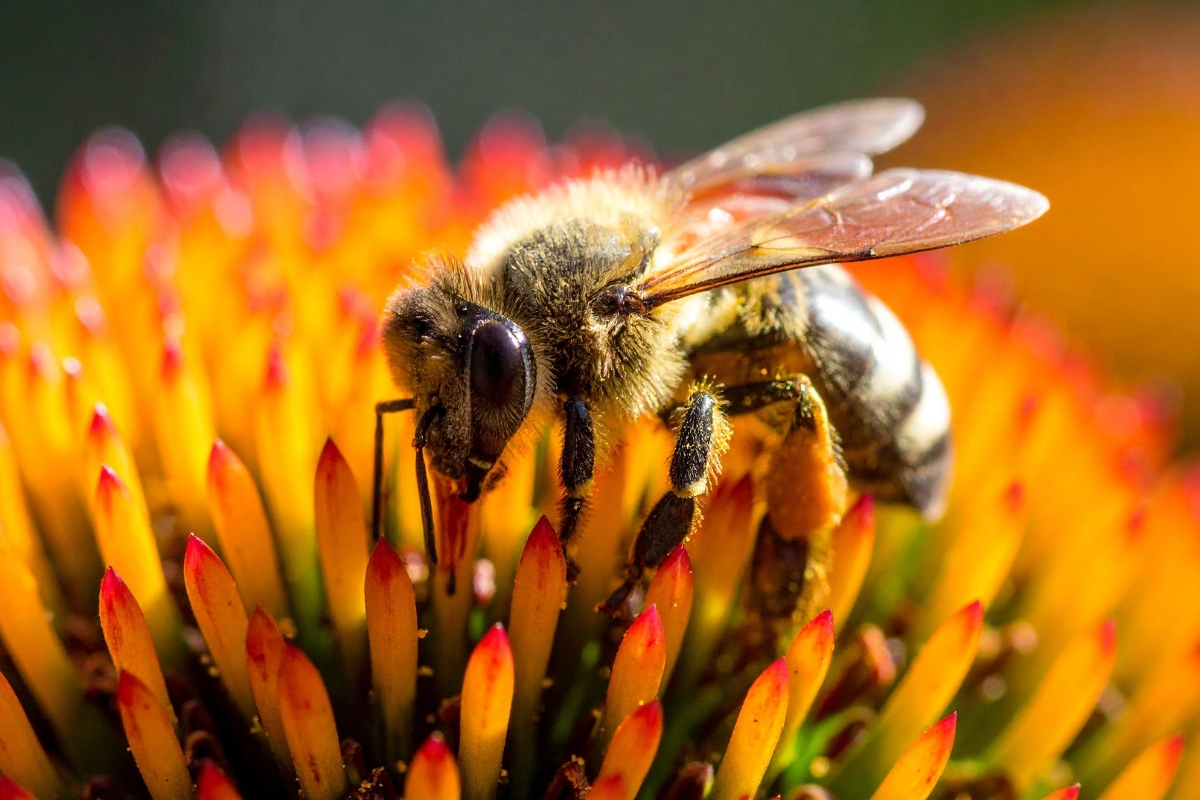
Pollinators are a living bridge between plants, people, and ecosystems. When pollinators thrive, wildflowers reproduce, farms stay productive, and biodiversity has a chance to recover.
Pollinators support food, ecosystems, and community resilience all at once.
Roughly one in three bites of food depends on pollination. Many fruits, vegetables, nuts, and seeds rely on pollinators for yield and quality.
Pollinators help wild plants reproduce, which stabilizes soils, supports birds and mammals, and strengthens entire food webs.
Pollination supports agriculture, seed production, and urban green spaces. Declines increase costs and reduce crop options.
Native plant communities store carbon, hold water, and buffer extreme weather. Pollinators keep those communities regenerating.
Pollinators connect flowers to the rest of the ecosystem. When they decline, the ripple spreads outward.
Many native plants rely on specific pollinators to reproduce and set seed.
Birds, small mammals, and insects depend on those plants for food and shelter.
Healthy ecosystems support clean water, healthy soil, and diverse local food.
Recovery is about food, shelter, and safety across the season.
Blooms that span early, mid, and late season with a mix of flower shapes.
Soil patches, stems, and undisturbed edges for nesting and overwintering.
Avoid insect sprays and systemic products near anything in bloom.
A network of patches across neighborhoods, schools, and farms.
Choose the path that fits your space and time right now.
Understand the pressures pollinators face and why habitat loss matters.
Explore threatsUse regional guides and plant databases to build a plan that fits your region.
Use planting resourcesFind native plants, bloom calendars, and garden layouts tailored to your region.
Explore regional guidesSearch plants by region, bloom season, sunlight, and pollinator type.
Browse the plant databaseIdentify local pollinators and learn how to support them year-round.
Meet the pollinators